
Bake Crostata della Nonna: Simple & Sweet

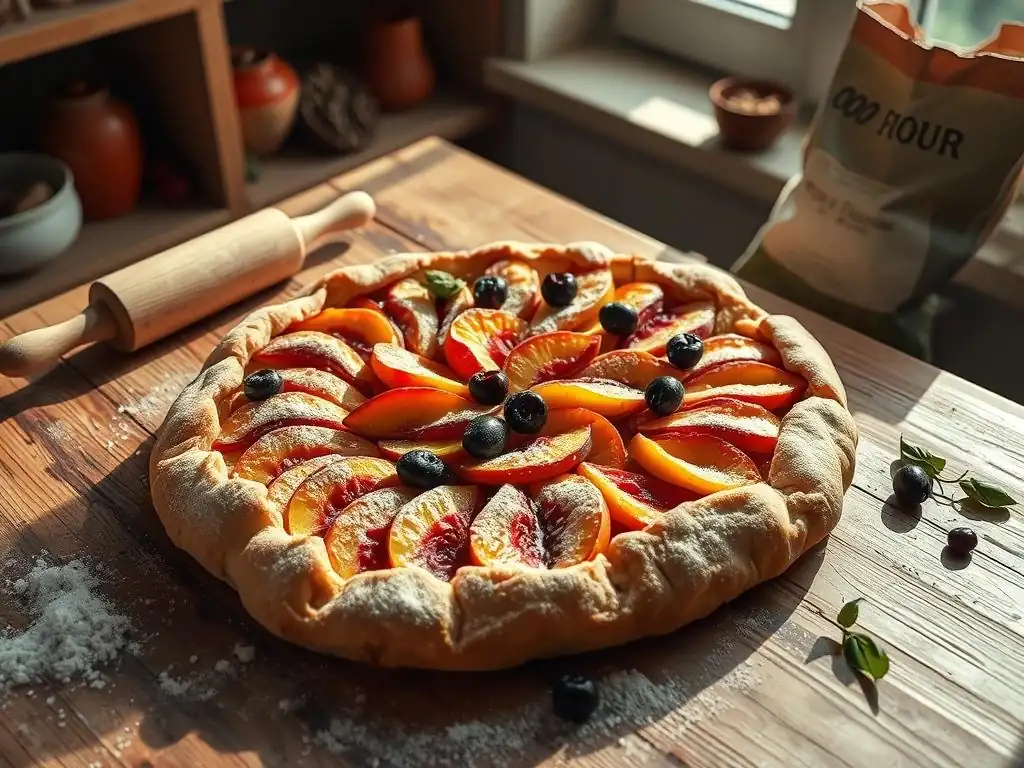
Welcome to BakeWithEase, where baking becomes a joy, not a chore! Ever dreamt of creating a rustic masterpiece that tastes like a warm hug from Grandma? Get ready to transport your kitchen to Italy because we're diving into an easy Italian fruit crostata recipe – a timeless dessert that's surprisingly simple to master. But that's just the beginning! Curious to unlock the secrets behind perfecting this delightful treat and discover other regional baking treasures? Let's get started!
- Apple Crostata with Almond Frangipane: Rustic Italian Tart
- Discover the Charm of Apple Crostata with Almond Frangipane: A Flavorful Dessert Recipe
- What is Crostata? A Versatile Italian Tart
- Apple Crostata with Almond Frangipane Recipe: Step-by-Step Guide for Home Bakers
- Variations and Customizations: Elevating Your Crostata
- Tips and Tricks for the Perfect Crostata Every Time
- Why You'll Love This Apple Crostata with Almond Frangipane
- More Italian Baking Traditions from BakeWithEase
-
Frequently Asked Questions
- How difficult is the Crostata della Nonna recipe from BakeWithEase?
- What type of fruit works best in the Easy Italian fruit crostata recipe?
- Does the Simple & Sweet crostata recipe require special baking equipment?
- How can I adapt the Bake Crostata della Nonna recipe for dietary restrictions?
- How long does it take to bake the Easy Italian fruit crostata recipe?
- Final Reflection: The Enduring Sweetness of Tradition
- Unleash Your Inner Nonna: Bake a Crostata Today!
Apple Crostata with Almond Frangipane: Rustic Italian Tart
Discover the Charm of Apple Crostata with Almond Frangipane: A Flavorful Dessert Recipe
Embark on a delightful baking journey with this simple yet elegant Apple Crostata featuring a luscious almond frangipane filling. Crostata, a classic Italian tart, is known for its rustic charm and versatile fillings, making it a beloved dessert across Italy. While traditional crostata often features jam, this version elevates the experience with a creamy almond layer and sweet, tender apples, offering a perfect balance of textures and flavors. It's a fantastic way to bring a piece of Italian baking tradition into your home, especially when apples are in season.
This easy Italian fruit crostata recipe is designed for home bakers of all levels. We'll guide you through creating a perfect buttery pastry crust, preparing a rich frangipane, and arranging the fruit for a beautiful finish. The result is a comforting, golden-brown tart that's as satisfying to make as it is to eat. Whether you're new to Italian baking or looking for a simple fruit tart recipe, this apple crostata is sure to become a favorite.
What is Crostata? A Versatile Italian Tart
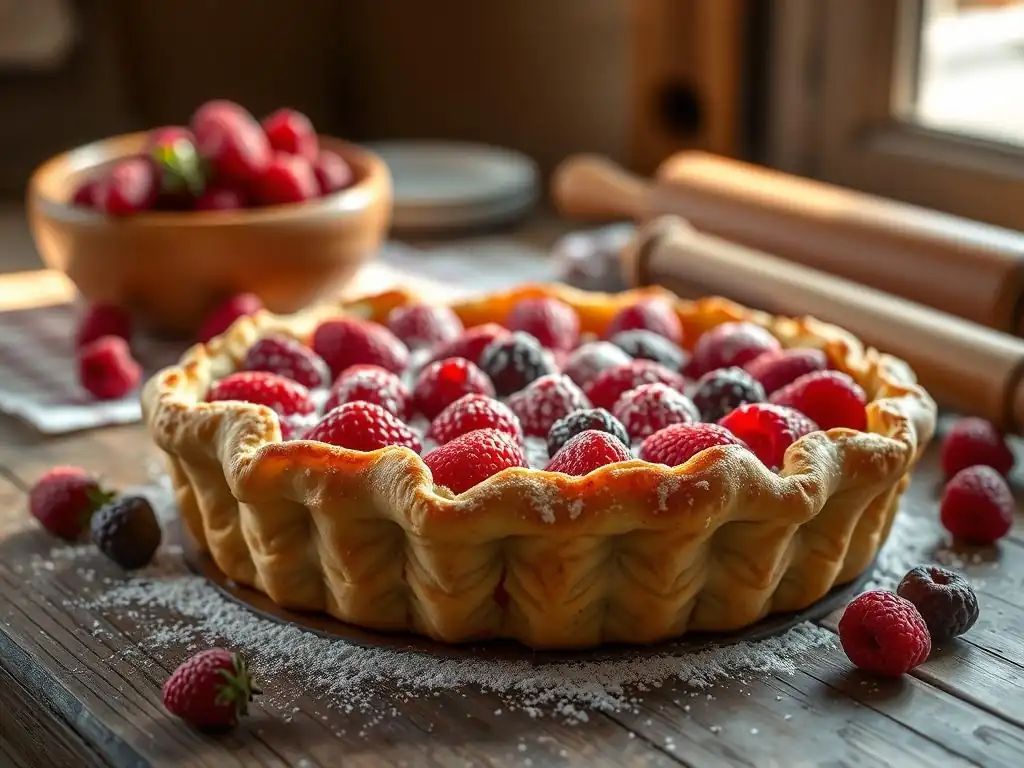
Crostata is a baked tart or pie, a staple in Italian cuisine. Its name comes from crosta, meaning crust, highlighting the importance of the pastry base and often a decorative lattice top. Unlike some more complex French tarts, crostata often has a more rustic, freeform appearance, especially when baked on a baking sheet rather than in a tart pan. It's incredibly versatile, served for breakfast, a snack (merenda), or dessert.
The defining features of a crostata are its pasta frolla crust – a sweet, crumbly shortcrust pastry – and its filling, which is traditionally jam (often apricot, cherry, or berry), but can also include fresh fruit, ricotta cheese, or even custard or cream fillings in more modern interpretations. The pastry is typically rolled out, the filling is spread, and then a lattice or solid top is added before baking. This easy Italian fruit crostata recipe uses pasta frolla as its foundation, ensuring that classic buttery texture.
Understanding the Regional Variations of Crostata
Crostata boasts numerous regional variations across Italy, reflecting local ingredients and culinary traditions. For instance, in Tuscany, crostata di marmellata (jam crostata) is incredibly popular, often made with homemade fruit preserves. Emilia-Romagna is known for its crostata di ricotta, a rich version featuring a sweet ricotta cheese filling, sometimes flavored with lemon zest or candied fruit, showcasing a different type of creamy interior compared to fruit.
Further south, variations might incorporate ingredients like figs or almonds more prominently. Sicily, for example, has versions that might include dried fruit or even chocolate. Some regions prefer a very thin, crisp crust, while others make a slightly thicker, more tender base. This adaptability is part of the crostata's charm, making it a beloved dessert that changes subtly from one Italian kitchen to the next, proving that an easy Italian fruit crostata recipe can take many delicious forms.
Key Characteristics of a Well-Made Crostata
A truly well-made crostata starts with an excellent pasta frolla. The crust should be tender and crumbly, with a rich, buttery flavor. It shouldn't be tough or bready, which often happens if the dough is overworked or too much liquid is added. When baked, the crust should turn a beautiful golden brown, offering a slight crispness that contrasts wonderfully with the filling.
The filling itself should be flavorful and hold its shape relatively well after baking. In the case of fruit crostata, the fruit should be tender but not completely mushy. If using jam, it should be slightly thickened and not excessively runny. The classic lattice top, while not strictly mandatory for all crostata, is a hallmark visual element, allowing glimpses of the filling and ensuring even baking of the top crust strips. This easy Italian fruit crostata recipe aims for this balance of a perfect crust and a delicious, well-set filling.
Apple Crostata with Almond Frangipane Recipe: Step-by-Step Guide for Home Bakers
Ready to bake? This section provides a detailed walkthrough for creating your own Apple Crostata with Almond Frangipane. We'll cover everything from gathering ingredients to achieving that perfect golden-brown finish. Following these steps will help you master this easy Italian fruit crostata recipe.
Here's a task list to keep track as you bake:
- [ ] Prepare the pasta frolla dough and chill.
- [ ] Make the almond frangipane filling.
- [ ] Prepare the apples.
- [ ] Roll out the dough and fit into the pan (or shape freeform).
- [ ] Spread the frangipane.
- [ ] Arrange the apples.
- [ ] Add the lattice top (if desired).
- [ ] Bake until golden and bubbly.
- [ ] Cool before serving.
Gathering Your Ingredients: What You'll Need for This Apple Crostata
To make this delightful Apple Crostata with Almond Frangipane, you'll need a few key components for the pasta frolla, the frangipane, and the apple filling. For the pasta frolla, you'll need approximately 250 grams of all-purpose flour, 125 grams of cold unsalted butter cut into cubes, 100 grams of granulated sugar, 1 large egg, and a pinch of salt, plus optional lemon zest or vanilla for flavor. Using cold butter is crucial for creating a tender, flaky crust.
For the almond frangipane, you'll need about 100 grams of unsalted butter (softened), 100 grams of granulated sugar, 100 grams of almond flour (finely ground almonds), 1 large egg, and 1 teaspoon of almond extract (or vanilla extract). The apple filling requires about 3-4 medium apples (such as Honeycrisp, Granny Smith, or Fuji), peeled, cored, and sliced about 1/4 inch thick. You'll also need a tablespoon or two of sugar and a pinch of cinnamon or nutmeg to toss with the apples. This simple list forms the basis of a delicious easy Italian fruit crostata recipe.
Preparing the Pasta Frolla: The Foundation of Your Italian Tart
The pasta frolla is the heart of your crostata, providing that essential buttery base. The key to a good pasta frolla is keeping ingredients cold and handling the dough minimally to avoid developing gluten, which can make the crust tough. This traditional sweet shortcrust pastry is simple to make but requires a little patience, especially during the chilling phase.
Making the Perfect Sweet Shortcrust Pastry (Pasta Frolla)
To make the pasta frolla, start by combining the flour, sugar, and salt in a large bowl or a food processor. Cut in the cold, cubed butter using your fingertips, a pastry blender, or pulsing in the food processor until the mixture resembles coarse crumbs with some pea-sized pieces of butter remaining. This helps create flakiness. In a separate small bowl, whisk the egg with any optional flavorings like lemon zest or vanilla. Add the egg mixture to the dry ingredients and mix until the dough just comes together. Be careful not to overmix.
Turn the dough out onto a lightly floured surface and gently bring it together into a disc. Do not knead it like bread dough. Wrap the disc tightly in plastic wrap and refrigerate for at least 30-60 minutes. Chilling the dough allows the gluten to relax and the fat to firm up, making it much easier to roll out and resulting in a more tender crust. This step is essential for any easy Italian fruit crostata recipe using pasta frolla.
Tips for a Buttery and Crisp Crostata Crust
Achieving a buttery and crisp crust is all about temperature and technique. Always use cold butter and cold water (if your recipe calls for any, though this one primarily uses egg). Work quickly when incorporating the butter to prevent it from melting before baking. When rolling out the chilled dough, do so on a lightly floured surface, rotating the dough frequently to prevent sticking. Aim for a thickness of about 1/8 to 1/4 inch (roughly 3-5 mm).
Once the dough is rolled and transferred to your baking surface (a pie plate, tart pan, or parchment-lined baking sheet), handle it gently to avoid stretching or tearing. If using a pie plate or tart pan, press it gently into the corners. For a freeform crostata, simply place the rolled dough disc on parchment paper. Resting the shaped dough in the refrigerator for another 15-20 minutes before adding the filling and baking can also help prevent shrinkage and ensure a crisp bottom crust, particularly useful for an easy Italian fruit crostata recipe.
Assembling Your Crostata: Adding the Filling
With your pasta frolla ready and chilled, it's time to fill your crostata. This recipe features a layer of rich almond frangipane topped with sliced apples. The combination is classic and comforting, adding depth and moisture to the tart.
Preparing the Almond Frangipane
The almond frangipane is a simple mixture that bakes into a creamy, slightly cake-like layer. To make it, cream the softened butter and sugar together in a bowl until light and fluffy, using an electric mixer or a whisk. Beat in the egg until fully incorporated. Then, stir in the almond flour and almond or vanilla extract until the mixture is smooth. The frangipane should have a thick, spreadable consistency, similar to a thick cake batter.
Once the frangipane is ready, spread it evenly over the bottom of the prepared pasta frolla crust. Leave a border of about 1.5 to 2 inches (roughly 4-5 cm) around the edge if you are making a freeform crostata, or spread it within the confines of your pie or tart pan. This layer provides a wonderful richness and helps absorb some of the moisture released by the apples during baking, contributing to the success of this easy Italian fruit crostata recipe.
Arranging the Apples for Optimal Baking
Properly preparing and arranging the apples is key to a beautiful and delicious crostata. Peel, core, and slice your chosen apples into uniform slices, about 1/4 inch (6 mm) thick. Tossing the apple slices with a tablespoon or two of sugar and a pinch of cinnamon or nutmeg enhances their flavor and helps them release some juice before baking. You can also add a teaspoon of flour or cornstarch to the apple mixture to help absorb excess moisture and prevent a soggy filling.
Arrange the apple slices over the frangipane layer in an overlapping pattern. You can create concentric circles, rows, or a more freeform design. Try to distribute the slices evenly so the tart bakes uniformly. If making a freeform crostata, fold the excess pastry border up and over the edge of the apple filling, creating a rustic edge. If using a pie plate or tart pan, you might add a lattice top or cut out shapes from leftover dough to decorate the top. This careful arrangement ensures the apples cook perfectly in your easy Italian fruit crostata recipe.
Baking Your Crostata: Achieving Golden Perfection
Baking is where the magic happens, transforming your prepared tart into a golden, fragrant dessert. Getting the temperature and timing right is crucial for a perfectly cooked crust and tender filling.
Oven Temperature and Baking Time for the Ideal Crostata
For this Apple Crostata with Almond Frangipane, preheat your oven to a moderate temperature, typically around 375°F (190°C). This temperature allows the crust to bake through and become golden while the filling heats up and the apples soften. Place the crostata on a baking sheet (especially if freeform, in case of drips) and bake in the preheated oven.
The baking time will vary depending on your oven and the size and thickness of your crostata, but it generally takes between 45 to 60 minutes. Start checking around the 45-minute mark. You're looking for the crust edges to be deeply golden brown and the filling to be bubbling slightly. If the edges start browning too quickly, you can loosely tent the crostata with aluminum foil. This careful timing is vital for a successful easy Italian fruit crostata recipe.
How to Tell When Your Crostata is Perfectly Baked
You'll know your crostata is perfectly baked when the pasta frolla crust has turned a rich golden-brown color all over, not just on the edges. The filling should appear set, and if you can see the apples, they should look soft and slightly caramelized. If there's a lattice top, the strips should also be golden brown.
Another indicator is the bubbling of the filling, particularly around the edges where it meets the crust. The frangipane layer underneath the apples will also have set. If you gently shake the baking sheet, the center of the filling shouldn't appear overly liquid or wobbly. Trust your senses – the aroma of baked apples, almonds, and buttery pastry is a sure sign it's almost ready. Baking until these visual cues are met ensures the crust is cooked through and crispy, a key feature of a great easy Italian fruit crostata recipe.
Variations and Customizations: Elevating Your Crostata
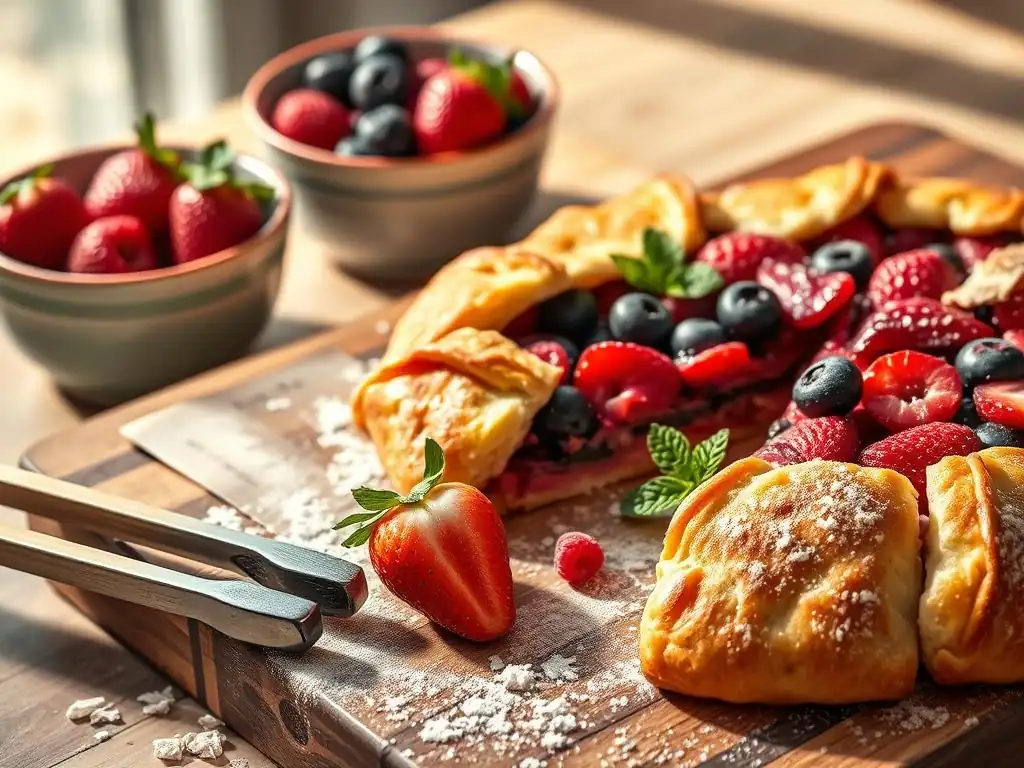
While this Apple Crostata with Almond Frangipane recipe is delicious as is, one of the joys of baking is the ability to customize. Crostata is incredibly adaptable, allowing you to play with different fruits, spices, and additions to create your own signature version.
Other Fruit Combinations for Your Crostata
The beauty of an easy Italian fruit crostata recipe lies in its versatility with fillings. While apples are wonderful, especially in the fall, you can easily substitute them with other seasonal fruits. In the summer, consider using fresh berries like raspberries, blueberries, or mixed berries. Peaches, plums, or cherries also make excellent fillings, perhaps paired with a hint of almond or vanilla.
For a late summer or early autumn twist, try figs, which pair beautifully with the almond frangipane. Pears are another excellent option, especially varieties like Bosc or Anjou, which hold their shape well when baked. Remember that fruits vary in moisture content, so you might need to adjust the amount of sugar or add a bit more flour or cornstarch to the fruit mixture to absorb excess juice, preventing a soggy bottom.
Adding Spices for Enhanced Flavor
Spices can dramatically enhance the flavor profile of your fruit crostata, complementing the sweetness of the fruit and the richness of the frangipane. Cinnamon and nutmeg are classic pairings for apples and pears, evoking warm, comforting flavors. A pinch of ground ginger or cardamom can add a surprising and delightful complexity.
Consider the fruit you're using when choosing spices. Cloves pair well with apples and pears, while a touch of allspice or star anise can add an exotic twist to plum or fig crostata. You can mix the spices directly with the fruit slices before assembling, or incorporate them into the frangipane layer for a more subtle infusion of flavor. Experimenting with different spice combinations is a fun way to personalize your easy Italian fruit crostata recipe.
Incorporating Chocolate or Nuts into the Frangipane
To add even more richness and texture, consider incorporating chocolate or nuts into the almond frangipane layer. Small chocolate chips or chopped dark chocolate can be folded into the frangipane mixture just before spreading it onto the crust. The chocolate will melt slightly during baking, creating pockets of gooey deliciousness that pair wonderfully with fruit.
Chopped nuts, such as toasted walnuts, hazelnuts (which are very Italian! ), or pecans, can also be added to the frangipane for extra crunch and flavor. Alternatively, you could sprinkle chopped nuts directly over the fruit before adding the lattice top. Another idea is to add a tablespoon of cocoa powder to the frangipane for a chocolate-almond filling base. These simple additions can elevate your easy Italian fruit crostata recipe to a new level of indulgence.
Tips and Tricks for the Perfect Crostata Every Time
Even with an easy Italian fruit crostata recipe, a few common issues can arise. Knowing how to avoid them and having tips for storage and serving will ensure your crostata turns out beautifully every time.
Avoiding Common Crostata Baking Mistakes
One common problem is a soggy bottom crust. This can often be prevented by ensuring your pasta frolla is well-chilled before baking, rolling it to an even thickness (not too thin), and baking the crostata on a preheated baking sheet or pizza stone. Tossing moist fruits with a tablespoon of flour or cornstarch can also help absorb excess juice. Another trick is to bake the bottom crust partially (blind bake) for about 10-15 minutes before adding the filling, especially with very juicy fruits.
Another mistake is overworking the pasta frolla dough, which leads to a tough crust. Mix the dough only until it just comes together and avoid kneading. If your crust cracks when rolling, it might be too cold; let it sit at room temperature for a few minutes. Uneven baking can often be solved by rotating the crostata halfway through the baking time. If the edges are browning too fast, cover them with strips of foil.
Storing and Serving Your Homemade Crostata
Once your Apple Crostata with Almond Frangipane is baked, let it cool on a wire rack for at least 30-60 minutes before slicing. This allows the filling to set properly. Crostata is often served slightly warm or at room temperature. It's delightful on its own or can be elevated with a scoop of vanilla ice cream, a dollop of whipped cream, or a drizzle of custard.
To store leftover crostata, cover it loosely with plastic wrap or aluminum foil and keep it at room temperature for up to 2-3 days. If your kitchen is very warm or humid, or if the filling contains dairy (like ricotta), it's better to refrigerate it. Refrigerated crostata can be gently reheated in a low oven (about 300°F / 150°C) for 10-15 minutes to crisp up the crust again.
Why You'll Love This Apple Crostata with Almond Frangipane
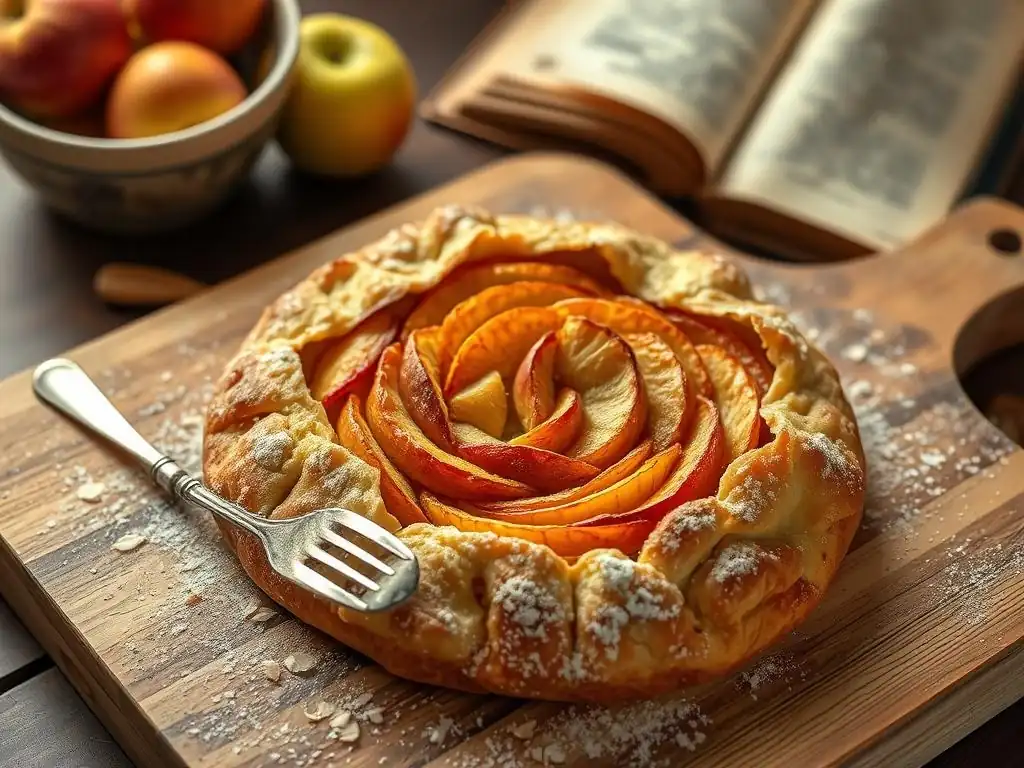
There are many reasons why this easy Italian fruit crostata recipe will capture your heart and delight your taste buds. It combines the simplicity of rustic baking with sophisticated flavors, making it a perfect dessert for any occasion.
The Rustic Elegance and Deliciousness of Crostata
The charm of crostata lies in its unpretentious beauty. Unlike elaborate layer cakes or intricate pastries, a crostata embraces a more relaxed aesthetic, often with a slightly uneven edge or a hand-formed lattice. This rustic elegance is part of its appeal, making it feel accessible and comforting. The combination of the crumbly, buttery pasta frolla crust, the rich, nutty almond frangipane, and the sweet, tender apples creates a symphony of textures and flavors that is simply delicious.
It's a dessert that feels homemade in the best possible way – warm, inviting, and utterly satisfying. Sharing a slice of freshly baked crostata with friends or family is a simple pleasure that embodies the spirit of Italian hospitality. This easy Italian fruit crostata recipe delivers that perfect balance of simple preparation and impressive, delightful results.
A Taste of Autumn in Every Bite
While apples are available year-round, an Apple Crostata truly sings with the flavors of autumn. The combination of sweet apples and warm spices like cinnamon and nutmeg evokes crisp air, changing leaves, and cozy evenings. The baking process itself fills your home with an irresistible aroma, creating an atmosphere of warmth and comfort.
Serving this crostata is like serving a slice of the season. The tender baked apples are the star, supported by the rich almond frangipane and the crisp pastry. It's the perfect dessert for a fall gathering, a Thanksgiving celebration, or simply a quiet afternoon with a cup of tea. This easy Italian fruit crostata recipe captures the essence of autumn's bounty in a delicious and comforting package.
More Italian Baking Traditions from BakeWithEase
Looking to explore more delightful Italian baked goods? BakeWithEase.com offers a variety of recipes that celebrate Italy's rich baking heritage.
Lemon Ricotta Cake Recipe
Frequently Asked Questions
How difficult is the Crostata della Nonna recipe from BakeWithEase?
The recipe is designed to be easy and accessible for all skill levels. BakeWithEase provides step-by-step guides and uses easy-to-find ingredients.
What type of fruit works best in the Easy Italian fruit crostata recipe?
The recipe is versatile, allowing for a variety of fruits. Berries, stone fruits like peaches and plums, and even apples work well, depending on seasonal availability and personal preference.
Does the Simple & Sweet crostata recipe require special baking equipment?
No, the recipe is designed to be simple and doesn't require any specialized baking equipment. You'll likely only need basic tools like a mixing bowl, rolling pin, and pie dish.
How can I adapt the Bake Crostata della Nonna recipe for dietary restrictions?
The recipe can be adapted by using gluten-free flour for a gluten-free version. You can also adjust the sweetness by using alternative sweeteners instead of sugar.
How long does it take to bake the Easy Italian fruit crostata recipe?
The baking time is typically around 30-40 minutes, or until the crust is golden brown and the fruit is tender. This can vary slightly depending on your oven temperature.
Final Reflection: The Enduring Sweetness of Tradition
The simple act of baking a Crostata della Nonna connects us to generations past, a testament to the enduring power of uncomplicated recipes and the comforting warmth of shared experiences. This seemingly simple dessert, with its rustic charm and burst of fresh fruit, transcends mere culinary creation; it becomes a vehicle for storytelling, family bonding, and the preservation of cultural heritage. In a world increasingly dominated by complex processes and instant gratification, the Crostata reminds us of the beauty found in simplicity and the profound satisfaction derived from creating something delicious with our own hands.
The influence of this traditional Italian dessert extends far beyond the kitchen table. It represents a tangible link to our culinary past, a symbol of family traditions passed down through generations. Food is symbolic of love when words are inadequate.
– Alan D. Wolfelt. This quote perfectly encapsulates the emotional resonance of baking and sharing this crostata. It's not just about the taste; it's about the love and care poured into each step, the memories created while kneading the dough, and the joy of sharing the final product with loved ones. The recipe itself becomes a blueprint for connection, a shared experience that transcends language and cultural barriers.
So, I invite you to embrace the simplicity of this recipe. Don't just bake a Crostata della Nonna; experience it. Feel the cool dough between your fingers, savor the aroma of baking fruit, and relish the satisfaction of creating something beautiful and delicious. Share it with someone you cherish, and let the sweetness of this simple dessert be a reminder of the enduring power of tradition, connection, and the simple joys of life. Let the legacy of the Crostata della Nonna continue, one delicious slice at a time.
Unleash Your Inner Nonna: Bake a Crostata Today!
Thanks for joining us on this delicious journey into the world of Crostata della Nonna! We hope you gained a new appreciation for this simple yet elegant dessert. Ready to bring a little Italian sunshine into your kitchen?
- Bake your own Crostata: Gather your ingredients and follow our recipe – you'll be surprised how easy it is! This is your chance to create something truly special.
- Share your baking triumph: Post a picture of your masterpiece on social media and tag us @BakeWithEase – we’d love to see your creations!
- Explore other Italian treats: Dive into our recipe archive for more delicious Italian-inspired desserts. You might discover your new favorite!
What unique twist will you add to your Crostata della Nonna? Let us know in the comments below!