
Panettone vs. Pandoro: Understanding Italy's Holiday Cakes

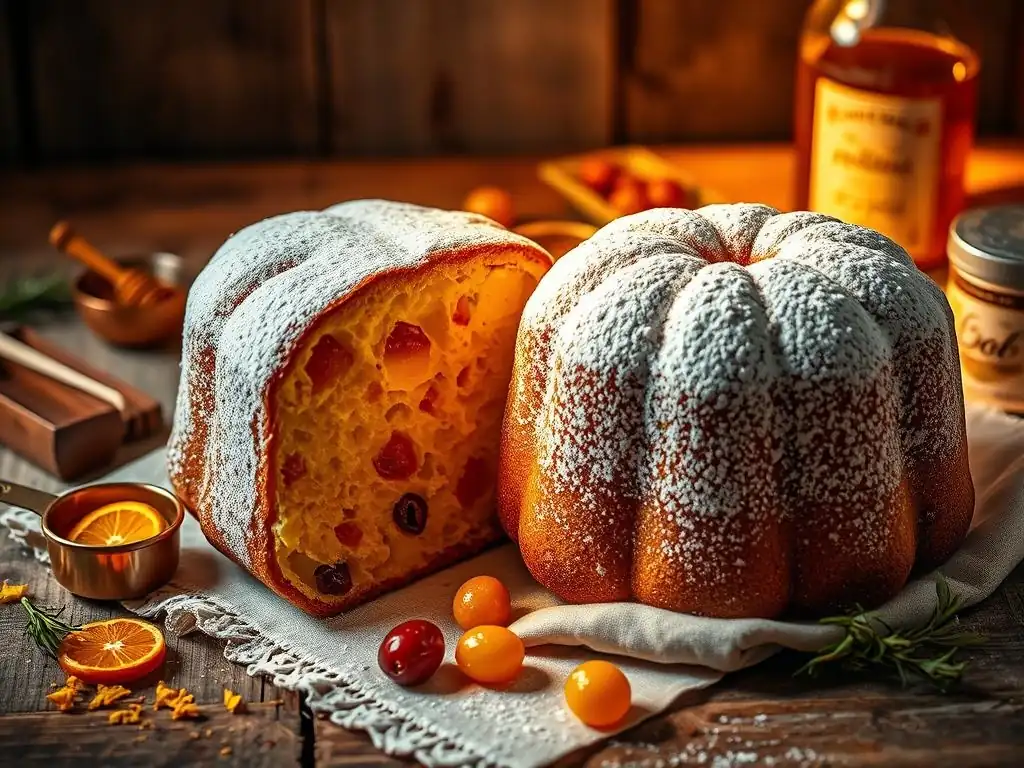
Welcome to BakeWithEase, your trusted guide to the delicious world of baking! Ever wondered about the difference between those towering, festive cakes gracing Italian tables during the holidays? Dive into our Italian holiday cake comparison and unlock the secrets to Panettone and Pandoro. Which one will win your heart (and your oven)? Explore the subtle nuances and cultural significance behind these beloved treats, and prepare to elevate your own holiday baking!
- Decoding Italy's Festive Bakes: Panettone and Pandoro
-
Italian Holiday Cake Comparison: A Detailed Look at Panettone
- What is Panettone? A Deep Dive into the Milanese Classic
- Panettone Ingredients: What Makes it Unique?
- Panettone Texture and Flavor Profile: A Baker's Perspective
- Baking Panettone: A Challenging, Yet Rewarding Experience
- What is Pandoro? Verona's Golden Star
- Pandoro Ingredients: Simplicity and Elegance
- Pandoro Texture and Flavor Profile: Softness and Sweetness
- Baking Pandoro: Achieving the Perfect Star Shape
- Panettone vs. Pandoro: Side-by-Side Comparison of Italian Christmas Treats
- Serving and Enjoying Panettone and Pandoro
- Choosing Your Italian Holiday Cake: Panettone or Pandoro?
- The Enduring Appeal of Italian Holiday Cakes
-
Frequently Asked Questions
- What are the key differences between Panettone and Pandoro?
- Which cake is easier to bake at home, Panettone or Pandoro?
- What are the typical ingredients found in Panettone that aren't in Pandoro?
- How should Panettone and Pandoro be served during the holidays?
- Which cake has a richer history and tradition in Italy?
- Final Reflection: A Sweet Taste of Tradition and Choice
- Unleash Your Inner Pastry Chef!
Decoding Italy's Festive Bakes: Panettone and Pandoro
Exploring the Rich History of Italian Christmas Cakes
The tradition of baking special cakes for the Christmas season runs deep in Italian culture, with Panettone and Pandoro standing out as the undisputed kings of festive tables. These sweet, enriched breads are more than just desserts; they are symbols of celebration, family gatherings, and the warmth of the holidays. Their origins are steeped in history, dating back centuries, reflecting regional pride and culinary evolution across Italy. The practice of sharing a large, leavened cake during important feasts was common in medieval Europe, evolving into the specific forms we recognize today in Milan and Verona.
Tracing back further, the concept of a rich, celebratory bread can be found in various cultures throughout history. In Italy, specifically, the development of these complex leavened cakes was tied to advancements in baking techniques and the availability of ingredients like sugar, butter, and eggs, which were considered luxurious. The lengthy and demanding processes required to create a truly authentic Panettone or Pandoro highlight their status as special occasion treats, a testament to the baker's skill and patience. This Italian holiday cake comparison reveals not just differences in ingredients, but centuries of regional tradition baked into every slice.
Italian Holiday Cake Comparison: A Detailed Look at Panettone
What is Panettone? A Deep Dive into the Milanese Classic
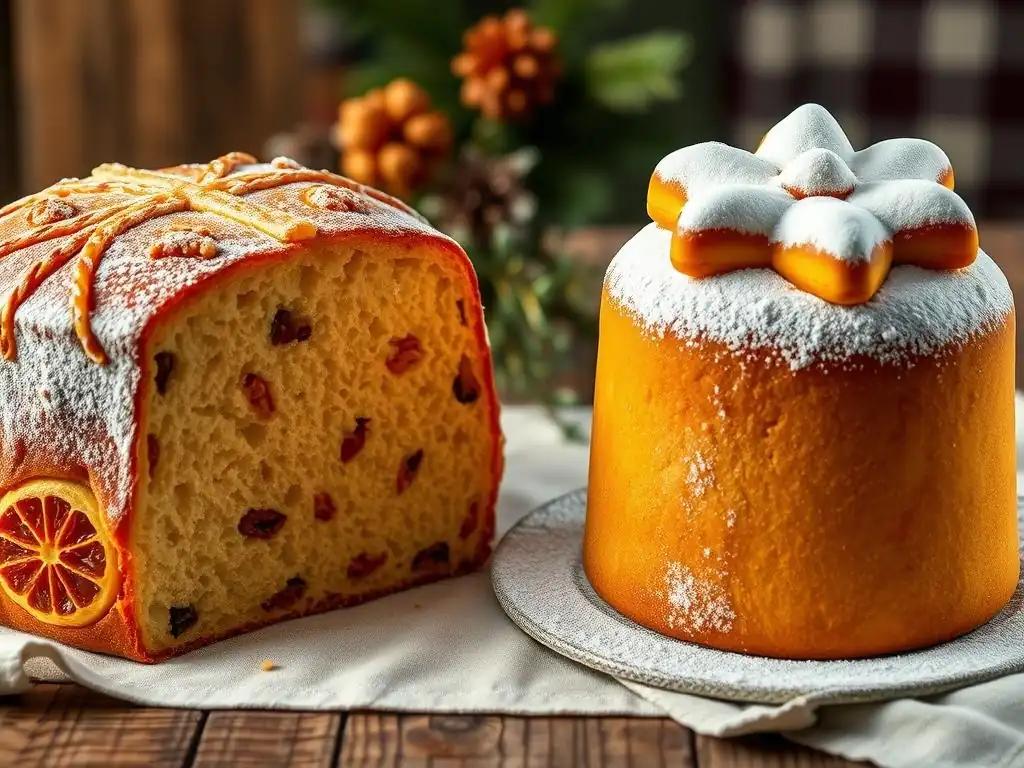
Panettone is a tall, dome-shaped sweet bread originating from Milan. It's instantly recognizable by its distinctive shape, achieved through a long, slow proofing process and baking in a cylindrical paper mould. The word "Panettone" likely derives from "panetto," meaning small loaf, or "pan del Ton," meaning "luxury bread" or "bread of wealth," hinting at its rich composition and special status. Historically, it was a treat enjoyed by the wealthy, becoming more widely available over time as baking techniques improved.
At its heart, Panettone is an enriched dough, similar to brioche, but elevated by a unique fermentation process and specific additions. The dough is incredibly soft and airy, almost thread-like when pulled apart, a texture achieved through careful kneading, multiple long fermentation stages, and a high fat content. This complex structure is what gives authentic Panettone its characteristic lightness despite its richness, making it a beloved centerpiece for any Italian holiday cake comparison.
Panettone Ingredients: What Makes it Unique?
Panettone's unique character comes from a specific combination of high-quality ingredients and a demanding process. Key components include strong flour, eggs (often just yolks), butter, sugar, and crucially, a natural sourdough starter known as lievito madre. The dough is enriched with these elements, undergoing several mixing and resting periods.
The most distinctive additions to the dough are candied orange peel, citron, and raisins. These fruits are typically soaked before being incorporated, ensuring they remain plump and moist during the lengthy bake. While modern variations exist, the classic Milanese Panettone strictly adheres to these traditional fruit inclusions, providing bursts of sweetness and citrusy aroma that define its flavor profile in any Italian holiday cake comparison.
The Importance of Mother Yeast (Lievito Madre) in Panettone
The soul of authentic Panettone lies in its lievito madre, a firm, active sourdough starter that is meticulously maintained and refreshed daily. Unlike liquid sourdough starters, lievito madre is typically kept in a more solid state, often submerged in water or wrapped in cloth, a practice believed to help control acidity and promote specific yeast and bacterial activity. This starter is not just a leavening agent; it contributes significantly to the Panettone's complex flavor, aroma, and remarkable shelf life.
Using lievito madre for Panettone involves several refreshment cycles over days leading up to the final dough mix. This process builds strength, activity, and the desired acidic balance in the starter, which is crucial for lifting such a rich, heavy dough and developing its characteristic open, airy structure. The long fermentation facilitated by lievito madre also creates compounds that contribute to the Panettone's unique taste and help preserve its freshness naturally for weeks.
Candied Orange Peel and Raisins: Essential Panettone Flavors
The inclusion of candied orange peel, citron, and plump raisins is non-negotiable in traditional Panettone recipes. These fruits are not merely additions; they are integral to the cake's identity, providing moisture, sweetness, and aromatic complexity. High-quality candied fruit, often prepared from Sicilian oranges and Calabrian citron, is preferred for its vibrant flavor and soft texture.
Before being folded into the dough, raisins are typically rehydrated, often in warm water, rum, or other spirits, to ensure they remain soft and do not dry out during baking. The candied peels and rehydrated raisins are added during one of the final mixing stages, distributed evenly throughout the rich dough. Their presence creates pockets of intense flavor and moisture, contrasting beautifully with the light, airy bread, a key characteristic when performing an Italian holiday cake comparison.
Panettone Texture and Flavor Profile: A Baker's Perspective
From a baker's perspective, the texture of a perfect Panettone is a marvel of engineering. It should be incredibly soft, light, and airy, with long, elastic strands that pull apart easily, revealing the distribution of fruit. This open crumb structure is the result of the high fat and egg yolk content combined with the slow fermentation powered by the lievito madre. The crust is typically thin and slightly caramelized, adding a subtle contrast to the soft interior.
The flavor profile is rich and nuanced. It begins with the delicate tang from the sourdough starter, balanced by the sweetness of sugar and the richness of butter and egg yolks. This base is then complemented by the intense, aromatic sweetness of the candied orange peel and raisins, sometimes with hints of vanilla or citrus zest. The overall taste is complex, sweet but not cloying, and deeply satisfying, a distinct experience in any Italian holiday cake comparison.
Baking Panettone: A Challenging, Yet Rewarding Experience
Baking authentic Panettone is widely considered one of the most challenging feats in home baking, a true test of skill, patience, and precision. The process often spans two to three days, involving multiple dough mixes, long fermentation periods at controlled temperatures, and careful handling of the delicate, enriched dough. Maintaining the lievito madre at peak activity is paramount, as it must provide the lift for a dough that can contain up to 40-50% butter and egg yolks relative to flour weight in some recipes.
The baking itself requires careful temperature management to ensure the tall cake cooks through without drying out or burning the delicate crust. After baking, Panettone must be immediately hung upside down while still hot. This crucial step prevents the rich, soft structure from collapsing under its own weight as it cools, maintaining its signature dome shape and incredibly light texture. Successfully baking a Panettone is a deeply rewarding achievement, yielding a truly authentic Italian holiday cake.
What is Pandoro? Verona's Golden Star
Pandoro, meaning "golden bread," hails from Verona and stands in elegant contrast to its Milanese cousin. Its name refers to its rich, golden-yellow color, derived from a high proportion of egg yolks. Unlike the dome-shaped Panettone, Pandoro is traditionally baked in an eight-pointed star-shaped mould, giving it a distinctive festive silhouette. It is often served dusted generously with vanilla-scented powdered sugar, resembling the snow-capped peaks of the Alps near Verona.
Pandoro's history is slightly less documented than Panettone's, with some theories linking it to medieval Verona or even earlier Venetian sweet breads. However, the modern form is attributed to Domenico Melegatti, who patented the recipe and star-shaped mould in 1884. Pandoro is known for its simplicity in flavor compared to Panettone, focusing on the pure taste of butter, eggs, and vanilla, making it a different kind of star in the Italian holiday cake comparison.
Pandoro Ingredients: Simplicity and Elegance
Pandoro's ingredient list is notably simpler than Panettone's, yet it relies on the quality and proportion of these few elements to achieve its signature richness and texture. The core ingredients are flour, sugar, a significant amount of butter, a high proportion of egg yolks, and vanilla. Yeast is used for leavening, though traditionally this would have also been a form of natural starter, similar to lievito madre, contributing to flavor and texture development over a long proofing process.
The elegance of Pandoro lies in this simplicity. There are no fruits or nuts to distract from the pure flavor of the enriched dough. The focus is entirely on creating a soft, moist, and aromatic bread that melts in the mouth. This reliance on basic, high-quality ingredients like fresh eggs and fine butter is key to Pandoro's appeal and a major point of difference in the Italian holiday cake comparison.
The Role of Vanilla in Pandoro's Aroma
Vanilla is a cornerstone of Pandoro's flavor profile, contributing a warm, sweet, and comforting aroma that is instantly recognizable. While Panettone might use vanilla as one among several flavorings, vanilla is often the primary aromatic element in Pandoro, alongside the rich scent of butter. Authentic recipes often call for using vanilla bean seeds or high-quality vanilla extract to achieve a pure, intense vanilla flavor.
The vanilla works in harmony with the richness from the butter and eggs, creating a fragrant and inviting experience. When the Pandoro is dusted with vanilla-scented powdered sugar, the aroma is further enhanced, enveloping the cake in a sweet cloud. This focus on vanilla is a defining characteristic of Pandoro, setting it apart from the fruit-filled Panettone in an Italian holiday cake comparison.
Butter and Eggs: Creating Pandoro's Richness
Pandoro owes its distinctive golden color, tenderness, and rich flavor to its generous quantities of butter and egg yolks. Recipes often call for a very high ratio of butter, sometimes exceeding 30-40% of the flour weight, providing incredible richness and contributing to the soft, almost cake-like crumb. The abundance of egg yolks, responsible for the "golden" hue, adds further richness, moisture, and helps create the tender structure.
Working with a dough so heavily enriched with butter and eggs requires careful technique and temperature control during mixing and proofing. The fat inhibits gluten development, making the dough delicate and challenging to handle. However, it is this high fat and egg content that results in Pandoro's signature melt-in-your-mouth texture and luxurious feel, a key point when comparing Italian holiday cakes.
Pandoro Texture and Flavor Profile: Softness and Sweetness
Pandoro's texture is famously soft, moist, and incredibly tender, with a fine, close crumb rather than the open structure of Panettone. It lacks the long, elastic strands found in Panettone, instead offering a more uniform, slightly dense yet yielding consistency. This texture is a direct result of its high butter and egg content and the specific mixing and proofing methods used.
The flavor is primarily sweet and rich, dominated by the taste of butter and vanilla, with the subtle richness from egg yolks. It is generally considered simpler and less complex than Panettone, appealing to those who prefer a pure, sweet bread without the addition of fruit or nuts. The common practice of serving it dusted with powdered sugar adds an extra layer of sweetness and a delightful visual element. This focus on pure sweetness and tenderness is a key differentiator in any Italian holiday cake comparison.
Baking Pandoro: Achieving the Perfect Star Shape
Baking Pandoro, while perhaps slightly less technically demanding than Panettone's lievito madre and hanging process, still presents its own unique challenges. Achieving the perfect rise and the classic eight-pointed star shape requires a strong, active dough and the right mould. The dough is typically divided and shaped before being placed into the greased and floured star mould.
Proofing the Pandoro dough in the mould is crucial for it to rise sufficiently and fill the points of the star. The high butter content can make the dough prone to collapsing if not handled correctly or if proofing conditions aren't ideal. Baking must be done carefully to ensure the center is cooked through without drying out the edges, especially the points of the star. The result, when successful, is a beautifully shaped, golden cake that is a festive treat for the eyes and the palate.
Panettone vs. Pandoro: Side-by-Side Comparison of Italian Christmas Treats
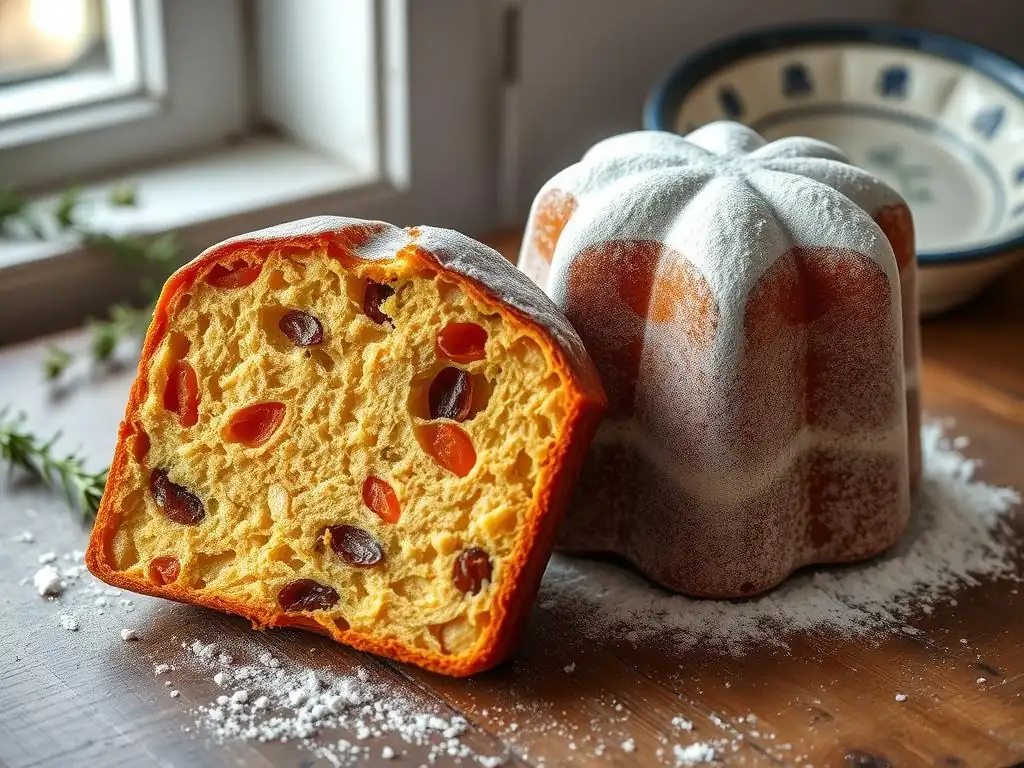
Comparing Italian holiday cakes like Panettone and Pandoro highlights their distinct personalities and regional identities. While both are rich, sweet, leavened breads enjoyed during the Christmas season, they differ significantly in ingredients, preparation, texture, and flavor. This side-by-side look helps clarify why each cake holds a special place in Italian tradition.
| Feature | Panettone (Milan) | Pandoro (Verona) |
|---|---|---|
| Shape | Tall, dome-shaped | Eight-pointed star |
| Key Ingredients | Flour, Eggs, Butter, Sugar, Lievito Madre, Candied Orange Peel, Citron, Raisins | Flour, Eggs (high yolks), Butter (high), Sugar, Yeast, Vanilla |
| Leavening | Primarily Lievito Madre (sourdough) | Yeast (traditionally natural starter used) |
| Texture | Light, airy, open crumb, elastic strands | Soft, tender, fine, close crumb |
| Flavor | Complex, sweet, tangy from sourdough, citrusy, fruity | Sweet, rich, dominant butter and vanilla notes |
| Appearance | Golden-brown crust, visible fruit inside | Golden-yellow interior, often dusted with powdered sugar |
| Post-Bake | Hung upside down to cool | Cooled upright in mould |
This Italian holiday cake comparison table provides a quick overview of the key distinctions between these two iconic Christmas bakes.
Key Differences in Ingredients and Preparation Methods
The most fundamental difference lies in the ingredient list. Panettone's defining features are its use of lievito madre and the inclusion of candied fruits and raisins. The lievito madre requires a multi-day commitment to maintain and incorporate into the dough, contributing unique flavor and structure. The fruit additions necessitate careful preparation to ensure they remain moist and evenly distributed.
Pandoro, conversely, relies on a simpler set of ingredients but in higher proportions of butter and egg yolks relative to flour. While traditional Pandoro might have used a natural starter, modern recipes often use commercial yeast, though the long proofing times remain. It completely omits fruits and nuts, focusing instead on the pure richness and aroma derived from fat, eggs, and vanilla. The preparation for both involves multiple mixing and long proofing stages, but Panettone's post-bake hanging is a distinct step.
Texture and Taste: A Comparative Analysis
Comparing the textures of these Italian holiday cakes reveals significant differences. Panettone boasts an incredibly light, airy, and often described as 'stringy' texture, a direct result of the strong gluten network developed through long fermentation with lievito madre and careful handling, despite the high enrichment. It pulls apart in soft, fluffy strands.
Pandoro offers a dense but exceptionally tender and soft crumb that is more uniform and cake-like. It doesn't have the open structure or elastic strands of Panettone. In terms of taste, Panettone is a symphony of flavors: sweet from sugar and fruit, slightly tangy from the sourdough, and aromatic from citrus and vanilla. Pandoro is simpler, purely sweet and rich with prominent notes of butter and vanilla, appealing to those who prefer a less complex, melt-in-your-mouth sweetness.
Visual Appeal: Comparing the Shapes and Appearance
Visually, Panettone and Pandoro are instantly distinguishable. Panettone's tall, cylindrical shape with its signature domed top is achieved by baking in a paper case and its unique cooling method. The exterior is a rustic golden-brown crust, and slices reveal the scattering of colorful candied fruits and raisins within the airy crumb.
Pandoro's striking eight-pointed star shape, achieved through its specific mould, makes it a festive centerpiece. Its exterior is typically smoother and less rustic than Panettone's crust. The interior is a uniform, vibrant golden-yellow. It is traditionally served dusted heavily with powdered sugar, which settles into the star's indentations, creating a beautiful, snow-capped effect that enhances its visual appeal in any Italian holiday cake comparison.
Serving and Enjoying Panettone and Pandoro
Both Panettone and Pandoro are best enjoyed when their textures and flavors can be fully appreciated. Serving them correctly enhances the experience and respects the tradition behind these cherished Italian holiday cakes. They are staples of the Christmas breakfast or dessert table, often enjoyed with coffee, tea, or a festive drink.
Traditional Ways to Serve Italian Holiday Cakes
The most classic way to serve both Panettone and Pandoro is simply sliced. Panettone is typically sliced vertically, creating wedges that showcase its height and the distribution of fruit. Pandoro is often sliced horizontally, creating star-shaped cross-sections that can be stacked and slightly offset to form a festive "Christmas tree" shape, which is then dusted with powdered sugar.
Both cakes are traditionally served at room temperature. Some people prefer to gently warm a slice of Pandoro, which enhances its buttery aroma and tenderness. They are often enjoyed plain, allowing the intricate flavors of Panettone or the pure richness of Pandoro to shine through. This simple presentation is a testament to the quality of the bake itself.
Pairing Suggestions: Complementing Flavors
When serving these Italian holiday cakes, pairing them with complementary beverages or accompaniments can elevate the experience. Both pair wonderfully with hot drinks like coffee, espresso, or tea. For a more festive touch, they are often served with sweet wines like Moscato d'Asti, Prosecco, or Passito.
Rich sauces are also popular accompaniments. Panettone can be served with a light vanilla cream or a fruit compote that echoes the flavors within the cake. Pandoro is frequently paired with a rich mascarpone cream, sometimes flavored with Marsala wine or vanilla, which complements its buttery richness perfectly. A scoop of gelato is also a delightful pairing, offering a cool contrast to the cake.
Creative Ideas for Using Leftover Panettone and Pandoro
It's hard to imagine leftovers of such delicious Italian holiday cakes, but if you find yourself with some, they are wonderfully versatile in other desserts. Their rich, soft texture makes them ideal for transforming into new treats.
- Bread Pudding: Both Panettone and Pandoro make exceptional bread pudding. The dried or slightly stale cake absorbs custard beautifully, resulting in a rich, moist, and flavorful dessert. Panettone adds pockets of fruit flavor, while Pandoro contributes pure buttery richness.
- French Toast: Thick slices of Panettone or Pandoro can be dipped in an egg custard and fried like French toast. The result is a luxurious breakfast or brunch dish, far richer and more aromatic than regular French toast.
- Trifle: Layer cubes of cake with cream, fruit, and perhaps a liqueur for a festive trifle.
- Zuppa Inglese: Similar to trifle, using the cake layers soaked in Alchermes or rum, layered with pastry cream.
These ideas ensure that every last piece of your Italian holiday cake is enjoyed to its fullest.
Choosing Your Italian Holiday Cake: Panettone or Pandoro?
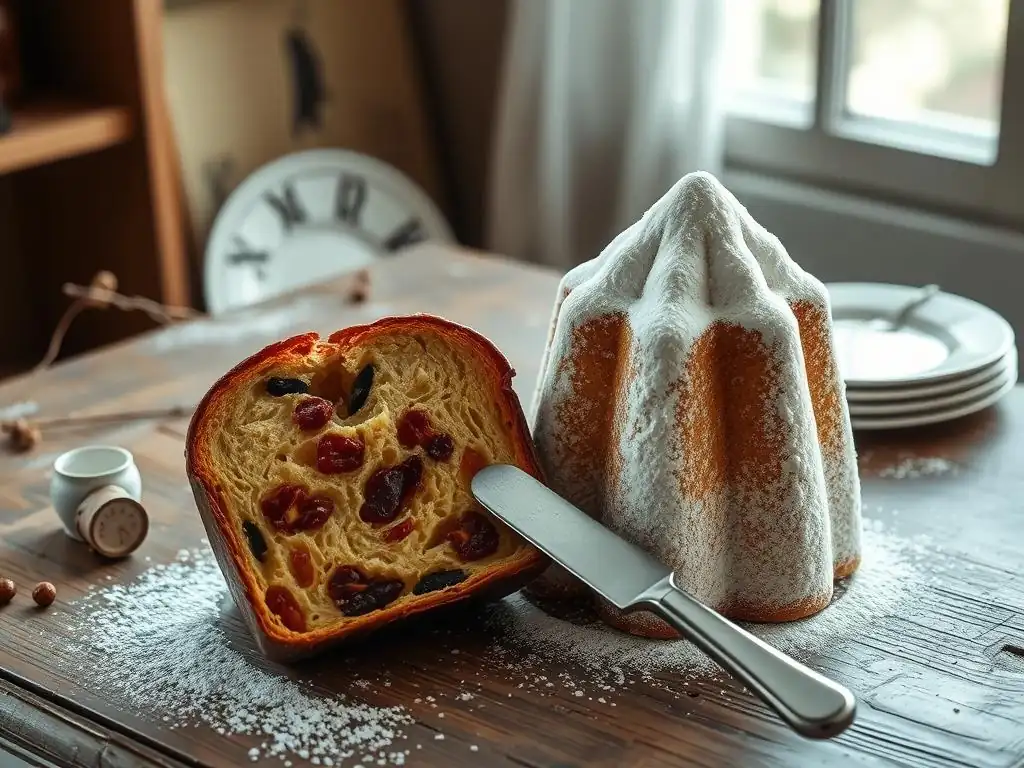
Deciding between Panettone and Pandoro is a matter of personal preference, often influenced by family tradition or regional ties. Both are exquisite examples of Italian baking, but they offer very different experiences. This Italian holiday cake comparison helps highlight the key decision points for choosing which one graces your table.
Considering Personal Preferences: Taste and Texture
Your personal taste will be the biggest factor in choosing between these two Italian holiday cakes. Do you prefer a complex flavor profile with bursts of fruit and a slight tang, presented in a light, airy bread? Then Panettone is likely your choice. Its combination of sourdough notes, rich dough, and sweet, aromatic candied fruits offers a multi-layered sensory experience.
If you favor a simpler, pure sweetness and richness, with a texture that is incredibly soft and melts in your mouth, then Pandoro is the way to go. Its focus on butter, eggs, and vanilla provides a comforting, luxurious sweetness without the distraction of fruit or nuts. Consider which set of characteristics appeals most to your palate when making your Italian holiday cake comparison.
Availability and Regional Variations
While both cakes are now widely available throughout Italy and internationally during the holiday season, their origins are regional. Panettone is historically from Milan (Lombardy), while Pandoro is from Verona (Veneto). In their respective regions, you'll often find a wider variety of artisanal options and local bakeries specializing in their traditional versions.
Beyond the classic Panettone and Pandoro, it's worth noting that Italy boasts a rich tradition of regional holiday breads and cakes. While not part of the core Panettone vs. Pandoro comparison, exploring options like Pandolce Genovese (Genoa), Bussolà Bresciano (Brescia), or Certosino di Bologna (Bologna) can offer different insights into Italy's diverse baking heritage.
Making Your Own Panettone or Pandoro: A Home Baker's Guide
For the adventurous home baker, making your own Panettone or Pandoro is the ultimate challenge and reward. It requires dedication, time, and precision, particularly if attempting authentic versions with lievito madre for Panettone. Many recipes exist, ranging from simplified versions using commercial yeast to complex, multi-day processes.
Starting with a well-tested recipe is essential. For Panettone, mastering the lievito madre and understanding the proofing stages are key. For Pandoro, the challenge lies in handling the very rich dough and achieving the perfect rise in the star mould. While demanding, the satisfaction of baking these iconic Italian holiday cakes from scratch is immense, offering a deeper connection to the tradition. (For detailed recipes, see our dedicated articles on baking Panettone and Pandoro at home).
The Enduring Appeal of Italian Holiday Cakes
Panettone and Pandoro hold a special place in the hearts of Italians and have gained immense popularity worldwide. Their enduring appeal lies not just in their delicious taste and festive appearance, but also in the tradition and sense of occasion they embody. They are more than just baked goods; they are edible symbols of Christmas.
Why Panettone and Pandoro Remain Christmas Staples
These cakes remain Christmas staples because they perfectly capture the spirit of the holiday season: a time for richness, celebration, and sharing with loved ones. Their complex preparation makes them special treats reserved for this time of year, adding to their mystique and desirability. Opening a box of Panettone or Pandoro is a signal that the holidays have truly arrived.
Furthermore, their versatility in serving – from simple slices to elaborate accompaniments or repurposing into other desserts – ensures they can be enjoyed in many ways throughout the festive period. They offer a taste of Italian tradition that resonates globally, making the Italian holiday cake comparison a relevant topic for bakers and food lovers everywhere.
Exploring Regional Variations of Italian Holiday Breads
While Panettone and Pandoro dominate the national and international scene, Italy's culinary landscape is rich with regional variations of festive breads. These often share characteristics like enrichment with eggs, butter, and sugar, but incorporate local ingredients or specific shapes and flavors.
Examples include Pan co' Santi from Tuscany (with walnuts and black pepper), Pandolce Genovese from Liguria (a dense, round cake with fruit and nuts, often shorter than Panettone), and various Tronchetto di Natale (Yule log) variations across different regions. Exploring these regional specialties offers a deeper understanding of Italy's diverse baking traditions beyond the classic Italian holiday cake comparison of Panettone vs. Pandoro.
Celebrate the Season with Authentic Italian Baking
Whether you choose the fruity complexity of Panettone or the buttery elegance of Pandoro, including one of these authentic Italian holiday cakes in your celebrations is a wonderful way to embrace the festive spirit. Baking them yourself, or sourcing a high-quality artisanal version, connects you to centuries of Italian tradition.
Sharing a slice of Panettone or Pandoro with family and friends is a simple act that embodies the warmth and generosity of the holiday season. This Italian holiday cake comparison ultimately shows that while different, both cakes are equally cherished for the joy they bring to the Christmas table.
Frequently Asked Questions
What are the key differences between Panettone and Pandoro?
Panettone is a sweet bread with candied fruit and raisins, while Pandoro is a star-shaped cake known for its vanilla flavor and fluffy texture. Texture and ingredients are key distinctions.
Which cake is easier to bake at home, Panettone or Pandoro?
Neither is particularly easy for beginners. However, Pandoro might be slightly less challenging due to its simpler ingredients and the absence of fruit. The simplicity is the defining feature.
What are the typical ingredients found in Panettone that aren't in Pandoro?
Panettone typically contains candied orange peel, raisins, and sometimes other candied fruits. Pandoro primarily consists of flour, butter, eggs, and sugar, focusing on a vanilla flavor profile.
How should Panettone and Pandoro be served during the holidays?
Both are often served with sweet sauces like zabaglione or mascarpone cream, or simply dusted with powdered sugar. Both are best enjoyed with family and friends.
Which cake has a richer history and tradition in Italy?
Both have a rich history, but Panettone is generally considered to have a slightly longer and more widely known tradition, particularly associated with Milan. The Milanese tradition is central.
Final Reflection: A Sweet Taste of Tradition and Choice
The enduring popularity of panettone and pandoro speaks volumes about the power of culinary tradition to transcend generations, yet the very act of choosing between these two iconic Italian holiday cakes reflects a modern desire for individual expression within a shared cultural heritage. These aren't just baked goods; they are symbols, carrying the weight of family recipes, festive gatherings, and the rich tapestry of Italian history. The subtle differences in texture, flavor, and presentation highlight the diversity even within a seemingly singular tradition.
The ongoing debate – panettone or pandoro? – is more than a simple culinary preference; it's a reflection of our personal connection to tradition and the evolving nature of cultural identity. It's a conversation that unfolds year after year, across family tables and social media feeds, a testament to the enduring appeal of these festive treats. As the Italian writer Italo Calvino once wrote, A classic is a book that has never finished saying what it has to say.
Similarly, the panettone and pandoro conversation continues to evolve, enriching our understanding of Italian culture and its enduring legacy.
This holiday season, as you choose between the airy lightness of pandoro and the richly fruited heart of panettone, remember the story behind each bite. Consider the history, the craftsmanship, and the personal memories associated with these beloved cakes. Let this choice be a mindful one, a celebration not just of taste, but of tradition, heritage, and the enduring power of shared culinary experiences. Embrace the delicious dilemma, and savor the sweet taste of Italy this holiday season.
Unleash Your Inner Pastry Chef!
Thanks for joining us on a delicious journey through the world of Italian holiday baking! We hope you now feel confident in choosing between the delightful panettone and the equally amazing pandoro. Ready to take your baking skills to the next level?
- Bake your own Panettone or Pandoro: This year, ditch the store-bought and embrace the challenge! Our website is packed with recipes and tips to help you create an authentic Italian experience.
- Share your creations: Show off your baking prowess by posting pictures of your masterpiece on social media! Use #BakeWithEaseHoliday so we can see your stunning results.
- Explore other Italian holiday treats: Intrigued by Italian baking? Dive deeper into the rich tradition by exploring our extensive recipe library – you might just discover your new favorite sweet treat!
Ready to transform your holiday baking? What unique twist will you add to your homemade Panettone or Pandoro this year?