
Understanding Yeast for Baguette Baking: Active Dry vs. Instant

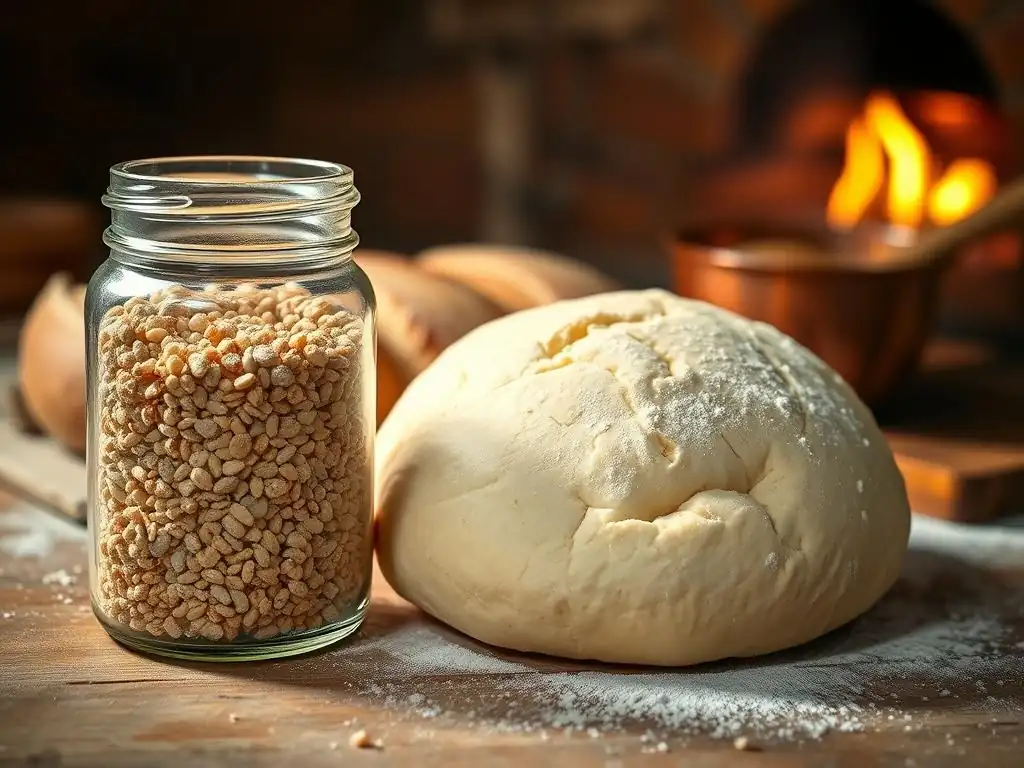
Welcome to BakeWithEase, your trusted guide to the delicious world of baking! Ever wondered if you're really getting the most out of your active dry yeast? This week, we're diving deep into the heart of bread baking, specifically focusing on active dry yeast baking tips and comparing it to its instant counterpart. Discover the secrets to achieving that perfect baguette crust and airy crumb, and unlock the potential hidden within those tiny granules. Are you ready to elevate your bread game? Read on to find out how!
- Introduction to Yeast in Baguette Making
- Active Dry Yeast: A Baker's Classic for Baguettes
- Instant Yeast: The Convenient Choice for Baguette Recipes
- Active Dry vs. Instant Yeast: A Detailed Comparison for Baguette Bakers
- Converting Between Active Dry and Instant Yeast in Baguette Baking
- Troubleshooting Yeast Issues in Baguette Baking
- Mastering Baguette Baking with the Right Yeast
- Conclusion: Achieving Baguette Perfection with Yeast Know-How
-
Frequently Asked Questions
- What's the main difference between active dry yeast and instant yeast when baking baguettes?
- Why does the article focus on active dry yeast specifically for baguettes?
- What are some common mistakes people make when using active dry yeast?
- How do I know if my active dry yeast is still good?
- Where can I find more detailed instructions on using active dry yeast for baguettes?
- Final Reflection: The Humble Yeast: A Baker's Best Friend
- Unleash Your Inner Boulanger: Bake the Perfect Baguette!
Introduction to Yeast in Baguette Making
The Crucial Role of Yeast in Achieving the Perfect Baguette
Yeast is the unsung hero in crafting that iconic baguette with its crispy crust and airy, open crumb. This single-celled microorganism, Saccharomyces cerevisiae, performs the vital process of fermentation. When yeast is mixed with flour and water, it feeds on the sugars present in the flour, producing carbon dioxide gas and alcohol. This gas gets trapped within the gluten network of the dough, causing it to rise and develop volume. Without sufficient yeast activity, a baguette would remain flat, dense, and lack the characteristic texture and flavor that makes it so beloved.
Beyond providing lift, yeast fermentation also contributes significantly to the flavor profile of a baguette. The metabolic byproducts of yeast, including various alcohols and organic acids, develop complex aromas and tastes during the long fermentation periods often employed in traditional baguette recipes. Controlling the fermentation rate through yeast type, quantity, and temperature is a fundamental skill for any baker aiming to produce professional-quality baguettes right in their own kitchen. Understanding how yeast works is the first step towards mastering this classic bread.
BakeWithEase's Guide to Yeast Selection for Artisan Bread
Selecting the right yeast is a foundational decision when embarking on your baguette baking journey. While many types of yeast exist, for most home bakers focusing on artisan baguettes, the choice typically narrows down to active dry yeast or instant yeast. Each type has its unique characteristics, influencing everything from the preparation steps to the dough's rise time and potentially even subtle nuances in flavor. Your selection might depend on your baking experience, your preferred workflow, and the specific recipe you're following.
At BakeWithEase, we encourage experimentation, but starting with a clear understanding of these primary yeast types is essential. Some bakers swear by active dry yeast for its traditional feel and perceived flavor development, while others prefer the convenience and speed of instant yeast. Neither is inherently "better" for all baguettes; the best choice is often the one that fits your recipe, your schedule, and your comfort level. This guide will break down the specifics of each, helping you make an informed decision for your next bake.
Active Dry Yeast: A Baker's Classic for Baguettes
What is Active Dry Yeast? Understanding the Basics
Active dry yeast is one of the most common forms of yeast available to home bakers. It consists of small, granular particles of dried yeast cells. The drying process renders the yeast dormant, allowing it to have a much longer shelf life at room temperature compared to fresh yeast. However, this dormancy means the yeast needs to be "activated" or "proofed" before being added to the rest of your baguette ingredients. This rehydration step is crucial to ensure the yeast is alive and ready to work.
Chemically, active dry yeast is essentially live yeast cells that have been carefully dehydrated to a moisture content of about 8%. This low moisture level inhibits microbial activity, preserving the yeast's viability for months or even years if stored correctly. When introduced to warm liquid (typically water or milk, though for baguettes, it's usually water) and a pinch of sugar, the yeast cells absorb the liquid, become metabolically active again, and begin to consume the sugar, producing tell-tale bubbles of carbon dioxide. This visual confirmation is your sign that the yeast is alive and potent.
Activating Active Dry Yeast: Step-by-Step Instructions for Baguette Dough
Activating active dry yeast is a simple but essential step in many baguette recipes. It ensures your dough will rise properly and gives you confidence in the yeast's viability before committing to the entire recipe. The process typically involves using warm water within a specific temperature range. Water that is too cool won't wake the yeast effectively, while water that is too hot can kill it.
Here's a general guide for activating active dry yeast for your baguette dough:
- Measure the specified amount of warm water (usually around 105-115°F or 40-46°C) into a small bowl or measuring cup. Using a thermometer is recommended for accuracy.
- Stir in a pinch of sugar (about 1/4 teaspoon per packet of yeast) and the measured active dry yeast. The sugar provides initial food for the waking yeast.
- Let the mixture stand for 5 to 10 minutes.
- Observe the mixture: it should become foamy or bubbly on the surface. This indicates the yeast is active. If it doesn't foam, your yeast may be dead or the water temperature was incorrect, and you should discard it and start again with new yeast.
- Once activated, add the bubbly yeast mixture directly to your dry ingredients as specified in your baguette recipe.
Active Dry Yeast Baking Tips: Achieving Consistent Results in Baguettes
Using active dry yeast successfully in your baguette baking involves more than just activation; several factors contribute to consistent results. One key tip is ensuring your water temperature for activation is precise. Too cool (below 100°F or 38°C) and the yeast wakes up slowly or not at all; too hot (above 120°F or 49°C) and you risk killing the yeast cells, rendering them inactive. A temperature between 105°F and 115°F is generally considered ideal for vigorous activation.
Another important active dry yeast baking tip is to check the expiration date on the yeast packet or jar. While active dry yeast has a good shelf life, it does lose potency over time. Storing it in an airtight container in the refrigerator or freezer can significantly extend its life.
When using yeast from a jar that's been open for a while, always proof a small amount first to test its activity. Finally, remember that dough made with active dry yeast might take slightly longer to rise compared to dough made with instant yeast, often requiring bulk fermentation times of 2 to 3 hours depending on the ambient temperature and recipe specifics. Patience is key when working with this classic leavener for your artisan baguettes.
Instant Yeast: The Convenient Choice for Baguette Recipes
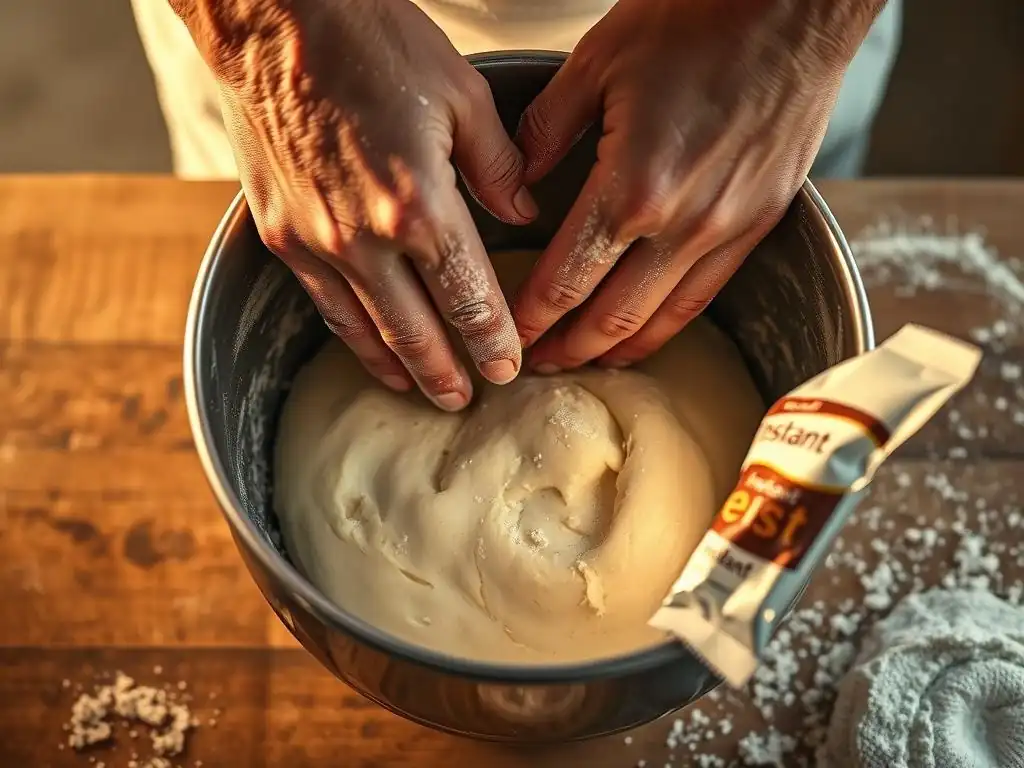
What is Instant Yeast? Understanding the Differences
Instant yeast, also known as rapid-rise or fast-acting yeast, is another popular choice for home bakers, particularly those seeking speed and convenience. Like active dry yeast, it is a dried form of Saccharomyces cerevisiae. However, the drying process is slightly different, resulting in smaller granules. More significantly, instant yeast contains a higher proportion of live cells and often includes dough enhancers or ascorbic acid, which help the dough rise more quickly and vigorously.
The primary functional difference is that instant yeast does not require prior activation in liquid. It can be added directly to the dry ingredients (like flour and salt) before liquids are mixed in. This streamlines the baking process, eliminating the proofing step and saving time. While some traditionalists argue about subtle flavor differences, for most home bakers, the convenience of instant yeast makes it an excellent choice for many baguette recipes, especially when time is a factor.
Using Instant Yeast Directly: No Proofing Required for Baguette Baking
One of the biggest advantages of instant yeast is its ease of use – you can typically add it directly to your flour and other dry ingredients. This bypasses the need for proofing in warm water, saving you about 10-15 minutes at the start of your baguette-making process. Simply measure the required amount of instant yeast and whisk it into your flour before adding any liquids. The yeast will become active once it comes into contact with the moisture in the dough during the mixing phase.
When using instant yeast directly, ensure that it doesn't come into direct contact with salt for an extended period before mixing, as salt can inhibit yeast activity. Adding the yeast on one side of the mixing bowl and the salt on the other before briefly whisking them together with the flour is a common practice. The hydration of the dough during mixing will then activate the yeast, and fermentation will begin, often at a slightly faster pace than with active dry yeast.
Instant Yeast Baguette Recipe: Streamlining the Baking Process
Using instant yeast can simplify a classic baguette recipe, making it more accessible for busy bakers. A typical streamlined process might look like this: Instead of proofing yeast, you'd combine, say, 500g bread flour, 1 teaspoon (around 3-3.5g) of instant yeast, and 9g of salt in a large bowl. Whisk these dry ingredients together thoroughly. Then, add 350-375ml of warm water (around 90-100°F or 32-38°C – just comfortably warm, not hot, since you're not proofing) and mix until a shaggy dough forms.
After a short rest (autolyse), you'd knead the dough (either by hand or machine) until it develops gluten. The bulk fermentation period with instant yeast might be shorter than with active dry, perhaps 1.5 to 2.5 hours at room temperature (around 70-75°F or 21-24°C), depending on the desired flavor development and rise. The dough should roughly double in size. This direct-mix, potentially faster rise approach makes instant yeast a great option for getting delicious homemade baguettes on the table with less fuss.
Active Dry vs. Instant Yeast: A Detailed Comparison for Baguette Bakers
Baguette Dough Rise Time: Active Dry Yeast vs. Instant Yeast
The type of yeast you choose will directly impact the required rise time for your baguette dough. Generally speaking, dough made with instant yeast tends to rise faster than dough made with active dry yeast under similar conditions (temperature, hydration level, amount of yeast used). This is because instant yeast has more active cells per gram and is designed to be fast-acting. For example, a bulk fermentation that takes 2.5 to 3 hours with active dry yeast might take closer to 1.5 to 2.5 hours with instant yeast in a 70°F kitchen.
However, it's important to note that rise times are not absolute and depend heavily on the ambient temperature, the temperature of your ingredients, and the amount of yeast used relative to the flour. Using less yeast of either type, or fermenting in a cooler environment (like the refrigerator for a cold proof), will slow down the rise, which can often contribute to better flavor development in a baguette. The key is to watch the dough itself – it should double in size and pass the "poke test" – rather than relying solely on the clock.
Flavor Profile: Does Yeast Type Affect Baguette Taste?
There is ongoing debate among bakers about whether active dry yeast imparts a noticeably different flavor to bread compared to instant yeast. Some traditionalists argue that active dry yeast, often used in longer fermentation processes (including overnight cold proofs), contributes to a more complex, nuanced flavor profile in baguettes. The slightly slower and potentially less aggressive fermentation might allow for a wider range of metabolic byproducts to develop, enhancing the bread's aroma and taste.
Conversely, many experienced bakers find that the difference in flavor between baguettes made with active dry and instant yeast is minimal, especially in recipes that use relatively short fermentation times or those that incorporate other strong flavors. The most significant factors influencing baguette flavor are typically the flour quality, the hydration level, the amount of salt, and critically, the duration and temperature of the fermentation and proofing stages, rather than the subtle distinction between these two dried yeast types. For most home bakers, any flavor difference is likely negligible compared to the impact of technique and fermentation schedule.
Ease of Use: Which Yeast is Best for Beginner Baguette Bakers?
For beginner baguette bakers, instant yeast often holds the edge in terms of ease of use. Its ability to be mixed directly into dry ingredients eliminates the need for the proofing step, removing a potential point of failure (yeast not activating) and simplifying the process. This direct-mix method means less measuring and fewer steps, which can be less intimidating for someone new to bread baking. The faster rise time can also be encouraging for beginners who want to see results relatively quickly.
Active dry yeast, while still easy to use once you understand the proofing step, requires that extra initial step and attention to water temperature. If the water is too hot or too cold, the yeast won't activate, leading to a failed rise – a common frustration for newcomers. Learning the active dry yeast baking tips, like correct water temperature and observing for foam, adds a layer of skill acquisition. While both are viable, instant yeast offers a slightly smoother entry point into the world of baguette baking for many novices.
Storage and Shelf Life: Active Dry Yeast vs. Instant Yeast for Optimal Freshness
Proper storage is crucial for maintaining the viability and potency of both active dry and instant yeast, ensuring your baguettes rise as expected. Both types benefit significantly from being stored in an airtight container to protect them from moisture and air. Active dry yeast, with its lower moisture content, generally has a slightly longer shelf life at room temperature (often stated as up to 2 years if unopened) compared to instant yeast.
However, once opened, both yeasts should ideally be stored in the refrigerator or freezer to extend their lifespan significantly. Storing opened active dry yeast in the refrigerator can keep it viable for 4-6 months, and in the freezer for a year or more. Instant yeast, also stored airtight in the refrigerator, can last 3-4 months, and in the freezer for 6-12 months.
Freezing doesn't kill the yeast; it merely makes it dormant. Always bring frozen yeast closer to room temperature before using it, and if in doubt about its age or storage, perform a quick activation test (for active dry) or use it in a small test batch of dough (for instant) to check its strength.
Converting Between Active Dry and Instant Yeast in Baguette Baking
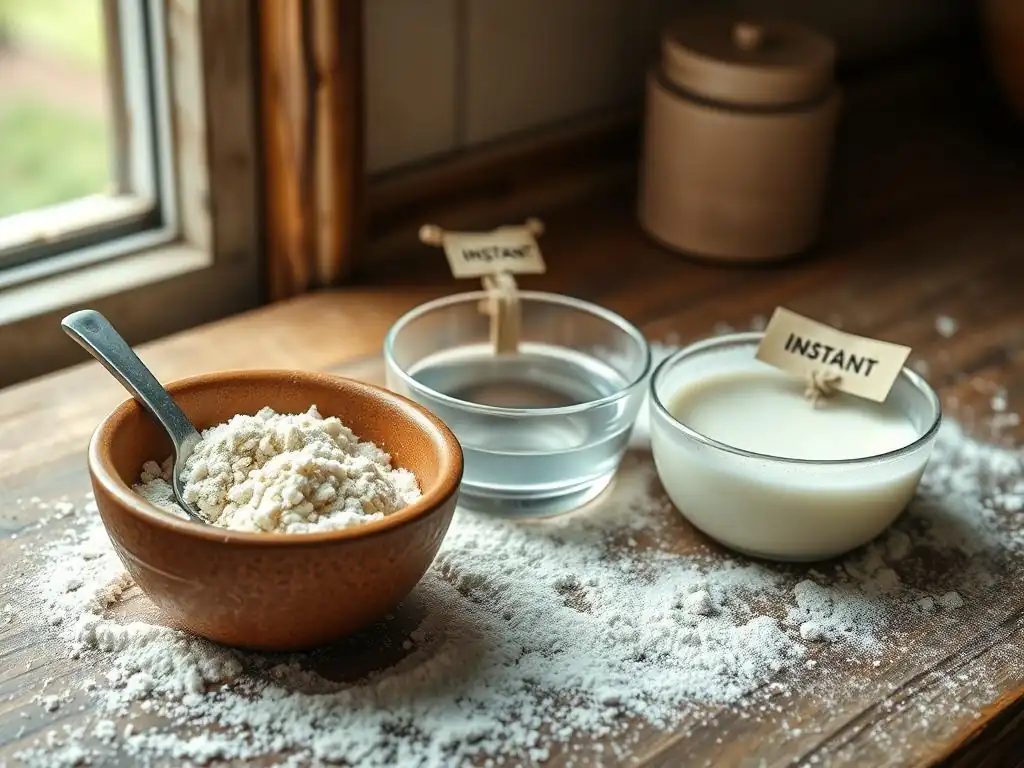
Yeast Conversion Chart: Accurate Measurements for Baguette Recipes
Recipes are often written for a specific type of yeast, but it's easy to convert between active dry and instant yeast if needed. A general rule of thumb is that instant yeast is slightly more potent and faster-acting than active dry yeast. Therefore, you typically use a little less instant yeast than active dry yeast when converting a recipe. The conversion ratio is often given by weight or volume.
Here's a common conversion guideline:
- If a recipe calls for Active Dry Yeast: Use approximately 75-80% of that amount if substituting with Instant Yeast (e.g., 10g Active Dry Yeast = 7.5-8g Instant Yeast).
- If a recipe calls for Instant Yeast: Use approximately 125% of that amount if substituting with Active Dry Yeast (e.g., 8g Instant Yeast = 10g Active Dry Yeast).
| Yeast Type Called For | Substitute With | Ratio (Approx. by Weight) | Ratio (Approx. by Volume) |
|---|---|---|---|
| Active Dry Yeast | Instant Yeast | 0.75 - 0.8 parts Instant | 0.75 - 0.8 parts Instant |
| Instant Yeast | Active Dry Yeast | 1.25 parts Active Dry | 1.25 parts Active Dry |
Note: Volume measurements for yeast can be less precise due to variations in how tightly the granules are packed. Using a digital scale for weight is recommended for accuracy.
Adjusting Recipes: Switching Between Yeast Types Seamlessly
When switching between active dry and instant yeast in a baguette recipe, simply adjusting the quantity based on the conversion chart is the primary step. However, you may also need to make minor adjustments to the process, particularly if converting from active dry to instant yeast. If the original recipe included a specific step for proofing the active dry yeast in warm water, you can skip this step when using instant yeast and add it directly to the dry ingredients.
Conversely, if converting from instant to active dry yeast, remember that you will need to proof the active dry yeast first. This means taking some of the water from the recipe (usually the full amount specified for the dough hydration) and warming it to 105-115°F (40-46°C) to activate the yeast before adding the bubbly mixture to your dry ingredients. Additionally, be prepared for potentially longer rise times when using active dry yeast compared to instant yeast. Monitor the dough's development visually rather than strictly adhering to the original recipe's timing.
Troubleshooting Yeast Issues in Baguette Baking
Common Problems with Active Dry Yeast in Baguettes
One of the most frequent issues encountered when using active dry yeast in baguette baking is the yeast failing to activate, leading to dough that doesn't rise. This is often caused by using water that is too hot, which kills the yeast, or water that is too cold, which doesn't wake it up. Using expired yeast or yeast that wasn't stored properly (e.g., left open in a humid environment) can also result in inactive yeast. A clear sign of this problem is the lack of foam or bubbles after the 5-10 minute proofing period.
Another potential issue is a slow or sluggish rise, even if the yeast did show some initial activity. This can happen if the yeast was only partially viable, or if the dough temperature is too cool during fermentation. Active dry yeast performs best when the dough is between 75-80°F (24-27°C) during the bulk fermentation. Too much salt or adding salt directly on top of the yeast before mixing can also inhibit its activity. Ensure salt is mixed into the flour before adding the activated yeast mixture.
Common Problems with Instant Yeast in Baguettes
While generally more forgiving, instant yeast can also present challenges. The most common issue is a dough that rises too quickly, leading to a less developed flavor and potentially a poorer crumb structure. This often occurs when too much instant yeast is used, or the dough is fermented in a very warm environment. While instant yeast is fast-acting, allowing the dough sufficient time to develop flavor during fermentation is still crucial for a good baguette.
Another problem, though less common than with active dry yeast, is a complete lack of rise. This could be due to using expired instant yeast, though its shelf life is quite long when stored correctly. It could also happen if the yeast is mixed directly with a large amount of salt before any liquid is added, though this is less likely in a typical recipe unless the baker isn't careful. Ensuring the dough temperature is within a reasonable range (not too cold, but not excessively hot) is also important for optimal performance.
Tips for Ensuring Proper Yeast Activity in Your Baguette Dough
Ensuring your yeast is active and performs well is fundamental to successful baguette baking. Here are some tips:
- Check Expiration Dates: Always start with yeast that is within its expiration date. Older yeast loses potency.
- Store Yeast Properly: Store opened yeast in an airtight container in the refrigerator or freezer.
- Use Correct Water Temperature for Active Dry: For proofing active dry yeast, use water between 105-115°F (40-46°C). Use a thermometer if possible.
- Proof Active Dry Yeast: Don't skip the proofing step for active dry yeast. Look for clear signs of activity (foaming) before adding it to your dough.
- Avoid Direct Contact with Salt: While less critical once mixed into the dough, avoid letting a large amount of salt sit directly on top of either yeast type for long periods before mixing.
- Control Dough Temperature: Yeast activity is highly dependent on temperature. Aim for a dough temperature in the optimal range for fermentation (often 75-80°F or 24-27°C for faster rises, cooler for slower ones) or adjust rise times accordingly for cooler temperatures.
- Don't Use Too Much Sugar: A pinch of sugar helps activate yeast, but too much sugar (above 5-10% of the flour weight) can actually slow down or inhibit yeast activity by drawing water out of the yeast cells. Baguette recipes typically use little to no added sugar.
Mastering Baguette Baking with the Right Yeast
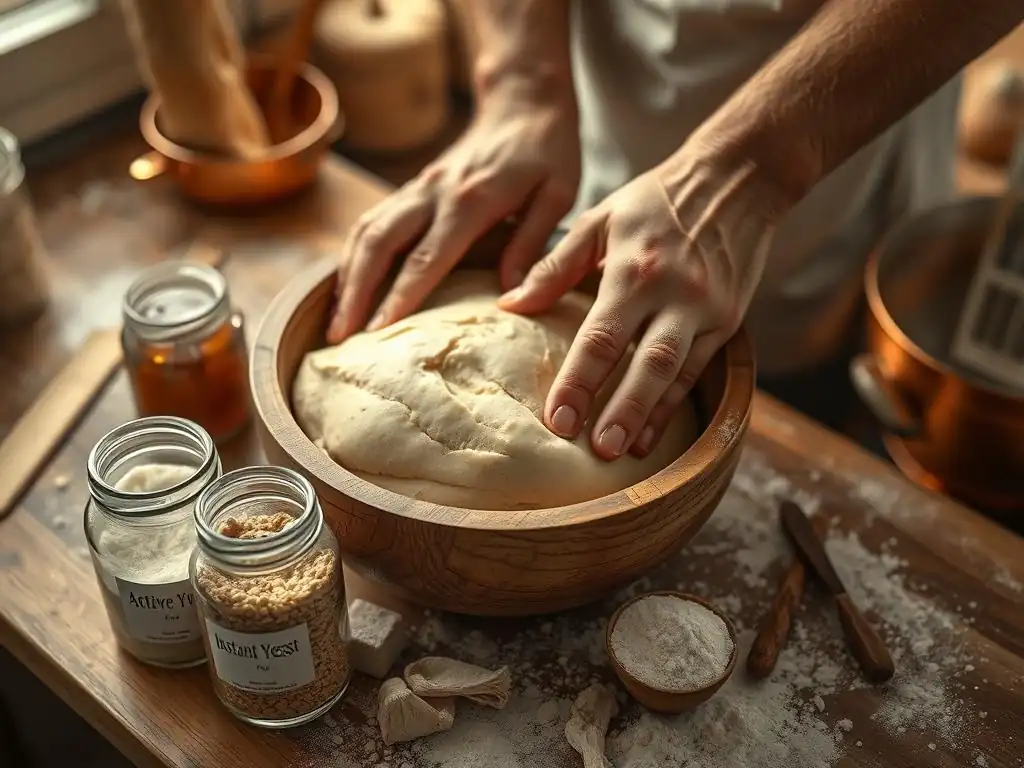
Choosing the Best Yeast for Your Baguette Baking Style
Deciding between active dry and instant yeast for your baguettes often comes down to your personal baking style and priorities. If you enjoy the traditional process, don't mind the extra step of proofing, and perhaps believe in the subtle flavor benefits of a potentially slower start, active dry yeast might be your preference. Many classic baguette recipes were developed using yeast types similar to active dry. Learning active dry yeast baking tips can feel like connecting with baking history.
If, however, convenience, speed, and a streamlined workflow are more important to you, instant yeast is an excellent choice. It performs reliably without proofing and allows for faster fermentation, making it easier to fit baguette baking into a busy schedule. Both yeasts can produce fantastic baguettes; the "best" yeast is simply the one that aligns with your baking goals and makes the process enjoyable for you.
Advanced Baguette Baking Techniques: Experimenting with Different Yeasts
For those looking to delve deeper into artisan baguette techniques, experimenting with different yeast types or combinations can be a rewarding endeavor. Some advanced bakers might use a very small amount of instant yeast for a quick initial lift, combined with a long, cold fermentation (e.g., 12-24 hours in the refrigerator) using either instant or active dry yeast to develop complex flavors. This cold fermentation significantly slows yeast activity, allowing enzymes in the flour to break down starches into sugars, providing more food for the yeast over an extended period and contributing to a richer taste and aroma.
Another technique involves using preferments like a poolish or biga, which are mixtures of flour, water, and a small amount of yeast fermented for several hours or overnight. These preferments can be made with either active dry or instant yeast and add significant flavor depth to the final dough. Exploring how different yeast types behave in these preferments and how they influence the final baguette crumb and crust is a fascinating aspect of mastering this craft.
BakeWithEase's Recommended Yeast Brands for Artisan Baguettes
While many excellent yeast brands are available, BakeWithEase has found that certain brands consistently deliver reliable performance for baguette baking. SAF Instant Yeast (specifically the red label for lean doughs like baguettes) is highly regarded by professional and home bakers alike for its consistent activity and long shelf life. Fleischmann's and Red Star also offer reliable instant yeast options that work well in baguette recipes.
For active dry yeast, Fleischmann's Active Dry Yeast and Red Star Active Dry Yeast are widely available and perform well when properly proofed. Some artisan suppliers also offer specialized active dry yeasts marketed towards specific bread types. Regardless of the brand, the most important factors are ensuring the yeast is fresh, stored correctly, and handled according to the type's requirements (proofed if active dry, or mixed directly if instant). Consistent results often come from using a trusted brand and mastering the specific active dry yeast baking tips or instant yeast techniques required.
Conclusion: Achieving Baguette Perfection with Yeast Know-How
Mastering the art of baguette baking hinges significantly on understanding and effectively utilizing yeast. Whether you opt for the traditional approach with active dry yeast, meticulously following active dry yeast baking tips like precise proofing temperatures, or embrace the convenience of instant yeast for a faster process, knowing how your chosen leavener behaves is paramount. We've explored the fundamental differences, usage instructions, potential issues, and how to troubleshoot common problems with both types.
Ultimately, both active dry and instant yeast are capable of producing beautiful, flavorful baguettes. The best choice depends on your personal preferences, experience level, and the demands of your recipe and schedule. By paying attention to yeast freshness, proper storage, and the specific requirements of active dry versus instant yeast, you are well on your way to consistently baking those coveted baguettes with the perfect crust and crumb. Happy baking from BakeWithEase!
Frequently Asked Questions
What's the main difference between active dry yeast and instant yeast when baking baguettes?
Active dry yeast needs to be proofed in warm water before using, while instant yeast can be added directly to the dry ingredients. This difference in preparation is the most significant factor.
Why does the article focus on active dry yeast specifically for baguettes?
Although both types can be used, the article highlights active dry yeast because some bakers prefer its slower rise for developing more complex flavors in baguettes.
What are some common mistakes people make when using active dry yeast?
A common mistake is using water that's too hot, which can kill the yeast. Another is not giving it enough time to activate properly.
How do I know if my active dry yeast is still good?
Test the yeast by dissolving it in warm water with a pinch of sugar. If it doesn't foam or bubble within 5-10 minutes, it's likely expired.
Where can I find more detailed instructions on using active dry yeast for baguettes?
Visit BakeWithEase.com for step-by-step guides, recipes, and tips on using active dry yeast in baguette baking, and other baked goods.
Final Reflection: The Humble Yeast: A Baker's Best Friend
The seemingly simple act of choosing the right yeast dramatically impacts the final product, and understanding this nuance is crucial for any baker aiming for perfect baguettes. The subtle differences between active dry and instant yeast, often overlooked, can mean the difference between a chewy, airy masterpiece and a dense, disappointing loaf. This knowledge, once acquired, empowers bakers to take control of their baking journey.
The impact of yeast extends far beyond the simple chemical reaction of fermentation. It represents a connection to centuries of baking tradition, a testament to the power of simple ingredients to create something truly extraordinary. Bread is the staff of life,
a phrase often repeated, but rarely truly understood until you've experienced the satisfaction of crafting a perfect loaf from scratch. This journey of understanding yeast, its nuances, and its power, is a journey into the heart of baking itself, a journey that connects us to both history and the simple pleasures of food.
Now, consider your own baking journey. What have you learned about the importance of precise ingredients and techniques? Will you approach your next baguette with a newfound appreciation for the humble yeast, selecting your type with care and confidence? I urge you to experiment, to explore the subtle differences between active dry and instant yeast, and to discover the joy of crafting perfect baguettes, one carefully measured spoonful of yeast at a time. The journey of a thousand baguettes begins with a single, perfectly activated yeast cell.
Unleash Your Inner Boulanger: Bake the Perfect Baguette!
Thanks for exploring the fascinating world of yeast and its impact on baguette baking! You've now armed yourself with the knowledge to choose the perfect yeast for your next loaf. Ready to put your newfound expertise to the test?
- Bake your dream baguette: Try a recipe using your preferred yeast type—active dry or instant—and let us know how it turns out!
- Share your baking journey: Post a picture of your finished baguette on social media and tag us – we'd love to see your masterpiece! (Use #BakeWithEaseBaguette)
- Discover more baking secrets: Explore our other articles on bread baking techniques to further elevate your skills.
What unique ingredient or technique will you experiment with in your next baguette creation?