
Tips for Using Frozen Berries in Baking

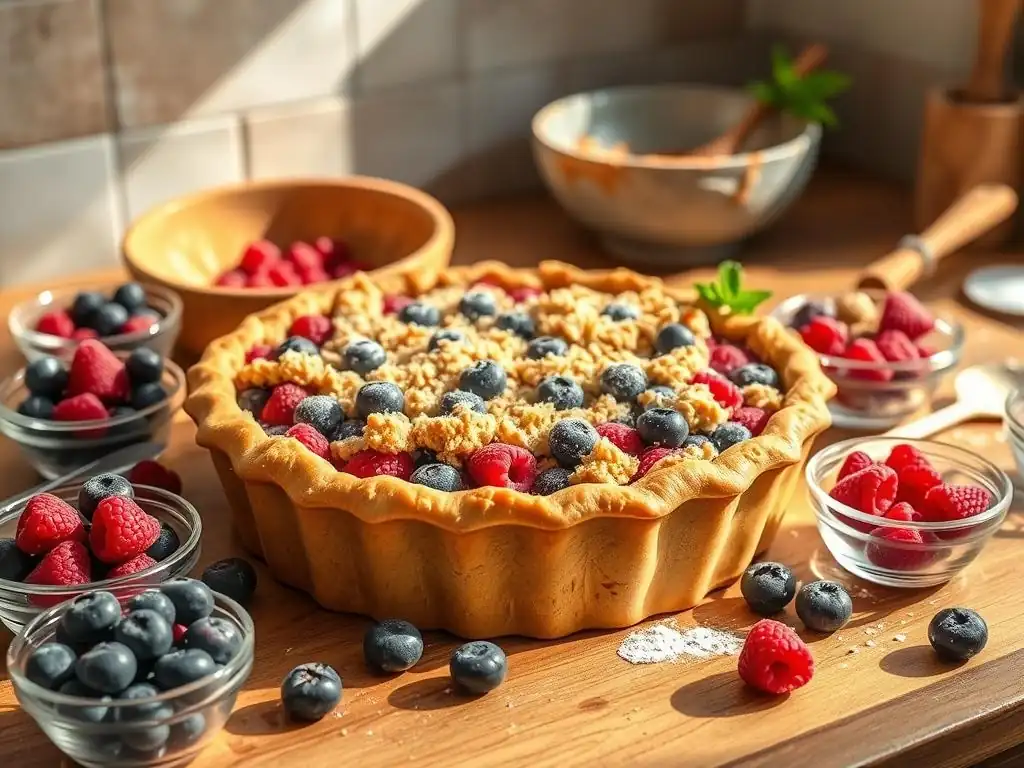
Welcome to BakeWithEase, your kitchen companion for unlocking baking brilliance! Ever wondered how to achieve vibrant flavor and perfect texture when baking with frozen fruit? This season, we're diving deep into delicious possibilities with our guide to frozen berries baking recipes. Discover insider secrets to avoid soggy bottoms and unlock the full potential of frozen berries in your next masterpiece. Ready to transform your baking game? Let's get started!
- Tips for Using Frozen Berries in Baking: BakeWithEase
- Unlock the Secrets of Frozen Berries in Baking
- Preparing Frozen Berries for Baking: Essential Tips
- Incorporating Frozen Berries into Your Favorite Baking Recipes
- Frozen Berry Baking Recipe Ideas: Get Inspired!
- Troubleshooting Common Frozen Berry Baking Problems
- Storing Baked Goods with Frozen Berries
- Seasonal Baking with Berries: Frozen vs. Fresh
- Conclusion: BakeWithEase and the Joy of Frozen Berry Baking
-
Frequently Asked Questions
- What are the advantages of using frozen berries in baking recipes?
- How should I prepare frozen berries before adding them to my baking batter?
- Can frozen berries make my batter too wet?
- Are there specific types of baking recipes where frozen berries work best?
- How does using frozen berries affect the baking time of my recipe?
- Final Reflection: The Sweetness of Frozen, the Promise of Baking
- Unlock the Sweetness: Elevate Your Baking with Frozen Berries!
Tips for Using Frozen Berries in Baking: BakeWithEase
Unlock the Secrets of Frozen Berries in Baking
Embrace the Convenience and Flavor of Frozen Berries for Baking
Frozen berries are a true game-changer for any baker, offering year-round access to vibrant fruit regardless of the season. Their convenience is unmatched – no washing, hulling (mostly! ), or chopping required for many applications. Simply grab a bag from your freezer, and you're ready to infuse your baked goods with bursts of delicious, juicy flavor. Whether you're craving a taste of summer in the dead of winter or just need a reliable source of fruit for your next baking project, frozen berries provide consistent quality and availability, making those spontaneous frozen berries baking recipes moments possible anytime.
Beyond convenience, frozen berries often boast a nutritional profile comparable to their fresh counterparts, as they are typically frozen shortly after picking, locking in vitamins and antioxidants. While the freezing process can break down cell walls slightly, leading to a softer texture once thawed, this characteristic can actually be beneficial in many baked goods, contributing moisture and intense flavor as they cook down. Think about the deep purple hues and rich taste they impart to muffins, pies, or crumbles – a vibrant addition that elevates simple frozen berries baking recipes into something truly special.
Preparing Frozen Berries for Baking: Essential Tips
Don't Thaw (Usually! ): Baking Directly with Frozen Berries
For most frozen berries baking recipes, particularly those involving muffins, quick breads, or scones, the golden rule is to use the berries straight from the freezer, without thawing. Baking them frozen helps them maintain their shape better during the baking process. If you were to thaw them first, they would likely become mushy and release all their juice before hitting the heat of the oven, leading to potential soggy spots in your batter and uneven distribution of fruit.
Using frozen berries directly also helps regulate the batter temperature slightly, which can be beneficial in recipes where you want to prevent the fat (like butter) from melting too quickly before baking. A crucial step when adding frozen berries directly is often tossing them gently in a tablespoon or two of flour before folding them into the batter. This light coating helps absorb some of the moisture that the berries will release as they bake and also helps suspend them in the batter, reducing the chances of them all sinking to the bottom.
When to Thaw: Exceptions for Specific Frozen Berry Baking Recipes
While baking directly from frozen is common, there are specific frozen berries baking recipes where thawing is necessary or beneficial. Recipes like fillings for pies, tarts, or compotes often require thawed berries. Thawing allows you to drain off excess liquid, which is crucial for achieving the right consistency in a pie filling – too much liquid can result in a watery, unset filling and a soggy bottom crust.
When thawing berries for these applications, it's best to do so in a colander set over a bowl to catch the juice. The juice collected can often be reduced on the stovetop and added back to the filling for intensified flavor, or saved for sauces, syrups, or smoothies. Allow the berries to thaw in the refrigerator for several hours or overnight. Avoid thawing at room temperature for extended periods to maintain food safety. Once thawed and drained, they are ready to be incorporated into your specific frozen berries baking recipes.
Rinsing Frozen Berries: Minimizing Color Bleed in Baked Goods
Color bleeding is a common issue when using frozen berries, especially dark ones like blueberries or blackberries, in light-colored batters. The intense pigments can leach out as the berries thaw and bake, turning your beautiful golden muffin or scone batter an unappealing grey or purple hue. Rinsing the frozen berries under cold water for about 30 seconds can help minimize this effect.
After rinsing, it is absolutely essential to drain the berries thoroughly. Gently pat them dry with paper towels. This removes some of the surface ice crystals and excess pigment. While this step doesn't guarantee zero color bleed, it significantly reduces it, helping your baked goods look as good as they taste. This little trick is particularly useful for frozen berries baking recipes where presentation matters, like light-colored cakes or scones.
Incorporating Frozen Berries into Your Favorite Baking Recipes
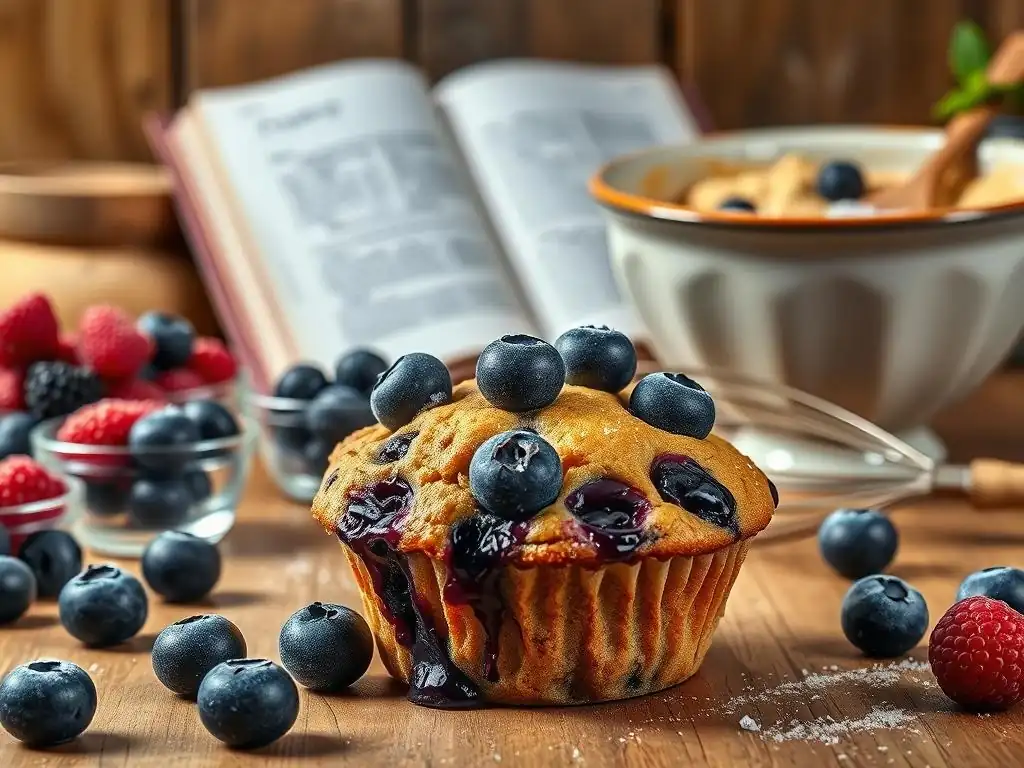
Adding Frozen Berries to Muffins: Preventing Sinking
Adding frozen berries to muffin batter requires a bit of technique to ensure they distribute evenly and don't all sink to the bottom during baking. As mentioned earlier, the key strategy is to toss the frozen berries with a small amount of dry ingredient, typically 1-2 tablespoons of flour taken from the recipe's total amount. This coating helps create a barrier and gives the berries something to 'cling' to within the batter.
Once coated, gently fold the berries into the prepared muffin batter using a spatula. Overmixing is detrimental; it can develop the gluten too much, resulting in tough muffins, and can also encourage berry breakage and color bleed. Mix just until the berries are evenly distributed, usually only a few folds. This method is standard practice in many successful frozen berries baking recipes for muffins and quick breads.
Baking Frozen Berries in Cakes: Maintaining Even Distribution
Incorporating frozen berries into cakes can be slightly trickier than muffins due to the often lighter or more delicate cake batter consistency. Like with muffins, tossing the frozen berries in flour is a critical first step to help prevent sinking. Use about 1/4 cup of flour for a standard cake recipe using 1-2 cups of berries.
Gently folding is even more important in cake batters to avoid deflating the aeration achieved during mixing. Add the coated frozen berries towards the end of mixing, folding them in just until they are dispersed. For loaf cakes or denser cakes, distribution is usually less of an issue. For lighter sponge cakes, you might consider folding in only half the berries initially and sprinkling the remaining half over the top of the batter once it's in the pan. This helps ensure you have berries throughout the cake.
Using Frozen Berries in Pies and Tarts: Adjusting Baking Time
Frozen berries are fantastic for pie and tart fillings, offering intense flavor. However, they release more liquid than fresh berries as they bake. This requires careful consideration, particularly regarding thickening and baking time. You'll likely need slightly more thickener (like flour, cornstarch, or tapioca) than you would for fresh berries to achieve a well-set filling. For a standard double-crust pie using about 6-8 cups of berries, you might increase the thickener by 1-2 tablespoons compared to a fresh berry recipe.
Furthermore, pies made with frozen berries often require a longer baking time or a slightly higher initial temperature to ensure the crust is fully cooked and the filling bubbles and thickens properly. Baking at around 400-425°F (200-220°C) for the first 15-20 minutes before reducing the temperature to 375°F (190°C) can help brown the bottom crust. Total baking time can range from 50-75 minutes, depending on the size and type of pie. Look for vigorous bubbling in the center as an indicator that the thickener has activated.
Frozen Berry Baking Recipe Ideas: Get Inspired!
Simple Frozen Berry Muffins: A Beginner's Guide
Simple frozen berry muffins are a perfect entry point into frozen berries baking recipes. They are quick, forgiving, and incredibly rewarding. A basic recipe typically involves whisking together dry ingredients (flour, sugar, baking powder, salt), mixing wet ingredients (egg, milk, melted butter or oil, vanilla), combining them, and then gently folding in about 1 to 1.5 cups of flour-coated frozen berries.
Bake these muffins in a preheated oven at around 375°F (190°C) for 20-25 minutes, or until a toothpick inserted into the center (avoiding a berry!) comes out clean. The result is a batch of moist, tender muffins studded with juicy, flavorful berries. This recipe is easily adaptable to various berry types – use frozen blueberries, raspberries, mixed berries, or a combination for different flavor profiles.
Delicious Frozen Berry Scones: A Quick and Easy Treat
Frozen berries are ideal for scones because their frozen state helps keep the butter cold, which is essential for flaky scones. Use about 1 cup of frozen berries per batch of a standard scone recipe (which typically uses around 2-2.5 cups of flour). Cut cold butter into the dry ingredients (flour, sugar, baking powder, salt) until it resembles coarse crumbs.
Gently stir in the frozen berries before adding the liquid (usually cream or buttermilk). The frozen berries stay firm during mixing, preventing them from being crushed. Add the liquid and mix just until the dough comes together. Pat or roll out, cut into shapes, and bake at a relatively high temperature, like 400°F (200°C), for 15-20 minutes. The quick baking time and high heat help the scones rise beautifully while the berries release their flavor.
Frozen Berry Crumble or Crisp: A Summertime Classic
A frozen berry crumble or crisp is one of the easiest and most satisfying frozen berries baking recipes. It celebrates the fruit with minimal effort. Simply toss 4-6 cups of frozen berries (any kind or mix!) with a little sugar, a tablespoon or two of flour or cornstarch (for thickening), and a squeeze of lemon juice in a baking dish.
Top the berries with a simple mixture of flour, sugar (white or brown), rolled oats (for crisp), cinnamon, and cold butter that's been cut or rubbed in until crumbly. Bake at 375°F (190°C) for 30-45 minutes, or until the topping is golden brown and the berry filling is bubbly and thickened. This dessert is incredibly versatile and perfect served warm with a scoop of ice cream.
Troubleshooting Common Frozen Berry Baking Problems
Preventing Soggy Bottoms: Baking with Frozen Fruit
Soggy bottoms are a common pitfall when using frozen fruit, especially in pies and tarts. This happens because the frozen berries release a significant amount of moisture as they bake. Several strategies can help combat this. First, ensure your filling is adequately thickened. Using slightly more cornstarch, flour, or tapioca than you would for fresh berries is advisable. For a typical pie, this might mean adding an extra tablespoon of thickener.
Another technique is to partially bake the bottom crust before adding the filling (blind baking). Bake the empty pie shell with pie weights at 375°F (190°C) for about 15-20 minutes until the edges are set. Then, remove the weights and add the filling. Baking the pie on a preheated baking sheet also helps conduct heat quickly to the bottom crust, ensuring it crisps up. For crumbles or crisps, simply ensure the filling is bubbling vigorously before removing from the oven, indicating it has thickened.
Addressing Color Bleeding: Keeping Your Baked Goods Beautiful
Color bleeding from frozen berries, particularly blueberries and blackberries, can make light-colored baked goods look less appealing. While complete prevention is difficult, minimizing it is achievable. As mentioned earlier, a quick rinse under cold water and thorough drying before use can help remove some surface pigment.
Another effective method, especially in batters like muffins or cakes, is to keep the mixing to a minimum after adding the berries. Overmixing breaks the berries and smears the color. Fold them in gently and only until just combined. For recipes where appearance is paramount, like a light-colored cake, you might consider using frozen fruit where color bleed is less noticeable (like raspberries) or reserving a portion of the berries to sprinkle on top of the batter once it's in the pan, rather than mixing them all in.
Adjusting Sweetness Levels: Accounting for Berry Tartness
Frozen berries, like fresh ones, vary in sweetness depending on the type and ripeness at freezing. Sometimes, they can be quite tart, requiring an adjustment to the sugar in your frozen berries baking recipes. It's a good idea to taste a thawed berry (if your recipe involves thawing) or simply be prepared to potentially increase the sugar slightly compared to a recipe designed for very sweet fresh berries.
Start with the amount of sugar specified in your recipe, especially if it's written specifically for frozen fruit. If adapting a fresh berry recipe, consider adding an extra 1-2 tablespoons of sugar per cup of berries, especially for tart varieties like cranberries or some types of raspberries. You can also balance tartness with other flavors like vanilla, lemon zest, or spices like cinnamon or nutmeg, which complement berry flavors beautifully.
Storing Baked Goods with Frozen Berries
Maintaining Freshness: Proper Storage Techniques
Baked goods containing frozen berries, like muffins, cakes, or pies, generally have a similar shelf life to those made with fresh fruit. Muffins and quick breads are best stored at room temperature in an airtight container for 2-3 days. Refrigerating them can actually dry them out quickly.
Pies and tarts with berry fillings should typically be stored in the refrigerator due to the moist fruit filling, especially in warmer conditions. Cover them loosely with plastic wrap or foil. They will usually keep well for 3-4 days. Crumbles and crisps can often be left at room temperature for a day or two, but refrigerating them will extend their freshness, typically for 3-4 days. Always ensure baked goods are completely cooled before storing to prevent condensation, which can lead to sogginess and spoilage.
Freezing Baked Goods with Frozen Berries: Extending Shelf Life
One of the great advantages of using frozen berries is that the resulting baked goods often freeze beautifully themselves, further extending their usability. Muffins, scones, and quick breads made with frozen berries can be frozen for up to 2-3 months. Once completely cooled, wrap individual items or the whole loaf/batch tightly in plastic wrap, then place in a freezer-safe bag or container.
Pies and crumbles can also be frozen, either baked or unbaked depending on the recipe. Baked pies should be cooled completely, then wrapped tightly in plastic wrap and foil and frozen for up to 3-4 months. Unbaked pies can often be assembled, frozen solid, then wrapped. Baking from frozen will require a longer baking time at a slightly lower temperature. Freezing is an excellent way to enjoy the fruits of your frozen berries baking recipes long after they are made.
Seasonal Baking with Berries: Frozen vs. Fresh
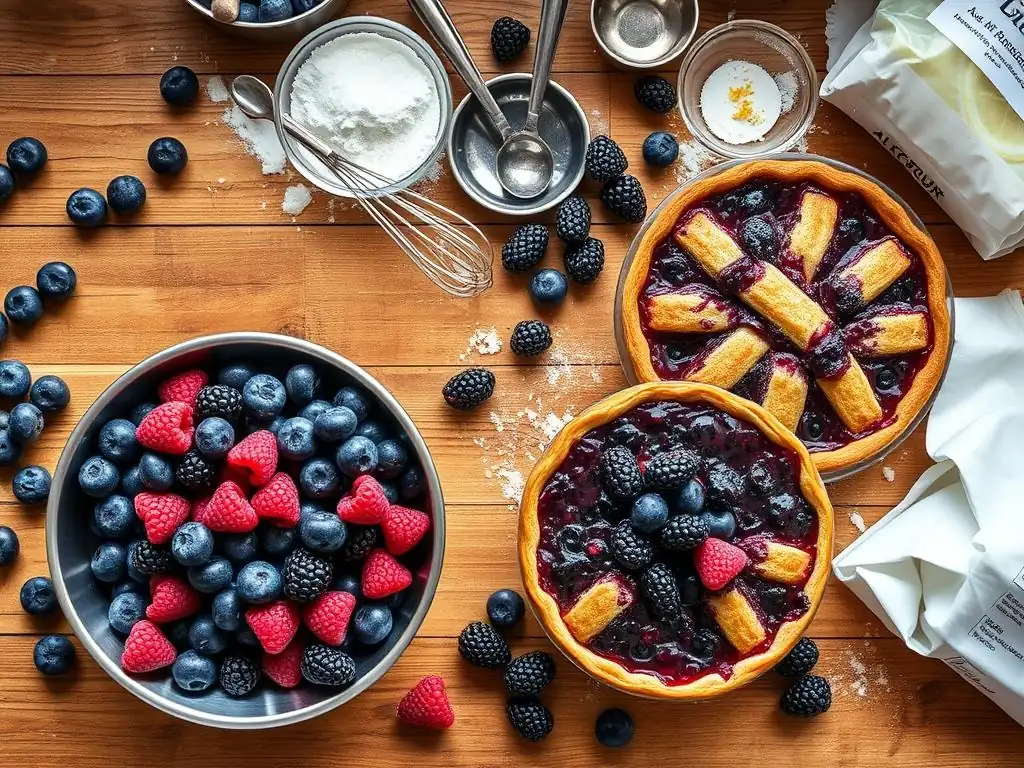
When Frozen Berries Outshine Fresh: Availability and Cost
While fresh, in-season berries are undeniably a treat, frozen berries often outshine them in terms of availability and cost, making frozen berries baking recipes practical year-round. Fresh berries have a short peak season and can be prohibitively expensive or simply unavailable for much of the year, particularly in non-local markets. Frozen berries, however, are consistently available in the freezer aisle regardless of the month.
From a cost perspective, frozen berries are almost always cheaper than fresh berries when they are out of season. Even during peak season, the price per pound of frozen berries can be significantly lower. This makes frozen berries an economical choice for baking in larger quantities or for recipes that require a substantial amount of fruit, allowing you to indulge in berry baking without breaking the bank.
Maximizing Flavor: Selecting High-Quality Frozen Berries
To maximize the flavor in your frozen berries baking recipes, selecting high-quality frozen berries is key. Look for bags where the berries are free-flowing and not clumped together in one large ice block. Clumping can indicate that the berries have thawed and refrozen, which can compromise texture and quality.
Check the packaging for information about where the berries were sourced and if they were frozen at peak ripeness. Berries frozen quickly after harvest retain the most flavor and nutrients. While store brands can be perfectly good, sometimes reputable fruit brands guarantee a higher standard. Choose berries that look plump and vibrant, even in their frozen state, to ensure the best possible flavor payoff in your baking.
Conclusion: BakeWithEase and the Joy of Frozen Berry Baking
Frozen berries are a fantastic resource for bakers of all levels, offering convenience, value, and delicious flavor year-round. By understanding a few simple techniques – like whether or not to thaw, how to prevent sinking and bleeding, and adjusting for moisture – you can successfully incorporate them into a wide variety of frozen berries baking recipes. From simple muffins and scones to classic pies and crumbles, frozen berries make it easy to add vibrant fruit to your baking repertoire anytime.
At BakeWithEase, we encourage you to explore the possibilities that frozen berries unlock. Don't wait for summer to bake with your favorite fruits! Stock your freezer, try out some new frozen berries baking recipes, and enjoy the delightful bursts of flavor they bring to your kitchen creations. Happy baking!
Frequently Asked Questions
What are the advantages of using frozen berries in baking recipes?
Frozen berries are often more cost-effective and readily available year-round compared to fresh berries. They also help to maintain the shape and structure of baked goods due to their firm texture. Finally, freezing preserves the nutritional value of berries at their peak ripeness.
How should I prepare frozen berries before adding them to my baking batter?
It's generally recommended to add frozen berries directly to your batter without thawing them. Lightly tossing them with flour can also help prevent them from sinking to the bottom or bleeding color. This helps maintain the berry's integrity.
Can frozen berries make my batter too wet?
Yes, frozen berries can release moisture during baking, which can potentially make your batter too wet. To mitigate this, consider slightly reducing the liquid in your recipe or adding a bit more flour, and don't overmix the batter.
Are there specific types of baking recipes where frozen berries work best?
Frozen berries work well in a variety of baking recipes, including muffins, scones, pies, and crumbles. They are particularly suitable for recipes where a slightly moist texture is desired and where berry color bleed is less of a concern.
How does using frozen berries affect the baking time of my recipe?
Due to their lower temperature, frozen berries can slightly increase the baking time. It's crucial to check for doneness using a toothpick or cake tester inserted into the center of the baked good. The internal temperature will also be slightly lower than with fresh berries.
Final Reflection: The Sweetness of Frozen, the Promise of Baking
The accessibility and versatility of frozen berries have revolutionized home baking, offering a convenient and surprisingly delicious alternative to fresh. No longer are perfectly baked goods the exclusive domain of those with access to seasonal produce; frozen berries democratize the joy of creating delectable treats, making baking accessible to everyone, regardless of location or time of year.
The impact of readily available frozen fruit extends beyond mere convenience; it's reshaped our relationship with seasonal ingredients. We can now enjoy the vibrant flavors of summer berries year-round, fostering creativity in the kitchen and expanding the possibilities of our baking repertoire. This accessibility has led to a blossoming of innovative recipes and techniques, pushing the boundaries of what's possible with frozen fruit. The best things in life are the simple things, and simple things are often the most delicious.
This sentiment perfectly captures the essence of baking with frozen berries – achieving extraordinary results with readily available ingredients.
Consider the possibilities: Imagine the burst of flavor in your next muffin, the vibrant color in your next pie, the delightful texture in your next crumble. You, the baker, hold the power to transform simple frozen berries into extraordinary culinary creations. Embrace the convenience, explore the possibilities, and discover the joy of baking with frozen berries – your next masterpiece awaits.
Unlock the Sweetness: Elevate Your Baking with Frozen Berries!
Thanks for taking the time to explore the delicious world of frozen berries in baking! You've just discovered a treasure trove of convenience and flavor. Now it's time to put your newfound knowledge to the test.
- Bake your masterpiece today! Try one of the recipes mentioned in the article – or get even more creative and experiment with your own frozen berry creation.
- Share your frozen berry baking adventures on social media using #BakeWithEaseFrozenBerries – we'd love to see your creations!
- Join our BakeWithEase community forum to discuss your favorite frozen berry recipes and tips with fellow baking enthusiasts.
Ready to transform your next baking project with the vibrant taste and ease of frozen berries? What innovative frozen berry recipe will you create first?