
Easy Carrot Cake Recipe Perfect for Easter

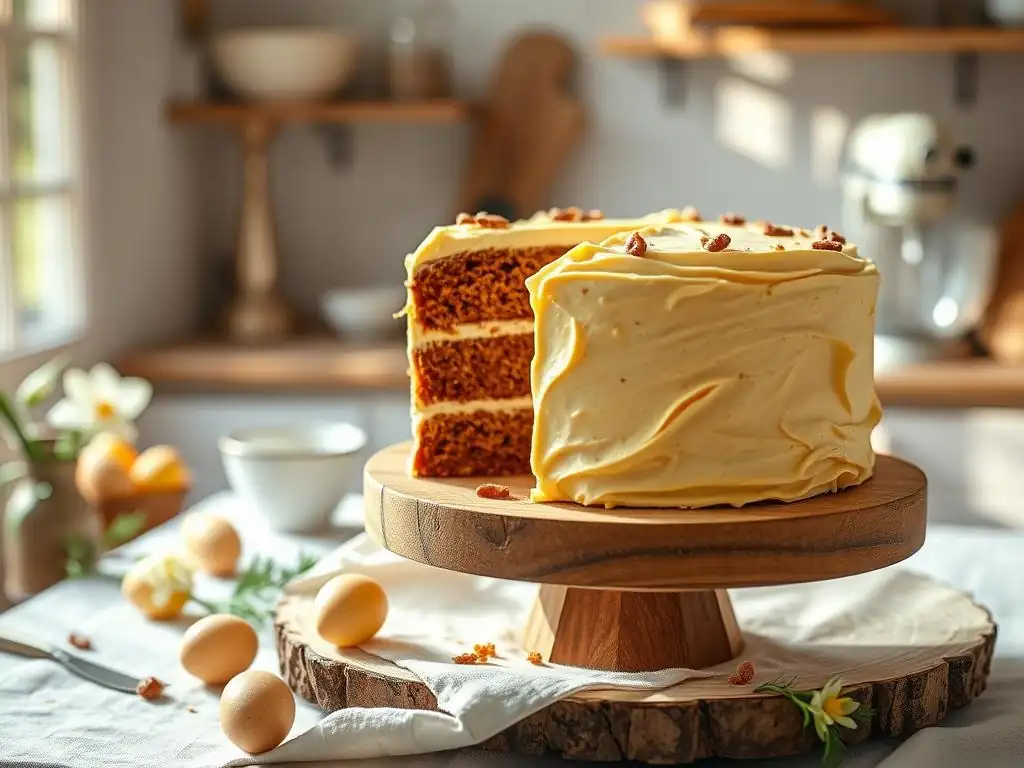
Welcome to BakeWithEase, your trusted companion on your baking journey! Are you ready to elevate your Easter celebration with a dessert that's both impressive and surprisingly simple? Discover our Easy Easter Carrot Cake recipe below, and unlock the secrets to creating a moist, flavorful masterpiece. But that's just the beginning... what other delightful treats await you in our pastry and dessert collection? Let's get baking!
- Delicious Carrot Cake Recipe
- Introduction
- Ingredients
- Instructions
- Assembling the Cake
- Tips & Tricks
- Variations
- Serving Suggestions
- Conclusion
-
Frequently Asked Questions
- What makes this carrot cake recipe easy compared to others?
- Can I customize the ingredients in this easy Easter carrot cake recipe?
- Is this carrot cake recipe suitable for beginner bakers?
- How do I ensure my carrot cake stays moist?
- What kind of frosting is recommended for this easy Easter carrot cake?
- Final Reflection: The Enduring Sweetness of Tradition
- Unleash Your Inner Baker: Make This Easter a Sweet Success!
Delicious Carrot Cake Recipe
Introduction
A Classic Dessert
Carrot cake holds a special place in the hearts of many bakers and dessert lovers, particularly as a beloved treat during spring and holiday seasons like Easter. Its rich, moist crumb studded with sweet carrots and warm spices offers a comforting yet celebratory flavor profile. This classic dessert has roots tracing back centuries, evolving from savory puddings containing vegetables to the sweet, frosted indulgence we know today. The inclusion of carrots not only adds natural sweetness but also contributes significantly to the cake's signature moisture and tender texture.
Historically, carrots were used as a sweetener in cakes during times when sugar was expensive or scarce. While sugar is readily available today, the tradition of using carrots persists, valued now for their unique flavor and textural contribution. The warm spices commonly used, such as cinnamon, nutmeg, and sometimes cloves or ginger, complement the earthy sweetness of the carrots perfectly. An easy Easter carrot cake is a staple on many holiday tables, offering a refreshing change from heavier chocolate or fruit-based desserts, and its vibrant look, often enhanced by cream cheese frosting, makes it visually appealing for spring celebrations.
Why This Recipe Works
This particular recipe for an easy Easter carrot cake is designed for simplicity without compromising on flavor or texture. It utilizes common pantry ingredients and straightforward techniques, making it accessible even for novice bakers. One key aspect is the use of oil instead of butter as the primary fat source, which helps create an exceptionally moist crumb that stays tender for days. The ratio of wet to dry ingredients is carefully balanced to prevent a dense or dry cake, ensuring a light yet substantial result perfect for slicing.
Furthermore, the preparation involves minimal steps, largely relying on mixing wet and dry components separately before combining them. This reduces the risk of overmixing, a common pitfall that can lead to a tough cake. The instructions for the cream cheese frosting are also uncomplicated, guiding you to a smooth, tangy topping that is the perfect counterpoint to the sweet, spiced cake. This reliable method consistently delivers a delicious carrot cake, ideal for busy holiday preparations or a simple weekend baking project.
Ingredients
Wet Ingredients
The wet ingredients form the foundation of the cake's structure and moisture. This recipe typically calls for items like vegetable oil, eggs, and sometimes buttermilk or yogurt. Vegetable oil is preferred over melted butter in many carrot cake recipes because it remains liquid at room temperature, contributing to a moister cake that doesn't dry out as quickly. Approximately 1 cup of vegetable oil is often used for a standard 9x13 inch cake, providing ample richness.
Eggs play a crucial role in binding the ingredients together, adding richness, and contributing to the cake's rise. Usually, 3 to 4 large eggs are sufficient for this recipe, providing structure and helping create a tender crumb. If using buttermilk or yogurt, these acidic components react with baking soda in the dry ingredients, aiding in leavening and adding a slight tanginess that enhances the overall flavor profile. About ½ cup of buttermilk or yogurt can make a noticeable difference in moisture and texture.
Dry Ingredients
The dry ingredients provide the bulk and structure of the cake. All-purpose flour is the standard choice, offering a good balance of protein for structure without making the cake too tough. Around 2 cups of all-purpose flour are typically needed for a medium-sized cake. It's important to measure flour correctly, usually by spooning it into the measuring cup and leveling it off, to avoid adding too much and resulting in a dry cake.
Leavening agents, such as baking soda and baking powder, are essential for giving the cake its lift and airy texture. A combination of both is often used; for instance, 1 teaspoon of baking soda and 1 teaspoon of baking powder might be included.
Baking soda requires an acidic component (like buttermilk, brown sugar, or the carrots themselves) to activate fully, while baking powder is double-acting, reacting both when mixed with liquid and when heated in the oven. Granulated sugar and brown sugar contribute sweetness and moisture; using a mix, perhaps 1 cup of granulated and ½ cup of brown sugar, adds depth of flavor and helps retain moisture.
Spices
The spices are what give carrot cake its distinctive warm and aromatic character. Cinnamon is the star spice in most carrot cake recipes, providing a sweet, woody warmth. A generous amount, often 2 teaspoons or more, is commonly used to ensure the flavor comes through. The quality and freshness of your cinnamon can significantly impact the final taste, so using freshly purchased ground cinnamon is recommended.
Nutmeg is another essential spice, adding a slightly sweeter, more complex warmth that pairs beautifully with cinnamon and carrots. About ½ to 1 teaspoon of ground nutmeg is usually sufficient. Some recipes also include smaller amounts of other warm spices like ground ginger (for a touch of heat) or ground cloves (for intense aroma). A pinch of salt is also crucial in the dry ingredients; it doesn't add saltiness but enhances all the other flavors, balancing the sweetness and making the spices pop.
Instructions
Preparing the Batter
The first step in preparing the batter for this easy Easter carrot cake is to prepare the carrots. You'll need approximately 2 cups of finely grated carrots for a standard recipe. Using a box grater or food processor with a grating attachment ensures even pieces that soften nicely during baking. Avoid pre-shredded carrots from the store, as they can be dry and tough, and don't incorporate as well into the batter.
Next, combine all the wet ingredients in a large bowl. This typically involves whisking together the vegetable oil, eggs, sugars (granulated and brown), and any liquid dairy like buttermilk or vanilla extract until well combined and slightly emulsified. In a separate, medium-sized bowl, whisk together all the dry ingredients: flour, baking soda, baking powder, salt, and all the lovely spices like cinnamon and nutmeg. Create a well in the center of the dry ingredients and pour the wet ingredients into it.
Gently fold the wet and dry ingredients together until just combined. Be careful not to overmix; a few streaks of flour are acceptable. Finally, fold in the grated carrots.
Baking the Cake
Preheating your oven to the correct temperature is crucial for even baking. For most carrot cake recipes, 350°F (175°C) is the standard temperature. Make sure to give your oven ample time to reach and stabilize at this temperature, usually about 15-20 minutes after it indicates it's preheated. Prepare your baking pan(s) by greasing and flouring them, or lining them with parchment paper, to prevent the cake from sticking. For a 9x13 inch pan, simply grease and flour. For two 8 or 9-inch round pans, line the bottoms with parchment paper and grease the sides.
Pour the prepared batter evenly into the pan(s). If using multiple round pans, try to distribute the batter as evenly as possible to ensure the layers bake at the same rate. Place the pan(s) in the preheated oven. Baking time will vary depending on the size and type of pan used.
A 9x13 inch cake might take 30-35 minutes, while 8 or 9-inch layers could be done in 25-30 minutes. The cake is ready when a wooden skewer or toothpick inserted into the center comes out clean or with just a few moist crumbs attached. Avoid opening the oven door frequently during baking, especially in the first 20 minutes, as this can cause the cake to collapse.
Making the Cream Cheese Frosting
Cream cheese frosting is the perfect partner for a spiced carrot cake, offering a tangy sweetness that cuts through the richness of the cake. The basic recipe involves softened cream cheese, softened unsalted butter, powdered sugar (also known as confectioners' sugar), and vanilla extract. Ensure both the cream cheese and butter are at room temperature; this is critical for achieving a smooth, lump-free frosting. Cold cream cheese or butter will result in a lumpy texture that is difficult to spread.
In a large bowl, or using an electric mixer, beat the softened cream cheese and butter together until they are smooth and creamy. This usually takes 2-3 minutes on medium speed. Gradually add the powdered sugar, about 1 cup at a time, mixing on low speed until combined, then increasing speed to medium until smooth. You'll likely need between 3 to 4 cups of powdered sugar, depending on desired consistency and sweetness.
Finally, beat in about 1 teaspoon of vanilla extract. Taste and adjust sweetness or tanginess if needed. If the frosting is too thick, you can add a tablespoon of milk or cream at a time until desired consistency is reached. If it's too thin, add a little more powdered sugar.
Assembling the Cake
Frosting Techniques
Once your easy Easter carrot cake layers (if using round pans) have cooled completely, you can begin assembling and frosting. It is absolutely essential that the cake layers are fully cooled before applying frosting. Attempting to frost a warm cake will result in the frosting melting and sliding off, creating a messy outcome. If you baked a single 9x13 inch cake, you can simply frost the top surface directly in the pan or on a serving platter.
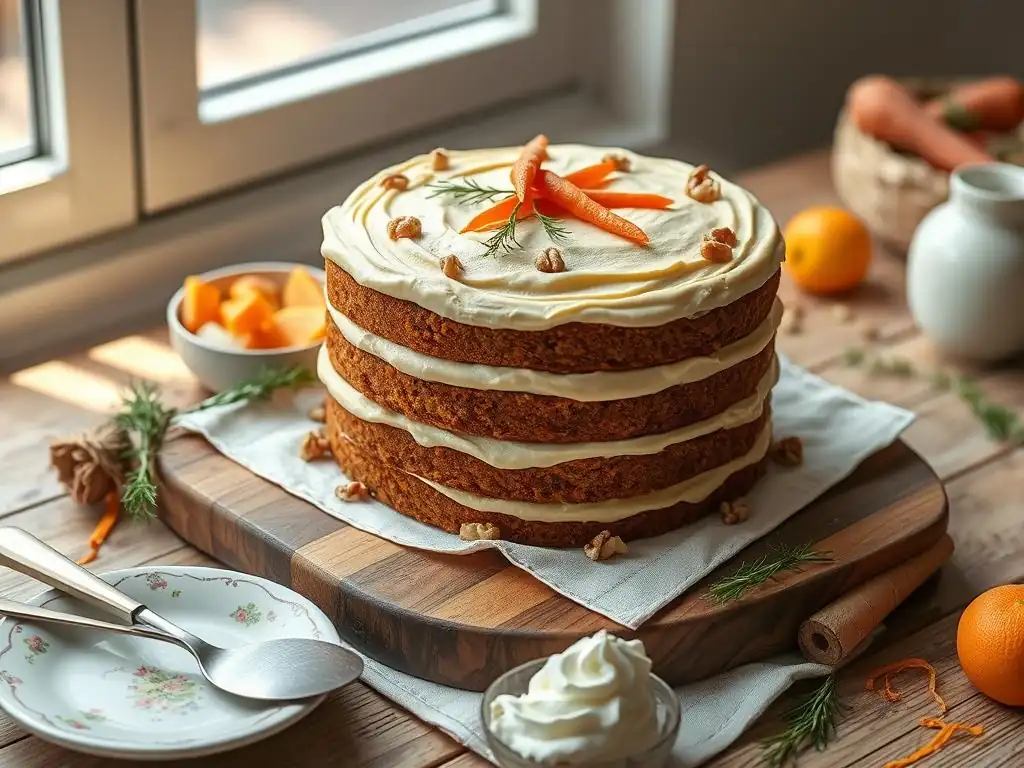
For layered cakes, place the first layer on your serving plate or cake stand. If the tops are rounded, you can gently level them off with a serrated knife for a flat surface, but this is optional for a rustic look. Spread an even layer of cream cheese frosting over the first layer, extending it almost to the edge. Carefully place the second layer on top.
Apply a thin layer of frosting all over the cake – the top and sides. This is called a "crumb coat" and helps to trap any loose crumbs, preventing them from getting into your final layer of frosting. Chill the crumb-coated cake in the refrigerator for about 20-30 minutes until the frosting is firm. Then, apply the final, thicker layer of frosting using an offset spatula or knife, smoothing it out or creating decorative swirls as desired.
Decoration Options
Decorating your easy Easter carrot cake can be a fun way to personalize it and make it look extra special for the holiday. The simplest decoration is often just spreading the cream cheese frosting evenly and perhaps creating some texture with the back of a spoon or an offset spatula. For a rustic look, you can leave the sides "naked" or partially covered, which also uses less frosting.
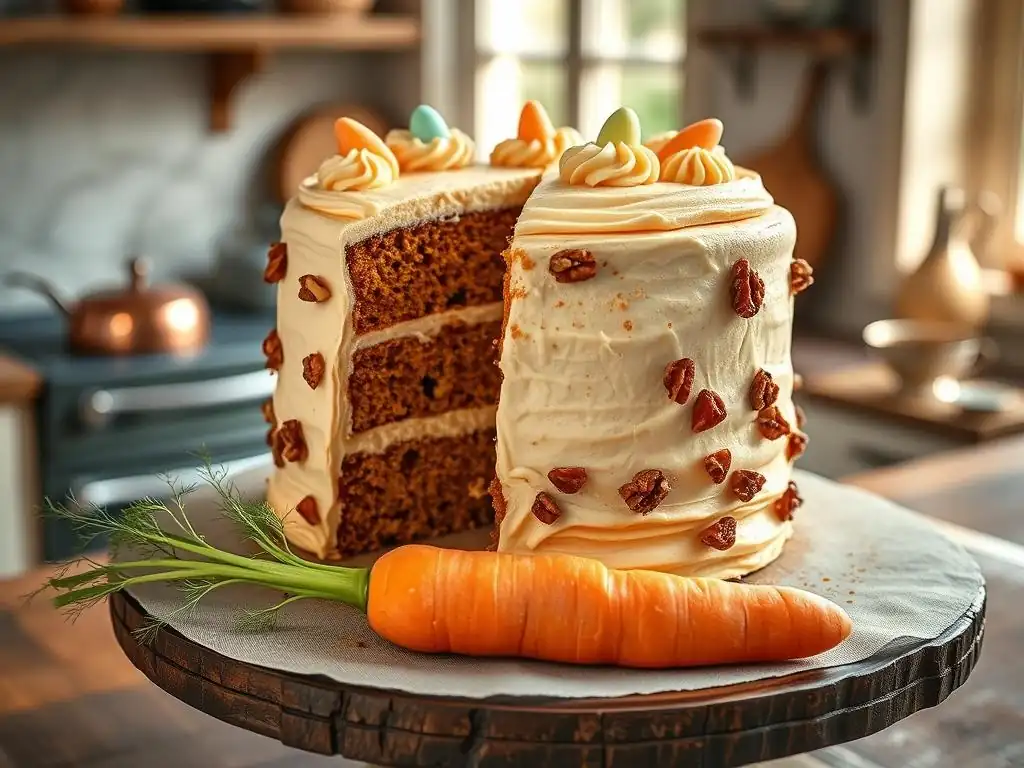
Traditional decorations for carrot cake often include chopped nuts, such as walnuts or pecans, pressed into the sides or sprinkled over the top. Toasted coconut flakes are another popular addition, adding texture and a tropical hint. For an Easter theme, consider piping small swirls of frosting around the edge and topping each with a mini chocolate egg or a small candy carrot made from marzipan or fondant.
You could also use a fine grater to sprinkle a little extra cinnamon or nutmeg over the top of the frosting for a subtle visual and aromatic touch. Edible flowers or fresh mint sprigs can also add a touch of spring elegance.
Tips & Tricks
Achieving a Moist Cake
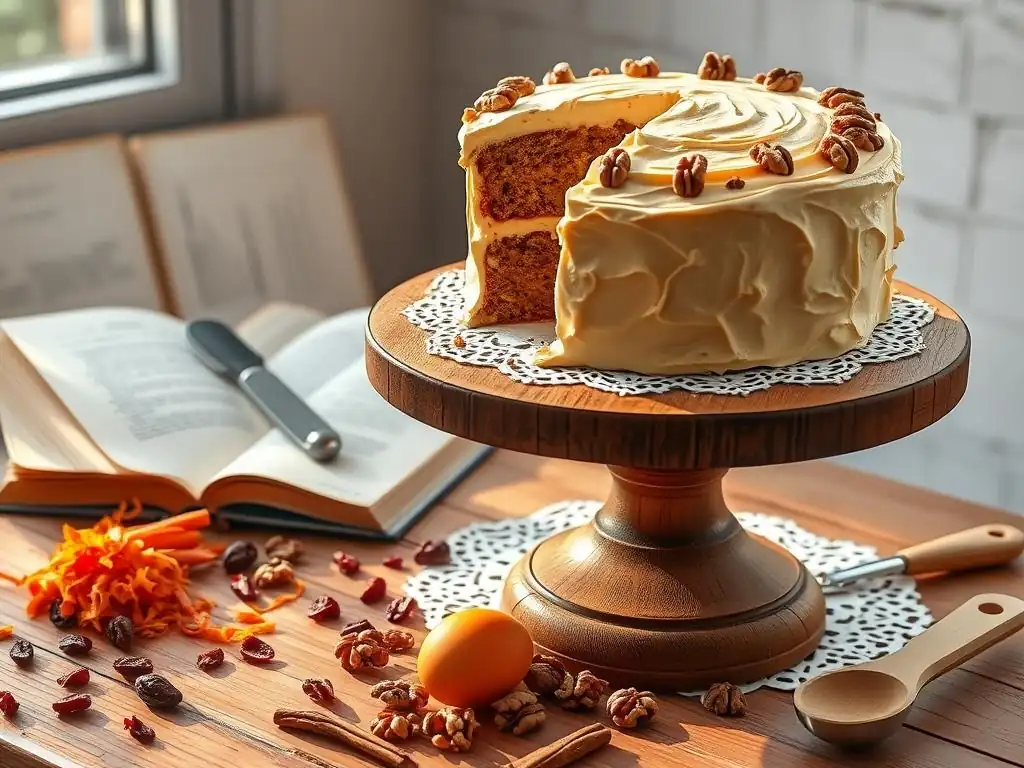
Ensuring your easy Easter carrot cake is wonderfully moist is key to its success. One primary factor is the use of oil instead of butter; oil provides more consistent moisture throughout the cake's shelf life because it remains liquid. Using the correct amount of wet ingredients, as specified in the recipe – typically around 1 cup of oil, 3-4 eggs, and possibly ½ cup of buttermilk – is also vital for hydration.
The carrots themselves contribute significant moisture. Be sure to use finely grated fresh carrots (about 2 cups for a standard recipe), not coarse or pre-shredded ones, as finer shreds release moisture more effectively during baking and integrate seamlessly into the batter. Avoid overmixing the batter once the wet and dry ingredients are combined.
Overmixing develops the gluten in the flour, which can lead to a tough, dry cake. Mix only until the ingredients are just incorporated, even if a few small lumps remain. Baking the cake just until a toothpick comes out clean also prevents it from drying out; overbaking is a common cause of dry cake.
Common Mistakes to Avoid
One of the most frequent mistakes when baking carrot cake is overmixing the batter. As mentioned, this develops gluten, resulting in a tough texture rather than a tender crumb. Mix just until the dry ingredients are incorporated into the wet, no more. Another pitfall is not grating the carrots finely enough; large shreds can make the cake uneven and don't contribute moisture as effectively. Aim for a fine grate, similar to coleslaw mix, but not pureed.
Using cold ingredients for the cream cheese frosting is another common error. Cold cream cheese and butter will not cream together smoothly, leading to a lumpy frosting texture that is difficult to spread. Ensure both are at proper room temperature before beginning. Lastly, attempting to frost a warm cake is a guaranteed way to create a mess. The heat from the cake will melt the frosting instantly. Always allow the cake layers to cool completely on a wire rack before applying any frosting, ideally chilling them slightly after the crumb coat.
Storage Instructions
Proper storage is essential to keep your easy Easter carrot cake fresh and moist. If the cake is frosted with cream cheese frosting, it must be stored in the refrigerator due to the dairy content of the frosting. Place the cake in an airtight container or cover it loosely with plastic wrap or foil once the frosting has set. Stored this way, the cake will remain delicious for up to 5-7 days in the refrigerator.
If the cake is unfrosted, it can be stored at cool room temperature in an airtight container for 2-3 days. However, frosting helps seal in moisture, so a frosted cake tends to stay moist longer, even in the fridge. For longer storage, both frosted and unfrosted carrot cake freezes exceptionally well. Wrap individual slices or whole layers tightly in plastic wrap, then in aluminum foil, or place them in a freezer-safe container. Frozen cake can maintain its quality for up to 2-3 months. Thaw frozen cake in the refrigerator overnight before serving.
Variations
Adding Nuts and Raisins
Adding nuts and raisins is a classic variation for carrot cake, enhancing both texture and flavor. Chopped nuts, such as walnuts or pecans, provide a pleasant crunch that contrasts with the soft cake crumb. About ½ to 1 cup of chopped nuts can be folded into the batter along with the grated carrots. For best results, lightly toast the nuts before chopping to bring out their flavor.
Raisins add bursts of chewy sweetness. Approximately ½ cup of raisins can be stirred into the batter. Some bakers like to plump the raisins first by soaking them in hot water, orange juice, or even a little rum for about 10-15 minutes, then draining them well before adding to the batter. This makes them softer and juicier within the cake. Ensure you don't add too many nuts or raisins, as they can weigh down the batter and affect the cake's rise.
Spice Adjustments
The spice blend in carrot cake is highly adaptable to personal preference. While cinnamon and nutmeg are standard, you can easily adjust the amounts or add other spices to create different flavor profiles for your easy Easter carrot cake. For a warmer, spicier cake, increase the amount of cinnamon or nutmeg, or add ½ teaspoon of ground ginger, which provides a lovely subtle heat.
If you enjoy a more complex, slightly bitter note, a pinch of ground cloves (perhaps ¼ teaspoon) can be added, but use sparingly as cloves are very potent. Some recipes also include a dash of allspice. Experimenting with the spice blend can lead to a cake that is uniquely yours. Remember that freshly ground spices are always more potent and flavorful than pre-ground ones that have been sitting in the pantry for a while.
Cake Pan Sizes
This easy Easter carrot cake recipe is typically written for a 9x13 inch rectangular pan or two 8 or 9-inch round cake pans. However, the batter can be adapted for other pan sizes with some adjustments to baking time. If using a Bundt pan, a standard recipe might be enough, but you'll need to grease and flour the pan very thoroughly and increase the baking time significantly, perhaps to 45-60 minutes, checking for doneness with a skewer.
For cupcakes, this recipe usually yields about 24 standard-sized cupcakes. Fill the cupcake liners about two-thirds full and reduce the baking time to 18-22 minutes. For a smaller, loaf-sized cake, you might need to halve the recipe or use a larger loaf pan and adjust baking time accordingly. Always remember that when changing pan sizes, the baking time will vary, so rely on the skewer test for doneness rather than just the clock.
Serving Suggestions
Pairing with Beverages
A slice of moist, spiced easy Easter carrot cake pairs wonderfully with a variety of beverages, enhancing the flavors of both. For a comforting and classic pairing, a cup of hot coffee or tea is ideal. The slight bitterness of coffee complements the sweetness of the cake and tang of the frosting, while a robust black tea or a spiced chai can echo the cake's warm spices.
For a more festive or dessert-wine pairing, consider a late-harvest Riesling or a Moscato d'Asti. Their sweetness and often slightly fruity or floral notes can harmonize nicely with the cake's flavors. A cream sherry or even a slightly chilled port could also work for those who enjoy a richer, fortified wine. Non-alcoholic options include a glass of cold milk, which is always a simple and satisfying choice with cake, or a sparkling apple cider, which adds a touch of celebratory fizz.
Presentation Ideas
Presenting your easy Easter carrot cake beautifully can make it even more inviting. If you've baked a single layer cake in a 9x13 pan, simply frosting the top and cutting it into squares or rectangles is a straightforward and appealing presentation. You can swirl the frosting decoratively with an offset spatula or fork. For a layered cake, ensure the layers are stacked neatly and the frosting is applied smoothly or with intentional texture.
To add a festive Easter touch, sprinkle the top with chopped nuts or toasted coconut, then arrange small candy carrots or chocolate eggs on top. You could also pipe decorative borders or rosettes using a piping bag fitted with a star tip. For individual servings, dust the plate lightly with powdered sugar or a sprinkle of cinnamon before placing a slice of cake on top. A small dollop of extra cream cheese frosting or a sprig of mint can also elevate the presentation of each slice.
Conclusion
Enjoy Your Homemade Carrot Cake
Creating an easy Easter carrot cake from scratch is a rewarding experience, resulting in a dessert that is both delicious and visually appealing for your spring celebrations. Following this straightforward recipe and incorporating the tips provided ensures a moist, flavorful cake with that essential tangy cream cheese frosting. From selecting the right ingredients to mastering the simple steps, you've learned how to bake a classic that's perfect for sharing with family and friends.
Whether you add nuts and raisins, adjust the spices, or keep it simple, this recipe provides a versatile foundation for a truly delightful treat. Remember the importance of using finely grated carrots, not overmixing the batter, and allowing the cake to cool completely before frosting to achieve the best results. Now, all that's left is to slice, serve, and savor every bite of your homemade easy Easter carrot cake. Happy Baking!
Frequently Asked Questions
What makes this carrot cake recipe easy compared to others?
This recipe focuses on simple techniques and easily accessible ingredients. It avoids complex steps, making it perfect for bakers of all skill levels.
Can I customize the ingredients in this easy Easter carrot cake recipe?
Yes, you can! Feel free to substitute ingredients like adding nuts or raisins. Just be mindful of how changes might affect the overall texture and baking time.
Is this carrot cake recipe suitable for beginner bakers?
Absolutely! The recipe is designed with clear, step-by-step instructions making it very accessible for beginner bakers.
How do I ensure my carrot cake stays moist?
Avoid over-baking. Check for doneness using a toothpick; it should come out with only a few moist crumbs attached. Also consider adding ingredients like crushed pineapple.
What kind of frosting is recommended for this easy Easter carrot cake?
A classic cream cheese frosting is highly recommended. It complements the spices and flavors of the cake perfectly, adding a delicious tangy sweetness.
Final Reflection: The Enduring Sweetness of Tradition
The simple joy of baking, especially around holidays like Easter, connects us to cherished memories and loved ones. This easy carrot cake recipe, designed for even the most novice baker, proves that creating something delicious and meaningful doesn't require hours of complicated steps. It's a testament to the power of accessible recipes to bring people together.
The enduring appeal of carrot cake, particularly during Easter, speaks to a deeper cultural significance. It's a dish that transcends generations, a comforting presence on tables across the world. Food is symbolic of love when words are inadequate.
This quote perfectly encapsulates the role this simple cake plays in our celebrations, offering a tangible expression of affection and shared experience. The recipe itself, with its straightforward instructions, allows for personal touches and variations, making each cake a unique reflection of the baker and their traditions.
Now, I invite you to consider the simple act of baking this carrot cake, not just as a recipe to follow, but as an opportunity to connect with your own history and create new memories. Whether you share it with family, friends, or simply enjoy a slice in quiet contemplation, let the sweetness of this cake remind you of the enduring power of simple pleasures and the joy of sharing something homemade with those you cherish. Go ahead, bake a batch – and let the tradition continue.
Unleash Your Inner Baker: Make This Easter a Sweet Success!
Thanks for taking the time to explore this delicious carrot cake recipe! We hope you've gained some inspiration and confidence in your baking abilities. Ready to bring this delightful treat to life?
- Bake your Easter masterpiece! Grab your ingredients and follow the recipe – we promise it's easier than you think! Don't be afraid to experiment with different frosting variations.
- Share your baking journey! Snap a picture of your creation and tag us on social media – we love seeing your culinary triumphs!
- Explore our other Easter recipes: Discover a world of festive flavors and delightful desserts on our website.
What unique twist will you add to this already amazing carrot cake? Let us know in the comments!