
Simple Lemon Loaf Cake: Perfect for Beginner Bakers

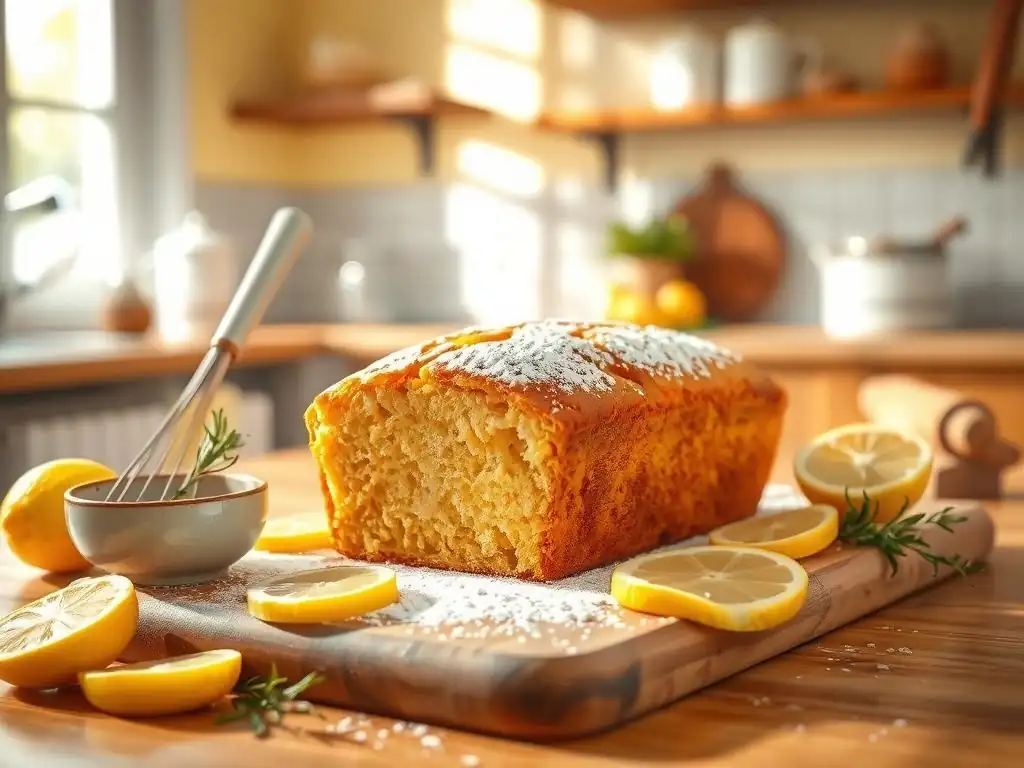
Welcome to BakeWithEase, where the joy of baking meets simplicity! If you've ever dreamed of creating mouthwatering treats without the fuss, you're in the right place. Our featured article on the Easy Beginner Lemon Loaf Cake is the perfect starting point for novice bakers looking to impress with a zesty delight. With our step-by-step guides and straightforward techniques, you’ll be on your way to mastering the art of baking in no time. Ready to whisk your way to success? Dive in and discover how easy it can be to bake something extraordinary!
- Classic Lemon Loaf: A Simple Recipe for Home Bakers
- A Delicious and Easy Lemon Loaf Recipe
- Key Ingredients for a Flavorful Lemon Loaf
- Step-by-Step Guide: Baking Your Lemon Loaf
- Lemon Glaze Recipe: A Tangy Finishing Touch
- Tips and Tricks for Baking the Best Lemon Loaf
- Enjoy Your Homemade Lemon Loaf!
-
Frequently Asked Questions
- What makes this lemon loaf cake recipe particularly easy for beginner bakers?
- What are the key ingredients in an easy lemon loaf cake?
- What baking techniques are simplified in this recipe to make it beginner-friendly?
- How can I prevent my lemon loaf cake from being dry?
- What are some variations I can make to this easy lemon loaf cake recipe once I'm comfortable with the basics?
- Final Reflection: The Enduring Joy of a Simple Lemon Loaf
- Unleash Your Inner Baker: Bake a Lemon Loaf Today!
Classic Lemon Loaf: A Simple Recipe for Home Bakers
A Delicious and Easy Lemon Loaf Recipe
Why This Lemon Loaf is Perfect for Any Baker
Embarking on your baking journey can feel daunting, but starting with simple, forgiving recipes like this easy beginner lemon loaf cake is the perfect way to build confidence. Unlike finicky layer cakes or complex pastries, a loaf cake requires minimal special equipment and techniques. The batter comes together quickly, and the structure is quite stable, making it hard to mess up significantly. It’s designed to be mixed without requiring advanced creaming or folding skills, focusing instead on straightforward steps that yield consistent, delicious results.
This classic lemon loaf recipe is specifically tailored for those new to the kitchen. It uses standard pantry ingredients that are easy to measure and work with. The process emphasizes clear instructions, from preparing the pan to checking for doneness, demystifying each step. The bright, tangy flavor of lemon is universally loved and helps mask minor imperfections, ensuring that your first attempt feels like a success. Plus, the aroma filling your home while it bakes is incredibly rewarding! Mastering this simple lemon loaf recipe provides a fantastic foundation for tackling other easy cakes and baked goods.
Key Ingredients for a Flavorful Lemon Loaf

Understanding the Role of Each Ingredient
Each component in our easy beginner lemon loaf cake recipe plays a vital role in creating its final texture, flavor, and structure. Flour, typically all-purpose, provides the main structure by developing gluten when mixed with liquid. Sugar sweetens the loaf, but also contributes significantly to moisture and tenderness, and helps create a beautiful golden crust. Eggs bind the ingredients together, add richness, and contribute to the cake's rise and structure.
Fats, like butter or oil, add moisture, tenderness, and flavor. Butter offers a rich, classic taste, while oil can make the cake incredibly moist. Leavening agents, such as baking powder, are crucial for making the loaf rise and become light and airy. Liquid, often milk or buttermilk, helps activate the leavening agents and brings the batter together. And, of course, the star: lemon! Fresh lemon zest and juice provide that signature bright, tangy flavor that defines a delicious lemon loaf. The zest contains potent oils that impart intense flavor, while the juice adds tanginess and moisture.
Ingredient List: Quantities and Specifics
Here is the list of ingredients you'll need for this simple lemon loaf recipe. These quantities are designed for a standard 9x5 inch loaf pan.
- Dry Ingredients:
- 1 ½ cups All-Purpose Flour (approximately 180-190 grams)
- 1 cup Granulated Sugar (approximately 200 grams)
- 1 ½ teaspoons Baking Powder
- ½ teaspoon Salt
- Wet Ingredients:
- ½ cup (1 stick) Unsalted Butter, softened (approximately 113 grams)
- 2 Large Eggs
- ½ cup Milk or Buttermilk (approximately 120 ml)
- ⅓ cup Fresh Lemon Juice (from about 2-3 lemons)
- Zest of 1-2 Large Lemons (about 1 tablespoon)
- 1 teaspoon Vanilla Extract
- For the Lemon Glaze (Optional but recommended):
- 1 cup Powdered Sugar (approximately 120 grams)
- 2-3 tablespoons Fresh Lemon Juice
Using these specific measurements ensures the correct balance for a moist and flavorful easy beginner lemon loaf cake. Accuracy in baking, especially for beginners, helps guarantee success.
Step-by-Step Guide: Baking Your Lemon Loaf
Preparing Your Baking Pan
Proper pan preparation is the crucial first step to ensure your easy beginner lemon loaf cake doesn't stick, making removal clean and effortless. A standard 9x5 inch loaf pan is ideal. You have a few options for preparing it:
- Option 1: Grease and Flour.: Use softened butter or a non-stick cooking spray to generously coat the inside of the pan, getting into the corners and up the sides. Then, add a tablespoon or two of all-purpose flour, tilting and tapping the pan to distribute it evenly, coating all the greased surfaces. Tap out any excess flour.
- Option 2: Parchment Paper Sling.: Cut a piece of parchment paper wide enough to fit the width of the pan and long enough to hang over the sides by a few inches. Grease the pan first (this helps the parchment stick), then press the parchment into the pan, letting the excess hang over the edges. This creates "handles" to lift the finished loaf out easily. You can grease the exposed ends of the pan if desired.
Using the parchment paper sling is particularly helpful for beginners as it almost guarantees a clean release. Whichever method you choose, take a moment to ensure the entire inside surface that will touch the batter is covered.
Mixing the Lemon Loaf Batter
Mixing the batter for this simple lemon loaf recipe is straightforward. Start by preheating your oven to 350°F ( 175°C). In a large bowl, cream together the softened butter and granulated sugar until light and fluffy. This process incorporates air, which helps the cake rise and become tender. A hand mixer or stand mixer works well for this, but you can also use a whisk and some elbow grease.
Next, beat in the eggs one at a time, mixing until each is fully incorporated before adding the next. Stir in the vanilla extract and lemon zest. In a separate bowl, whisk together the flour, baking powder, and salt. In a small bowl or measuring cup, combine the milk (or buttermilk) and lemon juice. Now, add the dry ingredients to the wet ingredients alternately with the milk/lemon juice mixture, beginning and ending with the dry ingredients.
For example, add about a third of the dry ingredients, mix until just combined, then half of the wet, mix, then the next third of dry, mix, the remaining wet, mix, and finally the last third of dry. Mix just until no dry streaks remain. Be careful not to overmix, as this can develop too much gluten and result in a tough loaf. A few small lumps are perfectly fine.
Baking Time and Temperature: Achieving the Perfect Bake
Baking at the correct temperature for the right amount of time is key to a perfectly cooked easy beginner lemon loaf cake – moist inside and golden outside. Preheat your oven to 350°F ( 175°C). Pour the batter into your prepared 9x5 inch loaf pan, spreading the top evenly.
Bake for approximately 50 to 65 minutes. Baking times can vary significantly depending on your specific oven, so it's essential to start checking for doneness within this range. The loaf is done when a wooden skewer, toothpick, or cake tester inserted into the center comes out clean or with just a few moist crumbs attached. If the top starts to brown too quickly before the center is done, you can loosely tent the pan with aluminum foil. Avoid opening the oven door too early in the baking process (ideally not before 40-45 minutes) as this can cause the loaf to sink.
Cooling and Removing the Loaf from the Pan
Once your simple lemon loaf recipe is perfectly baked and passes the skewer test, remove it from the oven. It's important to let it cool slightly in the pan before attempting to remove it.
Let the loaf cool in the pan on a wire rack for about 10-15 minutes. This allows the cake to set and firm up slightly, making it less likely to break when you take it out. After this initial cooling period, if you used the parchment paper sling, simply lift the loaf out of the pan using the paper "handles" and transfer it directly to the wire rack. If you only greased and floured the pan, carefully invert the pan onto the wire rack, lift the pan off, and then gently flip the loaf right-side up onto the rack to finish cooling completely. Cooling on a wire rack allows air circulation, preventing the bottom of the loaf from becoming soggy. Ensure the loaf is completely cool before glazing or slicing for the best texture.
Lemon Glaze Recipe: A Tangy Finishing Touch

Making the Lemon Glaze
A simple lemon glaze adds an extra punch of tangy flavor and a beautiful finish to your easy beginner lemon loaf cake. It's incredibly easy to make and requires just two ingredients: powdered sugar and fresh lemon juice.
In a small bowl, measure out 1 cup of powdered sugar. Gradually whisk in the fresh lemon juice, starting with about 2 tablespoons. Whisk until smooth. You are looking for a consistency that is thick enough to coat the back of a spoon but still pourable.
If the glaze is too thick, add a tiny bit more lemon juice (or even milk or water) a teaspoon at a time. If it's too thin, whisk in a little more powdered sugar. The amount of lemon juice needed can vary slightly depending on the humidity and how finely the powdered sugar is milled, so adjust as needed to achieve the desired consistency.
Applying the Glaze for an Elegant Look
Once your simple lemon loaf recipe has cooled completely on the wire rack, it's ready for glazing. Applying the glaze while the loaf is warm will cause it to melt and soak into the cake, which isn't the desired effect for a visible glaze.
Place the wire rack with the cooled loaf over a baking sheet or a piece of parchment paper. This will catch any drips and make cleanup easier. Pour the prepared lemon glaze over the top of the loaf. You can spread it gently with a spoon or offset spatula to encourage it to drip down the sides. For a rustic look, just pour it down the center and let it spread naturally. Let the glaze set for about 15-20 minutes at room temperature before slicing. This allows the glaze to harden slightly, creating a beautiful, slightly crackly finish.
Tips and Tricks for Baking the Best Lemon Loaf
Avoiding Common Baking Mistakes
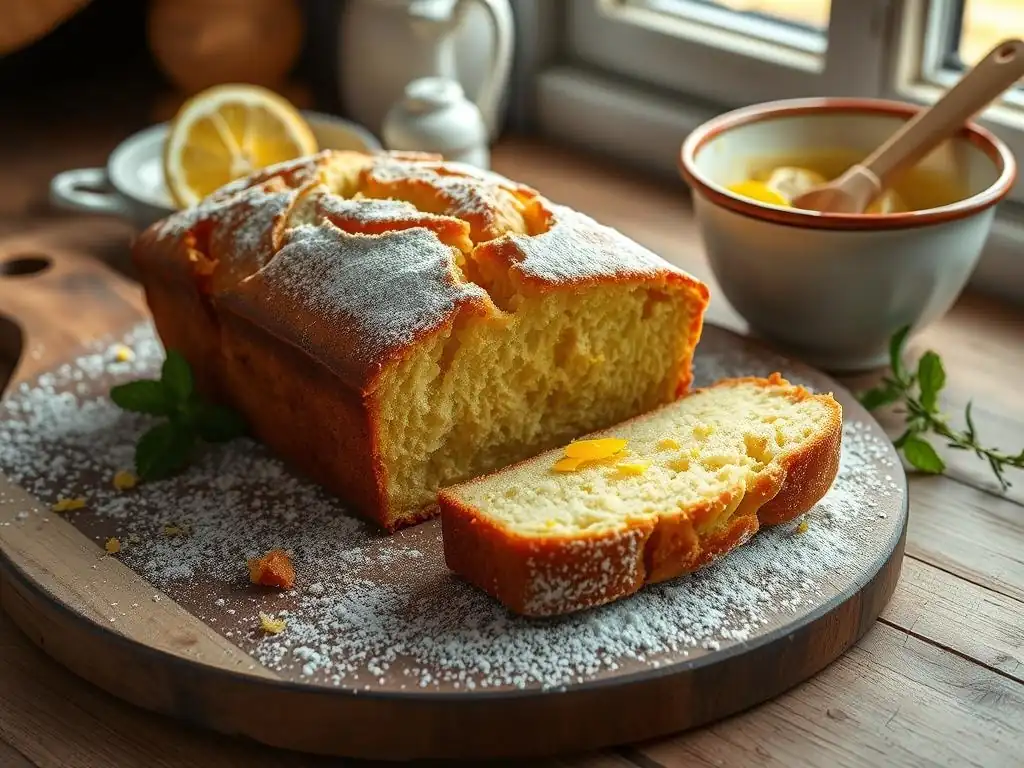
Even with an easy beginner lemon loaf cake recipe, a few common pitfalls can occur. One frequent mistake is overmixing the batter after the dry ingredients are added. This develops gluten, leading to a tough or dense loaf. Remember to mix just until combined. Another issue is inaccurate oven temperature; ovens can vary significantly. Using an oven thermometer can help ensure your oven is truly at 350°F ( 175°C).
Opening the oven door too early: This can cause the loaf to collapse. Wait until at least 40-45 minutes into the baking time before checking.- Using cold ingredients: Ensure your butter, eggs, and milk are at room temperature. This helps them emulsify properly, resulting in a smoother batter and better texture.
- Not measuring accurately: Especially with flour, too much can make the loaf dry. Use the spoon-and-level method (spoon flour into the measuring cup, then level off the excess with a straight edge) rather than scooping directly from the bag.
Variations: Customizing Your Lemon Loaf
While the classic easy beginner lemon loaf cake is perfect as is, once you've mastered the basic recipe, you can try simple variations to change things up.
- Add Poppy Seeds: Stir 1-2 tablespoons of poppy seeds into the dry ingredients for a classic lemon-poppy seed loaf.
- Incorporate Berries: Gently fold ½ cup of fresh or frozen (not thawed) blueberries or raspberries into the batter just before pouring it into the pan. Toss berries with a tablespoon of flour first to prevent them from sinking.
- Extra Lemon Flavor: Increase the lemon zest to the zest of 3 lemons for an even more intense citrus punch. You can also brush the warm loaf with a simple lemon syrup (equal parts sugar and lemon juice heated until sugar dissolves) before adding the glaze.
These simple additions keep the recipe beginner-friendly while offering new flavor experiences.
Storing Your Freshly Baked Lemon Loaf
Proper storage is key to keeping your simple lemon loaf recipe fresh and moist. Once the loaf has cooled completely and the glaze has set, the best way to store it is in an airtight container at room temperature.
- Place the entire loaf or individual slices in a container with a tight-fitting lid.
- Store at room temperature for up to
3-4 days. - For longer storage, you can refrigerate the loaf for up to
7 days, though the texture might change slightly. - For extended storage, the loaf freezes beautifully. Wrap the cooled loaf tightly in plastic wrap, then in aluminum foil or place it in a freezer-safe bag. Label with the date. It can be frozen for up to
2-3 months. Thaw at room temperature.
Following these storage tips will help you enjoy your delicious easy beginner lemon loaf cake for as long as it lasts!
Enjoy Your Homemade Lemon Loaf!
You've done it! You've successfully baked a beautiful and delicious easy beginner lemon loaf cake. This simple lemon loaf recipe is a fantastic starting point for any home baker. Slice it up and enjoy it with a cup of tea or coffee, share it with friends and family, or simply savor a slice on your own. Baking should be fun and rewarding, and this recipe delivers on both counts. Keep baking, keep exploring, and enjoy the sweet satisfaction of creating something wonderful from scratch!
Task list for enjoying:
- [x] Let the glaze set completely.
- [x] Slice the loaf using a serrated knife.
- [x] Brew your favorite hot beverage.
- [x] Find a cozy spot.
- [x] Savor your homemade creation!
Frequently Asked Questions
What makes this lemon loaf cake recipe particularly easy for beginner bakers?
The recipe focuses on simple steps and easy-to-find ingredients, avoiding complicated techniques or specialized equipment. It's designed for baking success, even for those new to baking.
What are the key ingredients in an easy lemon loaf cake?
The key ingredients are typically flour, sugar, eggs, butter or oil, lemon juice, and lemon zest. Our recipe prioritizes easily accessible and affordable ingredients for convenience.
What baking techniques are simplified in this recipe to make it beginner-friendly?
Instead of complex creaming methods, the recipe might use a melted butter or oil-based approach. The mixing process is streamlined to prevent overmixing and ensure a tender crumb.
How can I prevent my lemon loaf cake from being dry?
Avoid overbaking the cake by checking for doneness with a toothpick. Also, ensure proper ingredient measurements and use fresh, high-quality ingredients for best results.
What are some variations I can make to this easy lemon loaf cake recipe once I'm comfortable with the basics?
Once you're confident, you can experiment with adding poppy seeds, blueberries, or a lemon glaze. Focus on small adjustments and flavor pairings that complement the lemon flavor.
Final Reflection: The Enduring Joy of a Simple Lemon Loaf
The humble lemon loaf cake, a seemingly simple creation, holds a surprising power to connect us to the joy of baking and the satisfaction of creating something delicious from scratch. It's more than just a recipe; it's a gateway, a welcoming path for those intimidated by the complexities of the culinary world. This accessibility, coupled with the bright, refreshing taste of lemon, makes it a perfect starting point for aspiring bakers of all ages.
The enduring appeal of this classic recipe lies not just in its ease, but in its ability to evoke memories and create new ones. The scent of baking lemon filling a kitchen, the warmth of sharing a slice with loved ones – these are the experiences that make baking so special. As someone who has spent years perfecting this recipe (and countless others! ), I can attest to the profound sense of accomplishment that comes from mastering even the simplest of bakes. Baking is at once child's play and adult joy. And love, of course.
– This sentiment perfectly captures the essence of this simple yet rewarding endeavor.
Now, I invite you to roll up your sleeves, gather your ingredients, and embark on your own lemon loaf adventure. Don't be afraid to experiment, to adjust the recipe to your liking, and most importantly, to savor the process. The perfect lemon loaf isn't just about the final product; it's about the journey, the learning, and the joy of creating something beautiful and delicious with your own two hands. Let the simple act of baking bring a little sunshine into your day.
Unleash Your Inner Baker: Bake a Lemon Loaf Today!
Thanks for taking the time to explore this simple lemon loaf recipe! We hope you gained confidence in your baking abilities and discovered a delicious new treat. Now it's time to put your newfound skills to the test!
- Bake your own lemon loaf: Grab your ingredients and follow the recipe – you'll be surprised how easy it is! This is your chance to shine!
- Share your creation: Post a picture of your masterpiece on social media and tag us @BakeWithEase – we'd love to see your baking journey!
- Experiment with the recipe: Try adding different zest, glazes, or berries. What unique twist will you create?
What exciting flavor will you add to your next lemon loaf?