
Perfect DairyFree Shortbread Cookies Using Vegan Butter Brands

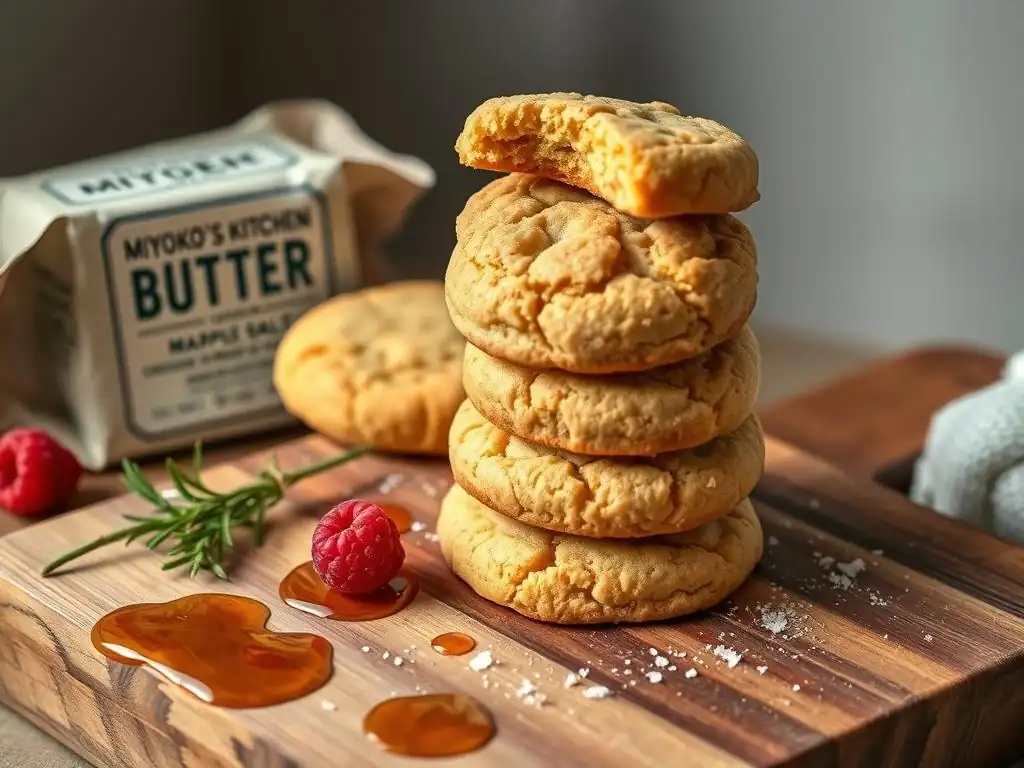
Welcome to BakeWithEase, your kitchen companion on a journey to baking brilliance! Intrigued by the idea of melt-in-your-mouth shortbread, even without dairy? Discover the secrets to crafting the perfect dairy-free vegan shortbread cookie recipe using vegan butter brands. Prepare to be amazed at how easily you can create a classic treat that's both delicious and inclusive. Let's unlock the secrets to this delectable recipe!
- Gluten-Free Almond Flour Shortbread Cookies: A Simple Delight
- Introduction to Gluten-Free Baking: Mastering Almond Flour Shortbread
- Why Choose Gluten-Free Almond Flour Shortbread Cookies?
- Understanding Almond Flour for Shortbread Success
-
Gluten-Free Almond Flour Shortbread Cookie Recipe: Step-by-Step Guide
- Ingredients for the Perfect Almond Flour Shortbread
- Equipment Needed for Baking Gluten-Free Shortbread
- Step 1: Preparing the Butter and Sugar
- Step 2: Combining Dry Ingredients for Gluten-Free Shortbread
- Step 3: Forming the Almond Flour Shortbread Dough
- Step 4: Chilling the Gluten-Free Shortbread Dough
- Step 5: Baking the Gluten-Free Almond Flour Shortbread Cookies
- Step 6: Cooling and Storing Your Gluten-Free Shortbread
- Almond Flour Brand Comparison: Which Works Best in Shortbread?
- Tips & Tricks for Flawless Gluten-Free Almond Flour Shortbread
- Troubleshooting Common Gluten-Free Shortbread Baking Issues
- Serving Suggestions for Your Gluten-Free Almond Flour Shortbread Cookies
- Conclusion: Enjoying Delicious and Easy Gluten-Free Almond Flour Shortbread
-
Frequently Asked Questions
- How can I ensure my dairy-free vegan shortbread cookies are truly vegan?
- What are the best vegan butter brands to use for shortbread cookies?
- Can I substitute other ingredients for vegan butter in this recipe?
- What's the secret to getting a crumbly texture in dairy-free shortbread cookies?
- How do I prevent my vegan shortbread cookies from becoming tough?
- Final Reflection: The Sweetness of Possibility: Dairy-Free Baking and Beyond
- Unleash Your Inner Baker: Master Dairy-Free Shortbread!
Introduction to Gluten-Free Baking: Mastering Almond Flour Shortbread
Embarking on the journey of gluten-free baking can feel daunting, but it opens up a world of delicious possibilities, especially when you discover the magic of almond flour. Unlike traditional wheat-based baking, working without gluten requires understanding how different flours behave. Gluten, the protein network in wheat, provides structure and elasticity. Without it, bakers need to rely on other ingredients and techniques to achieve desirable textures. Almond flour, made from ground blanched almonds, is a popular and versatile alternative that brings unique qualities to baked goods.
Shortbread cookies are an excellent starting point for gluten-free exploration. Their simple composition—traditionally butter, sugar, and flour—makes them relatively forgiving. When adapted with almond flour, they retain their signature crumbly texture while gaining a rich, nutty flavor profile. Mastering this gluten-free almond flour shortbread is not only achievable for bakers of all levels but also provides a foundational understanding of how almond flour interacts in low-moisture, high-fat recipes, paving the way for more complex gluten-free creations.
For many, the decision to bake gluten-free stems from necessity, whether due to Celiac disease, non-celiac gluten sensitivity, or wheat allergies. An estimated 1% of the global population has Celiac disease, a serious autoimmune disorder triggered by gluten, while non-celiac gluten sensitivity is thought to affect a larger portion, perhaps up to 10% or more in some regions, though precise figures are debated. Gluten-free baking is no longer a niche requirement but a widespread practice aimed at accommodating diverse dietary needs and health goals.
Beyond necessity, gluten-free almond flour shortbread cookies offer distinct advantages that appeal to everyone. Almond flour contributes healthy fats, protein, and fiber, making these cookies a slightly more nutrient-dense treat than their wheat-based counterparts. The inherent richness and subtle sweetness of almond flour enhance the cookie's flavor, creating a depth that is both satisfying and comforting. Their tender, melt-in-your-mouth texture is highly desirable, and the simplicity of the recipe means they are accessible even for novice bakers looking to explore gluten-free options or perfect a dairyfree vegan shortbread cookie recipe variation.
Benefits of Gluten-Free Baking
Choosing gluten-free baking often aligns with health-conscious goals. For individuals diagnosed with Celiac disease, strict avoidance of gluten is medically necessary to prevent intestinal damage and associated health complications. This includes carefully selecting gluten-free ingredients for all baked goods. For others with gluten sensitivity, eliminating gluten can alleviate symptoms like digestive discomfort, fatigue, and headaches, leading to improved well-being.
Furthermore, exploring gluten-free baking encourages experimentation with a wider variety of flours and ingredients, such as almond flour, coconut flour, rice flour blends, and starches like tapioca or potato starch. This expands a baker's repertoire and understanding of ingredient functionality. While not inherently "healthier" just by being gluten-free (sugar and fat content still matter), it provides safe and delicious options for those who cannot consume wheat, barley, or rye, ensuring everyone can enjoy baked treats.
The Appeal of Almond Flour Shortbread for All Bakers
Almond flour shortbread holds universal appeal due to its delightful texture and rich flavor. The high fat content of almond flour, combined with butter (or a vegan alternative for a dairyfree vegan shortbread cookie recipe), results in an incredibly tender crumb that practically dissolves in your mouth. This texture is a hallmark of great shortbread. Unlike some gluten-free baked goods that can be dry or crumbly in an undesirable way, almond flour provides moisture and richness.
The straightforward nature of shortbread preparation also makes it ideal for bakers of all skill levels. The traditional creaming method or simply cutting in cold butter are techniques easily mastered. The dough is forgiving and doesn't require complex kneading or proofing. This ease of execution, coupled with the delicious outcome, makes gluten-free almond flour shortbread a rewarding recipe to add to any baker's collection, whether they are new to gluten-free baking or looking for a simple, reliable cookie.
Understanding Almond Flour for Shortbread Success
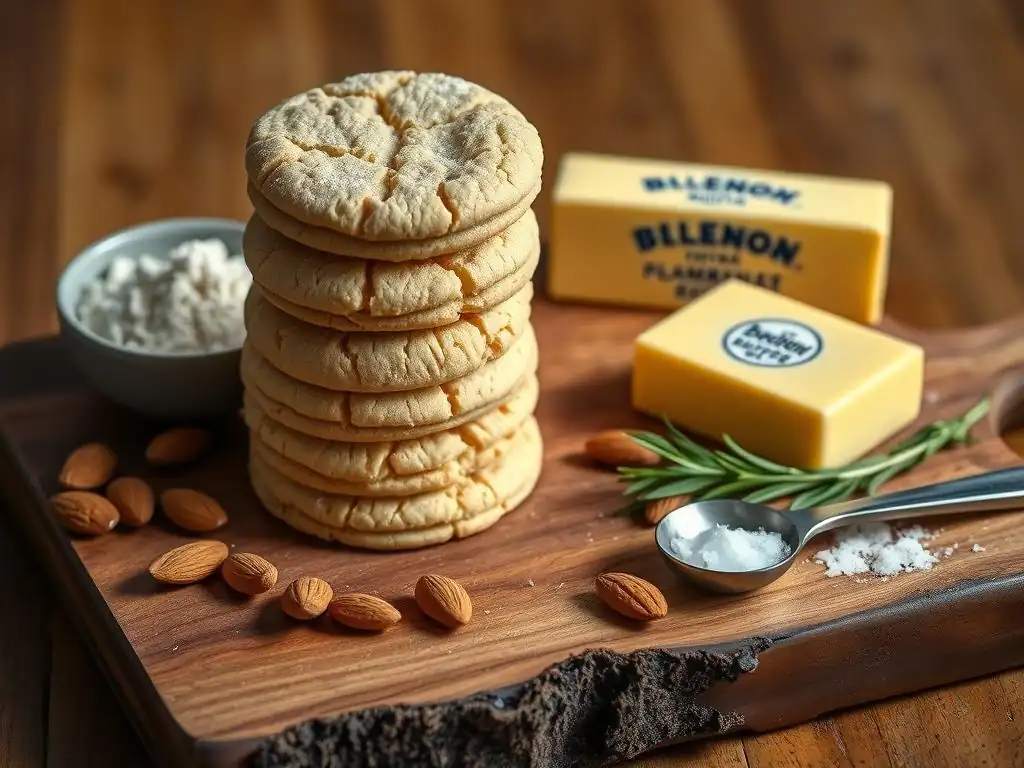
Almond flour is not just ground almonds; it's typically made from blanched almonds (skins removed) that are then ground into a fine meal. This process is crucial for achieving the desired texture in baked goods like shortbread. The composition of almond flour differs significantly from wheat flour, containing substantially more fat (around 50% by weight) and protein (around 20%) and fewer carbohydrates. This higher fat content contributes to moisture and tenderness, while the lack of gluten means it won't develop elasticity.
The fineness of the grind and the blanching process directly impact baking results. Super fine blanched almond flour is generally preferred for delicate pastries and cookies like shortbread because it creates a smoother texture without the grittiness that can sometimes occur with coarser grinds. The absence of skins also results in a lighter color and milder flavor, allowing the other ingredients, like butter and sugar, to shine through while still offering that characteristic nutty undertone.
Understanding Almond Flour Composition for Baking
Almond flour's unique composition—high in monounsaturated fats, protein, and fiber—means it absorbs liquids differently than wheat flour. It doesn't absorb as much water and doesn't form a structure based on gluten development. Instead, the fats contribute richness and tenderness, while the protein adds some structure, but not elasticity. This is why almond flour baked goods often have a denser, more moist crumb compared to those made with wheat flour.
In shortbread, where minimal gluten development is desired even in traditional recipes, almond flour is particularly well-suited. The goal is a crumbly texture, not a chewy one. The fat in almond flour, combined with added butter or a butter substitute used in a dairyfree vegan shortbread cookie recipe, coats the starch and protein particles, inhibiting any potential structure formation and promoting that classic shortbread crumble. Understanding this composition helps predict how almond flour will behave and why ingredient ratios might differ from wheat-based recipes.
Selecting the right almond flour is key to achieving perfect gluten-free almond flour shortbread. Look for flour labeled "super fine blanched almond flour." The "blanched" ensures the skins are removed, preventing dark flecks and a slightly bitter taste. "Super fine" indicates a very fine grind, which is essential for a smooth, tender cookie texture. Coarser almond meal (often unblanched) will result in a more rustic, potentially gritty cookie.
Freshness is also paramount. Due to its high fat content, almond flour can go rancid if not stored properly or if it's old. Store it in an airtight container in the refrigerator or freezer to maintain freshness. A fresh almond flour should smell sweet and nutty, not oily or stale. Using high-quality, fresh, super fine blanched almond flour will significantly impact the flavor and texture of your gluten-free almond flour shortbread, ensuring a consistently delicious result.
Creating delicious gluten-free almond flour shortbread is surprisingly simple. This recipe focuses on classic techniques adapted for almond flour, resulting in buttery, tender cookies with that signature shortbread crumble. The key is using good quality ingredients and paying attention to chilling the dough, which is crucial for preventing spread and ensuring a crisp edge.
This guide walks you through each step, from combining ingredients to baking and cooling. While this particular recipe uses dairy butter, the principles can be adapted if you are specifically seeking a dairyfree vegan shortbread cookie recipe, typically by substituting a high-quality vegan butter alternative in the same quantity. The foundation remains the same: precise measurements, minimal handling, and proper chilling.
Ingredients for the Perfect Almond Flour Shortbread
Gathering the right ingredients is the first step to successful gluten-free almond flour shortbread. You will need:
- 1 cup (2 sticks or 226g) unsalted butter, softened but still cool
- ½ cup (100g) granulated sugar
- 2 cups (approx 200g) super fine blanched almond flour
- ¼ teaspoon salt
- Optional: 1 teaspoon vanilla extract
Ensure your butter is not melted, but soft enough to cream easily. Using super fine blanched almond flour is highly recommended for the best texture. Measurements are provided in both volume and weight for accuracy; using a kitchen scale for the flour and sugar can yield more consistent results.
Equipment Needed for Baking Gluten-Free Shortbread
Having the right tools makes the baking process smoother. For this gluten-free almond flour shortbread recipe, you will need:
- Electric mixer (stand mixer with paddle attachment or hand mixer) or a sturdy whisk and bowl
- Large mixing bowl
- Measuring cups and spoons (or a kitchen scale)
- Spatula or wooden spoon
- Plastic wrap
- Rolling pin (optional, if cutting shapes)
- Cookie cutter or sharp knife (optional, if cutting shapes)
- Baking sheets
- Parchment paper
- Wire cooling rack
Using parchment paper is highly recommended as it prevents sticking and makes cleanup easier. A good quality baking sheet that heats evenly will also contribute to consistently baked cookies.
Step 1: Preparing the Butter and Sugar
In a large mixing bowl, cream together the softened but still cool unsalted butter and the granulated sugar until light and fluffy. This process incorporates air into the mixture, which contributes to the tender texture of the shortbread. Using an electric mixer on medium speed usually takes about 2-3 minutes. Scrape down the sides of the bowl occasionally to ensure everything is evenly combined. The mixture should be pale yellow and airy.
For those adapting this to a dairyfree vegan shortbread cookie recipe, use a high-quality vegan butter alternative designed for baking. Ensure it's also softened to the correct consistency. Creaming vegan butter and sugar works similarly, though some brands may require slightly less time to become fluffy. Avoid over-creaming, as the goal is aeration, not developing structure like in a cake.
Step 2: Combining Dry Ingredients for Gluten-Free Shortbread
In a separate small bowl, whisk together the super fine blanched almond flour and the salt. If using vanilla extract, you can add it to the creamed butter mixture in Step 1. Whisking the dry ingredients ensures the salt is evenly distributed throughout the flour, preventing pockets of saltiness and ensuring a balanced flavor in every bite of your gluten-free almond flour shortbread.
Ensure your almond flour is not packed into the measuring cup if using volume measurements; gently spoon it into the cup and level it off, or use a scale for accuracy. The correct ratio of fat to flour is essential for the classic shortbread texture.
Step 3: Forming the Almond Flour Shortbread Dough
Gradually add the dry ingredients (almond flour and salt mixture) to the creamed butter and sugar mixture. Mix on low speed or stir with a spatula until just combined. Be careful not to overmix. The dough will look crumbly at first, but continue mixing until it just starts to come together into a cohesive mass. It should be soft but not sticky.
If the dough seems too dry, you can add a tiny bit more softened butter (about half a tablespoon at a time), but this is usually not necessary if measurements are accurate. If it seems too wet, add a very small amount of extra almond flour (a teaspoon at a time). Overmixing develops toughness (even without gluten, excessive handling can make cookies hard), so stop as soon as the dough holds together.
Step 4: Chilling the Gluten-Free Shortbread Dough
Divide the dough in half and shape each half into a flat disc or a rectangle, depending on how you plan to cut your cookies. Wrap each portion tightly in plastic wrap. Chill the dough in the refrigerator for at least 30 minutes, or up to 2 days. Chilling is a critical step for gluten-free almond flour shortbread.
Chilling solidifies the butter, which helps the cookies hold their shape during baking and prevents excessive spreading. It also makes the dough easier to handle, especially when rolling and cutting. If the dough is too soft, the cookies will spread out thinly on the baking sheet, resulting in a less desirable texture.
Preheat your oven to 325°F (160°C). Line baking sheets with parchment paper. On a lightly floured surface (using a little extra almond flour or rice flour), roll out one portion of chilled dough to about ½ inch thickness for classic shortbread thickness, or ¼ inch for thinner cookies. Alternatively, you can simply pat the dough into a rectangle directly on the baking sheet. Cut into desired shapes using a cookie cutter or slice into fingers or squares with a sharp knife.
Place the cut cookies about 1 inch apart on the prepared baking sheets. Bake for 15-20 minutes, or until the edges are lightly golden. Baking time will vary depending on the thickness of your cookies and your oven. Thicker cookies will take longer. The cookies should look set and slightly dry on the surface but not deeply browned.
Step 6: Cooling and Storing Your Gluten-Free Shortbread
Once baked, remove the baking sheets from the oven and let the cookies cool on the sheet for 5-10 minutes before carefully transferring them to a wire cooling rack to cool completely. Gluten-free almond flour shortbread can be delicate when hot, so this initial cooling period on the sheet helps them firm up.
Store completely cooled cookies in an airtight container at room temperature for up to 5-7 days. For longer storage, they can be frozen for up to 3 months. Thaw frozen cookies at room temperature. Proper storage maintains their crispness and prevents them from becoming stale or absorbing moisture from the air.
Almond Flour Brand Comparison: Which Works Best in Shortbread?
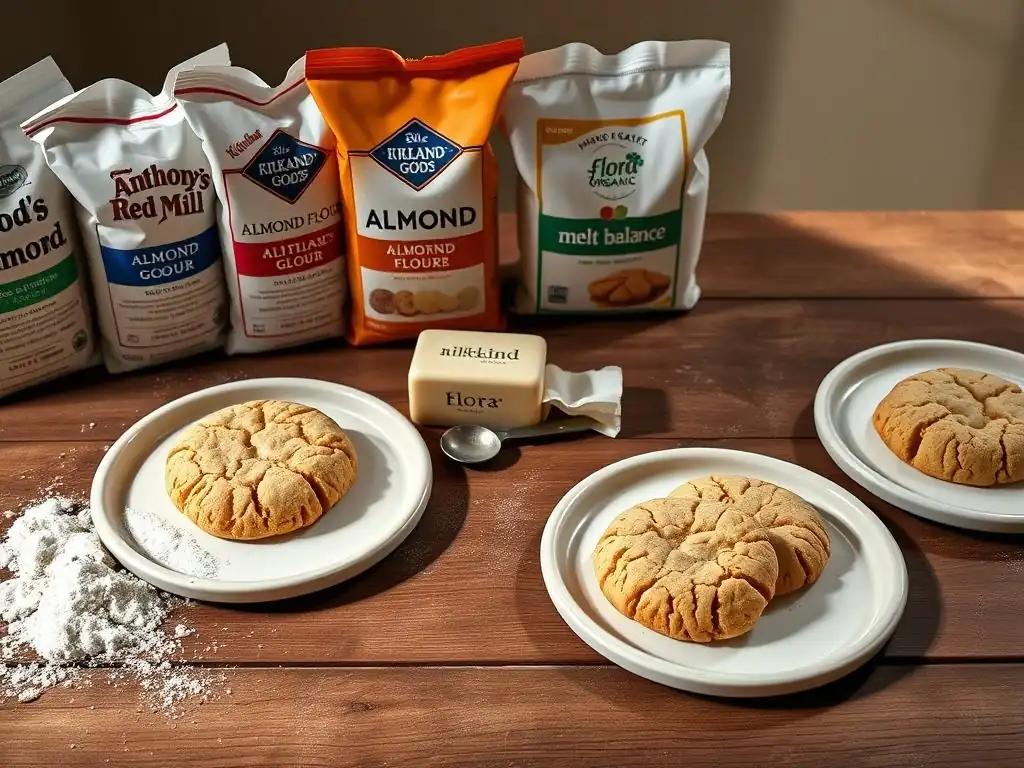
The quality and grind of almond flour can significantly impact the outcome of your gluten-free shortbread. While many brands are available, their fineness and consistency vary. Comparing a few popular options can help highlight these differences and guide your choice for the best possible texture and flavor in your gluten-free almond flour shortbread cookies.
Different brands process almonds differently, leading to variations in texture from super-fine powder to slightly coarser meal. These differences affect how the flour absorbs moisture and interacts with fats during baking, ultimately influencing the cookie's crumble and tenderness. Let's look at a few widely available options and how they typically perform in shortbread.
Brand A: Bob's Red Mill Almond Flour - Review and Performance
Bob's Red Mill is a widely accessible brand found in most grocery stores. Their Super-Fine Almond Flour is made from blanched almonds. It generally has a good, consistent grind, though some bakers find it slightly less fine than specialty brands. In gluten-free almond flour shortbread, it tends to produce a cookie with a pleasant crumble, perhaps slightly more rustic than those made with ultra-fine flours.
This flour works well for general gluten-free baking and is reliable. It provides a good balance of texture and flavor. Because of its accessibility, it's a great starting point for many bakers exploring gluten-free almond flour shortbread recipes.
Brand B: Wellbee's Super Fine Blanched Almond Flour - Review and Performance
Wellbee's is known for producing exceptionally fine almond flour, often referred to as "super fine" or even "extra fine." This flour is favored by bakers seeking the smoothest possible texture in their gluten-free baked goods. In shortbread, Wellbee's flour results in a very tender, almost melt-away crumb that is highly prized.
The very fine grind means it integrates seamlessly into doughs and batters, leading to a less noticeable "almond-y" texture and a more uniform cookie. While potentially more expensive and less widely available than Bob's Red Mill, many bakers find the superior texture it provides in delicate cookies like shortbread to be worth the investment.
Brand C: Honeyville Blanched Almond Flour - Review and Performance
Honeyville is another brand highly regarded for its super fine blanched almond flour. Similar to Wellbee's, Honeyville flour boasts a very fine, consistent grind that performs exceptionally well in recipes where a smooth texture is crucial. It's a popular choice among serious gluten-free and low-carb bakers.
Using Honeyville flour in gluten-free almond flour shortbread yields a cookie with a delicate, tender crumb and a clean, nutty flavor. Its consistency makes it a reliable choice for achieving predictable results batch after batch. It's often available online or in bulk, which can be convenient for frequent gluten-free bakers.
Comparing Texture, Flavor, and Baking Results
When comparing these brands for gluten-free almond flour shortbread, the primary difference lies in texture. Bob's Red Mill, while good, might yield a slightly more noticeable "almond meal" texture compared to the almost powdery feel of Wellbee's or Honeyville. The super-fine flours from Wellbee's and Honeyville create a smoother, more uniform, and extremely tender crumb that melts in the mouth.
Flavor differences are usually subtle, depending more on the freshness of the almonds than the brand itself, assuming they are all blanched. However, the texture impacts the perception of flavor. A smoother texture allows the buttery, sweet notes to come through more clearly. Baking results regarding spread and browning are generally similar across quality blanched, super-fine flours, provided they are used in the correct ratios. For the absolute smoothest, most delicate gluten-free almond flour shortbread, the extra-fine grinds are often preferred.
Tips & Tricks for Flawless Gluten-Free Almond Flour Shortbread
Achieving perfect gluten-free almond flour shortbread involves a few key techniques that can make all the difference. From ensuring the right texture to preventing common issues like spreading, these tips will help you bake cookies that are consistently delicious and visually appealing. Paying attention to ingredient temperature and dough handling are particularly important when working with almond flour.
Remember that baking is a science, but also an art. Don't be afraid to experiment slightly once you understand the basic principles. These tips are designed to help you master the fundamentals and then explore variations, perhaps even adapting the recipe for a dairyfree vegan shortbread cookie recipe if that fits your dietary needs.
Achieving the Perfect Crumble in Gluten-Free Shortbread
The signature characteristic of shortbread is its delightful crumble. To achieve this in gluten-free almond flour shortbread, avoid overmixing the dough. Mix only until the ingredients are just combined and the dough starts to come together. Overworking the dough can develop toughness, even without gluten, by activating proteins in the almond flour or simply making the cookie dense.
Using cold or slightly softened butter is also key. When butter is cut or mixed into flour, it creates small pockets. As the cookies bake, the water in the butter turns to steam, creating flaky layers and contributing to the crumbly texture. Proper chilling of the dough before baking is essential to keep the butter solid until it hits the hot oven.
Preventing Spreading During Baking
Excessive spreading is a common issue with many cookie recipes, and gluten-free doughs can be particularly prone to it if not handled correctly. The most effective way to prevent your gluten-free almond flour shortbread from spreading too much is sufficient chilling. Chill the dough for at least 30 minutes, or even longer if time allows, until it is firm.
Ensure your oven is preheated to the correct temperature. An oven that isn't hot enough can cause cookies to spread before they set. Also, avoid greasing your baking sheets; the high fat content of the cookies means they won't stick, and added grease can encourage spreading. Using parchment paper is the best practice here.
Adding Flavor Variations to Your Almond Flour Shortbread
While classic gluten-free almond flour shortbread is delicious on its own, it's also a fantastic base for flavor variations. You can easily customize your cookies by adding extracts like almond extract (use sparingly, it's potent!) or lemon or orange zest to the butter and sugar mixture. A teaspoon of pure vanilla bean paste adds beautiful flecks and intense vanilla flavor.
For a chocolatey twist, fold in mini chocolate chips or finely chopped chocolate at the end of mixing. Spices like cinnamon, cardamom, or a pinch of nutmeg can add warmth. You can also dip half the cooled cookies in melted chocolate. If you're exploring a dairyfree vegan shortbread cookie recipe, ensuring your flavor additions (like chocolate) are also dairy-free and vegan is important.
Troubleshooting Common Gluten-Free Shortbread Baking Issues
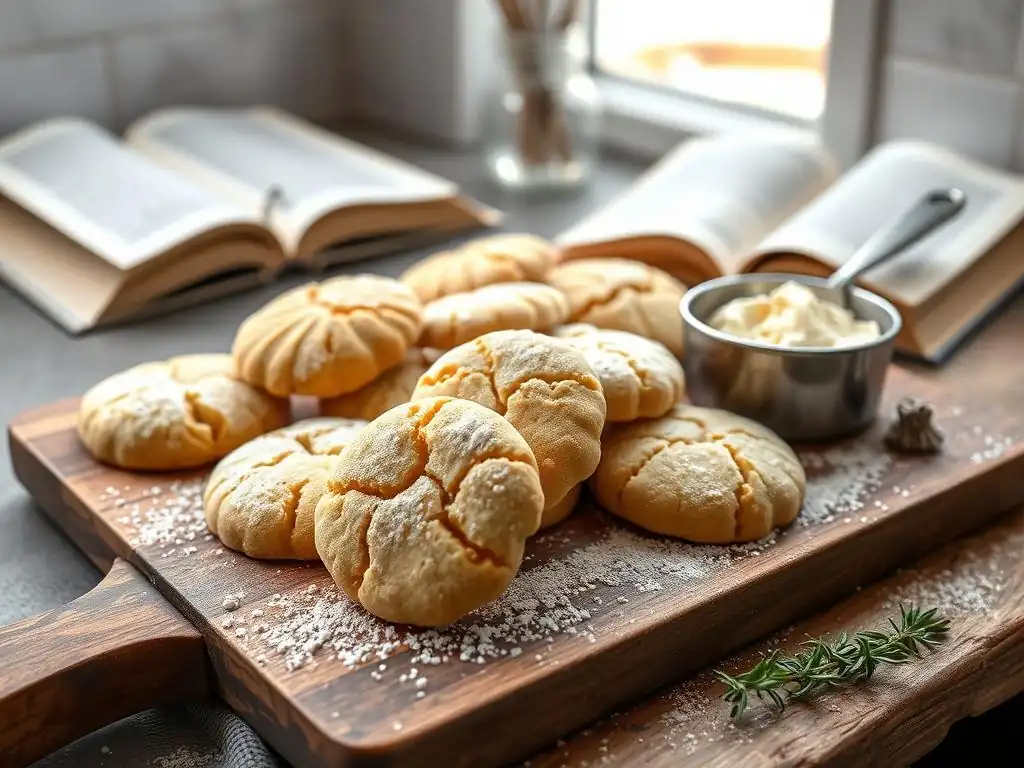
Even with a simple recipe like gluten-free almond flour shortbread, issues can sometimes arise. Understanding common problems and their causes can help you diagnose and fix them, leading to better results next time. Most issues relate to ingredient temperature, mixing, or baking time and temperature.
Don't be discouraged if your first batch isn't perfect. Baking is a learning process, and troubleshooting helps build your skills. These tips address the most frequent complaints about shortbread texture and appearance.
Dry and Crumbly Almond Flour Shortbread
If your gluten-free almond flour shortbread turns out excessively dry and crumbly (beyond the desired shortbread texture), it's often due to too much flour or not enough fat/moisture. Ensure you are measuring your almond flour accurately, preferably by weight (approx 200g for 2 cups). Volume measurements can be inconsistent. Make sure your butter quantity is correct.
Another cause can be overmixing or baking for too long at too high a temperature, which dries out the cookies. The dough should just come together and feel slightly moist. If using a dairyfree vegan shortbread cookie recipe, ensure the vegan butter substitute has a similar fat content and moisture level to dairy butter.
Overly Soft or Spreading Gluten-Free Shortbread
Conversely, if your shortbread is too soft, greasy, or spreads excessively during baking, the culprit is likely butter that was too soft initially or insufficient chilling time. The butter needs to be cool and firm when the cookies go into the oven. If your kitchen is warm, extend the chilling time.
Using too little flour can also cause spreading. Double-check your measurements. Ensure your oven temperature is accurate using an oven thermometer; an oven that is too cool will cause the butter to melt and spread before the cookie structure sets.
Unevenly Baked Almond Flour Shortbread
Uneven baking, where some cookies are done while others are not, is often a sign of hot spots in your oven or crowding the baking sheet. Ovens rarely heat perfectly evenly. Try rotating your baking sheet halfway through the baking time to ensure all cookies bake consistently.
Also, avoid placing cookies too close together on the baking sheet. Give them adequate space (about 1 inch) for heat to circulate around them. Ensure all cookies on a single sheet are roughly the same size and thickness so they require similar baking time.
Once your delicious gluten-free almond flour shortbread cookies have cooled, it's time to enjoy them! Their simple, buttery flavor makes them incredibly versatile. They are perfect on their own but also pair beautifully with various beverages and desserts.
These cookies also make a thoughtful and appreciated gift, especially for friends and family who follow a gluten-free diet or are exploring options like a dairyfree vegan shortbread cookie recipe variation. Their sturdy nature (once cooled) makes them suitable for packaging.
Pairing Ideas for Almond Flour Shortbread
Gluten-free almond flour shortbread is a classic accompaniment to tea or coffee. The richness of the cookie complements the warmth of the beverage perfectly. Try pairing them with a robust black tea, a delicate green tea, or your favorite coffee blend.
For a simple dessert, serve shortbread alongside fresh berries or a fruit salad. The cookie's buttery flavor is a lovely contrast to the bright, tart fruit. You can also crumble them over ice cream or yogurt for added texture and flavor. Dipping them partially or fully in melted dark chocolate (dairy-free if needed for a dairyfree vegan shortbread cookie recipe) is another indulgent option.
Almond Flour Shortbread as a Gift
Homemade gluten-free almond flour shortbread makes a wonderful gift. Bake a batch, let them cool completely, and then package them in an airtight tin or box lined with parchment paper. Layer the cookies carefully to prevent breakage.
Adding a ribbon and a handmade tag makes the gift extra special. Since they store well at room temperature for several days, they are suitable for gifting locally. For mailing, ensure they are packed snugly to minimize movement. Including the recipe or noting that they are gluten-free and made with almond flour can be helpful information for the recipient.
Conclusion: Enjoying Delicious and Easy Gluten-Free Almond Flour Shortbread
Mastering gluten-free almond flour shortbread is a rewarding step in expanding your baking skills. It demonstrates that dietary restrictions don't mean sacrificing flavor or texture. With just a few simple ingredients and techniques, you can create a batch of tender, buttery, and utterly delightful cookies that everyone can enjoy, regardless of whether they follow a gluten-free diet.
Almond flour proves to be an exceptional base for shortbread, providing a unique richness and a delicate crumb that is hard to replicate with other gluten-free flours. The ease of this recipe makes it perfect for busy weeknights or relaxed weekend baking sessions.
The Joy of Gluten-Free Baking with Almond Flour Shortbread
Discovering the joy of gluten-free baking with almond flour shortbread lies in its simplicity and delicious outcome. It's a reminder that limitations can spark creativity in the kitchen. Successfully baking a batch of these cookies provides a sense of accomplishment and the pleasure of sharing homemade treats with loved ones. The positive feedback you receive will likely encourage you to explore further into the world of gluten-free baking, trying new recipes and techniques.
This recipe serves as a foundational one. Once you are comfortable with it, you can easily experiment with flavor variations, shapes, and even consider adapting it further if you're interested in perfecting a dairyfree vegan shortbread cookie recipe using similar principles of minimal ingredients and proper chilling.
Further Gluten-Free Baking Adventures on BakeWithEase.com
This gluten-free almond flour shortbread is just one example of the many delicious possibilities available in the world of gluten-free baking. BakeWithEase.com offers a wealth of resources, from simple cookie recipes to more complex cakes and breads, all adapted for gluten-free needs. You'll find guides on working with various gluten-free flours, troubleshooting common issues, and adapting your favorite traditional recipes.
Whether you're mastering this gluten-free almond flour shortbread or looking for a dairyfree vegan shortbread cookie recipe, BakeWithEase has guides for you. Explore our collection to continue your baking adventure, build confidence, and create delicious baked goods that cater to specific dietary needs without compromising on taste or quality. Happy baking!
Frequently Asked Questions
Make sure to use vegan butter substitutes and check all ingredients for hidden dairy. Look for brands that are clearly labeled dairy-free and vegan.
Some popular and reliable options include Miyoko's Kitchen Cultured Vegan Butter, Melt Organic Vegan Butter, and Earth Balance Vegan Buttery Sticks. Experiment to see which brand provides the best flavor and texture for your shortbread.
Can I substitute other ingredients for vegan butter in this recipe?
While possible, it's not recommended. Other fats like coconut oil can alter the texture and flavor, resulting in a different outcome than traditional shortbread. Vegan butter replicates the texture closest to dairy butter.
Using cold vegan butter and avoiding overmixing the dough are crucial. Also, chilling the dough before baking helps prevent spreading and contributes to a tender, crumbly texture.
Avoid overworking the dough, as this develops the gluten. Gently combine the ingredients until just mixed. Overmixing leads to a tough cookie, so handle the dough with care.
Final Reflection: The Sweetness of Possibility: Dairy-Free Baking and Beyond
The rise of plant-based diets isn't just a trend; it's a revolution reshaping our relationship with food and the environment. Finding delicious, accessible alternatives to traditional recipes is key to this shift, and the perfect dairy-free shortbread cookie, as explored in this article, stands as a testament to that possibility. We've proven that indulgence doesn't require compromise.
This journey into the world of vegan baking has been deeply rewarding, highlighting not only the culinary creativity possible with plant-based ingredients but also the broader implications of conscious consumption. The simple act of baking a cookie can become a powerful statement about our values and our impact on the world. We don't inherit the earth from our ancestors, we borrow it from our children.
This quote underscores the responsibility we have to explore sustainable and ethical food choices, and baking delicious dairy-free treats is a small but significant step in that direction.
Now, it's your turn. Don't just read about the perfect dairy-free shortbread cookie; bake it! Experiment with different vegan butter brands, adjust the recipe to your taste, and share your creations with loved ones. Let this recipe be a springboard for your own culinary adventures, a reminder that deliciousness and compassion can coexist, and a symbol of the sweet possibilities that await when we embrace change.
Unleash Your Inner Baker: Master Dairy-Free Shortbread!
Thanks for joining us on this delicious journey into the world of dairy-free baking! We hope you've discovered the secrets to perfectly crumbly, melt-in-your-mouth shortbread using vegan butter. Now it's time to put your newfound skills to the test!
- Bake a batch of these amazing cookies: Use your favorite vegan butter brand and share your results with us! We'd love to see your creations.
- Experiment with different flavors: Try adding vanilla bean paste, citrus zest, or even a hint of sea salt to personalize your shortbread. Let your creativity shine!
- Share the recipe with a friend: Spread the dairy-free baking love and help others discover the joy of perfect vegan treats.
Ready to take your baking to the next level? What unique twist will you add to your next batch of dairy-free shortbread?