
Explore the Unique Flavours of Mediterranean Breads

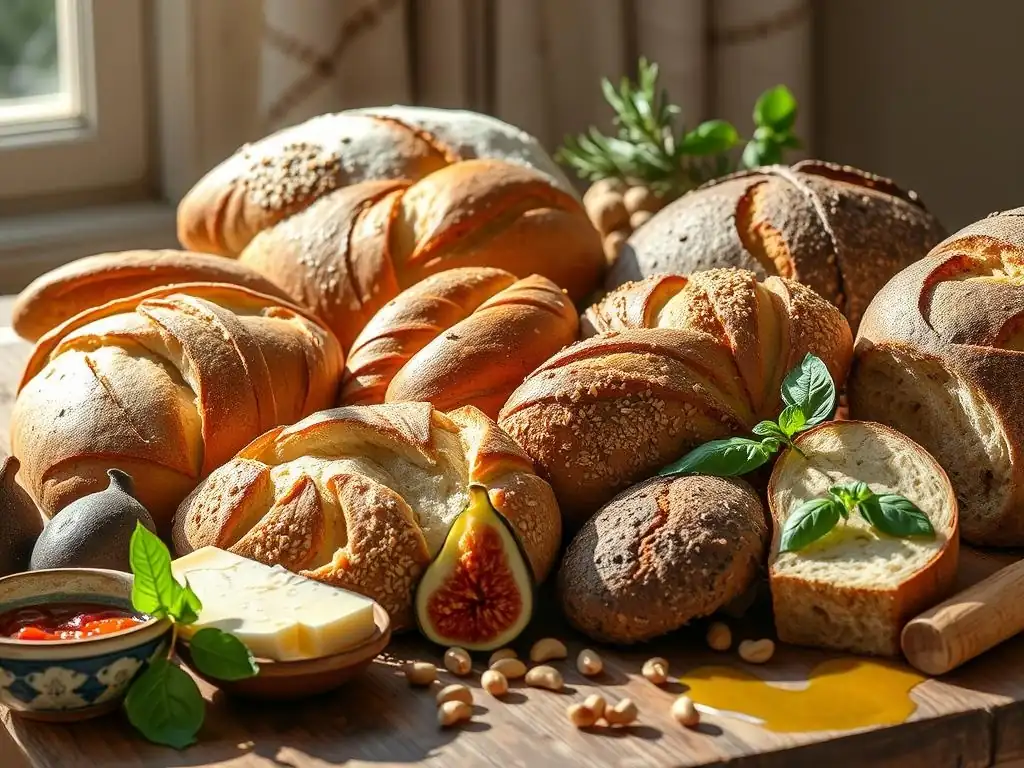
Welcome to BakeWithEase, your culinary companion on a journey to baking brilliance! Intrigued by the sun-soaked flavors of the Mediterranean? You're in the right place. Discover Mediterranean bread recipes easy bake, a gateway to mastering artisan loaves from the comfort of your own kitchen. Let's unlock the secrets to these delectable creations and embark on a baking adventure together – your next masterpiece awaits!
- Explore the Unique Flavours of Mediterranean Breads: Easy Bake Recipes
- Introduction to Mediterranean Bread Baking: A BakeWithEase Guide
- Key Ingredients for Authentic Mediterranean Bread Recipes
- Easy Mediterranean Bread Recipes for Home Bakers
- Mastering Mediterranean Bread Baking Techniques
- Storing and Enjoying Your Homemade Mediterranean Bread
- Mediterranean Bread Recipe Variations: Beyond the Basics
- Conclusion: Embrace the Art of Mediterranean Bread Baking
-
Frequently Asked Questions
- What makes Mediterranean breads different from other types of bread?
- Are Mediterranean bread recipes easy to bake for beginners?
- What are some common ingredients found in Mediterranean bread recipes?
- Can I adapt Mediterranean bread recipes to be gluten-free?
- Where can I find easy-to-follow Mediterranean bread recipes?
- Final Reflection: The Enduring Allure of Mediterranean Bread
- Unleash Your Inner Baker: Craft Your Own Mediterranean Delights!
Explore the Unique Flavours of Mediterranean Breads: Easy Bake Recipes
Introduction to Mediterranean Bread Baking: A BakeWithEase Guide
Discover the Rich History and Diverse Flavors of Mediterranean Breads
The Mediterranean region, a cradle of civilization, boasts a bread-making tradition stretching back thousands of years. From the ancient Egyptians baking rudimentary loaves to the Romans perfecting fermentation techniques, bread has always been a staple, deeply intertwined with culture, diet, and social life. The sheer diversity across countries like Italy, Greece, Spain, Morocco, and Turkey means there isn't just one "Mediterranean bread," but a vast array of textures, shapes, and flavors, often reflecting local ingredients and historical influences. These breads, while simple in their core components, tell stories of trade routes, agricultural bounty, and shared culinary heritage.
This rich history has given rise to iconic breads like the rustic Italian Pane di Altamura, protected by a PDO status, or the ubiquitous Greek pita, a flatbread enjoyed across the Middle East and the Mediterranean. Each loaf is a testament to the ingenuity of bakers using readily available resources – grains, water, salt, and often, olive oil.
Exploring Mediterranean bread recipes easy bake style allows home bakers to connect with this ancient tradition, bringing centuries of flavor right into their kitchen. Whether it's a crusty, airy loaf or a soft, foldable flatbread, the journey through Mediterranean baking is a delicious one.
Why Bake Mediterranean Bread at Home? Easy & Delicious Reasons
Baking Mediterranean bread at home offers a uniquely rewarding experience, combining simplicity with incredible flavor. Unlike some complex pastries, many Mediterranean bread recipes easy bake focus on fundamental techniques and minimal ingredients, making them approachable for beginners. The aroma filling your kitchen as a loaf bakes is unparalleled, instantly transporting you to sun-drenched shores. Furthermore, homemade bread means knowing exactly what goes into your food – often just flour, water, yeast, salt, and olive oil – avoiding additives and preservatives found in many store-bought options.
Beyond the sensory pleasure and health benefits, mastering simple Mediterranean bread recipes easy bake opens up a world of culinary possibilities. Fresh pita is perfect for dips like hummus or tzatziki, focaccia makes an excellent base for sandwiches or a side for soups, and rustic loaves are ideal for mopping up sauces. With basic tools and readily available ingredients, you can consistently produce delicious, authentic bread that will impress your family and friends. It's a fulfilling hobby that yields tangible, edible results, proving that baking can be both easy and incredibly satisfying.
Key Ingredients for Authentic Mediterranean Bread Recipes
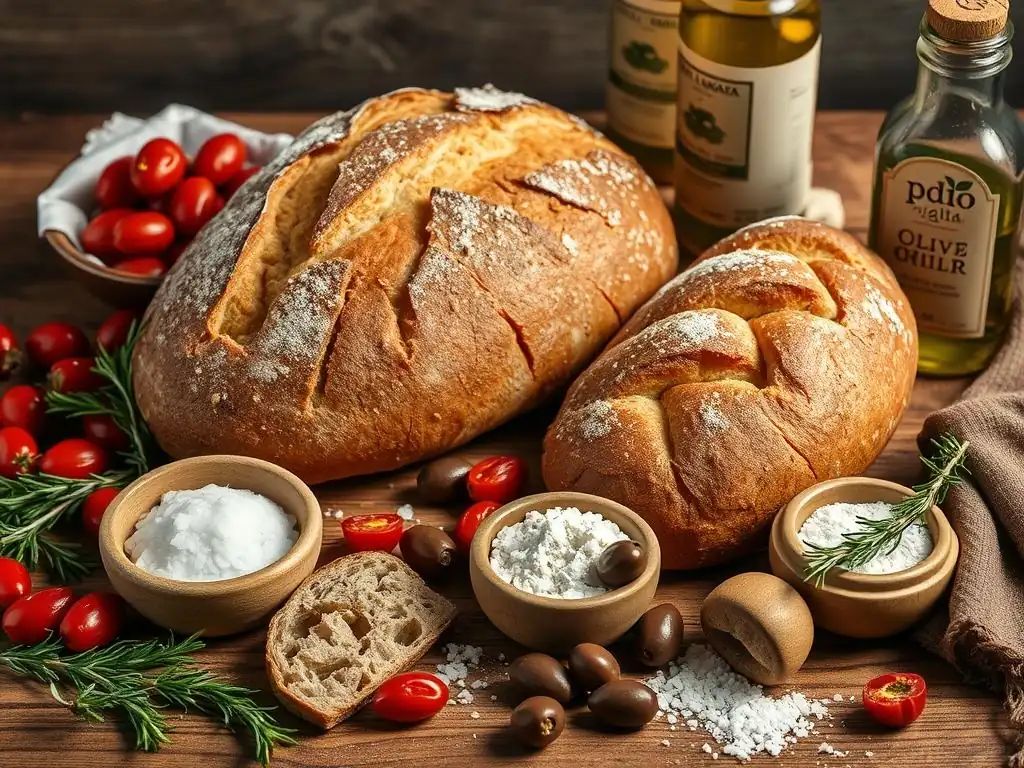
Essential Flour Types for Mediterranean Baking (e.g., Semolina, Durum)
The foundation of most Mediterranean breads lies in the type of flour used, which significantly impacts texture and flavor. While all-purpose wheat flour is a common starting point for many Mediterranean bread recipes easy bake, traditional recipes often feature flours derived from durum wheat. Durum wheat is a hard wheat variety with a high protein content, particularly gluten, which gives dough elasticity and structure. When milled into semolina flour, it has a coarser, granular texture and a lovely yellow hue, contributing a distinct chewiness and subtle sweetness to breads like Italian Pane di Altamura or some types of focaccia.
Using a blend of high-protein bread flour (around 12-14% protein) and fine or coarse semolina (around 12% protein) is a popular approach for home bakers aiming for authentic results with Mediterranean bread recipes easy bake. For example, a classic Apulian bread might use 80% re-milled durum semolina and 20% soft wheat flour. This combination balances the strength of durum with the workability of softer wheat. Experimenting with these flours is key to understanding their impact – semolina often requires slightly more hydration but rewards with a sturdy crumb and golden crust, characteristic of many regional Mediterranean loaves.
The Role of Olive Oil in Mediterranean Bread Dough
Olive oil is not just a cooking medium in the Mediterranean; it's a fundamental ingredient that imparts flavor, tenderness, and longevity to many breads. Unlike Northern European breads that often rely solely on flour, water, yeast, and salt, a significant number of Mediterranean bread recipes easy bake incorporate olive oil directly into the dough. This addition helps to inhibit gluten development slightly, resulting in a softer crumb compared to lean doughs. It also contributes to a more golden, crisp crust during baking.
The type of olive oil matters. Extra virgin olive oil, with its rich, sometimes peppery, flavor, is often preferred for its quality and taste contribution. While the amount varies, it's common to see olive oil making up anywhere from 5% to 20% of the flour weight in a recipe.
For instance, a focaccia dough might contain 10-15% olive oil, while a simple rustic loaf might use just 2-3% for richness. Beyond the dough itself, olive oil is frequently used to coat the risen dough before baking, creating a beautiful sheen and contributing to the crust's development, making it essential for achieving authentic results with Mediterranean bread recipes easy bake.
Herbs and Spices: Elevating Mediterranean Bread Flavors (e.g., Rosemary, Oregano)
While the core ingredients form the structure, herbs and spices are the soul of many Mediterranean bread recipes easy bake, infusing them with characteristic aromas and flavors. Fresh or dried herbs are commonly incorporated directly into the dough or sprinkled generously over the top before baking. Rosemary is perhaps one of the most iconic additions, particularly in Italian focaccia or simple rustic loaves, lending a fragrant, piney note that pairs beautifully with olive oil and sea salt.
Other popular herbs include oregano, thyme, and marjoram, often used in Greek or Middle Eastern flatbreads. Spices like Nigella seeds (commonly used in Turkish or Egyptian breads), sesame seeds (ubiquitous across the region), or even a pinch of cumin can add depth and complexity. Garlic, either roasted or minced, is also a frequent and delicious addition, particularly in focaccia or served alongside warm flatbread. The beauty of adding herbs and spices to Mediterranean bread recipes easy bake is their versatility – you can tailor the flavors to your preference, creating a unique loaf every time.
Easy Mediterranean Bread Recipes for Home Bakers
Recipe 1: Classic Italian Focaccia - A Beginner's Delight
Focaccia is arguably one of the most accessible and rewarding Mediterranean bread recipes easy bake for anyone starting their baking journey. Originating from Liguria, Italy, this flatbread is known for its dimpled surface, generous use of olive oil, and often, toppings like rosemary and sea salt. The dough is forgiving, requires minimal kneading compared to some other breads, and the proofing process is relatively straightforward. Its rustic nature means imperfections are part of its charm, reducing pressure for beginners.
Baking focaccia at home allows for endless customization. While the classic is simply topped with olive oil, flaky sea salt, and fresh rosemary sprigs, you can easily add cherry tomatoes, sliced olives, thinly sliced onions, or other herbs like oregano and thyme. The high hydration of the dough results in a wonderfully soft, airy interior and a crisp, golden crust, particularly the bottom which fries slightly in the olive oil. It’s a perfect example of how simple ingredients and techniques can yield spectacular results, making it a staple among Mediterranean bread recipes easy bake.
Focaccia Recipe: Step-by-Step Baking Guide
Here is a simple guide to making classic rosemary and sea salt focaccia:
- [ ] Ingredients:
- 500g strong bread flour
- 400ml lukewarm water
- 1 tsp instant yeast (approx. 3g)
- 10g fine sea salt
- 50ml extra virgin olive oil (plus extra for pan and topping)
- Fresh rosemary sprigs
- Flaky sea salt
- [ ] Method:
- In a large bowl, whisk together flour and fine sea salt.
- In a separate jug, mix lukewarm water, yeast, and 50ml olive oil.
- Pour the wet ingredients into the dry and mix with a spatula or wooden spoon until a shaggy, wet dough forms. Do not knead vigorously at this stage.
- Cover the bowl and let rest for 30 minutes.
- Perform 'stretch and folds': wet your hand, grab one edge of the dough, stretch it up and fold it over the rest of the dough. Repeat this process 3-4 times, rotating the bowl.
- Cover and rest for another 30 minutes. Repeat the stretch and fold process two more times over the next hour. The dough will become smoother and more elastic.
- Lightly oil a 9x13 inch baking pan generously with olive oil.
- Carefully pour the dough into the prepared pan. Drizzle a little more olive oil over the top.
- Cover the pan and let the dough proof at room temperature for 1-2 hours, or until it has roughly doubled in size and is bubbly. You can also cold proof in the fridge for 12-24 hours for enhanced flavor.
- Preheat oven to 220°C (425°F).
- Drizzle more olive oil over the dough. Using wet fingertips, gently press deep dimples all over the surface, being careful not to deflate it completely.
- Scatter fresh rosemary sprigs and flaky sea salt over the top.
- Bake for 20-30 minutes, or until golden brown and cooked through.
- Remove from oven, drizzle with a little more olive oil if desired, and let cool slightly in the pan before cutting.
Tips for Achieving a Perfect Focaccia Texture
Achieving that characteristic airy, soft interior and crispy bottom in focaccia relies on a few key factors, making Mediterranean bread recipes easy bake like this truly shine. Firstly, hydration is crucial; focaccia dough is typically very wet, often with a hydration level of 80% or more relative to the flour weight. Don't be afraid of the sticky dough – this high water content is what creates the open, airy crumb structure. Resisting the urge to add more flour during the stretch and fold process is important.
Secondly, ample proofing time allows the yeast to develop flavor and create gas bubbles, contributing to the light texture. While a 1-2 hour room temperature proof works, a longer cold proof in the refrigerator (12-24 hours) develops deeper flavors and makes the dough easier to handle. Finally, the generous amount of olive oil in the pan and on top is essential. It prevents sticking, promotes a beautiful golden color, and effectively fries the bottom crust, giving it a delightful crispness that contrasts with the soft interior. Don't skimp on the oil!
Recipe 2: Greek Pita Bread - Simple and Versatile
Greek pita bread is a staple across the Mediterranean and Middle East, loved for its soft, pliable texture and distinctive pocket (though Greek pita is often thicker and less prone to forming a full pocket than some Middle Eastern versions). This flatbread is surprisingly simple to make at home, requiring minimal ingredients and a hot oven or stovetop. Its versatility makes it a valuable addition to your repertoire of Mediterranean bread recipes easy bake, perfect for wraps, dipping, or serving alongside grilled meats and salads.
Unlike yeasted loaves that require long proofing times and complex shaping, pita dough is relatively quick to prepare and cook. The magic happens during baking when high heat causes the moisture in the dough to turn to steam, puffing up the bread and often creating that characteristic pocket. While a very hot oven (230-250°C or 450-475°F) on a baking stone or steel is ideal for achieving the puff, you can also cook pita successfully in a hot, dry skillet or griddle on the stovetop, making it an accessible option for Mediterranean bread recipes easy bake.
Homemade Pita Bread: Easy Baking Instructions
Here’s a straightforward method for baking soft and versatile pita bread at home:
- [ ] Ingredients:
- 300g strong bread flour
- 1 tsp instant yeast (approx. 3g)
- 1 tsp fine sea salt
- 1 tsp olive oil
- 200ml lukewarm water
- [ ] Method:
- In a medium bowl, whisk together flour, yeast, and salt.
- Stir in the olive oil and lukewarm water until a shaggy dough forms.
- Turn the dough out onto a lightly floured surface and knead for 5-8 minutes, until smooth and elastic. The dough should be soft but not overly sticky.
- Place the dough in a lightly oiled bowl, cover, and let it proof in a warm place for 45-60 minutes, or until roughly doubled in size.
- Gently punch down the dough and divide it into 6-8 equal pieces (depending on desired size).
- Shape each piece into a smooth ball. Cover and let rest for 10 minutes.
- Preheat your oven to the highest possible temperature (ideally 230-250°C / 450-475°F) with a baking stone or baking sheet inside for at least 20-30 minutes. If using a stovetop, heat a heavy skillet (like cast iron) over high heat.
- On a lightly floured surface, roll out each dough ball into a circle about 6-8 inches (15-20 cm) in diameter and about 1/8 inch (3-4 mm) thick. Try to keep the thickness even.
- Carefully place 1-2 pita rounds onto the hot baking stone/sheet in the oven or into the hot skillet.
- Bake in the oven for 2-4 minutes per side, or until puffed up and lightly golden. On the stovetop, cook for 1-2 minutes per side, or until bubbles appear and it puffs up, then flip and cook the other side.
- Remove from oven/skillet and stack the hot pitas to keep them soft. They may deflate slightly as they cool, which is normal.
Serving Suggestions for Freshly Baked Pita
Freshly baked pita is incredibly versatile and enhances numerous Mediterranean dishes, making these Mediterranean bread recipes easy bake a gateway to delicious meals. Serve warm pita alongside classic dips like hummus, baba ghanoush, or tzatziki. Its soft texture makes it perfect for scooping up generous portions. Cut into wedges and lightly toast or fry them to make homemade pita chips for snacking.
Pita is also the ideal vessel for wraps and sandwiches. Fill them with grilled meats like souvlaki or shawarma, falafel, or simple fillings like feta cheese, tomatoes, cucumbers, and olives. For a hearty breakfast, use pita to mop up shakshuka or serve alongside scrambled eggs. The slightly thicker Greek-style pita is excellent cut horizontally to create a pocket for stuffing, while thinner versions are great for folding. The possibilities are nearly endless, showcasing the simple brilliance of this Mediterranean bread recipes easy bake.
Recipe 3: Moroccan Khobz - A Rustic Mediterranean Loaf
Moroccan Khobz is a traditional round, slightly flattened bread, typically baked in communal ovens in Morocco. It's a staple accompanying almost every meal, used to scoop up tagines, salads, and sauces. Khobz is characterized by its soft, airy interior and a crust often dusted with semolina and sometimes studded with sesame or Nigella seeds. While traditionally baked in very hot ovens, you can easily adapt this Mediterranean bread recipes easy bake for a standard home oven, bringing the taste of Morocco to your table.
Khobz dough is usually made with a mix of white flour and fine semolina, giving it a unique texture and flavor. It's a relatively simple yeasted dough, requiring kneading and proofing, but the shaping is straightforward, usually forming large, round discs. The use of semolina for dusting before baking contributes to the rustic crust and prevents sticking. Baking Khobz is a rewarding experience, resulting in a bread that is simultaneously soft and sturdy, perfect for soaking up the flavors of Moroccan cuisine.
Khobz Recipe: Achieving Authentic Flavors at Home
Here is a simplified recipe for baking Moroccan Khobz in a home oven:
- [ ] Ingredients:
- 300g strong bread flour
- 200g fine semolina flour (or use 500g bread flour if semolina is unavailable)
- 1 tsp instant yeast (approx. 3g)
- 1.5 tsp fine sea salt
- 1 tbsp olive oil
- 300-350ml lukewarm water (start with 300ml, add more if needed)
- Fine semolina or sesame/Nigella seeds for dusting
- [ ] Method:
- In a large bowl, combine flours, yeast, and salt.
- Add olive oil and most of the lukewarm water. Mix with a spoon or your hands until a dough forms, adding more water if necessary to bring it together. It should be soft but not overly sticky.
- Turn the dough out onto a lightly floured surface and knead for 8-10 minutes, until smooth and elastic.
- Place the dough in a lightly oiled bowl, cover, and let proof in a warm place for 1-1.5 hours, or until roughly doubled in size.
- Gently punch down the dough. You can bake it as one large loaf or divide it into 2-3 smaller pieces. Shape each piece into a smooth ball.
- Generously sprinkle a baking sheet or pizza peel with fine semolina or a mix of semolina and seeds.
- Place the dough ball(s) onto the semolina-dusted surface. Gently flatten each ball with your hands to form a disc about 1 inch (2.5 cm) thick for a larger loaf or 0.75 inches (2 cm) for smaller ones.
- Cover the shaped Khobz loosely and let it proof again for 30-45 minutes, or until slightly puffed.
- Preheat oven to 220°C (425°F) with a baking stone or tray inside if possible.
- Before baking, use a fork to gently prick the surface of the Khobz 5-6 times to prevent large bubbles.
- Carefully transfer the Khobz to the hot oven.
- Bake for 20-30 minutes (longer for a larger loaf), or until golden brown and sounding hollow when tapped on the bottom.
- Let cool slightly on a wire rack before serving.
Variations: Adding Seeds and Spices to Your Khobz
While a plain Khobz dusted with semolina is classic and delicious, adding seeds and spices is a wonderful way to enhance its flavor and texture, fitting perfectly within the spirit of Mediterranean bread recipes easy bake customization. Sesame seeds are a very common addition, either mixed into the dough in small quantities or sprinkled generously onto the surface before the final proofing and baking. Their nutty flavor and slight crunch complement the soft bread beautifully.
Nigella seeds (also known as black cumin or kalonji) are another popular choice, particularly in Moroccan and other North African breads. They have a slightly bitter, oniony, and earthy flavor that adds a unique dimension. You can mix about 1-2 teaspoons of Nigella seeds into the dough during kneading or sprinkle them over the top with the semolina. A pinch of anise seeds can also be added for a subtle sweetness and aroma. Experimenting with these additions allows you to personalize your Mediterranean bread recipes easy bake and discover your favorite flavor combinations.
Mastering Mediterranean Bread Baking Techniques
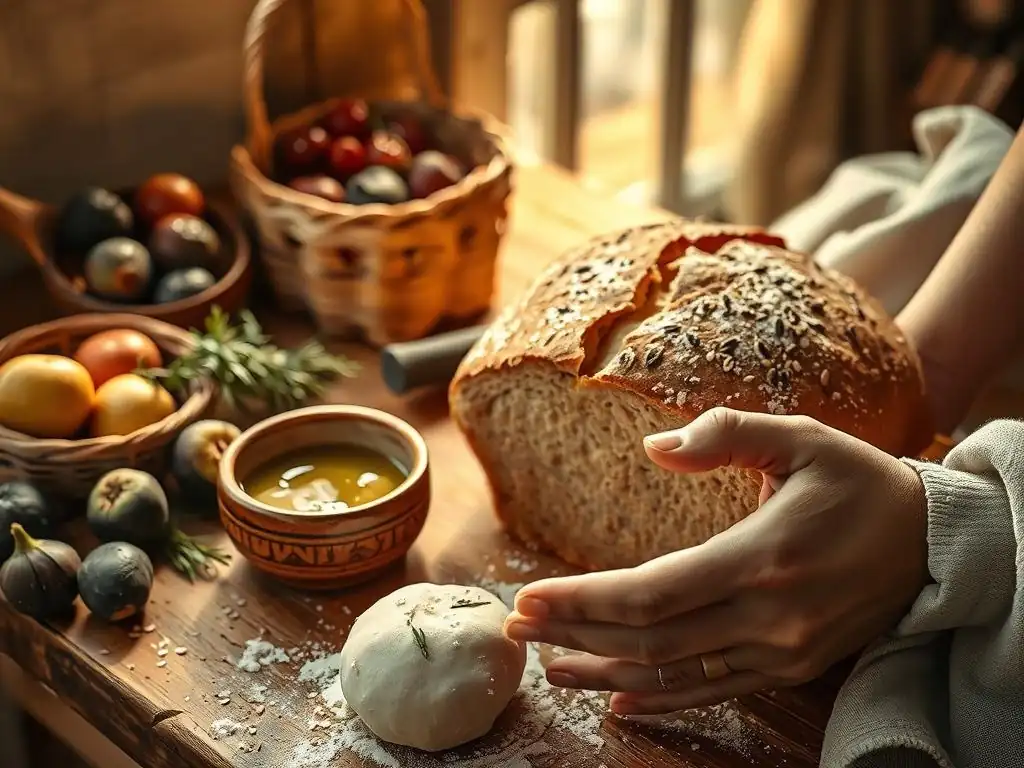
The Importance of Kneading in Mediterranean Bread Dough
Kneading is a fundamental step in many Mediterranean bread recipes easy bake, particularly those for rustic loaves and Khobz, as it develops the gluten structure in the dough. Gluten, formed when water interacts with proteins in flour (gliadin and glutenin), creates an elastic network that traps the carbon dioxide produced by the yeast. Proper kneading results in a smooth, elastic dough that can hold its shape and produce a bread with a good crumb structure and volume. Insufficient kneading can lead to a dense, heavy loaf.
The duration and intensity of kneading depend on the recipe and flour type. A strong bread flour typically requires 8-10 minutes of hand kneading or 5-7 minutes in a stand mixer on medium speed to develop sufficient gluten. Wetter doughs, like focaccia, may require less traditional kneading and benefit more from periodic 'stretch and folds' performed over an hour or two.
These gentle manipulations build strength in the dough without the vigorous work of kneading. Recognizing when your dough is properly kneaded – smooth, elastic, and passing the "windowpane test" (stretching a small piece thin enough to see light through it without tearing) – is key to success with Mediterranean bread recipes easy bake.
Proofing Your Dough: Achieving the Perfect Rise
Proofing, or fermentation, is the stage where yeast produces carbon dioxide gas, causing the dough to rise. This process is crucial for developing flavor, texture, and volume in Mediterranean bread recipes easy bake. The first proof (bulk fermentation) happens after kneading, where the dough typically doubles in size. This can take anywhere from 1 to 2 hours at room temperature (around 22-24°C / 72-75°F), but factors like ambient temperature, yeast activity, and hydration level play a significant role. Warmer conditions speed up proofing, while cooler temperatures slow it down but can develop more complex flavors.
After shaping the dough, a second, shorter proofing period (final proof or proofing) allows the shaped loaf or flatbread to rise again before baking. This usually takes 30-60 minutes for many Mediterranean bread recipes easy bake. Over-proofing can cause the dough to collapse in the oven (resulting in a dense loaf), while under-proofing leads to poor volume and a tight crumb. Learning to judge when your dough is perfectly proofed – it should be visibly larger, feel light and airy, and spring back slowly when gently poked – is a skill that comes with practice.
Baking Temperatures and Times for Different Mediterranean Breads
Baking temperature and time are critical variables that significantly impact the final crust and crumb of Mediterranean bread recipes easy bake. Generally, rustic, crusty loaves like some Italian or Greek breads are baked at high temperatures, often between 220°C and 240°C (425°F - 465°F). High heat helps the dough achieve maximum oven spring before the crust sets and promotes a dark, crispy crust. Baking times vary based on size and shape, but a typical 500g loaf might bake for 25-35 minutes.
Flatbreads like focaccia and pita require slightly different approaches. Focaccia is often baked at around 200-220°C (400-425°F) for 20-30 minutes, allowing the bottom to crisp in the olive oil while the top turns golden. Pita, aiming for that characteristic puff, benefits from extremely high heat, ideally 230-250°C (450-475°F), and bakes very quickly, usually just 2-4 minutes per side.
Using a preheated baking stone or steel is highly recommended for these flatbreads to ensure rapid heat transfer and achieve the desired texture and puff. Adjusting temperatures and times based on your specific oven and the bread type is key to mastering Mediterranean bread recipes easy bake.
Storing and Enjoying Your Homemade Mediterranean Bread
Best Practices for Keeping Your Bread Fresh
Proper storage is key to enjoying the fruits of your labor with Mediterranean bread recipes easy bake for as long as possible. Unlike commercial breads with preservatives, homemade bread is best enjoyed within the first day or two after baking. However, you can extend its freshness with the right methods.
Once completely cooled, store crusty loaves like Khobz or rustic breads at room temperature in a paper bag or a cloth bread bag. This allows the crust to remain crisp while preventing the interior from drying out too quickly. Avoid plastic bags, as they trap moisture and can make the crust soggy.
For softer flatbreads like pita or focaccia, which are often desired for their pliability, storing them in a plastic bag or wrapped tightly in plastic wrap once cooled can help maintain their soft texture for 2-3 days at room temperature. If you won't finish your bread within a couple of days, freezing is an excellent option. Slice the cooled loaf before freezing (makes it easier to use later) or freeze whole flatbreads.
Wrap tightly in plastic wrap, then in foil or a freezer bag. Frozen bread can last for several months. To enjoy, thaw at room temperature or reheat slices directly from frozen in a toaster or oven.
Even the best Mediterranean bread recipes easy bake sometimes result in leftovers, especially if you bake a large batch. Stale Mediterranean bread, particularly crusty varieties, is far from useless and can be repurposed into delicious ingredients, minimizing waste. One classic use is making croutons. Cut the bread into cubes, toss with olive oil, herbs (like oregano or thyme), salt, and pepper, then bake at around 180°C (350°F) until golden and crispy. These are perfect for topping salads or soups.
Another common use is transforming stale bread into breadcrumbs. Simply pulse dried bread pieces in a food processor until fine. These homemade breadcrumbs, especially from flavorful Mediterranean bread, can add depth to dishes. Use them as a coating for meats or vegetables, as a binder in meatballs or burgers, or sprinkled over pasta bakes or gratins for a crispy topping. Softer flatbreads like pita can be used to make pita chips or incorporated into dishes like Fattoush salad. Embracing these methods ensures that every last bit of your delicious homemade Mediterranean bread recipes easy bake is enjoyed.
Mediterranean Bread Recipe Variations: Beyond the Basics
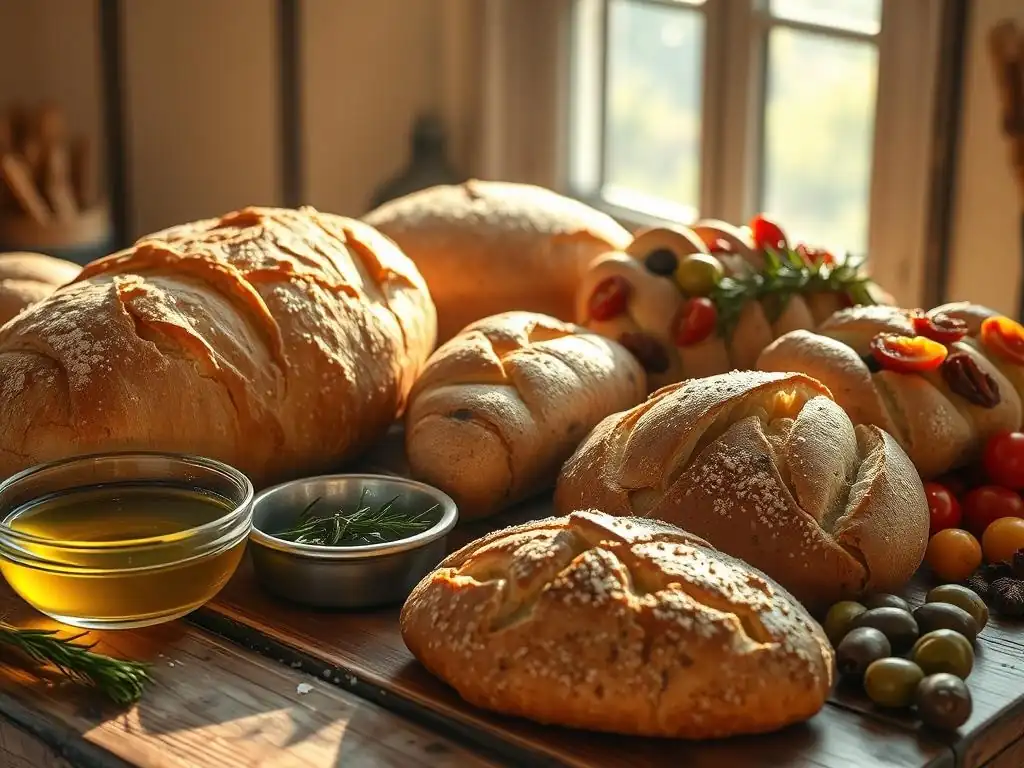
Exploring Regional Variations in Mediterranean Bread Baking
The Mediterranean basin is a mosaic of cultures, and this diversity is beautifully reflected in its bread. While our Mediterranean bread recipes easy bake covered Italian, Greek, and Moroccan examples, countless regional variations exist. In Spain, you find Pan de Cristal, an incredibly high-hydration bread with a thin, crisp crust, and Coca, a type of flatbread often topped with vegetables or meats, similar to pizza but with a distinct dough.
Turkey boasts an impressive range, from the soft, braided Pide (often topped with egg or meat) to the ring-shaped, sesame-crusted Simit, a popular street food. In the Middle East, flatbreads like Lavash and Markook (very thin, large breads) are staples. Each region utilizes local grains, leavening methods (sourdough is traditional in many areas, alongside commercial yeast), and baking techniques, creating a fascinating spectrum of breads. Exploring these regional nuances offers endless inspiration for home bakers looking to expand beyond basic Mediterranean bread recipes easy bake.
Gluten-Free Mediterranean Bread Options
For those with gluten sensitivities or Celiac disease, enjoying traditional Mediterranean bread recipes easy bake can be a challenge due to the reliance on wheat. However, the growing demand for gluten-free options has led to the development of delicious alternatives that capture the spirit and flavors of Mediterranean baking. While mimicking the exact texture of wheat-based bread can be difficult, using blends of gluten-free flours like rice flour, sorghum flour, millet flour, and starches such as tapioca or potato starch can yield satisfying results.
Many gluten-free Mediterranean bread recipes easy bake adapt classic styles. For instance, gluten-free focaccia can be made using a high-hydration gluten-free flour blend, often incorporating psyllium husk or xanthan gum to provide structure. Gluten-free pita or flatbreads can also be achieved, though they may not puff up as much as their wheat counterparts. Incorporating typical Mediterranean flavors like olive oil, rosemary, or sun-dried tomatoes into these gluten-free bases helps capture the authentic taste profile. While requiring different techniques and ingredient ratios, creating gluten-free Mediterranean bread recipes easy bake is increasingly achievable.
Sweet Mediterranean Bread Recipes: A Delicious Treat
While many Mediterranean bread recipes easy bake are savory staples for meals, the region also boasts delightful sweet breads, often enjoyed for breakfast, holidays, or as a treat. These breads typically include sugar, eggs, butter or oil, and sometimes milk, enriched with flavorings like citrus zest, spices, nuts, or dried fruits. Italian Panettone, though often associated with Christmas, is a famous example of a rich, sweet bread from the region, characterized by its tall dome shape, candied fruit, and airy texture.
Another example is the Greek Tsoureki, a braided sweet bread flavored with mahlab (ground cherry seeds) and mastic, traditionally made for Easter. Moroccan Krachel are sweet rolls flavored with anise and sesame seeds. These sweet Mediterranean bread recipes easy bake often require more delicate handling and longer proofing times due to the enriching ingredients. They offer a different dimension to Mediterranean baking, proving that the region's bread traditions extend beyond just savory loaves and flatbreads, providing delicious options for those with a sweet tooth.
Conclusion: Embrace the Art of Mediterranean Bread Baking
Embarking on the journey of baking Mediterranean bread recipes easy bake is a rewarding experience that connects you to centuries of culinary history. From the rustic simplicity of Moroccan Khobz to the versatile charm of Greek pita and the aromatic delight of Italian focaccia, these breads offer accessible entry points into the world of home baking. With just a few key ingredients – quality flour, yeast, water, salt, and that essential splash of olive oil – you can recreate the authentic flavors and textures of the Mediterranean right in your own kitchen.
Mastering techniques like proper kneading, understanding proofing, and controlling baking temperatures will elevate your results, but remember that the beauty of many Mediterranean bread recipes easy bake lies in their forgiving nature and rustic appeal. Don't be afraid to experiment with different flours, herbs, and seeds to find your favorite variations. Whether you're baking for a simple meal, a gathering with friends, or just for the sheer joy of creating something delicious from scratch, exploring Mediterranean breads promises a flavorful and fulfilling adventure. So preheat your oven, dust off your hands, and get ready to bake some sunshine!
Frequently Asked Questions
What makes Mediterranean breads different from other types of bread?
Mediterranean breads often utilize unique ingredients like olive oil, herbs, and sometimes even sun-dried tomatoes. This results in a distinctive flavour profile and texture compared to breads from other regions.
Are Mediterranean bread recipes easy to bake for beginners?
Yes, many Mediterranean bread recipes are designed to be easy to bake. BakeWithEase.com offers step-by-step guides suitable for beginners.
What are some common ingredients found in Mediterranean bread recipes?
Common ingredients include olive oil, various herbs such as rosemary and oregano, and sometimes ingredients like feta cheese or olives.
Can I adapt Mediterranean bread recipes to be gluten-free?
While traditional recipes use wheat flour, it's possible to adapt them using gluten-free flour blends. Be sure to adjust the liquid content accordingly for the best results.
Where can I find easy-to-follow Mediterranean bread recipes?
BakeWithEase.com offers a variety of easy Mediterranean bread recipes, including step-by-step guides and tips for successful baking, focusing on the easy bake aspect.
Final Reflection: The Enduring Allure of Mediterranean Bread
The simple act of baking bread, especially a Mediterranean loaf, connects us to ancient traditions and offers a surprisingly accessible path to culinary exploration. From the rustic charm of a focaccia to the airy lightness of a pita, these recipes are more than just food; they are a portal to history, culture, and the simple pleasures of sharing a warm, crusty loaf. The ease of many recipes, as highlighted throughout this article, makes this connection achievable for everyone.
The influence of Mediterranean bread extends far beyond the kitchen table; it's woven into the fabric of countless cultures and celebrations. It's a symbol of hospitality, a cornerstone of countless meals, and a testament to the enduring power of simple ingredients transformed by skilled hands. Bread is the staff of life,
a proverb often repeated, truly encapsulates its importance, not just as sustenance, but as a symbol of community and shared experience. This article only scratches the surface of the diverse and delicious world of Mediterranean breads, leaving me personally inspired to continue exploring its regional variations and rich history.
Now, I invite you to take what you've learned and embark on your own baking journey. Don't be intimidated by the seemingly complex techniques; embrace the simplicity and the joy of creating something delicious and meaningful with your own hands. Try one of the easy recipes highlighted in this article, and experience the satisfaction of sharing a piece of Mediterranean culture with friends and family. The aroma alone is worth the effort, but the taste? That's an experience you won't soon forget.
Unleash Your Inner Baker: Craft Your Own Mediterranean Delights!
Thanks for joining us on this delicious journey through the sun-drenched world of Mediterranean breads! We hope you've discovered new flavors and techniques to inspire your baking adventures. Ready to put your newfound knowledge to the test?
- Bake your own masterpiece: Start with the recipe that most captivated you from the article – and let the aroma of freshly baked bread fill your kitchen! Remember to share your baking journey with us – we love seeing your creations!
- Explore regional variations: Dive deeper into the specific bread types mentioned, researching the subtle differences in ingredients and techniques across various Mediterranean regions. What unique twists can you find?
- Share your baking journey: Inspire others by posting pictures of your creations on social media using #BakeWithEaseMediterranean. Let's create a vibrant community of bread lovers!
What unique Mediterranean ingredient are you most excited to experiment with in your next baking project?