
Baking Small Batch Rolls: Perfect for One or Two

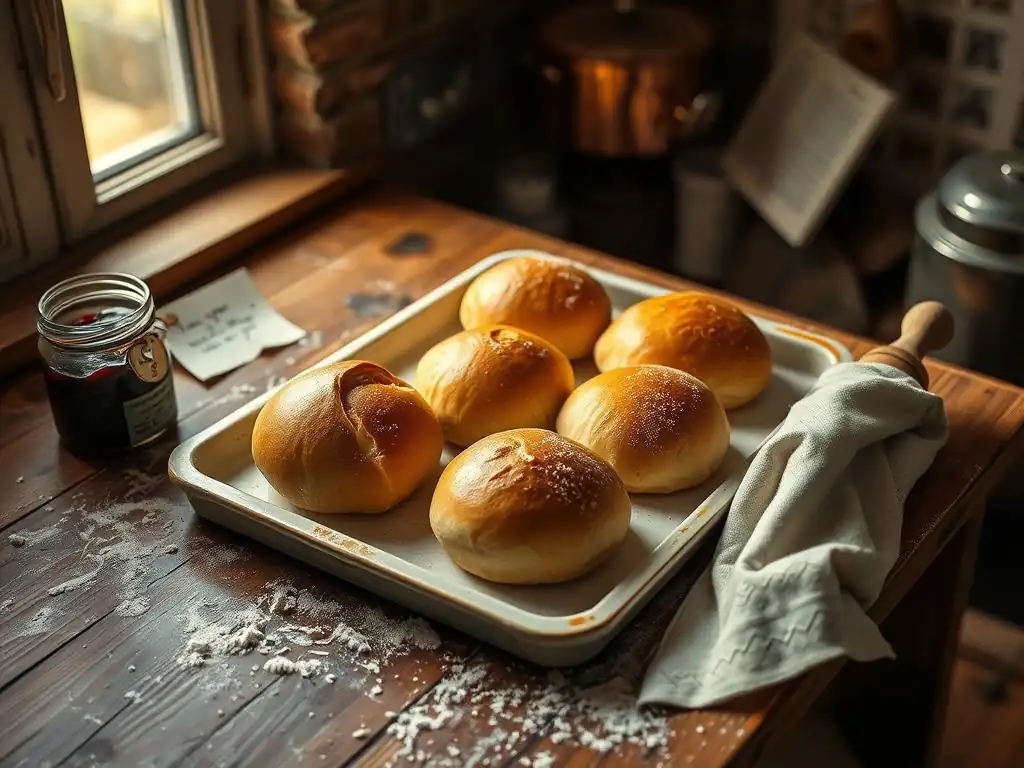
Welcome to BakeWithEase, your friendly guide to unlocking baking brilliance! Tired of leftover dough and overflowing freezers? Discover the secrets to perfectly portioned goodness. Today, we're diving into the delightful world of easy small batch rolls - the ideal solution for solo bakers or cozy couples. Intrigued? Let's get baking!
- Introduction: Enjoy Fresh Rolls with Easy Small Batch Baking
- Why Bake Small Batch Rolls? Benefits for Small Households
- Essential Ingredients for Easy Small Batch Rolls
- Step-by-Step Guide: Baking Easy Small Batch Rolls
- Tips and Tricks for Perfect Small Batch Rolls
- Variations on Easy Small Batch Roll Recipes
- Storing and Reheating Your Small Batch Rolls
- Troubleshooting Common Small Batch Roll Baking Problems
- Serving Suggestions: Pairing Your Small Batch Rolls
- Conclusion: Mastering Easy Small Batch Rolls for Baking Success
-
Frequently Asked Questions
- How do I ensure my small batch rolls are light and fluffy?
- What's the best way to store leftover small batch rolls?
- Can I substitute ingredients in the "Easy Small Batch Rolls" recipe?
- What if I don't have active dry yeast? Can I use instant yeast?
- How can I prevent my small batch rolls from drying out during baking?
- Final Reflection: The Joy of the Perfectly Sized Loaf
- Unleash Your Inner Baker: Perfect Small Batch Rolls Await!
Introduction: Enjoy Fresh Rolls with Easy Small Batch Baking
There's nothing quite like the aroma and taste of warm, freshly baked rolls straight from the oven. For many, the idea of baking a large batch can feel overwhelming, especially for individuals or smaller households. The good news? You don't need to bake a dozen or more rolls to enjoy this simple pleasure. Baking easy small batch rolls allows you to experience that fresh-baked goodness without the excess. It's a convenient, rewarding way to have warm bread on demand, whether it's for a single dinner or a cozy meal for two.
This guide is designed to walk you through the process of making easy small batch rolls. We'll cover everything from the basic ingredients and techniques to tips for perfection and delicious variations. Whether you're a baking novice or looking for a more manageable way to enjoy homemade bread, mastering easy small batch rolls is a fantastic skill. Get ready to fill your kitchen with that irresistible fresh bread smell and enjoy warm, soft rolls anytime you like.
Why Bake Small Batch Rolls? Benefits for Small Households
Baking is often associated with feeding a crowd, but adapting recipes for smaller quantities offers significant advantages, especially for individuals, couples, or small families. Easy small batch rolls are not just about convenience; they're a practical approach to enjoying homemade bread more frequently and efficiently. This method addresses common challenges faced by smaller households, making fresh baking a realistic and appealing option.
Opting for easy small batch rolls means you can enjoy warm, soft bread whenever the craving strikes, without the commitment of a large recipe. It reduces the time spent on a single baking project and allows for more flexibility in your baking schedule. Furthermore, it opens the door to experimentation with different flavors and techniques on a smaller, less daunting scale.
Reduce Food Waste: Perfect Portion Sizes for Individuals and Couples
One of the primary benefits of baking easy small batch rolls is the significant reduction in potential food waste. Standard bread roll recipes often yield 12 or more rolls. For a single person or a couple, consuming this many rolls before they become stale can be a challenge, often leading to some being discarded. Baking just 4-6 rolls, a typical yield for easy small batch recipes, provides a manageable quantity that can be enjoyed fresh over a day or two without worry.
Consider a typical scenario: a standard recipe might use 3-4 cups of flour and yield 12 rolls. If a two-person household eats only 2-3 rolls per day, it could take 4-6 days to finish the batch. With easy small batch rolls using perhaps 1.5 cups of flour and yielding 4-6 rolls, the same household can enjoy them fresh over just 1-2 days, minimizing the chance of them going stale and needing to be thrown away. This mindful approach to portion control is both economical and environmentally conscious.
Experiment with Flavors: Try New Recipes Without Baking Excess
Easy small batch rolls provide an ideal low-stakes environment for culinary experimentation. Want to try adding rosemary and garlic? Or perhaps a touch of whole wheat flour? Instead of committing a large quantity of ingredients and time to a full-sized recipe that might not turn out as planned or might not be your favorite flavor, you can test variations with a small batch. This approach makes trying new flavor combinations or techniques less intimidating and more enjoyable.
For instance, adapting a recipe to include cheese or herbs using a small batch (say, 4 rolls) might only require a few tablespoons of shredded cheese or a teaspoon of dried herbs. This is a minimal investment compared to adding these to a full 12-roll recipe. If the flavor combination isn't a hit, you haven't wasted significant ingredients or effort. This encourages creativity and helps you discover your favorite easy small batch rolls without the pressure of baking a large quantity.
Quick and Easy Baking: Small Batch Rolls for Weeknight Dinners
The smaller scale of easy small batch rolls naturally translates to a quicker overall baking process. Less dough means faster kneading (whether by hand or mixer), often quicker rising times (though this varies with temperature), and certainly less time spent shaping numerous rolls. This makes fresh bread a viable option even on busy weeknights.
A typical timeline for a standard batch of rolls might involve 10-15 minutes of kneading, 60-90 minutes for the first rise, 15-20 minutes for shaping, 30-60 minutes for the second rise, and 15-25 minutes of baking. Total active time could be around 30-45 minutes, with total passive time (rising) adding up to 1.5-2.5 hours.
For easy small batch rolls, kneading might only take 5-8 minutes, shaping 5-10 minutes, and rise times might be slightly shorter due to the smaller mass, though still dependent on temperature. While total passive time is still significant, the reduced active time and smaller scale make it feel much more manageable and quicker to get fresh rolls on the table, perfect for complementing a weeknight meal.
Essential Ingredients for Easy Small Batch Rolls
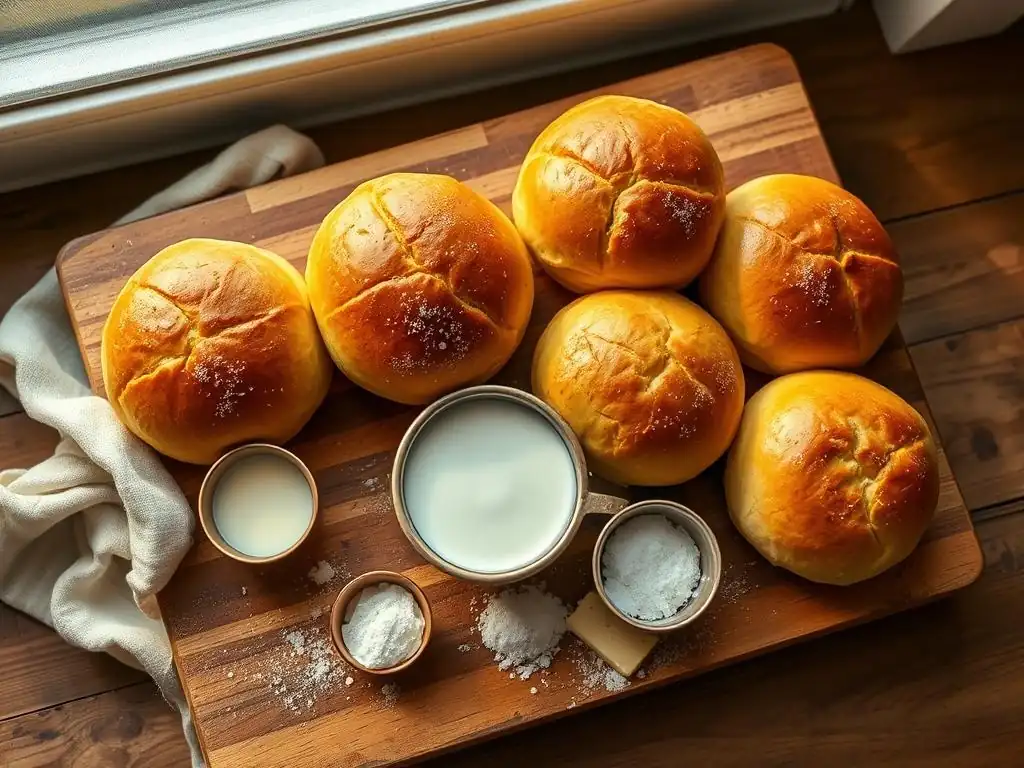
Understanding the role of each ingredient is key to baking successful easy small batch rolls. While the quantities are smaller, the fundamental principles remain the same as with larger batches. Using quality ingredients and understanding how they interact will ensure your rolls are soft, flavorful, and have a beautiful texture.
The core components of most easy small batch roll recipes include flour, yeast, a liquid (usually milk or water), a touch of sugar, and fat (typically butter). Each plays a vital role in the final product. Getting these basics right sets you up for delicious, warm rolls every time.
Flour Power: Choosing the Right Flour for Soft Rolls
The type of flour you use significantly impacts the texture of your easy small batch rolls. All-purpose flour is the most common choice for soft, tender rolls. It has a moderate protein content (around 10-12%) which develops gluten, providing structure, but not so much that the rolls become tough. For even softer results, some recipes might call for bread flour (higher protein, around 12-14%) combined with other ingredients, or even a small amount of cake flour (lower protein, around 7-9%) to inhibit gluten development slightly, resulting in a more tender crumb.
For easy small batch rolls intended to be soft and fluffy, stick to good quality unbleached all-purpose flour. Bleached flour can sometimes affect yeast activity and flavor. Measuring your flour accurately is also crucial, even in small quantities. Using the scoop-and-level method or, ideally, weighing the flour ensures you don't accidentally add too much, which can lead to dry, dense rolls. For example, 1.5 cups of all-purpose flour, a common amount for 4-6 easy small batch rolls, typically weighs around 180-190 grams.
Yeast Options: Active Dry vs. Instant Yeast in Small Batches
Yeast is the leavening agent that makes your easy small batch rolls light and airy. The two most common types are active dry yeast and instant yeast. Active dry yeast requires activation in warm liquid before being added to the dry ingredients, typically at a temperature between 105°F and 115°F (40°C-46°C). Instant yeast, on the other hand, can usually be mixed directly with the dry ingredients and doesn't require proofing, although some bakers still prefer to hydrate it.
When baking easy small batch rolls, the quantity of yeast needed is also small, often just 1 to 1.5 teaspoons. If using active dry yeast, ensure your water or milk is at the correct temperature to wake it up; water that is too hot will kill it, too cold and it won't activate properly. Instant yeast is generally more forgiving and faster-acting, which can slightly speed up the rising times, making it particularly convenient for quick easy small batch rolls. Always check the expiration date on your yeast packet or jar to ensure it's still active.
Liquid Gold: The Importance of Milk or Water in Roll Dough
The liquid component in your easy small batch rolls plays a crucial role in hydrating the flour, activating the yeast, and developing gluten. Recipes typically call for either water or milk, and the choice impacts the final texture and flavor. Water provides a chewier crust, while milk results in a softer crumb and a richer flavor due to the fat and sugar content. Milk also contributes to a more golden-brown crust.
For soft, tender easy small batch rolls, milk (whole milk is often preferred for richness) is usually the liquid of choice. It should be warmed gently to the correct temperature for the yeast (around 105°F-115°F or 40°C-46°C for active dry yeast, or slightly cooler, 95°F-105°F or 35°C-40°C, if adding instant yeast directly to dry ingredients, as the liquid still needs to be warm enough to encourage yeast activity).
The amount of liquid is critical for dough consistency; too little results in dry, dense rolls, while too much makes the dough sticky and hard to handle. For a recipe using 1.5 cups of flour, you might typically need between 1/2 cup and 2/3 cup of warm milk or water, adjusting based on flour absorption.
Sweetness and Fat: Sugar and Butter for Flavor and Texture
Sugar and fat, typically butter, are essential for achieving the desired flavor, texture, and appearance in many easy small batch roll recipes. Sugar provides food for the yeast, helping it produce carbon dioxide gas which makes the rolls rise. It also adds a subtle sweetness and contributes to the browning of the crust during baking. Just a teaspoon or two is usually sufficient for a small batch.
Butter adds richness, tenderness, and moisture to the dough. It coats the gluten strands, preventing them from forming too strong a network, which results in a softer crumb. Butter also improves the keeping quality of the rolls. It's usually added during the kneading process, either softened or melted and slightly cooled. For a small batch of rolls, 1 to 2 tablespoons of butter is common. Using softened butter allows it to incorporate more smoothly into the dough compared to melted butter, which can sometimes make the dough greasy.
Step-by-Step Guide: Baking Easy Small Batch Rolls
Baking easy small batch rolls follows the same fundamental steps as baking a larger batch of bread, just on a smaller scale. This makes the process less daunting and more manageable. By breaking it down into stages – mixing, kneading, rising, shaping, and baking – you can confidently create delicious, warm rolls from scratch.
Following these steps carefully will help ensure your easy small batch rolls turn out perfectly every time. Pay attention to the dough's consistency and the rising times, as these are key indicators of success.
Preparing the Dough: Mixing and Kneading for Softness
The first step in creating easy small batch rolls is mixing your ingredients. Start by combining the warm liquid (milk or water), yeast, and sugar in a mixing bowl. If using active dry yeast, let this mixture sit for 5-10 minutes until it becomes foamy, indicating the yeast is active.
If using instant yeast, you can often skip the proofing step and add it directly to the dry ingredients, then combine wet and dry. Next, add your flour and salt. Salt is crucial for flavor and helps control yeast activity, but it should not come into direct contact with the yeast initially, as it can inhibit it.
Once the ingredients are roughly combined, it's time to knead. Kneading develops the gluten network in the flour, which gives the rolls structure and elasticity, allowing them to rise and hold their shape. You can knead by hand on a lightly floured surface for 8-10 minutes, or use a stand mixer with a dough hook for 5-7 minutes on medium speed. The dough should become smooth, elastic, and no longer sticky, pulling away from the sides of the bowl if using a mixer. Incorporate the softened butter towards the end of the kneading process.
First Rise: Letting the Dough Develop Flavor
After kneading, the dough for your easy small batch rolls needs time to rise. This first rise, also known as bulk fermentation, allows the yeast to produce carbon dioxide, expanding the dough, and also develops flavor through enzymatic activity. Lightly grease a clean bowl with oil or cooking spray, place the dough ball in it, and turn to coat. Cover the bowl tightly with plastic wrap or a damp kitchen towel.
Place the covered bowl in a warm, draft-free place. An oven with the light on (but oven off) is often a good spot, reaching temperatures around 80°F-90°F (27°C-32°C). The rising time will vary depending on the temperature and the yeast's activity, but typically takes 60-90 minutes. The dough should double in size. You can test if it's ready by gently pressing two fingers into the dough; if the indentation remains, it's usually ready.
Shaping the Rolls: Techniques for Uniform Small Batch Rolls
Once the dough has completed its first rise, gently punch it down to deflate it. Turn the dough out onto a lightly floured surface. For easy small batch rolls, you'll typically divide the dough into 4-6 equal portions. You can do this by eye, or for more uniform rolls, use a kitchen scale to weigh the total dough and divide by the desired number of rolls (e.g., 300g dough divided by 4 rolls means each roll is 75g).
Shape each portion into a smooth ball. The simplest method is to cup your hand over the dough portion on an unfloured surface and move your hand in a circular motion, applying gentle downward pressure, which tucks the edges underneath and creates surface tension. Place the shaped rolls onto a baking sheet lined with parchment paper, leaving some space between them as they will expand during the second rise and baking.
Second Rise: Achieving Light and Fluffy Texture
After shaping, your easy small batch rolls need a second rise, often called proofing. This rise is crucial for achieving a light and fluffy texture in the final baked roll. Cover the baking sheet loosely with plastic wrap or a light kitchen towel to prevent the rolls from drying out.
Place the covered rolls in a warm, draft-free spot again. This rise is usually shorter than the first, typically lasting 30-60 minutes, or until the rolls look visibly puffy and have almost doubled in size. Be careful not to over-proof, as this can cause the rolls to collapse in the oven. To check if they are ready, gently poke a roll; if the indentation springs back slowly, leaving a slight mark, they are likely ready to bake.
Baking to Perfection: Temperature and Time for Golden Brown Rolls
Preheating your oven is essential for baking easy small batch rolls. A properly preheated oven ensures the rolls start baking immediately, allowing for a good oven spring (the final burst of rising in the oven). Preheat your oven to the temperature specified in your recipe, usually between 375°F and 400°F (190°C-200°C).
Bake the rolls for 15-25 minutes, depending on their size and your oven's calibration. They are done when they are golden brown on top and bottom and sound hollow when tapped on the bottom. Using an instant-read thermometer is the most accurate way to check for doneness; the internal temperature should reach 190°F-200°F (88°C-93°C). Once baked, transfer the rolls to a wire rack to cool slightly. Brushing the tops with melted butter immediately after baking adds shine and softness.
Tips and Tricks for Perfect Small Batch Rolls
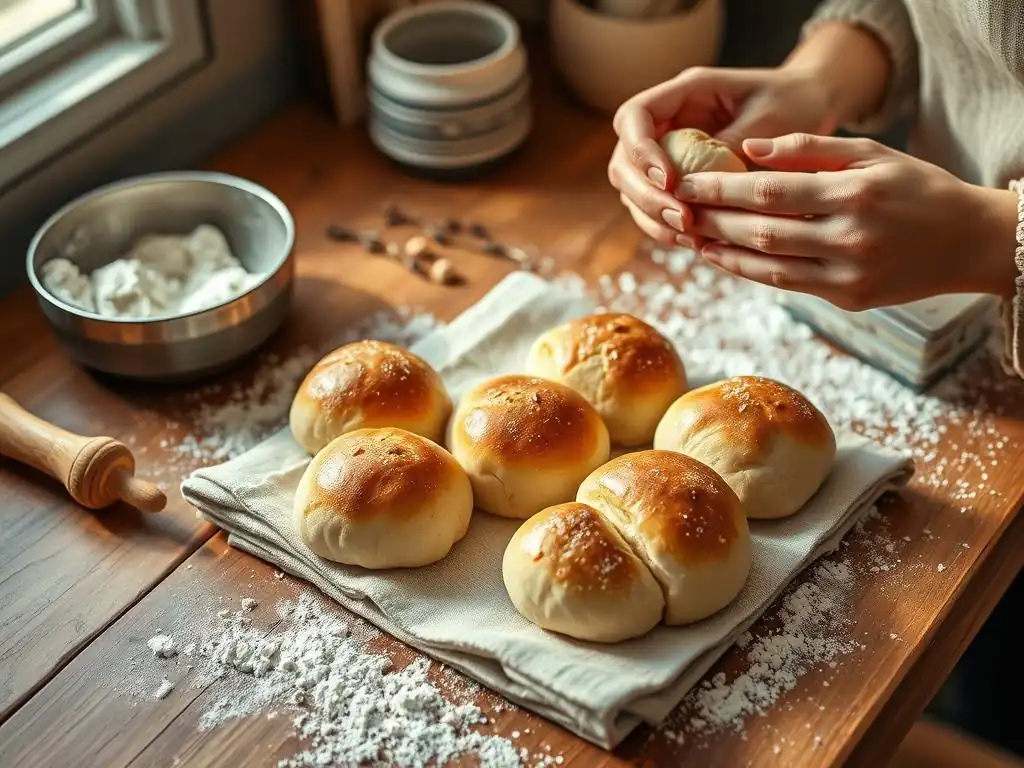
Achieving consistently excellent easy small batch rolls involves more than just following the steps; it also requires paying attention to subtle details. These tips and tricks can elevate your baking from good to great, ensuring soft, flavorful, and beautiful rolls every time.
From managing dough temperature to perfecting your shaping technique, these insights will help you troubleshoot common issues and bake with more confidence. Incorporating these practices will lead to more predictable and satisfying results with your easy small batch rolls.
Temperature Control: Ensuring Optimal Yeast Activity
Yeast is a living organism, and its activity is highly dependent on temperature. For optimal rising in easy small batch rolls, maintain the correct dough temperature throughout the process. The ideal temperature for dough fermentation is typically between 75°F and 80°F (24°C-27°C). If your kitchen is cooler, finding a warm spot for rising is crucial. As mentioned, an oven with the light on can work, or you can place the covered dough in a warm bath (bowl set inside a larger bowl of warm water).
Conversely, if your kitchen is very warm, dough can rise too quickly, potentially leading to less flavor development and a weaker structure. In warmer conditions, you might need to shorten rising times or even use slightly cooler liquid. A temperature difference of just 5°F-10°F (3°C-6°C) can significantly alter rising times; for example, dough at 70°F might take 90 minutes to double, while dough at 80°F might take only 60 minutes. Monitoring your dough rather than strictly adhering to recipe times based on ideal conditions is key for success with easy small batch rolls.
Proper Hydration: Adjusting Liquid for Different Flour Types
The amount of liquid needed in an easy small batch roll recipe can vary slightly depending on the type and brand of flour used, as different flours absorb moisture differently. Factors like humidity can also play a role. A recipe might call for a specific amount of milk or water, but it's important to treat this as a guideline and be prepared to adjust.
During mixing and kneading, observe the dough's consistency. If it seems too dry and shaggy, add a teaspoon of liquid at a time until it comes together. If it's too sticky and difficult to handle, add a tablespoon of flour at a time.
The goal is a dough that is soft, pliable, and slightly tacky, but not sticky enough to cling excessively to your hands or the bowl. For example, if your recipe calls for 1.5 cups of flour and 1/2 cup of liquid, you might find you need an extra teaspoon or two of liquid with a particularly dry batch of flour, or perhaps a tablespoon less with a very high-humidity day. Proper hydration is vital for tender easy small batch rolls.
Shaping Secrets: Creating Visually Appealing Rolls
While the taste is paramount, well-shaped easy small batch rolls are also satisfying. Consistent size and shape help ensure even baking. The most common shape is a simple round roll. To achieve this, take your portion of dough and gently flatten it slightly.
Pull the edges towards the center, pinching them together to form a seam at the bottom. Then, place the dough seam-side down on a clean, unfloured surface. Cup your hand over the dough ball and move it in a circular motion, applying gentle pressure. This motion will smooth the top surface and create tension, resulting in a nice, tight ball.
Another option is to roll the dough portion into a log and then coil it, tucking the end underneath, for a slightly different look. Uniform shaping isn't just for aesthetics; rolls of similar size and density will bake at the same rate, preventing some from being undercooked while others are over-browned. Practice makes perfect, and shaping easy small batch rolls allows you to hone this skill without working through a large quantity of dough.
Oven Placement: Achieving Even Baking and Browning
Proper oven placement is important for ensuring your easy small batch rolls bake evenly and achieve a beautiful golden-brown crust. For most home ovens, the middle rack provides the most consistent heat distribution. Avoid placing the baking sheet too close to the top or bottom heating elements, which can lead to uneven browning or burning on the bottom.
If baking more than one small batch at a time (though typically easy small batch recipes yield just one tray), avoid overcrowding the oven. If you must use two racks, rotate the trays halfway through the baking time to ensure even results. For a single baking sheet of 4-6 easy small batch rolls, placing the tray directly on the middle rack should suffice for even heat circulation around each roll, leading to uniform baking and color.
Variations on Easy Small Batch Roll Recipes
Once you've mastered the basic easy small batch roll recipe, the possibilities for customization are endless. Adapting the base dough with different ingredients can transform a simple roll into something uniquely flavorful, perfect for pairing with specific meals or enjoying on their own.
Experimenting with variations is part of the fun of baking easy small batch rolls. The smaller quantity makes it easy to try out new ideas without a large commitment of ingredients or time.
Herb-Infused Rolls: Adding Flavor with Fresh or Dried Herbs
Adding herbs is a simple yet effective way to infuse your easy small batch rolls with aromatic flavor. Fresh or dried herbs can be incorporated directly into the dough during the kneading process. Popular choices include rosemary, thyme, chives, or a blend of Italian herbs. For a small batch using 1.5 cups of flour, start with about 1-2 teaspoons of dried herbs or 1-2 tablespoons of finely chopped fresh herbs.
- Dried Herbs: Mix dried herbs into the flour before adding the wet ingredients. This distributes them evenly.
- Fresh Herbs: Knead fresh herbs into the dough towards the end of the kneading time. This prevents them from being bruised excessively.
Rosemary and sea salt easy small batch rolls are wonderful with roasted meats, while chive rolls pair beautifully with soups. Ensure fresh herbs are finely chopped so they distribute well throughout the small amount of dough.
Cheese Rolls: Incorporating Cheese for a Savory Twist
Cheese adds richness and a savory depth to easy small batch rolls. Shredded cheese can be folded into the dough during the last minute of kneading or after the first rise when you punch down the dough. Hard or semi-hard cheeses work best, such as cheddar, Parmesan, Gruyère, or a blend. For a small batch (4-6 rolls), 1/4 to 1/2 cup of shredded cheese is usually sufficient.
Consider adding a sprinkle of cheese on top of the rolls before baking for a crispy cheese crust. Cheese easy small batch rolls are fantastic served warm with chili or as a side for pasta dishes. Be mindful that adding cheese can sometimes slightly affect the dough's texture and rise, but the flavor payoff is well worth it.
Sweet Rolls: Making Cinnamon or Sugar-Glazed Small Batch Rolls
Yes, you can turn your easy small batch roll dough into sweet treats too! By slightly increasing the sugar in the dough and adding fillings or glazes, you can create cinnamon rolls or simple sugar-glazed buns perfect for breakfast or dessert. After the first rise and shaping, you can flatten the dough portions, spread with a cinnamon-sugar-butter mixture, roll up, and slice into mini cinnamon rolls.
Alternatively, shape the dough into balls, bake as usual, and then brush with a simple glaze made from powdered sugar and a tiny amount of milk or vanilla extract while still warm. For a sweet small batch, you might increase the sugar in the dough from 1-2 teaspoons to 1-2 tablespoons. These sweet easy small batch rolls offer a delightful contrast to the savory options.
Gluten-Free Small Batch Rolls: Adapting the Recipe for Dietary Needs
Adapting an easy small batch roll recipe for gluten-free needs requires substituting the wheat flour with a gluten-free flour blend. Gluten-free baking often requires additional binders like xanthan gum or psyllium husk powder to mimic the structure provided by gluten. A typical gluten-free blend might contain rice flour, sorghum flour, tapioca starch, and potato starch.
When converting, look for gluten-free bread or roll recipes specifically designed for small batches, as simply substituting flour 1:1 in a wheat recipe often doesn't yield good results. You'll likely need a blend that includes xanthan gum (typically 1/2 to 1 teaspoon per cup of gluten-free flour blend for bread). The dough consistency will also be different – often more like a thick batter than a traditional elastic dough. While the process varies, it is certainly possible to bake delicious gluten-free easy small batch rolls with the right recipe and techniques.
Storing and Reheating Your Small Batch Rolls
One of the joys of baking easy small batch rolls is enjoying them fresh and warm. However, even a small batch might not be consumed all at once. Knowing how to properly store and reheat them ensures that any leftover rolls remain as delicious as possible, minimizing waste.
Proper storage techniques can extend the freshness of your easy small batch rolls for a couple of days at room temperature, or much longer if frozen. Reheating methods can bring back that lovely warm, soft texture.
Proper Storage: Keeping Rolls Fresh for Longer
Once your easy small batch rolls have cooled completely on a wire rack, proper storage is key to maintaining their freshness. Storing them while still warm will create condensation, making them soggy. For short-term storage (1-2 days), place the cooled rolls in an airtight container or a resealable plastic bag at room temperature. This prevents them from drying out and becoming stale.
If you won't eat them within a couple of days, freezing is the best option. Wrap individual cooled rolls tightly in plastic wrap, then place them in a freezer-safe bag or container. Frozen easy small batch rolls can be kept for up to 2-3 months. Thawing is best done at room temperature, which usually takes a couple of hours.
Reheating Techniques: Restoring Warmth and Softness
Reheating easy small batch rolls can bring back their delicious, fresh-baked warmth and softness. The best method depends on how many rolls you are reheating and how quickly you need them.
- Oven: This is often the best method for restoring texture. Preheat your oven to 300°F (150°C). Place the rolls directly on the oven rack or on a baking sheet. Heat for 5-10 minutes, or until warmed through. If the crust seems hard, you can lightly sprinkle the rolls with water before heating.
- Microwave: This is the quickest method but can sometimes make rolls chewy if overdone. Wrap the roll in a damp paper towel and microwave on high for 15-30 seconds, depending on your microwave's power and the size of the roll. Check and heat in additional 10-second increments if needed.
- Toaster Oven: Similar to a regular oven, toast at 300°F (150°C) for 5-8 minutes.
For frozen rolls, thaw first at room temperature, then reheat using one of the methods above. Reheating easy small batch rolls properly ensures you can enjoy that warm bread experience even hours or days after baking.
Troubleshooting Common Small Batch Roll Baking Problems
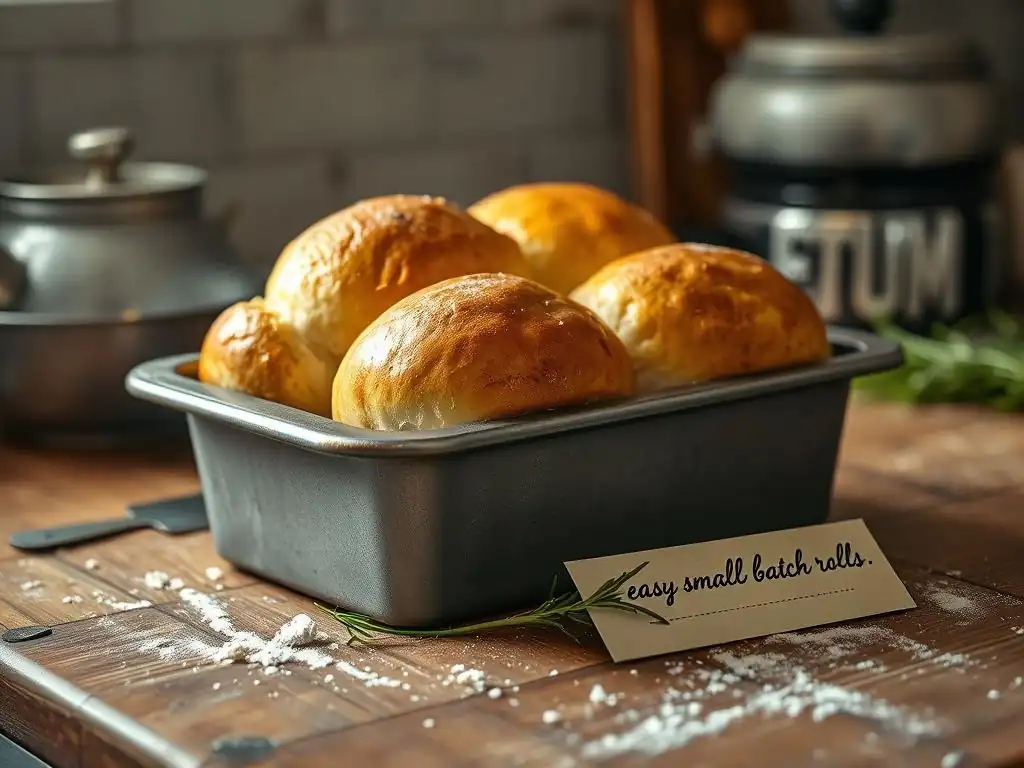
Even when following a recipe for easy small batch rolls, sometimes things don't go exactly as planned. Understanding common issues and how to troubleshoot them can save your bake and help you learn for next time. Don't be discouraged by imperfect results; baking is a skill that improves with practice.
Identifying the potential causes behind problems like dense or flat rolls will empower you to make adjustments and achieve better outcomes with your subsequent easy small batch rolls.
Dense Rolls: Causes and Solutions
Dense easy small batch rolls are a common issue and usually point to problems with rising or gluten development.
- Possible Causes:
- Inactive yeast: Yeast that is too old or killed by hot liquid won't produce enough gas for rising.
- Not enough kneading: Insufficient gluten development means the dough can't trap the gas produced by the yeast.
- Insufficient rising time: Dough didn't have enough time in either the first or second rise to double in size.
- Too much flour: Excess flour makes the dough stiff and inhibits rising.
- Liquid too cold: Slows down or stops yeast activity.
- Solutions:
- Always check yeast activity, especially active dry yeast, by proofing it in warm liquid with sugar. It should foam within 10 minutes.
- Knead until the dough is smooth and elastic (8-10 min by hand, 5-7 min by mixer).
- Allow adequate time for rising in a warm place. Watch the dough's size, not just the clock.
- Measure flour accurately, preferably by weight. The dough should be soft and slightly tacky.
- Ensure liquid is within the correct temperature range (105°F-115°F for active dry).
For instance, if your dough barely rose after 90 minutes in a supposedly warm spot, check the actual temperature of the liquid you used initially. If it was below 100°F, the yeast was likely sluggish. If the dough felt very stiff after mixing, you might have added too much flour relative to the liquid.
Flat Rolls: Troubleshooting Lack of Rise
Flat easy small batch rolls are similar to dense rolls in that they lack sufficient leavening, but often indicate a more complete failure in rising.
- Possible Causes:
- Dead yeast: This is the most common cause of completely flat bread.
- Liquid too hot: Kills the yeast instantly.
- Salt in direct contact with yeast: Inhibits yeast activity.
- Over-proofing: Dough rose too much and then collapsed before or during baking.
- Solutions:
- Always check yeast expiration dates and proof active dry yeast.
- Ensure liquid temperature is correct (below 120°F/50°C is generally safe, 105°F-115°F/40°C-46°C is optimal for active dry).
- Add salt after the yeast has been mixed with liquid or ensure it's mixed into the flour before combining with wet ingredients.
- Monitor the second rise carefully. If rolls look overly puffy and fragile, they might be over-proofing. Bake them promptly when they pass the gentle poke test (indentation springs back slowly).
If your dough didn't rise at all after the first rise, it's almost certain the yeast was inactive or killed. If it rose well the first time but flattened during the second rise or in the oven, over-proofing is a likely culprit.
Over-Browned Rolls: Preventing Burning
Over-browned or burnt tops or bottoms on your easy small batch rolls can happen even if the inside is perfectly cooked. This is usually related to oven temperature or placement.
- Possible Causes:
- Oven temperature is too high.
- Rolls are placed too close to a heating element.
- Baking time is too long for the temperature.
- Too much sugar or milk in the recipe (these promote browning).
- Solutions:
- Use an oven thermometer to verify your oven's actual temperature. Adjust your oven dial accordingly if it runs hot.
- Bake on the middle rack. Avoid placing the tray on the lowest rack if the bottom element is strong, or the highest rack if the top element is aggressive.
- Check the rolls for doneness (internal temp 190-200°F) at the lower end of the recipe's suggested baking time.
- If tops are browning too quickly, loosely tent the rolls with aluminum foil for the remainder of the baking time.
For example, if the bottoms of your easy small batch rolls consistently burn, try moving the oven rack up one level or using a lighter-colored baking sheet (darker pans absorb more heat). If the tops brown too fast, your oven might be running hot, or the top element is strong; tenting with foil is the simplest fix.
Serving Suggestions: Pairing Your Small Batch Rolls
Easy small batch rolls are incredibly versatile and can complement a wide variety of meals or be enjoyed on their own. Their warm, soft nature makes them a comforting addition to almost any plate.
Thinking about how to serve your easy small batch rolls can inspire your baking and meal planning. From simple butter to creative uses for leftovers, these rolls offer many delicious possibilities.
Perfect Pairings: Complementing Meals with Fresh Rolls
Warm easy small batch rolls are a classic accompaniment to numerous dishes.
- Soups and Stews: Dunking a soft roll into a hearty soup or stew is incredibly satisfying. Think tomato soup, beef stew, or chicken noodle.
- Salads: A warm roll on the side elevates a simple salad into a more substantial meal. A green salad with vinaigrette or a chicken salad sandwich filling served alongside a roll works well.
- Pasta Dishes: Use the rolls to soak up delicious sauces from pasta dishes like spaghetti bolognese or chicken alfredo.
- Dinner Sides: Serve alongside roasted chicken, steak, pork chops, or any main course as a comforting bread option.
The beauty of easy small batch rolls is that you can bake them fresh to perfectly match the meal you're preparing, ensuring you have just the right amount of warm bread to go around.
Creative Uses: Turning Leftover Rolls into Delicious Dishes
Even with easy small batch rolls, you might occasionally have one or two left over. Don't let them go to waste! Slightly stale rolls can be transformed into new delicious dishes.
- Garlic Bread: Slice the rolls horizontally, spread with garlic butter (melted butter mixed with minced garlic and parsley), and bake until golden and fragrant.
- Croutons: Cube the rolls, toss with olive oil and seasonings, and bake until crispy. Perfect for salads or soups.
- Bread Pudding: Stale rolls can be cubed and used in sweet or savory bread pudding recipes.
- Breadcrumbs: Pulse dried-out rolls in a food processor to make fresh breadcrumbs for coating cutlets or topping casseroles.
Having a small number of leftover easy small batch rolls makes these creative uses simple and quick, preventing food waste and offering another way to enjoy your homemade bread.
Conclusion: Mastering Easy Small Batch Rolls for Baking Success
Baking easy small batch rolls is a wonderfully rewarding experience that brings the joy of fresh, warm bread within easy reach for individuals and small households. It's a practical skill that minimizes waste, encourages experimentation, and allows you to enjoy homemade rolls more frequently without the commitment of a large bake.
By understanding the key ingredients, following the simple steps, and applying a few helpful tips and troubleshooting techniques, you can consistently bake soft, delicious easy small batch rolls. Whether you stick to the classic recipe or venture into flavorful variations, mastering this small-scale baking process is a significant step towards baking success and enjoying the simple pleasure of warm bread anytime you desire. Happy baking your easy small batch rolls!
Frequently Asked Questions
How do I ensure my small batch rolls are light and fluffy?
Using high-quality flour and allowing the dough to rise properly are crucial. Don't overmix the dough, as this can lead to tough rolls.
What's the best way to store leftover small batch rolls?
Store them in an airtight container at room temperature for up to two days. For longer storage, freeze them in a freezer-safe bag.
Can I substitute ingredients in the "Easy Small Batch Rolls" recipe?
While some substitutions are possible, changing key ingredients like flour or yeast can affect the final result. Try small adjustments first.
What if I don't have active dry yeast? Can I use instant yeast?
Yes, you can substitute instant yeast for active dry yeast. There's no need to proof instant yeast beforehand.
How can I prevent my small batch rolls from drying out during baking?
Brushing the tops with melted butter before baking helps to retain moisture. You can also place a pan of water in the oven.
Final Reflection: The Joy of the Perfectly Sized Loaf
The humble dinner roll, often overlooked, holds a surprising power to elevate the everyday. From simple weeknight meals to celebratory feasts, the right roll can transform a dining experience. This article explored the ease and satisfaction of baking small batch rolls, proving that perfect, fluffy bread isn't reserved for professional bakers or large gatherings.
The impact of small-batch baking extends beyond the kitchen table. It's a mindful practice, a connection to a simpler time, and a celebration of resourcefulness. It's about savoring the process, from the gentle kneading to the intoxicating aroma filling your home. As someone who has always found joy in baking, I've discovered that the small-batch approach allows for experimentation and reduces food waste, aligning perfectly with current trends towards sustainability and mindful consumption. The best things in life are the simple things.
This rings especially true when it comes to the pleasure of freshly baked bread, perfectly portioned for your needs.
Now, I invite you to consider the possibilities. Try your hand at a small batch of rolls. Embrace the simplicity, the control, and the delicious reward. Don't be intimidated by the idea of baking; this is a journey of discovery, a chance to connect with the process and create something beautiful, one perfectly sized roll at a time. Let the aroma and the taste transport you, reminding you of the simple joys that enrich our lives.
Unleash Your Inner Baker: Perfect Small Batch Rolls Await!
Thanks for joining us on this baking adventure! We hope you now feel confident in tackling delicious, perfectly portioned rolls. Ready to roll up your sleeves and get baking?
- Bake your first batch of small batch rolls today! Use the recipe from the article as a springboard – experiment with different herbs, cheeses, or even sweet additions.
- Share your baking triumphs (and even your flops!) with us on social media using #BakeWithEaseSmallBatch. Let's inspire each other!
- Consider what small batch recipes you'd like to see next! What are you craving? Let us know in the comments!
Ready to discover the joy of perfectly sized, perfectly delicious rolls? What’s your favorite small-batch baking project?