
Fat in Bread: What Happens When It's Wrong

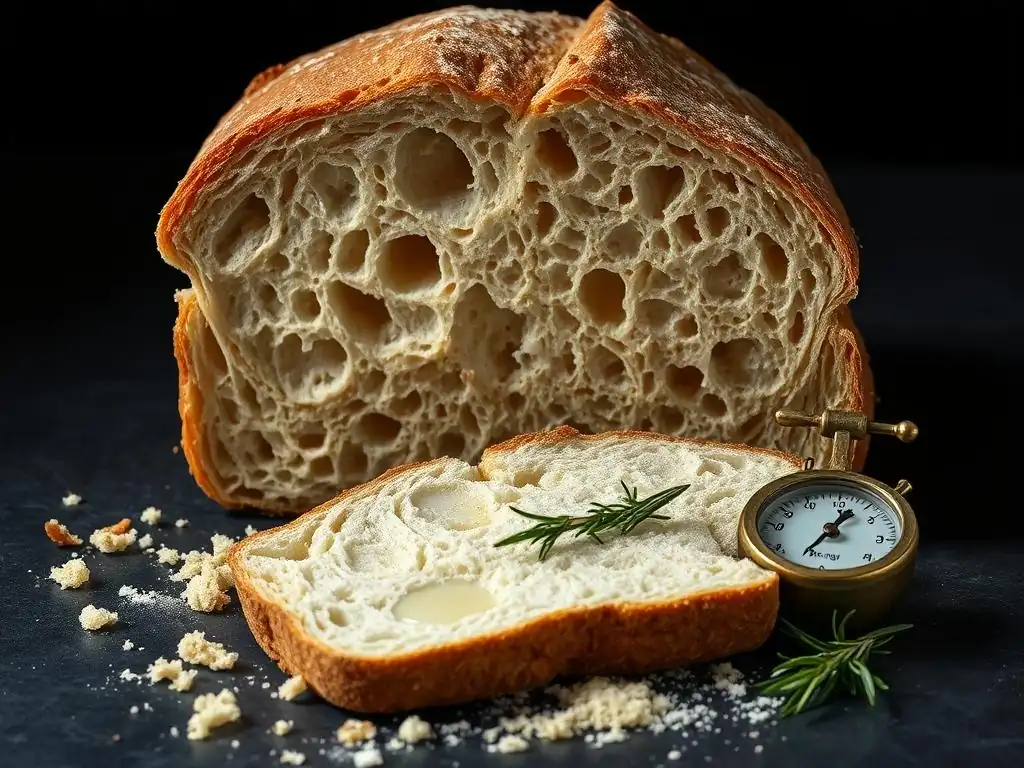
Welcome to BakeWithEase, your guide to confident baking! Ever wondered exactly how much fat in bread is the magic number? Get ready to unlock the secrets to perfect texture and flavor. Discover what happens when you get it wrong and how to avoid common pitfalls in our latest article. Explore simple solutions and elevate your bread baking game today!
- Fat in Bread: Achieving Perfect Texture and Flavor
- Introduction to Fat in Bread Baking
- Optimal Fat Ratios for Various Bread Types
- Common Fats in Bread Making and Their Impact
- Consequences of Excessive Fat in Bread Dough
- Consequences of Insufficient Fat in Bread Dough
- Troubleshooting Fat-Related Issues in Bread Dough
- Techniques for Proper Fat Incorporation
- Advanced Techniques: Fat for Specialized Bread Characteristics
- Recipes Demonstrating Balanced Fat Content
- Conclusion: The Art of Balancing Fat for Baking Excellence
- Frequently Asked Questions
- Final Reflection: The Unsung Role of Fat in Our Daily Bread
- Unleash Your Inner Baker: Master the Art of Fat in Bread
Fat in Bread: Achieving Perfect Texture and Flavor
Introduction to Fat in Bread Baking
The Vital Role of Fat: Beyond Flavor Enhancement
Fat plays a surprisingly complex and vital role in bread baking that extends far beyond simply adding flavor. While butter, olive oil, or other fats certainly contribute to the taste profile, their primary function in dough is structural and textural. Fat coats the gluten strands, inhibiting their full development. This might sound counterintuitive, but for many bread types, this is exactly what you want. By interfering with gluten formation, fat tenderizes the crumb, creating a softer, more delicate texture that is highly desirable in enriched breads like challah or brioche.
Moreover, fat contributes significantly to the moisture retention in baked bread. It helps to keep the crumb soft and delays staling, meaning your loaf stays fresh and palatable for longer. Fat also aids in crust development, promoting even browning and contributing to a desirable crispness or softness depending on the type and amount used. Understanding how much fat in bread dough is crucial for controlling these outcomes, ensuring your final product has the intended texture and shelf life.
Understanding Bread Fat: A Comprehensive Guide
When we talk about fat in bread, we're referring to any lipid added to the dough. This can be solid fats like butter, shortening, or lard, or liquid fats like olive oil, vegetable oil, or melted butter. The type of fat used significantly impacts the final result. Solid fats, particularly butter, contribute to flakiness and richness, often used in pastries or enriched breads. Liquid fats, like olive oil, tend to produce a more open crumb and contribute moisture, common in Mediterranean-style loaves such as focaccia or ciabatta.
The amount of fat is equally critical. Recipes range dramatically in fat content, from lean doughs with minimal or no added fat (like a classic French baguette) to highly enriched doughs where fat can constitute 20%, 30%, or even 50% or more of the flour weight (as seen in brioche or some sweet breads). Knowing how much fat in bread recipes is standard for different styles is key to successful baking. Too little fat results in a dry, tough loaf, while too much can completely inhibit gluten development, leading to a dense, heavy, and greasy bread.
Optimal Fat Ratios for Various Bread Types
Lean Doughs vs. Enriched Doughs: Fat Percentage Differences
The most fundamental distinction in bread doughs regarding fat is between lean and enriched varieties. Lean doughs contain very little or no added fat, typically less than 2% of the flour weight. Examples include baguettes, ciabatta, and standard crusty loaves. Their structure relies almost entirely on strong gluten development and proper fermentation to achieve an open, airy crumb and a crisp crust. The minimal fat content allows gluten to form long, strong networks easily.
Enriched doughs, on the other hand, contain significant amounts of fat, along with other enrichments like eggs, milk, and sugar. The fat content in these doughs can range from 5% to over 50% of the flour weight. A slightly enriched dough for sandwich bread might have 5-10% fat, while a rich challah could be 10-20%, and a classic brioche often contains 25-50% or even more butter.
This higher fat percentage inhibits gluten development, resulting in a tender, soft, and often rich crumb. Understanding how much fat in bread defines its category (lean vs. enriched) is the first step in mastering different bread styles.
Calculating Fat Content: A Baker's Percentage Approach
In baking, ingredients are often measured using "baker's percentages," where each ingredient's weight is expressed as a percentage of the flour weight, which is always set at 100%. This system is invaluable for understanding ingredient ratios, including how much fat in bread dough is present relative to the flour. The formula is simple: (Weight of Ingredient / Weight of Flour) * 100 = Ingredient Percentage.
For example, if a recipe uses 500 grams of flour and 50 grams of butter, the fat percentage is (50g / 500g) * 100 = 10%. This means the dough contains 10% fat relative to the flour. Comparing recipes using baker's percentages allows bakers to easily see how much fat in bread varies between different types and to adjust recipes confidently. A lean baguette dough might have 0% fat, a simple sandwich loaf 5%, and a decadent brioche 30% or higher, all easily quantifiable using this method.
Common Fats in Bread Making and Their Impact
Butter: Richness, Flavor, and Tender Crumb
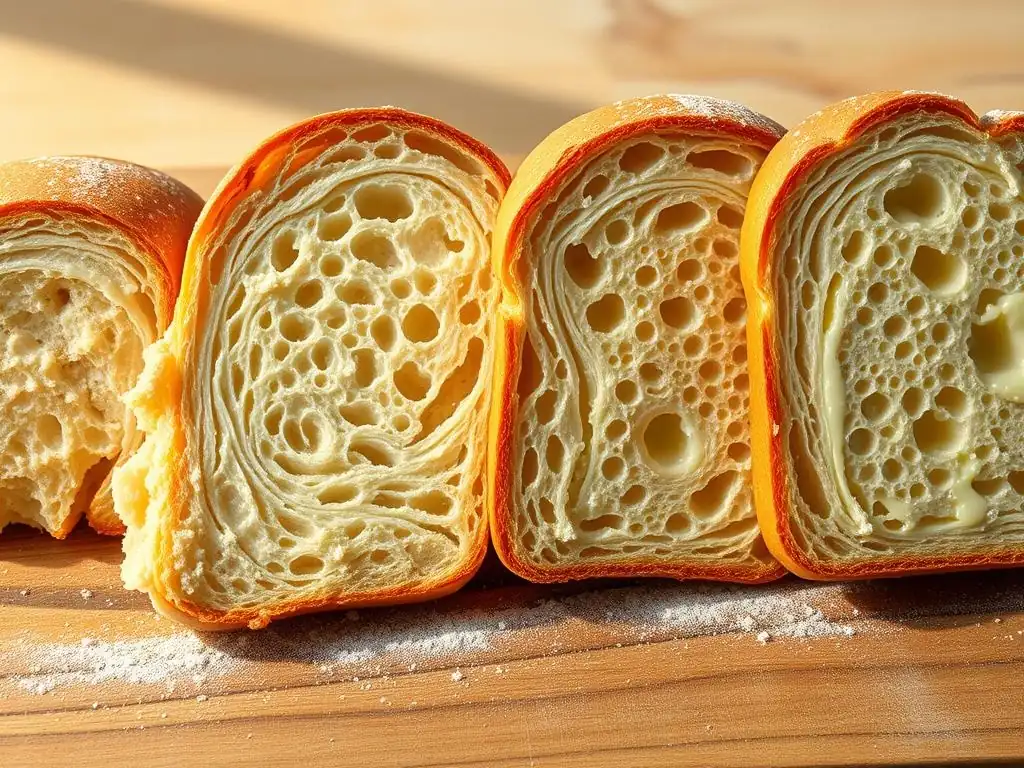
Butter is arguably the most popular fat for enriched bread doughs, and for good reason. Its unique composition, containing both fat and water, and its distinct flavor profile contribute significantly to the final product. When butter is incorporated into dough, the fat coats the gluten strands, while the water evaporates during baking, creating steam that helps the bread rise and contributes to a tender crumb. The milk solids in butter also aid in browning, giving the crust a beautiful golden hue.
Using butter is key for breads where richness and a soft, melt-in-your-mouth texture are desired, such as brioche, challah, and dinner rolls. The amount of butter (and thus, how much fat in bread) directly correlates with the richness and tenderness; a brioche with 50% butter will be far more tender and flavorful than one with 20%. However, butter needs to be incorporated correctly – often softened or melted and added gradually – to ensure even distribution without inhibiting gluten development too severely, unless that is the explicit goal.
Olive Oil: Moistness, Mediterranean Flavor, and Extended Shelf Life
Olive oil is a staple fat in many Mediterranean bread traditions, lending a distinctive flavor and contributing to a moist, open crumb. Unlike butter, olive oil is a liquid fat at room temperature and is 100% fat (excluding trace elements). When added to dough, it integrates differently than solid fats, often promoting a more relaxed gluten structure which contributes to the characteristic open crumb found in breads like ciabatta or focaccia.
Beyond flavor, olive oil is excellent at retaining moisture in the bread, which helps extend its shelf life and keeps the crumb soft. Breads made with olive oil tend to stay fresh and moist for longer compared to lean breads. The amount of olive oil used can vary, but even a small percentage (say, 5-10%) can make a noticeable difference in texture and flavor. For focaccia, the surface is often generously drizzled with olive oil before baking, contributing to a crispy bottom and flavorful crust, showcasing how fat application methods also influence the final product.
Coconut Oil: Subtle Sweetness and Unique Texture
Coconut oil has gained popularity in baking, including bread making, partly due to its unique properties and as a plant-based alternative. Depending on the ambient temperature, coconut oil can be solid or liquid, which affects how it is incorporated into dough. Refined coconut oil has a neutral flavor, while unrefined (virgin) coconut oil imparts a distinct coconut aroma and subtle sweetness, which can be desirable in certain sweet or enriched bread recipes.
When used in bread, coconut oil contributes to a tender crumb similar to other fats. Its behavior during baking can be somewhat similar to butter, helping to create a light texture. Using coconut oil can be a great way to add richness to vegan bread recipes. The amount used, similar to other fats, will determine the degree of tenderness and richness. Bakers experimenting with how much fat in bread to use often find coconut oil provides an interesting alternative texture and flavor profile compared to traditional fats.
Consequences of Excessive Fat in Bread Dough
Inhibited Gluten Development: Understanding the Science
One of the most significant issues with excessive fat in bread dough is its detrimental effect on gluten development. Gluten is formed when two proteins in flour, glutenin and gliadin, combine with water and are developed through mixing and kneading. Fat, being hydrophobic (water-repelling), coats these protein strands, preventing them from fully hydrating and linking up to form a strong, elastic network. Imagine trying to build a structure with slippery, coated bricks – they won't bind together effectively.
When too much fat is present, this coating effect is so pervasive that the gluten network cannot develop sufficiently to support the dough's structure. This means the dough won't hold its shape well, won't trap fermentation gases efficiently, and will result in a bread with poor volume and a dense, heavy texture. Understanding this interaction is key to knowing how much fat in bread dough is too much for a desired outcome.
Dense and Greasy Bread: Identifying Over-Fatting
The most obvious symptoms of excessive fat are a dense crumb and a greasy texture. Because the gluten structure is underdeveloped, the dough doesn't rise properly during proofing or oven spring. The resulting bread lacks the open, airy structure characteristic of well-developed dough. Instead, the crumb is tight, heavy, and often feels wet or oily to the touch, sometimes leaving a greasy residue.
Visually, the loaf might appear squat or spread out rather than having a good height. The crust might also seem oily or fail to brown properly in some cases. If you've ever baked a loaf that came out feeling heavy like a brick and tasting overly rich or oily, you likely added too much fat for that particular recipe or bread type. Recognizing these signs helps diagnose the problem of having too much fat in bread dough.
Fermentation Challenges: Impact on Yeast Activity
Excessive fat can also negatively impact yeast activity and overall fermentation. While yeast primarily feeds on sugars, the presence of a large amount of fat can create a barrier within the dough, making it harder for the yeast to access the available food sources and for the carbon dioxide gas produced by fermentation to expand the dough evenly.
Furthermore, doughs with very high fat content can be slower to warm up and ferment due to the insulating properties of fat. This can lead to sluggish or incomplete fermentation, resulting in a dense, under-risen loaf. Proper fermentation is crucial for flavor development and texture, so issues at this stage caused by too much fat in bread dough can severely compromise the final result.
Consequences of Insufficient Fat in Bread Dough
Dry and Crumbly Texture: A Common Problem
Just as too much fat causes issues, not having enough fat can also ruin a loaf. One of the most common consequences of insufficient fat, especially in recipes that are meant to be enriched, is a dry and crumbly texture. Fat contributes moisture and tenderness by coating gluten strands and interfering with excessive gluten development. When fat is lacking where it should be, the gluten can become too strong and tight, leading to a tough crumb.
Without the lubricating effect of fat, the bread can feel dry in the mouth and easily fall apart when sliced or handled. This is particularly noticeable in recipes for rolls, sandwich bread, or sweet breads that are expected to be soft and tender. If your enriched bread comes out feeling like sawdust or crumbling into pieces, it's a strong indicator that you didn't include enough fat in bread dough relative to the flour.
Accelerated Staling: Reduced Bread Freshness
Fat plays a crucial role in delaying the staling process in bread. Staling isn't primarily about moisture loss (though that contributes) but rather the recrystallization of starch molecules within the crumb. Fat interferes with this process, keeping the starch molecules more pliable and preventing them from becoming rigid and hard.
Breads made with insufficient fat, therefore, tend to stale much faster. They can become hard, dry, and unpalatable within a day or two after baking, losing their desirable texture and freshness rapidly. If you want your homemade bread to stay soft and edible for several days, ensuring the correct amount of fat in bread, especially for sandwich loaves or rolls, is essential for extending its shelf life.
Tough Crust: Lack of Fat's Tenderizing Effect
While fat inhibits gluten development in the crumb, it also has an effect on the crust. In enriched doughs, fat contributes to a softer, more pliable crust. Think of the soft crust on a challah or brioche roll compared to the crackly crust on a baguette (which has no fat).
When fat is insufficient in a dough meant to produce a soft crust, the crust can become overly tough and chewy. This is because the fat isn't there to provide its tenderizing effect during baking. The crust might also brown unevenly or develop a less appealing texture. Therefore, achieving the desired crust texture, whether soft or crisp, depends partly on getting the right amount of fat in bread dough for that specific style.
Recognizing Imbalances: Identifying Visual and Tactile Cues
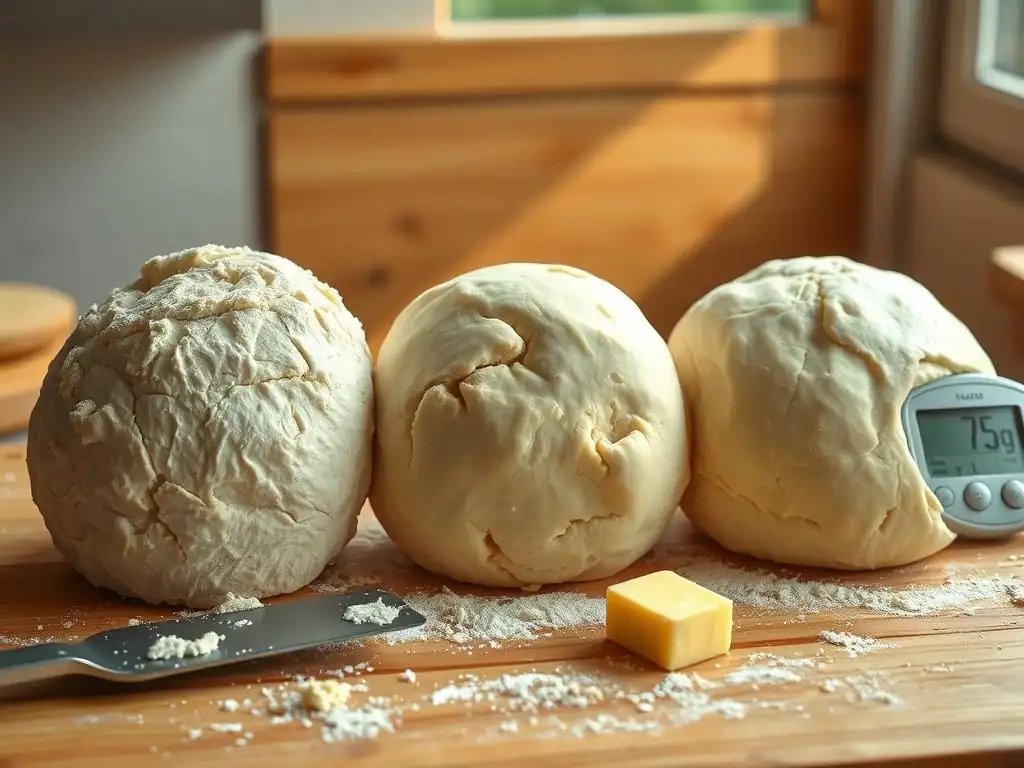
Identifying fat imbalances often comes down to observing and feeling the dough and the final baked bread. During mixing and kneading, dough with too much fat might feel greasy and slack, lacking the elasticity of well-developed gluten. It might also be difficult to knead properly as the fat prevents the gluten from forming strong bonds. Dough with too little fat (in an enriched recipe) might feel overly tight and tough, resisting stretching.
After baking, as discussed, excessive fat leads to a dense, greasy, low-volume loaf. Insufficient fat results in a dry, crumbly, tough bread that stales quickly. Pay attention to these sensory cues – how the dough feels, how it rises, and how the final bread looks and tastes – to diagnose whether the issue relates to how much fat in bread you used.
Adjusting Recipes: Correcting Fat Ratios Post-Bake
Once you've identified a potential fat imbalance based on your results, the solution lies in adjusting the recipe for future bakes. This isn't about fixing a batch after it's baked, but learning from it. If your enriched bread was dense and greasy, reduce the amount of fat slightly in the next batch. If it was dry and crumbly, increase the fat percentage.
Keep a baking journal! Note the recipe, the amount of fat used (perhaps calculating the baker's percentage), and the outcome. This systematic approach helps you pinpoint the optimal amount of fat in bread for your specific recipe, flour, and desired result. Small adjustments, like changing the fat by 1-2% of the flour weight, can make a significant difference.
Accurate Measurement: The Cornerstone of Success
Many baking issues, including fat imbalances, stem from inaccurate measurements. Baking is often a science, and precise ratios are critical, especially when it comes to ingredients like fat that have such a profound impact on texture. Using a kitchen scale to weigh ingredients, particularly flour and fat, is far more accurate than using volume measurements (cups).
For example, a cup of flour can vary significantly in weight depending on how packed it is, and a cup of butter can vary slightly depending on temperature. Weighing ensures you are using the exact amount specified in the recipe, giving you control over how much fat in bread dough you are actually adding. This simple step can prevent many common troubleshooting headaches and lead to more consistent, successful results.
Techniques for Proper Fat Incorporation
Optimal Timing: When to Add Fat During Mixing
The timing of adding fat to bread dough is critical and depends largely on the type of dough and the desired outcome. For lean doughs with minimal fat (like a splash of olive oil), it can often be added early in the mixing process. However, for enriched doughs, especially those with high fat percentages like brioche, adding fat too early can prevent gluten development from happening at all.
In enriched doughs, it's common practice to develop the gluten structure first, or at least partially, before incorporating the fat. This is often done by mixing the flour, water (or milk), yeast, and sometimes eggs and sugar until a nascent gluten network begins to form.
Then, the softened or melted fat (like butter) is added gradually, often piece by piece or in a slow stream, allowing it to be fully absorbed by the dough before adding more. This method ensures that some gluten structure is in place before the fat inhibits further development, resulting in a stronger yet tender crumb.
Even Distribution: Mixing Methods for Consistent Results
Ensuring fat is evenly distributed throughout the dough is essential for consistent texture. If fat is not mixed in properly, you can end up with pockets of fat in the baked bread or areas with different textures. The gradual addition method mentioned above helps with this, allowing the mixer (or your hands) to work the fat into the dough thoroughly.
Using a stand mixer is often the easiest way to achieve even fat distribution, particularly in high-fat doughs, as it can handle the sticky, rich dough while effectively incorporating the fat. For lower-fat doughs or when mixing by hand, ensure the fat is fully incorporated and no streaks or lumps remain before proceeding with fermentation. The dough should feel smooth and homogenous. This careful incorporation is key to controlling how much fat in bread affects its final texture.
Dough Temperature: Its Influence on Fat Incorporation
Dough temperature plays a role in how easily fat is incorporated. For solid fats like butter, using softened butter (around 65-70°F or 18-21°C) is usually recommended for enriched doughs. Butter that is too cold will be difficult to incorporate evenly, potentially leaving lumps. Butter that is too warm or melted can make the dough overly greasy and difficult to handle, and it can also affect the overall dough temperature, potentially speeding up fermentation too much.
Maintaining the correct dough temperature throughout mixing and fermentation is crucial for successful bread baking, and the temperature of the added fat contributes to this. Aiming for a final dough temperature around 75-80°F (24-27°C) is a common target for many yeast doughs, and the fat's temperature should be considered when calculating your water temperature to hit this target.
Advanced Techniques: Fat for Specialized Bread Characteristics
Achieving a Soft Crumb: Enriched Dough Strategies
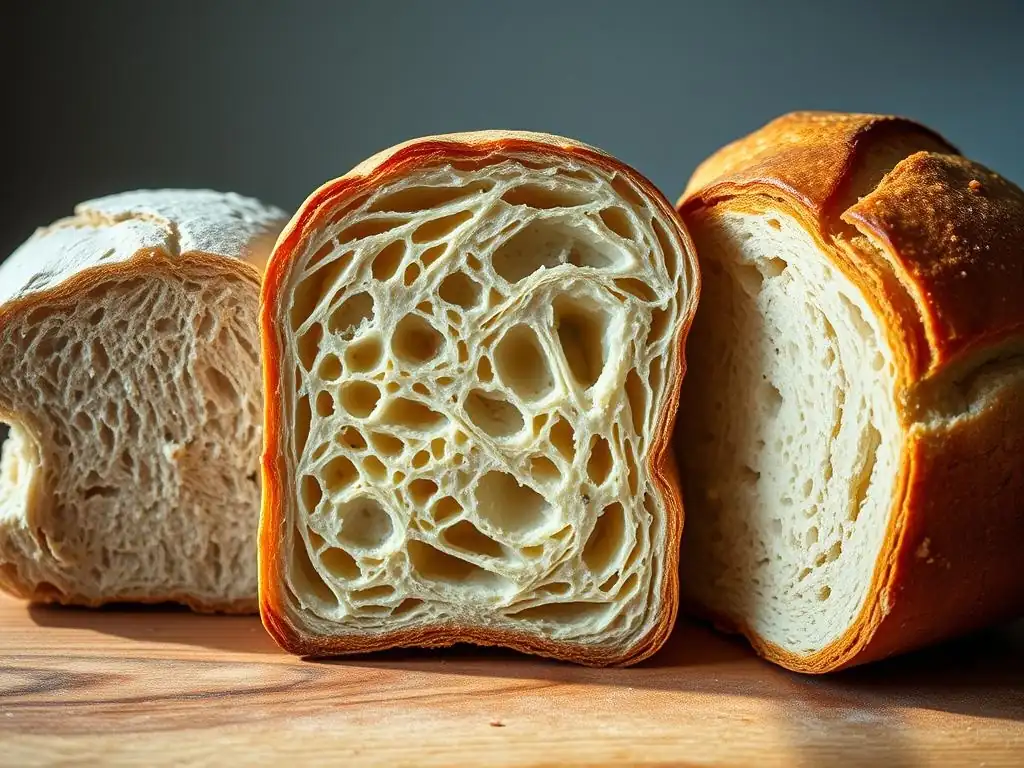
For breads where a soft, pillowy crumb is the primary goal, such as Pullman loaves, sandwich bread, or sweet rolls, mastering enriched dough techniques is key. This involves using a significant amount of fat (typically 5-15% for sandwich loaves, higher for rolls) along with other enrichments like milk, sugar, and eggs. The fat inhibits excessive gluten development, resulting in a tender crumb that resists toughness.
Techniques like the Tangzhong or Yudane method (pre-cooking a portion of the flour with liquid) are often combined with enriched doughs. These methods gelatinize starches, allowing the dough to hold more moisture. When combined with the tenderizing effect of fat, they produce extraordinarily soft and moist breads with extended shelf life. Understanding how much fat in bread, combined with these techniques, creates this desirable softness is an advanced but rewarding aspect of baking.
Flavor Amplification: Selecting Fats to Complement Ingredients
While fat's structural role is primary, its flavor contribution should not be overlooked, especially in enriched breads. Choosing the right fat can amplify other flavors in the bread or add its own delicious notes. For instance, using good quality olive oil in a ciabatta or focaccia enhances the Mediterranean character. Using butter in a brioche provides a rich, dairy flavor that pairs wonderfully with sugar and eggs.
Consider the overall flavor profile you want to achieve. For a neutral base, vegetable oil or refined coconut oil might be suitable. For richness and classic baked goods flavor, butter is often the best choice. For specific regional styles, use the traditional fat (e.g., lard in some rustic loaves, olive oil in Italian breads). Experimenting with different fats and how much fat in bread works best for various flavor profiles is part of the art of baking.
Brown Butter: Enhancing Nutty Flavors in Baked Goods
Taking fat usage a step further, browning butter before adding it to a dough can introduce complex, nutty, and caramel-like flavors. This technique involves gently melting butter and cooking it past the point of just melting until the milk solids toast and turn brown, creating a fragrant, flavorful liquid fat.
Brown butter works exceptionally well in enriched doughs for sweet rolls, cakes, or muffins where its deep flavor can shine. While the amount of fat (how much fat in bread) remains the same as using regular butter, the flavor profile is dramatically altered. It's a simple technique that adds a layer of sophistication to baked goods, demonstrating that the preparation of the fat can be just as important as the amount and type.
Recipes Demonstrating Balanced Fat Content
Brioche - A Classic Enriched Dough
Brioche is the quintessential example of an enriched dough with a high fat content, typically ranging from 25% to 50% or even more butter based on flour weight. This high percentage of butter is what gives brioche its incredibly tender, soft, and rich crumb, distinct from lean breads. A standard brioche recipe might use 500g flour and 250g butter (50% fat).
The process usually involves developing the dough with flour, yeast, eggs, milk, and sugar first, then gradually incorporating the softened butter until the dough is smooth, elastic, and glossy. This high fat content inhibits gluten development compared to a lean dough, resulting in a structure that relies more on the network formed by fat, eggs, and starch for its signature tenderness and volume. The generous amount of butter also contributes significantly to the golden crust and extended freshness. Understanding how much fat in bread like brioche dictates its luxurious texture is key to mastering this classic.
Ciabatta - Utilizing Olive Oil for Open Crumb
Ciabatta, meaning "slipper" in Italian, is known for its rustic appearance, crispy crust, and large, irregular holes in the crumb. Unlike brioche, ciabatta is a relatively lean dough, but it typically includes a moderate amount of olive oil, often ranging from 5% to 10% of the flour weight. While this is far less fat than brioche, it plays a crucial role in achieving the desired texture.
The olive oil in ciabatta dough helps to relax the gluten network slightly, contributing to the dough's extensibility and promoting the formation of the characteristic open crumb structure. It also adds moisture and flavor. A typical ciabatta recipe might use 500g flour and 30-50g olive oil (6-10% fat). The dough is often very wet and requires minimal handling and long, slow fermentation to develop flavor and structure, with the olive oil facilitating the desired internal texture. This contrasts sharply with how much fat in bread like brioche functions, highlighting the diverse roles fat plays.
Conclusion: The Art of Balancing Fat for Baking Excellence
Key Insights: Achieving Consistent and Desirable Results
Mastering the use of fat in bread baking is a cornerstone of achieving consistent and desirable results. We've seen that fat is not just about flavor; it's a powerful ingredient that fundamentally alters dough structure, texture, and shelf life. The type of fat, the amount used (how much fat in bread relative to flour), and the method and timing of its incorporation all play critical roles in the final outcome.
From the crisp crust and open crumb of lean, fat-free baguettes to the tender richness of high-fat brioche, the amount and type of fat are defining characteristics. Understanding the science behind how fat interacts with gluten and yeast allows bakers to predict and control the results. Accurate measurement and careful observation of the dough during mixing and fermentation are essential steps in troubleshooting and refining your recipes.
Further Exploration: Resources for Mastering Bread Baking
The journey to mastering bread baking, including the nuanced role of fat, is ongoing. There are countless resources available to deepen your knowledge and skills. Exploring detailed baking books that delve into the science of ingredients, practicing recipes with varying fat percentages, and joining online communities or classes can provide invaluable insights.
Experiment with different types and amounts of fat in familiar recipes to see the effects firsthand. Try making a standard white loaf with no added fat, then with 5% butter, and then with 10% olive oil, observing how the dough handles and how the final bread differs in texture and flavor. This hands-on experimentation, combined with theoretical knowledge about how much fat in bread impacts its characteristics, is the best way to truly understand and control this vital ingredient.
Frequently Asked Questions
How does the amount of fat affect the texture of bread?
Fat significantly impacts bread's texture. Too little fat can result in a dry and tough crumb, while too much can make the bread dense and greasy. The right amount contributes to softness and tenderness.
What types of fat are commonly used in bread making?
Various fats can be used, including butter, oil, shortening, and even dairy products like milk and cream. The choice depends on the desired flavor and texture. Each fat type contributes its unique characteristics to the final product.
What happens if I accidentally add too much fat to my bread dough?
Excess fat can inhibit gluten development, resulting in a flat, dense loaf. The bread may also have an unpleasant greasy texture and a less desirable rise.
Can I substitute different types of fat in a bread recipe?
Yes, but with caution! Substituting fats can alter the flavor and texture. Consider the fat's melting point and flavor profile before making a change. Some substitutions require adjustments to liquid content.
How does fat contribute to the flavor of bread?
Fat carries and enhances flavor. Butter, for example, adds a rich, buttery taste. Even neutral oils contribute to a subtle richness that complements other ingredients.
Final Reflection: The Unsung Role of Fat in Our Daily Bread
The seemingly simple question of "how much fat in bread" unveils a complex interplay of texture, flavor, and nutritional value that significantly impacts our daily lives. Understanding this relationship isn't just about calorie counting; it's about appreciating the artistry and science behind a staple food that has sustained humanity for millennia. The right amount of fat contributes to a satisfying eating experience, while the wrong amount can lead to disappointment – or worse, health concerns.
This exploration into the world of bread fats has highlighted the often-overlooked impact of seemingly minor ingredients on our overall culinary experience and well-being. The subtle nuances of texture, from a delightfully chewy crust to a disappointingly dense crumb, are directly linked to the type and quantity of fat used. Bread is the staff of life,
as the saying goes, and understanding the ingredients that shape that staff allows us to appreciate the craft and science behind its creation, and to make more informed choices about what we consume.
Now, consider your own relationship with bread. What kind of bread do you prefer? Do you notice the difference in texture and taste when comparing various loaves? I encourage you to take a moment to reflect on your bread choices, to explore the ingredients listed on the packaging, and to appreciate the intricate balance of fats that contribute to the enjoyment of this everyday staple. By understanding the role of fat in bread, you can make more conscious decisions, leading to a more satisfying and potentially healthier relationship with this fundamental food.
Here's a CTA tailored for the article "Fat in Bread: What Happens When It's Wrong" on BakeWithEase.com:
Unleash Your Inner Baker: Master the Art of Fat in Bread
Thanks for exploring the crucial role of fat in baking with us! You've now unlocked a key to creating perfectly textured loaves. Ready to put this knowledge into action?
- Experiment with different fats: Try substituting the fat in your favorite bread recipe with something new – olive oil, avocado oil, even rendered bacon fat! Note the texture and taste differences. This is your chance to become a true bread wizard!
- Share your baking triumphs (and challenges!): Let’s build a community of bread enthusiasts. Post your results and questions in the comments below!
- Dive deeper: Explore our comprehensive guide on bread baking techniques (link to hypothetical page on BakeWithEase.com).
What unexpected flavor or texture will your next bread creation unveil?