
Why Your Sourdough Rye Tastes Too Sour (Or Not Sour Enough)

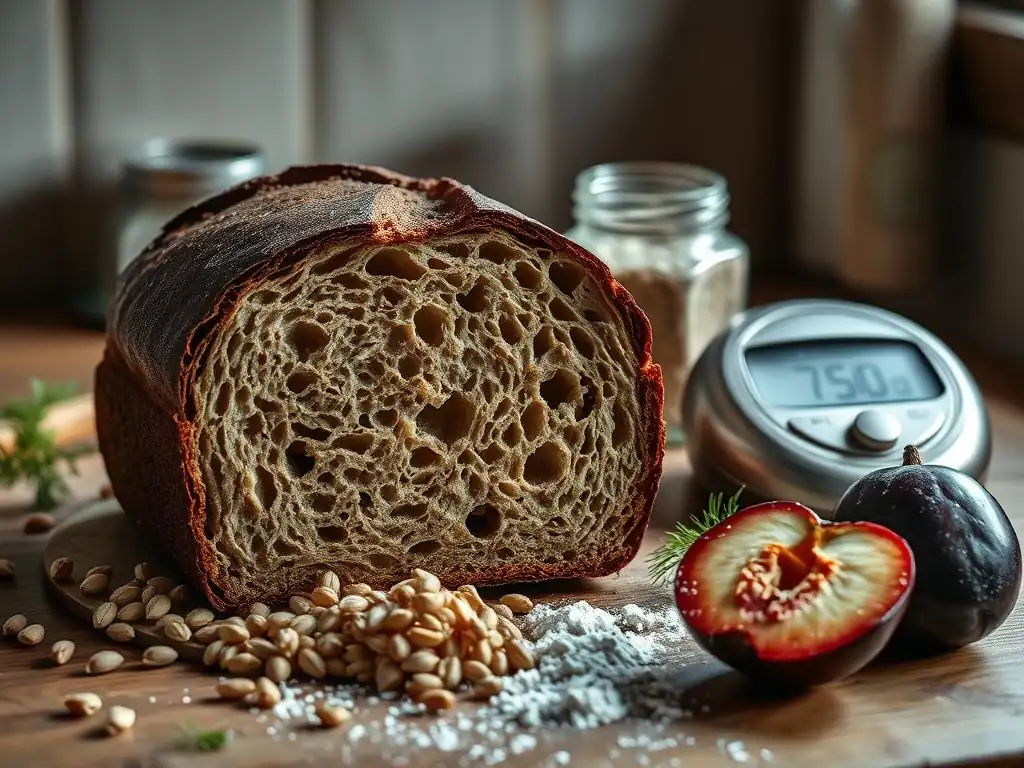
Welcome to BakeWithEase! Are you puzzled by the intensely sour flavor of your sourdough rye, or perhaps disappointed that it lacks the characteristic tang? Dive in as we unravel the mysteries behind sourdough fermentation in our latest article, "Why Your Sourdough Rye Tastes Too Sour (Or Not Sour Enough)." Discover the secrets to achieving the perfect balance of flavor, turning your baking adventures into delicious triumphs. Read on to learn how to control the sourness and elevate your rye bread to new heights!
- Understanding Sourdough Rye Sourness: A BakeWithEase Guide
- Decoding Sourdough Rye's Flavor Profile: Acidity Explained
- Troubleshooting: My Sourdough Rye is Too Sour!
- Troubleshooting: My Sourdough Rye Isn't Sour Enough!
- Mastering Sourdough Rye: Advanced Techniques for Flavor Control
- Sourdough Rye Flavor Experimentation: Beyond Sourness
- Achieving Perfect Sourdough Rye: Tips and Tricks from BakeWithEase
- Frequently Asked Questions
- Final Reflection: The Alchemy of Sourdough Rye
- Unleash Your Inner Bread Wizard: Master Your Sourdough Rye!
Understanding Sourdough Rye Sourness: A BakeWithEase Guide
Baking sourdough rye bread is a rewarding experience, yielding loaves with a distinct tang and earthy flavor profile. However, achieving the perfect balance of sourness can be a challenge. Many bakers struggle with their sourdough rye tasting too sour, while others find it surprisingly bland, lacking that signature tang. This guide from BakeWithEase will break down the factors influencing the acidity in your rye loaf, helping you troubleshoot common issues and master the art of flavorful sourdough rye.
The unique sourness in sourdough rye comes from the complex microbial activity within the starter and the dough. Unlike commercial yeast, a sourdough culture is a symbiotic community of wild yeasts and lactic acid bacteria (LAB). These microorganisms work together, fermenting sugars in the flour to produce carbon dioxide (which makes the bread rise) and various organic acids, primarily lactic acid and acetic acid.
The ratio and activity of these acids, along with the characteristics of rye flour itself, determine the final flavor, including whether your sourdough rye is too sour or just right. Understanding these microbial processes is key to controlling the outcome of your bake.
Decoding Sourdough Rye's Flavor Profile: Acidity Explained
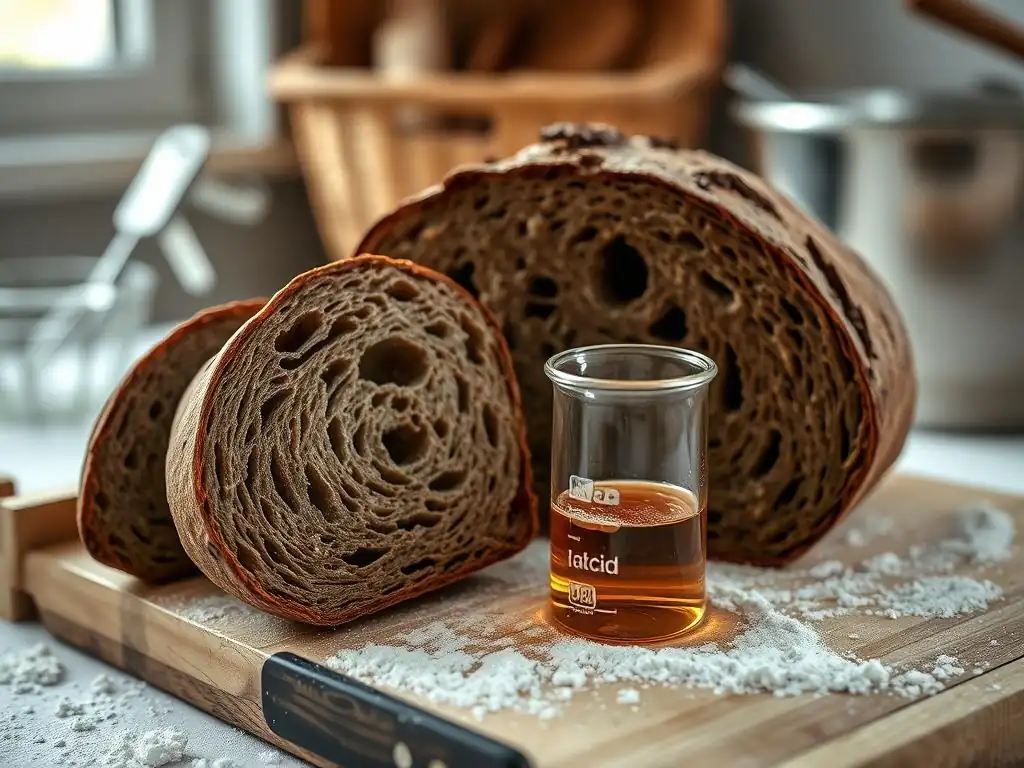
The characteristic tang of sourdough bread, especially sourdough rye, is a direct result of the acids produced during fermentation. While yeast is responsible for leavening, it's the activity of lactic acid bacteria that gives sourdough its distinctive flavor. Rye flour's unique composition, particularly its high levels of pentosans and soluble fibers, provides a rich food source that significantly influences the types and quantities of acids produced, often leading to a more pronounced sourness compared to wheat-based sourdoughs.
Pinpointing why your sourdough rye is too sour or not sour enough requires understanding the two main acids at play: lactic acid and acetic acid. Both contribute to the overall flavor, but they impart different types of sourness. Lactic acid is generally perceived as a milder, creamy, or yogurt-like sourness, while acetic acid has a sharper, more vinegary bite. The balance between these two acids is highly sensitive to fermentation conditions and the specific microbial makeup of your starter, which is why controlling your process is crucial for achieving your desired flavor.
The Role of Lactic Acid Bacteria (LAB) in Rye Sourdough
Lactic acid bacteria are prolific in sourdough starters, often outnumbering wild yeasts by a ratio of 100 to 1 or even higher. These microbes primarily convert sugars, particularly glucose and fructose, into lactic acid. In rye doughs, certain LAB species thrive due to the unique carbohydrate profile of rye flour. This prolific production of lactic acid contributes significantly to the overall acidity and the characteristic 'tang' of sourdough, often providing a smooth, rounded sour note that is less sharp than acetic acid.
Rye flour's composition, including its higher levels of non-starch polysaccharides like pentosans, makes it a favorable environment for specific types of heterofermentative LAB. These bacteria produce not only lactic acid but also acetic acid, ethanol, and carbon dioxide. However, under typical dough conditions (especially higher hydration and warmer temperatures), the production of lactic acid tends to dominate. If your sourdough rye is too sour with a predominantly milky or yogurty tang, it's likely that lactic acid production was particularly high, possibly due to extended warm fermentation.
Acetic Acid: Contributing to Sharpness in Rye Bread
Acetic acid is the other major acid produced in sourdough fermentation, contributing a sharper, more pungent, vinegary flavor. While some LAB species (heterofermentative ones) produce both lactic and acetic acid, the conditions under which fermentation occurs heavily influence the ratio. Acetic acid production is favored by cooler fermentation temperatures and lower hydration levels in the dough or starter. A stiff, cool starter, for example, will typically produce more acetic acid than a liquid, warm one.
If your sourdough rye tastes too sour with a noticeable vinegary bite, acetic acid is likely the dominant factor. This often occurs during long, cool fermentation periods, such as a cold proof in the refrigerator for 12-24 hours or more. While a touch of acetic acid adds complexity and depth to rye bread, too much can make the bread unpleasantly sharp. Understanding how temperature and hydration influence acetic acid production allows you to manipulate your process to achieve a more balanced flavor profile and avoid your sourdough rye being too sour in a vinegary way.
Malted Rye and its Impact on Sourness Intensity
Malted rye flour, or even small additions of diastatic malt powder derived from rye, can significantly impact the fermentation process and, consequently, the sourness of your bread. Malting activates enzymes, particularly amylase, which break down complex starches in the flour into simpler sugars. These readily available sugars provide abundant food for both yeast and lactic acid bacteria, often leading to a faster and more vigorous fermentation.
Increased enzymatic activity from malted rye means more sugars are available for conversion into acids. This can accelerate the rate of acid production, potentially leading to a more intensely sour flavor profile, especially if fermentation times are not adjusted. While malt adds a pleasant sweetness and helps with crust browning, it's important to be mindful of its effect on fermentation speed and acid development if you are trying to manage the sourness level and prevent your sourdough rye from being too sour.
Troubleshooting: My Sourdough Rye is Too Sour!
Finding your sourdough rye too sour is a common issue, but it's one you can definitely fix. The excess acidity usually stems from factors related to fermentation control and ingredient choices. By adjusting your process, you can dial back the sourness and achieve a more balanced flavor profile.
Let's look at the primary reasons why your sourdough rye might be overly sour and how to correct them. Often, the problem boils down to the duration and temperature of fermentation, the hydration of your dough, or even the type of rye flour you're using.
Over-Fermentation: The Primary Culprit of Excess Sourness
When sourdough dough ferments for too long, especially at warm temperatures, the microorganisms consume most of the available sugars and continue producing acids. This extended activity leads to a higher concentration of both lactic and acetic acids in the dough, resulting in a loaf that tastes excessively sour. Signs of over-fermentation include a dough that appears very bubbly, may start to collapse, and smells strongly of acid or alcohol. If your sourdough rye is too sour, over-fermentation is often the first thing to investigate.
The longer fermentation time allows the bacteria more opportunity to convert carbohydrates into acids. While some extended fermentation can develop complex flavors, pushing it too far tips the balance, making the sour notes overwhelming. For instance, a bulk ferment that should ideally last 4-6 hours might be extended to 8-10 hours, or a cold proof intended for 12 hours might go for 36 hours. These extended periods, particularly in warmer conditions, significantly increase acid production, making your sourdough rye too sour.
Adjusting Fermentation Time for Optimal Rye Flavor
To prevent your sourdough rye from being too sour due to over-fermentation, carefully monitor your dough's progress rather than strictly adhering to recipe times. Typical bulk fermentation for a rye sourdough might be around 3-6 hours at room temperature (around 70-75°F or 21-24°C), followed by a cold proof in the refrigerator for 8-12 hours. If your bread is consistently too sour, try reducing the bulk fermentation time by 30-60 minutes or shortening the cold proof by a few hours.
Pay attention to the dough's volume increase – a 30-50% increase during bulk fermentation is often sufficient for rye, which doesn't expand as much as wheat due to lower gluten. For the cold proof, observe the dough's readiness; it should look well-risen but not show signs of collapsing. Cutting back on these fermentation stages is a direct way to limit acid production and prevent your sourdough rye from being too sour.
Controlling Temperature During Sourdough Rye Fermentation
Temperature plays a critical role in determining the type of acid produced and the rate of fermentation. Warmer temperatures (above 75°F or 24°C) generally favor lactic acid production and faster fermentation, leading to a more pronounced, but potentially less sharp, sourness if fermentation is too long. Cooler temperatures (below 65°F or 18°C) slow down fermentation and favor acetic acid production, which gives a sharper, more vinegary taste. If your sourdough rye is too sour with a sharp bite, check if your fermentation environment is too cool or if your cold proof is excessively long.
If your sourdough rye is too sour and you suspect temperature is the issue, you have options. To reduce overall sourness from rapid acid production, ferment at slightly cooler room temperatures if your kitchen is very warm. If the sourness is specifically sharp and vinegary, your cold proof might be too cold or too long; try reducing the cold proof time or raising the refrigerator temperature slightly if possible, or consider a shorter room temperature proof instead. Experimenting with fermentation temperatures helps you control both the speed and the character of the sourness.
Hydration Levels: How They Affect Acid Production in Rye
The amount of water in your dough, known as hydration, significantly influences the activity of the microbes and the balance of lactic and acetic acids. Higher hydration doughs (typically 80% or more) tend to favor lactic acid bacteria and promote the production of lactic acid, resulting in a milder, creamy sourness. Lower hydration doughs (e.g., below 70%) tend to favor acetic acid production and yeast activity, leading to a potentially sharper, more vinegary tang. The typical hydration for rye bread can range widely, from 65% for dense pumpernickel to over 85% for lighter loaves.
If your sourdough rye is too sour with a sharp, vinegary taste, and your fermentation times and temperatures seem reasonable, consider your hydration level. A lower hydration dough might be pushing your starter towards acetic acid production. Conversely, if it's too sour with a predominantly milky tang, a very high hydration could be the culprit alongside long fermentation. Adjusting hydration allows you to steer the flavor profile.
Reducing Hydration for a Less Sour Rye Loaf
To reduce the overall sourness, particularly the sharper acetic notes, try reducing the hydration of your sourdough rye dough. For instance, if you were working with an 80% hydration recipe and finding your sourdough rye too sour and vinegary, try reducing the water content to 75% or even 70% in your next bake. Be aware that lower hydration results in a stiffer dough that requires more effort to mix and handle, and the crumb will be denser.
A lower hydration environment can slightly slow down overall microbial activity, allowing for more controlled acid development. It specifically shifts the balance away from the high lactic acid production favored by very wet doughs and can mitigate the sharp acetic acid produced in stiff, cool doughs. Experimenting with a 5-10% reduction in hydration can make a noticeable difference in the final sourness level of your sourdough rye.
Rye Flour Type: Strong vs. Light Rye and Sourness
Not all rye flour is created equal, and the type you use can impact the intensity of your sourdough rye's sourness. Whole grain rye flour contains the entire kernel, including the bran and germ, which are rich in nutrients and enzymes. These components provide ample food for lactic acid bacteria, potentially leading to faster fermentation and more pronounced acid production compared to refined flour. Light rye flour, which has most of the bran and germ removed, is lower in these nutrients.
Using a higher percentage of whole grain rye flour in your recipe can contribute to a stronger, earthier flavor profile that includes more intense sourness. If your sourdough rye is too sour for your preference, especially when using a recipe heavy on whole rye, the flour itself might be contributing significantly to the issue.
Using Light Rye Flour to Reduce Acidity
If you consistently find your sourdough rye too sour when using mostly whole grain rye, try substituting some or all of it with light rye flour. Light rye flour has less bran and germ, meaning fewer readily available nutrients for the microorganisms. This can result in a slower, less vigorous fermentation and consequently, less acid production.
Replacing 20-50% of the whole rye with light rye can lead to a milder-flavored loaf with reduced sourness. For example, if a recipe calls for 100% whole rye, try using 50% whole rye and 50% light rye. This simple substitution can significantly alter the final taste, making your sourdough rye less sour and potentially more palatable if high acidity is the issue.
Blending Rye Flour with Bread Flour for a Milder Flavor
Another effective way to reduce the intensity of the sourness in sourdough rye is to blend rye flour with wheat-based bread flour. Bread flour contains gluten, which provides structure, and its composition is less favorable to the rapid acid production seen in high-rye doughs. By diluting the rye content, you naturally reduce the overall capacity for intense acid development.
Blending rye flour with bread flour creates a loaf with a milder flavor and often a lighter texture. A common starting point is a 50/50 blend of rye and bread flour, but you can use anything from 20% rye (for just a hint of flavor) up to 70-80% rye (for a more traditional, denser loaf). If your sourdough rye is too sour when using 100% rye, try incorporating 30-50% strong bread flour into your recipe. This not only tames the sourness but also makes the dough easier to handle.
Troubleshooting: My Sourdough Rye Isn't Sour Enough!
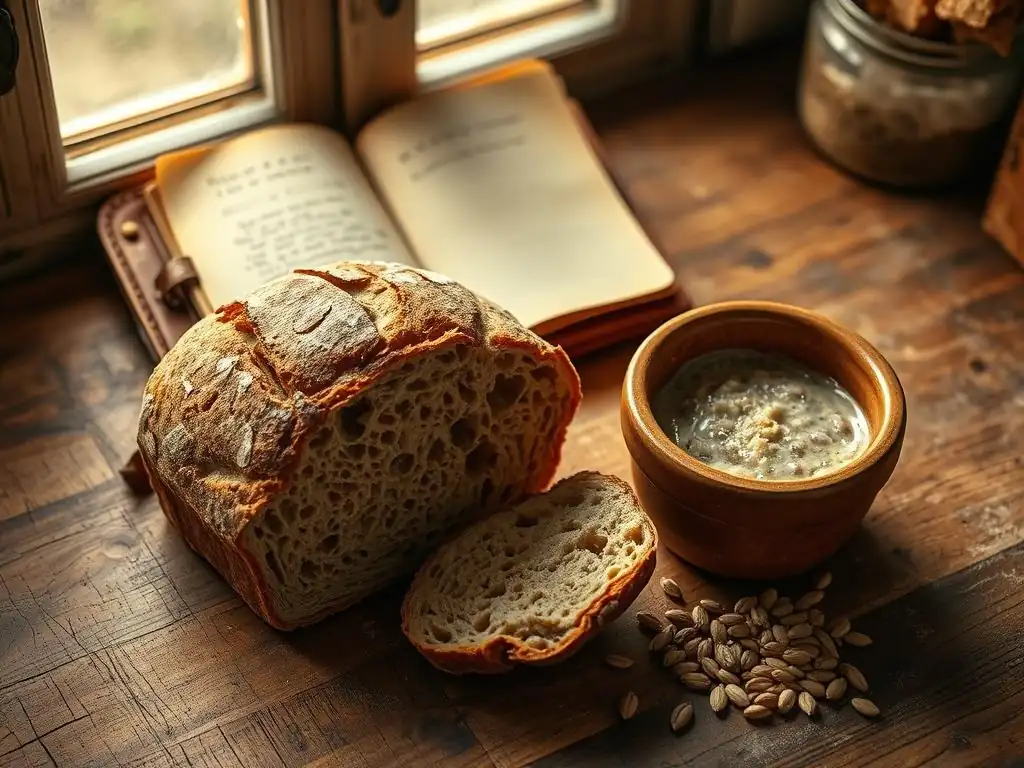
On the flip side, some bakers lament that their sourdough rye lacks the characteristic tang. Instead of a vibrant, complex sourness, they get a relatively bland loaf. This usually indicates that the acid production during fermentation was insufficient. The key to developing more sourness lies in encouraging the activity of your lactic acid bacteria and ensuring the fermentation process goes far enough to produce noticeable levels of lactic and acetic acids.
If your sourdough rye isn't sour enough, consider factors like under-fermentation, the health and activity of your starter, and the type of flour you are using. Adjusting these elements can help unlock the full flavor potential of your rye sourdough.
Under-Fermentation: The Root Cause of Bland Rye Bread
If your sourdough rye isn't sour enough, the most likely culprit is under-fermentation. This means the dough hasn't spent enough time fermenting, or the fermentation environment wasn't conducive to sufficient microbial activity. When fermentation is cut short, the lactic acid bacteria and yeasts haven't had enough time to fully break down sugars and produce the desired levels of organic acids. The result is a bread that lacks complexity and tang, tasting relatively flat.
Under-fermentation can manifest as a dense crumb (though rye is naturally denser than wheat), insufficient rise, and a lack of deep flavor. If your recipe suggests a 4-hour bulk ferment and a 12-hour cold proof, but your kitchen is cool or your starter isn't super active, the dough may not reach the necessary level of development within that timeframe. Extending these periods is often the solution to develop more sourness.
Extending Fermentation Time to Develop Rye's Tangy Flavor
To increase the sourness in sourdough rye that isn't tangy enough, simply allow the dough to ferment for a longer period. If your bulk fermentation typically takes 4 hours, try extending it to 5 or 6 hours, or until the dough shows a significant increase in volume (30-50% for rye) and signs of activity like bubbles. Similarly, if you are doing a cold proof for 12 hours, extend it to 18 or even 24 hours.
Longer fermentation times give the lactic acid bacteria more opportunity to produce acids, intensifying the sourness. Monitor the dough closely as you extend the time to avoid over-fermentation, which can lead to a gummy texture or collapsed loaf. Gradually increasing the fermentation duration by an hour or two at a time will help you find the sweet spot for developing more tang without making your sourdough rye too sour.
Warmer Temperatures for Increased Acid Production
Fermenting at warmer temperatures can also help increase the sourness of sourdough rye that isn't sour enough. Warmer environments (around 75-80°F or 24-27°C) accelerate microbial activity, particularly the production of lactic acid. While very high temperatures can lead to a quick, less complex sourness, a slightly warmer fermentation space compared to a cool one will generally result in more acid development within a given timeframe.
If your kitchen is cool (below 70°F or 21°C), try finding a warmer spot for your dough, such as near a warm appliance (but not too hot! ), in a proofing box, or in an oven with the light on. Increasing the temperature by just a few degrees can significantly boost the activity of your sourdough culture, leading to more rapid and extensive acid production. This can help your sourdough rye develop that desired tang if it's currently too bland.
Starter Activity: A Weak Starter Leads to Weak Flavor
The health and activity of your sourdough starter are paramount to the flavor of your bread. A weak or sluggish starter contains a less vigorous population of yeasts and bacteria, which will not ferment the dough effectively or produce sufficient levels of organic acids. If your starter doesn't reliably double or triple in size within a predictable timeframe after feeding (typically 4-8 hours for a healthy starter fed at a 1:1:1 ratio), it may not be strong enough to impart significant sourness to your rye bread.
A starter that hasn't been fed regularly, is kept too cold, or is fed with insufficient flour can become dormant or weak. This directly translates to slow fermentation and minimal acid production in your dough. If your sourdough rye isn't sour enough, a look at your starter's health is essential.
Revitalizing Your Rye Sourdough Starter for Enhanced Sourness
To ensure your sourdough rye develops sufficient sourness, you need a strong, active starter. If your starter seems sluggish, try feeding it more frequently (e.g., every 12 hours instead of 24) for a few days leading up to your bake. Feed it with a ratio that encourages activity, such as 1 part starter, 2 parts flour, and 2 parts water (1:2:2 ratio by weight). Using a blend of rye and strong bread flour for feeding can also boost microbial activity.
Ensure your starter is kept at a consistent, warm room temperature (around 75°F or 24°C) during this revitalization period. Look for signs of strong activity: it should double or triple in volume, be full of bubbles, and smell pleasantly yeasty and acidic. Using a starter that is at its peak activity (shortly after feeding when it's most bubbly and risen) will inoculate your dough with a strong population of microbes ready to produce flavor and lift.
Feeding Your Starter Regularly and Consistently
Consistency is key to maintaining a strong sourdough starter capable of producing flavorful, tangy bread. Regularly feeding your starter, even when you're not baking, keeps the microbial population healthy and active. Storing your starter in the refrigerator requires less frequent feeding (perhaps once a week), but it needs several consistent feedings at room temperature to become vigorous again before baking.
For best results in terms of flavor development, especially if your sourdough rye isn't sour enough, consider keeping a small amount of your starter at room temperature and feeding it daily. This ensures you always have a highly active culture ready to go. Using a starter that has been consistently fed and is at its peak when added to the dough will provide the necessary microbial power for robust fermentation and significant acid production.
Using Whole Grain Rye for a More Pronounced Sour Flavor
As mentioned earlier, whole grain rye flour provides more nutrients for your sourdough culture than light rye. If your sourdough rye isn't sour enough, increasing the percentage of whole grain rye in your recipe can help. The bran and germ in whole rye stimulate microbial activity, leading to more vigorous fermentation and greater acid production compared to doughs made primarily with refined flour.
If you are currently using a blend of light rye and wheat flour, try increasing the proportion of whole grain rye. For example, if you're using 30% light rye and 70% bread flour, switch to 30-50% whole grain rye and the rest bread flour. This change in flour composition provides more fuel for the microbes responsible for sourness, helping to develop a stronger, more characteristic rye flavor profile with increased tang.
Mastering Sourdough Rye: Advanced Techniques for Flavor Control
Beyond basic troubleshooting, there are advanced techniques you can employ to fine-tune the flavor of your sourdough rye. These methods allow you to manipulate the fermentation process and the dough's characteristics in ways that can significantly impact the final sourness and overall complexity of your loaf.
Experimenting with pre-ferments, alternative dough methods, and even simple ingredient adjustments like salt can offer new levels of control over whether your sourdough rye is too sour or perfectly balanced.
The Pre-Ferment (Pâte Fermentée) Method for Rye
Using a pre-ferment, such as a pâte fermentée (a portion of previously made dough), a poolish, or a prefermented rye levain, can be a powerful way to influence the flavor of your sourdough rye. A pre-ferment is a portion of the total flour, water, and starter (or just flour and water with starter) that is mixed and allowed to ferment for a period before being added to the final dough. This allows a smaller amount of dough to undergo significant microbial activity and acid development.
Incorporating a pre-ferment that has developed a specific level of acidity can contribute a targeted flavor profile to the final loaf. For example, a stiff, cool rye pre-ferment will contribute more acetic acid, potentially making the final sourdough rye taste sharper. A wet, warm rye pre-ferment will contribute more lactic acid for a milder tang. Using a pre-ferment allows you to build a foundation of flavor before the main dough mix, offering more control over the final sourness compared to using the starter directly in a single mix.
The Tangzhong Method and its Effect on Rye's Sourness
The Tangzhong method, originating from Asian baking, involves cooking a small portion of the flour and liquid into a paste (a roux) before adding it to the main dough. This paste gelatinizes the starches, allowing the dough to retain significantly more moisture. While primarily used for creating soft, fluffy bread, the increased moisture retention in a rye Tangzhong can also subtly influence fermentation and perceived sourness.
A Tangzhong can create a more hospitable environment for lactic acid bacteria due to the higher available moisture. However, by holding onto water, it can also slow down the rate at which sugars are consumed, potentially leading to a slower build-up of acids. The increased moisture also contributes to a moister crumb, which can affect how flavors, including sourness, are perceived. While not a direct method to control sourness, a Tangzhong can subtly shift the balance and texture, which in turn impacts the overall flavor experience of your sourdough rye.
Adjusting Salt Levels to Balance Flavors in Sourdough Rye
Salt is a critical ingredient in bread baking, not just for flavor but also for controlling fermentation. Salt slows down both yeast and bacterial activity. While its primary role isn't acid production, the amount of salt used can indirectly affect how sour your sourdough rye tastes. Too little salt can lead to overly rapid, uncontrolled fermentation, potentially resulting in excessive acid production and a loaf that tastes too sour. Conversely, sufficient salt helps regulate the process, allowing for a more balanced development of flavors.
Typically, salt is added at around 1.8% to 2.2% of the total flour weight in bread recipes. If your sourdough rye is too sour and you've ruled out other major factors, check your salt percentage. Using too little salt (e.g., below 1.5%) might be allowing fermentation to run too wild, generating excess acidity. Ensuring you use the correct amount of salt not only enhances the overall flavor but also helps manage the speed of fermentation, contributing to a more controlled and balanced sourness profile.
Sourdough Rye Flavor Experimentation: Beyond Sourness
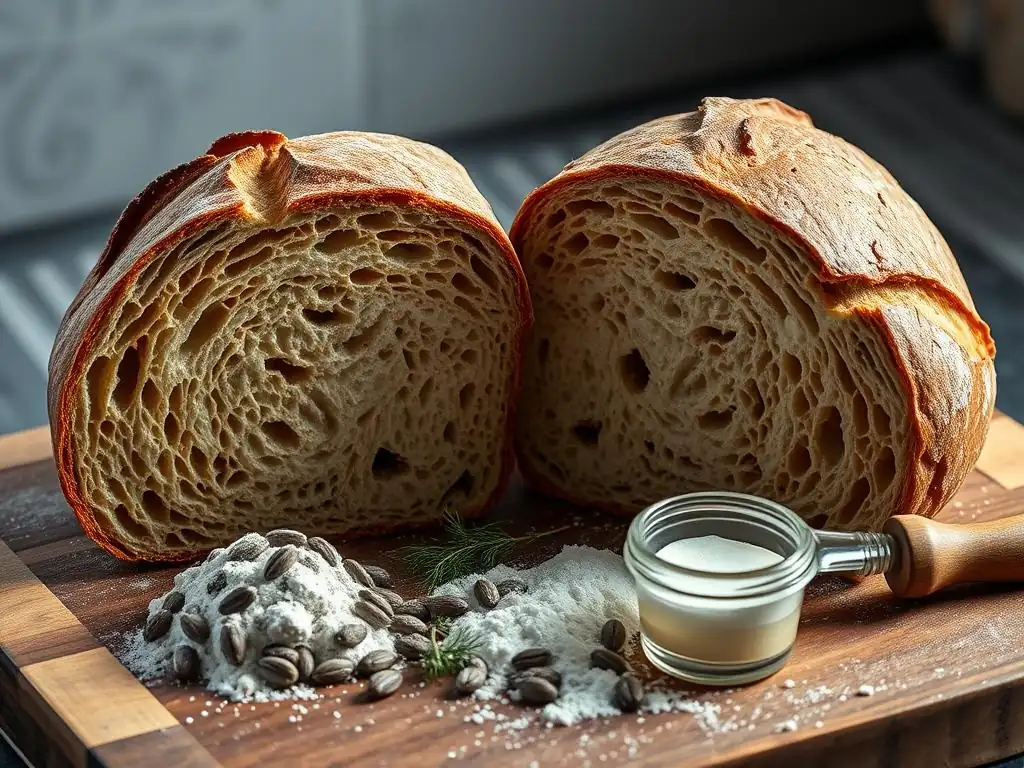
While sourness is a hallmark of sourdough rye, the loaf's flavor profile is complex and can be enhanced or balanced by other ingredients. Experimenting with additions can help you achieve a more nuanced taste, potentially making the sourness seem less dominant or complementing it in pleasant ways, even if your sourdough rye is slightly too sour or not sour enough.
Integrating seeds, spices, or sweeteners can transform your rye bread, adding layers of flavor that work in harmony with the natural tang of the sourdough. These additions are traditional in many rye bread recipes for good reason – they create a more complete and satisfying sensory experience.
Adding Seeds and Spices to Complement Rye's Flavor
Many traditional rye bread recipes incorporate seeds and spices that pair beautifully with the earthy, slightly sour notes of the flour. Caraway seeds are perhaps the most classic addition, providing a distinct aromatic flavor that cuts through the richness and tang of rye. Other common additions include coriander, fennel seeds, and poppy seeds. Adding toasted sunflower or pumpkin seeds can also provide texture and a nutty depth.
These ingredients don't change the acid levels in your sourdough rye, but they significantly impact the overall flavor perception. The strong, aromatic profiles of caraway or coriander can balance or even slightly mask intense sourness, making a loaf that might otherwise be considered too sour taste more harmonious. Experimenting with a blend of seeds and spices (e.g., 1-2% of the flour weight for seeds, 0.5-1% for spices) can add wonderful complexity.
Sweetening Rye Bread for a More Balanced Taste
Adding a touch of sweetness is another traditional method to balance the deep, earthy, and often sour flavors of rye bread. Ingredients like molasses, honey, brown sugar, or even maple syrup can be incorporated into the dough. Molasses, in particular, is a popular choice in darker rye breads, contributing color, moisture, and a rich, slightly bitter sweetness that complements the rye flavor profile.
Sweeteners provide additional food for the yeast and bacteria, potentially influencing fermentation slightly, but their main role here is flavor balance. A small amount of sugar (e.g., 2-5% of the total flour weight) can round out the sharp edges of sourness, making the bread taste less aggressively acidic. If your sourdough rye is too sour, adding a sweetener can be an effective way to achieve a more balanced, appealing taste.
Combining Different Rye Varieties for Unique Flavor Profiles
Using a blend of different types of rye flour can create a more complex and layered flavor profile than using just one. Combining dark rye, medium rye, light rye, and even pumpernickel (a very coarse-ground whole rye) allows you to experiment with the distinct characteristics each brings. Dark rye and pumpernickel, being whole grain and coarser, contribute deeper, earthier flavors and promote more intense fermentation and sourness. Light rye offers a milder base.
By blending, you can control the depth of color, texture, and flavor intensity. For instance, a blend of 60% medium rye, 20% dark rye, and 20% light rye will have a different flavor profile than 100% medium rye. Experimenting with these combinations allows you to fine-tune the inherent rye flavor and its interaction with the sourdough tang, helping you move beyond just troubleshooting if your sourdough rye is too sour or not sour enough, towards creating a unique signature loaf.
Achieving Perfect Sourdough Rye: Tips and Tricks from BakeWithEase
Mastering sourdough rye takes practice and observation. Don't be discouraged if your first few loaves aren't exactly as you envisioned. Baking is a science and an art, and sourdough adds another layer of living biology to the mix!
Here are some final tips from BakeWithEase to help you achieve that perfectly balanced sourdough rye loaf:
- Know Your Starter: Understand how your specific starter behaves. How quickly does it rise? What does it smell like at different stages? This knowledge is crucial for predicting fermentation times.
- Observe the Dough: Don't rely solely on recipe times. Learn to read your dough – look for signs of activity like bubbles, increased volume (aim for 30-50% for rye), and changes in texture.
- Keep Notes: Document your bakes! Note the flour types used, hydration, fermentation times and temperatures, and the resulting flavor. This helps you identify patterns and make targeted adjustments if your sourdough rye is too sour or bland.
- Control Temperature: Use a thermometer to check your dough temperature and the ambient temperature of your proofing space. Small temperature differences can have significant impacts on fermentation speed and acid balance.
- Adjust Gradually: When troubleshooting sourness, make only one or two changes at a time (e.g., reduce bulk ferment time or lower hydration, but not both drastically at once). This helps you understand which variable is affecting the flavor.
- Taste Your Starter: A small taste of your starter at different stages can give you clues about its acidity levels before it even goes into the dough.
- Embrace the Rye: Remember that rye bread naturally has a more pronounced, earthy, and often tangier flavor than wheat bread. Some level of sourness is characteristic and desirable.
Achieving your ideal sourdough rye flavor is a journey of experimentation. By understanding the principles of fermentation, controlling your process, and being willing to adjust, you can consistently bake delicious, perfectly balanced loaves that are never too sour or not sour enough. Happy Baking!
Frequently Asked Questions
Why is my sourdough rye so sour?
The sourness in sourdough comes from lactic and acetic acids produced during fermentation. If your rye is too sour, it's likely due to over-fermentation or a starter that's too acidic.
Can I reduce the sourness in my sourdough rye?
Yes, you can! Try using a younger starter that hasn't fermented as long, and shorten the bulk fermentation time. You can also add a touch of baking soda to neutralize some of the acid.
What if my sourdough rye isn't sour enough?
If you want more sourness, extend the bulk fermentation at a cooler temperature. Use a more mature starter that has been fermenting for a longer period.
Does the type of rye flour affect the sourness?
Yes, it can. Darker rye flours tend to produce a more intense flavor, which can include a stronger sour note compared to lighter rye flours.
How does hydration level impact the sourness of my sourdough rye?
Higher hydration (more water) can accelerate fermentation, potentially leading to increased acidity and sourness. Lower hydration may result in a less sour flavor.
Final Reflection: The Alchemy of Sourdough Rye
The perfect sourdough rye loaf remains an elusive goal for many bakers, a testament to the delicate balance between wild yeasts, bacteria, and the baker's intuition. Understanding the nuances of sourdough fermentation, as explored in this article, is not merely a technical pursuit; it's a journey towards mastering a living process, one that demands patience, observation, and a willingness to embrace imperfection. The quest for the ideal sourness is a reflection of our own desire for control in a world often beyond our grasp.
The journey of sourdough baking, much like life itself, is filled with unexpected turns and lessons learned through trial and error. The subtle shifts in flavor, the variations in texture – these are not flaws, but rather expressions of the unique character of each loaf. As the renowned baker, Chad Robertson, once said, Baking is a conversation between you and the dough.
This conversation, filled with the tang of fermentation and the warmth of the oven, is a deeply rewarding experience, teaching us to appreciate the unpredictable beauty of the natural world.
Now, consider your own sourdough journey. What have you learned from your successes and failures? Don't be discouraged by a less-than-perfect loaf; instead, embrace the opportunity to learn from it. Experiment with different flours, hydration levels, and fermentation times. Keep a detailed baking journal, recording your observations and adjustments. Most importantly, remember that the process is as important as the product. The satisfaction of crafting a loaf from scratch, understanding the intricate dance of microorganisms, is a reward in itself. Embrace the alchemy, and may your next sourdough rye be your best yet.
Unleash Your Inner Bread Wizard: Master Your Sourdough Rye!
Thanks for joining us on this sourdough journey! You've now got the knowledge to tackle even the trickiest rye doughs. Ready to put your new skills to the test?
- Bake the perfect rye: Try adjusting your starter activity or hydration levels based on the tips in the article, and let us know how it goes! Remember, every loaf is a learning opportunity.
- Share your baking triumphs (and tribulations!): Post a picture of your latest loaf on social media using #BakeWithEaseRye. Let's build a community of sourdough enthusiasts!
- Explore other sourdough recipes on BakeWithEase.com – we've got a treasure trove of tips and techniques waiting for you.
What unique ingredient will you experiment with in your next rye loaf?