
Beginner's Guide to Spring Baking: 5 MustTry Recipes

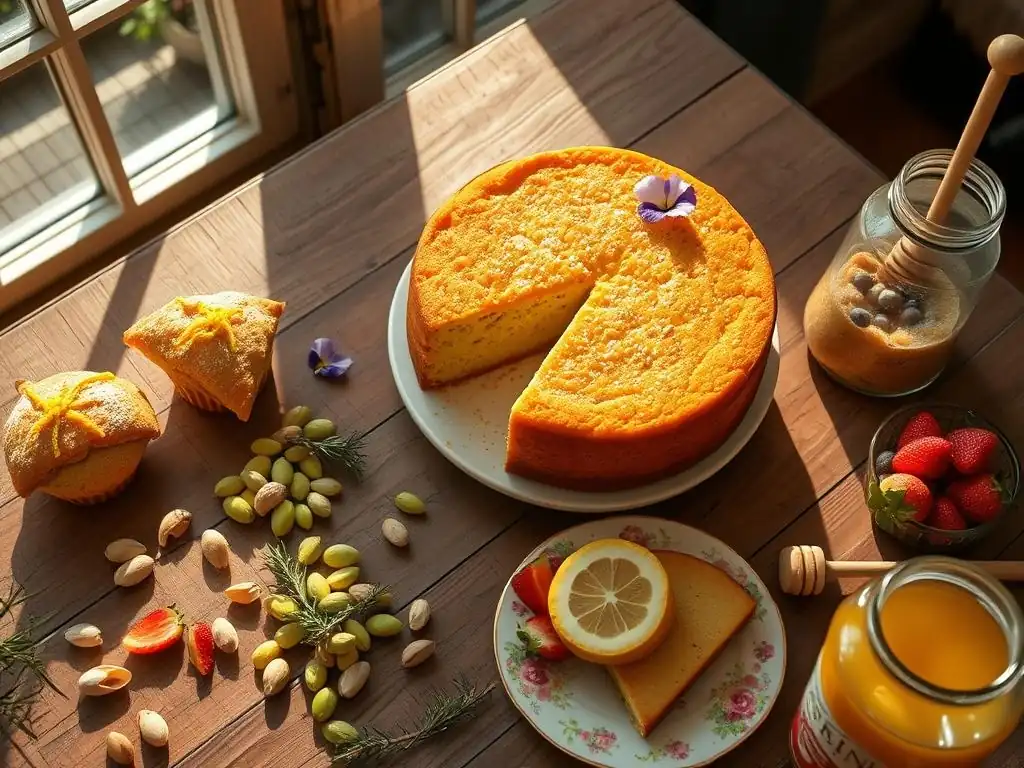
Welcome to BakeWithEase, your haven for all things baking! Spring is in the air, and that means it's time to infuse your kitchen with fresh flavors and vibrant colors. Are you ready to unlock the secrets of easy spring baking recipes? Get ready to discover 5 must-try recipes that will transform your springtime celebrations, even if you're a complete beginner. Let's get baking and fill your home with the irresistible aroma of spring!
- Welcome Spring with Easy Baking Recipes from BakeWithEase
-
5 Must-Try Easy Spring Baking Recipes for Beginners
- Recipe 1: Lemon Poppy Seed Muffins - A Zesty Spring Treat
- Recipe 2: Strawberry Shortcake Biscuits - A Classic Spring Dessert
- Recipe 3: Rhubarb Crumble - A Tart and Sweet Spring Favorite
- Recipe 4: Carrot Cake Cupcakes with Cream Cheese Frosting - A Spring Baking Staple
- Recipe 5: Lavender Honey Madeleines - A Floral Spring Indulgence
- Tips for Successful Spring Baking
- More Easy Baking Ideas from BakeWithEase
- Enjoy the Flavors of Spring with These Easy Baking Recipes!
-
Frequently Asked Questions
- What makes spring baking recipes "easy" as highlighted by BakeWithEase?
- What types of baked goods can I expect to find in BakeWithEase's spring baking collection?
- Are the "5 Must-Try Recipes" suitable for someone with no prior baking experience?
- Where can I find the ingredients for these spring baking recipes?
- Does BakeWithEase offer tips and techniques alongside the recipes to help me improve my baking skills?
- Final Reflection: Savor the Season, Savor the Sweetness
- Unleash Your Inner Baker: Spring into Deliciousness!
Welcome Spring with Easy Baking Recipes from BakeWithEase
Why Spring Baking is Perfect for Beginners
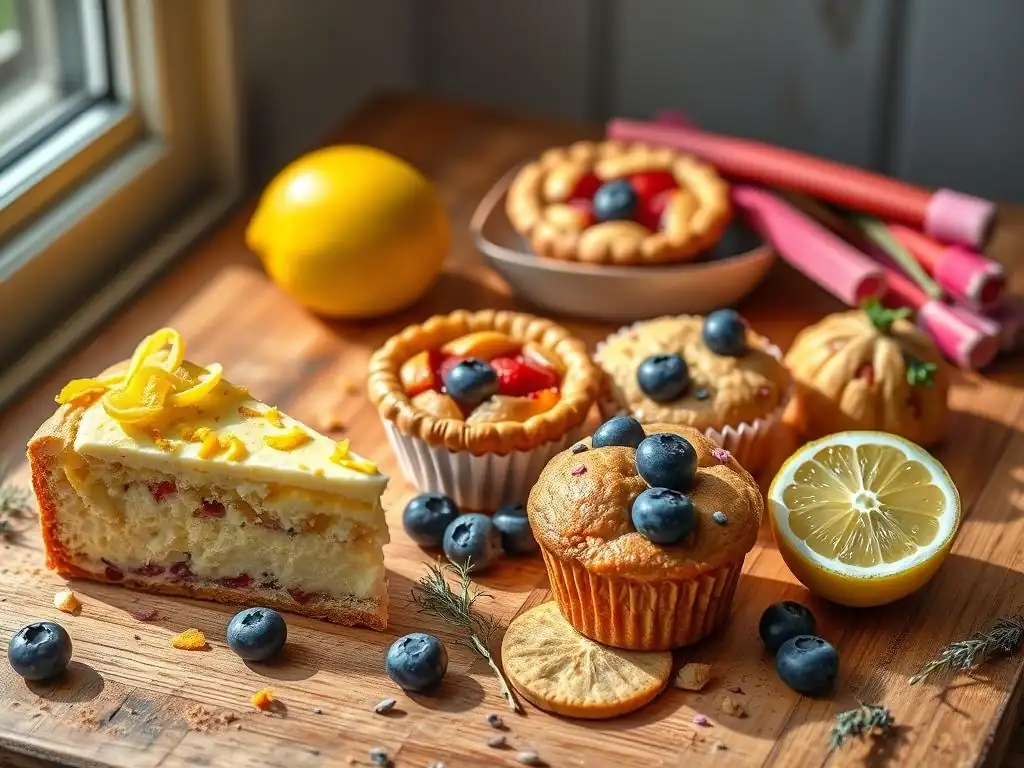
Spring ushers in a season of vibrant ingredients and lighter, brighter flavors, making it an ideal time to explore the world of baking, especially for those just starting out. As the weather warms and nature awakens, fresh produce like strawberries, rhubarb, and lemons become readily available, offering simple yet delicious opportunities to practice fundamental baking techniques. Unlike the rich, heavy bakes of winter, many easy spring baking recipes focus on showcasing the natural sweetness and tang of seasonal fruits, often requiring fewer complex steps. Think simple muffins bursting with berries or light cakes fragrant with citrus zest.
Moreover, the atmosphere of spring baking often feels more relaxed and joyful. The days are longer, and the idea of whipping up a treat to enjoy outdoors or share at a casual gathering is inviting. For beginners, tackling an easy spring baking recipe provides a rewarding experience without the pressure of intricate techniques or long ingredient lists.
It's about the pleasure of creating something delicious from scratch, filling your kitchen with wonderful aromas, and celebrating the season's bounty. Focusing on accessible recipes helps build confidence and competence in basic skills like measuring, mixing, and understanding oven temperatures, paving the way for more adventurous baking in the future.
BakeWithEase: Your Resource for Simple Spring Recipes
At BakeWithEase, we believe that everyone can bake, and spring is the perfect time to prove it with our collection of easy spring baking recipes. Our website is designed to guide you through every step, from selecting the right ingredients to troubleshooting common baking challenges. We break down recipes into simple, manageable instructions, explaining the 'why' behind certain steps so you can learn as you bake. Whether you're curious about the role of baking powder in achieving a perfect rise or how to properly zest a lemon, our guides and articles are here to help you succeed.
Our selection of easy spring baking recipes is curated specifically with beginners in mind. We prioritize recipes that use common pantry staples and readily available seasonal produce, ensuring you don't need to hunt for obscure ingredients. Each recipe includes clear measurements, estimated preparation and baking times, and helpful tips to ensure a smooth baking process.
For example, our Lemon Poppy Seed Muffin recipe clearly states it takes about 15 minutes to prep and 20-25 minutes to bake, yielding about 12 muffins – concrete details that help you plan. We aim to make baking accessible and enjoyable, turning potential frustrations into satisfying triumphs.
5 Must-Try Easy Spring Baking Recipes for Beginners
Recipe 1: Lemon Poppy Seed Muffins - A Zesty Spring Treat
Simple Ingredients for Lemon Poppy Seed Muffins
Lemon Poppy Seed Muffins are a quintessential spring bake, offering a bright, citrusy flavor balanced by the subtle nuttiness of poppy seeds. This easy spring baking recipe typically requires just a few basic ingredients you likely already have or can easily find at any grocery store. You'll need all-purpose flour, granulated sugar, baking powder, salt, and poppy seeds for the dry components. For the wet ingredients, you'll use eggs, milk, vegetable oil or melted butter, and importantly, fresh lemon zest and juice to infuse that signature tangy flavor.
Gathering these ingredients is the first step in creating these delightful muffins. For a batch of about 12 standard-sized muffins, you might use around 1 and 3/4 cups of flour, 3/4 cup of sugar, 2 teaspoons of baking powder, a pinch of salt, and 2-3 tablespoons of poppy seeds. The wet mix would typically involve 2 large eggs, 1 cup of milk, 1/2 cup of oil or melted butter, and the zest and juice of one large lemon.
Ensure your lemon is fresh and well-washed before zesting. Having everything measured out before you begin mixing will make the process even smoother.
Baking Instructions: Easy Lemon Poppy Seed Muffins
Baking Lemon Poppy Seed Muffins is incredibly straightforward, following the standard muffin method which is perfect for beginners. Start by preheating your oven to about 375°F (190°C) and lining a 12-cup muffin tin with paper liners or greasing it well. In a large bowl, whisk together all the dry ingredients: flour, sugar, baking powder, salt, and poppy seeds. Make a well in the center of these dry ingredients.
In a separate medium bowl, whisk together the wet ingredients: eggs, milk, oil or melted butter, lemon zest, and lemon juice. Pour the wet ingredients into the well in the dry ingredients. Using a spatula or wooden spoon, gently mix until just combined. It's crucial not to overmix; a few lumps are perfectly fine and will result in tender muffins.
Divide the batter evenly among the prepared muffin cups, filling each about two-thirds full. Bake for 20-25 minutes, or until a toothpick inserted into the center of a muffin comes out clean. Let them cool slightly in the tin before transferring to a wire rack.
Recipe 2: Strawberry Shortcake Biscuits - A Classic Spring Dessert
Quick and Easy Strawberry Shortcake Biscuit Recipe
Strawberry Shortcake is a quintessential spring dessert, and using biscuits makes it an incredibly easy spring baking recipe perfect for beginners. These aren't your average fluffy dinner rolls; shortcake biscuits are slightly richer and flakier, providing a sturdy base for juicy strawberries and whipped cream. The dough comes together quickly with minimal fuss. You'll need all-purpose flour, a bit of sugar, baking powder, salt, cold unsalted butter cut into small cubes, and milk or buttermilk. Buttermilk adds a lovely tang and helps create a tender crumb.
For a batch yielding about 6-8 shortcake biscuits, you might use 2 cups of flour, 2-3 tablespoons of sugar, 1 tablespoon of baking powder, 1/2 teaspoon of salt, 1/2 cup (1 stick) of cold butter, and about 3/4 cup of milk or buttermilk. The key to flaky biscuits is using cold butter and handling the dough as little as possible. You'll cut the cold butter into the dry ingredients until it resembles coarse crumbs with some pea-sized pieces still visible. Then, you'll gently stir in the liquid until just combined, forming a slightly shaggy dough.
Assembling Your Spring Strawberry Shortcake
Once your easy spring baking biscuits are baked (usually around 12-15 minutes at 400°F/200°C until golden brown) and cooled, the real magic of assembling your strawberry shortcake begins. While the biscuits bake or cool, prepare your strawberries. Hull and slice or quarter fresh strawberries, then gently toss them with a tablespoon or two of sugar. Letting them sit for 10-15 minutes will draw out their juices, creating a natural, delicious syrup.
For the topping, classic strawberry shortcake calls for whipped cream. You can use store-bought, but making your own is simple and tastes infinitely better. Whip cold heavy cream with a little powdered sugar and vanilla extract until medium or stiff peaks form. To assemble, split a biscuit in half horizontally. Spoon a generous amount of sugared strawberries and their syrup onto the bottom half. Top with a dollop (or a lot!) of fresh whipped cream, and place the top half of the biscuit on top. Serve immediately to enjoy the contrast of warm biscuit, sweet berries, and cool cream.
Recipe 3: Rhubarb Crumble - A Tart and Sweet Spring Favorite
Baking a Delicious Rhubarb Crumble for Spring
Rhubarb Crumble is a delightful easy spring baking recipe that perfectly balances tartness with sweetness, showcasing the unique flavor of early spring rhubarb. This dessert is incredibly forgiving and requires minimal technique, making it perfect for beginners. The filling is simply chopped rhubarb tossed with sugar and a thickener like flour or cornstarch. The topping is a simple mixture of flour, sugar, oats (optional), and butter rubbed together to create a crumbly texture.
To make the filling for a standard 8x8 inch baking dish, you'll typically need about 4-5 cups of chopped rhubarb (about 1 pound), 1/2 to 1 cup of granulated sugar (adjust to your preferred sweetness and the tartness of the rhubarb), and 2-3 tablespoons of flour or cornstarch. You can also add a splash of vanilla or a pinch of cinnamon for extra flavor. Simply combine the chopped rhubarb, sugar, and thickener in a bowl and let it sit for a few minutes while you prepare the topping.
Tips for the Perfect Rhubarb Crumble Topping
The crumble topping is what gives this easy spring baking recipe its name and texture, and it's very simple to master. For an 8x8 inch crumble, you'll need about 1 cup of all-purpose flour, 1/2 cup of granulated sugar (or brown sugar for a richer flavor), 1/2 cup of rolled oats (optional, for extra texture), and 1/2 cup (1 stick) of cold unsalted butter, cut into small cubes.
Combine the flour, sugar, and oats (if using) in a bowl. Add the cold butter cubes. Using your fingertips, a pastry blender, or even a fork, work the butter into the dry ingredients until the mixture resembles coarse crumbs, with some larger pea-sized clumps still present. This creates pockets of butter that will melt and crisp up during baking.
Pour the rhubarb filling into your baking dish, then evenly sprinkle the crumble topping over the top. Bake in a preheated oven at 375°F (190°C) for 35-45 minutes, or until the topping is golden brown and the rhubarb is bubbly and tender. Let it cool slightly before serving, perhaps with a scoop of vanilla ice cream.
Recipe 4: Carrot Cake Cupcakes with Cream Cheese Frosting - A Spring Baking Staple
Easy Carrot Cake Cupcake Recipe for Beginners
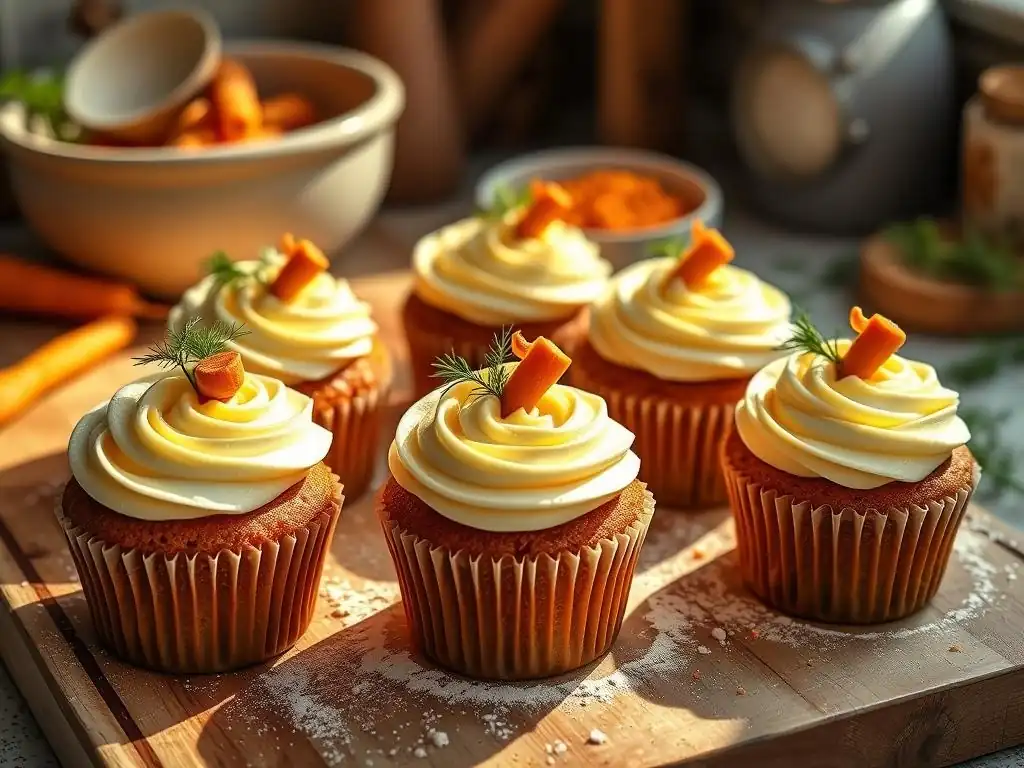
Carrot Cake is a beloved classic, and transforming it into cupcakes makes for an easy spring baking project that's less intimidating than a full cake. These cupcakes are moist, flavorful, and perfect for sharing. The base recipe is straightforward, primarily involving combining wet and dry ingredients. You'll need all-purpose flour, sugar (often a mix of granulated and brown), baking soda and powder, salt, and warm spices like cinnamon, nutmeg, and sometimes ginger.
The key wet ingredients that contribute to the moisture and flavor are eggs, vegetable oil (which keeps the cake very moist), and of course, finely grated carrots. Some recipes also include crushed pineapple or chopped nuts like walnuts or pecans for added texture and flavor.
For a batch of 12-18 cupcakes, you might use about 1 and 3/4 cups of flour, 1 and 1/2 cups of sugar, 1 teaspoon each of baking soda and cinnamon, 1/2 teaspoon of nutmeg, 3 large eggs, 1 cup of vegetable oil, and 1 and 1/2 to 2 cups of grated carrots. Combining the wet ingredients in one bowl and the dry in another, then mixing them together until just combined, is the standard method.
Making Cream Cheese Frosting for Your Carrot Cake Cupcakes
No Carrot Cake Cupcake is complete without a luscious cream cheese frosting, and thankfully, this is an easy frosting for beginners to whip up. The ingredients are simple: softened cream cheese, softened unsalted butter, powdered sugar (also known as confectioners' sugar), and a splash of vanilla extract. The trickiest part is ensuring your butter and cream cheese are properly softened to room temperature, which helps prevent lumps.
For enough frosting to generously top 12-18 cupcakes, you'll typically need one 8-ounce package of cream cheese, 1/2 cup (1 stick) of unsalted butter, about 3-4 cups of powdered sugar, and 1 teaspoon of vanilla extract. Using an electric mixer (handheld or stand mixer), beat the softened cream cheese and butter together until smooth and creamy. Gradually add the powdered sugar, one cup at a time, mixing on low speed until incorporated, then increasing speed to beat until fluffy.
Stir in the vanilla extract. If the frosting is too thick, you can add a tiny splash of milk or cream; if too thin, add a bit more powdered sugar. Once the cupcakes are completely cooled, you can pipe or spread the frosting onto them.
Recipe 5: Lavender Honey Madeleines - A Floral Spring Indulgence
Simple Lavender Honey Madeleine Recipe
Lavender Honey Madeleines offer a touch of elegance and unique floral flavor, making them a perfect easy spring baking treat. While they look sophisticated with their signature shell shape, the batter is surprisingly simple, essentially a génoise or sponge-like cake batter enriched with butter, honey, and infused with lavender. The key piece of equipment is a Madeleine pan, which gives them their characteristic shape.
The basic ingredients include eggs, sugar, flour, baking powder, melted butter, honey, vanilla extract, and finely chopped culinary lavender. For about 12-18 Madeleines, you might use 2 large eggs, 1/2 cup of granulated sugar, 3/4 cup of all-purpose flour, 1/2 teaspoon of baking powder, 1/2 cup (1 stick) of melted and slightly cooled unsalted butter, 2 tablespoons of honey, 1/2 teaspoon of vanilla extract, and 1-2 teaspoons of dried culinary lavender.
The process often involves whisking eggs and sugar until pale and thick, gently folding in the dry ingredients, then incorporating the melted butter, honey, vanilla, and lavender. The batter is often chilled for at least 30 minutes before baking.
Tips for Baking Perfect Madeleines
Baking perfect Madeleines from your easy spring baking recipe involves a few key steps, particularly related to preparing the pan and achieving the desired texture and hump. First, the Madeleine pan must be well-greased and floured, even if it's nonstick, to ensure the cakes release easily. Many bakers recommend brushing melted butter into each mold and then dusting with flour, tapping out the excess.
Once the chilled batter is ready, spoon about a tablespoon into the center of each mold – do not spread it out. Chilling the batter helps create the thermal shock needed for the characteristic "hump" on the back of the Madeleine during baking. Bake in a preheated oven at around 375°F (190°C) for 10-13 minutes, or until the edges are golden brown and the hump has formed and springs back lightly when touched.
Remove them from the pan immediately after baking and let them cool on a wire rack. Madeleines are best enjoyed fresh, ideally within a few hours of baking.
Tips for Successful Spring Baking
Using Fresh, Seasonal Ingredients in Your Baking
One of the greatest joys of easy spring baking is incorporating the bounty of the season. Using fresh, seasonal ingredients doesn't just support local producers; it also significantly enhances the flavor of your baked goods. Think about the difference between a strawberry picked at peak ripeness in late spring versus one flown in during the winter. The spring berry will be sweeter, juicier, and more fragrant, lending a superior taste to your shortcakes or muffins.
Look for ingredients like bright yellow lemons, vibrant red rhubarb stalks, sweet strawberries, and crisp carrots at your local farmers market or grocery store. The quality of these ingredients directly impacts the final outcome of your easy spring baking recipes. For example, using fresh lemon zest provides a more intense citrus punch than bottled extract. Similarly, fresh rhubarb adds that distinct tartness that makes a crumble truly shine. Don't be afraid to let these star ingredients take center stage in your baking.
Mastering Basic Baking Techniques for Spring Recipes
While our easy spring baking recipes are designed to be beginner-friendly, understanding a few basic techniques will elevate your results and build confidence. Proper measuring is fundamental; for dry ingredients like flour, gently spoon it into your measuring cup and level off with a straight edge rather than scooping directly from the bag, which can compact the flour and lead to a dry bake.
Another key technique is understanding how to mix ingredients. For muffins and quick breads, you typically mix wet and dry ingredients separately, then combine them just until barely mixed. Overmixing develops gluten, resulting in tough baked goods. For recipes involving butter and sugar, like some cookies or cakes, "creaming" them together incorporates air, which helps the baked good rise and achieve a tender texture. Familiarize yourself with these simple steps, and your easy spring baking will be even more successful.
Storing Your Spring Baked Goods for Maximum Freshness
Once you've successfully baked your easy spring baking treats, knowing how to store them properly ensures they stay fresh and delicious for as long as possible. The best storage method often depends on the type of baked good. Muffins and quick breads, like our Lemon Poppy Seed Muffins, are usually best stored at room temperature in an airtight container for 2-3 days. Lining the container with a paper towel can help absorb excess moisture.
Baked goods with perishable fillings or frostings, such as Strawberry Shortcake Biscuits with whipped cream (assembled) or Carrot Cake Cupcakes with cream cheese frosting, should be stored in the refrigerator. Keep them in an airtight container. Biscuits and crumbles without perishable toppings can be stored at room temperature, though the crumble topping might lose some crispness over time. Rhubarb Crumble is often fine covered loosely at room temperature for a day, but refrigerating will extend its life. Always allow items to cool completely before storing to prevent condensation, which can make them soggy.
More Easy Baking Ideas from BakeWithEase

Explore Other Spring Baking Recipes on BakeWithEase.com
Our collection of easy spring baking recipes extends far beyond the five highlighted here. As you gain confidence, we encourage you to explore other delicious possibilities on BakeWithEase.com. You'll find recipes featuring other seasonal favorites like asparagus and peas in savory tarts, or light and airy sponges perfect for layering with spring fruits.
From simple cookies with spring flavors like lavender or citrus to easy yeast breads incorporating herbs, there's a world of easy spring baking waiting for you. Each recipe is carefully crafted with beginner bakers in mind, featuring clear instructions and helpful tips. Whether you're looking for something sweet for dessert or a savory bake for brunch, our Spring Baking Recipes section is your go-to resource for delicious and accessible ideas.
Baking Techniques for Beginners: A BakeWithEase Guide
Mastering the art of baking is a journey, and understanding fundamental techniques is key to consistent success with easy spring baking recipes and beyond. BakeWithEase offers comprehensive guides specifically designed for beginners. These resources cover essential skills such as accurately measuring ingredients, understanding the role of different leavening agents (like baking soda and baking powder), properly creaming butter and sugar, and folding ingredients without deflating your batter.
Our guides also delve into topics like understanding oven temperatures and how they affect baking time, recognizing when your baked goods are done, and basic troubleshooting tips for common issues like sinking cakes or tough cookies. By learning these techniques, you'll not only be able to confidently tackle any easy spring baking recipe but also develop the skills to adapt and experiment in the kitchen. Visit our Techniques section to build your baking foundation.
Enjoy the Flavors of Spring with These Easy Baking Recipes!
Frequently Asked Questions
What makes spring baking recipes "easy" as highlighted by BakeWithEase?
Easy spring baking recipes from BakeWithEase focus on simple techniques and readily available ingredients. They also feature step-by-step guides designed for beginner bakers.
What types of baked goods can I expect to find in BakeWithEase's spring baking collection?
BakeWithEase's spring baking collection includes a variety of treats such as pastries, cakes, cookies, and potentially lighter breads, all fitting the spring theme.
Are the "5 Must-Try Recipes" suitable for someone with no prior baking experience?
Yes, the "5 Must-Try Recipes" are specifically designed for beginners, ensuring they are achievable and enjoyable even with limited baking experience.
Where can I find the ingredients for these spring baking recipes?
BakeWithEase emphasizes recipes using easy-to-find ingredients, meaning you can typically find them at your local grocery store or online retailers.
Does BakeWithEase offer tips and techniques alongside the recipes to help me improve my baking skills?
Absolutely! BakeWithEase provides helpful tips and techniques alongside the recipes, aimed at improving your overall baking skills and building your confidence in the kitchen.
Final Reflection: Savor the Season, Savor the Sweetness
The vibrant hues and awakening scents of spring perfectly mirror the joy of baking, and this beginner's guide has hopefully unlocked a world of delicious possibilities. These five recipes, while simple, represent a gateway to a more creative and fulfilling culinary experience, proving that even the most novice baker can craft beautiful and tasty treats. The ease of these recipes makes spring baking accessible to everyone, regardless of skill level.
The influence of seasonal baking extends far beyond the simple act of creating a cake or cookie; it's about connecting with the rhythms of nature and sharing the fruits (and sweets!) of our labor. It's about creating memories, fostering connections, and celebrating the simple pleasures in life. As the great Julia Child once said, Find something you're passionate about and keep tremendously interested in it.
For me, that passion is found in the warmth of the oven, the sweet aroma filling the kitchen, and the shared joy of a perfectly baked treat.
Now, I invite you to step into your kitchen, armed with fresh ingredients and a sprinkle of confidence. Don't be afraid to experiment, to adapt, to make these recipes your own. Let the joy of spring baking inspire you to create, to share, and to savor every delicious moment. The world awaits your spring-inspired creations – go forth and bake!
Unleash Your Inner Baker: Spring into Deliciousness!
Thanks for joining us on this springtime baking adventure! We hope you’ve discovered some delicious new recipes and found inspiration to create your own sweet masterpieces. Ready to take the next step?
- Bake your favorite recipe from the guide: Choose one of the five recipes and get baking! Let the aroma of spring fill your kitchen. (This is your primary action!)
- Share your baking creations on social media using #BakeWithEaseSpring and tag us – we’d love to see your beautiful results!
- Try adapting one of the recipes to use your favorite seasonal fruit – get creative and experiment with flavors!
What delicious spring treat will you bake first? Let us know in the comments below!