
Achieve the Unique Cracked Crust of Dutch Tiger Bread

Welcome to BakeWithEase, your guide to confident baking! Ever wondered how to achieve that signature, beautifully cracked crust of authentic Dutch Tiger Bread? We'll unveil the secrets in this article, providing you with a step-by-step recipe and techniques to create this bakery-worthy bread at home. Get ready to impress with your newfound bread-baking skills – the journey to perfect Tiger Bread starts now!
- Achieve the Unique Cracked Crust of Dutch Tiger Bread: A BakeWithEase Guide
- Introduction to Dutch Tiger Bread: Unlocking the Secret to the Perfect Cracked Crust
- Mastering the Tijgerbrood Paste: The Key to the Signature Crackle
- BakeWithEase Recipe: Creating Dutch Tiger Bread at Home
- Troubleshooting Common Dutch Tiger Bread Baking Problems
- Variations and Creative Twists on Dutch Tiger Bread
- Perfect Pairings: Enjoying Your Homemade Dutch Tiger Bread
- The Science Behind the Crack: Understanding the Tijgerbrood Crust Formation
- Conclusion: Bake Your Way to Dutch Tiger Bread Perfection with BakeWithEase
- Frequently Asked Questions
- Final Reflection: The Enduring Allure of the Cracked Crust
- Unlock Your Inner Dutch Baker: Master the Cracked Crust!
Achieve the Unique Cracked Crust of Dutch Tiger Bread: A BakeWithEase Guide
Introduction to Dutch Tiger Bread: Unlocking the Secret to the Perfect Cracked Crust
What is Dutch Tiger Bread (Tijgerbrood)?
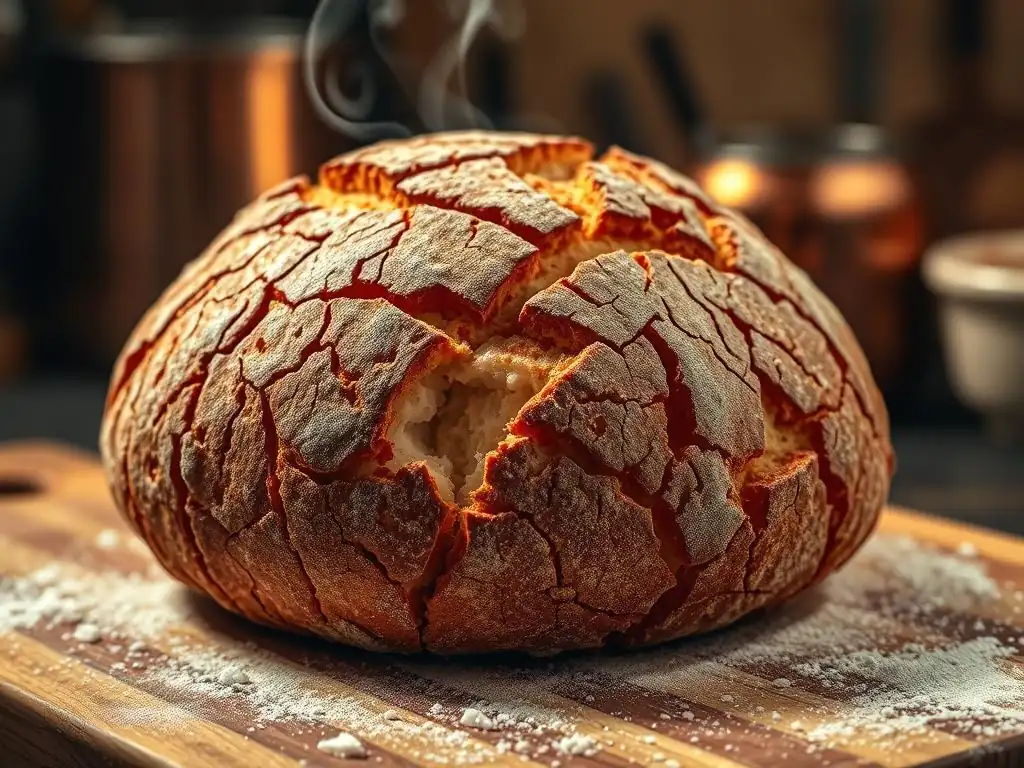
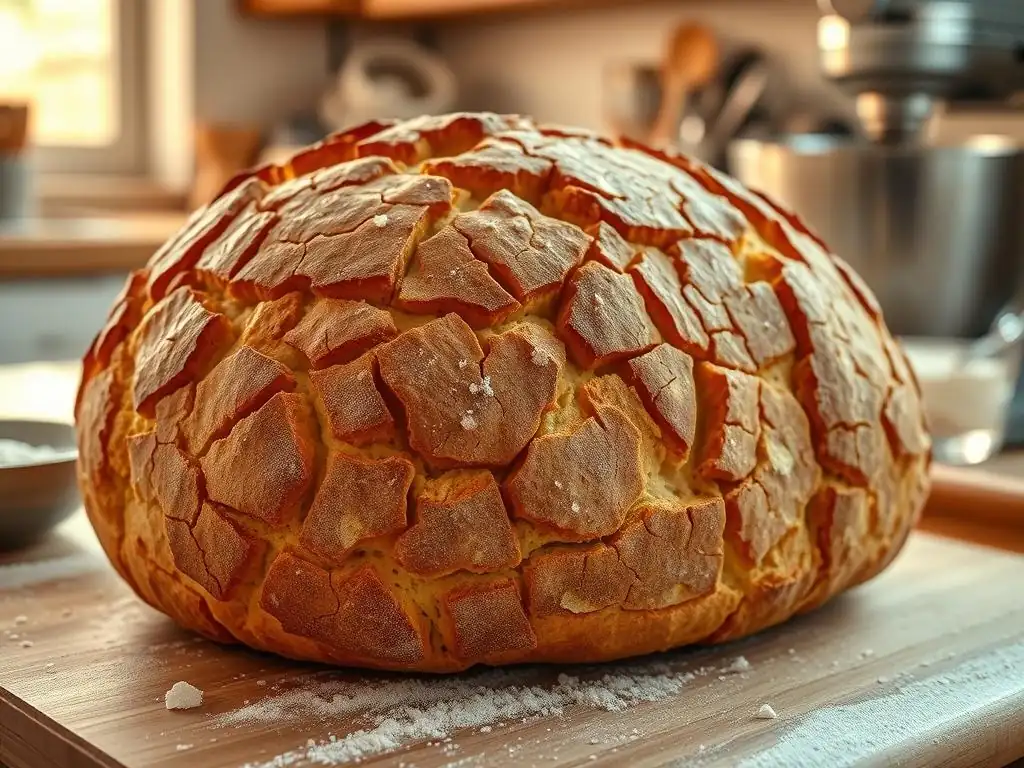
Dutch Tiger Bread, known as Tijgerbrood or sometimes Tiger Roll (Tijgerbol) when in smaller shapes, is a distinctive type of bread originating from the Netherlands. Its defining characteristic is its unique, mottled crust that resembles the pattern of a tiger's coat, hence the name. This signature appearance is achieved by applying a special paste to the surface of the dough just before baking. Unlike typical bread crusts formed solely by baking the dough, the Tijgerbrood crust is a separate layer that dries and cracks during the baking process, revealing the soft bread underneath in a visually striking pattern.
The bread itself is usually a soft white or light wheat loaf, often slightly sweet and with a tender crumb. While the interior is similar to many familiar bread types, it's the exterior that sets Tijgerbrood apart. The application of the unique rice flour paste creates a crunchy, savory topping that contrasts beautifully with the tender interior. This combination of textures and the visually appealing cracked crust have made Dutch Tiger Bread a favorite in bakeries and homes, offering a delightful sensory experience that goes beyond just taste.
The Allure of the Cracked Crust: Why Dutch Tiger Bread is So Appealing
The unique cracked crust of Dutch Tiger Bread is undoubtedly its main draw. It's not just a visual novelty; it provides a delightful textural contrast to the soft bread beneath. As the rice flour paste dries and cracks in the oven's heat, it forms a thin, crisp layer that shatters slightly with each bite. This crunchiness, combined with the often savory flavor of the paste (sometimes enhanced with sesame oil or soy sauce), adds a complex dimension to the bread that a standard crust doesn't offer.
Beyond texture and taste, the aesthetic of the Dutch tiger bread cracked crust is simply beautiful. The seemingly random, yet organic, network of cracks creates a natural piece of edible art. Each loaf develops a slightly different pattern, making every bake unique. This visual appeal makes it a fantastic bread to serve, whether as part of a breakfast spread, alongside soup, or simply enjoyed with butter. The satisfying crackle and the beautiful design contribute significantly to the overall enjoyment of Tijgerbrood, elevating it from a simple loaf to a memorable baking achievement.
Mastering the Tijgerbrood Paste: The Key to the Signature Crackle
Understanding the Ingredients for the Tiger Paste: Rice Flour, Sesame Oil, and More
The magic behind the Dutch tiger bread cracked crust lies in its unique topping paste. The primary ingredient is rice flour. Unlike wheat flour, rice flour contains very little gluten. When mixed with water and other components, this low-gluten structure allows the paste to dry out and become brittle in the oven, leading to the desired cracking effect. Wheat flour would simply form a continuous, chewy crust. The specific type of rice flour used can influence the crackle; fine white rice flour is common and yields a delicate, crisp layer.
Other essential ingredients contribute flavor and aid in the paste's application and cracking. Sesame oil is a traditional addition, providing a distinct nutty aroma and flavor that complements the bread beautifully. Sugar (often a pinch) helps with browning and can add a subtle sweetness, while a leavening agent, typically active dry yeast or instant yeast, is crucial. The yeast in the paste reacts with moisture and warmth, causing tiny bubbles to form within the paste layer as the bread bakes and expands.
This internal bubbling further encourages the paste to stretch and break apart, enhancing the cracked pattern. Salt is also included to balance the flavors. Sometimes, a touch of soy sauce is added for an extra layer of umami and color.
Step-by-Step: Making the Perfect Tijgerbrood Paste for Optimal Cracking
Creating the tiger paste is a straightforward process, but precision helps ensure a great Dutch tiger bread cracked crust. Here's a general approach:
- Activate the Yeast: In a small bowl, combine warm water (around 100-110°F or 38-43°C) with a pinch of sugar and the specified amount of yeast. Let it sit for 5-10 minutes until frothy. This confirms the yeast is active.
- Combine Dry Ingredients: In a separate bowl, whisk together the rice flour, salt, and any additional sugar or seasoning (like a touch of soy sauce powder, if using).
- Mix Wet into Dry: Pour the activated yeast mixture and the sesame oil (and liquid soy sauce, if using) into the dry ingredients.
- Whisk Until Smooth: Whisk vigorously until you have a smooth, relatively thick batter – similar in consistency to pancake batter. It should be thick enough to coat the back of a spoon but thin enough to spread easily.
- Rest the Paste: Cover the bowl and let the paste rest at room temperature for about 10-15 minutes. This allows the rice flour to hydrate fully and the yeast to start working slightly, which helps with the cracking process during baking.
This simple paste, when applied correctly, is the secret ingredient that transforms a standard loaf into a beautiful Dutch tiger bread with its characteristic cracked crust. Ensure your measurements are accurate, as the consistency of the paste is key to achieving the desired crackle pattern.
BakeWithEase Recipe: Creating Dutch Tiger Bread at Home
Ingredient List for Authentic Dutch Tiger Bread
Here's a standard ingredient list for a classic Dutch Tiger Bread loaf, perfect for practicing that signature cracked crust.
For the Bread Dough:
- 3 ½ cups (approx. 450g) All-Purpose Flour or Bread Flour
- 1 ½ teaspoons Instant Dry Yeast
- 1 teaspoon Salt
- 1 tablespoon Sugar
- 1 ½ cups (approx. 350ml) Warm Water (around 100-110°F / 38-43°C)
- 2 tablespoons Unsalted Butter, softened or melted
For the Tijgerbrood Paste:
- ½ cup (approx. 60g) White Rice Flour
- 1 teaspoon Instant Dry Yeast
- ½ teaspoon Salt
- ½ teaspoon Sugar
- 1 teaspoon Sesame Oil
- ⅓ cup (approx. 80ml) Warm Water (around 100-110°F / 38-43°C)
- Optional: ½ teaspoon Soy Sauce
Note: These are approximate measurements. Baking is sensitive to hydration and flour type, so slight adjustments to water may be needed.
Step-by-Step Baking Instructions: From Dough Preparation to Oven Perfection
Follow these steps to create your own delicious Dutch Tiger Bread with that sought-after cracked crust:
- Make the Dough: In a large bowl, combine the flour, yeast, salt, and sugar. Add the warm water and softened butter. Mix until a shaggy dough forms.
- Knead the Dough: Turn the dough out onto a lightly floured surface and knead for 8-10 minutes until it is smooth and elastic. Alternatively, use a stand mixer with a dough hook for 6-8 minutes.
- First Rise: Place the dough in a lightly oiled bowl, turning to coat. Cover with plastic wrap or a damp towel and let it rise in a warm place for 1 to 1.5 hours, or until doubled in size.
- Shape the Loaf: Gently deflate the dough and shape it into your desired loaf shape (a batard or boule is common). Place the shaped loaf on a baking sheet lined with parchment paper.
- Second Rise (with Paste Application): Cover the shaped loaf loosely and let it proof for another 30-45 minutes. While it proofs, prepare the Tijgerbrood paste as described in the previous section.
- Apply the Paste: Once the loaf has proofed slightly, gently brush or spread an even layer of the tiger paste over the entire top and sides of the loaf. Be careful not to deflate the dough. Use a spatula or brush to ensure good coverage.
- Final Proof: Let the paste-coated loaf proof for a final 20-30 minutes. The paste will start to dry slightly. Preheat your oven to 400°F (200°C) during this time.
- Bake: Place the loaf in the preheated oven. Bake for 25-35 minutes, or until the bread is golden brown on the bottom and sounds hollow when tapped. The paste should have dried and formed the characteristic Dutch tiger bread cracked crust.
- Cool: Transfer the baked loaf to a wire rack to cool completely before slicing.
Pro Tips for Achieving a Spectacular Cracked Crust Every Time
Achieving that perfect Dutch tiger bread cracked crust consistently involves a few key considerations:
- Paste Consistency is Crucial: The paste should be thick enough to cling to the dough but thin enough to spread easily. If it's too thick, it won't spread well and might peel off; if too thin, it might run off or create a less pronounced crackle. Aim for a consistency like thick pancake batter.
- Even Application: Apply the paste evenly over the entire surface you want cracked. Thicker spots might not crack as well, while very thin spots might disappear. A consistent layer (around 1-2mm thick) is ideal for an even Dutch tiger bread cracked crust pattern.
- Gentle Handling: After applying the paste, handle the loaf very gently. Any rough movement can disturb the paste layer or deflate the dough, impacting the final crackle.
- Oven Temperature and Steam: A hot oven (around 400°F/200°C) helps the paste dry and crack quickly as the bread expands. While not strictly necessary for the crackle itself, some bakers use steam in the first few minutes of baking (e.g., by placing a tray of hot water at the bottom of the oven) to help the dough spring, which can slightly enhance the cracking effect.
[ ] Check paste consistency before applying.
[ ] Ensure even coverage of paste on the loaf.
[ ] Preheat oven fully.
[ ] Avoid excessive handling after paste application.
Troubleshooting Common Dutch Tiger Bread Baking Problems
Why Isn't My Tiger Paste Cracking? Common Issues and Solutions
One of the most frustrating issues when baking Tijgerbrood is when the paste doesn't develop that signature Dutch tiger bread cracked crust. Several factors can contribute to this:
- Paste Consistency: As mentioned, this is key. If the paste is too thin, it might just bake into a continuous layer without cracking. If it's too thick or dry, it might peel off rather than crackle. Ensure your rice flour to water ratio is correct, aiming for a spreadable but not runny batter. Using warm water helps the yeast in the paste activate properly, aiding the process.
- Yeast Activity in Paste: The yeast in the paste is important for creating micro-bubbles that promote cracking. If your yeast is old or the water wasn't warm enough, it might not be active. Always check your yeast is fresh and that the water temperature is within the recommended range (100-110°F / 38-43°C). Allowing the paste to rest for 10-15 minutes after mixing helps activate the yeast before application.
- Proofing Time After Paste: The final proofing time after applying the paste is crucial. If proofed too long, the paste might dry out too much before baking. If not proofed long enough, the dough might not have enough oven spring to force the paste to crack. A final proof of 20-30 minutes is typically sufficient.
- Oven Temperature: An oven that isn't hot enough can cause the paste to dry slowly without the rapid expansion of the dough needed for a dramatic crackle. Ensure your oven is fully preheated to the specified temperature (around 400°F / 200°C).
If you encounter this issue, consider adjusting the paste consistency, verifying your yeast, ensuring adequate but not excessive final proofing, and checking your oven temperature. A slight adjustment in technique can make a big difference in achieving a beautiful Dutch tiger bread cracked crust.
Dealing with Dough Problems: Too Sticky, Too Dry, or Not Rising Properly
While the focus is on the cracked crust, the base bread dough needs to be right for the Tijgerbrood to be successful. Common dough issues include:
- Sticky Dough: If your dough is excessively sticky after kneading, it likely needs a touch more flour. Add flour gradually, a tablespoon at a time, and knead until the dough is manageable and no longer sticks excessively to your hands or the counter. Environmental factors like humidity can affect how much flour your dough needs compared to the recipe, so be prepared to make slight adjustments. Over-hydrated dough can also lead to poor structure and less oven spring, indirectly affecting the cracked crust.
- Dry Dough: If the dough feels stiff and crumbly, it needs more liquid. Add warm water, a teaspoon at a time, kneading until the dough is smooth and pliable. Dry dough won't rise well and will result in a dense loaf, which won't expand properly to create the tension needed for the paste to crack effectively.
- Not Rising Properly: Poor rising can be due to inactive yeast (check the expiration date! ), water that's too hot (killing the yeast) or too cold (inhibiting activity), or a too-cold environment for proofing. Ensure your water temperature is correct, your yeast is active (it should get frothy when mixed with warm water and sugar), and find a warm, draft-free spot for your dough to rise. Proper dough rise is essential for the loaf to expand in the oven and create the tension that helps form the Dutch tiger bread cracked crust.
Addressing these dough issues ensures you have a well-risen, properly structured loaf ready to receive the tiger paste and develop that characteristic Dutch tiger bread cracked crust.
Variations and Creative Twists on Dutch Tiger Bread
Exploring Different Flours and Flavors in Your Tijgerbrood
While traditional Dutch Tiger Bread typically uses white wheat flour for the dough and white rice flour for the paste, there's room for creative exploration. For the bread dough, you could experiment with using a percentage of whole wheat flour or spelt flour for a nuttier flavor and denser texture. However, be aware that using significant amounts of whole grains might result in a less airy crumb than the classic version. A mix, perhaps 20-30% whole wheat, can add complexity without sacrificing too much tenderness.
For the tiger paste itself, altering the base flour is risky as rice flour's low gluten is key to the crackle. Substituting other flours would likely prevent the formation of the desired Dutch tiger bread cracked crust. However, you can certainly play with the flavorings within the paste. Besides the traditional sesame oil and optional soy sauce, consider adding a pinch of garlic powder, onion powder, or even a tiny bit of paprika for a different savory profile. A touch of brown sugar instead of white sugar can add a deeper, slightly caramelized note.
Sesame Seed Alternatives for a Unique Tiger Crust
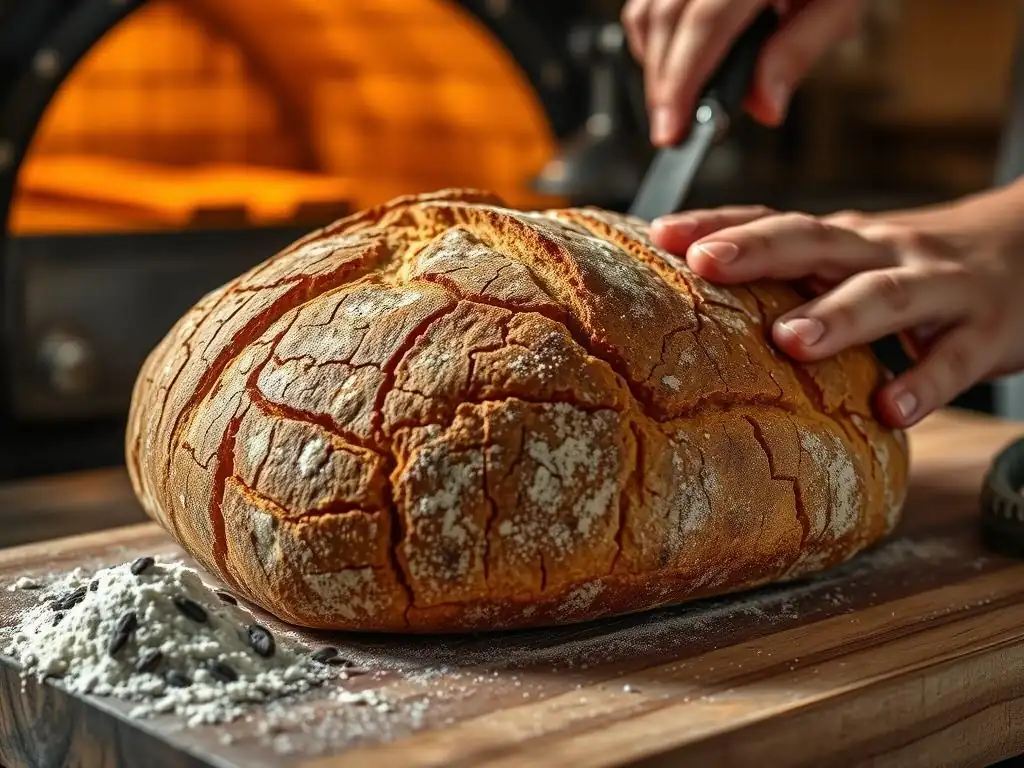
The classic Dutch tiger bread cracked crust often features sesame seeds within the paste, which become visible in the cracked pattern. While sesame seeds are traditional and delicious, you could experiment with alternatives for a different look and subtle flavor change.
- Poppy Seeds: These would provide a different visual texture and a mild, slightly nutty flavor.
- Nigella Seeds: Also known as black cumin, these small black seeds offer a distinct, slightly peppery and oniony flavor that could complement the savory paste.
- Flax Seeds: Ground or whole flax seeds could be incorporated, adding a nutritional boost and a different visual element.
- Sunflower or Pumpkin Seeds: Smaller chopped seeds could be folded into the paste for added crunch and flavor, though they might affect the paste's ability to spread smoothly depending on size.
When incorporating seeds, consider their size and how they might affect the consistency of the paste and the final Dutch tiger bread cracked crust. Small seeds like poppy or nigella are easiest to integrate smoothly. Larger seeds might require chopping or could create larger voids in the paste, leading to a slightly different cracking pattern.
Perfect Pairings: Enjoying Your Homemade Dutch Tiger Bread
Serving Suggestions: What to Eat with Your Freshly Baked Tijgerbrood
Homemade Dutch Tiger Bread, with its delightful texture contrast and savory paste, is incredibly versatile. The unique Dutch tiger bread cracked crust adds a special touch to any meal.
- Breakfast/Brunch: Serve slices toasted or fresh with butter, cheese, ham, or soft-boiled eggs. The savory crust pairs wonderfully with both sweet and savory toppings. It's also excellent for making sandwiches or serving alongside a full English or Dutch breakfast.
- With Soups and Stews: The sturdy yet tender crumb is perfect for dipping into hearty soups like tomato or lentil, or thick stews. The cracked crust adds a pleasant crunch.
- As an Appetizer: Slice thinly and serve with dips like hummus, cream cheese spreads, or olive tapenade. The visual appeal of the Dutch tiger bread cracked crust makes it an attractive addition to a charcuterie board.
- Simple Enjoyment: Sometimes, the best way to appreciate the bread is simply warm from the oven with a smear of good quality butter. The combination of the crisp cracked crust and the soft interior is a treat on its own.
Consider the slightly savory nature of the tiger paste when choosing pairings. It lends itself well to savory applications, but the underlying bread is mild enough to handle sweet additions too, creating an interesting flavor contrast.
Storing Your Dutch Tiger Bread to Maintain its Crispness
Maintaining the crispness of the Dutch tiger bread cracked crust can be a bit of a challenge, as bread naturally softens over time. However, proper storage can help prolong its unique texture.
- Initial Cooling: Always let the loaf cool completely on a wire rack before storing. Storing warm bread traps steam, which will quickly soften the crust.
- Short-Term Storage (1-2 days): Store the cooled loaf at room temperature in a paper bag. This allows air circulation, which helps keep the crust crispier than airtight storage. Avoid plastic bags or containers if preserving the cracked crust is your priority.
- Longer-Term Storage: For storage beyond a couple of days, or to preserve freshness, wrap the completely cooled loaf tightly in plastic wrap and then aluminum foil, or place in a freezer-safe bag. Store at room temperature for up to 3-4 days, or freeze for up to 3 months. Note that freezing and thawing will likely soften the cracked crust.
- Reviving the Crust: To revive a slightly softened Dutch tiger bread cracked crust, you can briefly reheat the bread in a preheated oven (around 350°F or 175°C) for 5-10 minutes. This can help dry out the paste layer and bring back some of its crispness.
While the initial day offers the peak cracked crust experience, these storage methods help you enjoy your homemade Dutch Tiger Bread for longer.
The Science Behind the Crack: Understanding the Tijgerbrood Crust Formation
How the Rice Flour Paste Creates the Signature Cracked Pattern
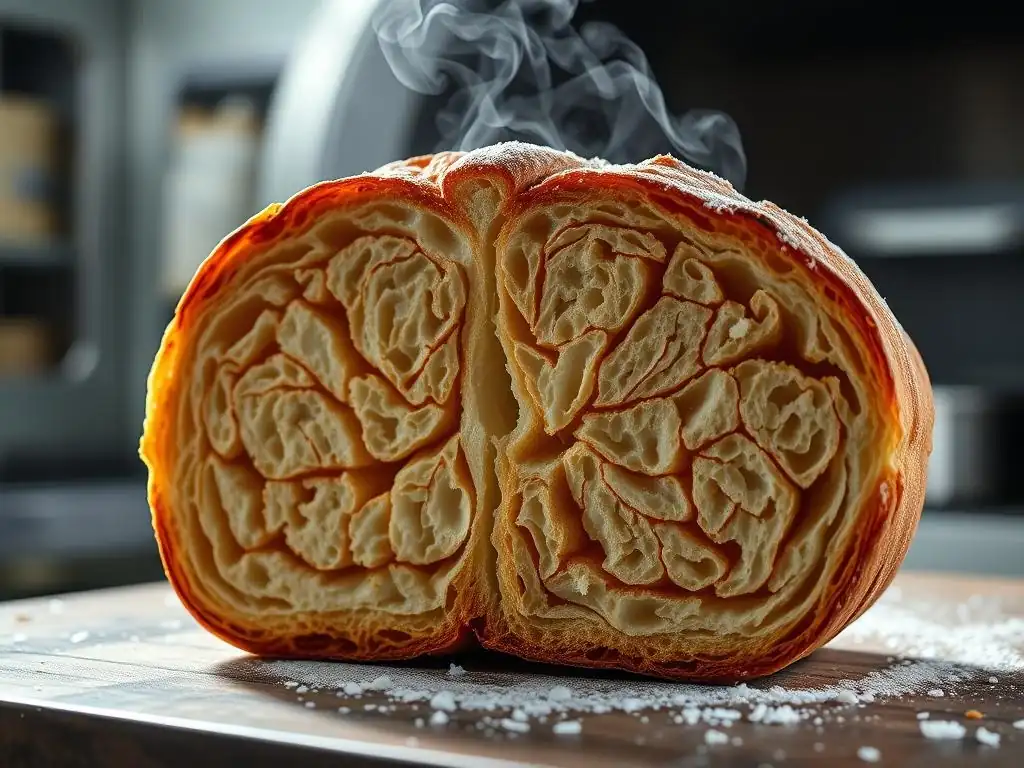
The unique Dutch tiger bread cracked crust is a fascinating result of specific ingredients and processes interacting during baking. The key player is the rice flour paste. As the bread bakes in the hot oven, two main things happen simultaneously regarding the paste layer:
- Drying and Hardening: The heat from the oven rapidly dries out the moisture in the thin layer of rice flour paste applied to the surface. As it dries, the paste hardens and becomes brittle. Rice flour's low gluten content is critical here; unlike wheat flour, which would develop an elastic gluten network and remain pliable, the rice flour paste lacks this elasticity.
- Dough Expansion: Beneath the paste, the bread dough is undergoing its final burst of rising, known as oven spring. The yeast produces gases, and the heat causes moisture within the dough to turn to steam, causing the loaf to expand in volume.
As the bread dough expands underneath the hardened, brittle paste layer, the paste cannot stretch to accommodate the growing surface area. The tension created by the expanding dough causes the brittle paste to fracture and crack in a seemingly random, yet beautiful, pattern. The areas where the paste cracks reveal the softer, browning bread dough underneath, creating the contrast that defines the Dutch tiger bread cracked crust. The yeast in the paste also contributes by creating tiny internal bubbles, which weakens the paste layer from within and encourages cracking.
The Role of Moisture and Oven Temperature in Achieving the Perfect Crackle
Moisture and oven temperature play significant roles in coaxing out that ideal Dutch tiger bread cracked crust.
- Moisture in the Paste: The amount of water in the paste is critical for its consistency and how it dries. Too little water results in a paste that's too thick and might not spread evenly or could peel rather than crack. Too much water results in a paste that's too thin, potentially running off the loaf or drying too slowly, leading to less dramatic cracks or just a continuous, bubbly surface. The right balance ensures the paste dries at the correct rate to become brittle just as the dough is expanding rapidly.
- Moisture in the Oven (Steam): While not strictly necessary for the crackle itself, steam in the oven during the initial baking phase can enhance oven spring. Increased oven spring means more rapid expansion of the dough, which puts more stress on the paste layer, potentially leading to a more pronounced and widespread Dutch tiger bread cracked crust. Bakers sometimes achieve this by placing a tray of hot water in the oven or using a Dutch oven.
- Oven Temperature: A hot oven (typically 400°F or 200°C) is crucial. High heat promotes rapid drying of the paste and vigorous oven spring in the dough. If the oven is too cool, the paste might dry too slowly, or the dough might expand less dramatically, resulting in fewer or less defined cracks. The intense heat ensures the necessary conditions for the brittle paste to fracture under the pressure of the expanding loaf, creating the signature Dutch tiger bread cracked crust.
Understanding these scientific principles helps bakers troubleshoot issues and refine their technique to achieve the perfect Dutch tiger bread cracked crust consistently.
Conclusion: Bake Your Way to Dutch Tiger Bread Perfection with BakeWithEase
Recap of Key Techniques for a Successful Tijgerbrood Bake
Baking delicious Dutch Tiger Bread with its distinctive cracked crust is a rewarding experience. To recap the key techniques for success:
- Master the tiger paste: Use rice flour, activate the yeast within the paste, and aim for a smooth, spreadable consistency like thick pancake batter.
- Apply the paste evenly over the proofed dough, being careful not to deflate the loaf.
- Allow a final proofing period after applying the paste, but don't over-proof.
- Bake in a hot, preheated oven (around 400°F / 200°C) to ensure rapid drying of the paste and good oven spring.
- Let the bread cool completely on a wire rack to maintain the crispness of the unique Dutch tiger bread cracked crust.
Paying attention to these steps, particularly the consistency and application of the rice flour paste and the baking temperature, will significantly increase your chances of achieving that beautiful, crunchy Dutch tiger bread cracked crust that makes this bread so special.
Further Baking Adventures: Explore More Bread Recipes on BakeWithEase.com
You've conquered the unique Dutch tiger bread cracked crust! Now that you've mastered this intriguing technique, why stop here? BakeWithEase.com is packed with a wide variety of bread recipes waiting for you to explore. From rustic sourdoughs and fluffy brioches to quick no-knead loaves and international specialties, there's a whole world of baking adventures at your fingertips.
Continue to build your baking skills by trying different dough types, shaping methods, and flavor combinations. Each recipe offers new lessons and delicious results. Whether you're looking for your next baking challenge or a simple loaf for everyday enjoyment, you'll find inspiration and easy-to-follow guides to help you bake with ease and confidence. Happy baking!
Frequently Asked Questions
What makes Dutch Tiger Bread's crust so unique?
The unique cracked crust is achieved by brushing the dough with a rice flour paste before baking. This paste dries and cracks during baking, creating the signature "tiger stripe pattern."
Can I use a different type of flour besides rice flour for the crust?
While rice flour is traditional, some bakers have had success with wheat flour alternatives. However, the cracking effect may not be as pronounced.
What is the best way to apply the rice flour paste to the bread?
A thin, even layer is key. Use a pastry brush to gently coat the loaf, ensuring you cover the entire surface for consistent cracking throughout.
How do I prevent the crust from becoming too hard?
Baking with steam is crucial. You can achieve this by placing a pan of water in the oven or using a Dutch oven. This helps keep the crust slightly softer during baking.
What if my Dutch Tiger Bread crust doesn't crack properly?
Several factors can affect cracking, including humidity, paste consistency, and oven temperature. Experiment with adjusting these elements to achieve the desired effect.
Final Reflection: The Enduring Allure of the Cracked Crust
The pursuit of the perfect Dutch tiger bread crust, with its characteristic cracks and golden hue, is more than just a baking challenge; it's a testament to the enduring power of tradition and the artistry of bread making. This seemingly simple detail—the cracked crust—is a visual representation of the complex interplay of ingredients, technique, and time that elevates a loaf of bread from ordinary to extraordinary. The quest for that perfect crack speaks to a deeper human desire for mastery and the satisfaction of creating something beautiful and delicious.
The influence of this seemingly small detail extends far beyond the kitchen. The cracked crust symbolizes the imperfections that often contribute to beauty and uniqueness. It reminds us that the journey, with its potential for missteps and adjustments, is as important as the final product. The beauty of a thing is in its imperfection.
This quote, though not specifically about baking, perfectly encapsulates the spirit of pursuing the perfect cracked crust—embracing the process and celebrating the unique outcome.
Now, I invite you to consider your own "cracked crust" moments. What are the challenges you face where the imperfections ultimately add to the beauty and character of the final result? Perhaps it's a project at work, a creative endeavor, or even a personal relationship. Remember the lessons learned in pursuing the perfect Dutch tiger bread crust: patience, attention to detail, and the acceptance of unique outcomes. Embrace the cracks, for they are often the most beautiful part of the whole.
Unlock Your Inner Dutch Baker: Master the Cracked Crust!
Thanks for taking the time to explore the art of Dutch Tiger Bread! We hope you now feel confident in tackling this delicious and impressive bread. Ready to put your new skills to the test?
- Bake your own Dutch Tiger Bread today! Gather your ingredients, follow the steps, and enjoy the satisfaction of creating this beautiful loaf. Remember, practice makes perfect!
- Share your baking journey! Post a photo of your masterpiece on social media and tag us – we'd love to see your results!
- Experiment with different flours or seeds to personalize your Tiger Bread and discover new flavor combinations.
What unique twist will you add to your perfect Dutch Tiger Bread?