
The Easiest Rye Bread for Perfect Sandwiches

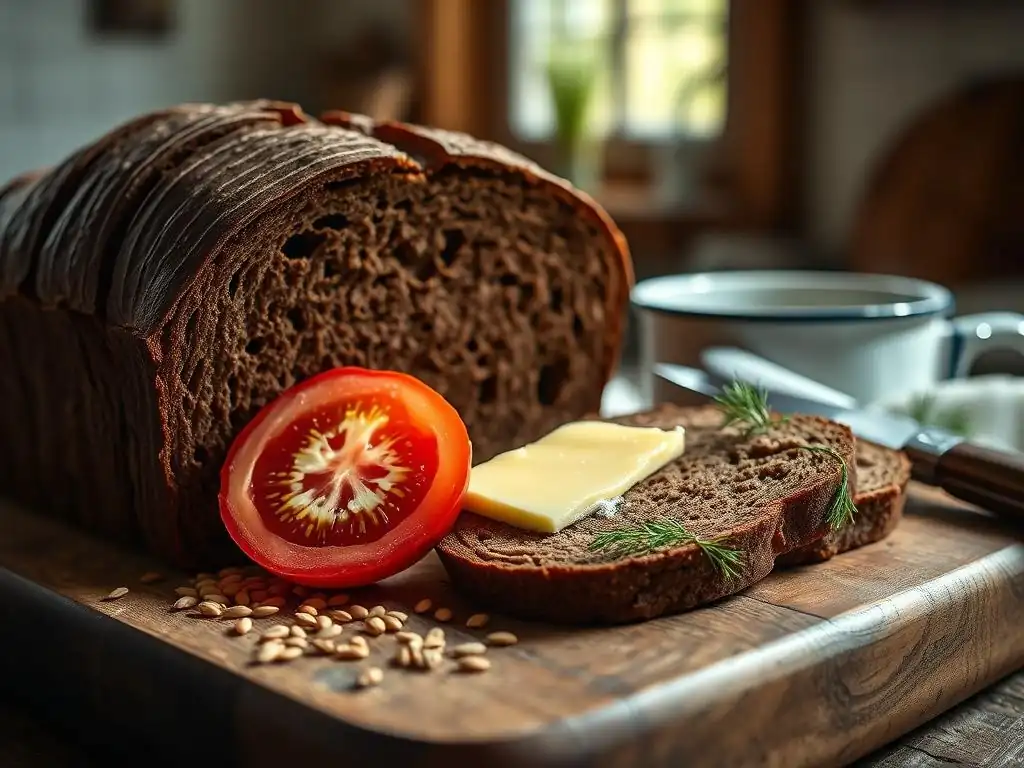
Welcome to BakeWithEase, where the joy of baking meets effortless execution! Ever dreamed of crafting that perfect deli-style sandwich with homemade rye? Our easy rye bread recipe is your key to unlocking that delicious dream. Prepare to be amazed at how simple it is to bake a flavorful, crusty loaf. Intrigued? Let's get started and discover the secret to bread baking success...
- The Sourdough Rye Bread Recipe for Perfect Sandwiches
- Acme Bread Company's Sourdough Rye: San Francisco Style
- Why This Sourdough Rye Bread Recipe is Your New Go-To
- Ingredients for Sourdough Rye Bread
-
Step-by-Step Guide: Baking Your Sourdough Rye Bread
- Preparing the Levain: Feeding Your Sourdough Starter
- Mixing and Kneading: Autolyse and Bulk Fermentation
- First Rise: Achieving the Perfect Rye Bread Texture
- Shaping Your Sandwich Rye Loaf: A Simple Technique
- Second Rise: Cold Proofing for Enhanced Flavor
- Baking to Perfection: Oven Temperature, Steam, and Timing
- Tips and Tricks for the Best Sourdough Rye Bread Recipe
- Sandwich Ideas: Unleash the Potential of Your Sourdough Rye Bread
- More Sourdough Bread Baking Recipes from Acme Bread Company
- Frequently Asked Questions
- Final Reflection: The Enduring Appeal of Simple Rye
- Unleash Your Inner Baker: Perfect Rye Bread Awaits!
The Sourdough Rye Bread Recipe for Perfect Sandwiches
Acme Bread Company's Sourdough Rye: San Francisco Style
San Francisco is renowned for its sourdough, and while the classic is often a pure wheat loaf, the city's bakeries have also mastered the art of sourdough rye. Think of a loaf with a beautiful, crackling crust, a moist and chewy interior, and that signature tangy depth that only a wild yeast starter can provide. This style of rye bread is robust enough to stand up to hearty fillings but nuanced enough to complement delicate flavors, making it the ultimate foundation for truly perfect sandwiches. It's a staple for many Bay Area sandwich shops for good reason.
Creating this kind of high-quality, tangy sourdough rye bread at home might seem daunting, but with the right guidance, it's surprisingly achievable. This easy rye bread recipe focuses on simplifying the process while retaining the authentic flavor and texture characteristics of a top-tier loaf. We'll walk through each step, from nurturing your starter to achieving that ideal bake, ensuring your homemade rye bread is not just good, but exceptional – a true taste of artisanal baking right from your own kitchen.
Why This Sourdough Rye Bread Recipe is Your New Go-To
This sourdough rye bread recipe stands out for several reasons. Firstly, it balances simplicity with sophisticated flavor development, making it accessible for bakers who might be new to rye or sourdough. Unlike some complex recipes, this approach streamlines the process without sacrificing quality. Secondly, the resulting loaf is specifically designed with sandwiches in mind – achieving a crumb structure that is sturdy yet yielding, perfect for slicing and layering. It avoids the common pitfalls of dense or crumbly rye bread, offering a reliable outcome every time you bake.
Furthermore, mastering this easy rye bread recipe provides a foundation for exploring other rye variations. Once you understand how sourdough starter interacts with rye flour and the unique characteristics of this dough, you can confidently adapt the recipe or tackle more complex formulas. It's a rewarding baking project that yields a versatile and delicious bread, elevating everything from a simple slice with butter to an elaborate deli-style creation. Get ready for your kitchen to be filled with the irresistible aroma of freshly baked sourdough rye.
Tangy Sourdough Rye: Perfect for Discerning Palates
The characteristic tang of sourdough rye comes from the fermentation process driven by lactic acid bacteria and wild yeasts present in your starter. These microorganisms break down sugars in the flour, producing organic acids, primarily lactic and acetic acid. Lactic acid contributes a mellow, yogurt-like tang, while acetic acid provides a sharper, vinegary note. The balance between these acids is influenced by factors like fermentation temperature, hydration level, and the feeding schedule of your starter. A typical healthy sourdough starter maintained at around 70-75°F (21-24°C) will develop a pleasant, complex tang perfect for rye.
When baking sourdough rye, the relatively lower gluten content of rye flour means the starter plays an even more crucial role in leavening and flavor development compared to a pure wheat loaf. The extended fermentation times, often including a cold proofing period in the refrigerator for 8-16 hours, allow these flavors to deepen significantly.
This slow, cool fermentation encourages the production of more acetic acid relative to lactic acid, resulting in that distinctive, pronounced sourdough bite that pairs so well with the earthy notes of rye and caraway. Achieving this depth of flavor is a hallmark of great homemade rye bread.
Sandwich-Ready Rye: Chewy Texture, Complex Flavor
The ideal rye bread for sandwiches possesses a specific textural profile: a substantial, slightly chewy crumb that doesn't crumble when sliced and can hold up to moist fillings. This is achieved through a combination of factors inherent to the easy rye bread recipe. Rye flour's pentosans (complex carbohydrates) absorb more water than wheat gluten and contribute significantly to the moist, slightly gummy texture often associated with rye. Using a hydration level typically between 70% and 80% (total water weight relative to total flour weight) helps ensure the crumb is adequately hydrated, leading to that desirable chewiness.
Beyond texture, the flavor profile is key. The combination of tangy sourdough fermentation, the earthy base of rye flour, and the aromatic burst of caraway seeds creates a complex and layered taste experience. Sourdough provides the foundation of acidity and depth, while rye contributes subtle sweetness and a unique malty note.
Caraway seeds, often used at a ratio of 1-2% of the total flour weight, add a distinctive, slightly peppery, and anise-like flavor that is classic in many rye bread traditions. This interplay of flavors makes the bread delicious on its own but truly shines when paired with savory sandwich fillings.
Ingredients for Sourdough Rye Bread
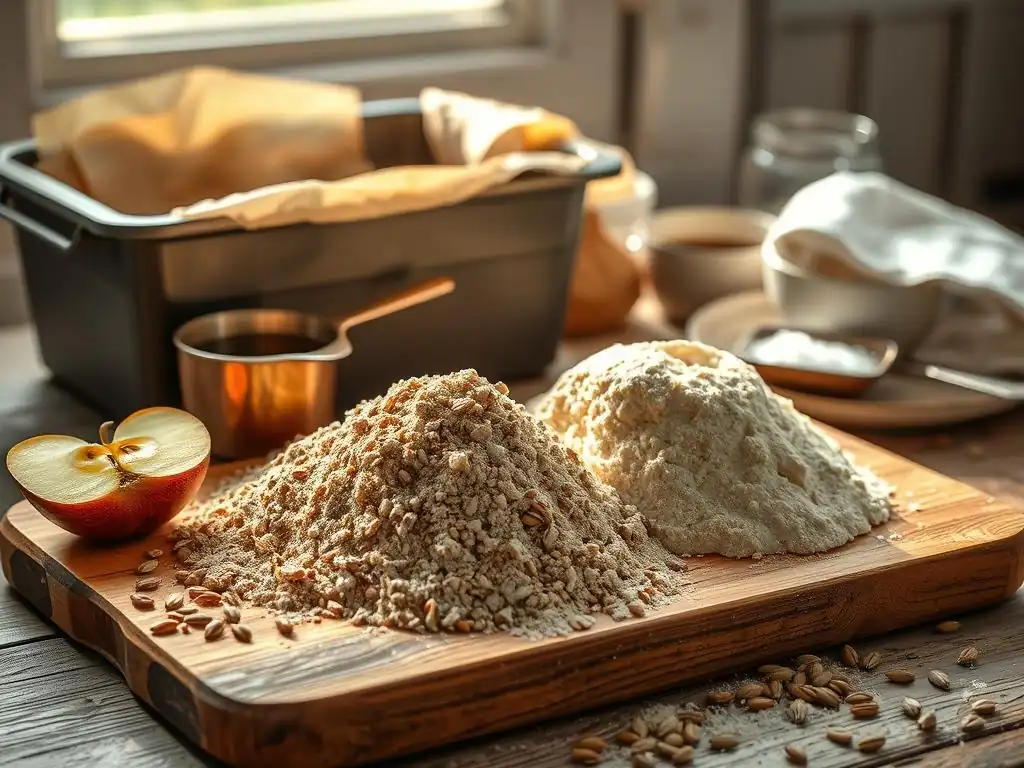
Crafting a delicious loaf of sourdough rye bread doesn't require an extensive list of exotic ingredients. The beauty of this easy rye bread recipe lies in its simplicity, relying on a few core components to build complex flavor and structure. High-quality flour, a vibrant sourdough starter, and the right amount of salt are the foundation. Adding classic rye bread enhancers like caraway seeds elevates the loaf to something truly special.
Ensuring your ingredients are fresh and measured accurately is paramount for successful baking. Using a digital scale for weighing ingredients, especially flour and water, provides the most consistent results. While volume measurements can work, slight variations can significantly impact the dough's hydration and handling characteristics, particularly with rye flour which can be quite absorbent. Starting with precise measurements sets you up for success in creating a perfectly textured and flavored homemade rye bread.
Simple Ingredients List for Homemade Sourdough Rye
Here is a typical ingredient list for an easy sourdough rye bread recipe, focusing on straightforward components readily available to home bakers:
- Active and bubbly sourdough starter (levain)
- Water (preferably filtered, room temperature)
- Rye flour (medium or whole, depending on preference)
- All-purpose flour or bread flour (for structure)
- Fine sea salt or kosher salt
- Caraway seeds (optional, but highly recommended)
This list is intentionally brief, highlighting that you don't need dozens of items to produce a fantastic loaf. The magic happens through the interaction of these simple elements during fermentation and baking. For instance, a common ratio might involve 30-40% rye flour and 60-70% wheat flour, with total hydration around 75%, salt at 2% of total flour weight, and caraway seeds at 1.5%. These percentages provide a starting point for a balanced and manageable rye dough.
Using good quality flour makes a noticeable difference in the final product. Look for flours that haven't been sitting on the shelf for too long. Your sourdough starter is also a key "ingredient" – it needs to be active and recently fed to provide the necessary lift and flavor for this easy rye bread recipe. A starter that doubles in size within 4-6 hours after feeding is generally considered strong enough for baking.
Key Ingredient Spotlight: Caraway Seeds & Their Importance
Caraway seeds are perhaps the most iconic flavoring agent in traditional rye bread, and for good reason. Their distinct aroma and flavor, often described as slightly peppery, anise-like, or earthy, complement the unique taste of rye flour beautifully. While technically a fruit (of the caraway plant), they function as a spice in baking. The volatile oils within the seeds contribute significantly to the overall aromatic profile of the finished loaf, especially when baked. Including them transforms a simple rye loaf into the classic, recognizable sandwich rye many people adore.
The amount of caraway seeds used can be adjusted to personal preference, but a standard inclusion is typically between 1% and 2% of the total flour weight in the recipe. For a loaf using 500 grams of flour, this would translate to 5 to 10 grams of caraway seeds. Some bakers prefer to lightly crush the seeds before adding them to the dough to release more of their essential oils, resulting in a more intense flavor.
Others add them whole, providing bursts of flavor throughout the crumb. Their inclusion is crucial for achieving that authentic deli-style rye bread taste that makes for exceptional sandwiches.
Whole Rye Flour vs. Medium Rye Flour: Which to Choose?
When baking rye bread, you'll encounter different types of rye flour, primarily classified by how much of the bran and germ are included. Whole rye flour, also known as pumpernickel flour, is milled from the entire rye berry. It is darker in color, higher in fiber and nutrients, and imparts a stronger, more robust rye flavor to the bread.
Due to its higher bran content, it absorbs more water and can result in a denser crumb if not handled correctly. Using whole rye flour in this easy rye bread recipe will yield a heartier loaf with a pronounced rye character.
Medium rye flour is more refined than whole rye, with some of the bran and germ removed during milling. It is lighter in color and has a milder rye flavor compared to whole rye. Dough made with medium rye flour is generally easier to handle and can result in a slightly lighter crumb structure.
For an easy rye bread recipe aimed at sandwich perfection, medium rye is often a good starting point as it balances flavor with ease of handling and results in a crumb that's less likely to be overly dense. Many recipes combine medium rye with strong wheat flour to achieve a good balance of flavor, texture, and structure.
Understanding the Role of Sourdough Starter in Rye Bread
Sourdough starter plays a multifaceted and critical role in baking rye bread, particularly because rye flour contains significantly less gluten-forming protein than wheat flour. Gluten is the protein network that traps gases produced during fermentation, allowing wheat bread to rise and develop an open, airy crumb. With rye's lower gluten content, the leavening power of the starter becomes even more essential for providing lift and structure. The wild yeasts in the starter produce carbon dioxide gas, which creates bubbles within the dough, causing it to rise.
Beyond leavening, the sourdough starter is the primary engine for flavor development in this easy rye bread recipe. The complex microbial community of yeasts and bacteria metabolizes the flour, producing organic acids, alcohols, and other aromatic compounds. These contribute the characteristic tang and depth of flavor that define sourdough rye. Furthermore, the acidity produced by the starter helps to break down the pentosans in rye flour. This process improves the dough's handling properties and contributes to a moist, non-gummy crumb in the finished bread, preventing the dense, heavy texture often associated with 100% rye loaves.
Step-by-Step Guide: Baking Your Sourdough Rye Bread
Baking your own sourdough rye bread is a journey that transforms simple ingredients into a masterpiece perfect for sandwiches. This step-by-step guide breaks down the process into manageable stages, ensuring that even if you're new to baking rye, you can achieve a beautiful and delicious loaf. We'll cover everything from preparing your starter to the final bake, focusing on techniques that work well with rye dough's unique characteristics.
Follow these steps carefully, paying attention to timing, temperature, and the look and feel of your dough at each stage. Remember that ambient temperature can affect fermentation times, so these are often approximations – learn to read the dough's cues rather than sticking rigidly to the clock. This easy rye bread recipe is designed to be forgiving, but mindful observation will lead to the best results.
Preparing the Levain: Feeding Your Sourdough Starter
The first crucial step in baking sourdough rye is preparing your levain, which is a small portion of your mature sourdough starter that you feed specifically for this bake. An active, vigorous levain is essential for providing sufficient leavening power for the rye dough.
Typically, you'll take a small amount of your starter (e.g., 20-30 grams) and feed it with fresh flour and water in a specific ratio, often 1:2:2 or 1:3:3 (starter:water:flour by weight). For a rye bread, you might feed it with a mix of rye and wheat flour, or just the flour types used in the main dough.
Allow the levain to ferment at room temperature (around 70-78°F or 21-26°C) until it is active, bubbly, and has roughly doubled or tripled in size. This usually takes between 4 and 8 hours, depending on the temperature and the vigor of your starter. A good indicator that your levain is ready is the "float test": drop a small spoonful into a glass of water – if it floats, it's ready to use. Using an active levain ensures your easy rye bread recipe gets the strong start it needs for proper fermentation and rise.
Mixing and Kneading: Autolyse and Bulk Fermentation
Mixing rye dough is slightly different from wheat dough. Due to rye's lower gluten content, extensive kneading like you would for a baguette is not necessary or beneficial; it can actually make the dough sticky and unmanageable. Start by mixing the water and flours (rye and wheat) together until just combined – this is the autolyse phase. Let this mixture rest for 20-30 minutes. This allows the flour to hydrate fully and the gluten in the wheat portion to start developing without the presence of salt or starter, which can inhibit initial hydration.
After the autolyse, add the salt, caraway seeds (if using), and the prepared levain to the dough. Mix thoroughly to distribute everything evenly. You can use a stand mixer on low speed for 5-7 minutes or mix by hand using a strong spoon or dough whisk, followed by a few minutes of gentle folding on a lightly floured surface.
The dough will be sticky and less elastic than a pure wheat dough. The goal is not to develop a strong gluten network through kneading, but rather to ensure ingredients are incorporated and the levain is evenly distributed throughout the dough for the bulk fermentation stage of this easy rye bread recipe.
First Rise: Achieving the Perfect Rye Bread Texture
The first rise, or bulk fermentation, is a critical period where the sourdough starter works its magic, leavening the dough and developing flavor. Transfer the mixed dough to a lightly oiled container large enough to allow it to expand. Cover it loosely. Bulk fermentation for sourdough rye typically takes between 3 and 5 hours at a room temperature of 75-80°F (24-27°C). During this time, the dough should increase in volume by about 30-50%. Unlike wheat dough, rye dough may not show dramatic bubbling or expansion, but you should see signs of activity.
To help build structure and even out the temperature, perform a series of "stretch and folds" during the first 1.5 to 2 hours of bulk fermentation. Every 30-45 minutes, gently fold the dough over itself 3-4 times within the container. Wet hands can help prevent sticking with the often-sticky rye dough. These gentle folds help strengthen the dough without tearing the limited gluten network. By the end of bulk fermentation, the dough should feel slightly puffy and show some surface bubbles, indicating it's ready for the next step in your easy rye bread recipe.
Shaping Your Sandwich Rye Loaf: A Simple Technique
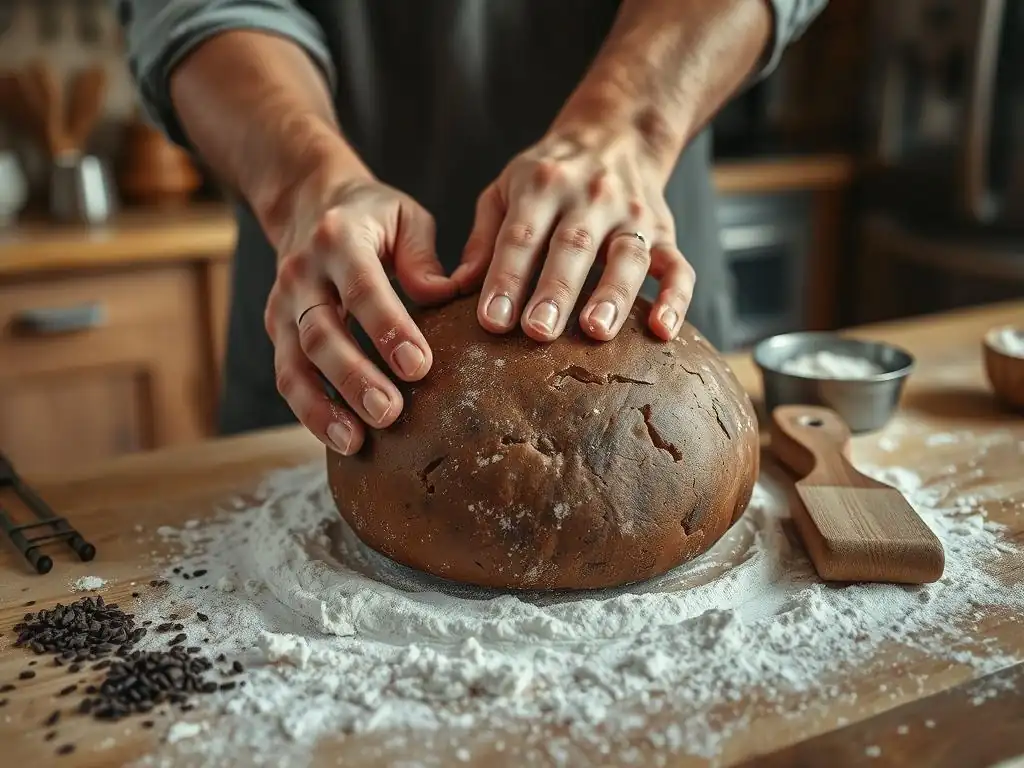
Shaping rye dough requires a slightly different approach than high-gluten wheat dough. Rye dough is often stickier and less elastic, meaning it doesn't hold tension as well. A simple shaping technique is best for this easy rye bread recipe, especially for a sandwich loaf which is typically a batard (oval) or boule (round). Gently turn the dough out onto a lightly floured surface. Avoid adding too much extra flour, as this can create dry spots in the crumb.
For a batard shape, gently pre-shape the dough into a loose round or rectangle and let it rest for 15-20 minutes. This allows the dough to relax. Then, gently shape it into a log by folding the sides into the center and rolling it seam-side up. The goal is to create a taut surface without degassing the dough too much. Place the shaped loaf seam-side up in a floured proofing basket (banneton) or a bowl lined with a floured tea towel. This simple technique helps maintain the structure needed for a good rise in the oven.
Second Rise: Cold Proofing for Enhanced Flavor
The second rise, or final proofing, is where the shaped loaf rests before baking. For this easy rye bread recipe, incorporating a cold proof in the refrigerator is highly recommended. Placing the shaped loaf in the refrigerator (at about 38-40°F or 3-4°C) for an extended period, typically 8 to 16 hours, offers significant benefits. The cold temperature slows down the yeast activity dramatically, allowing the lactic acid bacteria to become more active relative to the yeast.
This shift in microbial activity leads to the production of more organic acids, deepening and enhancing the sourdough tang and overall complexity of the flavor profile. Additionally, cold proofing helps to firm up the dough, making it much easier to score just before baking. The slower fermentation also contributes to a better oven spring and a more open crumb structure than a shorter, warm proof might achieve with rye dough. A cold proof is a simple step that elevates your homemade rye bread from good to truly outstanding.
Baking to Perfection: Oven Temperature, Steam, and Timing
Baking sourdough rye requires high heat and steam to achieve a beautiful crust and optimal oven spring. Preheat your oven, ideally with a baking stone or Dutch oven inside, to a high temperature, such as 475-500°F (245-260°C), for at least 30-60 minutes. The preheated stone or Dutch oven provides a burst of initial heat to the base of the loaf, promoting rapid expansion.
Steam is crucial in the initial phase of baking. It keeps the surface of the dough moist and pliable, allowing it to expand fully before the crust sets. If using a Dutch oven, the lid traps the moisture released by the dough. If baking on a stone, you can create steam by pouring hot water into a preheated tray on the bottom rack of your oven just as you load the bread.
Bake the loaf with steam for the first 15-20 minutes. Then, remove the lid (if using a Dutch oven) or the steam tray, reduce the oven temperature to around 425-450°F (220-230°C), and continue baking for another 20-30 minutes until the crust is deep golden brown and the internal temperature reaches 205-210°F (96-99°C). This two-stage baking process is key to a perfect finish for your easy rye bread recipe.
Tips and Tricks for the Best Sourdough Rye Bread Recipe
Baking sourdough rye, while rewarding, can sometimes present unique challenges compared to baking with pure wheat flour. Rye dough behaves differently due to its composition. However, a few simple tips and tricks can help you navigate these differences and consistently achieve fantastic results with your easy rye bread recipe. From perfecting the crust to troubleshooting common issues, these insights will help you bake your best loaf yet.
Don't be discouraged if your first attempt isn't perfect. Baking is a skill that improves with practice. Pay attention to how your dough feels and responds at each stage, and adjust your techniques accordingly. These tips are designed to give you the knowledge to anticipate potential issues and make informed decisions throughout the baking process.
Achieving the Perfect Rye Bread Crust: Scoring and Steam Injection
A great rye bread crust is both visually appealing and contributes significantly to the texture of the loaf. Scoring the dough just before baking is essential. It provides controlled vents for the expanding gases inside the loaf during oven spring, preventing the crust from cracking haphazardly. With rye dough, which is less elastic, a simple, clean score is often best. A single deep slash down the center or a few parallel slashes are common and effective patterns. Use a sharp razor blade (lame) held at a slight angle and make a swift, confident cut.
As mentioned in the baking section, steam is vital during the first part of the bake. It keeps the surface soft, allowing the dough to expand freely. Without sufficient steam, the crust will set too early, restricting oven spring and potentially leading to a dense loaf or uncontrolled bursts on the surface. Whether using a Dutch oven or a steam tray, ensuring a steamy environment for the first 15-20 minutes at high heat is the secret to a beautiful, crackling crust on your easy rye bread recipe.
Troubleshooting Common Rye Bread Baking Issues
Even with a great recipe, sometimes things don't go exactly as planned. Understanding common issues in rye bread baking can help you diagnose problems and improve future bakes. Two frequent concerns are overly dense bread and excessive sourness. Addressing these issues often involves adjusting fermentation times, temperatures, or ingredient ratios. Keeping a baking journal can be helpful to track changes and identify what works best in your specific kitchen environment.
Remember that rye flour's unique properties mean rye bread will naturally be denser than a pure wheat loaf. The goal is a moist, chewy density, not a brick-like texture. Similarly, sourdough rye is meant to be tangy, but there's a point where the sourness becomes overpowering. Learning to control these aspects is part of mastering your easy rye bread recipe.
Why is My Sourdough Rye Bread Dense?
Density is a common issue with rye bread, often stemming from insufficient leavening or poor dough development. One primary cause is an inactive or weak sourdough starter. If your levain didn't double or triple in size within the expected time frame after feeding, it might not have had enough power to lift the relatively heavy rye dough. Ensure your starter is vigorous and recently fed before preparing the levain for your easy rye bread recipe.
Another reason for density can be insufficient fermentation, either during bulk fermentation or final proofing. If the dough hasn't had enough time to rise (even if the visual cues for rye are subtle), it won't achieve good oven spring. Conversely, over-proofing can also lead to a collapse in structure, resulting in a dense crumb. Dough handling also plays a role; over-mixing can break down the limited gluten network, while adding too much extra flour during shaping can also contribute to a tight crumb. Aim for gentle handling and appropriate fermentation times.
My Sourdough Rye Bread is Too Sour: What Went Wrong?
While tanginess is desired in sourdough rye, excessive sourness can make the bread unpleasant. The level of sourness is primarily controlled by the fermentation process, specifically the balance between lactic and acetic acid production. Acetic acid, which contributes a sharper, vinegary tang, is favored by longer fermentation times, cooler temperatures, and higher hydration levels in the starter or dough.
If your bread is too sour, consider adjusting your fermentation strategy. A longer bulk fermentation at warm room temperature (75-80°F) relative to cold proofing can shift the balance towards milder lactic acid. You might also try using a levain that has fermented for a shorter time (closer to when it peaks) rather than one that has started to fall.
Additionally, adjusting your starter feeding ratio (e.g., feeding with a higher ratio of flour to starter, like 1:3:3 instead of 1:1:1) can produce a less acidic levain. Experimenting with these factors will help you dial in the perfect level of tang for your easy rye bread recipe.
Storing Your Homemade Sourdough Rye Bread: Keeping it Fresh
Proper storage is key to enjoying your delicious homemade sourdough rye bread for as long as possible. Once the loaf has fully cooled (this is important to prevent a gummy interior), store it at room temperature. Avoid refrigerating bread, as it can accelerate staling.
For short-term storage (1-2 days), simply placing the cut side down on a clean cutting board or wrapping the loaf loosely in a clean linen towel works well. For longer storage (up to a week), wrap the cooled loaf tightly in plastic wrap or beeswax wrap, then place it in a bread box or a paper bag inside a plastic bag. If you won't eat the loaf within a few days, freezing is an excellent option.
Slice the cooled loaf and wrap the slices or half-loaves tightly in plastic wrap, then place them in a freezer bag. Frozen sourdough rye bread can keep for several months. Thaw slices as needed or toast directly from frozen for quick use.
Sandwich Ideas: Unleash the Potential of Your Sourdough Rye Bread

Now that you've baked a perfect loaf of sourdough rye bread using this easy rye bread recipe, it's time to put it to work! The robust flavor and chewy texture of homemade rye make it an exceptional base for a wide variety of sandwiches, from classic deli favorites to more creative combinations. Forget flimsy store-bought slices; your homemade rye is ready to elevate your sandwich game to new heights.
The slightly tangy, earthy notes of the bread pair wonderfully with rich, savory, and even slightly sweet fillings. Don't be afraid to experiment with different textures and flavor profiles to discover your personal favorite sandwich combinations built on this delicious foundation.
Classic Rye Bread Sandwiches: Reimagined Reuben
The Reuben sandwich is arguably the most iconic use for rye bread, and your homemade sourdough rye is the perfect canvas for this classic. A traditional Reuben features layers of hot corned beef, tangy sauerkraut, melted Swiss cheese, and creamy Russian dressing, all grilled between slices of buttered rye bread until golden brown and crispy. The sturdy crumb of your sourdough rye holds up beautifully to the moist fillings without becoming soggy, while the bread's inherent tang cuts through the richness of the meat and cheese.
To elevate your homemade Reuben, consider using high-quality ingredients: thinly sliced, flavorful corned beef (or pastrami for a Rachel), authentic fermented sauerkraut, and a good melting Swiss like Gruyère or Emmental. Make your own Russian or Thousand Island dressing for an extra touch. Grilling the sandwich in butter or a mix of butter and oil ensures a wonderfully crisp exterior that contrasts perfectly with the chewy interior crumb of your easy rye bread recipe.
Creative Rye Bread Sandwich Combinations: Smoked Salmon and Dill Cream Cheese
Beyond the classics, sourdough rye bread is incredibly versatile for more adventurous sandwich creations. One delightful combination is smoked salmon with dill cream cheese. The rich, slightly salty flavor of smoked salmon is beautifully complemented by the tangy cream cheese infused with fresh dill, a herb whose subtle anise notes echo the caraway in the bread.
Spread a generous layer of the dill cream cheese on one or both slices of your homemade rye bread. Top with slices of high-quality smoked salmon. You can add thinly sliced red onion, capers, or a few fresh cucumber slices for added texture and freshness. The chewy structure of the rye bread provides a satisfying bite against the soft salmon and creamy spread. This sandwich highlights how the complex flavor profile of sourdough rye can enhance and balance lighter, yet flavorful, fillings, making it a go-to for quick, elegant meals.
More Sourdough Bread Baking Recipes from Acme Bread Company
Mastering this easy rye bread recipe is just the beginning of your sourdough baking journey. The principles learned – understanding starter activity, managing fermentation, and handling dough – are applicable to a wide range of sourdough breads. Exploring different flours, hydration levels, and techniques can open up a world of new flavors and textures.
Continuing to bake allows you to refine your skills, learn from each loaf, and gain confidence in your abilities. Whether you're aiming for a classic country loaf, a whole wheat boule, or another flavored variation, the foundation you've built with sourdough rye will serve you well.
Explore Our Collection of Sourdough Bread Recipes
Ready to expand your repertoire? Our collection features a variety of sourdough bread recipes designed for home bakers of all levels. From simple no-knead sourdoughs perfect for beginners to more advanced formulas exploring different grains and techniques, there's something for everyone.
You'll find recipes for classic white sourdough, hearty whole wheat loaves, enriched doughs like challah or brioche, and even other specialty breads incorporating seeds, nuts, or dried fruit. Each recipe provides detailed instructions, tips, and guidance to help you achieve delicious results. Take the skills you've honed with this easy rye bread recipe and apply them to new challenges, discovering the incredible diversity possible within the world of sourdough baking.
From Beginner to Baker: Expand Your Baking Skills
Every loaf baked is a learning opportunity. As you move beyond this easy rye bread recipe, pay attention to the subtle cues your dough gives you. How does it feel after mixing? How quickly does it rise at different temperatures? How does adjusting the hydration affect its handling and the final crumb? These observations build intuition and skill.
Don't be afraid to experiment. Try substituting a small percentage of other flours, like spelt or einkorn, into your rye recipe. Adjust the amount of caraway seeds. Practice different shaping techniques. With each loaf, you'll gain confidence and a deeper understanding of the baking process. From a beginner following instructions, you'll evolve into a baker who can adapt recipes and troubleshoot issues independently, creating consistently excellent bread tailored to your own taste.
Frequently Asked Questions
What makes this rye bread recipe considered "easy"?
This recipe focuses on simple ingredients and straightforward steps, making it accessible for even beginner bakers. It avoids complicated techniques like pre-ferments or long fermentation times.
What kind of flour is best for an easy rye bread recipe?
While traditional rye bread uses a high percentage of rye flour, this recipe balances it with bread flour for a lighter, easier-to-handle dough. You can adjust the rye flour percentage to your taste.
Can I use a stand mixer for this easy rye bread recipe?
Yes, a stand mixer can be used to knead the dough, but kneading by hand is also perfectly acceptable and doesn't require special equipment. The recipe provides instructions for both methods.
What are some good toppings for rye bread sandwiches?
Rye bread pairs well with classic sandwich fillings like pastrami, corned beef, Swiss cheese, and sauerkraut. Experiment with different mustards and dressings for added flavor.
How long does this easy rye bread recipe take from start to finish?
The entire process, including preparation, kneading, proofing, and baking, typically takes around 3-4 hours, making it manageable for a weekend baking project.
Final Reflection: The Enduring Appeal of Simple Rye
The perfect sandwich starts with the perfect bread, and for many, that means a slice of hearty, flavorful rye. This seemingly simple pursuit—baking an easy rye bread—connects us to a rich culinary history while satisfying a fundamental human need: the comfort of a well-made meal. The ease of this recipe, however, shouldn't diminish its significance; it's a testament to the power of accessible, delicious food.
This recipe, and the countless variations it inspires, speaks to a deeper cultural connection to bread-making. It's a tradition passed down through generations, a symbol of home, and a testament to the transformative power of simple ingredients. Bread is the staff of life,
a saying as old as time itself, perfectly encapsulates the enduring importance of this staple food. The ease with which this rye bread can be made democratizes this tradition, allowing anyone to experience the satisfaction of creating something delicious and nourishing from scratch.
Now, I invite you to consider the possibilities. Don't just bake this rye bread; experience it. Savor the aroma as it bakes, feel the satisfying weight of the loaf in your hands, and appreciate the simple pleasure of a perfectly crafted sandwich. This recipe is more than just instructions; it's a gateway to culinary exploration, a reminder of the joy found in simple acts, and a celebration of the enduring power of good bread. Go forth and bake!
Unleash Your Inner Baker: Perfect Rye Bread Awaits!
Thanks for taking the time to explore the world of perfect rye bread with us! We hope you gained some valuable tips and tricks to elevate your sandwich game. Ready to put your new skills to the test?
- Bake your own loaf today! Use the recipe as a starting point, and don't be afraid to experiment with different seeds or spices.
- Share your baking journey: Post a picture of your masterpiece on social media and tag us – we’d love to see your results!
- Challenge yourself: Try adapting this recipe to create a different type of bread – perhaps a sourdough rye or a seeded variation.
What unique twist will you add to your next rye bread creation?