
Discovering Scuppernong Pie: A Sweet, LittleKnown Southern Secret

Welcome to BakeWithEase!
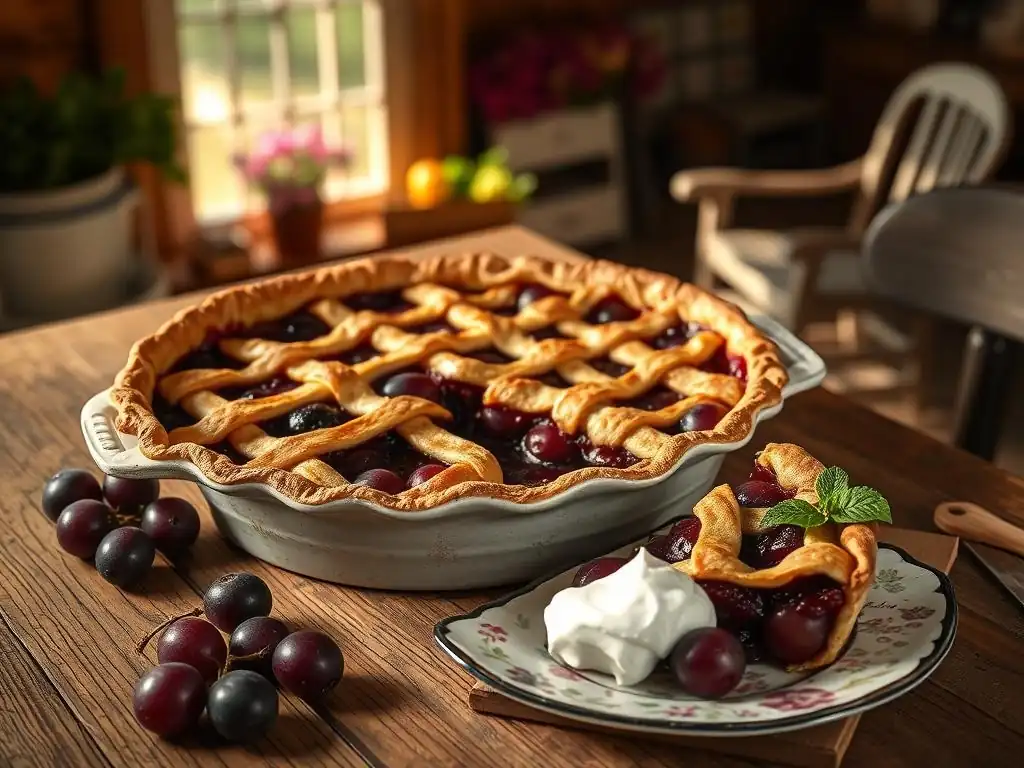
Ever heard of a Scuppernong pie? Perhaps not! Prepare to uncover a delightful, little-known Southern secret. This pie, bursting with the unique sweetness of Scuppernong grapes, is a true regional treasure. Intrigued? Dive into our easy Scuppernong pie recipe and discover how to bring this taste of Southern heritage to your own kitchen. Let's bake!
- Introduction to Scuppernong Pie and Southern Baking Traditions
- The History of Scuppernong Pie: A Taste of Southern Heritage
- Why Scuppernong Pie is a Hidden Gem
- Finding Scuppernongs: Where to Source These Unique Grapes
- The Ultimate Easy Scuppernong Pie Recipe
- Tips and Tricks for the Best Scuppernong Pie
- Serving and Enjoying Your Scuppernong Pie
- Variations on the Classic Scuppernong Pie Recipe
- Scuppernong Pie Recipe Easy: Troubleshooting Common Issues
- Conclusion: Embrace the Sweet Secret of Scuppernong Pie
- Frequently Asked Questions
- Final Reflection: The Enduring Sweetness of Scuppernong
- Unlock the Secrets of Scuppernong Pie!
Introduction to Scuppernong Pie and Southern Baking Traditions
The Allure of Regional American Baking: Beyond the Basics
American baking is a rich tapestry woven from diverse regional traditions, each offering unique flavors and techniques passed down through generations. While classics like New York cheesecake or California sourdough are widely celebrated, there's a whole world of less-known, equally delightful regional treats waiting to be discovered. These recipes often highlight local ingredients and reflect the history and culture of specific areas, offering a genuine taste of place. Exploring these regional gems, like the humble but exquisite Scuppernong pie, expands our baking horizons and connects us to the culinary heritage of the United States.
Venturing into regional baking is like embarking on a culinary treasure hunt. It allows us to appreciate how climate, geography, and historical events have shaped what people bake and eat in different parts of the country. From Florida's Key lime pie to the Pacific Northwest's marionberry cobbler, each dessert tells a story. Scuppernong pie, rooted deeply in the American South, is a prime example of how regional ingredients inspire truly unique and memorable baked goods. It's a reminder that some of the most delicious recipes aren't found in glossy cookbooks but in family kitchens and local community cookbooks.
What is Scuppernong? Unveiling the Southern Grape
Scuppernong is a large, greenish-bronze grape native to the southeastern United States. It's a variety of the muscadine grape (Vitis rotundifolia), distinguished by its thick skin and distinctively sweet, slightly musky flavor. Unlike the tight clusters of typical table grapes, scuppernongs grow in small bunches of two to four grapes. They ripen from late summer through early autumn, typically peaking around August or September, making them a seasonal delicacy highly anticipated by those in the know.
These grapes were first documented in 1584 by explorers on Roanoke Island, North Carolina, who noted their abundance and size. The "Mother Vine," a scuppernong vine estimated to be over 400 years old, still grows on Roanoke Island today, a testament to the grape's long history in the region. While muscadines in general are grown commercially throughout the South, scuppernongs remain a specific, beloved variety, often associated with home gardens and local markets rather than large-scale production. Their unique taste and texture make them perfect for jellies, wines, and, of course, the star ingredient in a delicious Scuppernong pie.
The History of Scuppernong Pie: A Taste of Southern Heritage
Tracing the Origins of Scuppernong Grapes in the South
The history of the Scuppernong grape is deeply intertwined with the history of the American South. As mentioned, they were encountered by early European settlers and quickly became a valuable resource for food and drink. Native American tribes in the region had long utilized wild muscadine varieties, including what we now call scuppernongs. The name "Scuppernong" itself is believed to come from the Scuppernong River in North Carolina, where the grape was found growing abundantly.
Early colonists recognized the potential of these native grapes, especially since European wine grapes struggled to thrive in the humid Southern climate. Scuppernongs were resilient and well-suited to the conditions. They were cultivated for making wine, juice, and preserves. Over time, as culinary traditions developed, the sweet and tart flavor of the Scuppernong found its way into various dishes, evolving from simple preserves into beloved desserts like the Scuppernong pie. This history highlights the ingenuity of early Southern cooks utilizing available local produce.
Scuppernong Pie Through Generations: A Family Favorite
Scuppernong pie isn't typically found on the menu of most national restaurant chains; it's a dessert largely preserved within Southern family traditions. Recipes are often passed down through generations, sometimes handwritten on index cards or tucked into old cookbooks. Grandmothers and great-aunts were often the keepers of the secrets to the perfect Scuppernong pie recipe easy enough for anyone to follow, yet yielding a truly special result. Making the pie often coincides with the late summer harvest, becoming an annual ritual tied to the abundance of the season.
This generational aspect makes Scuppernong pie more than just a dessert; it's a connection to heritage and a taste of home for many Southerners. Stories are shared while stemming and skinning the grapes, and the aroma of the baking pie evokes memories of childhood summers. While precise historical records on the invention of Scuppernong pie are scarce, its presence in community cookbooks dating back to the early 20th century suggests it has been a staple for well over a century, evolving slightly with each family's personal touch, but always centered around that unique grape flavor.
Unique Flavor Profile: Tartness and Sweetness Combined
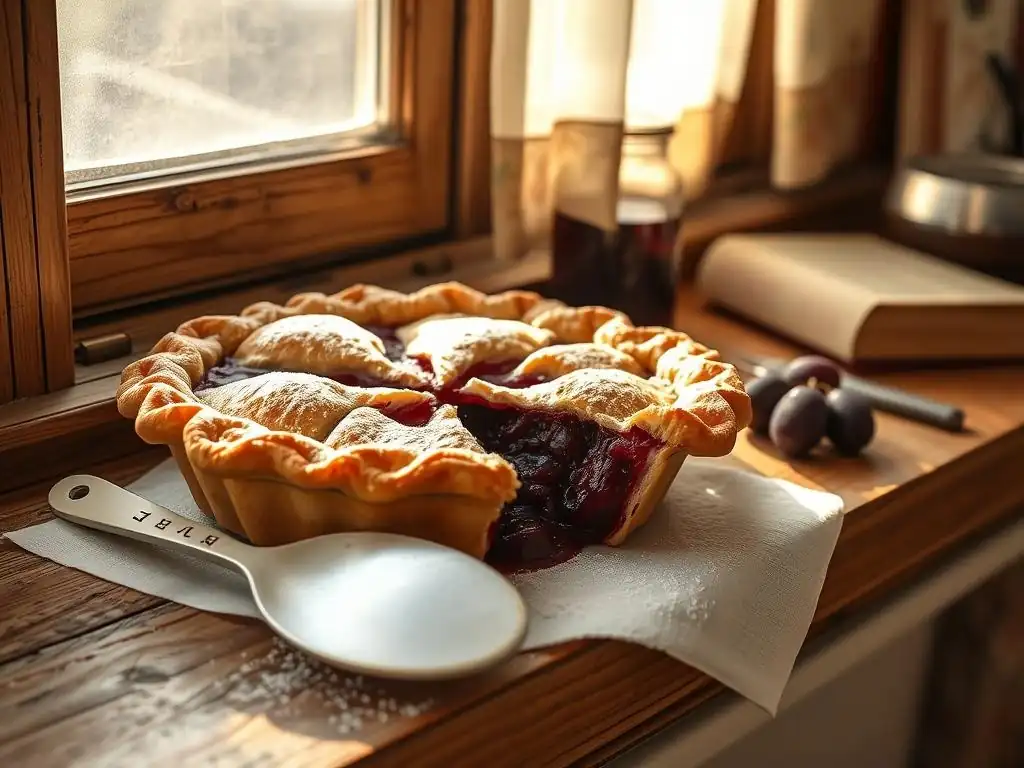
What sets Scuppernong pie apart is its truly unique flavor. Unlike apple or cherry pie, which rely on a balance of sweetness and acidity, Scuppernongs offer a complex profile that includes a distinct, slightly musky aroma and taste, coupled with a pronounced tartness that cuts through the sweetness. The thick skin of the grape, often removed before cooking, contributes to this unique character, as does the natural sugars within the pulp.
When cooked down for a pie filling, the grapes soften, releasing their juices and concentrating their flavor. The resulting filling is both intensely fruity and pleasantly tangy, providing a refreshing contrast to a rich, buttery crust. It's a flavor that is hard to describe to someone who hasn't tried it, but once tasted, it's unforgettable. This unusual balance of sweet, tart, and musky makes Scuppernong pie a sophisticated dessert that stands out from more common fruit pies.
Scuppernong Pie: A Celebration of Southern Ingredients
Scuppernong pie is a perfect example of a dessert that celebrates its regional ingredients. The star, of course, is the Scuppernong grape, which thrives in the Southern climate. But the pie also often incorporates other staples of Southern baking, such as butter, flour, and sugar, combined in a way that highlights the unique fruit. It's a dish that is inherently tied to the land and the seasons of the South.
Making a Scuppernong pie from scratch, especially using freshly picked grapes from a local farm or backyard vine, connects the baker directly to the agricultural rhythm of the region. It encourages an appreciation for seasonal produce and the simple pleasure of using what's available locally. In a world of globally sourced ingredients, a dessert like Scuppernong pie serves as a delicious reminder of the value and unique character of regional foodways. It embodies the spirit of Southern hospitality and the joy of sharing the bounty of the harvest.
Finding Scuppernongs: Where to Source These Unique Grapes
Growing Your Own Scuppernongs: A Gardener's Guide
For those with a bit of garden space and living in USDA Hardiness Zones roughly 7 through 9 (give or take, depending on the specific variety), growing your own Scuppernongs is a rewarding endeavor. These vines are relatively hardy and resistant to many common grape diseases that plague European varieties, making them a good choice for home gardeners in the South. They require a sturdy trellis or arbor for support, as the vines can grow quite large and heavy with fruit.
Planting is typically done in late winter or early spring. Scuppernongs need full sun and well-drained soil. Pruning is essential, usually done in the dormant season, to encourage fruit production and manage vine growth. While it takes about 2-3 years for a new vine to start producing a significant harvest, a mature vine can yield many pounds of grapes, often 20-50 pounds or even more depending on care and variety, providing ample fruit for eating fresh, making preserves, and baking several delicious Scuppernong pies. It's a long-term investment that pays off in delicious, homegrown fruit.
Local Farms and Markets: Your Best Source for Fresh Scuppernongs
If growing your own isn't feasible, the best place to find fresh Scuppernongs is at local farmers' markets or roadside stands throughout the Southern United States during their peak season, typically from late August through September. Because they don't ship well due to their tender nature and short shelf life once picked, you are unlikely to find them in major supermarkets outside of their growing region.
Visiting a local farm allows you to get the freshest possible grapes and often connect directly with the growers. Many farms that grow muscadines will have Scuppernongs available. It's a good idea to check local harvest calendars or call farms directly to confirm availability and peak season dates in your specific area. Expect prices to vary, but you might find them ranging from $2 to $5 per pound, depending on location and year. Buying locally not only gets you the best grapes for your Scuppernong pie recipe easy to make, but it also supports local agriculture and communities.
The Ultimate Easy Scuppernong Pie Recipe
Making a delicious Scuppernong pie doesn't have to be complicated. This Scuppernong pie recipe easy version focuses on simple steps and classic flavors to let the unique taste of the grapes shine through.
Ingredients for a Delicious Scuppernong Pie
Here's what you'll need to bake a standard 9-inch Scuppernong pie:
- For the Filling:
- Approximately 6-8 cups (about 2-2.5 pounds) fresh Scuppernong grapes
- 1 to 1.5 cups granulated sugar (adjust to your sweetness preference)
- 1/4 cup all-purpose flour OR 1/3 cup cornstarch (for thickening)
- 2 tablespoons unsalted butter, cut into small pieces
- 1/4 teaspoon salt (optional, enhances flavor)
- For the Crust:
- One double pie crust recipe (either homemade or store-bought)
Self-check: Do I have enough detail on quantities? Yes, specific amounts are listed.
Step-by-Step Instructions for Making Scuppernong Pie
Follow these steps for a perfect Scuppernong pie recipe easy process:
Preparing the Scuppernong Filling
- Prepare the grapes: Wash the Scuppernong grapes thoroughly. The most time-consuming part is slipping the pulp out of the skins. Hold each grape over a bowl and squeeze the pulp out, separating it from the skin. The skin is often discarded for pie, but some traditional recipes use chopped skins for added texture and flavor – this recipe assumes you discard them for a smoother filling. Place the pulp in one bowl and the skins in another (or discard skins).
- Cook the pulp: Place the grape pulp in a saucepan over medium heat. Bring to a simmer, stirring occasionally. The seeds will separate from the pulp as it heats. Simmer for about 5-10 minutes until the pulp has softened and the seeds are loose.
- Remove the seeds: Carefully pour the cooked pulp through a sieve or food mill set over a clean bowl. Use a spoon to press the pulp through, leaving the seeds behind in the sieve. Discard the seeds. This step is crucial for a smooth filling.
- Combine filling ingredients: Return the seedless pulp juice and pulp to the saucepan (or a clean bowl). Stir in the granulated sugar, flour (or cornstarch), and optional salt. Mix until well combined. The amount of sugar needed will depend heavily on the sweetness of your specific grapes and your personal taste; start with 1 cup and taste, adding more if needed.
Making the Perfect Pie Crust
- Prepare your dough: If making homemade dough, prepare it according to your favorite recipe. Ensure it is chilled and rested. If using store-bought, let it sit at room temperature for 10-15 minutes before unrolling.
- Roll out the bottom crust: On a lightly floured surface, roll out one half of your dough (or one circle of store-bought crust) into a circle large enough to fit into your 9-inch pie plate with some overhang. Gently transfer the dough to the pie plate and press it into the bottom and up the sides. Trim any excess dough, leaving about a 1-inch overhang.
- Prepare the top crust: Roll out the second half of the dough for the top crust. This can be a solid circle with vents cut into it, or you can cut it into strips for a lattice top.
Assembling and Baking Your Scuppernong Pie
- Pour the filling: Pour the prepared Scuppernong filling into the unbaked bottom pie crust.
- Add butter: Dot the top of the filling with the small pieces of butter. This adds richness and helps create a smooth texture.
- Add the top crust: Carefully place the top crust over the filling. If using a solid top, cut several vents in the top with a knife to allow steam to escape. If making a lattice, arrange the strips over the filling and weave them.
- Seal and crimp: Trim the edges of the top crust to match the bottom crust overhang. Crimp the edges of both crusts together to seal the pie. You can use your fingers or a fork to create a decorative edge.
- Optional wash: For a golden-brown crust, you can brush the top crust lightly with an egg wash (1 egg beaten with 1 tablespoon of water) and sprinkle with a little sugar.
- Bake: Preheat your oven to 400°F (200°C). Place the pie on a baking sheet (to catch any drips) and bake for 20 minutes.
- Reduce heat: Reduce the oven temperature to 375°F (190°C) and continue baking for another 25-35 minutes, or until the crust is golden brown and the filling is bubbling through the vents. If the crust edges start to brown too quickly, you can cover them loosely with foil or use a pie crust shield.
- Cool: Once baked, remove the pie from the oven and place it on a wire rack to cool completely. This is a crucial step for the filling to set properly. It may take 2-3 hours or longer. Do not slice while hot.
This Scuppernong pie recipe easy approach ensures a delicious result even for novice bakers.
Tips and Tricks for the Best Scuppernong Pie
Achieving the Perfect Texture and Consistency
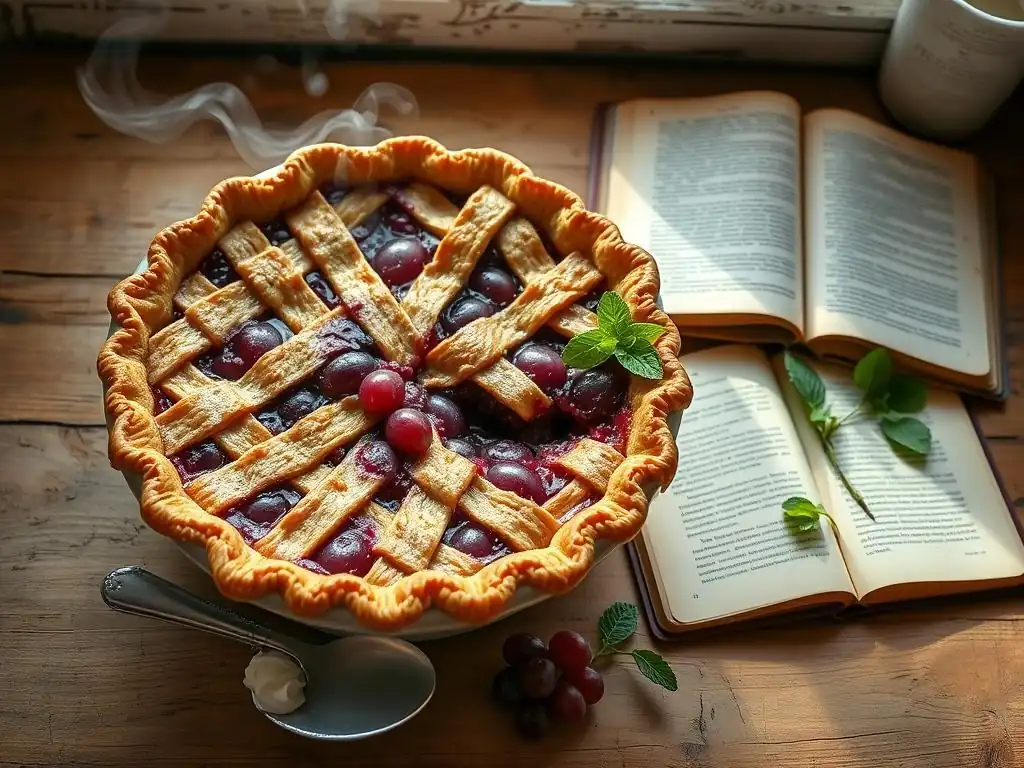
The texture of the Scuppernong pie filling is key. You want it to be thick enough to hold its shape when sliced, but not overly stiff or gummy. The amount of thickener (flour or cornstarch) is important. If your grapes are particularly juicy, you might need slightly more thickener. Cooking the pulp down initially also helps reduce excess liquid before adding the thickener.
Another factor is cooling time. Allowing the pie to cool completely is non-negotiable for the filling to set properly. The starches in the flour or cornstarch need time to gel and firm up as the pie cools. Slicing into a hot pie will result in a runny mess, no matter how much thickener you used. Patience is a virtue when waiting for that perfect slice!
Sweetness Adjustments: Tailoring the Pie to Your Taste
Scuppernongs vary in sweetness depending on the specific variety, ripeness, and even the weather during the growing season. It's a good idea to taste your grapes before you start. If they are very tart, you'll likely need the full 1.5 cups of sugar, or perhaps even a little more. If they are quite sweet, you might be able to get away with just 1 cup.
Don't be afraid to taste the filling mixture after cooking the pulp and adding the sugar and thickener, but before pouring it into the crust. You can carefully add a little more sugar at this stage if needed. Remember that the flavor will concentrate slightly as it bakes, but it's easier to adjust sweetness before the pie goes into the oven.
Preventing a Soggy Crust: Pro Baking Tips
A soggy bottom crust is a common pie woe. Here are a few pro tips to help keep your Scuppernong pie crust crisp:
- Blind Baking: For a very juicy filling like Scuppernong, consider partially blind baking the bottom crust before adding the filling. Bake the empty crust (lined with parchment paper and filled with pie weights or dried beans) at 375°F (190°C) for about 15-20 minutes, then remove weights and paper and bake for another 5-10 minutes until the bottom looks dry and slightly set. Let it cool before adding the filling.
- Hot Oven Start: Starting the pie at a higher temperature (like 400°F/200°C for the first 20 minutes) helps the bottom crust set quickly before the filling has a chance to soak into it too much.
- Thickener: Ensure you use enough flour or cornstarch as specified in the Scuppernong pie recipe easy steps to properly thicken the filling.
- Cooling: Again, allowing the pie to cool completely is vital. The filling needs to set firm, which prevents it from weeping into the crust after slicing.
Serving and Enjoying Your Scuppernong Pie
Complementary Flavors: Pairings for Scuppernong Pie
Scuppernong pie is delicious on its own, but certain pairings can elevate the experience. A scoop of vanilla bean ice cream is a classic choice; its creamy sweetness provides a lovely contrast to the pie's tart fruitiness. A dollop of freshly whipped cream is another simple yet effective accompaniment.
For beverages, consider a glass of sweet tea, a Southern staple, or perhaps a chilled glass of Moscato wine, which often shares some of the same fruity, slightly musky notes as Scuppernongs. Coffee or a lightly sweetened black tea also pairs well, offering a warm counterpoint to the vibrant fruit flavor.
Storage and Reheating Instructions
Properly stored, Scuppernong pie can be enjoyed for several days. Once completely cooled, cover the pie loosely with plastic wrap or aluminum foil.
- Room Temperature: A fruit pie like this can typically be left at room temperature for up to 24 hours, especially if made with a good amount of sugar which acts as a preservative.
- Refrigeration: For longer storage, refrigerate the pie. It will keep well in the refrigerator for 3-4 days.
- Freezing: For longer storage, you can freeze baked Scuppernong pie. Wrap the cooled pie tightly in plastic wrap and then in aluminum foil or place it in a freezer-safe container. It can be frozen for up to 3 months. Thaw overnight in the refrigerator.
- Reheating: To reheat a slice, you can warm it gently in a microwave for 30-60 seconds. For a whole pie or crispier crust, reheat in an oven preheated to 300°F (150°C) for 15-25 minutes, or until warmed through.
Variations on the Classic Scuppernong Pie Recipe
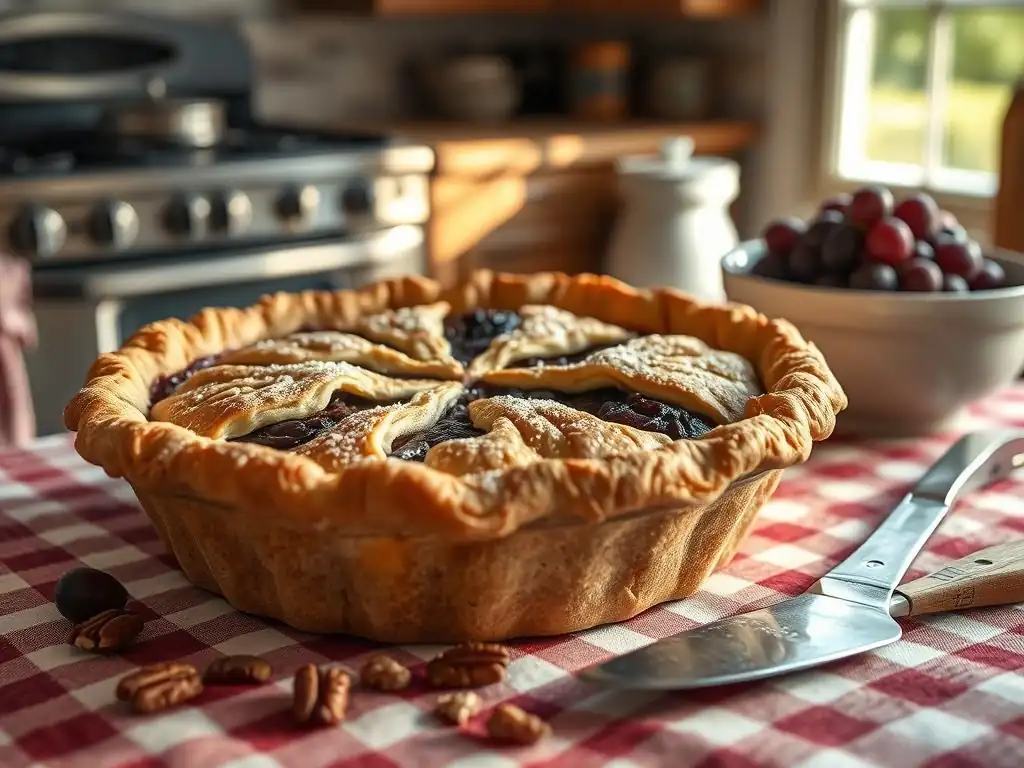
While the classic Scuppernong pie recipe easy version is wonderful as is, there are several ways to adapt it and add your personal touch.
Adding Spices for a Warm, Comforting Flavor
Traditionally, Scuppernong pie is made without added spices to let the unique grape flavor dominate. However, a pinch of spice can add warmth and complexity, especially if you enjoy spiced fruit pies.
- Consider adding 1/4 to 1/2 teaspoon of ground cinnamon or nutmeg to the filling mixture along with the sugar and thickener. These spices complement the fruit without overpowering it.
- A tiny pinch (just an eighth of a teaspoon) of ground clove or allspice can also add an interesting depth, but use sparingly as they have strong flavors.
Experiment with small amounts first to see what you prefer.
Scuppernong Pie with a Crumble Topping
If you love texture, replace the top pie crust with a crumble topping. This is often called a "crisp" or "crumble" pie.
- Ingredients for Crumble: 1 cup all-purpose flour, 1/2 cup packed light brown sugar, 1/4 cup granulated sugar, 1/2 teaspoon ground cinnamon (optional), 1/4 teaspoon salt, 1/2 cup (1 stick) cold unsalted butter, cut into small cubes.
- Instructions: In a bowl, whisk together the flour, sugars, cinnamon (if using), and salt. Cut in the cold butter using your fingers, a pastry blender, or a food processor until the mixture resembles coarse crumbs with some pea-sized pieces.
- Assembly: Pour the Scuppernong filling into the bottom pie crust. Sprinkle the crumble topping evenly over the filling.
- Baking: Bake as directed in the main recipe (start at 400°F for 20 mins, then 375°F for 25-35 mins), or until the filling is bubbling and the crumble topping is golden brown.
This variation adds a delightful buttery crunch to every bite.
Vegan Scuppernong Pie: A Plant-Based Delight
Adapting the Scuppernong pie recipe easy steps for a vegan diet is quite straightforward.
- Vegan Crust: Use a store-bought vegan pie crust or make your own using vegetable shortening, vegan butter, or oil instead of dairy butter. There are many excellent vegan pie crust recipes available online.
- Filling: The Scuppernong grape filling itself is naturally vegan, consisting of fruit, sugar, thickener (flour or cornstarch), and salt.
- Butter Substitute: Instead of dotting the top of the filling with dairy butter, use a plant-based butter alternative or coconut oil. About 2 tablespoons should suffice.
- Baking: Bake as directed. Ensure your vegan crust doesn't brown too quickly; cover edges with foil if necessary.
A vegan Scuppernong pie allows everyone to enjoy this unique Southern treat.
Scuppernong Pie Recipe Easy: Troubleshooting Common Issues
Even with a simple Scuppernong pie recipe easy to follow, sometimes things don't go exactly as planned. Here are fixes for common issues.
My Pie Filling is Too Runny: Solutions and Fixes
A runny filling is usually due to insufficient thickener, not cooking the grapes down enough initially, or not allowing the pie to cool completely.
- Prevention during prep: Ensure you measure your thickener accurately. If your grapes seem exceptionally juicy, consider adding an extra tablespoon of flour or cornstarch. Make sure you cook the pulp until the seeds separate easily, which helps reduce some liquid.
- After baking (if still warm): If you slice into a warm pie and the filling is too runny, the best fix is patience. Let it cool completely. Sometimes the filling just needs several hours to set properly. Refrigerating the cooled pie can also help firm it up further.
- After baking (if cool but still runny): Unfortunately, it's difficult to fix a runny filling in a baked and cooled pie. You can try scooping out the filling, reheating it in a saucepan with an additional tablespoon of cornstarch mixed into a slurry with a little cold water, cooking until thickened, and then serving it as a sauce with the pie slices (which will be more like crust cups at this point).
My Pie Crust is Burning: Prevention and Rescue
Burning crust edges before the filling is done is a common problem.
- Prevention: The easiest way to prevent edges from burning is to shield them. You can use specialized silicone pie crust shields, or simply wrap strips of aluminum foil loosely around the edge of the pie crust before placing it in the oven. Apply the shield or foil about 15-20 minutes into baking, once the edges have started to set but before they brown too much.
- Rescue (during baking): If you notice the edges are browning too fast during baking, quickly wrap them with foil strips. Reduce the oven temperature slightly if the top crust is also browning too fast.
- Rescue (after baking): If the edges are slightly over-browned but not completely burnt, you might be able to carefully trim them off before serving. If they are severely burnt, unfortunately, they will likely impart a bitter taste and may need to be discarded.
Using a baking sheet under the pie also helps prevent the very bottom crust from burning by insulating it slightly from the direct heat of the oven rack.
Conclusion: Embrace the Sweet Secret of Scuppernong Pie
Discovering Scuppernong pie is like finding a delicious piece of Southern history. Its unique flavor, tied directly to the native Scuppernong grape, offers a taste experience unlike any other fruit pie. From the simple pleasure of preparing the grapes to the anticipation as the pie bakes, making this dessert is a rewarding journey into regional American baking.
Whether you source your grapes from a local farm, a friendly neighbor's vine, or even grow your own, baking a Scuppernong pie is a celebration of seasonality and tradition. Don't be intimidated; this Scuppernong pie recipe easy version is designed for bakers of all levels. So, this late summer or early fall, seek out these special grapes and bake a pie. Share it with friends and family, and you'll be sharing a sweet, little-known secret that's been cherished in the South for generations. Enjoy your slice of Southern heritage!
Frequently Asked Questions
What exactly is a Scuppernong pie?
A Scuppernong pie is a traditional Southern dessert made with scuppernong grapes, a type of muscadine grape native to the southeastern United States. It's known for its sweet and tangy flavor.
Where can I find scuppernong grapes for this pie?
Scuppernong grapes are most readily available in the southeastern United States, particularly during the late summer and early fall. Farmers' markets and local produce stands are good places to start.
Is the Scuppernong pie recipe easy to follow for a beginner baker?
Yes! BakeWithEase aims to provide easy-to-follow recipes with step-by-step instructions. The Scuppernong pie recipe is designed to be accessible even for beginner bakers.
Can I substitute another type of grape if I can't find scuppernongs?
While scuppernongs have a unique flavor, you could try using muscadine grapes as a substitute. However, the flavor profile might be slightly different, and you may need to adjust the sugar content accordingly.
How does BakeWithEase ensure success with this Scuppernong pie recipe?
BakeWithEase provides detailed instructions, helpful tips, and easy-to-find ingredients lists to ensure a successful baking experience. We also encourage readers to ask questions in the comments section!
Final Reflection: The Enduring Sweetness of Scuppernong
The simple pleasure of a perfectly baked Scuppernong pie transcends mere culinary delight; it's a taste of history, a connection to place, and a testament to the enduring power of tradition. This seemingly humble dessert, often overlooked in the face of more widely known pies, offers a unique and delicious window into the rich culinary heritage of the American South. Its resurgence in popularity speaks volumes about our growing appreciation for local ingredients and time-honored recipes.
The journey of rediscovering the Scuppernong pie has been a personal one, revealing not only the ease of its preparation but also the profound cultural significance it holds. The unique flavor profile of the Scuppernong grape, a fruit deeply rooted in Southern history, resonates with a sense of place and belonging that is hard to replicate. The Scuppernong is more than just a grape; it's a symbol of the South, a taste of home.
This sentiment, often echoed by those who have grown up with this fruit, highlights the emotional connection that food can forge. The pie itself becomes a vessel for memories, family gatherings, and a tangible link to generations past.
Now, as you close this article, I invite you to consider the possibilities. Don't just bake a Scuppernong pie; experience it. Embrace the simplicity of the recipe, savor the unique flavor, and share this little-known Southern secret with your loved ones. Let the aroma of baking Scuppernong pie fill your kitchen, creating new memories and strengthening the bonds of community and tradition. The sweet taste of history awaits.
Unlock the Secrets of Scuppernong Pie!
Thanks for joining us on this delicious journey into the world of Scuppernong pie! We hope you've discovered a new appreciation for this unique Southern treat. Now it's time to bake your own masterpiece!
- Bake a Scuppernong Pie: This is your chance to experience the incredible flavor firsthand. Our recipe is easy to follow, even for beginners! We've included helpful tips and tricks to ensure success.
- Share your Scuppernong Success: Snap a photo of your finished pie and share it on social media using #ScuppernongPieBakeWithEase. Let's build a community of Scuppernong pie lovers!
- Explore other Southern Recipes: Ready for more culinary adventures? Check out our collection of classic Southern desserts – you might discover your new favorite!
So, are you ready to bring the irresistible taste of Scuppernong pie into your kitchen?