
Ingredient Swaps for Healthier Thanksgiving Desserts (That Still Taste Great)

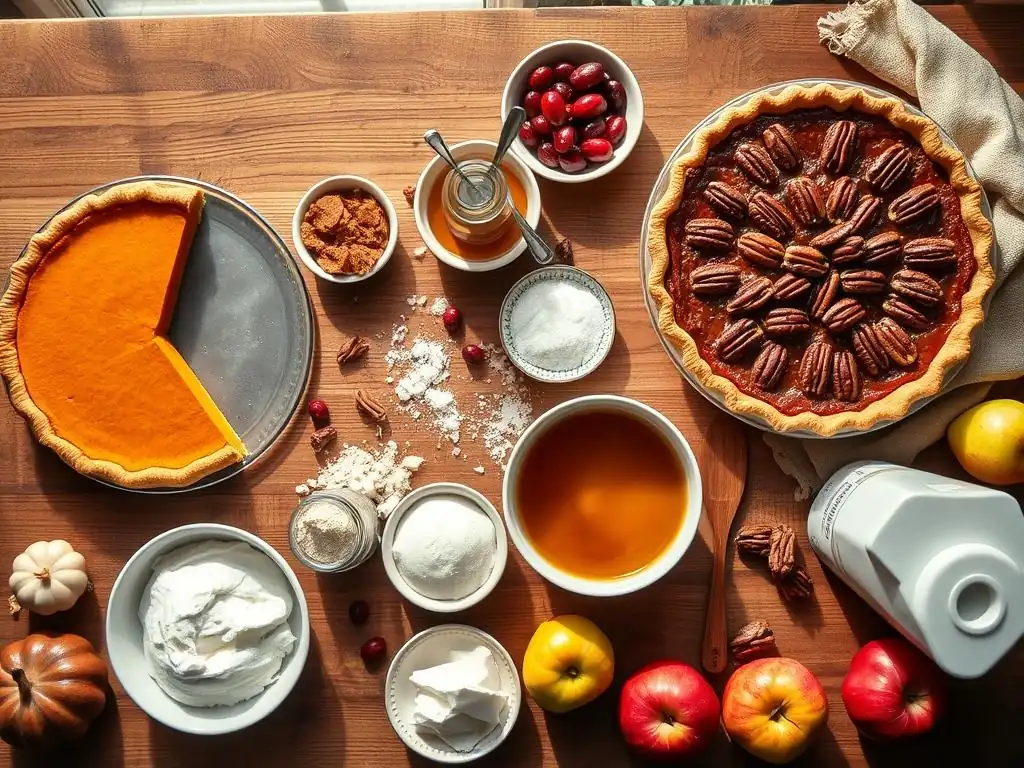
Welcome to BakeWithEase, your kitchen companion for delicious and approachable baking! Ever wondered how to indulge in your favorite Thanksgiving desserts without the guilt? This article dives into ingenious Healthier Thanksgiving dessert ingredient swaps that will revolutionize your holiday baking. Discover secret techniques to lighten up your classics, maintaining all the flavor you crave while making smarter choices. Intrigued? Let's get baking!
- Introduction: BakeWithEase's Guide to Guilt-Free Thanksgiving Treats
- Understanding the Need for Healthier Dessert Options This Thanksgiving
- Key Ingredient Swaps for Healthier Thanksgiving Pies
- Healthier Thanksgiving Crumble and Cobbler Ingredient Alternatives
- Healthier Thanksgiving Cake Ingredient Alternatives
- Tips for Successfully Implementing Healthier Ingredient Swaps
- Delicious & Healthy Thanksgiving Dessert Recipes Using Ingredient Swaps
- Conclusion: Enjoy a Guilt-Free and Delicious Thanksgiving with BakeWithEase
-
Frequently Asked Questions
- What are some common ingredients that can be swapped in Thanksgiving desserts for healthier alternatives?
- Can I make Thanksgiving desserts healthier without sacrificing taste?
- What are some good fruit-based options for healthier Thanksgiving desserts?
- How can I reduce the amount of fat in my Thanksgiving dessert recipes?
- Where can I find recipes that incorporate these healthier ingredient swaps for Thanksgiving desserts?
- Final Reflection: Sweetening the Season, Sweetening Our Lives
- Unleash Your Inner Thanksgiving Baking Pro!
Introduction: BakeWithEase's Guide to Guilt-Free Thanksgiving Treats
Thanksgiving is a time for gathering, gratitude, and, of course, feasting! While the main course often gets the spotlight, the array of delicious desserts is a highlight for many. From classic pumpkin pie to apple crisp and pecan bars, the sweet endings are an integral part of the holiday celebration. However, these traditional treats can often be laden with significant amounts of refined sugar, unhealthy fats, and white flour, leaving us feeling overly full or even a bit guilty after indulging.
At BakeWithEase, we believe you shouldn't have to compromise on taste or tradition to enjoy a more balanced holiday. This guide is dedicated to exploring practical and delicious ingredient swaps for healthier Thanksgiving desserts. We'll show you how simple substitutions can lighten up your favorite recipes without sacrificing that comforting, festive flavor you know and love. Get ready to discover healthier Thanksgiving dessert ingredient swaps that will make your holiday baking both delightful and nourishing.
Understanding the Need for Healthier Dessert Options This Thanksgiving
Thanksgiving dinner is often a rich and indulgent meal. Adding traditional desserts, which are typically high in calories, sugar, and fat, can contribute to an overall feeling of heaviness and potentially impact our well-being. While moderation is key, understanding the nutritional profile of classic Thanksgiving sweets highlights the value in exploring alternatives. Making conscious choices about ingredients allows us to enjoy the festive spirit and delicious flavors while supporting a healthier approach to holiday eating.
Exploring healthier Thanksgiving dessert ingredient swaps isn't about deprivation; it's about smart substitutions that enhance nutritional value while maintaining, or even improving, taste and texture. By opting for whole grains, natural sweeteners, and healthier fats, we can create desserts that are not only lighter but also offer more fiber, vitamins, and minerals. This means you can still enjoy that slice of pie or spoonful of crumble, perhaps feeling a little better about it afterward.
Why Traditional Thanksgiving Desserts Can Be High in Sugar and Fat
Traditional Thanksgiving dessert recipes, many passed down through generations, often rely heavily on ingredients like refined white sugar, butter, and white flour. A single slice of classic pumpkin pie, for example, can easily contain over 30 grams of sugar and 20 grams of fat, primarily from sweetened condensed milk, added sugar, and the butter in the crust.
Pecan pie is often even richer, with some recipes containing upwards of 50-60 grams of sugar per slice due to corn syrup and brown sugar, alongside significant fat from butter and pecans. These high amounts of sugar and fat contribute significantly to the calorie count and can lead to rapid spikes in blood sugar.
The widespread use of these ingredients stems from a time when nutritional science was less understood and readily available ingredients were prioritized for convenience and palatability. Refined sugar provides intense sweetness and moisture, butter adds richness and creates flaky textures, and white flour is easy to work with and provides structure. While they undeniably produce delicious results, their nutritional density, particularly in terms of simple carbohydrates and saturated fats, is why ingredient swaps for healthier Thanksgiving desserts are becoming increasingly popular for those mindful of their dietary intake.
The Benefits of Swapping Ingredients for a Healthier Outcome
Implementing healthier Thanksgiving dessert ingredient swaps offers a multitude of benefits beyond just calorie reduction. By substituting refined sugars with natural alternatives like maple syrup or dates, you can often introduce trace minerals and antioxidants that are absent in white sugar. Replacing some butter or oil with ingredients like applesauce or Greek yogurt can dramatically lower saturated fat intake while still providing moisture and tenderness to baked goods. Swapping white flour for whole wheat or nut flours increases fiber content, which aids digestion and helps promote a feeling of fullness.
These strategic ingredient swaps for healthier Thanksgiving desserts can also lead to more stable energy levels after eating, avoiding the sugar crash often associated with traditional sweets. For instance, increasing fiber content through whole grains or nuts slows the absorption of sugars. Furthermore, using warming spices like cinnamon, nutmeg, and cloves more generously can enhance the perception of sweetness, allowing you to potentially reduce the overall amount of added sweetener needed in a recipe. It's a win-win: enjoying delicious holiday flavors with added nutritional value.
Key Ingredient Swaps for Healthier Thanksgiving Pies

Pies are a cornerstone of the Thanksgiving dessert table. From pumpkin and apple to pecan and sweet potato, there's a pie for everyone. Fortunately, pies offer numerous opportunities for healthier Thanksgiving dessert ingredient swaps, allowing you to enjoy these classics with less guilt. Focusing on the filling and the crust provides the biggest impact on reducing sugar and fat content.
Making small but significant changes to your pie recipes using smart ingredient swaps can transform them into healthier Thanksgiving desserts. Whether you're aiming to reduce refined sugar, lower saturated fat, or add more fiber, there are effective alternatives for almost every traditional component of a pie. Let's explore some of the most impactful swaps you can make for your Thanksgiving pies this year.
Swapping Refined Sugar for Natural Sweeteners in Pie Fillings
Refined white sugar provides pure sweetness but lacks nutritional value. Pie fillings, especially those for fruit or custard pies, often call for significant quantities. Opting for natural sweeteners is a popular strategy for creating healthier Thanksgiving desserts, offering different flavor profiles and sometimes minor nutritional benefits.
While natural sweeteners still contain sugar, they can offer slightly different glycemic responses or provide trace nutrients. The key is often to reduce the total amount of sweetener used, relying on the natural flavors of the main ingredients (like apples or pumpkin) and enhancing them with spices.
Using Maple Syrup as a Refined Sugar Alternative
Maple syrup is a popular natural sweetener, known for its distinct flavor that pairs wonderfully with fall spices and fruits like apples and pumpkin. It can often be substituted for granulated sugar in pie fillings, typically using about 3/4 cup of maple syrup for every 1 cup of granulated sugar, while also reducing the liquid in the recipe slightly (by about 1/4 cup) to maintain consistency. Maple syrup contains trace minerals like manganese and zinc, which aren't found in refined sugar.
For instance, in a standard pumpkin pie filling recipe calling for 3/4 cup of granulated sugar, you could try using 1/2 cup to 2/3 cup of maple syrup instead. This swap not only imparts a lovely, subtle maple flavor but also utilizes a less processed sweetener. However, it's important to note that maple syrup is still primarily sugar (about 52g of sugar per 1/4 cup), so while it's a natural alternative, moderation and potentially reducing the total quantity compared to the original sugar amount are key for a truly healthier outcome.
Exploring Honey as a Natural Sweetener in Thanksgiving Pies
Honey is another excellent natural sweetener that can be used in many pie fillings, particularly those with fruit. Its sweetness is often perceived as stronger than granulated sugar, so you can typically use slightly less – around 2/3 to 3/4 cup of honey for every 1 cup of sugar. Like maple syrup, honey is liquid, so you may need to slightly reduce other liquids in the recipe. Honey also brings its own unique flavor profile, which can vary depending on the floral source, adding complexity to your pie.
Using honey in a berry pie or an apple pie filling works beautifully, complementing the fruit's natural tartness. Honey contains small amounts of enzymes, vitamins, and minerals, as well as antioxidants, offering a slight nutritional edge over refined sugar.
A cup of honey contains approximately 1030 calories and 280 grams of sugar, compared to a cup of granulated sugar's 770 calories and 200 grams of sugar. While honey is denser and slightly higher in calories and sugar by volume, its higher sweetness intensity often allows for using less by weight or volume in the recipe, contributing to healthier Thanksgiving dessert ingredient swaps.
Dates and Applesauce: Natural Sweetener Options for Pies
For a less processed approach to sweetness and added fiber, consider using date paste or unsweetened applesauce in certain pie fillings. Date paste, made by blending soaked dates, offers concentrated natural sweetness, fiber, and nutrients. It works well in dense fillings like pecan pie or certain fruit pies.
You can substitute date paste for sugar cup-for-cup in many cases, adjusting liquid as needed. For example, using 1 cup of date paste adds about 400 calories and 90 grams of sugar, but also around 12 grams of fiber, compared to 1 cup of sugar's 770 calories and 200 grams of sugar with no fiber.
Unsweetened applesauce can replace part of the sugar and fat in fillings, particularly in apple or pumpkin pie. It adds moisture and a subtle sweetness, allowing you to reduce the amount of added sugar.
Substituting half of the required sugar with unsweetened applesauce (e.g., using 1/4 cup applesauce and 1/4 cup sugar instead of 1/2 cup sugar) in a pumpkin pie filling can significantly reduce the total sugar content while adding moisture and a touch of apple flavor that complements the pumpkin spice. Applesauce contains natural sugars but also fiber and vitamins, making it a beneficial swap for healthier Thanksgiving desserts.
Healthier Crust Options: Reducing Unnecessary Fats
The pie crust is often the most fat-heavy component of a pie, traditionally made with large amounts of butter or shortening cut into flour. While that fat is crucial for flakiness, there are ways to reduce the total amount or swap some of the fat for healthier options to create healthier Thanksgiving dessert ingredient swaps for your crusts.
Exploring alternatives for the traditional butter-laden, white flour crust can significantly improve the nutritional profile of your Thanksgiving pies. These swaps can introduce more fiber, healthy fats, or simply reduce the overall fat content while still aiming for a pleasant texture and flavor.
Whole Wheat Pastry Flour vs. All-Purpose Flour for Pie Crusts
Swapping all-purpose flour for whole wheat pastry flour is one of the simplest healthier Thanksgiving dessert ingredient swaps for your pie crust. Whole wheat pastry flour is milled from soft wheat and has a lower protein content than regular whole wheat flour, making it a better choice for tender baked goods like pie crusts. It contains the bran and germ of the wheat kernel, providing significantly more fiber and nutrients compared to refined white flour.
While a crust made with 100% whole wheat pastry flour might be slightly less flaky than one made with all-purpose flour, it offers a substantial nutritional upgrade. A 1/4 cup serving of whole wheat pastry flour contains about 3-4 grams of fiber, whereas the same amount of all-purpose flour has less than 1 gram.
You can start by substituting half of the all-purpose flour with whole wheat pastry flour (e.g., 1/2 cup whole wheat pastry flour and 1/2 cup all-purpose flour instead of 1 cup all-purpose) to ease into the change while still boosting the fiber content of your healthier Thanksgiving dessert crusts.
Reducing Butter in Pie Crusts: Coconut Oil as an Alternative
Traditional pie crusts often call for a full cup or more of butter (around 180g fat). While butter provides excellent flavor and flakiness, it's high in saturated fat. Reducing the total amount of fat or swapping some of it for alternatives can make a difference. Coconut oil, particularly virgin coconut oil, is a plant-based fat that can be used as a partial or full substitute for butter in pie crusts. Like butter, it is solid at room temperature, which is essential for creating flaky layers when cut into the flour.
Using coconut oil as a healthier Thanksgiving dessert ingredient swap can slightly alter the flavor, adding a subtle tropical note, which works well with certain fillings like sweet potato or even pumpkin. You can often substitute coconut oil cup-for-cup for butter, ensuring it's chilled and solid before cutting it into the flour.
While coconut oil is still high in fat (about 160g fat per cup), a significant portion is medium-chain triglycerides (MCTs), which some studies suggest are metabolized differently than long-chain fatty acids found in butter. You could also try reducing the total fat slightly; if a recipe calls for 1 cup of butter, try using 3/4 cup of chilled coconut oil and perhaps adding a tablespoon or two of ice water if the dough seems dry.
Adding Rolled Oats for a Healthier Pie Crust Texture and Flavor
Incorporating rolled oats into your pie crust recipe can add fiber, texture, and a pleasant, nutty flavor, contributing to healthier Thanksgiving dessert ingredient swaps. A common method is to use a combination of flour (either all-purpose or whole wheat pastry flour) and finely ground rolled oats (oat flour) for part of the dry ingredients. For a bottom crust, you might blend 1 cup of rolled oats into a coarse flour consistency and combine it with 1/2 cup of flour, using this mix in place of 1.5 cups of traditional flour.
This oat-enhanced crust works particularly well for crumb-style crusts or press-in crusts, often used for cheesecakes or certain fruit pies, but can also be adapted for traditional roll-out crusts. Oats are a fantastic source of soluble fiber, specifically beta-glucan, known for its potential to help lower cholesterol. Adding 1 cup of rolled oats to a crust recipe can boost the fiber content by approximately 8 grams compared to using only white flour. This simple addition is an effective way to make your Thanksgiving dessert ingredient swaps count towards a more nutritious outcome.
Healthier Pumpkin Pie: Swapping Ingredients for a Lighter Version
Pumpkin pie is arguably the most iconic Thanksgiving dessert. Its creamy texture and warm spice blend are beloved. Traditional recipes often call for heavy cream and significant amounts of sugar, but these are prime candidates for healthier Thanksgiving dessert ingredient swaps to lighten things up without losing that essential holiday flavor.
Focusing on reducing the richness of the filling and enhancing the natural flavors can lead to a delicious, healthier pumpkin pie. Small adjustments to the dairy and sweetener components, combined with smart spice usage, can make a big difference in the final nutritional profile.
Reducing Cream and Sugar in Pumpkin Pie
A standard pumpkin pie filling often includes canned pumpkin puree, eggs, spices, and a liquid sweetened base typically made from evaporated milk or heavy cream and granulated sugar. A common recipe might use one 15oz can of pumpkin, 2 eggs, 3/4 cup granulated sugar, and 1.5 cups of evaporated milk (or a mix of milk and cream).
To make this healthier, you can swap the evaporated milk or heavy cream for lighter options like unsweetened almond milk, oat milk, or even a mix of milk and Greek yogurt. For example, using 1.5 cups of unsweetened almond milk instead of evaporated milk can save over 200 calories and 20 grams of fat.
Reducing the sugar is also crucial for healthier Thanksgiving dessert ingredient swaps. Instead of 3/4 cup of granulated sugar, try using 1/2 cup of maple syrup or a blend of 1/4 cup brown sugar and 1/4 cup maple syrup. This can potentially reduce total sugar grams while adding depth of flavor. For a truly lighter version, some recipes successfully use a combination of pumpkin puree, eggs, a smaller amount of natural sweetener, and non-dairy milk or a blend of milk and pureed silken tofu or Greek yogurt for creaminess, significantly cutting down on saturated fat and sugar.
Adding Warming Spices to Enhance Flavor and Reduce Sweetener Needs
Spices are the heart of pumpkin pie flavor, and using them generously is a fantastic strategy for healthier Thanksgiving dessert ingredient swaps, specifically for reducing the reliance on sugar. Cinnamon, nutmeg, ginger, cloves, and allspice are the classic blend. These spices provide intense aroma and flavor that activate our taste buds and can make the pie feel sweeter even with less added sugar.
Increasing the amount of spices by 50% or even doubling them compared to a traditional recipe can significantly enhance the flavor profile. For example, if a recipe calls for 1 teaspoon of cinnamon, try using 1.5 or 2 teaspoons.
Pairing these spices with natural sweeteners like maple syrup or molasses (even a small amount for color and flavor) can create a rich, complex taste that distracts from the lower sugar content. Using a generous 2 teaspoons of cinnamon, 1 teaspoon of ginger, 1/2 teaspoon of cloves, and 1/2 teaspoon of nutmeg in a standard 15oz pumpkin pie filling can allow you to potentially reduce the added sweetener by 1/4 to 1/3 cup without compromising on that essential holiday taste, making it a genuinely healthier Thanksgiving dessert.
Healthier Thanksgiving Crumble and Cobbler Ingredient Alternatives
Fruit crumbles and cobblers are wonderful, rustic Thanksgiving desserts, often featuring seasonal fruits like apples, pears, or cranberries. While the fruit base is inherently healthy, the toppings are typically made with butter, sugar, and white flour. These elements offer ample opportunities for healthier Thanksgiving dessert ingredient swaps to boost nutrition without sacrificing that delightful crumbly or biscuit-like topping.
Making simple changes to the topping ingredients can transform a standard crumble or cobbler into a significantly healthier Thanksgiving dessert. By incorporating whole grains, nuts, and reducing added sugars and fats, you can enjoy these warm, comforting desserts with added fiber and nutrients.
Swapping Refined Sugar in Fruit Crumbles and Cobblers
The fruit base of crumbles and cobblers often contains added sugar to enhance sweetness and create a syrupy texture. The crumble or cobbler topping also contains sugar. To make healthier Thanksgiving dessert ingredient swaps, focus on reducing the total amount of sugar used in both components and opting for natural alternatives where possible.
For the fruit filling, rely more on the natural sweetness of the fruit itself, especially if using ripe apples or pears. You can often reduce the sugar called for in the fruit layer by 1/4 to 1/2 cup.
In the topping, substitute some or all of the granulated sugar with brown sugar (which offers slightly more moisture and molasses flavor) or natural sweeteners like maple sugar or coconut sugar, which behave similarly to granulated sugar but have slightly different nutritional profiles and flavors. For instance, if a topping calls for 1/2 cup of granulated sugar, try using 1/4 cup of brown sugar and 1/4 cup of maple sugar, or simply reduce the total amount to 1/4 or 1/3 cup, especially if the fruit is naturally sweet.
Using Whole Grains in Crumble Toppings
Traditional crumble toppings are often made with white flour, sugar, and butter. A key healthier Thanksgiving dessert ingredient swap is to incorporate whole grains. Rolled oats are a classic addition to crumbles and are an excellent source of fiber. You can replace half or even all of the flour in the topping with rolled oats or a combination of rolled oats and whole wheat flour.
A typical crumble topping recipe might use 1 cup of flour, 1/2 cup sugar, and 1/2 cup butter. For a healthier version, try using 1/2 cup whole wheat flour, 1/2 cup rolled oats, 1/4 cup brown sugar, and 1/4 cup chopped nuts, with the same amount of butter or a reduced amount (e.g., 1/4 cup).
This swap significantly increases the fiber content; 1/2 cup of rolled oats adds about 4 grams of fiber, and 1/2 cup of whole wheat flour adds about 2 grams, compared to less than 1 gram from white flour. This makes for a heartier, more nutritious crumble topping that still gets delightfully crisp when baked, contributing to healthier Thanksgiving dessert ingredient swaps.
Nut-Based Flour Alternatives for Crumble Toppings
For those seeking gluten-free options or simply wanting to add healthy fats and protein, nut-based flours are excellent healthier Thanksgiving dessert ingredient swaps for crumble toppings. Almond flour is a popular choice, made from ground almonds. It's lower in carbohydrates and higher in healthy fats and protein compared to wheat flour.
You can substitute almond flour for all or part of the wheat flour in a crumble topping recipe. For example, instead of 1 cup of wheat flour, use 1 cup of almond flour, adjusting the amount of fat slightly as almond flour is already higher in fat.
A typical crumble topping using 1 cup of almond flour, 1/4 cup sugar, and 1/4 cup butter would provide significantly more protein (around 24g from the almond flour) and healthy monounsaturated fats compared to a version using white flour. This swap creates a rich, slightly nutty topping that crisps up beautifully, making it a great option for healthier Thanksgiving dessert ingredient swaps, especially when paired with fruit like apples or pears.
Healthier Thanksgiving Cake Ingredient Alternatives

Cakes might not be the most traditional Thanksgiving dessert, but they are certainly popular for holiday gatherings. Layer cakes, bundt cakes, or simple sheet cakes offer numerous opportunities for healthier Thanksgiving dessert ingredient swaps, allowing you to enjoy a slice without feeling weighed down. The primary targets for swaps in cakes are typically the fats and sugars.
Making smart substitutions for butter, oil, and sugar in cake recipes can result in a moist, flavorful cake with a better nutritional profile. These healthier Thanksgiving dessert ingredient swaps can reduce saturated fat, cholesterol, and refined sugar while adding fiber and other nutrients.
Replacing Butter and Oil with Healthier Options in Cakes
Butter and oil provide moisture and tenderness in cakes. While essential, the amounts used can be significant. Exploring alternatives that provide moisture with less saturated fat or fewer calories is a key strategy for healthier Thanksgiving dessert ingredient swaps in cakes.
Swapping out some or all of the butter or oil for ingredients like fruit purees or dairy alternatives can drastically cut down on fat and calories while keeping the cake moist and tender. These substitutions work particularly well in denser cakes or those with strong flavors that can mask subtle changes.
Applesauce as a Butter Substitute in Cake Recipes
Unsweetened applesauce is a widely used healthier Thanksgiving dessert ingredient swap for butter or oil in cake recipes. It provides moisture and a subtle sweetness, allowing you to reduce the amount of added fat and sugar. You can typically substitute half of the butter or oil called for with applesauce. For example, if a recipe calls for 1 cup of butter, use 1/2 cup of butter and 1/2 cup of unsweetened applesauce.
This swap dramatically reduces fat content. 1/2 cup of unsweetened applesauce contains less than 1 gram of fat and about 50 calories, whereas 1/2 cup of butter contains over 90 grams of fat and about 800 calories. While substituting all the fat with applesauce might affect the cake's texture (making it denser and less crumbly), a partial swap works very well in many recipes, resulting in a moist cake with significantly less saturated fat, making it a great healthier Thanksgiving dessert option.
Greek Yogurt as a Fat Replacement in Thanksgiving Cakes
Plain Greek yogurt is another excellent ingredient for healthier Thanksgiving dessert ingredient swaps in cakes. Its thickness and tang make it a great substitute for sour cream, butter, or oil, adding moisture and richness while boosting protein content and lowering fat. You can often substitute Greek yogurt for half or all of the oil or butter in a cake recipe, using a 1:1 ratio or slightly less yogurt than the fat it replaces.
For example, if a cake calls for 1/2 cup of oil, you could use 1/2 cup of plain Greek yogurt instead. This swap can reduce fat by over 90% (1/2 cup oil is about 95g fat, while 1/2 cup nonfat Greek yogurt is less than 0.5g fat) and add about 11 grams of protein. Greek yogurt also adds a lovely tang that can complement spices like cinnamon and nutmeg, enhancing the flavor of your healthier Thanksgiving dessert cake.
Reducing Sugar Content in Thanksgiving Cakes
Like pies, cakes often contain significant amounts of refined sugar. Reducing the sugar content is a key part of making healthier Thanksgiving dessert ingredient swaps. This can be achieved by simply using less sugar or by incorporating ingredients that provide natural sweetness and moisture.
Focusing on natural sweeteners, fruit purees, and flavor enhancers like spices and extracts allows you to cut down on added sugar without making the cake taste bland. These methods contribute to a more balanced sweetness that lets other flavors shine.
Using Mashed Banana for Natural Sweetness and Moisture
Ripe mashed banana is a fantastic ingredient for healthier Thanksgiving dessert ingredient swaps, especially in spice cakes or cakes where a banana flavor is welcome. It provides natural sweetness, allowing you to significantly reduce the amount of added sugar, and also adds wonderful moisture, which can help compensate when reducing fat. A very ripe banana is the sweetest and easiest to mash smoothly.
You can substitute about 1/2 cup of mashed banana for every 1/2 cup of sugar you remove from a cake recipe. For instance, if a recipe calls for 1.5 cups of sugar, you could try using 1 cup of sugar and 1/2 cup of mashed banana. This swap adds natural sugars along with potassium, fiber, and vitamins, while reducing the amount of refined sugar. Mashed banana works particularly well in recipes featuring cinnamon, nutmeg, and cloves, making it a perfect addition to healthier Thanksgiving dessert cakes.
Experimenting with Spices to Enhance Flavor and Reduce Sugar
Just as with pumpkin pie, generous use of warming spices can enhance the flavor of Thanksgiving cakes and allow you to use less added sugar. Cinnamon, nutmeg, cloves, allspice, and ginger are all excellent choices that pair well with fall flavors like pumpkin, apple, or sweet potato. These spices provide intense aromatic compounds that our brains associate with sweetness and richness.
By increasing the amount of spices in your cake batter – perhaps doubling the amount of cinnamon or adding a pinch more ginger and cloves – you can create a more flavorful cake that doesn't rely as heavily on sugar for taste. For example, if a standard apple cake recipe uses 1 teaspoon of cinnamon, try using 2 teaspoons of cinnamon and 1/4 teaspoon of nutmeg and ginger.
This allows you to potentially reduce the sugar by 1/4 to 1/3 cup while still enjoying a cake bursting with cozy, festive flavor. This simple technique is a valuable healthier Thanksgiving dessert ingredient swap.
Cookies are easy-to-share treats perfect for a Thanksgiving dessert spread. Like other baked goods, traditional cookie recipes often contain high amounts of butter and sugar. Fortunately, there are many effective ingredient swaps for healthier Thanksgiving cookies that maintain that satisfying chewiness or crispness we love.
Focusing on replacing saturated fats and reducing refined sugars are the primary goals when making healthier Thanksgiving dessert ingredient swaps for cookies. There are also opportunities to boost fiber and nutrients by altering the flour used.
Butter provides richness, helps with spreading, and contributes to texture in cookies. While its flavor is distinctive, you can make healthier Thanksgiving dessert ingredient swaps by using alternative fats or reducing the total amount.
Substituting butter with plant-based fats or fruit/vegetable purees can lower saturated fat and cholesterol content. The key is to find substitutes that provide the necessary moisture and structure without negatively impacting the cookie's final texture.
Avocado as a Butter Alternative in Thanksgiving Cookies
Ripe mashed avocado might seem like an unconventional healthier Thanksgiving dessert ingredient swap for butter, but it works surprisingly well in certain cookie recipes, particularly those with chocolate or strong spices, as the avocado's flavor is masked. Avocado provides healthy monounsaturated fats and creaminess, allowing you to reduce the amount of butter or oil.
You can typically substitute mashed avocado for butter in a 1:1 ratio by volume, but you might need to slightly reduce other liquids. For example, if a chocolate chip cookie recipe calls for 1/2 cup of softened butter, you could use 1/2 cup of mashed avocado. This swap replaces about 80 grams of saturated fat with around 10 grams of healthier monounsaturated and polyunsaturated fats. The result is a moist, slightly denser cookie. This works best in drop cookies rather than those that need to spread a lot, making it a unique option for healthier Thanksgiving dessert ingredient swaps.
Cookies are often quite sweet, relying on granulated and brown sugars for flavor, texture, and spread. Reducing the total sugar content is a straightforward way to make healthier Thanksgiving dessert ingredient swaps. This can involve simply using less sugar or incorporating natural sweeteners that offer additional benefits.
Reducing sugar might slightly alter the texture (less spread, softer cookies), but focusing on natural sweeteners and flavor enhancers can ensure the cookies are still delicious and satisfyingly sweet.
Using Date Paste for Natural Sweetness in Cookies
Date paste, made from blending soaked dates, is a concentrated natural sweetener that adds fiber and nutrients to cookies. It's an excellent healthier Thanksgiving dessert ingredient swap for refined sugar, particularly in chewy cookie recipes like oatmeal cookies or spice cookies. It provides a rich, caramel-like sweetness.
You can often substitute date paste for brown sugar cup-for-cup, or use it to replace half of the total sugar called for in a recipe. For example, if a recipe calls for 1 cup of brown sugar, try using 1/2 cup of brown sugar and 1/2 cup of date paste. This swap replaces about 100 grams of sugar with date sugars, while adding approximately 6 grams of fiber and some potassium and magnesium from the dates. This makes your cookies a more nutrient-dense and healthier Thanksgiving dessert.
Adding Spices and Extracts to Enhance Cookie Flavor
Just like in cakes and pies, spices and extracts are powerful tools for enhancing flavor and allowing you to reduce added sugar in cookies. Vanilla extract, almond extract, cinnamon, nutmeg, ginger, and cloves all add significant flavor that makes cookies taste richer and sweeter than they are.
By increasing the amount of extracts (like using 2 teaspoons of vanilla instead of 1) and being generous with spices (adding an extra pinch of cinnamon or ginger), you can boost the flavor profile of your cookies. This heightened flavor experience can make the cookies feel satisfyingly sweet even when you've reduced the sugar content by 1/4 or 1/3 cup.
For example, in a batch of oatmeal cookies, adding 1.5 teaspoons of cinnamon and 1 teaspoon of vanilla extract can allow you to reduce the total sugar from 1 cup to 2/3 cup while maintaining delicious flavor, demonstrating effective healthier Thanksgiving dessert ingredient swaps.
Most cookie recipes use all-purpose flour, which provides structure but lacks fiber and significant nutrients. Swapping some or all of the white flour for whole grain or nut-based alternatives is a great way to make healthier Thanksgiving dessert ingredient swaps and boost the nutritional value of your cookies.
These flour alternatives add fiber, protein, and healthy fats, changing the texture and flavor profile of the cookies in interesting ways. They are particularly useful for those looking for gluten-free or lower-carb options for their Thanksgiving dessert table.
Almond Flour for Gluten-Free and Lower-Carb Cookies
Almond flour, made from ground almonds, is a popular choice for gluten-free and lower-carbohydrate baking. It's higher in fat and protein and lower in carbs than wheat flour, offering a denser, richer texture and a slightly nutty flavor. It's an excellent healthier Thanksgiving dessert ingredient swap for cookies.
You can often substitute almond flour for wheat flour in a 1:1 ratio by weight, or slightly more by volume (e.g., 1 cup wheat flour = 1.25 cups almond flour), though recipes specifically developed for almond flour yield the best results. A cookie made with almond flour will have significantly more protein (around 6g per cookie vs. 1g for wheat flour) and healthy fats, making it more satisfying. While calorie counts might be similar or higher due to the fat content, the lower net carbs and higher protein make it a preferred healthier Thanksgiving dessert option for many.
Oat Flour for Added Fiber in Thanksgiving Cookies
Oat flour, made by grinding rolled oats into a fine powder, is another excellent whole-grain option for healthier Thanksgiving dessert ingredient swaps in cookies. It adds fiber, nutrients, and a slightly chewy texture. Oat flour contains beta-glucan, a type of soluble fiber beneficial for heart health.
You can substitute oat flour for up to half of the all-purpose flour in many cookie recipes without drastically changing the outcome. For example, if a recipe calls for 2 cups of all-purpose flour, use 1 cup of all-purpose flour and 1 cup of oat flour. This swap adds approximately 8 grams of fiber to the batch.
For recipes specifically designed for oat flour, you can use 100% oat flour. Cookies made with oat flour tend to be a bit softer and chewier, which is delightful for varieties like oatmeal cookies or spice cookies, contributing positively to healthier Thanksgiving dessert options.
Tips for Successfully Implementing Healthier Ingredient Swaps

Making ingredient swaps for healthier Thanksgiving desserts can sometimes feel daunting, but with a few simple tips, you can achieve delicious results. It's a learning process, and not every swap works perfectly in every recipe. Patience and willingness to experiment are key!
-
Start Small: Gradual Changes for Best Results
Often, the most successful healthier Thanksgiving dessert ingredient swaps involve replacing only a portion of the less healthy ingredient at first. If a recipe calls for 1 cup of sugar, try reducing it by 1/4 cup or swapping only half for a natural sweetener. If it calls for 1 cup of butter, try replacing 1/4 or 1/2 cup with applesauce or Greek yogurt. This allows you to see how the swap affects the texture and flavor without risking the entire batch, making adjustments easier for future attempts at healthier Thanksgiving desserts.
- Try swapping just 1/4 of the white flour for whole wheat pastry flour in your pie crust.
- Reduce the sugar in your pumpkin pie filling by 1/3 cup initially.
- Replace half the butter with mashed avocado in a small batch of chocolate cookies.
-
Taste Test and Adjust: Finding the Perfect Balance
As you make healthier Thanksgiving dessert ingredient swaps, especially with sweeteners and fats, be prepared to taste and adjust. Different natural sweeteners have varying levels of sweetness and unique flavors. Replacing fat can alter moisture and tenderness. It's okay to make notes and tweak quantities in future batches to find the perfect balance of flavor, sweetness, and texture that works for you and your family. Baking is a science, but also an art!
- Did the pie filling taste sweet enough with maple syrup? Maybe add a little more next time, or increase the spices.
- Did the cake feel too dense with applesauce? Next time, use a little less applesauce and a bit more butter.
- Were the cookies too dry with almond flour? Ensure you used enough fat or liquid binder.
-
Focus on Flavor: Enhance Natural Sweetness and Spices
When reducing sugar, lean heavily on other flavor enhancers. Vanilla extract, almond extract, citrus zest (lemon, orange), and warming spices (cinnamon, nutmeg, ginger, cloves, allspice) can make baked goods taste incredibly flavorful and satisfying even with less sweetness. Toasting nuts or using brown butter (carefully!) can also add depth of flavor. These techniques are essential for making your healthier Thanksgiving dessert ingredient swaps successful and your treats truly delicious.
- Use high-quality vanilla extract; its flavor is potent.
- Add a pinch of salt to balance sweetness and enhance other flavors.
- Don't be shy with cinnamon, ginger, and other warm spices in fall-themed desserts.
Delicious & Healthy Thanksgiving Dessert Recipes Using Ingredient Swaps
Ready to put these healthier Thanksgiving dessert ingredient swaps into practice? Here are outlines for a few classic recipes incorporating some of the swaps discussed, offering a taste of what's possible for a lighter holiday feast.
Healthier Pumpkin Pie Recipe
This version uses maple syrup for sweetness and a lighter dairy alternative.
- Crust: Use a pre-made whole wheat crust or make your own using half whole wheat pastry flour and half all-purpose flour, reducing the butter slightly and adding a touch more ice water.
- Filling: Blend one 15oz can of pumpkin puree, 2 large eggs, 1/2 cup maple syrup, 1/4 cup brown sugar, 1.5 cups unsweetened oat milk (or a mix of milk and Greek yogurt), 2 tsp pumpkin pie spice (or 1.5 tsp cinnamon, 1 tsp ginger, 1/2 tsp nutmeg, 1/4 tsp cloves), and a pinch of salt.
- Baking: Pour into the prepared crust and bake at 375°F (190°C) for 50-60 minutes, or until a knife inserted near the center comes out clean.
Healthier Apple Crumble Recipe
Featuring a fiber-rich oat and whole wheat topping with reduced sugar.
- Fruit Filling: Toss 6-8 cups sliced apples (a mix of varieties like Honeycrisp and Granny Smith works well) with 1 tbsp lemon juice, 1/4 cup brown sugar (or maple sugar), 2 tbsp flour (whole wheat or all-purpose), 1 tsp cinnamon, and 1/4 tsp nutmeg.
- Crumble Topping: Combine 1/2 cup whole wheat flour, 1/2 cup rolled oats, 1/4 cup packed brown sugar, 1/4 cup chopped pecans or walnuts, 1/2 tsp cinnamon, and 1/4 cup cold butter or coconut oil, cut into small pieces, or 1/4 cup melted coconut oil mixed with 2 tbsp milk. Mix until crumbly.
- Baking: Pour the fruit into a baking dish, scatter the topping evenly over the fruit. Bake at 375°F (190°C) for 35-45 minutes, until the topping is golden brown and the fruit is bubbly.
Healthier Sweet Potato Pie Recipe
A creamy, spiced pie using natural sweeteners and a lighter base.
- Crust: Use a simple press-in crust made from ground graham crackers (look for lower-sugar versions) or crushed speculoos cookies mixed with a smaller amount of melted butter or coconut oil. Alternatively, use the healthier pie crust from the pumpkin pie recipe.
- Filling: Blend 2 cups cooked, mashed sweet potato (about 2 medium sweet potatoes), 2 large eggs, 1/3 cup maple syrup, 1/4 cup coconut sugar, 1.5 cups light coconut milk (from a can, well-shaken) or unsweetened almond milk, 1 tsp cinnamon, 1/2 tsp ginger, 1/4 tsp nutmeg, 1/4 tsp allspice, and a pinch of salt.
- Baking: Pour into the prepared crust and bake at 350°F (175°C) for 45-55 minutes, or until the edges are set and the center is slightly wobbly. Cool completely before slicing.
Conclusion: Enjoy a Guilt-Free and Delicious Thanksgiving with BakeWithEase
Thanksgiving is a time to cherish moments with loved ones and savor delicious food. By incorporating healthier Thanksgiving dessert ingredient swaps, you can enjoy the festive spread, including the sweet treats, while feeling better about your choices. We've explored numerous ways to reduce refined sugar and unhealthy fats, increase fiber, and boost nutrients in classic pies, crumbles, cakes, and cookies, proving that healthier holiday baking doesn't mean sacrificing taste.
From swapping refined sugar for maple syrup or dates in pie fillings to using whole wheat flour and oats in crumble toppings, and replacing butter with applesauce or Greek yogurt in cakes, the possibilities for healthier Thanksgiving desserts are vast and delicious. Remember to start with small swaps, taste and adjust as you go, and focus on enhancing flavor with spices and extracts. With BakeWithEase's guide to healthier Thanksgiving dessert ingredient swaps, you're well-equipped to create a holiday dessert table that is both delightful and nourishing. Enjoy your guilt-free slice of heaven this Thanksgiving!
Frequently Asked Questions
What are some common ingredients that can be swapped in Thanksgiving desserts for healthier alternatives?
You can often swap refined sugar for natural sweeteners like maple syrup or honey. Also, consider using whole wheat flour instead of all-purpose flour for added fiber.
Can I make Thanksgiving desserts healthier without sacrificing taste?
Absolutely! The key is to make gradual changes and focus on flavorful alternatives. For example, using applesauce instead of oil can add moisture and sweetness.
What are some good fruit-based options for healthier Thanksgiving desserts?
Fruits like apples, pears, and cranberries are naturally sweet and packed with nutrients. They can be used in pies, crisps, and sauces for a healthier and delicious dessert.
How can I reduce the amount of fat in my Thanksgiving dessert recipes?
Try using Greek yogurt or unsweetened applesauce as substitutes for butter or oil. You can also reduce the overall amount of fat called for in the recipe by a small percentage.
Where can I find recipes that incorporate these healthier ingredient swaps for Thanksgiving desserts?
Websites like BakeWithEase.com often provide recipes and tips for healthier baking. Search for recipes specifically mentioning "healthier alternatives" or "ingredient swaps" for Thanksgiving desserts.
Final Reflection: Sweetening the Season, Sweetening Our Lives
This Thanksgiving, as we gather around tables laden with delicious food, let's remember that healthier choices don't have to mean sacrificing flavor. This article explored simple ingredient swaps that allow us to enjoy the traditional sweetness of Thanksgiving desserts while prioritizing our well-being. The abundance of delicious, yet often unhealthy, holiday treats makes this a particularly relevant topic, especially as we become more aware of the long-term impact of our dietary choices.
The shift towards mindful eating, away from the "all-or-nothing" approach to holiday indulgence, is a powerful cultural change. It reflects a growing understanding that balance and moderation are key to a healthy lifestyle. The best way to find yourself is to lose yourself in the service of others.
- Mahatma Gandhi. While not directly about food, this quote speaks to the spirit of mindful consumption; finding joy in the experience without overindulgence, and sharing that joy with others. This conscious approach to dessert-making, and indeed to all aspects of the holiday, fosters a deeper appreciation for both the food and the company we share it with.
So, this Thanksgiving, I encourage you to experiment with these healthier ingredient swaps. Don't be afraid to get creative in the kitchen! Try substituting maple syrup for refined sugar, or swapping out all-purpose flour for almond flour. The journey towards healthier eating is a personal one, and every small step you take, every conscious choice you make, contributes to a more vibrant and fulfilling life. This holiday season, let's savor the sweetness of both the desserts and the moments shared around the table, knowing we've made choices that nourish both our bodies and our souls.
Unleash Your Inner Thanksgiving Baking Pro!
Thanks for joining us on a delicious journey through healthier Thanksgiving dessert options! We hope you discovered some fantastic ingredient swaps that will elevate your baking game without compromising on flavor. Now it's time to put your newfound knowledge into action.
- Craft your healthier Thanksgiving masterpiece: Choose one of the ingredient swaps from the article and bake a test batch this week. Let us know how it turns out!
- Share your creations: Snap a photo of your healthier dessert and share it on social media using #BakeWithEaseHealthyThanksgiving. Let's inspire others!
- Explore our recipe archive: Dive into our extensive collection of holiday recipes for even more inspiration and delicious ideas for your Thanksgiving feast.
Ready to transform your Thanksgiving desserts into healthy and happy creations? What's the first ingredient swap you're excited to try?