
Preventing Filling Leaks in Your Beautiful Swirls

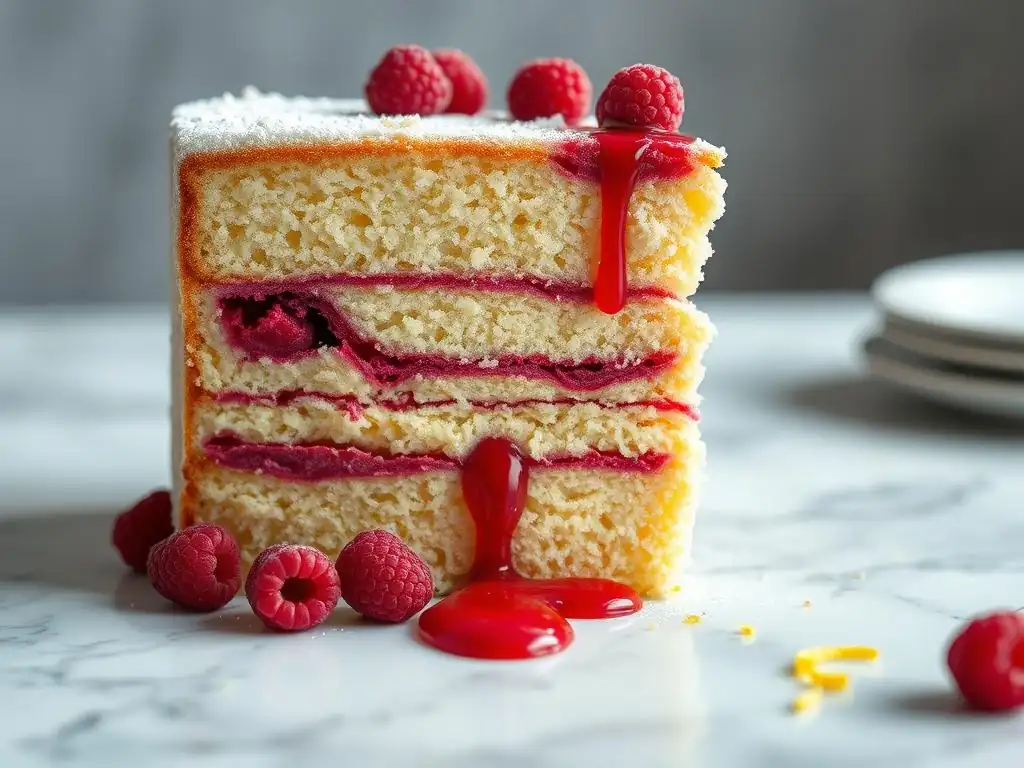
Welcome to BakeWithEase, your trusted guide to confident baking! Ever wondered why your beautiful swirl cake filling leaks out during baking, turning a potential masterpiece into a messy mishap? This isn't uncommon, and the solution is simpler than you think! Get ready to dive into our article where we reveal the secrets to perfectly sealed swirls, preventing those frustrating leaks and guaranteeing flawless results every time. Curious to know how? Let's get baking!
- Preventing Swirl Cake Filling Leaks: A Guide
- Understanding Why Filling Leaks Happen in Swirl Cakes
- Prepping Your Swirl Cake for Success: Avoiding Leaks from the Start
- Techniques to Prevent Filling Leaks During Swirling and Baking
- Troubleshooting Common Swirl Cake Filling Leak Issues
- Advanced Tips for Perfect Swirl Cakes: Leak-Proofing Your Recipes
- Conclusion: Enjoy Leak-Free Swirl Cakes
-
Frequently Asked Questions
- Why is my swirl cake filling leaking during baking?
- What types of fillings are less likely to leak in a swirl cake?
- How can I make my swirl cake batter thicker to prevent leaks?
- What baking temperature is best to minimize swirl cake filling leaks?
- Should I let my swirl cake cool completely before removing it from the pan to prevent leaks?
- Final Reflection: The Enduring Allure of a Perfect Swirl
- Unleash Your Inner Cake Artist: Prevent Those Pesky Leaks!
Preventing Swirl Cake Filling Leaks: A Guide
Introduction: Mastering Swirl Cakes Without the Mess
Swirl cakes, whether they're classic cinnamon rolls, sweet breakfast buns, or elaborate filled pastries, offer a delightful combination of soft dough and flavorful filling. The visual appeal of those perfectly coiled layers is part of their charm. However, a common frustration for many bakers is experiencing swirl cake filling leaks during baking. This can result in burnt sugar on the pan, a dry or unevenly baked dough, and a less-than-perfect appearance, diminishing the joy of creating these treats. Understanding the 'why' behind these leaks is the first step to achieving consistently beautiful and delicious results.
Preventing swirl cake filling leaks isn't just about saving your baking sheet; it's about ensuring the filling stays where it belongs – nestled within the layers of dough – to provide moisture, flavor, and that signature gooey texture. This guide will walk you through the key factors contributing to leaks, from the initial preparation of your ingredients to the final moments in the oven.
By focusing on simple yet crucial techniques, you can significantly reduce the chances of those dreaded leaks and enjoy perfectly baked swirl cakes every time. Let's dive into how to keep your filling in place and your swirls looking their best.
Understanding Why Filling Leaks Happen in Swirl Cakes
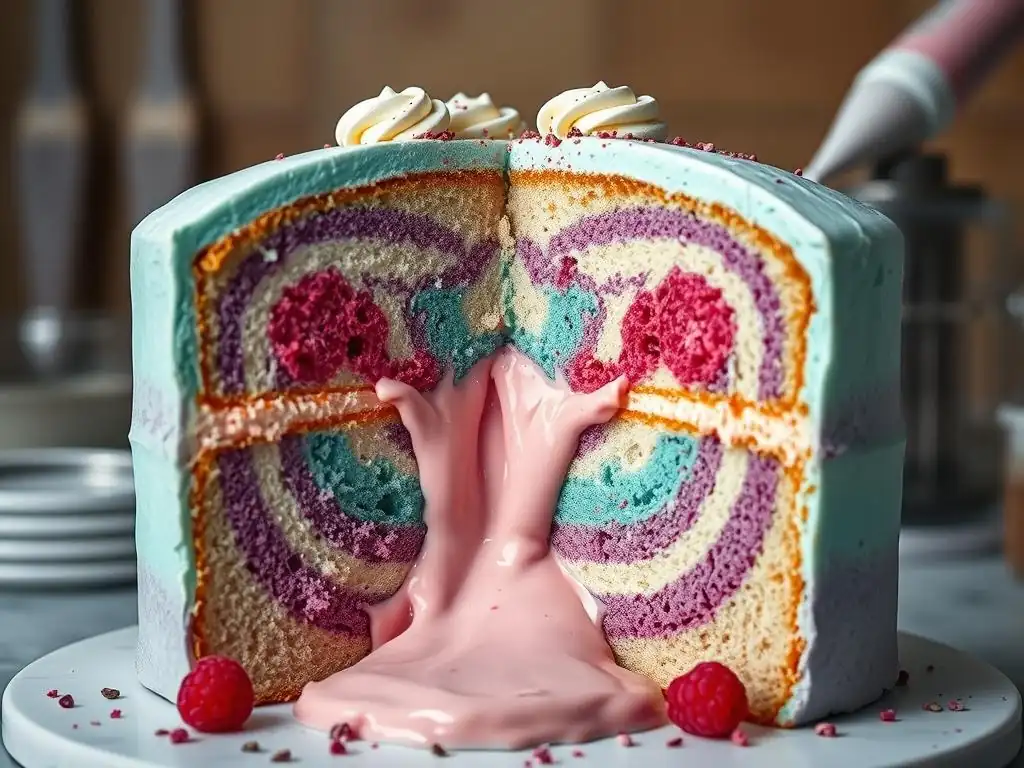
Common Causes of Swirl Cake Filling Leakage
One of the most frequent culprits behind swirl cake filling leaks is the consistency of the filling itself. If a filling is too liquid or contains an excessive amount of butter or sugar that melts too quickly, it can easily escape the confines of the dough layers as the cake bakes and heats up.
For example, a simple cinnamon sugar filling made with too much melted butter and granulated sugar (which melts and caramelizes rapidly) is far more likely to leak compared to one using softened butter and brown sugar, which has a higher moisture content and melts more slowly, creating a thicker, more stable mixture. Overfilling is another major factor; trying to pack too much filling into the dough means there's less dough-to-dough contact for sealing, creating weak points where the filling can ooze out under pressure.
Another significant cause of swirl cake filling leaks relates to the dough and the rolling process. A dough that is too soft, under-developed, or rolled too thinly can lack the necessary structure and elasticity to contain the filling effectively. Imagine a dough rolled to less than 1/4 inch thickness; it becomes fragile and easily stretched or torn during rolling and swirling, creating fissures.
Furthermore, improper sealing of the final log before slicing is critical. If the seam isn't firmly pinched closed along the entire length, it provides a direct escape route for the filling once the heat of the oven starts working its magic. Even small gaps can become significant leaks during the expansion of the dough.
Impact of Filling Leaks on Cake Texture and Appearance
Swirl cake filling leaks have a detrimental effect on both the texture and visual appeal of the final product. When a sugary filling leaks out onto the baking pan, it often burns and hardens, creating a sticky mess that makes removing the cakes difficult and can even damage bakeware. More importantly, the filling that escapes is moisture and flavor lost from the inside of the cake.
This can lead to the dough layers closest to the leak becoming dry and less tender, creating an uneven texture throughout the swirl. The caramelized sugar on the outside can also become excessively hard or brittle, contrasting unpleasantly with the soft interior.
Beyond texture, the appearance of a swirl cake is significantly compromised by filling leaks. The beautiful, defined layers can become distorted or collapse in areas where filling has escaped. Burnt sugar residue clinging to the sides or bottom of the rolls creates unsightly dark spots and a messy finish.
Instead of showcasing neat, spiraled layers, the rolls might look misshapen and unappealing. For instance, a tray of cinnamon rolls where half the filling has leaked out will not have the same plump, golden-brown appearance as rolls where the filling remained contained, creating a more uniform bake and a visually satisfying swirl.
Prepping Your Swirl Cake for Success: Avoiding Leaks from the Start
Choosing the Right Filling Consistency for Swirl Cakes
The consistency of your swirl cake filling is paramount in preventing leaks. Ideally, the filling should be spreadable but firm enough that it doesn't run easily at room temperature. Think of the texture of softened butter mixed with sugar and spices – it should be like a thick paste or a very soft dough, not a liquid or a loose crumb.
For example, a common cinnamon roll filling uses softened butter (not melted), brown sugar, and cinnamon. The brown sugar's molasses content and finer crystals, combined with softened butter, create a more stable, less runny mixture than granulated sugar and melted butter. The goal is a filling that adheres to the dough and stays put as you roll and swirl.
Adjusting the ratios of your filling ingredients can significantly impact its stability. If your filling seems too dry and crumbly, adding a little more softened butter or a tablespoon of milk or cream can help bind it. Conversely, if it's too wet or runny, incorporating a bit more flour (like a tablespoon or two, depending on the batch size) or reducing the amount of butter can thicken it.
Some recipes even call for a small amount of flour or cornstarch mixed into the sugar and spice blend specifically to help absorb moisture released during baking, creating a more stable, less leak-prone filling. Testing a small amount of your filling at room temperature can give you a good indication of its potential to hold its shape.
Preparing the Dough: A Strong Foundation for Your Swirl Cake
A well-prepared dough is fundamental to preventing swirl cake filling leaks. The dough needs to be strong enough to contain the filling without tearing or becoming too thin during the rolling process. This often means using a flour with a moderate to high protein content, like all-purpose flour (around 10-12% protein) or even bread flour (12-14% protein), especially for richer doughs that contain eggs and butter.
Proper kneading is also crucial; it develops the gluten network, providing the dough with structure and elasticity, making it easier to roll evenly and less likely to tear. A dough that springs back slowly when poked is generally well-kneaded.
After kneading, allowing the dough to proof (rise) correctly is important. Over-proofed dough can become weak and fragile, while under-proofed dough can be too stiff and difficult to roll without excessive stretching or tearing. When it comes time to roll, aim for an even thickness, typically between 1/4 and 1/3 inch (about 6-8 mm).
Rolling too thinly increases the risk of tears and reduces the dough's ability to contain the filling, contributing to swirl cake filling leaks. Ensure your work surface is lightly floured to prevent sticking, but avoid using too much flour, as it can dry out the dough.
Techniques to Prevent Filling Leaks During Swirling and Baking
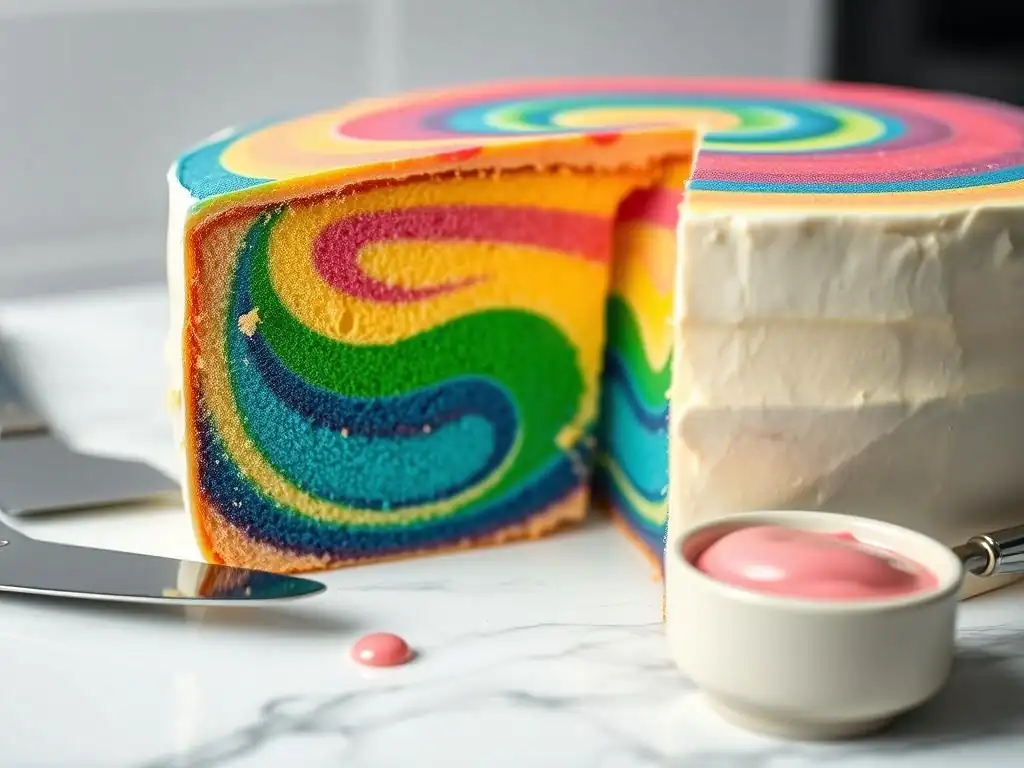
The Art of Applying Filling: Avoiding Overfilling
Applying the filling correctly is a critical step in preventing swirl cake filling leaks. Once your dough is rolled out to the desired rectangular shape and thickness, spread the filling evenly across the surface, leaving a clean border of about 1/2 to 1 inch (1-2.5 cm) along one of the long edges. This border of plain dough is essential for sealing the final log.
Avoid piling the filling too thickly, even in the center. While it might be tempting to add extra flavor, excessive filling creates pressure points and reduces the amount of dough that can make contact when rolled, making leaks more likely. A general guideline might be to use no more than about 1/2 to 3/4 cup of filling per standard 9x13 inch pan batch of rolls, adjusting based on the richness and density of the filling itself.
Use an offset spatula or the back of a spoon to spread the filling smoothly. Ensure the filling is distributed uniformly across the area you are covering; uneven application can lead to areas with too much filling and weak points in the roll. Pay particular attention to the corners and edges, ensuring they don't receive an excessive amount. Remember that the filling will spread slightly during the rolling and baking process. Applying a moderate, even layer within the specified border gives you the best chance of achieving a tight, leak-resistant swirl.
Mastering the Swirl: Sealing the Filling Effectively
The technique you use to roll and seal the dough significantly impacts whether you'll experience swirl cake filling leaks. Start rolling the dough from the long edge opposite the clean border you left. Roll the dough and filling into a snug log, keeping the roll as tight and uniform as possible.
A tight roll minimizes air pockets between the layers, which can expand during baking and push filling outwards. Once you reach the end, where the clean dough border is, use your fingers to firmly pinch the seam shut along the entire length of the log. This creates a sealed edge that helps contain the filling during baking.
After sealing the seam, gently roll the log back and forth a couple of times to ensure it's uniform in thickness. When slicing the log into individual rolls, use a sharp knife, dental floss, or thread to make clean cuts. A dull knife can compress and squish the dough and filling, potentially forcing filling out before baking even begins or weakening the structure.
If using floss, slide it under the log, cross the ends over the top where you want to cut, and pull to slice cleanly. Place the cut rolls seam-side down in your prepared baking pan. This helps to keep the seam sealed and reduces the chance of swirl cake filling leaks from the bottom.
Baking for Success: Temperature Control and Placement
Baking conditions play a final, crucial role in preventing swirl cake filling leaks. Ensure your oven is accurately preheated to the specified temperature, typically between 350°F and 375°F (175°C to 190°C) for most swirl cakes. Baking at the correct temperature allows the dough to set and rise properly around the filling before the filling becomes too liquid.
If the oven is too cool, the filling may melt and leak before the dough structure is strong enough to contain it. Conversely, an oven that is too hot might cause the outside to set too quickly while the inside is still too soft, potentially forcing filling out.
The placement of the pan in the oven also matters. Baking on the middle rack generally provides the most even heat distribution. Some bakers find placing the pan on a larger baking sheet lined with parchment paper or a silicone mat provides an extra layer of protection against drips onto the oven floor and also helps catch any minor swirl cake filling leaks that might occur. This makes cleanup significantly easier. Avoid opening the oven door unnecessarily during the initial part of the bake, as fluctuations in temperature can disrupt the setting process and potentially encourage leaks.
Troubleshooting Common Swirl Cake Filling Leak Issues
Addressing Filling That's Too Runny
If you've prepared your filling and realize it's too runny before spreading it, don't despair! There are ways to salvage it. If it's a butter-based filling, chilling it in the refrigerator for 15-30 minutes can help solidify the butter and thicken the mixture, making it more spreadable and less prone to leaking.
You can also try incorporating a small amount of a dry ingredient that complements your filling, such as a tablespoon or two of flour, cornstarch, or even finely ground nuts (like almond flour if appropriate for the recipe). Mix it in thoroughly until you achieve a thicker, more paste-like consistency. For example, if your cinnamon sugar filling with butter is too loose, stirring in a tablespoon of all-purpose flour can help absorb excess moisture.
Another approach, especially if dealing with fruit-based fillings, is to cook it down slightly to reduce moisture. However, this is less common for traditional swirl cakes like cinnamon rolls. For typical sweet roll fillings, chilling or adding a dry thickener are the most practical solutions. Remember to add thickeners gradually, mixing well after each addition, until you reach a consistency that is spreadable but doesn't visibly run off a spoon. This adjustment is often the key first step in preventing swirl cake filling leaks when your initial mixture isn't quite right.
Fixing a Weak Dough That's Prone to Leaks
Identifying a weak dough before you roll it is ideal, but sometimes issues become apparent during rolling or even after the rolls are formed. If your dough feels too soft, tears easily, or doesn't hold its shape well when rolled, it might be under-developed or too hydrated. If you're still kneading, continue for a few more minutes until it passes the windowpane test (stretching a small piece thin enough to see light through).
If you've finished kneading, you can try incorporating a tablespoon or two of flour during the rolling process, working it in gently as you roll to add a bit more structure. However, adding too much extra flour can result in a tough product.
If the dough is already rolled and you notice it's too thin or fragile in spots, handle it very gently during filling and rolling. Consider rolling the log slightly less tightly than usual to put less stress on the thin areas. If cuts look messy or the rolls aren't holding shape, you can gently reshape them slightly before placing them in the pan.
Placing them snugly but not tightly in the pan can also provide some external support during proofing and baking. While you can't completely transform a weak dough at this stage, these steps can help minimize the potential for significant swirl cake filling leaks.
Recovering from Minor Leaks: Quick Fixes
Sometimes, despite your best efforts, minor swirl cake filling leaks might occur during baking. If you notice a small amount of filling bubbling out onto the pan, you can sometimes mitigate the mess and prevent it from spreading further. Carefully (and quickly!)
open the oven door and, using a heat-resistant spatula or spoon, gently push the escaping filling back towards the roll or scoop up any excess that's pooling on the pan. Be cautious, as the filling will be extremely hot and sticky. This is best done early in the baking process before the sugar has a chance to burn hard.
Another quick fix, especially if using a gooey caramel or cream cheese glaze, is to apply the glaze immediately after the rolls come out of the oven. The warm glaze can help cover up minor leaks or burnt spots on the sides of the rolls, making them less noticeable.
While you can't put the leaked filling back inside, acting quickly to contain the mess on the pan prevents further burning and makes cleanup easier. For significant swirl cake filling leaks, unfortunately, there's little to be done during baking other than accepting the loss and focusing on preventing it next time.
Advanced Tips for Perfect Swirl Cakes: Leak-Proofing Your Recipes
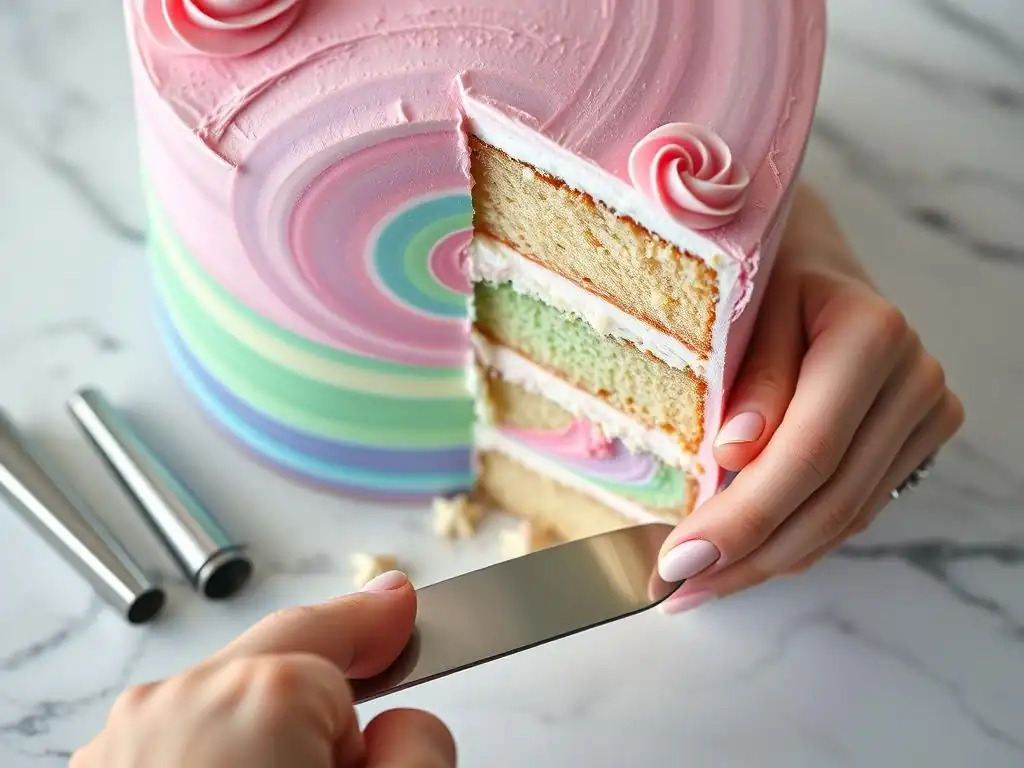
Experimenting with Different Filling Types for Enhanced Stability
Beyond the classic butter-sugar-spice mix, exploring different filling types can offer enhanced stability and fewer swirl cake filling leaks. Consider fillings that are naturally thicker or contain ingredients that solidify upon cooling or baking. For instance, fillings based on nut pastes (like almond paste), fruit preserves thickened with pectin, or even chocolate ganache can be less prone to leaking than simple sugar mixtures. A filling incorporating ingredients like cream cheese or a small amount of flour or cornstarch mixed with the sugar can create a more stable matrix that holds moisture and sugar in place during baking.
For example, a filling made with equal parts softened cream cheese, powdered sugar, and cinnamon mixed with a smaller amount of brown sugar and softened butter tends to be much more stable than a pure butter and sugar mix. The cream cheese provides structure. Similarly, using fruit fillings that have been reduced and thickened on the stovetop until they are jam-like consistency will perform better than fresh fruit fillings, which release a lot of liquid. Experimenting with these different compositions can lead to not only delicious new flavors but also more reliable, leak-free swirl cakes.
Using a "Crumb Coat" to Seal in the Filling
An interesting technique borrowed from cake decorating that can be adapted for swirl cakes is using a thin "crumb coat" layer before applying the main filling. While not a traditional method for cinnamon rolls, for more delicate pastries or those with very fluid fillings, you can lightly brush the rolled-out dough with a very thin layer of melted butter or a mixture of egg white and a tiny bit of flour before spreading the filling. This creates a slight barrier.
Another variation is to lightly sprinkle a very fine layer of flour or cornstarch over the buttered dough before adding the sugar/spice mix. This fine powder can help absorb some of the initial moisture released from the butter and sugar as they heat, acting as a preliminary seal against swirl cake filling leaks.
Think of it as an extra layer of insurance. For instance, after brushing the dough with softened butter, lightly dusting it with about a tablespoon of flour distributed evenly can make a difference. The flour disappears into the filling during baking but helps to thicken any liquid that tries to escape the sugar-butter matrix. This technique is particularly useful when working with fillings that have a high proportion of sugar or butter, which are known contributors to swirl cake filling leaks. It's a subtle step that can add an extra layer of protection.
Conclusion: Enjoy Leak-Free Swirl Cakes
Recap of Key Techniques for Preventing Swirl Cake Filling Leaks
Achieving beautiful, leak-free swirl cakes is entirely within reach with attention to a few key details. We've covered the importance of starting with a filling of the correct consistency – spreadable but not runny, often achieved by using softened butter and careful sugar ratios, perhaps with a little added thickener like flour if needed.
Equally vital is the dough itself; it needs to be strong and elastic, rolled to an even thickness of around 1/4 to 1/3 inch, providing a robust structure to hold the filling. These foundational steps set you up for success before you even begin the swirling process.
During the assembly, the technique of spreading the filling evenly, leaving a clean border of dough, and rolling the log tightly are crucial for minimizing weak points. The final step of firmly pinching the seam shut along the entire length of the roll is arguably one of the most critical barriers against swirl cake filling leaks.
Finally, baking in a properly preheated oven on the middle rack, perhaps with a protective layer underneath, allows the dough to set and contain the filling effectively. By focusing on these aspects – consistency, dough strength, rolling/sealing technique, and baking conditions – you significantly reduce the risk of frustrating leaks.
Final Thoughts: Achieving Baking Perfection with Practice
Baking is an art that improves with practice, and mastering swirl cakes is no exception. Don't be discouraged if your first attempt isn't perfectly leak-free. Each batch is a learning opportunity. Pay attention to the texture of your filling, how your dough feels and rolls, and how the rolls behave in the oven. Did the swirl cake filling leaks happen from the seam? Was the filling too runny? Was the dough too thin in spots? Identifying the specific issue will help you adjust your technique for the next batch.
Remember that even professional bakeries sometimes have minor leaks – it's a common challenge with this type of pastry. The goal is to minimize them and ensure the vast majority of your delicious filling stays right where it belongs, contributing to that perfect soft, gooey center everyone loves. By applying the techniques discussed in this guide, experimenting thoughtfully, and practicing regularly, you'll soon be consistently baking swirl cakes that are not only delicious but also visually stunning and free from frustrating swirl cake filling leaks. Happy baking!
Frequently Asked Questions
Why is my swirl cake filling leaking during baking?
Filling leaks often occur due to overfilling the cake or using a filling that is too thin or watery. Ensure the batter is thick enough to contain the filling and that you don't use too much.
What types of fillings are less likely to leak in a swirl cake?
Thicker fillings like cream cheese frosting, fruit preserves, or even a thick chocolate ganache are generally less prone to leaking because of their viscosity.
How can I make my swirl cake batter thicker to prevent leaks?
You can try adding a tablespoon or two of flour to your batter. Be careful not to overmix, as this can result in a tough cake. Using cake flour can also help.
What baking temperature is best to minimize swirl cake filling leaks?
Baking at a slightly lower temperature, around 325-350°F (160-175°C), can help the filling set more gently and reduce the likelihood of it boiling over and leaking.
Should I let my swirl cake cool completely before removing it from the pan to prevent leaks?
Yes, allowing the cake to cool completely in the pan is crucial. This allows the filling to set properly and minimizes the risk of the cake collapsing and causing leaks when unmolded.
Final Reflection: The Enduring Allure of a Perfect Swirl
Preventing filling leaks in swirl cakes isn't just about aesthetics; it's about preserving the joy of a perfectly executed bake. A flawlessly swirled cake, bursting with vibrant filling, is a testament to skill and artistry, a moment of pure culinary delight. But the heartbreak of a collapsed swirl, a messy leak ruining the visual appeal, is a familiar frustration for many bakers. This article aimed to address that frustration, providing practical solutions to ensure your creations remain as stunning as they are delicious.
The pursuit of the perfect swirl transcends the simple act of baking; it reflects a deeper human desire for precision, beauty, and the satisfaction of creating something truly special. The details are not the details. They make the design.
- Charles Eames. This quote perfectly encapsulates the importance of mastering the seemingly minor details, like preventing filling leaks, to achieve a truly exceptional result. The impact of a perfectly executed swirl cake extends beyond the immediate enjoyment; it's a symbol of care, creativity, and the dedication poured into the process.
Now, consider your own baking journey. What challenges have you faced in creating your own swirl cakes? What techniques have you found most effective in preventing those dreaded leaks?
I encourage you to reflect on your experiences, experiment with the techniques outlined in this article, and embrace the journey of perfecting your own unique swirl. The pursuit of the perfect swirl is an ongoing process, a testament to your dedication and a celebration of the joy found in the art of baking. Don't let a few leaks discourage you – keep swirling, keep learning, and keep creating those beautiful, delicious masterpieces.
Unleash Your Inner Cake Artist: Prevent Those Pesky Leaks!
Thanks for joining us on this delicious journey into preventing filling leaks in your stunning swirl cakes! You've learned valuable techniques to create show-stopping desserts. Now, let's put that knowledge into action:
- Master the art of the perfect swirl: Practice your filling techniques with a simple recipe and watch your confidence (and cakes!) improve. This is your chance to perfect that beautiful, leak-free swirl.
- Share your swirl success (or even your swirl struggles!): Tag us on social media with your creations – we'd love to see your baking triumphs! Use #BakeWithEaseSwirls.
- Explore our recipe archive for more inspiration. We have tons of filling options and cake recipes waiting for you!
Ready to bake even more stunning cakes? What’s your favorite filling to swirl into your masterpieces?