
Overnight Cinnamon Rolls: Wake Up to Warm, Sticky Bliss

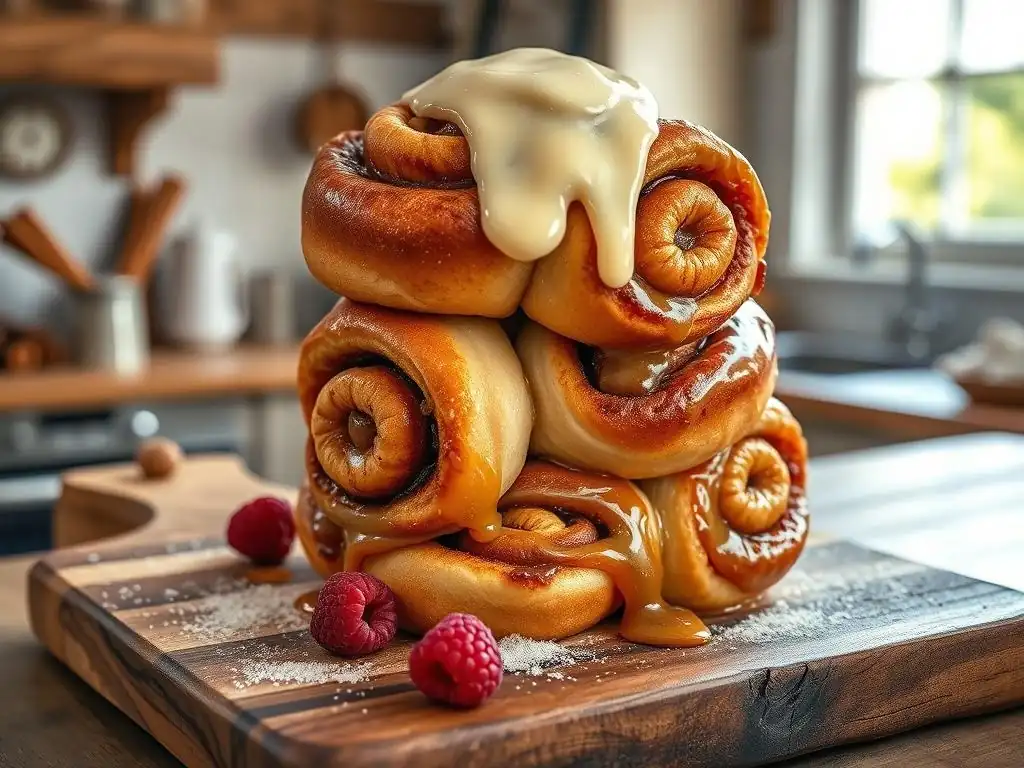
Welcome to BakeWithEase, your haven for unlocking delicious baking adventures! Ever dreamt of waking up to the irresistible aroma of freshly baked cinnamon rolls, without the early morning hustle? Our easy overnight cinnamon roll recipe is your secret weapon. Discover how to prepare these warm, sticky delights the night before and enjoy a blissful breakfast with minimal effort. Intrigued? Let's bake!
- BakeWithEase's Easy Overnight Cinnamon Roll Recipe: A Baking Dream
- Why Overnight Cinnamon Rolls are a Game-Changer for Busy Bakers
- Mastering the Easy Overnight Cinnamon Roll Recipe: Step-by-Step Guide
- Baking Your Overnight Cinnamon Rolls: Achieving Golden Perfection
- The Ultimate Cream Cheese Frosting: The Crowning Glory
- Tips and Tricks for the Best Overnight Cinnamon Rolls
- Storing Leftover Cinnamon Rolls: Keeping Them Fresh
- Frequently Asked Questions
- Final Reflection: The Sweet Simplicity of Overnight Baking
- Unleash Your Inner Baker: Rise to the Occasion!
BakeWithEase's Easy Overnight Cinnamon Roll Recipe: A Baking Dream
Making cinnamon rolls from scratch is a truly rewarding experience, filling your home with an irresistible aroma and culminating in a warm, gooey treat. However, the traditional process can be quite time-consuming, often requiring several hours of rising and preparation. This can make enjoying homemade cinnamon rolls on a busy weekend morning feel like a distant dream. That's where an easy overnight cinnamon roll recipe becomes a game-changer, allowing you to do the bulk of the work the day before and simply bake them fresh when you wake up.
Imagine waking up, the house still quiet, and sliding a pan of perfectly proofed cinnamon rolls into the oven. In less than an hour, you're pulling out golden-brown spirals of dough generously coated in cinnamon sugar, ready to be slathered with rich cream cheese frosting. This simple overnight cinnamon roll recipe eliminates the morning rush, transforming a multi-hour baking project into a relaxed, effortless morning ritual. It's the perfect way to impress guests or simply treat yourself and your family to a truly special breakfast or brunch without the usual early-morning effort.
Why Overnight Cinnamon Rolls are a Game-Changer for Busy Bakers
The Convenience of Preparing Cinnamon Rolls the Night Before
The primary advantage of an easy overnight cinnamon roll recipe lies in its unparalleled convenience. By tackling the dough making, rolling, filling, and shaping steps the evening before, you essentially front-load all the active work. This means that when your alarm goes off, the most labor-intensive parts of the process are already complete. All that's left is the final proofing (often done in the fridge overnight, or a short warm-up period in the morning) and the baking.
This shift in timing is particularly beneficial for those with tight morning schedules, like families needing to get kids ready for school or individuals heading to work. Instead of dedicating a significant block of time before the day officially begins, you can fit the baking preparation into a relaxed evening routine.
A typical prep time for the dough and assembly might be around 60-90 minutes the night before, a much more manageable chunk of time than the 3-4 hours a traditional recipe might demand from start to finish on bake day. This simple overnight cinnamon roll recipe truly adapts to your life, not the other way around.
Wake Up to Freshly Baked Goodness: The Joy of Overnight Baking
There's a unique pleasure in serving baked goods that are truly fresh from the oven. The aroma that fills your kitchen as the cinnamon rolls bake is incomparable, and the texture – soft, warm, and slightly gooey – is at its absolute peak right after baking. An easy overnight cinnamon roll recipe makes this fresh-baked experience accessible even on mornings when you don't have hours to spare. The overnight refrigeration allows the dough to undergo a slow, cold fermentation, which actually enhances the flavor and texture of the final product.
This slow proofing not only simplifies your morning but also contributes to a more complex and delicious roll. The yeast works slowly in the cold environment, developing richer flavors within the dough. When the rolls bake the next morning, they rise beautifully, resulting in a lighter, more tender crumb than dough proofed rapidly at room temperature. This means you don't sacrifice quality for convenience; in fact, you gain a superior taste experience. Enjoying warm, sticky, perfect cinnamon rolls just a short while after getting out of bed transforms an ordinary morning into something truly special.
Save Time & Effort: Your Shortcut to Delicious Cinnamon Rolls
Let's talk specifics about the time savings. A traditional cinnamon roll recipe might involve mixing the dough (15-20 mins), first rise (60-90 mins), punching down and rolling (15-20 mins), filling and shaping (15-20 mins), second rise (45-60 mins), and finally baking (25-35 mins). This totals roughly 3 to 4.5 hours. With a simple overnight cinnamon roll recipe, you complete the mixing, rolling, filling, and shaping the night before (approx.
60-90 mins). The overnight proofing happens while you sleep (8-12 hours). In the morning, you might allow a short warm-up (30-60 mins, depending on the recipe and your preference) and then bake (25-35 mins).
The total active time is dramatically reduced on the morning you want to enjoy the rolls, often down to just the baking time plus frosting (around 40-50 minutes total morning effort). This significant reduction in morning labor makes this easy overnight cinnamon roll recipe incredibly appealing.
It removes the barrier of needing a large, uninterrupted block of time early in the day, making homemade cinnamon rolls a realistic option for weekend breakfasts, holiday mornings, or even a mid-week treat if you're feeling ambitious the night before. It’s truly a shortcut to deliciousness without compromising on the homemade quality you love.
Mastering the Easy Overnight Cinnamon Roll Recipe: Step-by-Step Guide
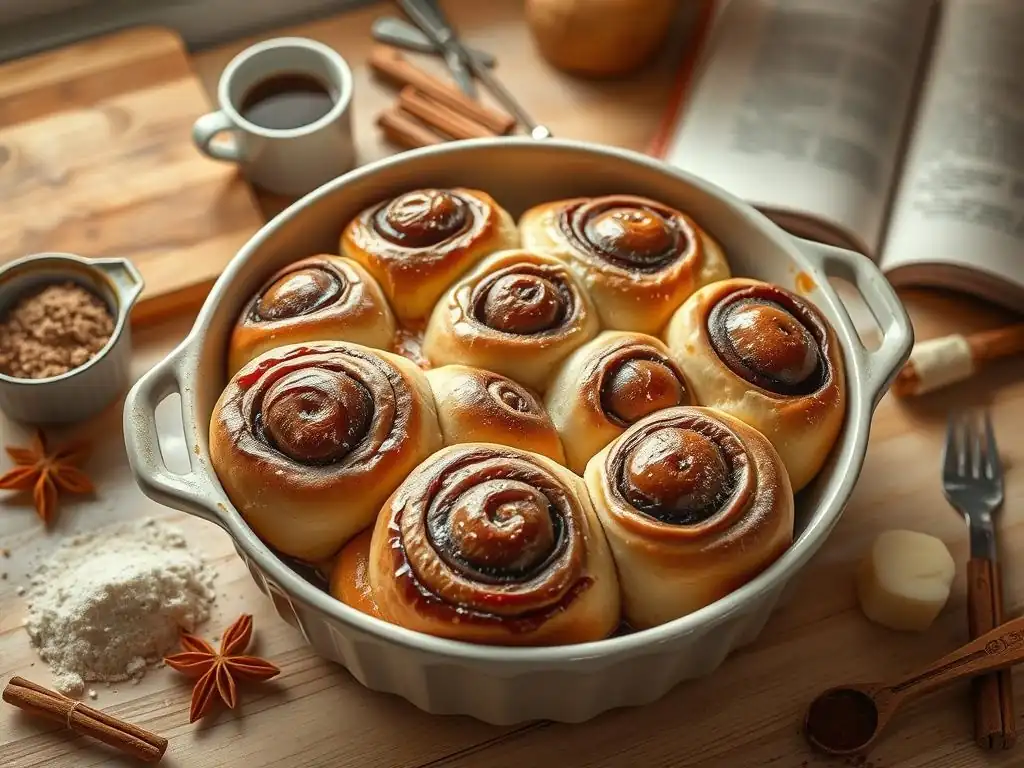
Ingredients for Your Overnight Cinnamon Roll Dough
Dry Ingredients: Flour, Sugar, Yeast, and Salt
The foundation of our simple overnight cinnamon roll recipe dough starts with the dry ingredients. You'll typically need about 3 to 3.5 cups of all-purpose flour, which provides the structure for the rolls. Granulated sugar, usually around 1/4 cup, adds sweetness and helps activate the yeast while also contributing to the dough's tenderness.
Instant dry yeast is often preferred for overnight recipes because it can be mixed directly with the dry ingredients and has a steady, reliable rise, crucial for the long, cold proof. About 2 1/4 teaspoons (one standard packet) is usually sufficient for this quantity of flour. Finally, fine sea salt, about 1/2 teaspoon, is essential not just for flavor balance but also to control the yeast's activity and strengthen the gluten structure.
Using the correct measurements for these dry ingredients is key to a successful dough. Too much flour can lead to dry, dense rolls, while too little will result in a sticky, unmanageable dough. Ensure your yeast is fresh; expired yeast is a common culprit for dough that doesn't rise, completely derailing your efforts for a perfect easy overnight cinnamon roll recipe. Whisking these dry ingredients together ensures they are evenly distributed before incorporating the wet components, setting the stage for a uniform and well-developed dough.
Wet Ingredients: Milk, Butter, and Eggs for Richness
The wet ingredients bring moisture, richness, and softness to the dough, resulting in those pillowy cinnamon rolls everyone loves. Warm milk, typically between 1/2 to 3/4 cup, is needed to activate the yeast and hydrate the flour. The ideal temperature for the milk is usually between 105°F and 115°F (40°C-46°C); temperatures too hot can kill the yeast, while temperatures too cold won't activate it properly, impacting the rise of your easy overnight cinnamon roll recipe. Melted unsalted butter, around 1/4 cup, adds significant richness and tenderness to the dough, preventing it from becoming tough.
Eggs, usually one or two large ones, contribute to the dough's structure, richness, and golden color. They also make the dough softer and more pliable, which is beneficial for rolling and shaping. Ensure your eggs are at room temperature if possible, as they incorporate more easily into the dough. Combining these wet ingredients – warm milk, melted butter, and beaten eggs – before adding them to the dry mixture helps ensure even distribution throughout the dough. This careful balance of wet ingredients is crucial for achieving the perfect texture in your simple overnight cinnamon rolls.
Spice It Up: Cinnamon and Other Flavor Enhancers
While the dough itself is the base, the flavor of cinnamon rolls truly comes alive with the spices and potential additions. The star, of course, is ground cinnamon, which forms the core of the filling. High-quality cinnamon makes a noticeable difference, so opt for a fresh, aromatic variety if possible. Most recipes call for a generous amount in the filling, often 1 to 2 tablespoons mixed with sugar and butter. Some bakers like to add a pinch of ground nutmeg or cardamom to the filling for an extra layer of warmth and complexity, though cinnamon is the essential component.
Beyond the filling, you can infuse the dough itself with subtle flavors. A teaspoon of vanilla extract added to the wet ingredients can enhance the overall sweetness and aroma of the rolls. Some recipes also include a pinch of ground nutmeg or even a little lemon zest in the dough for a brighter note that complements the rich filling. While not strictly necessary for a basic easy overnight cinnamon roll recipe, these small additions can elevate your rolls from great to absolutely unforgettable, allowing you to customize the flavor profile to your preference.
Making the Dough: A Simple Process for Delicious Results
Activating the Yeast: The Foundation of Fluffy Rolls
The first crucial step in making the dough for your easy overnight cinnamon roll recipe is ensuring your yeast is active and ready to work. If using active dry yeast (though instant is often easier for overnight), you'll typically dissolve it in a small amount of the warm milk (around 1/4 cup) specified in the recipe, along with a pinch of sugar. Let this mixture sit for 5-10 minutes.
You should see it become foamy and bubbly on the surface, which indicates the yeast is alive and active. If it doesn't foam, your yeast may be old or the milk wasn't the right temperature, and you'll need to start with fresh yeast.
If you're using instant dry yeast, which is very common for overnight recipes, you can often skip this blooming step and mix it directly with your dry ingredients (flour, sugar, salt). However, even with instant yeast, ensuring your liquids (like milk and melted butter) are warm but not hot is vital, as temperature plays a significant role in yeast activity. A temperature between 105°F and 115°F (40°C-46°C) is generally ideal for waking up the yeast without killing it, setting the stage for a good rise in your simple overnight cinnamon rolls.
Combining Wet and Dry Ingredients: Achieving the Perfect Dough Consistency
Once your yeast is ready (either bloomed or mixed with dry ingredients), it's time to bring everything together to form the dough for your easy overnight cinnamon roll recipe. In a large mixing bowl (or the bowl of a stand mixer), combine the dry ingredients. Then, add the warm wet ingredients – the milk, melted butter, and eggs. If you bloomed active dry yeast, add that foamy mixture along with the remaining milk, butter, and eggs. Stir with a wooden spoon or use the dough hook attachment on a stand mixer until a shaggy dough forms.
At this stage, the dough might look a bit rough and sticky. This is normal. The key is to mix until just combined before moving on to kneading. Avoid adding too much extra flour at this point, as you want to ensure all the liquid is incorporated. The consistency should be somewhat sticky but starting to come together into a mass. This initial combining step is quick, usually just a minute or two, and prepares the dough for the development of gluten through kneading, which is essential for the structure and texture of your simple overnight cinnamon rolls.
Kneading the Dough: Developing Gluten for Structure
Kneading is a critical step in developing the gluten network within the dough, which provides structure, elasticity, and chewiness to your easy overnight cinnamon roll recipe. You can knead the dough by hand on a lightly floured surface or using a stand mixer with a dough hook. If kneading by hand, push the dough away from you with the heels of your hands, fold it back over, and repeat, rotating the dough occasionally. This process typically takes about 8-10 minutes by hand.
Using a stand mixer is faster and less labor-intensive, usually taking about 5-7 minutes on medium speed. You'll know the dough is properly kneaded when it becomes smooth, elastic, and no longer sticks excessively to your hands or the sides of the bowl. It should pass the "windowpane test": if you gently stretch a small piece of dough, you should be able to see light through it without it tearing easily. Proper kneading is essential for achieving light, fluffy rolls, ensuring your simple overnight cinnamon roll recipe turns out perfectly.
Preparing the Cinnamon Sugar Filling: The Heart of the Rolls
Brown Sugar vs. White Sugar: Choosing Your Sweetener
The filling is arguably the most crucial part of an easy overnight cinnamon roll recipe, providing that signature sweet, sticky center. The sweetener used plays a significant role in both flavor and texture. Brown sugar, either light or dark, is the most common choice. It contains molasses, which imparts a richer, deeper flavor compared to white sugar. This molasses also helps create a more moist and gooey filling when combined with butter and cinnamon. A typical filling might use 1/2 cup to 3/4 cup of packed brown sugar.
While less traditional, some recipes use granulated white sugar, or a combination of white and brown sugar. White sugar results in a slightly less moist filling but provides a clean, sweet taste. Using a mix can offer a balance between the richness of brown sugar and the pure sweetness of white. For the classic, gooey, sticky bun effect in your simple overnight cinnamon roll recipe, brown sugar is generally the preferred option. Experimenting with the sugar type and quantity (within typical ranges) can help you find your perfect filling consistency and flavor.
Cinnamon's Role: The Signature Flavor of Cinnamon Rolls
It wouldn't be an easy overnight cinnamon roll recipe without a generous amount of cinnamon! Ground cinnamon is the star spice, providing the warm, aromatic flavor that defines this beloved pastry. The quantity used varies by recipe but is typically between 1 and 2 tablespoons for a standard batch of rolls. Using fresh, high-quality cinnamon is recommended, as its potency directly impacts the final taste. Older cinnamon can lose its fragrance and flavor, resulting in bland rolls.
Combine the cinnamon thoroughly with your chosen sugar(s) for the filling. Some recipes also add a touch of other spices like nutmeg or cardamom, usually just a teaspoon or less, to complement the cinnamon without overpowering it. The goal is a well-distributed mix of spice and sugar that will melt into a delectable syrup during baking. This cinnamon-sugar blend, when spread generously over the dough, ensures every bite of your simple overnight cinnamon rolls is packed with that classic, comforting flavor.
Butter's Importance: Binding the Filling Together
Butter is the unsung hero of the cinnamon roll filling, serving as the crucial binder that holds the sugar and cinnamon in place and contributes to the gooey texture. Softened or melted butter is spread over the rolled-out dough before the cinnamon-sugar mixture is sprinkled on top. As the rolls bake, this butter melts and combines with the sugar and cinnamon, creating the irresistible sticky syrup that pools at the bottom of the pan and coats the swirls.
The amount of butter varies, but typically 1/4 cup (half a stick) to 1/2 cup (one stick) of softened butter is used for the filling of an easy overnight cinnamon roll recipe batch. Using softened butter makes it easy to spread evenly over the dough without tearing it.
Ensure the butter is truly soft (like room temperature butter left out for an hour) rather than melted if the recipe calls for it, as softened butter helps the filling adhere better during rolling. This butter layer is essential for achieving that signature gooey center and ensuring the filling stays put as you assemble and bake your simple overnight cinnamon rolls.
Assembling and Shaping the Cinnamon Rolls: The Art of the Swirl
Rolling Out the Dough: Creating a Rectangular Canvas
Once the dough for your easy overnight cinnamon roll recipe is kneaded and has had a brief rest (sometimes 10-15 minutes to relax the gluten, even before the overnight proof), it's time to roll it out. Lightly flour a clean work surface and a rolling pin. Transfer the dough to the floured surface and begin rolling from the center outwards. The goal is to create a large, relatively even rectangle. The exact dimensions can vary by recipe, but a common target is around 12x18 inches (about 30x45 cm) and about 1/4 inch (0.6 cm) thick.
Try to keep the thickness as consistent as possible across the rectangle. Uneven thickness can lead to rolls that bake unevenly. If the dough springs back too much, let it rest for 5-10 minutes before continuing to roll; this allows the gluten to relax. This rectangular shape is important because it will allow you to create uniform rolls with consistent swirls when you roll it up. Taking your time with this step ensures a good foundation for perfectly shaped simple overnight cinnamon rolls.
Spreading the Filling: Even Distribution for Maximum Flavor
With your dough rolled out into a rectangle, it's time to apply the delicious filling for your easy overnight cinnamon roll recipe. First, spread a layer of softened butter evenly over the entire surface of the dough, leaving a small border (about 1/2 inch) along one of the long edges. This border will help seal the roll. Use an offset spatula or the back of a spoon to ensure the butter is spread edge to edge (except for the border).
Next, generously sprinkle the prepared cinnamon-sugar mixture evenly over the buttered surface. Make sure to cover the entire area up to the buttered edges. You want every bite to have that perfect ratio of dough to filling. Gently pat the mixture down with your hands or the back of a spatula to help it adhere to the butter. An even distribution of the filling is key to ensuring every single one of your simple overnight cinnamon rolls has that signature sweet, spicy swirl.
Rolling the Dough: Achieving Tight and Consistent Swirls
Now comes the fun part: rolling the dough to create those iconic swirls in your easy overnight cinnamon roll recipe. Starting from the long edge opposite the border you left, begin to tightly roll the dough into a log. Try to keep the roll as tight and even as possible as you go. This tightness is what creates distinct, beautiful swirls in the final baked roll. If the dough feels sticky, a little flour on your hands can help.
Continue rolling until you reach the opposite long edge. Use the border you left unbuttered/unfilled to seal the log by pinching the seam closed along the length of the roll. This prevents the roll from unraveling during slicing and baking. Gently smooth the seam down. You should now have a long, uniform cylinder filled with your cinnamon-sugar mixture, ready to be sliced into individual simple overnight cinnamon rolls.
Slicing the Rolls: Preparing Them for Baking
With the dough rolled and sealed, the final step before proofing your easy overnight cinnamon roll recipe is slicing the log into individual rolls. The size of your rolls is a matter of preference, but a common thickness is about 1 to 1.5 inches (2.5 to 3.8 cm).
To get even slices, you can gently mark the log at intervals before cutting. Using a sharp knife, a serrated knife, or even dental floss (slide it under the log, bring the ends up and cross them over the top, then pull to slice) can help create clean cuts without squishing the rolls.
Carefully place the sliced rolls into your prepared baking dish. If using a knife, try to use a gentle sawing motion rather than pressing straight down. Aim for roughly 12-15 rolls from a standard batch, depending on how thick you slice them. Even slicing ensures they bake at roughly the same rate. Arranging them snugly but not overly crowded in the dish allows them space to expand during the overnight proofing and baking stages, leading to perfectly shaped simple overnight cinnamon rolls.
The Overnight Proofing Process: Letting the Dough Rise
Placing the Rolls in a Baking Dish: Choosing the Right Size
After slicing, the individual rolls for your easy overnight cinnamon roll recipe need a place to rest and rise overnight. A rectangular or square baking dish is ideal, typically 9x13 inches (23x33 cm) for a standard batch of 12 rolls. Choose a dish that allows the rolls to sit snugly side-by-side with a little space between them, as they will expand significantly during the long proofing period and baking. Using a dish too large will result in rolls that spread outwards rather than upwards, while a dish too small will cause them to fuse together excessively.
Greasing the baking dish well with butter or cooking spray is essential to prevent the sticky, sugary rolls from sticking once baked. Some bakers also line the bottom with parchment paper for extra insurance against sticking, especially if there's a risk of the sugary filling bubbling over. Arranging the rolls cut-side up in a neat pattern ensures even rising and baking. This simple step of placing them correctly in the right-sized, prepared dish is key to the success of your simple overnight cinnamon rolls.
Covering and Refrigerating: Slow and Steady Proofing
This is the magical step that makes your easy overnight cinnamon roll recipe an overnight success! Once the rolls are arranged in the greased baking dish, they need to be properly covered before going into the refrigerator. Tightly cover the dish with plastic wrap, ensuring it makes good contact with the edges of the dish to prevent the dough from drying out. Some bakers even add a layer of aluminum foil over the plastic wrap for extra protection against drying and absorbing refrigerator odors.
Place the covered dish in the refrigerator for a minimum of 8 hours and up to 12-16 hours. The cold temperature significantly slows down the yeast activity, allowing the dough to ferment slowly overnight. This slow fermentation not only makes the process convenient but also develops deeper, more complex flavors in the dough. The rolls will expand and puff up gradually in the cold, becoming plump and ready for baking in the morning. This cold proof is the core technique behind a great simple overnight cinnamon roll recipe.
The Magic of Slow Fermentation: Developing Flavor Overnight
The overnight proofing in the refrigerator isn't just about convenience; it's a deliberate technique that enhances the flavor and texture of your easy overnight cinnamon roll recipe. Yeast fermentation produces alcohol and organic acids, which contribute to the bread's flavor profile. At cold temperatures, the yeast works much slower, allowing these flavor compounds more time to develop. This results in a dough with a richer, more nuanced taste compared to dough that is proofed rapidly at room temperature.
Furthermore, the long, cold proof allows enzymes in the flour time to break down starches into simpler sugars, which the yeast can then consume, but also contributes to browning and flavor during baking. The gluten structure also continues to relax and develop over this extended period, leading to a more tender and less "bready" texture in the final roll. This slow, deliberate process is the secret behind the superior taste and texture often found in simple overnight cinnamon rolls compared to their same-day counterparts. It's a testament to how patience can truly pay off in baking.
Baking Your Overnight Cinnamon Rolls: Achieving Golden Perfection
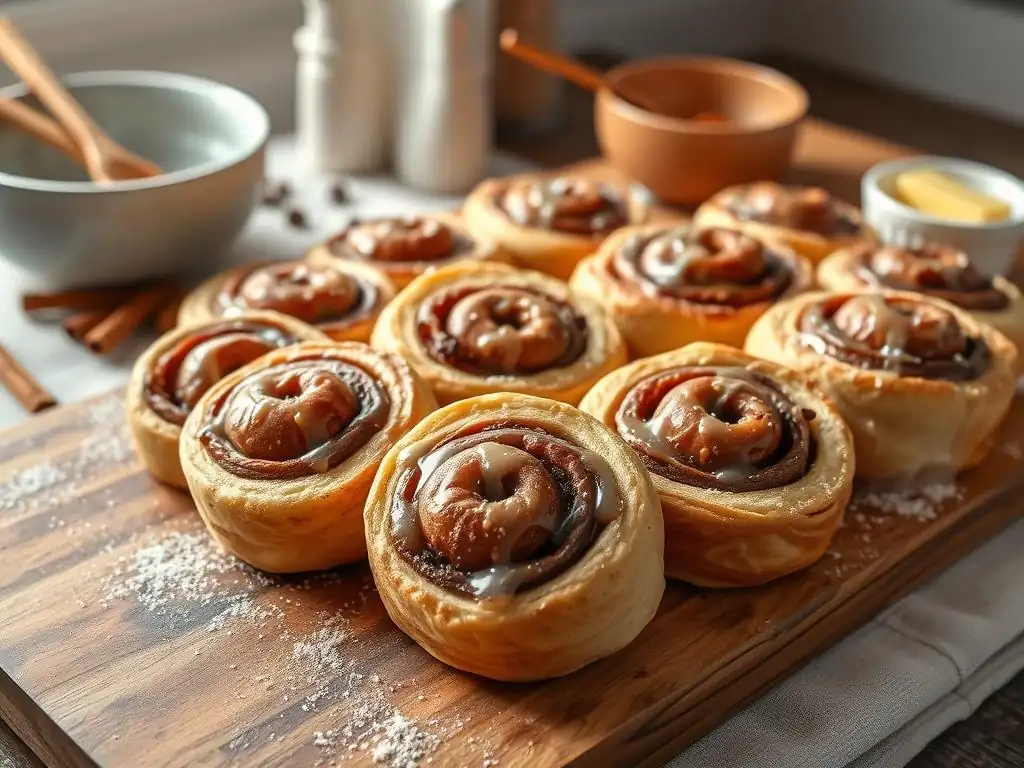
Taking the Rolls Out of the Fridge: Allowing Them to Warm Slightly
After their long, cold rest, the rolls for your easy overnight cinnamon roll recipe will be significantly larger and puffier. Before baking, it's often beneficial to let them sit out at room temperature for about 30-60 minutes while your oven preheats. This step isn't strictly necessary for all recipes, but it helps take the chill off the dough. Baking very cold dough can sometimes result in uneven rising and a slightly longer baking time.
Allowing the rolls to warm up slightly helps the yeast become more active again after the cold slumber, ensuring a good final rise in the oven (oven spring). It also helps the rolls bake more evenly throughout. During this warm-up period, preheat your oven to the temperature specified in the recipe, typically between 350°F and 375°F (175°C-190°C). This short resting period is a simple step that contributes to the perfect bake of your simple overnight cinnamon rolls.
Baking Temperature and Time: The Key to Perfect Doneness
Getting the temperature and timing right is crucial for baking your easy overnight cinnamon roll recipe to golden perfection. Most recipes recommend baking at a moderate temperature, usually 350°F or 375°F (175°C or 190°C). A temperature that's too high can cause the outside to brown too quickly while the inside remains undercooked, while a temperature too low might result in dry rolls.
The baking time typically ranges from 25 to 40 minutes, depending on your oven, the size of your rolls, and the baking dish material. Begin checking around the 25-minute mark. The rolls should be golden brown on top and around the edges, and the centers should look set, not raw or doughy. Don't be afraid to rotate the pan halfway through baking if your oven has hot spots to ensure even browning. Achieving this perfect bake time is essential for gooey centers and soft dough in your simple overnight cinnamon rolls.
Checking for Doneness: Visual Cues and Internal Temperature
Knowing exactly when your easy overnight cinnamon roll recipe is done baking requires paying attention to visual cues. The tops of the rolls should be a lovely golden-brown color, and the edges where they meet the pan should also show browning. The centers should look puffed and set. If they look pale and wet in the middle, they likely need more time.
For a more precise check, you can use an instant-read thermometer. Insert it into the center of one of the middle rolls (avoiding the sugary filling pocket). Properly baked cinnamon rolls should register an internal temperature of around 190°F to 200°F (88°C-93°C). Baking to the correct temperature ensures the dough is fully cooked through without being dry. Pulling them out at just the right moment guarantees that perfect balance of soft dough and gooey filling in your simple overnight cinnamon rolls.
The Ultimate Cream Cheese Frosting: The Crowning Glory
Ingredients for Cream Cheese Frosting: The Perfect Tangy Sweetness
No easy overnight cinnamon roll recipe is complete without a luscious cream cheese frosting. This tangy-sweet topping perfectly complements the rich, spiced rolls. The essential ingredients are softened cream cheese (full-fat block cream cheese is best for texture), unsalted butter (also softened), powdered sugar (also known as confectioners' sugar), and a splash of vanilla extract.
A standard recipe might call for an 8-ounce block of cream cheese, 1/4 cup (half a stick) of softened butter, 2-3 cups of powdered sugar (adjust to your desired thickness and sweetness), and 1 teaspoon of vanilla extract. Ensure both the cream cheese and butter are truly at room temperature; this is critical for achieving a smooth, lump-free frosting. Some variations include a pinch of salt to balance the sweetness or a tablespoon of milk or cream to adjust consistency.
Making the Frosting: Achieving a Smooth and Creamy Texture
Making the cream cheese frosting for your easy overnight cinnamon roll recipe is straightforward but requires careful mixing. In a medium bowl, or using a stand mixer with a paddle attachment, beat the softened cream cheese and softened butter together until the mixture is light, fluffy, and completely smooth. This step is crucial for preventing lumps. Scrape down the sides and bottom of the bowl frequently to ensure everything is incorporated.
Gradually add the powdered sugar, one cup at a time, mixing on low speed until just combined after each addition. Once all the sugar is added, mix on medium speed for a minute or two until the frosting is smooth and creamy. Stir in the vanilla extract. If the frosting is too thick, add milk or cream a teaspoon at a time until it reaches your desired consistency. If it's too thin, add a little more powdered sugar. The goal is a spreadable, velvety frosting that melts slightly into the warm simple overnight cinnamon rolls.
Frosting the Warm Cinnamon Rolls: The Finishing Touch
Timing is everything when it comes to frosting your easy overnight cinnamon roll recipe. For that signature slightly melted, gooey frosting effect, it's best to frost the rolls while they are still warm, but not piping hot. Letting them cool in the pan for about 10-15 minutes after coming out of the oven is usually ideal. This allows the rolls to set slightly while still being warm enough to soften the frosting beautifully.
Dollop generous amounts of the cream cheese frosting over the warm rolls in the pan and spread it evenly using an offset spatula or the back of a spoon. The warmth of the rolls will cause the frosting to become slightly melty and cascade into the swirls and crevices. Don't be shy with the frosting – it's the perfect finishing touch! Enjoy your simple overnight cinnamon rolls immediately while they are at their absolute best, warm and generously frosted.
Tips and Tricks for the Best Overnight Cinnamon Rolls

Troubleshooting Common Issues: Dry Dough, Flat Rolls, and More
Even with an easy overnight cinnamon roll recipe, sometimes things don't go exactly as planned. If your dough is dry and tough, you might have added too much flour or not enough liquid. Dough consistency is key; it should be slightly sticky before kneading. Flat rolls that don't rise could be due to inactive yeast (check the expiration date and water temperature), under-kneading (gluten needs to be developed for structure), or proofing in a spot that's too cold (if allowing a warm-up period).
If your filling leaks out excessively during baking, ensure the log was rolled tightly and the seam was properly sealed. Sometimes, using softened butter instead of melted in the filling can help it stay contained. Over-baking is a common cause of dry rolls; check for doneness using visual cues and temperature, pulling them out when they are golden brown and the internal temperature is around 190-200°F. Addressing these potential pitfalls can help ensure your simple overnight cinnamon roll recipe turns out perfectly every time.
Variations and Add-ins: Customize Your Cinnamon Rolls
An easy overnight cinnamon roll recipe is a fantastic base for creativity! While the classic cinnamon-sugar filling is beloved, you can easily customize your rolls. Add chopped nuts like pecans or walnuts to the cinnamon-sugar mixture for extra crunch. Include dried fruit like raisins or cranberries for bursts of chewiness and sweetness.
For different flavor profiles, swap out some of the cinnamon for other spices like cardamom, ginger, or even a touch of ground cloves. Add orange or lemon zest to the filling or dough for a bright, citrusy note that pairs wonderfully with cinnamon. You can also experiment with the frosting; try adding a little maple extract for maple-pecan rolls or cocoa powder for chocolate cinnamon rolls. These simple variations allow you to put your own spin on the classic simple overnight cinnamon roll recipe.
Serving Suggestions: Enjoying Your Freshly Baked Treat
The best way to enjoy your easy overnight cinnamon roll recipe is warm, fresh from the oven, and generously slathered with cream cheese frosting. Serve them for a special weekend breakfast, holiday brunch, or even as a decadent dessert. They are perfect alongside a cup of coffee, tea, or a glass of cold milk.
While best enjoyed fresh, leftovers can be stored (see below). If serving later, gently reheating them in the microwave for 15-30 seconds or in a low oven (around 300°F/150°C) for 5-10 minutes can revive that warm, gooey texture. Sharing these homemade simple overnight cinnamon rolls with friends and family is part of the joy of baking; their warm, comforting goodness is sure to be a hit.
Storing Leftover Cinnamon Rolls: Keeping Them Fresh
Proper Storage Techniques: Preventing Staling
If by some miracle you have leftover easy overnight cinnamon roll recipe, proper storage is key to keeping them fresh and moist. Once the rolls have cooled completely (do not store them warm, as condensation will make them soggy), transfer them to an airtight container. You can store them in the pan they were baked in if it has a tight-fitting lid, or transfer individual rolls to storage containers.
Store the container at room temperature if you plan to eat them within 1-2 days. For longer storage, or if your kitchen is warm, storing them in the refrigerator is best; they will keep well for up to 4-5 days this way. Ensure the container is truly airtight, as exposure to air is what causes baked goods to become stale. Keeping your simple overnight cinnamon rolls properly sealed will help maintain their softness and flavor.
Reheating Options: Warm Up Your Leftovers
Reheating leftover easy overnight cinnamon roll recipe helps restore their delicious, warm, gooey texture. The microwave is the quickest method: place a single roll on a microwave-safe plate and heat for 15-30 seconds, or until warm throughout. Be careful not to overheat, or they can become tough.
For multiple rolls or a slightly better texture, reheat them in a conventional oven. Place the rolls in a baking dish and cover loosely with foil to prevent them from drying out. Heat in a preheated oven at 300°F (150°C) for 5-10 minutes, or until warmed through. This method helps the dough soften and the filling become gooey again. A toaster oven works well for one or two rolls. Enjoying warm simple overnight cinnamon rolls is always a treat, even if they aren't fresh from the first bake.
Freezing for Later: Extending the Shelf Life
An easy overnight cinnamon roll recipe is also excellent for freezing, allowing you to enjoy homemade goodness whenever a craving strikes. You can freeze them baked or unbaked. To freeze baked rolls, let them cool completely, then wrap individual rolls tightly in plastic wrap, followed by a layer of aluminum foil, or place them in a freezer-safe container or bag. They can be frozen for up to 2-3 months. Thaw overnight in the refrigerator and reheat as desired.
To freeze unbaked rolls (after shaping and placing in the pan, before the overnight proof), cover the pan tightly with plastic wrap and then foil. Freeze the entire pan. When ready to bake, transfer the frozen pan to the refrigerator the night before to thaw and proof slowly (this might take longer than the standard overnight proof, possibly 12-18 hours), then bake as usual, potentially adding a few extra minutes to the baking time. Freezing is a great way to make large batches of your simple overnight cinnamon roll recipe and enjoy them whenever you like.
Frequently Asked Questions
What makes this cinnamon roll recipe "easy"?
This recipe is considered easy because it utilizes an overnight proofing process, allowing for a longer rise with minimal active effort. It also employs simple, readily available ingredients and clear, concise instructions.
Can I substitute any ingredients in the recipe?
While substitutions are possible, they might affect the final result. For example, using almond milk instead of cow's milk might change the texture. It's best to stick to the recipe for guaranteed success, especially for beginners.
How long can the cinnamon rolls proof in the refrigerator?
The dough can proof in the refrigerator for up to 12-14 hours. Longer proofing can lead to a more sour dough, so be mindful of the timing.
What's the best way to reheat leftover cinnamon rolls?
The best way to reheat them is in the oven at a low temperature (around 300°F/150°C) for about 10-15 minutes. You can also microwave them for a short burst, but this may make them less fluffy and more chewy.
Can I freeze the cinnamon rolls before or after baking?
Yes, you can freeze them either before or after baking. For freezing before baking, wrap the shaped rolls tightly and thaw overnight in the refrigerator before proofing. For freezing after baking, let them cool completely and then wrap them well for optimal freshness.
Final Reflection: The Sweet Simplicity of Overnight Baking
The aroma of freshly baked cinnamon rolls, warm and inviting, is more than just a delicious treat; it's a symbol of comfort and ease in our often-frantic lives. This article explored the magic of overnight cinnamon rolls, demonstrating how a little preparation can yield extraordinary results with minimal morning effort. The ease of this recipe, coupled with the undeniable deliciousness, makes it a perfect example of how simple pleasures can enrich our daily routines.
The impact of this simple recipe extends beyond the individual enjoyment of a warm, sticky roll. It speaks to a larger cultural shift towards mindful baking and the appreciation of homemade goodness. We live in a world of instant gratification, but the process of preparing these rolls—the gentle mixing, the comforting scent of cinnamon filling the air—offers a valuable counterpoint to that immediacy. It’s a reminder to slow down and savor the simple things. The best things in life are simple.
This timeless adage perfectly encapsulates the essence of this recipe and its comforting appeal.
Now, I invite you to consider how you can incorporate this simple act of baking into your own life. Perhaps it's a weekend treat to share with loved ones, a special moment of self-care, or a way to connect with a cherished tradition. Don't underestimate the power of a warm cinnamon roll to brighten your day and bring a touch of sweetness to your life. Try the recipe, embrace the process, and experience the joy of waking up to warm, sticky bliss.
Unleash Your Inner Baker: Rise to the Occasion!
Thanks for taking the time to explore the wonderful world of overnight cinnamon rolls! We hope you now feel empowered to create delicious, bakery-quality treats without the fuss. Ready to take your baking skills to the next level?
- Bake a batch this weekend: Use our recipe as a jumping-off point – experiment with different glazes, fillings, or even try shaping them into a unique design!
- Share your creations: Show us your beautiful cinnamon rolls on social media using #BakeWithEaseOvernightRolls! We'd love to see your baking triumphs.
- Explore more easy recipes: Head over to our website to discover a treasure trove of simple yet impressive baking recipes.
Ready to share your cinnamon roll adventures with our community? What innovative twist will you add to this classic recipe?