
How to Infuse Flavor: Herbs and Spices in NutFree Savory Bakes

Welcome to BakeWithEase, your kitchen companion for all things baking!
Craving delicious, nut-free savory treats? Discover how to elevate your baking with the vibrant flavors of herbs and spices. This guide unveils the secrets to infusing your recipes with aromatic notes, creating unforgettable nutfree savory baking herbs masterpieces that cater to dietary needs without compromising on taste. Ready to unlock a world of flavor? Let's get baking!
- Mastering Gluten-Free & Nut-Free Savory Bakes with Herbs and Spices
- Understanding Gluten-Free & Nut-Free Savory Baking
- The Power of Herbs and Spices in Savory Baking
- Essential Herbs for Gluten-Free & Nut-Free Savory Bakes
- Infusing Flavor: Techniques for Gluten-Free & Nut-Free Savory Baking
- Gluten-Free & Nut-Free Savory Baking Recipes Featuring Herbs and Spices
- Tips for Success in Gluten-Free & Nut-Free Savory Baking with Herbs
- Exploring More Gluten-Free & Nut-Free Savory Baking Options
- Conclusion: Unleash Your Creativity with Gluten-Free & Nut-Free Savory Baking
-
Frequently Asked Questions
- How can I add flavor to nut-free savory bakes without using nuts?
- What are some popular herbs that work well in nut-free savory baking?
- Can I use dried herbs instead of fresh herbs in my nut-free savory bakes?
- How do I ensure the herbs are evenly distributed throughout my nut-free savory bake?
- What are some examples of savory baked goods that benefit from the addition of herbs and spices?
- Final Reflection: Unlocking Flavor's Potential in Nut-Free Baking
- Unleash Your Inner Spice Master!
Mastering Gluten-Free & Nut-Free Savory Bakes with Herbs and Spices
A guide to infusing incredible flavor into your gluten-free and nut-free savory baked goods using herbs and spices.
Understanding Gluten-Free & Nut-Free Savory Baking
Exploring the world of delicious savory baked goods without gluten or nuts. Creating safe and flavorful treats for those with specific dietary needs opens up a realm of culinary possibilities, moving beyond sweet options to embrace robust, savory profiles. This type of baking requires careful ingredient selection and an understanding of how different components interact to achieve the desired texture and taste.
What Defines Gluten-Free & Nut-Free Savory Baking?
Ensuring safety and flavor in gluten-free and nut-free recipes.
Gluten-free and nut-free savory baking is characterized by the strict exclusion of ingredients containing gluten (found in wheat, barley, rye, and often oats unless certified gluten-free) and all types of nuts, including tree nuts and peanuts. For savory bakes like breads, crackers, scones, or quiche crusts, this means relying on alternative flours and binders while also being acutely aware of potential cross-contamination risks.
Many pre-made ingredients, even seemingly safe ones like spices or leavening agents, can be processed in facilities that handle nuts or gluten, making ingredient sourcing and label reading paramount for safety. A dedicated workspace and separate utensils are often necessary steps to prevent accidental exposure.
Beyond safety, the focus shifts to flavor. Without the structure and richness sometimes contributed by traditional flours or nuts, savory nutfree baking relies heavily on other ingredients to build taste. This is where herbs and spices become indispensable. They provide the primary flavor notes, ensuring that while the baked goods are safe for those with allergies, they are also incredibly delicious and satisfying. Mastering the use of nutfree savory baking herbs and spices allows bakers to create complex flavor profiles that compensate for the limitations imposed by allergen avoidance, turning dietary necessity into a creative culinary adventure.
Key Ingredients for Gluten-Free & Nut-Free Savory Baking
Beyond gluten and nuts: alternatives for texture and structure.
Achieving proper texture in gluten-free and nut-free savory baking requires a blend of alternative flours, as no single flour behaves exactly like wheat. Common gluten-free flours include rice flour (brown and white), sorghum flour, millet flour, tapioca starch, potato starch, and cornstarch. A typical blend for savory items might combine a starchy flour (like tapioca or potato) for lightness and crispness with a whole-grain flour (like brown rice or sorghum) for structure and nutrients.
Binders like xanthan gum or psyllium husk are often necessary to mimic the elasticity that gluten provides, preventing baked goods from crumbling. For savory applications, ingredients like chickpea flour or buckwheat flour can also add unique flavors and denser textures suitable for things like savory pancakes or flatbreads.
Nut-free fat sources are also crucial for tenderness and flavor. Butter (if dairy is tolerated), coconut oil, olive oil, or various seed-based oils like sunflower or grapeseed oil are common choices. When selecting fats, consider their flavor profiles and how they will interact with the other savory components, especially the nutfree savory baking herbs.
For instance, olive oil pairs beautifully with Mediterranean herbs like rosemary and thyme in a focaccia, while butter provides richness suitable for savory scones or biscuits flavored with chives and garlic powder. The careful combination of these alternative flours, binders, and fats lays the foundational structure and texture upon which the vibrant flavors of herbs and spices are built.
The Power of Herbs and Spices in Savory Baking
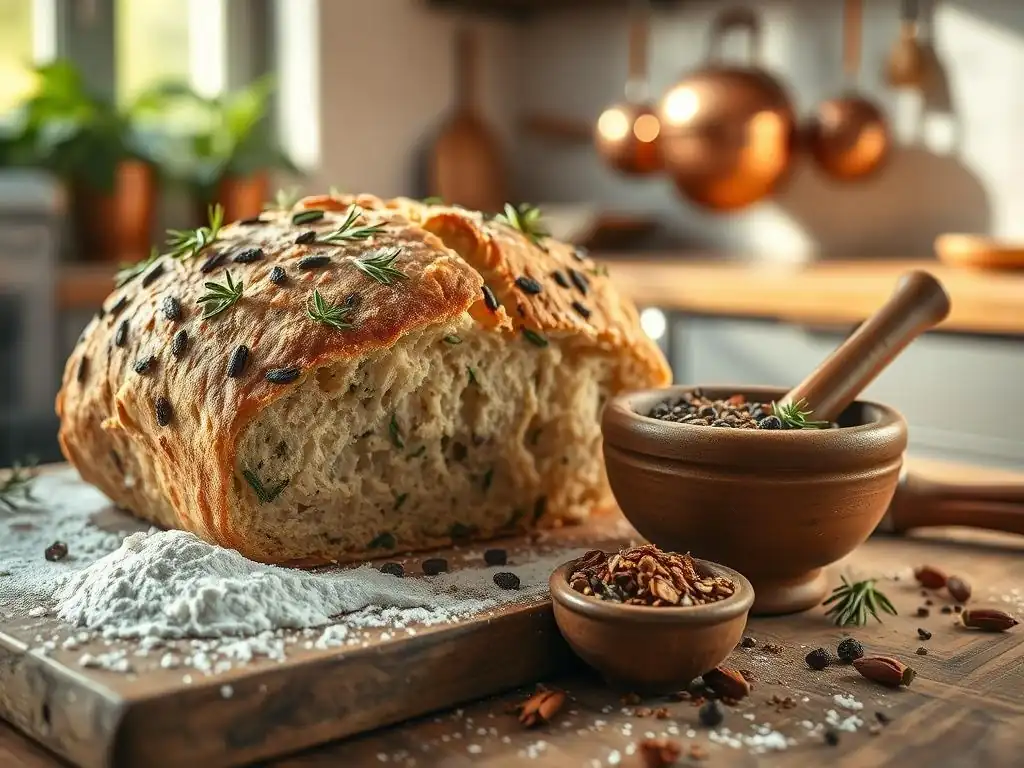
Enhancing flavor profiles in your gluten-free and nut-free bakes. Incorporating aromatic herbs and potent spices is perhaps the most effective way to elevate simple doughs and batters into truly memorable savory creations that are safe for those requiring nutfree savory baking herbs. They introduce layers of flavor that go beyond just saltiness, adding warmth, pungency, earthiness, or even a subtle sweetness, transforming the overall sensory experience of the baked item.
Why Use Herbs and Spices?
Adding depth and complexity to your savory creations.
Herbs and spices are concentrated sources of flavor compounds that can dramatically enhance the taste and aroma of food. In savory baking, where the base ingredients (flours, fats, leaveners) might be relatively neutral in flavor, herbs and spices provide the primary character. They can make a simple bread dough taste like an Italian focaccia, a plain scone batter evoke a garden fresh feel, or a cracker dough transport you with smoky or spicy notes.
Using a variety allows for complexity; for instance, combining rosemary with garlic and a pinch of black pepper creates a different effect than using just rosemary alone. This depth is particularly valuable in nutfree savory baking, where nuts, which sometimes contribute their own earthy or slightly sweet undertones, are absent.
Furthermore, herbs and spices contribute appealing visual elements and aromas. Flecks of green chives or dried oregano visible in the crumb, or the fragrant release of baked rosemary and garlic as a loaf cools, entice the senses before the first bite. They make the finished product look more appealing and smell irresistible. Beyond flavor and aroma, some spices like turmeric or paprika add beautiful color to baked goods. These sensory contributions are vital in making nutfree savory baking not just safe and functional, but genuinely exciting and pleasurable to eat.
Fresh vs. Dried Herbs: A Guide for Savory Baking
Understanding the differences and when to use each.
The choice between fresh and dried herbs significantly impacts flavor intensity and moisture content in savory baking. Fresh herbs, like chopped rosemary or chives, offer a brighter, more vibrant, and often slightly more nuanced flavor than their dried counterparts. They also introduce a small amount of moisture and can add lovely visual appeal with their green color.
Fresh herbs are excellent when added towards the end of mixing or sprinkled on top before baking, allowing their delicate oils to release without being completely cooked away. However, they are less potent by volume than dried herbs, and the amount needed is typically higher – a common conversion is roughly 3 times the amount of fresh herbs compared to dried. For instance, if a recipe calls for 1 teaspoon of dried thyme, you would use approximately 3 teaspoons (or 1 tablespoon) of fresh thyme.
Dried herbs, on the other hand, have a more concentrated and sometimes earthier flavor profile because the flavor compounds are more condensed after dehydration. They are also less likely to introduce unwanted moisture into doughs, which can be crucial in gluten-free baking where moisture balance is key. Dried nutfree savory baking herbs like oregano, thyme, or rosemary are often preferred for recipes where they are mixed directly into the dough or batter and baked for a longer period, as their flavor holds up well under heat.
It's generally recommended to rub dried herbs between your fingers before adding them to doughs to help release their aromatic oils. While fresh herbs offer vibrancy, dried herbs provide consistent, potent flavor that is often easier to measure and incorporate evenly throughout a mix.
Spice Blends for Gluten-Free & Nut-Free Savory Baking
Creating custom spice blends for unique flavors.
Using pre-made or custom spice blends is a fantastic way to achieve complex flavor profiles quickly in nutfree savory baking. Pre-made blends like Italian seasoning (typically oregano, basil, thyme, rosemary, marjoram) or Herbes de Provence (similar to Italian, often with lavender) are convenient and offer a balanced mix of flavors suitable for many savory applications like breadsticks or savory muffins.
Just be sure to check labels to ensure they are free from anti-caking agents that might contain allergens or are processed in a nut-free facility if necessary. Creating your own custom blends allows for complete control over the flavor profile and intensity.
For example, a simple but effective blend for a savory biscuit or scone might be equal parts garlic powder, onion powder, and dried chives, with a pinch of black pepper. For a more robust flavor suitable for a savory bread or cracker, you could combine dried rosemary, thyme, garlic powder, and a touch of smoked paprika. When creating blends, consider the intended use – a blend for a topping might be coarser than one mixed into a delicate dough.
Store homemade blends in airtight containers away from light and heat to maintain potency. Experimenting with different ratios and combinations of spices for nutfree savory baking unlocks a world of unique flavor possibilities, allowing you to tailor seasonings perfectly to your recipes.
Essential Herbs for Gluten-Free & Nut-Free Savory Bakes
Exploring versatile herbs to elevate your baking. Certain herbs are particularly well-suited for savory nutfree baking due to their robust flavor, aroma, and ability to pair well with common savory ingredients like cheese, vegetables, and starches. These herbs can form the backbone of countless delicious recipes.
Rosemary: Aromatic and Earthy
Using rosemary in breads, biscuits, and more.
Rosemary is a highly aromatic herb with a distinct pine-like, slightly peppery flavor that holds up exceptionally well to baking. Its sturdy needles, whether fresh or dried, add both flavor and visual texture to doughs. In nutfree savory baking, rosemary is a classic choice for breads like focaccia or rustic loaves.
Chopping fresh rosemary releases its potent oils, infusing the entire dough with its earthy aroma. For a standard loaf of bread using about 3 cups of gluten-free flour blend, you might incorporate 1-2 tablespoons of finely chopped fresh rosemary or 1-2 teaspoons of dried rosemary. It pairs wonderfully with olive oil, garlic, and sea salt, making it a staple for flavorful crusts or infused oils used to brush over baked goods.
Beyond breads, rosemary is excellent in savory biscuits, crackers, and even savory shortbreads. A common application involves mixing dried or finely chopped fresh rosemary into the dough before shaping and baking. Approximately ½ to 1 teaspoon of dried rosemary per cup of gluten-free flour blend can impart a noticeable flavor without being overpowering. The robust nature of rosemary means it doesn't get lost during the baking process, providing a consistent, aromatic flavor throughout the finished product. It's a foundational herb for many Mediterranean-inspired nutfree savory baking recipes.
Thyme: Subtle and Savory
Pairing thyme with cheese and vegetables in gluten-free and nut-free recipes.
Thyme is a versatile herb with a subtle, earthy, and slightly minty flavor that complements a wide range of savory ingredients. Its small leaves, especially when dried, integrate seamlessly into doughs and batters. Thyme is particularly good when paired with cheese, onions, mushrooms, and potatoes, making it ideal for savory muffins, scones, quiche crusts, or vegetable-filled tarts in nutfree savory baking. For a batch of savory scones using about 2 cups of gluten-free flour, incorporating 1-2 teaspoons of dried thyme or 1-2 tablespoons of fresh thyme leaves adds a pleasant savory depth.
When using fresh thyme, stripping the tiny leaves from the woody stems is necessary. Dried thyme is convenient for mixing directly into doughs or fillings. Thyme's flavor becomes more pronounced when heated, making it perfect for long baking times.
It plays well with other herbs like rosemary, oregano, and parsley, as well as spices like garlic powder and black pepper. A simple savory muffin recipe can be transformed by adding cheddar cheese and a teaspoon of dried thyme per cup of flour, resulting in a warm, comforting bake. The subtle nature of thyme allows it to enhance flavors without dominating, making it a reliable choice for many nutfree savory baking applications.
Chives: Delicate and Onion-Like
Adding chives to scones, muffins, and savory pastries.
Chives offer a delicate, fresh onion flavor without the pungency of larger onions or garlic. They are best used fresh, finely snipped, as their flavor is quite volatile and diminishes significantly when dried (though freeze-dried chives retain more flavor). Chives are excellent for adding a bright, savory note to batters and doughs, and they also provide lovely green flecks for visual appeal.
They are commonly used in savory scones, biscuits, muffins, and cream cheese pastries in nutfree savory baking. For a batch of savory biscuits using 2 cups of gluten-free flour blend, adding ¼ to ½ cup of freshly snipped chives provides a noticeable, fresh oniony taste.
Because their flavor is delicate, chives are often added towards the end of mixing to preserve their freshness. They pair exceptionally well with dairy ingredients like cheese, sour cream, or yogurt, making them a natural fit for rich, tender baked goods. While they can be mixed into the dough, sprinkling them on top before baking also works well, allowing their aroma to be prominent. Chives are a simple yet effective way to introduce a gentle savory, allium flavor into nutfree savory baking without the intensity that raw onion or garlic might bring, making them suitable for milder palates.
Basil: Sweet and Peppery
Incorporating basil into gluten-free pizza dough and savory tarts.
Basil is an aromatic herb with a sweet, slightly peppery, and sometimes clove-like flavor, most commonly associated with Italian cuisine. While often used fresh in cooked dishes, dried basil can be effectively used in savory baking, particularly in doughs that benefit from its warm, aromatic notes. It's a classic ingredient for gluten-free pizza dough, savory breadsticks, and savory tarts or quiches with fillings like tomato and cheese. For a gluten-free pizza dough recipe using about 1.5 cups of flour blend, incorporating 1-2 teaspoons of dried basil adds a foundational Italian flavor.
Dried basil's flavor intensifies slightly during baking. It pairs wonderfully with garlic, oregano, and tomatoes, which are common ingredients in savory baked goods like pizza crusts or savory scrolls. While fresh basil is lovely torn and added after baking (e.g., on top of a baked pizza), dried basil is best when mixed directly into the dough or filling before baking, allowing its flavor to meld throughout the cooking process. Using basil is a simple way to infuse nutfree savory baking with bright, herbaceous notes, making it feel fresh and flavorful.
Unlocking the potential of spices in your baking. Spices, derived from dried parts of plants (roots, stems, seeds, fruits, bark), offer a different dimension of flavor compared to herbs. They often provide warmth, heat, earthiness, or pungency and are crucial for adding depth and complexity to nutfree savory baking.
Garlic Powder: Umami Booster
Enhancing savory flavors with garlic powder.
Garlic powder is a concentrated form of dried, ground garlic that provides a potent, savory, and slightly sweet flavor. Unlike fresh garlic, it distributes very evenly throughout doughs and batters, ensuring a consistent flavor in every bite. Garlic powder is a fundamental spice in many savory baked goods, including breads, biscuits, crackers, and savory muffins, acting as a powerful umami booster. For a batch of savory scones or biscuits using 2 cups of gluten-free flour blend, adding ½ to 1 teaspoon of garlic powder provides a noticeable savory base.
It pairs well with almost all nutfree savory baking herbs and spices, especially onion powder, parsley, chives, and black pepper. Because it's dried, it doesn't add unwanted moisture, making it ideal for gluten-free doughs where hydration levels are sensitive. Garlic powder's flavor is robust and stands up well to baking temperatures, making it a reliable ingredient for infusing deep savory notes into your baked goods. It's an easy way to add significant flavor without the hassle of mincing fresh garlic.
Onion Powder: Subtle Sweetness
Adding depth to doughs and fillings with onion powder.
Onion powder, like garlic powder, is a convenient way to add onion flavor evenly to baked goods. It provides a sweeter, less pungent onion taste than fresh onion, adding depth and background savory notes without the texture or moisture of chopped onions. Onion powder is excellent in savory breads, crackers, biscuits, and savory pastries, contributing a foundational layer of flavor. For a savory bread recipe with 3 cups of gluten-free flour, incorporating 1 to 1.5 teaspoons of onion powder can add a pleasant sweetness and savory complexity.
It works synergistically with garlic powder and is a key component in many savory spice blends suitable for nutfree savory baking. Onion powder integrates seamlessly into doughs, ensuring that every part of the baked item has that subtle oniony sweetness. It's particularly good when paired with cheese or potato in savory bakes. Using onion powder provides a reliable and consistent way to add onion flavor, avoiding the uneven distribution or potential moisture issues that can arise from using fresh onions in some baked goods.
Smoked Paprika: Smoky Depth
Using smoked paprika for color and smoky flavor in gluten-free and nut-free savory baking.
Smoked paprika is a ground spice made from smoked and dried red peppers. It offers a unique combination of mild pepper flavor and a distinct smoky aroma, along with a vibrant red color. It's a fantastic spice for adding complexity and an intriguing smoky note to nutfree savory baking, particularly in items like savory crackers, breadsticks, or even a savory pastry dough for a tart or hand pie. For a cracker dough using 1.5 cups of gluten-free flour, adding ½ to 1 teaspoon of smoked paprika can provide a noticeable smoky depth and a lovely reddish hue.
Smoked paprika pairs well with garlic powder, onion powder, and herbs like thyme and rosemary. It can be mixed directly into doughs or used as part of a sprinkle or rub applied before baking. While it provides color, its main contribution is that characteristic smoky flavor, which can evoke flavors often associated with grilled or roasted foods. Using smoked paprika is an excellent way to introduce a different dimension of flavor into nutfree savory baking, moving beyond typical herbaceous profiles.
Cayenne Pepper: Adding Heat
Controlling the spice level in your gluten-free and nut-free savory recipes.
Cayenne pepper is a ground spice made from dried cayenne chili peppers, known for its moderate to high level of heat. A small amount can add a pleasant warmth and gentle kick to savory baked goods, while larger quantities can create a truly spicy experience.
Cayenne pepper is used to introduce controlled heat into items like spicy crackers, savory cheese biscuits, or even savory cornbread (using gluten-free cornmeal). For a batch of savory biscuits using 2 cups of gluten-free flour, starting with just ¼ teaspoon of cayenne pepper can add a noticeable warmth, which can be adjusted up or down based on preference.
It pairs well with garlic powder, onion powder, paprika, and cumin (if suitable for the recipe profile). Because it's potent, it's best to start with a small amount and add more if desired. Cayenne pepper distributes evenly in doughs and its heat remains consistent through baking. It's an easy way to customize the spice level in nutfree savory baking, adding excitement and balancing richness with a touch of heat. Always measure carefully and consider the heat tolerance of those who will be eating the baked goods.
Infusing Flavor: Techniques for Gluten-Free & Nut-Free Savory Baking
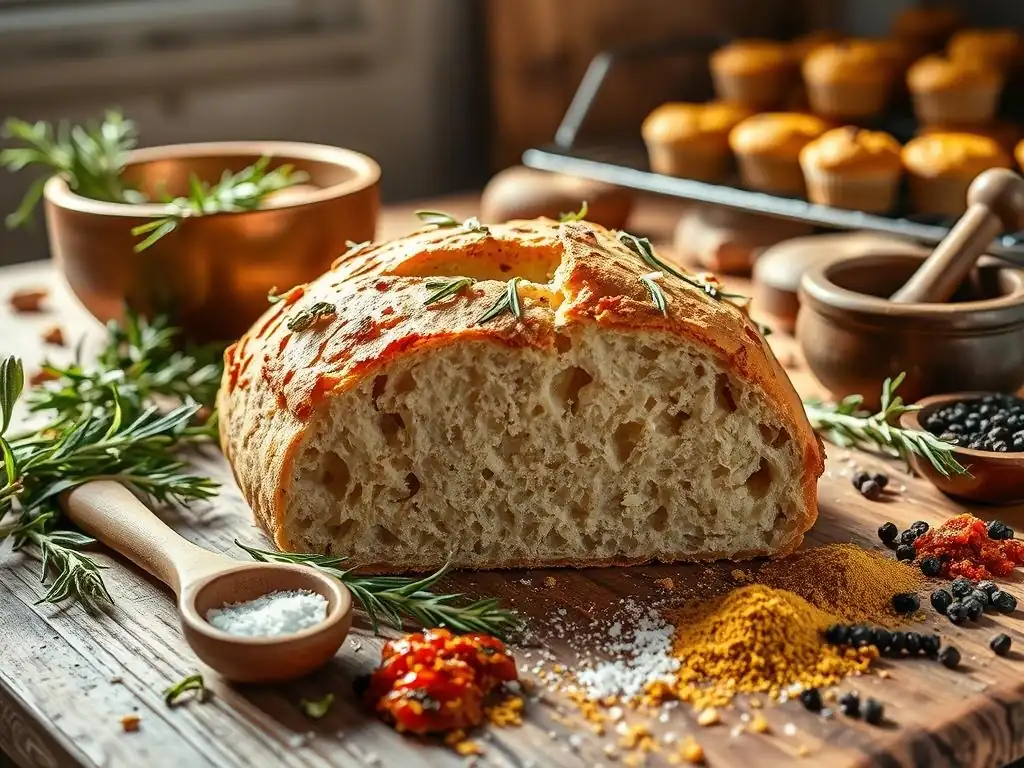
How to incorporate herbs and spices effectively. Getting the maximum flavor from your nutfree savory baking herbs and spices requires understanding different methods of incorporation, depending on the ingredient and the desired outcome. Proper technique ensures that the flavor is distributed evenly and retains potency through the baking process.
Direct Incorporation into Doughs and Batters
Adding flavor directly to your base.
The most common method for infusing flavor is mixing dried herbs and spices directly into the dry ingredients or wet ingredients before combining them to form the dough or batter. This allows the flavors to be distributed throughout the entire mixture.
For dried herbs like oregano, thyme, or rosemary, and spices like garlic powder, onion powder, or paprika, sifting or whisking them together with the gluten-free flour blend ensures they are evenly dispersed. Approximately 1-3 teaspoons of total dried herbs and spices per cup of flour is a common starting point for noticeable flavor, though this varies greatly depending on the specific ingredients and desired intensity.
When using fresh, finely chopped herbs like chives or parsley, they are often added towards the end of mixing the dough or batter to preserve their brighter flavor and color. Over-mixing after adding fresh herbs can bruise them and diminish their appeal. Adding herbs and spices directly into the base mixture allows their flavors to meld with the other ingredients during resting (if applicable) and baking, creating a cohesive taste throughout the finished nutfree savory baking item. This simple technique is fundamental for building flavor from within the bake itself.
Herb and Spice Infused Oils
Creating flavorful oils for brushing and drizzling.
Infusing oils with herbs and spices is a fantastic way to add concentrated flavor to the surface or interior of nutfree savory baking items. This can be done by gently heating oil (like olive oil) with dried herbs (rosemary, thyme, oregano) or spices (garlic powder, red pepper flakes) for a few minutes, then letting it steep. Alternatively, you can simply mix dried herbs and spices directly into room-temperature oil. For instance, mixing 1 tablespoon of olive oil with 1 teaspoon of dried rosemary, ½ teaspoon of garlic powder, and a pinch of salt creates a potent infusion.
This flavorful oil can then be used in several ways:
- Brushing over the top of breads or focaccia before or immediately after baking for an aromatic finish.
- Drizzling into wells or creases in dough before baking.
- Using the oil itself as the fat component in a recipe, though this requires larger quantities.
Infused oils add a burst of flavor and can also help achieve a desirable crust texture. They are particularly effective for items like savory breadsticks or focaccia, where a flavorful exterior is key. This technique provides a different flavor experience compared to mixing herbs and spices directly into the dough, offering a more pronounced surface flavor.
Using Spice Rubs on Vegetables and Proteins
Enhancing fillings with spice rubs.
While not directly mixed into the dough, using spice rubs on vegetables or proteins that will be used as fillings or toppings for savory baked goods is another powerful way to infuse flavor. This is particularly relevant for items like savory tarts, quiches, hand pies, or even savory muffins incorporating cooked ingredients. A simple rub might consist of garlic powder, onion powder, smoked paprika, and a pinch of salt and pepper applied to roasted vegetables (like potatoes, mushrooms, or zucchini) or cooked protein (like chicken or beef).
For example, before adding roasted potatoes to a savory tart filling, tossing them with a rub of rosemary, thyme, garlic powder, and salt ensures the potatoes themselves are flavorful. Similarly, seasoning cooked, crumbled sausage or ground meat with a blend of fennel, oregano, and garlic powder before adding it to a savory muffin batter enhances the overall taste. This technique ensures that every component of the nutfree savory baking creation contributes to the final flavor profile, preventing bland spots within the filling or topping.
Gluten-Free & Nut-Free Savory Baking Recipes Featuring Herbs and Spices
Inspiring recipe ideas to get you started. Trying out specific recipes is the best way to understand how nutfree savory baking herbs and spices work in practice. Here are a few classic examples that showcase the power of these ingredients.
Gluten-Free & Nut-Free Rosemary and Sea Salt Focaccia
A classic recipe with herbaceous flavors.
This type of focaccia highlights the aromatic power of rosemary and the simple elegance of sea salt. A typical recipe involves a wet gluten-free dough made with a blend of flours (like rice and tapioca), yeast, water, olive oil, and salt. The dough is spread into a pan, dimpled, and generously drizzled with olive oil.
Fresh or dried rosemary sprigs or chopped leaves are pressed into the dimples, along with flaky sea salt. Baking at a moderate temperature (around 375-400°F or 190-200°C) allows the olive oil to crisp the bottom while the rosemary infuses its piney aroma throughout the bread.
For a standard 9x13 inch focaccia, approximately ¼ to ½ cup of olive oil drizzled over the top is common, along with 2-3 tablespoons of fresh rosemary or 1-2 tablespoons of dried rosemary. The heat of the oven intensifies the rosemary's fragrance, making this focaccia incredibly appealing straight from the oven. This recipe is a perfect example of how minimal ingredients, elevated by key nutfree savory baking herbs and fats, can create a stunning result.
Gluten-Free & Nut-Free Thyme and Cheddar Scones
Savory scones perfect for breakfast or brunch.
Savory scones are a delightful alternative to sweet ones, and the combination of sharp cheddar cheese and earthy thyme is a classic. A gluten-free scone dough typically uses a blend of flours, a binder like xanthan gum, butter or a dairy-free alternative, buttermilk or a non-dairy equivalent, and leavening (baking powder). To this base, grated cheddar cheese and dried thyme are added. For a recipe using about 2 cups of flour blend, you might incorporate 1 cup of grated cheddar cheese and 1 to 1.5 teaspoons of dried thyme.
The cheese provides richness and tang, while the thyme adds a subtle, savory depth that complements the cheese beautifully. The dough is gently mixed to avoid toughness, shaped, and baked until golden brown (usually around 15-20 minutes at 400°F or 200°C). These nutfree savory baking scones are excellent served warm with butter. The thyme flavor becomes more prominent as the scones bake, creating a comforting aroma and taste perfect for brunch or a snack.
Gluten-Free & Nut-Free Garlic and Herb Breadsticks
A flavorful snack or appetizer.
Flavorful breadsticks are a great way to showcase the power of garlic and a mix of nutfree savory baking herbs. A gluten-free breadstick dough might use a yeasted base with a flour blend, water, oil, and salt. Before or after shaping the dough into sticks, they are often brushed with an infused oil or sprinkled with a dry mix of herbs and spices. A common flavor profile involves garlic powder, onion powder, dried parsley, and dried oregano.
For dipping oil or brushing: Mix ¼ cup olive oil with 1 teaspoon garlic powder, ½ teaspoon onion powder, 1 teaspoon dried parsley, ½ teaspoon dried oregano, and a pinch of salt and pepper. This mixture can be brushed onto the breadsticks before baking (around 375-400°F or 190-200°C for 15-20 minutes) or served alongside them for dipping.
The heat of the oven helps to toast the herbs and spices slightly, enhancing their aroma and flavor on the surface of the breadsticks. This recipe demonstrates how both direct incorporation (in the dough) and surface application (brushed oil/sprinkle) can be used together.
Tips for Success in Gluten-Free & Nut-Free Savory Baking with Herbs
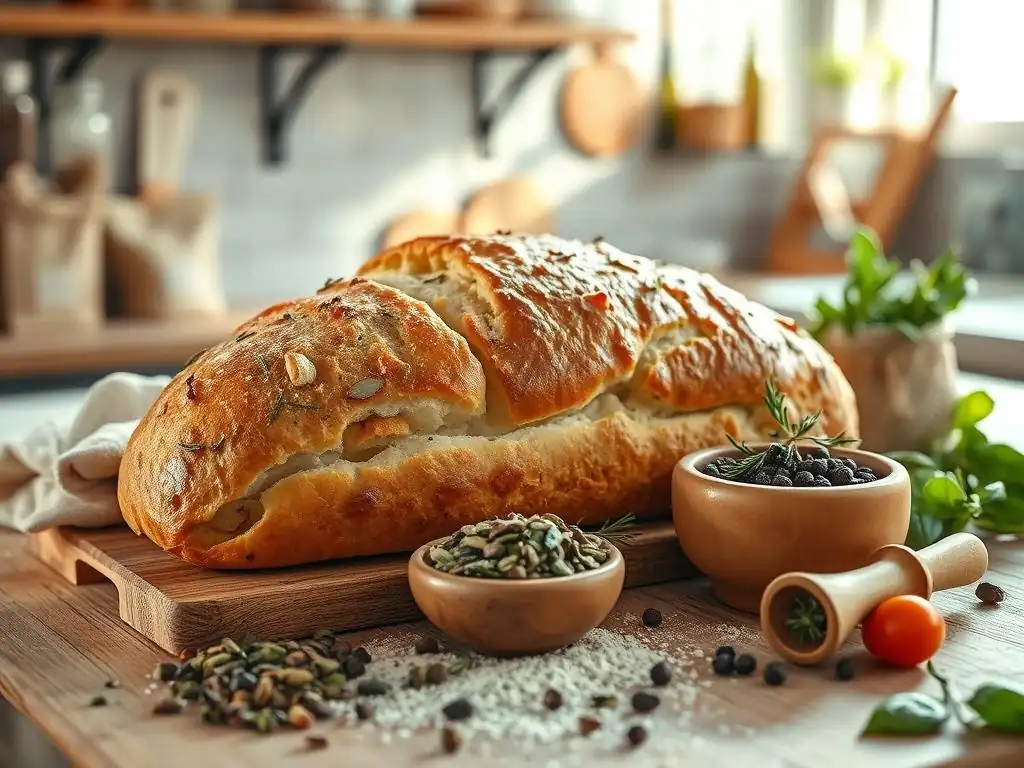
Ensuring delicious and safe results. Achieving consistently great results in nutfree savory baking requires attention to detail, especially when working with sensitive ingredients and powerful flavorings.
Sourcing High-Quality Herbs and Spices
The importance of fresh and potent ingredients.
The flavor intensity of your nutfree savory baking herbs and spices is directly related to their quality and freshness. Dried herbs and ground spices lose potency over time as their volatile oils evaporate. Using old, stale seasonings will result in bland baked goods, no matter how much you add. Aim to purchase herbs and spices from reputable sources that have a high turnover, ensuring they haven't been sitting on a shelf for years. Consider buying smaller quantities if you don't use them frequently.
- Check the expiration date if available, but also rely on your senses.
- Crush a small amount of dried herb or rub a pinch of ground spice between your fingers. It should release a noticeable aroma. If it smells dusty or faint, it's time to replace it.
- For fresh herbs, look for vibrant color and no wilting or browning.
Investing in high-quality, fresh herbs and spices is one of the simplest ways to guarantee flavorful results in your nutfree savory baking.
Storing Herbs and Spices Properly
Maintaining flavor and potency.
Proper storage is crucial for preserving the flavor and potency of your nutfree savory baking herbs and spices. Exposure to light, heat, and air causes them to degrade more quickly.
- Store dried herbs and ground spices in airtight containers (glass jars with tight-fitting lids are ideal).
- Keep containers away from direct sunlight and heat sources like stovetops or ovens. A cool, dark pantry is the best location.
- Ground spices generally lose potency faster than whole spices or dried herbs; aim to use them within 6-12 months. Dried herbs can last 1-2 years, while whole spices can last 2-3 years or longer.
- Store fresh herbs in the refrigerator. Methods vary by herb type, but often involve wrapping stems in a damp paper towel and storing in a plastic bag or placing stems in a glass of water covered loosely with a plastic bag. Use fresh herbs within 1-2 weeks.
Proper storage ensures that the spices for nutfree savory baking you reach for will deliver the vibrant flavors your recipes deserve.
Adjusting Seasoning to Taste
Perfecting the flavor balance in your recipes.
Recipes provide a starting point, but personal preference and the specific potency of your herbs and spices mean that adjusting seasoning to taste is often necessary in nutfree savory baking. Don't be afraid to slightly increase or decrease the recommended amounts of nutfree savory baking herbs and spices based on your desired flavor intensity.
- When mixing doughs or batters, if possible, taste a tiny amount of the raw mixture (ensure it's safe, e.g., doesn't contain raw egg if you're uncomfortable). This can give you an idea of the base flavor, though the flavor will change during baking.
- For recipes where the herb/spice is added to a filling or topping that is cooked separately (like a vegetable mix for a tart), taste and adjust the seasoning before adding it to the baked good.
- Keep notes on how much of each herb and spice you used in a recipe and the resulting flavor. This helps you replicate or adjust it next time.
It's generally easier to add more seasoning than to fix an over-seasoned dish, so when in doubt, start with the recipe amount and consider adding a little extra if you prefer a stronger flavor profile. Trust your palate to guide you in perfecting the flavor of your nutfree savory baking.
Exploring More Gluten-Free & Nut-Free Savory Baking Options
Expanding your culinary horizons. Once you've mastered the basics of using nutfree savory baking herbs and spices, a world of delicious possibilities opens up. These fundamental flavor combinations can be applied to countless different baked goods.
Gluten-Free & Nut-Free Pizza Dough with Basil and Oregano
A classic combination for a beloved bake.
Creating a flavorful gluten-free and nut-free pizza dough is simple with the right herbs. Incorporating dried basil and oregano directly into the dough mix provides that essential Italian base flavor. For a typical pizza dough recipe using about 1.5-2 cups of gluten-free flour blend, adding 1 teaspoon of dried oregano and 1 teaspoon of dried basil is a great starting point. These herbs infuse the crust itself with flavor, so even the edges are delicious.
This dough can then be topped with your favorite nut-free sauces and safe toppings. The heat of the oven during baking activates the volatile oils in the dried herbs, releasing their classic aroma. This application of nutfree savory baking herbs shows how simple additions can transform a basic dough into a flavorful foundation for a meal.
Gluten-Free & Nut-Free Cheese and Herb Muffins
Moist and flavorful savory delights.
Savory muffins are quick and easy to make and are wonderfully adaptable to different herb and spice combinations. A gluten-free and nut-free cheese muffin base (using flour blend, leavening, egg, milk or milk alternative, and cheese) is the perfect canvas for nutfree savory baking herbs. A popular combination includes cheddar cheese with chives and a touch of garlic powder.
For a batch of 12 muffins using about 2 cups of flour blend, you might add 1 cup of grated cheddar cheese, ¼ cup of fresh snipped chives, and ½ teaspoon of garlic powder. Mixing the dry herbs and garlic powder with the flour and then folding in the cheese and fresh chives with the wet ingredients ensures even distribution. Baking at a moderate temperature (around 375°F or 190°C) results in moist, flavorful muffins where the cheese is melty and the herbs are fragrant.
Conclusion: Unleash Your Creativity with Gluten-Free & Nut-Free Savory Baking
Embrace the world of herbs and spices to create delicious and safe gluten-free and nut-free savory baked goods. By understanding the properties of different nutfree savory baking herbs and spices, knowing how to incorporate them effectively, and sourcing quality ingredients, you can elevate your allergen-friendly baking from simply safe to truly spectacular. Experiment with classic combinations like rosemary and garlic or thyme and cheese, or venture into creating your own unique spice blends.
The possibilities for infusing flavor are vast, allowing you to bake a wide variety of savory treats that are not only suitable for specific dietary needs but are also bursting with delightful taste and aroma. Dive in and discover how these simple additions can transform your nutfree savory baking into flavorful masterpieces.
Frequently Asked Questions
How can I add flavor to nut-free savory bakes without using nuts?
You can infuse flavor using a variety of herbs and spices. Experiment with combinations like rosemary and thyme, or garlic powder and paprika, to create unique and delicious savory profiles.
What are some popular herbs that work well in nut-free savory baking?
Popular choices include rosemary, thyme, oregano, basil, and chives. These herbs provide aromatic and flavorful additions to breads, pastries, and other savory bakes without relying on nuts.
Can I use dried herbs instead of fresh herbs in my nut-free savory bakes?
Yes, you can. Remember that dried herbs have a more concentrated flavor than fresh herbs, so use about one-third the amount called for in the recipe.
How do I ensure the herbs are evenly distributed throughout my nut-free savory bake?
Mix the dried herbs with the dry ingredients before adding any wet ingredients. For fresh herbs, chop them finely and add them towards the end of the mixing process.
What are some examples of savory baked goods that benefit from the addition of herbs and spices?
Herb-infused breads, focaccia, savory scones, and quiche are all excellent candidates. Don't be afraid to experiment with different herb and spice combinations to find your favorite flavors.
Final Reflection: Unlocking Flavor's Potential in Nut-Free Baking
The vibrant world of nut-free savory baking is far from limited; it's a realm brimming with exciting possibilities, once you understand the power of herbs and spices. Mastering the art of flavor infusion isn't just about substituting ingredients; it's about crafting a symphony of taste that delights the palate and satisfies the soul. This exploration into herbs and spices has revealed a wealth of options to create truly exceptional nut-free savory bakes.
The impact of this knowledge extends beyond simply avoiding nuts; it empowers individuals with dietary restrictions to enjoy the full spectrum of culinary creativity. It challenges the misconception that nut-free baking is somehow less flavorful or complex. The true alchemy of cooking lies not in the absence of ingredients, but in the masterful blending of those that remain.
This quote, while not directly related to nut-free baking, perfectly captures the spirit of this exploration. The careful selection and combination of herbs and spices elevate the simplest nut-free recipe into something truly special, proving that deliciousness knows no limitations.
Now, it's your turn. Consider the herbs and spices you already love, and experiment with new combinations in your own nut-free baking adventures. Don't be afraid to explore bold flavors and unique pairings. Embrace the challenge of creating something truly exceptional, something that not only tastes incredible but also reflects your own personal culinary journey. The possibilities are endless, and the rewards are truly delicious.
Unleash Your Inner Spice Master!
Thanks for taking the time to explore the world of flavorful, nut-free baking! You've now unlocked the secrets to creating delicious and exciting savory treats without nuts. Ready to put your new knowledge into action?
- Craft your signature spice blend: Experiment with the combinations discussed in the article and create your own unique flavor profile. Don't be afraid to get creative!
- Share your creations: Show off your amazing nut-free bakes on social media using #BakeWithEaseNutFree and inspire others to try their hand at flavorful baking.
- Explore our other nut-free recipes: Discover a world of deliciousness on BakeWithEase.com – we've got tons more exciting recipes just waiting for you!
What surprising flavor combination will you try first? Let us know in the comments below!