
Expert Tips: Achieving Deep Flavor Without NutBased Oils


Welcome to BakeWithEase, your haven for baking mastery! Are you ready to unlock a world of rich, satisfying flavors in your baked goods, even if nut-based oils are off the table? Dive into our latest article where we reveal Expert Tips: Achieving Deep Flavor Without Nut-Based Oils. Discover how to elevate your baking using clever substitutions and techniques, creating delectable treats that cater to dietary needs without sacrificing taste. Curious to know the secret? Let's get baking!
- Expert Tips: Achieving Deep Flavor in Vegan Baking
- VeganBakePro: Mastering Deep Flavor in Dairy & Egg-Free Baking
- Understanding the Challenge: Vegan Baking and Flavor Depth
- Building Flavor Foundations: Vegan Alternatives for Deep Taste
- Enhancing Flavor Through Technique: Expert Baking Secrets
- Using Extracts and Essences: Intensifying Flavors Without Dairy or Eggs
- Incorporating Other Ingredients for Richness and Flavor
- Recipes for Deep Flavor in Vegan Baking: VeganBakePro Favorites
- Troubleshooting: Common Issues and Solutions for Vegan Baking
- Conclusion: Baking Deliciously Vegan with Deep Flavor
-
Frequently Asked Questions
- How can I develop deep flavor in baked goods without using nut-based oils?
- What are some good substitutes for nut-based oils in baking?
- Can I still achieve a nutty flavor without using nut oils?
- How does the type of oil affect the texture of baked goods?
- Are there any specific recipes that are particularly well-suited for baking without nut oils?
- Final Reflection: Unlocking Flavor's Potential Beyond Nuts
- Unleash Your Inner Baking Maestro!
Expert Tips: Achieving Deep Flavor in Vegan Baking
VeganBakePro: Mastering Deep Flavor in Dairy & Egg-Free Baking
Welcome to BakeWithEase! For many bakers, achieving that rich, complex taste often associated with traditional dairy and egg-based recipes can seem like a challenge in the vegan world. But rest assured, creating baked goods with genuine deep flavor without nut oils or other animal products is absolutely achievable and incredibly rewarding. It's all about understanding the role of ingredients and mastering specific techniques.
This guide, inspired by the principles we champion at BakeWithEase, will walk you through the nuances of building layers of taste in your vegan creations. We'll explore how to replace the flavor-carrying power of butter and eggs, delve into alternative ingredients, and share expert techniques that unlock incredible depth, ensuring your nut-free vegan treats are bursting with deliciousness from the first bite.
Understanding the Challenge: Vegan Baking and Flavor Depth
Achieving deep flavor without nut oils or animal products requires a different approach than traditional baking. Ingredients like butter and eggs contribute significantly to the overall taste profile and richness of baked goods, and simply omitting them without thoughtful substitution can lead to flat, one-dimensional results. Understanding why these ingredients are so impactful is the first step towards successfully replacing their functions and flavors.
The absence of dairy and eggs in vegan recipes means we need to find alternative ways to introduce fat, moisture, emulsification, and browning potential. These are all crucial elements for developing complex flavors and textures. This section breaks down the roles of traditional ingredients and highlights the specific challenges faced when adapting recipes to be both vegan and nut-free, paving the way for strategies to build that desired depth of flavor.
Why Butter and Eggs Contribute to Flavor
Butter is a powerhouse of flavor in traditional baking, primarily due to its fat content (around 80-82%). Fat is an excellent carrier of flavor compounds, distributing them evenly throughout the baked good. Furthermore, butter contains milk solids (about 1-2%) which undergo the Maillard reaction during baking, contributing nutty, caramelized notes. The water content (around 16-17%) also helps with steam leavening and crust development, indirectly affecting texture and how flavor is perceived.
Eggs contribute flavor in several ways. The yolk, rich in fat and lecithin, adds richness, tenderness, and helps emulsify ingredients, leading to a smoother batter and more uniform flavor distribution. The proteins in both the yolk and white contribute to structure, but also participate in browning reactions. While eggs have a relatively mild flavor on their own, they enhance the flavors of other ingredients and contribute to the overall savory or sweet profile depending on the recipe.
The Impact of Avoiding Dairy and Eggs in Baking
When dairy and eggs are removed, several key functions need to be replaced to achieve comparable results, including deep flavor without nut oils. The richness and moisture provided by butter and egg yolks must be sourced from plant-based fats and liquids. The emulsification properties of lecithin in egg yolks need to be mimicked, often through ingredients like soy lecithin (if soy is not an allergen) or certain starches and gums.
Moreover, the browning potential from milk solids and egg proteins is lost. This means vegan batters might not brown as readily or develop the same depth of color and accompanying caramelized flavors. Successfully navigating these challenges involves selecting plant-based substitutes that not only provide structure and moisture but also actively contribute or enhance flavor development during the baking process, crucial for achieving deep flavor without nut oils.
Building Flavor Foundations: Vegan Alternatives for Deep Taste
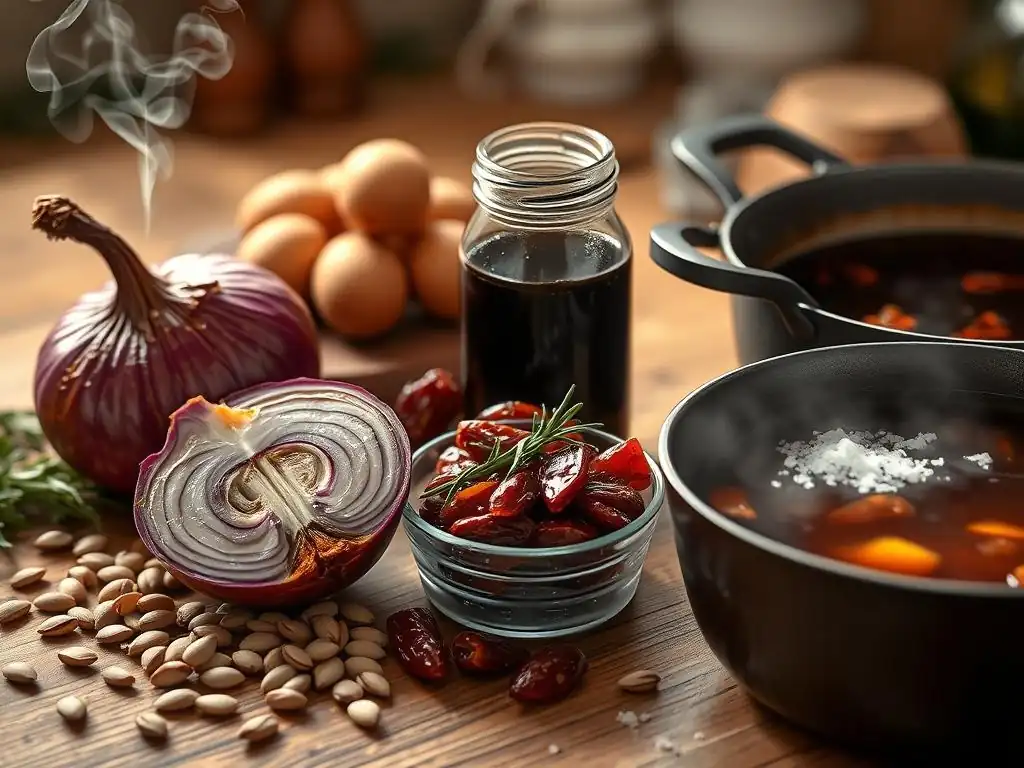
Creating deep flavor without nut oils in vegan baking starts with choosing the right base ingredients. While traditional recipes rely heavily on butter and eggs for richness, the plant kingdom offers a diverse array of fats and other ingredients that can provide excellent flavor and texture foundations. It's about understanding the unique properties and flavor profiles of these alternatives and how they behave when heated.
Selecting the primary fat source is critical. Different plant-based oils and fats bring their own subtle or distinct flavors to the table. Beyond fats, other ingredients like fruit purees can add moisture, sweetness, and a subtle tang that complements other flavors. This section explores some of the most effective plant-based alternatives for building a robust flavor base in your nut-free vegan baking.
Exploring Plant-Based Oils: Coconut, Olive, and Avocado
Plant-based oils are essential for providing richness and moisture, key components for developing deep flavor without nut oils. Coconut oil, particularly virgin coconut oil, offers a distinct tropical note that works wonderfully in certain recipes, like cakes and muffins, solidifying at cooler temperatures to mimic some textural aspects of butter. Refined coconut oil has a neutral flavor if you prefer no coconut taste. Olive oil, especially a lighter variety, can lend a pleasant, slightly peppery or fruity undertone to baked goods like cakes, quick breads, and even some cookies, contributing to a sophisticated flavor profile.
Avocado oil is another excellent option, known for its mild flavor and high smoke point, making it versatile. It provides a rich, buttery texture and helps create a moist crumb. Unlike some other oils, its subtle flavor doesn't overpower delicate ingredients, allowing other flavors to shine through while still contributing to the overall richness. Using a blend of oils can sometimes yield the most complex and desirable results, balancing different flavor notes and textures.
Leveraging Nut Butters (Optional): Almond, Cashew, and Sunflower Seed
Note: This section is included for informational purposes regarding general vegan flavor building, but the article focuses on achieving deep flavor without nut oils. If baking for a nut allergy, sunflower seed butter is the relevant alternative.
Nut butters like almond or cashew butter are potent flavor enhancers in vegan baking, providing richness, moisture, and distinct nutty notes. A tablespoon or two can significantly deepen the flavor of cookies, brownies, or cakes. For bakers avoiding nuts, sunflower seed butter is an excellent, flavorful substitute. It offers a slightly unique, earthy taste and similar richness to nut butters, working well in various recipes.
When using sunflower seed butter to achieve deep flavor without nut oils, be aware that its interaction with baking soda can sometimes cause a greenish tint in baked goods. This is harmless and purely cosmetic. To minimize this, you can slightly reduce the baking soda or add a touch of acid like lemon juice or vinegar to the batter. Start with small amounts (e.g., 1/4 cup per batch of cookies) to gauge its impact on flavor and texture.
Fruit Purees: Apple Sauce and Banana in Baking
Fruit purees like apple sauce and mashed banana are fantastic for adding moisture, sweetness, and subtle flavor, contributing to deep flavor without nut oils while also reducing the need for as much added fat or sugar. Unsweetened apple sauce is a popular choice, adding moisture and a slight tang that brightens flavors in muffins, cakes, and quick breads. Approximately 1/4 cup of apple sauce can often replace one large egg in terms of binding and moisture.
Mashed ripe banana provides a more pronounced flavor and significant moisture, making it ideal for banana bread, muffins, and certain cookies. The natural sugars in banana also contribute to browning. While they add their own distinct taste, bananas pair well with spices like cinnamon and nutmeg, enhancing the overall depth. Using about half a cup of mashed banana can replace a significant portion of the oil or butter in a recipe, contributing both texture and flavor.
Enhancing Flavor Through Technique: Expert Baking Secrets
Beyond ingredient selection, mastering certain baking techniques is paramount to achieving deep flavor without nut oils. Heat is a powerful tool in flavor development, triggering chemical reactions that transform simple ingredients into complex, aromatic compounds. Understanding and utilizing these processes can elevate your nut-free vegan baked goods from good to truly exceptional.
Techniques like browning ingredients before mixing, infusing fats with aromatics, and expertly blending spices can layer flavors in ways that simply mixing ingredients cannot. These methods work synergistically with your chosen plant-based ingredients to build richness and depth, ensuring your final product is packed with delicious, nuanced taste.
Browning Techniques: The Maillard Reaction and Caramelization
The Maillard reaction and caramelization are two crucial browning processes that generate hundreds of flavor compounds. The Maillard reaction occurs between amino acids and reducing sugars at temperatures typically above 300°F (150°C), responsible for the delicious crust on bread and the browning of cookies. Caramelization is the browning of sugars themselves, occurring at higher temperatures (around 320°F/160°C for sucrose), creating rich, toasty, and slightly bitter notes.
To leverage these for deep flavor without nut oils, consider browning some of your ingredients before adding them to the batter. Roasting fruits or vegetables (like pumpkin or sweet potato) intensifies their natural sweetness and creates caramelized notes. Toasting flours (like oat flour or whole wheat flour) or spices before use can unlock deeper, nuttier flavors without needing actual nuts. Baking at slightly higher temperatures (within reason, to avoid burning) for a shorter time can also encourage better crust development and Maillard browning.
Infusion Methods: Imparting Flavors into Your Oils
Infusing your chosen plant-based oil is a simple yet effective way to add complex layers and achieve deep flavor without nut oils. Gently heating oil with aromatics allows the fat to absorb their fat-soluble flavor compounds. For example, you could infuse olive oil with rosemary or citrus zest for a savory application, or coconut oil with vanilla bean or cinnamon sticks for sweet treats.
To infuse oil, gently warm the oil over low heat (do not let it smoke) and add your aromatics. Let it steep for 15-30 minutes, or even longer off the heat as it cools. Strain the oil before using it in your recipe. This technique introduces subtle, nuanced flavors directly into the fat base, distributing them throughout the baked good and contributing significantly to the overall depth. A ratio of about 1/4 cup of aromatic material per cup of oil is a good starting point, but this can be adjusted based on desired intensity.
Spice Blends: Creating Complex Flavor Profiles
Spices are indispensable for adding warmth, complexity, and deep flavor without nut oils in vegan baking. Simply adding a single spice is good, but creating thoughtful blends can elevate flavor profiles dramatically. Think beyond just cinnamon; consider combinations like cinnamon, nutmeg, and clove for classic warmth, or ginger, cardamom, and a pinch of black pepper for a spicier, more aromatic profile.
Toasting whole spices briefly in a dry pan before grinding them significantly intensifies their flavor. Store-bought ground spices lose potency over time, so using fresh, recently ground spices is ideal for maximum impact. Experiment with less common spices like star anise, fennel seed, or even a touch of smoked paprika (in savory applications) to create truly unique and deep flavor profiles. Aim for a balanced blend where no single spice dominates unless intended.
Using Extracts and Essences: Intensifying Flavors Without Dairy or Eggs
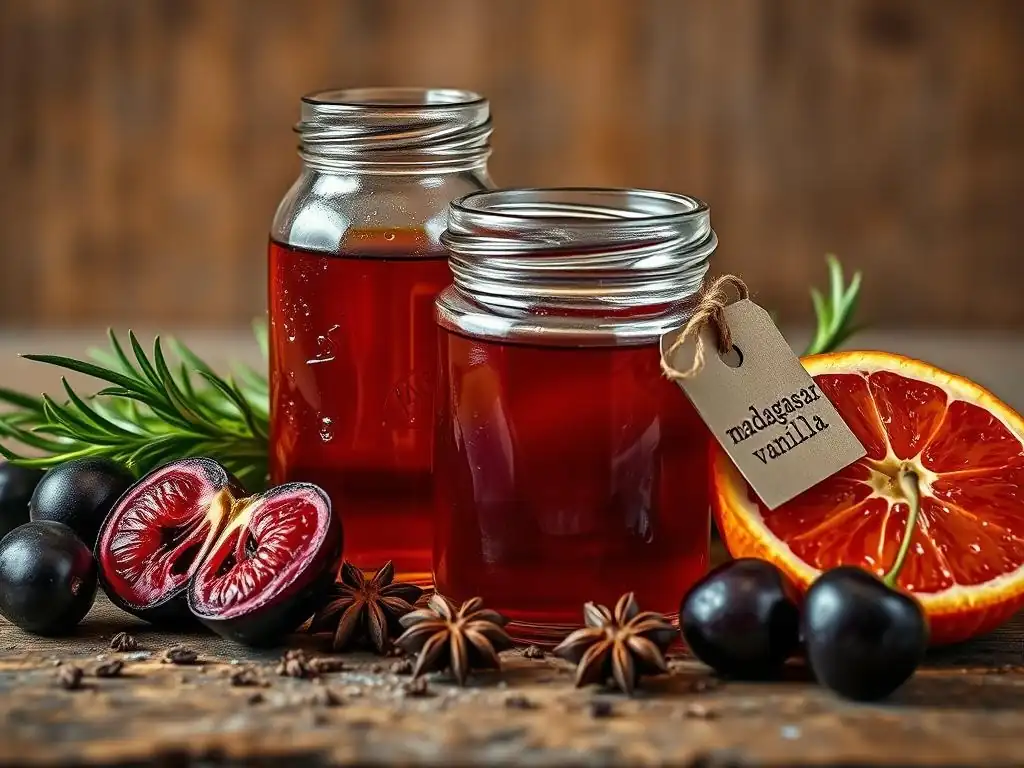
Extracts and essences are concentrated flavor powerhouses that can significantly boost the taste of your vegan baked goods, helping to achieve deep flavor without nut oils. They are particularly useful for adding specific, intense flavor notes without altering the texture or moisture content of the batter. A little goes a long way with these potent liquids.
Understanding the difference between extracts and essences and knowing how to use them effectively is key. Extracts are typically made by dissolving flavor compounds from a source ingredient (like vanilla beans or citrus peel) in alcohol. Essences are often synthetically produced or are much more highly concentrated. Both can provide a clean, strong flavor that complements the other ingredients in your recipe.
Vanilla Extract: A Baking Staple
Vanilla extract is arguably the most fundamental flavor enhancer in baking, vegan or not. It doesn't just add its own sweet, aromatic notes; it also has the remarkable ability to enhance and round out the flavors of other ingredients, making sweetness taste sweeter and bringing forward subtle complexities. High-quality pure vanilla extract, made from real vanilla beans, offers a far superior and more nuanced flavor than artificial vanilla.
Using a good amount of vanilla extract is crucial for deep flavor without nut oils. Don't be shy – often, recipes benefit from slightly more vanilla than you might initially think. For example, a standard cake recipe might call for 1-2 teaspoons, but increasing it to 1 tablespoon can make a noticeable difference in the final flavor depth, providing a warm, foundational note that supports other flavors like chocolate or fruit.
Other Extracts: Lemon, Orange, and Peppermint
Beyond vanilla, a wide variety of other extracts can add vibrant and complex flavors, contributing to deep flavor without nut oils. Citrus extracts like lemon, orange, and lime add bright, zesty notes that cut through richness and lift the overall flavor profile. Just a teaspoon of lemon extract in a blueberry muffin recipe can make the berries taste even more vibrant. These work wonderfully in cakes, cookies, and glazes.
Peppermint extract is potent and adds a cool, refreshing flavor, pairing exceptionally well with chocolate. Almond extract provides a distinct marzipan-like flavor (use cautiously if avoiding nuts due to cross-reactivity concerns, or ensure it's clearly labeled nut-free if that's the primary goal; some almond extracts are synthetic). Other extracts like maple, coffee, or rum can be used to add specific flavor dimensions, layering taste without adding moisture or fat.
Understanding the Potency of Essences
Essences are generally much more concentrated than extracts and are often derived synthetically, although natural essences exist. Flavors like almond, rose water, or specific fruit flavors are commonly available as essences. Due to their high concentration, they should be used very sparingly, typically just a few drops at a time. Overuse can result in an artificial or overwhelming flavor.
Using essences is an effective way to introduce intense, specific flavor notes that might be difficult to achieve otherwise. For instance, a drop or two of rose essence can add a delicate floral note to a shortbread or panna cotta. When aiming for deep flavor without nut oils, essences can provide a powerful top note or background flavor that complements the base ingredients and techniques used to build richness. Always start with the smallest recommended amount and add more cautiously after tasting a small sample of the batter or dough.
Incorporating Other Ingredients for Richness and Flavor
Achieving deep flavor without nut oils isn't solely about fats and extracts; many other ingredients play a vital role in building complexity, moisture, and richness. These ingredients interact with each other and with heat during baking to create the final flavor profile. Thoughtful selection and combination can transform a simple recipe into a deeply satisfying treat.
This section explores how plant-based milks, spices, herbs, and chocolate/cocoa can be leveraged to add depth, warmth, and intensity. These ingredients contribute their own unique flavors and textures, acting as building blocks in the quest for truly flavorful nut-free vegan baked goods.
Plant-Based Milks: Almond, Soy, and Oat
While often seen simply as liquid, the type of plant-based milk used can subtly influence flavor and richness, contributing to deep flavor without nut oils. Soy milk is relatively neutral and has a good protein content, which can aid in structure and browning. Oat milk, especially the "barista" or full-fat versions, offers a creamy texture and a slight sweetness that complements many baked goods.
Coconut milk (full-fat canned) is excellent for adding richness and a subtle tropical flavor, particularly in denser cakes or custards. For those avoiding nuts, rice milk or hemp milk are also options, though they tend to be thinner and less flavorful. Using a richer plant milk can contribute a creamier mouthfeel, which enhances the perception of richness and flavor depth compared to using water or a very thin milk.
Spices and Herbs: Boosting Flavor Profiles
As mentioned earlier, spices are key to building deep flavor without nut oils. Beyond the sweet staples like cinnamon and nutmeg, consider savory spices and even herbs in appropriate contexts. A pinch of black pepper or cayenne can add a surprising depth to chocolate. Ground ginger provides warmth and a slight bite. Cardamom is wonderfully aromatic and pairs well with citrus and fruit.
For savory vegan baking (like scones or quick breads), incorporating fresh or dried herbs like rosemary, thyme, or chives can add significant flavor. Even in sweet recipes, a tiny amount of a fragrant herb like lavender or mint can provide a unique and deep flavor note. Don't underestimate the power of salt; a small amount of salt enhances the sweetness and brings out the flavors of other ingredients, crucial for overall depth.
Chocolate and Cocoa: Adding Depth and Complexity
Chocolate and cocoa powder are arguably two of the most powerful ingredients for adding intense, deep flavor without nut oils to vegan baking. Cocoa powder, especially Dutch-processed cocoa (which is less acidic and provides a smoother, richer chocolate flavor), is essential for chocolate cakes, brownies, and cookies. Its dry form means it adds flavor without excess fat or moisture.
Using high-quality vegan chocolate (check ingredients for dairy) in chip or chunk form melts into pockets of rich flavor within baked goods. For ganaches or frostings, combining melted vegan chocolate with full-fat coconut milk or a vegan cream alternative creates an incredibly rich and decadent finish. Espresso powder or instant coffee can be added to chocolate recipes to dramatically deepen the chocolate flavor without adding a coffee taste itself.
Recipes for Deep Flavor in Vegan Baking: VeganBakePro Favorites
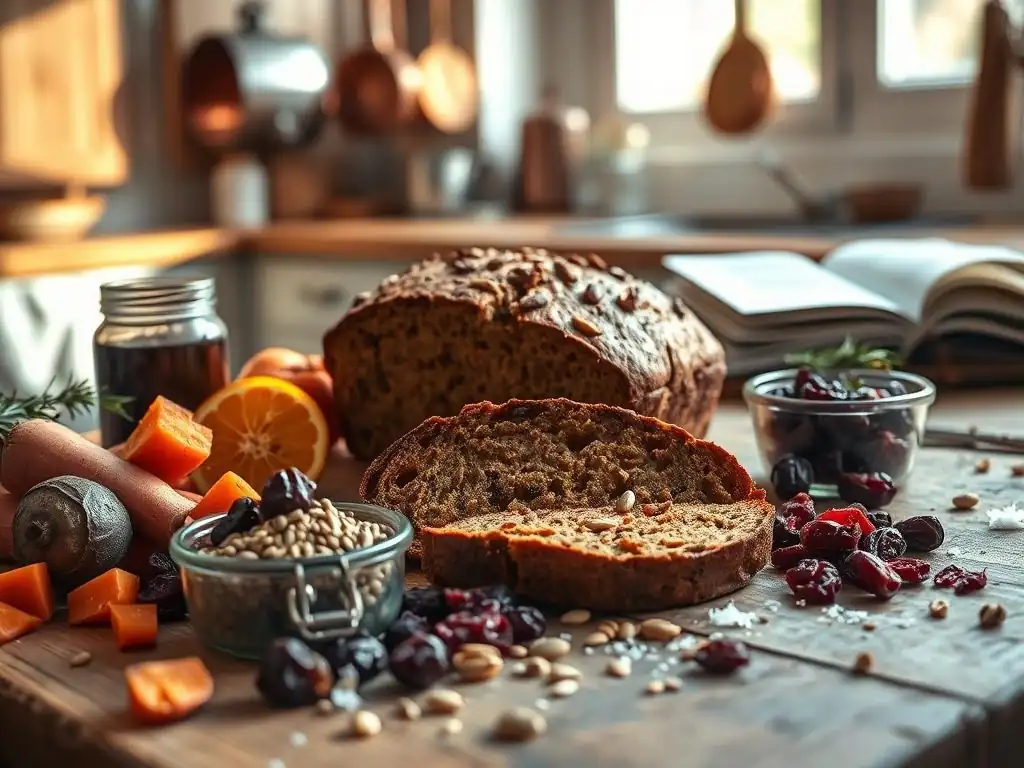
Putting these principles into practice is the best way to master achieving deep flavor without nut oils. These VeganBakePro favorite recipes demonstrate how to leverage different ingredients and techniques to create nut-free vegan baked goods that are bursting with flavor. Each recipe highlights specific strategies for building richness and complexity without relying on traditional dairy, eggs, or nuts.
These examples showcase the versatility of plant-based ingredients and the impact of techniques like browning, layering flavors with spices, and using potent extracts. Try them out and see how delicious and flavorful nut-free vegan baking can be!
Vegan Chocolate Cake with Espresso Ganache
This recipe achieves deep flavor without nut oils primarily through the combination of high-quality cocoa powder, brewed coffee (or espresso), and pure vanilla extract in the cake batter. The coffee doesn't make the cake taste like coffee, but it significantly intensifies the chocolate flavor through a chemical reaction. Using a richer plant milk like oat or soy milk adds moisture and a subtle richness.
The ganache, made from melted vegan dark chocolate and full-fat coconut milk, provides a luxurious, intensely chocolatey topping. A pinch of salt in both the cake and ganache enhances the sweetness and deepens the chocolate notes. Baking the cake until just done ensures a moist crumb, which is crucial for flavor perception, as dry cakes taste less flavorful.
Vegan Banana Bread with Walnut Streusel (Nut-Free Option Available)
This banana bread focuses on maximizing the natural sweetness and flavor of ripe bananas, a key component for deep flavor without nut oils. Using very ripe, spotty bananas is essential, as they are sweeter and more flavorful. The recipe incorporates a good amount of mashed banana, which adds moisture and a distinct taste that pairs beautifully with warm spices like cinnamon, nutmeg, and clove.
For the streusel topping, while traditionally made with walnuts, a delicious nut-free alternative uses rolled oats, flour, brown sugar, vegan butter, and a pinch of cinnamon. Toasting the oats slightly before making the streusel can add an extra layer of flavor. Using a combination of oil (like avocado or refined coconut oil) and mashed banana in the batter provides richness and moisture, contributing to a deep, satisfying flavor.
Vegan Lemon Olive Oil Cake with Poppy Seeds
This cake highlights how a flavorful oil can be the star, achieving deep flavor without nut oils through a different approach. Using a good quality, slightly fruity extra virgin olive oil provides a distinct, sophisticated flavor base that is both rich and moist. The flavor of the olive oil mellows during baking but leaves a wonderful, subtle note.
Fresh lemon zest and juice are crucial here, providing brightness and acidity that balances the richness of the olive oil. Poppy seeds add a subtle texture and a slightly nutty, earthy flavor that complements the lemon and olive oil. Using a neutral or slightly sweet plant milk like oat or soy milk supports the primary flavors without competing. Baking this type of cake often benefits from a slightly lower temperature to prevent the olive oil from developing off-flavors.
Troubleshooting: Common Issues and Solutions for Vegan Baking
Even with the best ingredients and techniques, vegan baking can sometimes present challenges. Understanding common issues and knowing how to address them is part of the journey to consistently achieving delicious results with deep flavor without nut oils. Here are a few frequent problems and practical solutions.
| Problem | Potential Cause | Solution |
|---|---|---|
| Dryness | Not enough fat/moisture, overbaking, wrong flour | Increase liquid (plant milk, puree), use richer fat, check bake time/temp |
| Lack of Flavor Depth | Missing key flavor enhancers, bland fat source | Add more extract/spice, use infused oil, brown ingredients, add salt/acid |
| Texture Problems | Incorrect leavening, overmixing, wrong binders | Check leavener freshness/ratio, mix gently, use flax egg/apple sauce |
Dryness in Baked Goods
Dryness is a common complaint in vegan baking, often leading to a perceived lack of deep flavor without nut oils because dry textures don't carry flavor as well. This can result from insufficient fat or liquid, over-measuring dry ingredients (especially flour), or simply overbaking. Unlike traditional baking where eggs add moisture and richness, vegan recipes rely heavily on plant-based fats and liquids.
To combat dryness, ensure you are accurately measuring flour (spooning it into the measuring cup and leveling, rather than scooping). Increase the amount of liquid (plant milk, coffee, fruit puree) slightly if the batter seems too thick. Ensure you're using enough fat (oil, vegan butter, or puree). Always check for doneness using a toothpick – it should come out with moist crumbs, not completely clean. Reducing the baking time or oven temperature slightly can also help retain moisture.
Lack of Flavor Depth
If your nut-free vegan baked goods taste flat despite using good ingredients, you might be missing opportunities to layer flavors and achieve deep flavor without nut oils. This can happen if you rely on a very neutral fat source without adding other flavor enhancers, or if you're not using enough salt or acid to balance sweetness and bring out other notes.
To fix this, evaluate your flavor layering. Are you using enough vanilla extract? Have you considered adding spices or a pinch of espresso powder to chocolate recipes? Is there enough salt to enhance sweetness? Could a little lemon juice or vinegar brighten the flavors? Consider infusing your oil or slightly browning some ingredients before mixing. Sometimes, simply increasing the amount of your main flavor agent (like cocoa powder or fruit puree) can make a big difference.
Texture Problems
Texture is intimately linked to flavor perception; a gummy, dense, or crumbly texture can detract from the deep flavor without nut oils you've worked hard to create. Common texture issues in vegan baking include being too dense (often due to improper leavening or overmixing), too crumbly (not enough binder or moisture), or gummy (overmixing, too much binder, or underbaking).
Ensure your leavening agents (baking soda and baking powder) are fresh and used in the correct ratios. Overmixing develops gluten in flour, leading to toughness or gumminess; mix only until just combined. If your recipe relies on a binder like flax eggs or chia eggs, ensure they are properly gelled before adding to the batter. Sometimes, adjusting the ratio of wet to dry ingredients is necessary. For crumbliness, ensure enough fat and liquid are present, and consider using a binder like apple sauce or a commercial egg replacer.
Conclusion: Baking Deliciously Vegan with Deep Flavor
Achieving deep flavor without nut oils in vegan baking is not only possible but can lead to incredibly creative and delicious results. By understanding the functions of traditional ingredients and exploring the vast potential of plant-based alternatives and smart techniques, you can consistently bake nut-free vegan goods that are rich, complex, and deeply satisfying.
Remember that fat is a flavor carrier, so choosing flavorful oils or using ingredients that provide richness is key. Layering flavors with spices, extracts, and browning techniques adds complexity. Don't be afraid to experiment with different combinations and methods. Every bake is a learning opportunity, and with practice, you'll master the art of creating vegan treats bursting with deep flavor without nut oils.
Embrace the Possibilities of Vegan Baking
Vegan baking, especially when aiming for deep flavor without nut oils, is a journey of discovery. It encourages you to think differently about ingredients and techniques, opening up a world of new flavors and textures. From the richness of olive oil cakes to the complexity of spiced banana bread, the possibilities are vast.
By focusing on quality ingredients, utilizing flavor-enhancing techniques like browning and infusion, and layering tastes with spices and extracts, you can create nut-free vegan baked goods that impress everyone, vegan or not. So preheat your oven, gather your plant-based ingredients, and embrace the exciting challenge of baking deliciously vegan with incredible depth of flavor!
Frequently Asked Questions
How can I develop deep flavor in baked goods without using nut-based oils?
You can achieve deep flavor by using alternative oils like olive oil or coconut oil, and also through techniques like browning butter or incorporating spices and extracts.
What are some good substitutes for nut-based oils in baking?
Excellent substitutes include olive oil, coconut oil, and even vegetable oil blends. Consider the flavor profile you're aiming for when choosing a substitute.
Can I still achieve a nutty flavor without using nut oils?
Yes! You can use ingredients like toasted seeds (sunflower, pumpkin), oat flour, or even nut extracts (if allergies are not a concern) to mimic nutty flavors.
How does the type of oil affect the texture of baked goods?
Different oils have different fat contents and emulsifying properties. Coconut oil might lead to a denser texture while olive oil could create a moister crumb.
Are there any specific recipes that are particularly well-suited for baking without nut oils?
Many recipes are easily adaptable! Cakes, muffins, and quick breads often work well with alternative oils. Experiment with flavor pairings and adjust liquid content if needed.
Final Reflection: Unlocking Flavor's Potential Beyond Nuts
The pursuit of deep, rich flavor in cooking is a universal culinary quest, and the recent rise in nut allergies has made finding alternatives to nut-based oils more critical than ever. This shift necessitates not only finding suitable replacements but also understanding the fundamental principles of flavor development, a journey we've undertaken in this article. We've explored a range of techniques and ingredients, proving that achieving profound flavor profiles is entirely possible without relying on nuts.
The impact of this culinary shift extends beyond individual dietary needs; it's a testament to the boundless creativity and adaptability within the culinary arts. It encourages us to explore lesser-known ingredients and techniques, fostering a deeper appreciation for the diverse palette of flavors available to us. The best food is made with passion, and that passion is reflected in the flavors.
This quote perfectly encapsulates the spirit of this exploration – a passion for flavor that transcends ingredient limitations.
Now, it's your turn to embark on this flavorful adventure. Experiment with the techniques and ingredients discussed, and discover your own unique path to creating dishes bursting with deep, satisfying flavor. Don't be afraid to push boundaries, to explore new combinations, and to let your creativity guide you. The world of flavor awaits, rich and diverse, ready to be unlocked by your culinary curiosity.
Unleash Your Inner Baking Maestro!
Thanks for taking the time to explore delicious, nut-free baking! We hope you discovered some exciting new flavor possibilities. Ready to transform your kitchen?
- Master a new recipe: Choose one of the nut-free alternatives discussed and give it a try! See how easily you can achieve rich, complex flavors without relying on nuts.
- Share your baking triumphs: Post a picture of your creation on social media using #NutFreeBaking and tag @BakeWithEase – let's inspire each other!
- Explore further: Browse our other articles on ingredient substitutions for even more baking inspiration.
What unexpected flavor combinations will you create next?