
Sweet & Smooth: Easy LowSugar Frosting and Icing Recipes

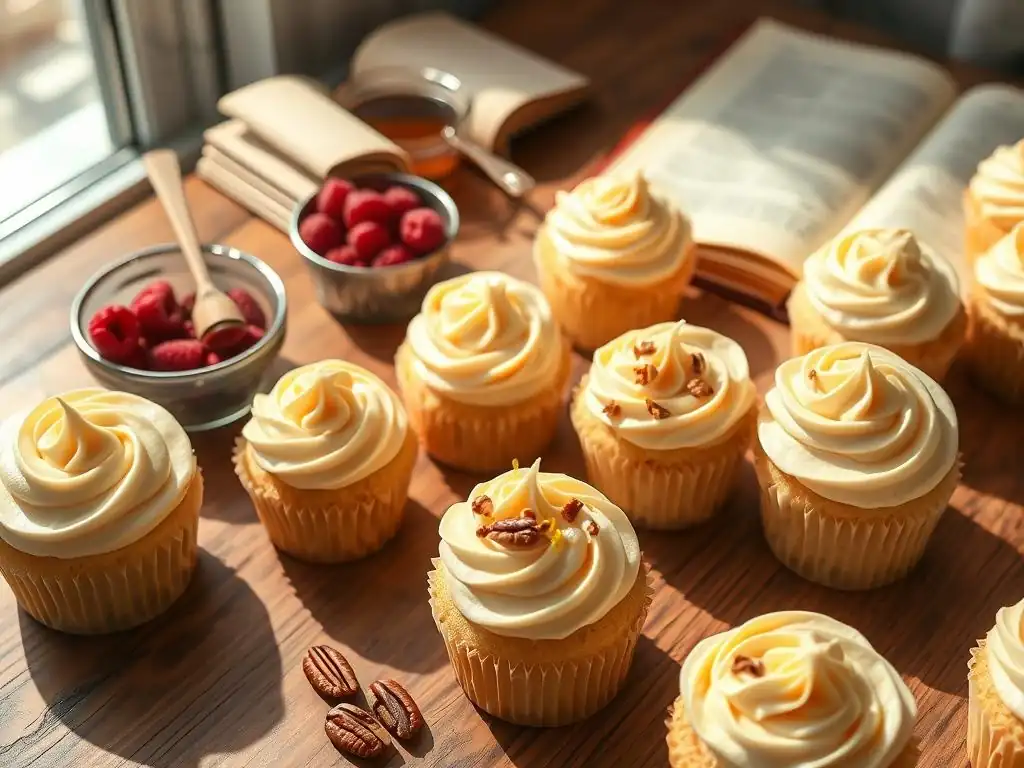
Welcome to BakeWithEase, your trusted companion on your baking journey! Are you craving that perfect, sweet finish without the sugar overload? Dive in and discover a world of flavor with our collection of easy low sugar frosting recipes. Learn how to create delectable frostings and icings that are both guilt-free and irresistibly delicious, and unlock the secrets to a healthier, happier baking experience. Intrigued? Let's get started!
- Sweet & Smooth: Easy Low-Sugar Frosting and Icing Recipes - BakeWithEase
- Introduction to Easy Low-Sugar Frosting for Healthier Baking
- Mastering the Basics: Key Ingredients for Low-Sugar Frosting
- Recipe 1: Cream Cheese Frosting with Reduced Sugar
- Recipe 2: Easy Low-Sugar Vanilla Buttercream Frosting
- Recipe 3: Chocolate Lover's Low-Sugar Chocolate Frosting
- Recipe 4: Lemon Zest Icing with Minimal Sugar
- Recipe 5: Coconut Cream Frosting: Dairy-Free and Low in Sugar
- Tips and Tricks for Perfecting Low-Sugar Frosting
- Decorating Ideas with Your Homemade Low-Sugar Frosting
- Conclusion: Enjoy Guilt-Free Treats with Easy Low-Sugar Frosting
-
Frequently Asked Questions
- What makes a frosting "low sugar"?
- What types of sweeteners can I use in easy low-sugar frosting?
- Are low-sugar frostings difficult to make and do they affect the taste?
- Can I use easy low-sugar frosting on any type of cake or baked good?
- Where can I find reliable recipes for easy low-sugar frosting?
- Final Reflection: The Sweetness of Moderation
- Unlock Your Inner Pastry Chef: Frosting Adventures Await!
Sweet & Smooth: Easy Low-Sugar Frosting and Icing Recipes - BakeWithEase
Introduction to Easy Low-Sugar Frosting for Healthier Baking
Why Choose Low-Sugar Frosting Options?
Choosing low-sugar frosting options is a fantastic way to enjoy your favorite baked goods while being mindful of sugar intake. Traditional frostings are often packed with granulated sugar, sometimes accounting for a significant portion of the recipe's total volume and calories. By opting for recipes focused on reduced sugar, you can still indulge in delicious treats without the potential downsides associated with excessive sugar consumption, such as energy crashes or sugar spikes. It's about finding a balance where flavor isn't sacrificed for health.
Furthermore, exploring easy low sugar frosting recipes opens up a world of possibilities for those with dietary restrictions or health goals, like managing blood sugar levels. Many people are actively seeking ways to reduce added sugars in their diet, and baking is a key area where significant reductions can be made without compromising on taste or texture. These alternative frostings allow you to enjoy celebrations, everyday desserts, and simple pleasures like a frosted cupcake or a slice of cake, knowing you've made a healthier choice. It's a step towards more sustainable and health-conscious baking habits.
The BakeWithEase Guide to Delicious and Healthy Frosting
At BakeWithEase, we believe that healthier baking should never mean sacrificing flavor or enjoyment. Our guide to delicious and healthy frosting is designed to demystify the process of reducing sugar in your favorite sweet toppings. We focus on using alternative sweeteners and simple techniques to create frostings that are just as creamy, smooth, and delightful as their traditional counterparts, but with a fraction of the sugar content. Our goal is to empower you to bake smarter, not harder, making low-sugar options accessible and enjoyable for everyone.
This guide will walk you through understanding different low-sugar ingredients, mastering basic techniques, and providing easy-to-follow recipes for popular frosting types. Whether you're looking for a classic vanilla buttercream, a tangy cream cheese frosting, or a rich chocolate topping, we have an easy low sugar frosting recipe for you. We'll share tips on achieving the perfect consistency and sweetness, ensuring your low-sugar creations are always a success. Get ready to transform your baking with these simple, healthier frosting ideas!
Mastering the Basics: Key Ingredients for Low-Sugar Frosting
Understanding Sugar Substitutes in Frosting Recipes
Sugar substitutes are the cornerstone of creating easy low sugar frosting. They provide the sweetness that sugar typically offers but with fewer calories and often a lower impact on blood sugar levels. Understanding the properties of different substitutes is crucial because they behave differently than granulated sugar in terms of volume, texture, and how they interact with other ingredients. Some substitutes, for example, don't dissolve as easily, which can affect smoothness, while others might leave a cooling sensation or an aftertaste.
When working with sugar substitutes for low-sugar icing, it's important to remember that they are often much sweeter than sugar by volume. This means you'll typically use significantly less substitute than you would sugar in a recipe. Experimentation is key to finding the right balance for your palate. Additionally, some substitutes might require a binder or thickener to achieve the desired frosting consistency, as they don't contribute the same bulk or structure as powdered sugar.
Stevia, Erythritol, and Monk Fruit: A Comparison
Stevia is a natural sweetener derived from the leaves of the Stevia rebaudiana plant. It is significantly sweeter than sugar, often 200-400 times, meaning only a tiny amount is needed. While great for sweetness, using too much stevia can result in a bitter aftertaste. It doesn't provide bulk, so recipes often need adjustments to maintain volume and texture when replacing sugar entirely with stevia. For an easy low sugar frosting, it's often used in combination with other ingredients or sweeteners.
Erythritol is a sugar alcohol that is about 60-70% as sweet as sugar. It has very few calories and doesn't typically cause digestive issues in the same way some other sugar alcohols might, though consuming large amounts can still have a laxative effect. Erythritol provides some bulk, similar to sugar, but it can sometimes leave a cooling sensation in the mouth, especially when used in larger quantities. It's a popular choice for creating smooth, easy low sugar frosting because it can be powdered easily.
Monk fruit sweetener is derived from the monk fruit. It is also very sweet, ranging from 150-200 times sweeter than sugar, and contains zero calories. Like stevia, a little goes a long way, and it doesn't provide significant bulk. Monk fruit sweeteners are often blended with other low-calorie sweeteners like erythritol to improve texture and reduce the intense sweetness or potential aftertaste of pure monk fruit extract. These blends are excellent for achieving a balanced sweetness in various low-sugar icing and frosting applications.
Essential Tools and Equipment for Smooth Frosting
Having the right tools makes creating smooth and delicious low-sugar frosting much easier. A stand mixer or a good quality hand mixer is invaluable for whipping air into the frosting ingredients, which is essential for achieving a light and fluffy texture, especially for buttercreams. The power and consistency of a mixer ensure that ingredients are thoroughly combined and aerated, preventing lumps and ensuring smoothness.
Other essential equipment includes accurate measuring cups and spoons, as precision is key when working with sugar substitutes which are potent. A fine-mesh sieve is also incredibly useful, particularly when working with powdered sugar substitutes, to remove any clumps and ensure a silky smooth consistency for your easy low sugar frosting. Finally, a rubber spatula is indispensable for scraping down the sides of the bowl and ensuring all ingredients are incorporated evenly.
Recipe 1: Cream Cheese Frosting with Reduced Sugar
Ingredients for Low-Sugar Cream Cheese Frosting
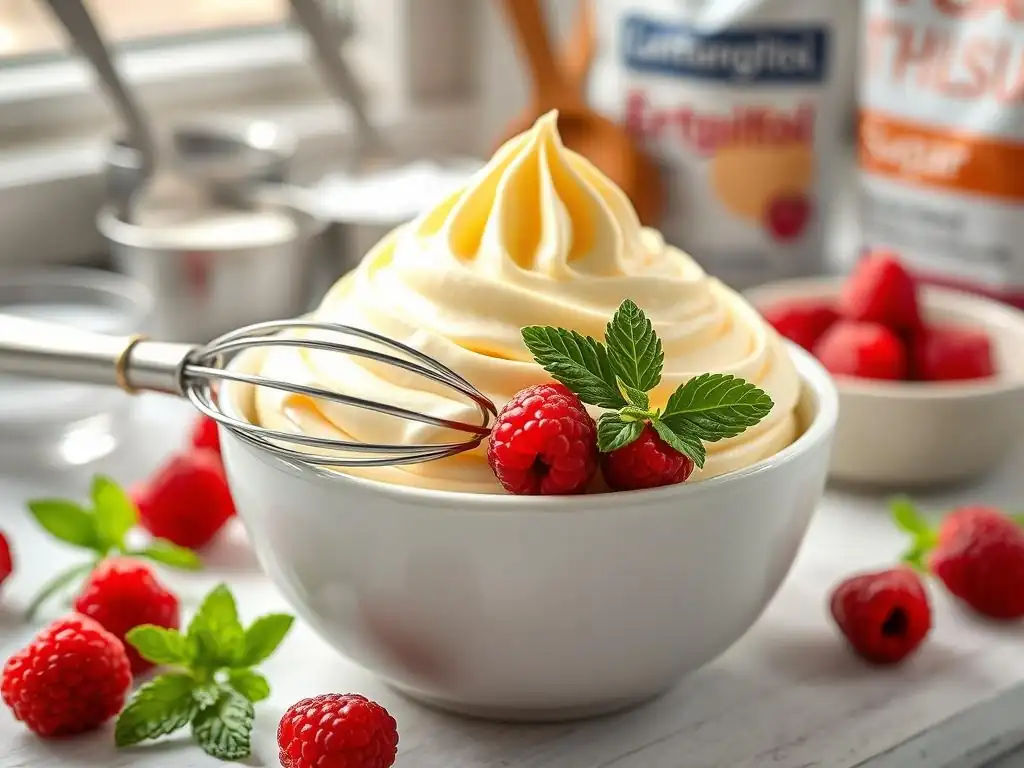
To make a delicious low-sugar cream cheese frosting, you'll need softened cream cheese, unsalted butter (also softened), a powdered sugar substitute (like a blend of erythritol and monk fruit or pure erythritol), a splash of vanilla extract, and a tiny pinch of salt to balance the sweetness. Ensure your cream cheese and butter are at room temperature; this is critical for preventing lumps and achieving a smooth, creamy texture. Using cold ingredients will result in a lumpy frosting that is difficult to spread.
For a batch that frosts about 12-18 cupcakes or an 8-inch cake, you might start with approximately 8 ounces (one block) of cream cheese and about 1/2 cup (one stick) of butter. The amount of powdered sugar substitute will vary depending on its sweetness level and your preference, but you might use around 1.5 to 2 cups of a typical erythritol/monk fruit blend. The vanilla extract adds essential flavor, usually about 1 teaspoon, and the salt is just a tiny pinch, maybe 1/8 teaspoon.
Step-by-Step Instructions for a Perfect Cream Cheese Frosting
Start by beating the softened cream cheese and butter together in a large bowl using your mixer until the mixture is completely smooth and well combined. This step is crucial for eliminating any lumps from the cream cheese. Scrape down the sides of the bowl frequently to ensure everything is incorporated.
Next, gradually add the powdered sugar substitute, about 1/2 cup at a time, mixing on low speed until just combined after each addition. Once all the substitute is added, increase the speed to medium and beat for 2-3 minutes. This process incorporates air, making the frosting light and fluffy. Finally, add the vanilla extract and salt and beat for another 30 seconds until fully incorporated. Your easy low sugar frosting is ready to use!
Tips for Achieving the Ideal Consistency
Achieving the perfect consistency for low-sugar cream cheese frosting often depends on the temperature of your ingredients and the ratio of wet to dry components. If your frosting seems too thin, you can try adding a little more powdered sugar substitute, perhaps a tablespoon at a time, until it thickens. Alternatively, chilling the frosting in the refrigerator for 20-30 minutes can help it firm up, especially if your kitchen is warm.
If the frosting is too thick, you can add a tiny amount of milk or cream, perhaps a teaspoon at a time, beating well after each addition until the desired consistency is reached. Remember to start with softened ingredients to avoid lumps. If you do end up with small lumps of cream cheese, try beating the frosting for a few extra minutes on medium-high speed; sometimes this can smooth them out.
Recipe 2: Easy Low-Sugar Vanilla Buttercream Frosting
Ingredients for a Guilt-Free Vanilla Buttercream
To create a delightful, guilt-free vanilla buttercream with reduced sugar, you will need softened unsalted butter, a powdered low-calorie sugar substitute, vanilla extract, a splash of milk or cream, and a tiny pinch of salt. Just like with cream cheese frosting, having your butter perfectly softened (not melted!) is key to a smooth outcome. This easy low sugar frosting relies on the butter's ability to whip up light and fluffy.
For a batch that yields enough to generously frost about 12 cupcakes or a two-layer 8-inch cake, you'll typically use about 1 cup (two sticks) of softened butter. The amount of powdered sugar substitute will likely be in the range of 3 to 4 cups, depending on its sweetness and how sweet you prefer your frosting. You'll also need about 1-2 teaspoons of pure vanilla extract, 1-3 tablespoons of milk or cream to adjust consistency, and about 1/4 teaspoon of salt.
How to Make Smooth and Fluffy Vanilla Buttercream
Begin by beating the softened butter in your mixer on medium speed for 3-4 minutes until it is very light and fluffy. This creaming process incorporates air, which is essential for a light buttercream texture. Scrape down the bowl frequently.
Next, with the mixer on low speed, gradually add the powdered sugar substitute, about 1/2 cup at a time, allowing it to incorporate before adding more. Once all the substitute is added, the mixture will be quite thick and crumbly. Now, add the vanilla extract and salt. Gradually add the milk or cream, starting with one tablespoon, and beat on medium speed for 2-3 minutes, adding more liquid as needed until the frosting reaches your desired smooth and fluffy consistency. This process transforms the mixture into a spreadable, easy low sugar frosting.
Flavor Variations: Adding Extracts and Zests
Once you have your basic easy low sugar vanilla buttercream, it's simple to create different flavor variations. Instead of just vanilla, you can use other extracts. For example, replace vanilla with almond extract for an almond buttercream, or use peppermint extract for a minty version (great for chocolate cakes!). Be mindful that some extracts are very potent, so start with a small amount, perhaps 1/4 teaspoon, and add more to taste.
Citrus zests are another fantastic way to add bright flavor without adding sugar. Finely grated lemon, lime, or orange zest can be beaten into the finished buttercream. For a lemon buttercream, you might add the zest of one medium lemon and possibly a teaspoon of fresh lemon juice for extra tang. Ensure the zest is very fine to avoid a gritty texture in your low-sugar icing.
Recipe 3: Chocolate Lover's Low-Sugar Chocolate Frosting
The Secret to Rich Chocolate Flavor without the Sugar
The secret to achieving a rich, deep chocolate flavor in a low-sugar frosting without relying on sugary chocolate products lies primarily in the quality and type of cocoa powder you use. Unsweetened cocoa powder is naturally low in sugar and provides intense chocolate flavor. Using a high-quality, unsweetened natural cocoa powder or Dutch-processed cocoa powder is key. Dutch-processed cocoa, which has been treated to reduce acidity, often yields a smoother, mellower, and darker chocolate flavor compared to natural cocoa, which is more acidic and yields a sharper chocolate taste.
Incorporating melted unsweetened chocolate or a high-cocoa percentage chocolate bar (like 85% or 90% cacao) that is naturally lower in sugar can also deepen the chocolate flavor significantly. However, be aware that even high-percentage chocolate contains some sugar, so use it judiciously if strictly limiting sugar. Combining cocoa powder with a small amount of melted low-sugar chocolate can provide a complex, rich chocolate profile perfect for an easy low sugar frosting.
Making a Decadent Low-Sugar Chocolate Frosting
To make a decadent low-sugar chocolate frosting, you'll typically start with a base similar to buttercream or cream cheese frosting. Using softened butter and/or cream cheese provides the necessary fat and structure. To this base, you'll add unsweetened cocoa powder and your powdered low-calorie sugar substitute.
A common method involves creaming softened butter, then gradually beating in powdered sugar substitute and unsweetened cocoa powder that has been sifted to prevent lumps. A splash of milk or cream is added for consistency, along with vanilla extract. For an extra rich flavor, you can also beat in a small amount of cooled, melted unsweetened chocolate. The resulting frosting is a rich, dark, and incredibly satisfying easy low sugar frosting that pairs perfectly with many baked goods.
Serving Suggestions: Cakes and Cupcakes
This low-sugar chocolate frosting is incredibly versatile and pairs wonderfully with a variety of cakes and cupcakes. It's a classic choice for vanilla or chocolate cake bases, enhancing their flavors without overwhelming them with sweetness. Imagine a moist chocolate cupcake topped with a generous swirl of rich low-sugar chocolate frosting – a truly decadent treat.
It also complements non-chocolate cakes beautifully. A simple vanilla cake or a light almond cake frosted with this low-sugar icing provides a lovely contrast in flavors. For special occasions, consider pairing it with a red velvet cake; the deep chocolate notes are a perfect match for the subtle cocoa flavor and vibrant color of the cake. This easy low sugar frosting makes any cake or cupcake feel like a special, yet healthier, indulgence.
Recipe 4: Lemon Zest Icing with Minimal Sugar
Ingredients for a Refreshing Lemon Icing
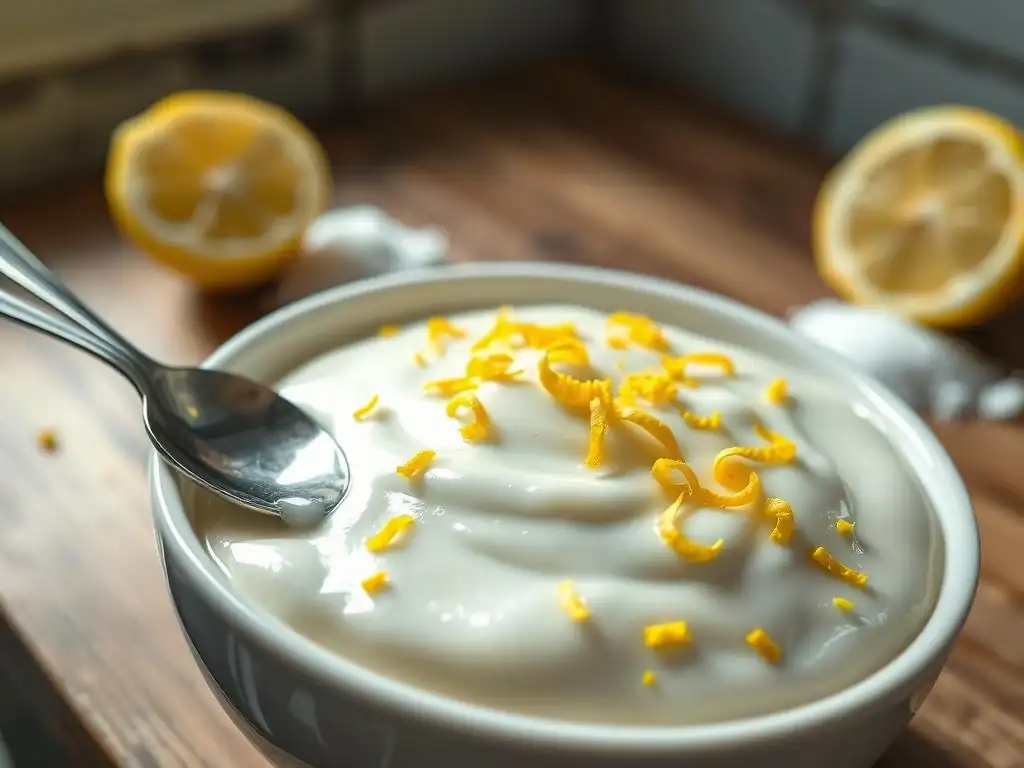
Creating a bright and refreshing lemon zest icing with minimal sugar is surprisingly simple and requires just a few key ingredients. You'll need a powdered low-calorie sugar substitute, fresh lemon juice, and finely grated lemon zest. The lemon zest is particularly important as it carries the potent lemon oils that provide intense flavor without adding acidity, while the juice adds tang and helps create the right consistency.
For a small batch suitable for drizzling over scones or a small loaf cake, you might start with about 1 cup of powdered sugar substitute, 1-2 tablespoons of fresh lemon juice, and the zest of one small lemon. The ratio of juice to substitute will determine the thickness of the icing, so it's best to add the juice gradually until you achieve your desired drizzling or spreading consistency for this easy low sugar frosting.
Quick and Easy Lemon Icing Recipe
Making this lemon zest icing is incredibly quick and requires no special equipment beyond a bowl and a whisk or fork. Start by placing the sifted powdered sugar substitute in a medium bowl. Sifting helps prevent lumps, which is key for a smooth icing.
Next, add the finely grated lemon zest to the substitute. Gradually whisk in the fresh lemon juice, starting with a tablespoon. Continue adding juice, a teaspoon at a time, whisking continuously until the mixture is smooth and reaches your desired drizzling or spreading consistency. It should be thick enough to coat a spoon but thin enough to flow easily. This simple process creates a vibrant, easy low sugar frosting perfect for many uses.
This low-sugar lemon zest icing is incredibly versatile and adds a burst of fresh, tangy flavor to a variety of baked goods. It's perfect for drizzling over pound cakes, loaf cakes (like lemon poppy seed or blueberry), and muffins. The bright citrus note cuts through the richness of the cake, creating a lovely balance.
It's also a wonderful topping for cookies, especially simple sugar cookies or shortbread, adding a refreshing twist. For scones, a simple drizzle of this easy low sugar frosting elevates them from everyday to special treat. You can also use it as a glaze for fruit tarts or even brush it onto warm pastries. Its simplicity and vibrant flavor make it a go-to low-sugar icing recipe.
Recipe 5: Coconut Cream Frosting: Dairy-Free and Low in Sugar
Using Coconut Cream as a Natural Sweetener
Coconut cream, particularly the thick solid part from a can of full-fat coconut milk that has been chilled, serves as an excellent base for a dairy-free and naturally lower-sugar frosting. While coconut cream itself isn't intensely sweet, it has a natural richness and subtle sweetness that pairs well with other flavors. When whipped, it becomes light and airy, mimicking the texture of whipped cream or a light mousse.
Using coconut cream allows you to significantly reduce the amount of added sweetener needed compared to traditional frostings. Its natural flavor complements fruits, chocolate, and vanilla beautifully. This approach focuses on the inherent qualities of the ingredients to create a delicious, easy low sugar frosting that is also suitable for vegan and dairy-free diets.
Creamy and Delicious Coconut Cream Frosting Recipe
To make a creamy coconut cream frosting, you need a can of full-fat coconut milk, chilled in the refrigerator overnight. Open the can without shaking it and scoop out the thick coconut cream that has solidified at the top, leaving the liquid behind (save it for smoothies!). Place the solid cream in a chilled bowl.
Using a cold mixer bowl and whisk attachments (you can chill them in the freezer for 10-15 minutes), whip the coconut cream on high speed until it becomes light and fluffy, similar to whipped cream. This usually takes 3-5 minutes. Once whipped, gently fold in a small amount of powdered low-calorie sugar substitute (start with 1-2 tablespoons and add more to taste) and a splash of vanilla extract.
Be careful not to over-mix after adding the sweetener, as it can sometimes cause the frosting to lose its airy texture. The result is a simple, easy low sugar frosting that's wonderfully light.
Ideal for Vegan and Allergen-Friendly Baking
This coconut cream frosting is an ideal option for those following vegan diets or managing dairy allergies. It provides a delicious and creamy alternative to traditional butter-based or cream cheese-based frostings. Its simple ingredients make it easy to ensure it fits within various dietary restrictions.
Beyond being dairy-free and low in added sugar, this frosting can also be adapted for other allergens. Ensure your sugar substitute and vanilla extract are free from any potential cross-contamination. It pairs exceptionally well with vegan cakes and cupcakes, fruit tarts, or even as a topping for dairy-free hot chocolate. It's a versatile and inclusive easy low sugar frosting option.
Tips and Tricks for Perfecting Low-Sugar Frosting
Achieving the Right Sweetness Level
Achieving the right sweetness level is perhaps the most subjective part of making easy low sugar frosting, as different sugar substitutes have varying sweetness intensities and personal preferences differ greatly. It's always best to start with a smaller amount of sugar substitute than the recipe calls for and add more gradually, tasting as you go, until you reach your desired level of sweetness. Remember that the flavor will develop slightly as the frosting sits.
Some substitutes can have an aftertaste if too much is used. If you encounter this, try blending different types of substitutes (e.g., a mix of erythritol and stevia or monk fruit) to balance the flavors. Also, ensure other flavorings like vanilla extract or salt are properly balanced, as they can significantly impact the perceived sweetness of the easy low sugar frosting.
Preventing a Gritty Texture with Sugar Alternatives
A common challenge when working with some sugar substitutes in frosting is preventing a gritty texture. This often happens if the substitute doesn't dissolve completely or if the crystals are too large. Using a powdered or confectioners' style sugar substitute is crucial, as the fine particles dissolve more readily. If you only have granulated substitute, you can often process it in a blender or food processor until it's a fine powder before using it in your low-sugar icing recipe.
Sifting the powdered sugar substitute before adding it to your frosting base is another effective step to remove any clumps and ensure smoothness. Finally, allowing the frosting to rest for 10-15 minutes after mixing can sometimes help the substitute dissolve further, resulting in a smoother easy low sugar frosting.
Storing and Using Your Low-Sugar Frosting
Proper storage is important for maintaining the quality and texture of your easy low sugar frosting. Most low-sugar frostings, especially those made with cream cheese or butter, should be stored in an airtight container in the refrigerator. They will typically keep well for 3-5 days.
When you're ready to use refrigerated frosting, it may have firmed up considerably. Allow it to sit at room temperature for 20-30 minutes, then give it a quick whip with a spoon or mixer until it's smooth and spreadable again. Avoid heating it in the microwave, as this can cause ingredients to separate. Coconut cream frosting is best used relatively soon after making it, as it can lose its airy texture over time, and should always be stored in the fridge.
Decorating Ideas with Your Homemade Low-Sugar Frosting
Simple Decorating Techniques for Beautiful Cakes
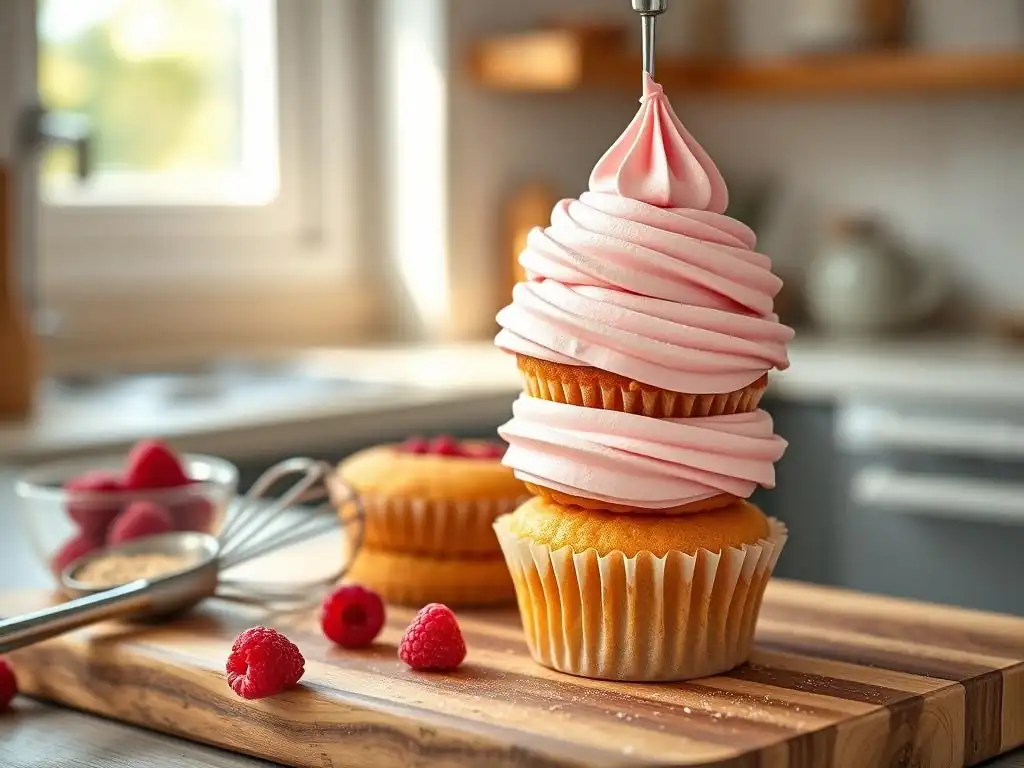
Decorating with your easy low sugar frosting doesn't require professional skills. Simple techniques can make your cakes and cupcakes look beautiful. A basic offset spatula is great for spreading frosting smoothly over cakes or creating rustic swirls on cupcakes. Start by applying a generous dollop of frosting to the center and spread outwards. For cupcakes, you can create a classic swirl by starting in the center and spiraling outwards and upwards.
Another easy technique is to use a spoon to create textured swirls or peaks on the surface of a cake or cupcakes. Dip the back of a spoon into the frosting and gently pull it across the surface in curved motions. For a simple, elegant look, you can just spread the frosting evenly and then sprinkle the top with a little extra powdered sugar substitute (dusted through a sieve) or some finely chopped nuts or sugar-free sprinkles.
Using Piping Bags and Tips for Professional Results
For a more polished look, using piping bags and tips is a great option, and your easy low sugar frosting works perfectly for this. Fill a piping bag fitted with your desired tip (like a star tip, round tip, or open star tip) about two-thirds full with frosting. Twist the top of the bag to seal it and gently squeeze from the top, guiding the tip to create borders, swirls, rosettes, or other patterns on your cakes and cupcakes.
Practice on a piece of parchment paper first to get a feel for the pressure and movement needed. Different tips will create different effects. A large star tip is excellent for classic cupcake swirls, while a smaller round tip is perfect for writing messages or creating dots and lines. Using piping techniques allows you to elevate the presentation of your low-sugar baked goods, making them even more appealing.
Conclusion: Enjoy Guilt-Free Treats with Easy Low-Sugar Frosting
The Benefits of Baking with Reduced Sugar
Baking with reduced sugar, especially by using easy low sugar frosting, offers numerous benefits. It allows you to enjoy the pleasure of delicious homemade treats while taking a step towards a healthier lifestyle. By lowering the amount of added sugar, you contribute to better blood sugar management, reduced calorie intake, and potentially fewer sugar cravings. It proves that you don't need excessive sugar to achieve incredible flavor and satisfying sweetness in your baked goods.
Furthermore, exploring low-sugar icing and frosting options expands your baking repertoire and makes your kitchen more inclusive for friends and family with dietary needs or preferences. It encourages creativity in finding new ways to sweeten and flavor your creations, relying more on natural flavors from ingredients like cocoa, vanilla, citrus zest, and fruits. It's a rewarding way to bake smarter and eat better.
Your Journey to Healthier and Delicious Desserts with BakeWithEase
Your journey to creating healthier and delicious desserts is made easier with resources like BakeWithEase. We aim to provide you with the knowledge, tips, and easy-to-follow recipes you need to confidently explore the world of reduced-sugar baking. Mastering easy low sugar frosting is a significant step in this journey, opening up possibilities for countless cakes, cupcakes, cookies, and more that you can enjoy guilt-free.
Embrace the opportunity to experiment with different sugar substitutes, flavors, and techniques outlined in this guide. With a little practice, you'll be creating smooth, sweet, and satisfying low-sugar frostings that everyone will love, proving that healthy baking can be just as delightful as traditional methods. Keep baking, keep experimenting, and enjoy every sweet, smooth bite!
Frequently Asked Questions
What makes a frosting "low sugar"?
A low-sugar frosting uses sugar substitutes or a reduced amount of regular sugar compared to traditional recipes, often relying on natural sweeteners or clever techniques.
What types of sweeteners can I use in easy low-sugar frosting?
You can use natural sweeteners like stevia, erythritol, or monk fruit as sugar substitutes. Adjust the amount based on the sweetener's sweetness level compared to sugar.
Are low-sugar frostings difficult to make and do they affect the taste?
No, many low-sugar frostings are just as easy to make as regular frostings. The taste can be slightly different depending on the sweetener used, but it can still be delicious!
Can I use easy low-sugar frosting on any type of cake or baked good?
Yes, low-sugar frosting can be used on most cakes, cupcakes, cookies, and other baked goods. Just ensure the flavor profile complements the dessert.
Where can I find reliable recipes for easy low-sugar frosting?
Websites like BakeWithEase.com offer step-by-step guides and easy-to-find ingredient lists for creating delicious and simple low-sugar frosting options.
Final Reflection: The Sweetness of Moderation
The pursuit of healthier baking is no longer a niche interest; it's a mainstream movement. More and more people are seeking delicious treats without the overwhelming sugar rush and subsequent crash, proving that indulgence and well-being aren't mutually exclusive. This desire for healthier alternatives is driving innovation in the culinary world, and easy low-sugar recipes are at the forefront of this exciting change.
This journey into the world of low-sugar frostings and icings has been a personal revelation. I've discovered that reducing sugar doesn't mean sacrificing flavor; in fact, it often enhances the subtle nuances of other ingredients. It's a testament to the power of creativity in the kitchen. The best things in life are simple,
a phrase often used, rings especially true when considering the joy a simple, yet healthy, dessert can bring. The recipes shared here are a testament to that simplicity, and the positive impact on our health and well-being.
Now, it's your turn. Consider the recipes presented within this article as a starting point, a springboard for your own culinary explorations. Experiment with different flavor combinations, explore alternative sweeteners, and most importantly, enjoy the process of creating delicious and healthy treats for yourself and your loved ones. Don't be afraid to adapt and innovate; the possibilities are as limitless as your imagination. Let's redefine "sweet" together.
Unlock Your Inner Pastry Chef: Frosting Adventures Await!
Thanks for joining us on this delicious journey into the world of low-sugar frosting! We hope you've discovered some sweet inspiration for your next baking project. Ready to take the next step?
- Whip up your favorite recipe: Grab your whisk and ingredients—it's time to transform those simple recipes into stunning creations! Let your creativity shine!
- Share your baking triumphs: Show off your frosting masterpieces on social media using #BakeWithEaseLowSugar. We'd love to see your results!
- Explore more low-sugar baking secrets: Dive deeper into our recipe collection on BakeWithEase.com – we have many more tasty treats waiting for you!
What’s your favorite flavor combination for low-sugar frosting? Let's chat in the comments below!