
Decadent Flourless Chocolate Cake: A GlutenFree Indulgence

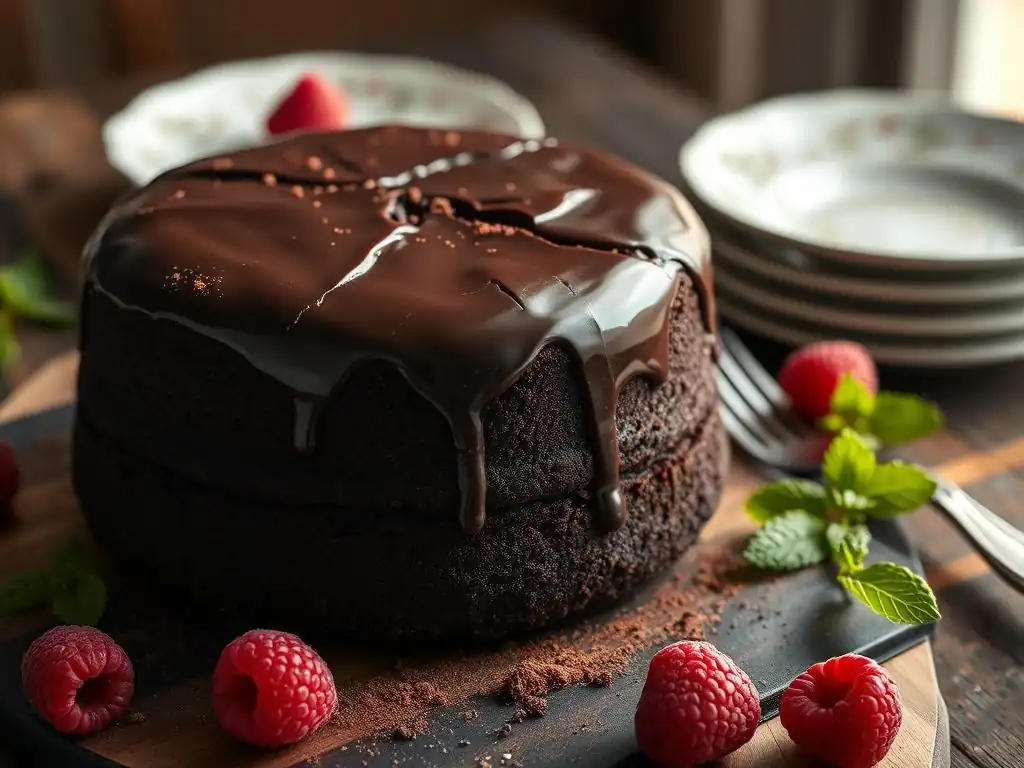
Welcome to BakeWithEase, your guide to effortless baking! Ever dreamt of a decadent chocolate cake that's both rich and completely gluten-free? Our Glutenfree chocolate cake recipe unveils the secret to a flourless indulgence so good, you won't believe it's so simple. Intrigued? Let's unlock the secrets together and bake up a slice of pure bliss!
- Introduction to Flourless Chocolate Cake & Gluten-Free Baking
- The Ultimate Gluten-Free Chocolate Cake Recipe: Ingredients & Equipment
-
Step-by-Step Guide: Baking Your Decadent Flourless Chocolate Cake
- Preparing the Chocolate Ganache (if applicable)
- Melting the Chocolate and Butter: Achieving the Right Consistency
- Whipping the Eggs and Sugar: Creating Airiness
- Combining the Wet and Dry Ingredients: Gentle Folding Technique
- Baking Time and Temperature: Achieving a Fudgy Center
- Cooling and Serving: Presentation Tips
- Tips and Tricks for a Perfect Gluten-Free Chocolate Cake
- Gluten-Free Chocolate Cake Variations and Add-ins
- Troubleshooting Your Gluten-Free Flourless Chocolate Cake
- Serving Suggestions and Pairings for Your Flourless Chocolate Cake
- Conclusion: Enjoying Your Gluten-Free Chocolate Cake Masterpiece
- Frequently Asked Questions
- Final Reflection: The Enduring Allure of Gluten-Free Indulgence
- Unlock Your Inner Pastry Chef: Bake This Cake!
Introduction to Flourless Chocolate Cake & Gluten-Free Baking
Why Choose a Flourless Chocolate Cake Recipe?
Choosing a flourless chocolate cake recipe is often about embracing simplicity and intense flavor. Unlike traditional cakes that rely on flour for structure, this style uses melted chocolate and eggs to create a dense, fudgy texture akin to a rich truffle or a set custard. This focus on chocolate means the flavor is incredibly pure and concentrated, often requiring high-quality chocolate with a cocoa content of 60% or more for the best results. The lack of flour also simplifies the mixing process, removing concerns about developing gluten or overmixing.
Beyond flavor, a significant draw is the inherent gluten-free nature of these cakes, making them a perfect option for individuals with celiac disease or gluten sensitivity. While many gluten-free baking recipes require a blend of alternative flours like rice, almond, or tapioca, a classic flourless chocolate cake recipe naturally avoids gluten altogether, relying on the protein in eggs and the structure of cooled chocolate. This makes it a reliably safe and delicious dessert choice without the need for specialized gluten-free flour mixes.
Exploring Gluten-Free Dessert Options at BakeWithEase.com
BakeWithEase.com is dedicated to providing baking solutions for everyone, including a growing collection of delightful gluten-free dessert options. Beyond the classic flourless chocolate cake recipe, you can find guides for almond flour cookies, coconut flour muffins, and even gluten-free pie crusts using alternative binders like xanthan gum (typically used at a rate of about 1/4 teaspoon per cup of gluten-free flour blend in pie crusts). Our aim is to show that dietary restrictions don't mean sacrificing taste or texture in your baked goods.
Our gluten-free range covers various categories, from simple no-bake treats like chocolate avocado mousse to more complex layered cakes using carefully selected gluten-free flour blends. For instance, a standard gluten-free cake might use a blend primarily of rice flour, potato starch, and tapioca starch, often requiring slightly more liquid than a wheat-based recipe. Whether you're craving a light and airy sponge or a dense, fudgy dessert, you'll find reliable recipes and helpful tips on BakeWithEase.com to navigate the world of gluten-free baking successfully.
The Ultimate Gluten-Free Chocolate Cake Recipe: Ingredients & Equipment
Gathering Your Ingredients for the Perfect Flourless Cake
Crafting a truly decadent gluten-free chocolate cake starts with high-quality ingredients. You'll primarily need good chocolate – bittersweet or semi-sweet with around 60-70% cocoa content is ideal, typically requiring about 8-12 ounces (225-340 grams). Butter is also crucial, usually unsalted, providing richness and structure when melted with the chocolate, often around 1 cup (225 grams).
Eggs are the primary structural component, providing lift and binding; a recipe might call for 4-6 large eggs, often separated. Sugar, typically granulated, is used to sweeten and help stabilize the egg foam, with amounts varying but often in the range of 1 cup (200 grams).
Other essential ingredients often include a pinch of salt to enhance the chocolate flavor, and sometimes a touch of vanilla extract, perhaps 1 teaspoon, for added aroma. Some recipes might incorporate a small amount of cocoa powder, maybe 1/4 cup (20-25 grams), to deepen the chocolate intensity. The beauty of this glutenfree chocolate cake recipe is its simplicity, relying on a few key components to create a luxurious dessert. Ensure your ingredients are at room temperature where specified, especially eggs, as this helps them whip to a better volume.
Essential Baking Equipment for a Smooth Gluten-Free Cake Experience
Having the right tools makes baking your gluten-free chocolate cake a much smoother process. A sturdy mixing bowl, preferably glass or stainless steel, is essential for melting chocolate and combining ingredients. You'll also need a whisk, and ideally, an electric mixer (handheld or stand mixer) to whip the eggs and sugar to the proper consistency – reaching a pale, thick, ribbon stage can take 5-7 minutes with a good mixer.
Parchment paper is indispensable for lining the cake pan, preventing sticking and making removal easy; a typical 8-inch or 9-inch round springform pan is commonly used for this type of cake. A rubber spatula is crucial for gently folding the ingredients without deflating the whipped eggs. Lastly, an accurate oven thermometer is highly recommended to ensure your oven is at the precise temperature (often around 325-350°F or 160-175°C) needed for even baking and that signature fudgy texture.
Ingredient Substitutions for Dairy-Free and Vegan Needs
Adapting a classic glutenfree chocolate cake recipe for dairy-free or vegan diets is possible with careful substitutions. For a dairy-free version, simply replace the butter with a plant-based butter substitute designed for baking, ensuring it has a similar fat content. The chocolate itself will also need to be dairy-free; look for high-quality dark chocolate that specifies it contains no milk ingredients, as many dark chocolates are naturally dairy-free but cross-contamination can be an issue.
Creating a vegan version is more complex as it requires replacing the eggs. Egg substitutes for binding and leavening can include aquafaba (the liquid from canned chickpeas, often 3 tablespoons per egg), flax eggs (1 tablespoon flax meal + 3 tablespoons water, let sit for 5-10 minutes per egg), or commercial egg replacers. Achieving the necessary lift and texture without whipped egg whites is the main challenge, but using methods like whipping aquafaba to stiff peaks can mimic the function of egg whites to some extent in a vegan glutenfree chocolate cake recipe.
Step-by-Step Guide: Baking Your Decadent Flourless Chocolate Cake
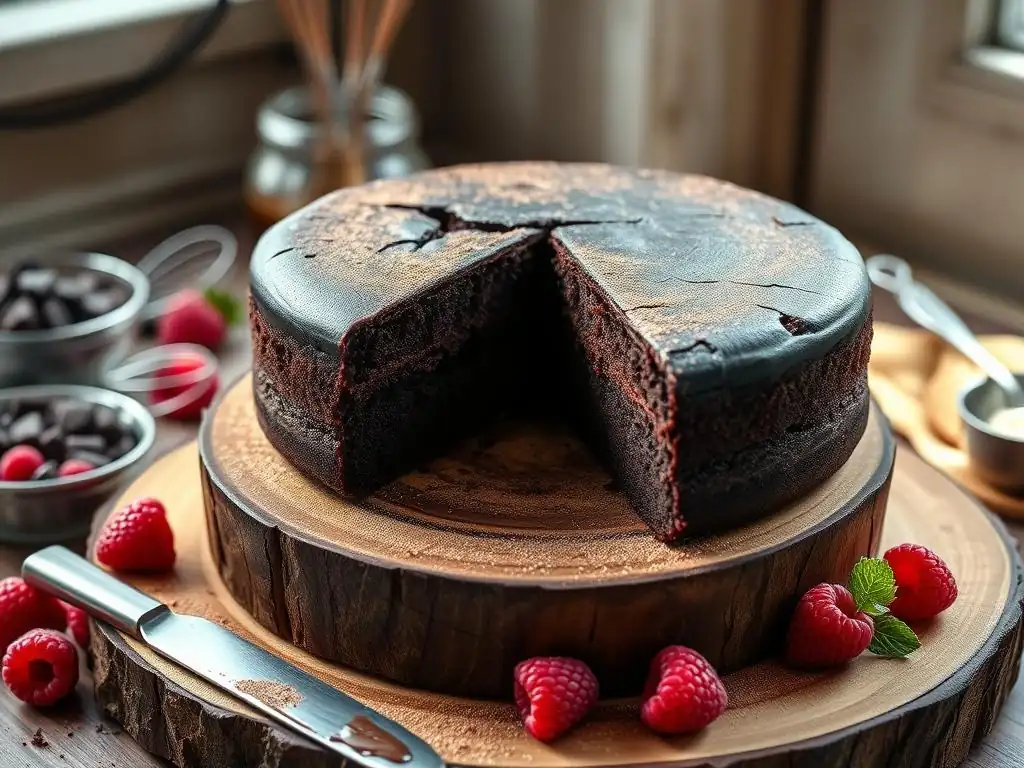
Preparing the Chocolate Ganache (if applicable)
If you plan to top your glutenfree chocolate cake with a rich ganache, prepare it while the cake cools or just before serving. A simple ganache requires just two ingredients: chocolate and heavy cream (or a dairy-free alternative). A common ratio is 1:1 by weight for a pourable ganache (e.g., 8 ounces chocolate to 8 ounces cream) or 2:1 chocolate to cream for a thicker, spreadable ganache. Finely chop the chocolate and place it in a heatproof bowl.
Heat the cream in a saucepan over medium heat or in the microwave until it just simmers (do not boil). Pour the hot cream over the chopped chocolate, ensuring all the chocolate is submerged. Let it sit undisturbed for 5-10 minutes to allow the heat to melt the chocolate. Then, gently whisk or stir from the center outwards until the mixture is smooth, glossy, and emulsified. Allow it to cool slightly before pouring or spreading over the cooled glutenfree chocolate cake.
Melting the Chocolate and Butter: Achieving the Right Consistency
The first crucial step in many a glutenfree chocolate cake recipe is melting the chocolate and butter together smoothly. This can be done using a double boiler method or carefully in the microwave. For a double boiler, place the chopped chocolate and butter in a heatproof bowl set over a saucepan of simmering water, ensuring the bottom of the bowl doesn't touch the water. Stir occasionally until completely melted and smooth, which usually takes about 5-10 minutes over gentle heat.
Alternatively, you can melt the mixture in the microwave in 30-second intervals, stirring thoroughly after each interval. This method is faster but requires close attention to prevent scorching the chocolate. Heat until mostly melted, then stir until the residual heat melts any remaining solid pieces. The goal is a perfectly smooth, glossy mixture with no lumps, ensuring it incorporates seamlessly into the batter for your glutenfree chocolate cake.
Whipping the Eggs and Sugar: Creating Airiness
Whipping the eggs and sugar is fundamental to providing structure and lift in a flourless chocolate cake recipe, especially when separating eggs. If the recipe calls for separating eggs, whip the egg whites in a clean bowl until stiff, glossy peaks form. In a separate bowl, beat the egg yolks with the sugar until they become pale yellow, thick, and form a ribbon when the whisk is lifted – this process can take 5-7 minutes with an electric mixer and incorporates significant air.
Some simpler glutenfree chocolate cake recipes may call for whipping whole eggs with sugar. In this case, beat the whole eggs and sugar together for a longer period, often 8-10 minutes, until the mixture is very pale, thick, and significantly increased in volume. This egg foam is what prevents the cake from being completely flat and dense, providing a lighter (though still fudgy) texture to the finished glutenfree chocolate cake.
Combining the Wet and Dry Ingredients: Gentle Folding Technique
Once your melted chocolate-butter mixture is slightly cooled (not hot enough to cook the eggs) and your egg-sugar mixture (and potentially whipped whites) is ready, it's time to combine them. Start by gently folding the cooled chocolate mixture into the egg-sugar mixture. Use a rubber spatula and a gentle cutting and folding motion, trying not to deflate the airy egg base you've created.
If using whipped egg whites, first gently fold about a third of the whipped whites into the chocolate-egg yolk mixture to lighten it. Then, add the remaining whipped whites in two additions, folding carefully until just combined. Overmixing at this stage will collapse the delicate air pockets, resulting in a denser cake. The batter for your glutenfree chocolate cake should be smooth and homogenous but still feel light.
Baking Time and Temperature: Achieving a Fudgy Center
The baking temperature and time are critical for achieving the signature fudgy interior of a flourless chocolate cake. Most recipes call for baking at a relatively low temperature, often between 325°F and 350°F (160°C to 175°C). The baking time can vary significantly based on the pan size and your oven, typically ranging from 30 to 50 minutes for an 8 or 9-inch cake.
You'll know your glutenfree chocolate cake is done when the edges are set and slightly pulled away from the pan, but the center still looks a bit moist and might jiggle slightly if gently shaken. A toothpick inserted near the edge should come out clean, but one inserted into the center will likely come out with moist crumbs or appear wet – this indicates the desired fudgy consistency. Overbaking will lead to a dry cake, so err on the side of slightly underbaked for that perfect texture.
Cooling and Serving: Presentation Tips
Allowing the glutenfree chocolate cake to cool properly is just as important as the baking itself. Once removed from the oven, let the cake cool in its pan on a wire rack for at least 15-20 minutes. This allows the delicate structure to set further. After this initial cooling, carefully unlatch the springform pan sides and remove them.
Let the cake cool completely on the wire rack before attempting to move it or add any toppings. This can take 1-2 hours. For serving, simple presentations often work best with this rich cake. A dusting of cocoa powder or powdered sugar using a fine-mesh sieve adds an elegant touch. Fresh berries, especially raspberries or strawberries, provide a lovely color contrast and tartness that cuts through the richness. Serve slices at room temperature for the best texture.
Tips and Tricks for a Perfect Gluten-Free Chocolate Cake
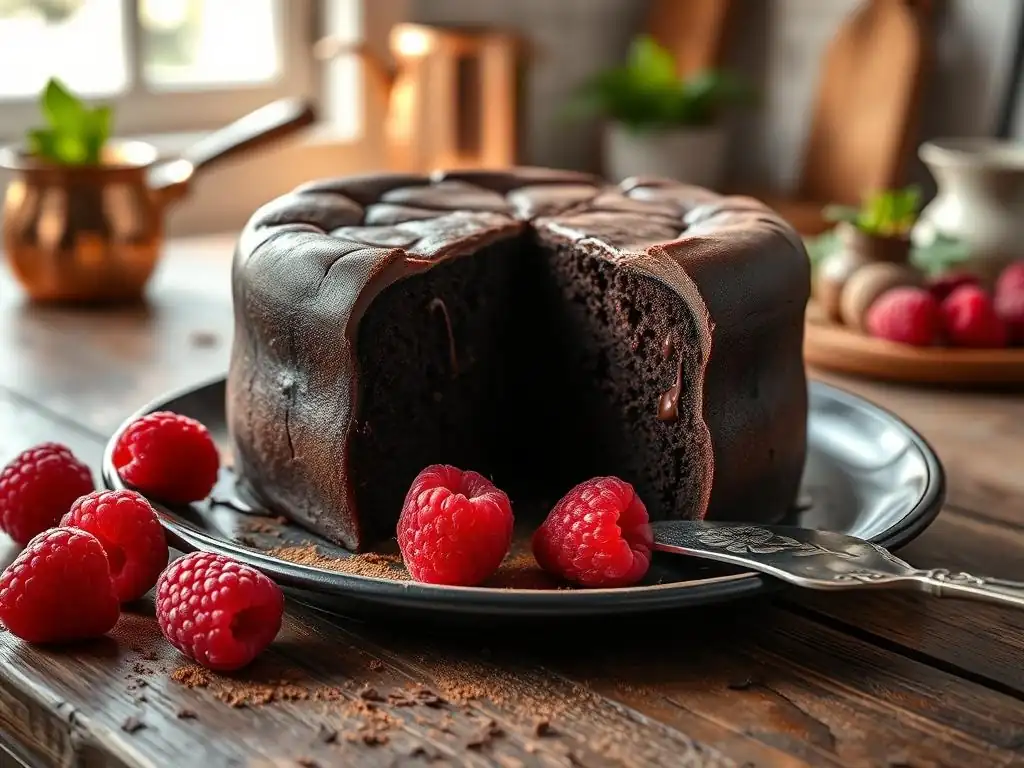
Preventing a Soggy Bottom: Using Parchment Paper and a Water Bath
A common issue with rich, dense cakes like this glutenfree chocolate cake recipe is a potentially soggy bottom. This can often be prevented by properly preparing your cake pan. Always line the bottom of your springform pan with parchment paper cut to size. You can lightly grease the pan before adding the paper to help it stick smoothly.
Using a water bath (bain-marie) can also significantly improve the texture and prevent a soggy bottom while ensuring even cooking. Wrap the bottom and sides of your springform pan tightly with heavy-duty aluminum foil to create a watertight seal. Place the foiled pan in a larger baking dish and carefully pour hot water into the larger dish until it comes about halfway up the sides of the cake pan. This gentle, moist heat environment helps the cake cook evenly without drying out the edges or overcooking the bottom.
Achieving the Right Texture: Avoiding Overbaking
The desired texture for a flourless chocolate cake is dense, moist, and fudgy, almost like a firm mousse or a chocolate bar. Achieving this perfect texture hinges on not overbaking. As mentioned in the baking steps, the center should still appear slightly soft and moist when the cake is done.
Ovens can be notoriously inaccurate, sometimes off by 25°F (approx. 14°C) or more. Using an oven thermometer is highly recommended to ensure you are baking at the correct temperature. Start checking for doneness at the earlier end of the suggested baking time range (e.g., 30 minutes for an 8-inch cake). Remember, the cake will continue to set slightly as it cools. A slightly underbaked glutenfree chocolate cake is far superior to an overbaked, dry one.
Avoiding Cracks: Cooling the Cake Gradually
Cracks on the surface of a flourless chocolate cake can occur if the cake cools too quickly, causing the outer edges to contract faster than the center. To minimize cracking, allow the cake to cool gradually. After removing it from the oven, leave it in the pan on a wire rack for the initial 15-20 minutes before releasing the sides of the springform pan.
If you used a water bath, carefully remove the cake pan from the water bath and let it sit on the wire rack for the initial cooling period. Avoid placing the hot cake directly into a cold environment. Letting it cool completely at room temperature on the wire rack ensures a more even temperature drop throughout the cake, reducing the stress that can lead to cracks on the surface of your beautiful glutenfree chocolate cake.
Tips for Using Different Types of Chocolate
The type of chocolate you use profoundly impacts the flavor and texture of your glutenfree chocolate cake recipe. High-quality chocolate with a higher cocoa percentage (60%+) will yield a more intense, less sweet, and often richer cake. Using chocolate chips is generally not recommended as they contain stabilizers that prevent them from melting as smoothly as bar chocolate, potentially affecting the final texture.
For the best results, use finely chopped bar chocolate from a reputable brand. Bittersweet chocolate (60-75% cocoa) is a popular choice, offering a deep chocolate flavor without excessive sweetness. Semi-sweet chocolate (typically 40-60% cocoa) will result in a sweeter cake. Avoid using milk chocolate, as its lower cocoa content and higher sugar/dairy content will produce a cake that is too sweet and lacks the desired intensity and structure.
Gluten-Free Chocolate Cake Variations and Add-ins
Adding Extracts and Flavors: Vanilla, Almond, Coffee
While a classic glutenfree chocolate cake recipe is delicious on its own, adding extracts and flavors can elevate it further. Vanilla extract is a common addition, typically 1-2 teaspoons, as it enhances and rounds out the chocolate flavor. For a different twist, consider adding 1/2 to 1 teaspoon of almond extract for a subtle nutty aroma that pairs beautifully with chocolate.
Coffee is another excellent companion to chocolate. You can add 1-2 teaspoons of instant espresso powder directly to the melted chocolate mixture, or replace a small amount of the liquid (if any is called for, though often not in true flourless cakes) with strongly brewed coffee or espresso. The coffee doesn't make the cake taste like coffee but deepens and intensifies the chocolate notes significantly, making your glutenfree chocolate cake even more decadent.
Incorporating Nuts and Fruits: Walnuts, Raspberries
Adding texture and bursts of flavor through nuts or fruits can transform your glutenfree chocolate cake. Toasted chopped nuts, such as walnuts, pecans, or hazelnuts, can be gently folded into the batter just before pouring it into the pan. About 1/2 cup (approx. 50-60 grams) of finely chopped toasted nuts adds a pleasant crunch that contrasts nicely with the cake's fudgy texture.
Fresh berries, particularly raspberries, offer a wonderful tart counterpoint to the richness of the chocolate. You can gently fold about 1 cup (approx. 120-150 grams) of fresh raspberries into the batter, being careful not to crush them. Alternatively, simply scatter berries over the top of the batter before baking. The moisture from the berries will create lovely pockets of flavor within the baked glutenfree chocolate cake.
Frosting Options: Chocolate Ganache, Whipped Cream, Berry Compote
A flourless chocolate cake is so rich it doesn't strictly need frosting, but a topping can certainly enhance the experience. A classic choice is a simple chocolate ganache (as discussed in preparation), which adds another layer of intense chocolate flavor and a smooth finish. A thicker ganache can be whipped once cooled for a lighter, mousse-like frosting.
For something lighter, freshly whipped cream (sweetened with a touch of sugar and vanilla) is a perfect pairing. The cool, airy cream provides a lovely contrast to the dense, warm cake. Alternatively, a vibrant berry compote, made by simmering fresh or frozen berries with a little sugar and lemon juice, offers a bright, slightly tart topping that complements the chocolate beautifully on your glutenfree chocolate cake.
Troubleshooting Your Gluten-Free Flourless Chocolate Cake
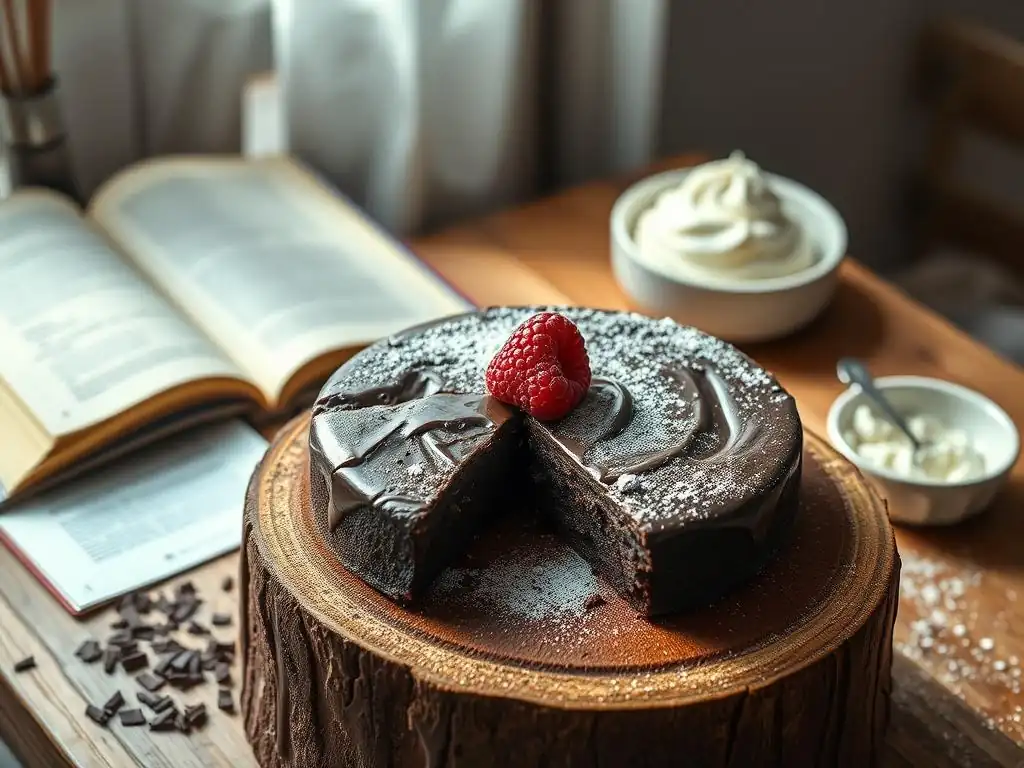
Common Problems and Solutions
Even with a straightforward glutenfree chocolate cake recipe, issues can sometimes arise. Common problems include the cake sinking in the middle, a too-dense texture, or a dry result. Most of these issues relate back to ingredient handling, baking time, or temperature. Understanding the role of each ingredient, especially the eggs, is key to diagnosing problems.
For instance, if your cake sinks, it's often due to underbaking, opening the oven door too early, or overmixing the batter after the eggs have been whipped. A too-dense cake might result from not whipping the eggs enough to incorporate sufficient air or collapsing the egg foam during folding. Dryness is almost always a sign of overbaking. Paying close attention to the steps for whipping eggs and the visual cues for doneness is crucial.
What to Do if Your Cake is Too Dense
If your glutenfree chocolate cake turned out too dense, it likely means the airy structure created by the whipped eggs was compromised. This could happen if the eggs weren't whipped to the proper volume (ribbon stage for yolks, stiff peaks for whites if separated), or if you folded the melted chocolate mixture into the eggs too vigorously or for too long, deflating the air.
While you can't fix the texture of the cake after baking, you can still enjoy it! Slice the dense cake thinly and serve it with generous dollops of whipped cream, ice cream, or a pourable chocolate sauce. The accompaniments will add moisture and richness, making the density less noticeable. For your next attempt at this glutenfree chocolate cake recipe, focus on achieving the correct egg consistency and using a very gentle folding technique.
A dry glutenfree chocolate cake is almost always a result of baking it for too long or at too high a temperature. Remember that the center should still look moist when it comes out of the oven, as it continues to cook and set as it cools. Using an oven thermometer is your best defense against incorrect temperature.
If your cake is already baked and is too dry, don't despair. Like a dense cake, it can be salvaged with moist accompaniments. Serve slices warmed slightly, allowing the chocolate to soften, and pair them with rich sauces like warm ganache, raspberry coulis, or crème anglaise. These additions will infuse moisture and flavor back into the cake. Make sure to check your cake several minutes earlier than the recipe suggests next time you bake this glutenfree chocolate cake recipe.
What to Do if Your Cake Sinks
A sunken center is a common issue with cakes that rely heavily on egg structure, like this glutenfree chocolate cake recipe. The primary culprits are often underbaking (the center hasn't set enough to support itself), opening the oven door too early during baking (causing a sudden temperature drop), or adding the melted chocolate mixture while it's still too hot (cooking the eggs prematurely).
If your cake has sunk, you can still serve it. The sunken part is often the fudgiest and most delicious! Hide the imperfection by filling the well with whipped cream, berries, or a thick ganache. Consider it a feature, not a bug – a perfect spot for a pool of delicious topping. For future baking, ensure your oven temperature is accurate, avoid opening the oven door until the last 10-15 minutes of baking, and let your melted chocolate cool slightly before combining it with the egg mixture when following this glutenfree chocolate cake recipe.
Serving Suggestions and Pairings for Your Flourless Chocolate Cake
Complementary Flavors: Coffee, Berries, Ice Cream
The intense chocolate flavor of a glutenfree chocolate cake pairs wonderfully with several complementary flavors. Coffee is a classic pairing; a strong espresso or a rich cup of coffee served alongside a slice enhances the chocolate notes. Many people enjoy a coffee-flavored liqueur drizzled over the cake as well.
Berries, especially tart ones like raspberries, strawberries, or cherries, provide a refreshing contrast to the cake's richness. Their acidity cuts through the sweetness and fat, balancing the overall experience. Similarly, a scoop of good quality vanilla ice cream or gelato, or even a complementary flavor like coffee or cherry ice cream, adds a cool, creamy element that is incredibly satisfying with a warm or room-temperature slice of glutenfree chocolate cake.
Presentation Ideas: Dusting with Cocoa Powder, Adding Berries
Simple presentations often highlight the elegance of a flourless chocolate cake. A light dusting of unsweetened cocoa powder or powdered sugar using a fine-mesh sieve creates a beautiful, classic look. You can place a stencil (like a star or heart) on the cake before dusting for a decorative effect.
Arranging fresh berries artfully around or on top of the cake adds vibrant color and freshness. A handful of bright red raspberries or sliced strawberries scattered across the dark surface is visually appealing and hints at the delicious flavor combination. For individual slices, place a few berries and a dollop of whipped cream or a drizzle of sauce next to the slice on the plate to make your glutenfree chocolate cake look as good as it tastes.
Conclusion: Enjoying Your Gluten-Free Chocolate Cake Masterpiece
Recap of the Gluten-Free Chocolate Cake Recipe
Creating a decadent glutenfree chocolate cake is a rewarding experience, offering an intensely rich and fudgy dessert that happens to be naturally gluten-free. The process typically involves melting quality chocolate and butter, whipping eggs with sugar to create airiness, gently folding the mixtures together, and baking until the edges are set but the center remains moist. Key steps include using a water bath for even baking and allowing the cake to cool gradually to prevent cracks.
This glutenfree chocolate cake recipe relies on simple, high-quality ingredients and careful technique rather than complex flour blends. By focusing on the fundamentals of melting chocolate, whipping eggs correctly, and avoiding overbaking, you can achieve a truly luxurious dessert. Whether served simply dusted with cocoa or adorned with berries and cream, it's a celebration of pure chocolate flavor.
Encouragement to Explore More Gluten-Free Recipes on BakeWithEase.com
We hope this guide inspires you to try making your own decadent glutenfree chocolate cake. It's a perfect example of how delicious and satisfying gluten-free baking can be. This cake is just one of many exciting possibilities in the world of dietary-specific baking.
We encourage you to explore the wide array of other gluten-free recipes available on BakeWithEase.com. From cookies and brownies to breads and pastries, our collection is designed to help you bake with confidence, regardless of dietary needs. Discover new favorites and master techniques to create delicious baked goods for yourself, your family, and friends. Happy baking!
Frequently Asked Questions
What makes this chocolate cake recipe gluten-free?
This recipe uses alternative flours like almond flour or cocoa powder instead of traditional wheat flour, making it naturally gluten-free. This allows those with sensitivities to enjoy a delicious cake.
Is this gluten-free chocolate cake difficult to make?
Not at all! BakeWithEase focuses on simple recipes, and this cake follows that principle. The ingredients are easy to find, and the instructions are straightforward and beginner-friendly.
Can I substitute any of the ingredients in this gluten-free chocolate cake recipe?
While substitutions are possible, they might affect the cake's texture and flavor. For best results, it's recommended to stick to the original recipe as much as possible, especially when first trying it.
What makes this flourless chocolate cake so decadent?
The use of high-quality chocolate and ingredients like melted butter, eggs, and sugar create a rich and intensely chocolatey flavor and a moist, fudgy texture. This is what makes it a decadent treat.
How should I store this gluten-free chocolate cake?
Store the cooled cake in an airtight container at room temperature for a few days, or in the refrigerator for longer storage. It can also be frozen for later enjoyment.
Final Reflection: The Enduring Allure of Gluten-Free Indulgence
The rise of gluten-free baking isn't just a trend; it's a testament to the power of deliciousness and inclusivity. This decadent flourless chocolate cake, a recipe designed for those with dietary restrictions and those simply seeking a richer, more intense chocolate experience, proves that deliciousness knows no bounds. It's a celebration of adaptation and the ability to create something truly special, even with limitations.
This recipe, for me, represents more than just a delicious dessert; it symbolizes the ongoing evolution of culinary creativity. It's a reminder that adapting recipes to meet diverse needs doesn't diminish the final product; instead, it often enhances it, leading to unique flavor profiles and textures. The best things in life are the simple things,
a phrase often heard, but in this case, it's the simplicity of a few high-quality ingredients that elevates this cake to a truly unforgettable experience. The absence of gluten allows the deep, rich chocolate flavor to shine through, creating a truly decadent treat.
Now, I invite you to embrace the challenge and the reward of baking this flourless chocolate cake. Whether you're navigating dietary restrictions or simply seeking a new culinary adventure, this recipe offers a pathway to indulgence without compromise. Don't be afraid to experiment, to adjust the recipe to your own tastes, and to share the joy of this rich, satisfying dessert with those you love. The journey of baking, like the taste of this cake, is meant to be savored.
Unlock Your Inner Pastry Chef: Bake This Cake!
Thanks for joining us on this delicious journey into the world of gluten-free baking! We hope you’ve gained a newfound appreciation for the rich, decadent flavors possible without flour. Ready to take your baking skills to the next level?
- Bake the cake! This recipe is surprisingly simple, and the results are truly rewarding. Let us know how it turns out!
- Share your masterpiece! Post a photo of your creation on social media and tag us – we’d love to see your decadent flourless chocolate cake.
- Explore more gluten-free recipes on BakeWithEase.com – we have a whole world of deliciousness waiting for you!
What's your favorite part of baking a decadent dessert – the process, the taste, or the joy of sharing it with others?