
Beyond Baguette: MustTry Regional French Breads

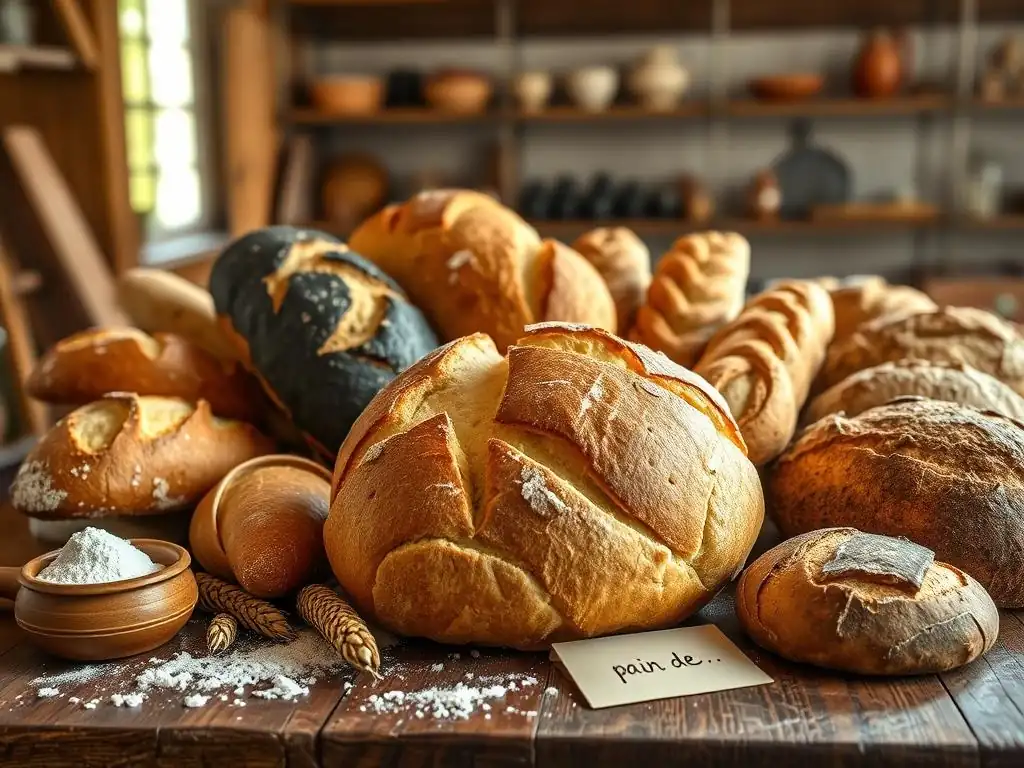
Welcome to BakeWithEase, your culinary companion on a journey through the delicious world of baking! Ever wondered what lies beyond the classic baguette? Dive into our exploration of regional French bread recipes, where we uncover the secrets to crafting authentic, easy-to-make loaves from across France. Get ready to discover your new favorite bread and elevate your baking game!
- Beyond Baguette: Must-Try Regional French Bread Recipes for Home Bakers
- Authentic Regional French Bread Recipes: A Baker's Guide
- Regional French Bread Recipe #1: Fougasse – The Leaf-Shaped Delight
- Regional French Bread Recipe #2: Pain de Campagne – The Rustic Country Bread
- Regional French Bread Recipe #3: Brioche – The Rich and Buttery Classic
- Regional French Bread Recipe #4: Socca - A Savory Chickpea Flatbread
- Regional French Bread Recipe #5: Pain d'Épices - The Spiced Honey Bread
- Troubleshooting Common Regional French Bread Baking Issues
- Serving and Enjoying Your Homemade Regional French Breads
- Conclusion: Expand Your Baking Repertoire with Authentic French Bread Recipes
-
Frequently Asked Questions
- What are some examples of regional French breads featured in the article?
- Are the recipes on BakeWithEase suitable for beginners?
- What ingredients do I need for making regional French bread?
- How can I ensure my French bread turns out perfectly?
- Can I find variations of these bread recipes on the website?
- Final Reflection: A Crumb of Comfort, a World of Flavor
- Unleash Your Inner Boulanger: Discover France Through Bread!
Beyond Baguette: Must-Try Regional French Bread Recipes for Home Bakers
Introduction: Exploring the Diverse World of Regional French Breads
When most people think of French bread, the iconic baguette immediately comes to mind. While the baguette holds a special place in French culinary culture, it represents just a small slice of the rich and varied bread landscape found across France's diverse regions. From the sun-drenched south to the cooler north, each area boasts its own unique bread traditions, shaped by local ingredients, history, and lifestyle.
This article invites you on a journey beyond the familiar, exploring some incredible regional French bread recipes that are surprisingly accessible for home bakers. We'll uncover the stories behind these loaves, understand their key characteristics, and provide simplified guides so you can recreate these authentic flavors in your own kitchen. Get ready to expand your baking repertoire and discover the joy of mastering regional French bread recipes easy enough for anyone to try.
Why Bake Regional French Breads? A Taste of France at Home
Baking regional French breads at home offers a unique connection to French culture and history. Each loaf tells a story of its origin, whether it's the rustic simplicity born of necessity in the countryside or the enriched elegance developed for celebrations. By baking these breads, you're not just making food; you're engaging with centuries of tradition and bringing a genuine taste of France right into your home kitchen.
Furthermore, exploring regional French bread recipes easy to follow allows you to experience textures and flavors distinct from the standard baguette or commercial loaves. You'll encounter breads with robust, chewy crusts and open, airy crumbs, others that are rich and tender, or even savory flatbreads perfect for sharing. Mastering these techniques builds your baking confidence and provides incredibly rewarding results, offering a sense of accomplishment with every delicious bite.
Authentic Regional French Bread Recipes: A Baker's Guide
Mastering the Basics: Essential Techniques for French Bread Baking
Successful French bread baking, even with regional French bread recipes easy adaptations, relies on a few fundamental techniques. Understanding these basics will significantly improve your results. Kneading is crucial for developing gluten, the protein network that gives bread its structure and chewiness. For lean doughs like Pain de Campagne, this often involves vigorous kneading, either by hand (typically 10-15 minutes) or machine (5-8 minutes), until the dough is smooth and elastic. Enriched doughs like Brioche require longer mixing, sometimes in a stand mixer, to fully incorporate butter and eggs while developing strength.
Fermentation, or rising, is equally vital. It's a two-stage process: bulk fermentation and proofing. Bulk fermentation, the first rise after mixing, allows the yeast to produce carbon dioxide, giving the dough volume and flavor. This stage can last anywhere from 1 to 3 hours at room temperature, often involving "folds" to build strength. Proofing is the final rise before baking, where the shaped loaves expand further (usually 30-90 minutes). Proper fermentation is key to achieving a good crumb structure and depth of flavor in any regional French bread recipe easy or complex.
Ingredient Spotlight: Key Components for Authentic Flavors
The soul of authentic French bread lies in simple, quality ingredients. Flour is paramount; traditional French recipes often specify Type 55 or Type 65 flour, which have moderate protein content (around 10-12%). At home, a good quality unbleached all-purpose flour (around 10.5-11.5% protein) or bread flour (12-13% protein) can yield excellent results for many regional French bread recipes easy to adapt. Using bread flour might require slightly more water as it absorbs more liquid.
Yeast is the leavening agent, and both active dry and instant yeast work well. Instant yeast can usually be mixed directly with dry ingredients, while active dry yeast often needs to be proofed in warm water first (around 40-45°C or 105-115°F). Water quality also matters; filtered water is often preferred over heavily chlorinated tap water.
Salt is essential not just for flavor but also for controlling yeast activity and strengthening the gluten structure. Fine sea salt or kosher salt are good choices. For enriched breads like Brioche, high-quality butter and fresh eggs are non-negotiable, contributing significantly to the bread's tender texture and rich taste.
Regional French Bread Recipe #1: Fougasse – The Leaf-Shaped Delight
What is Fougasse? History and Characteristics
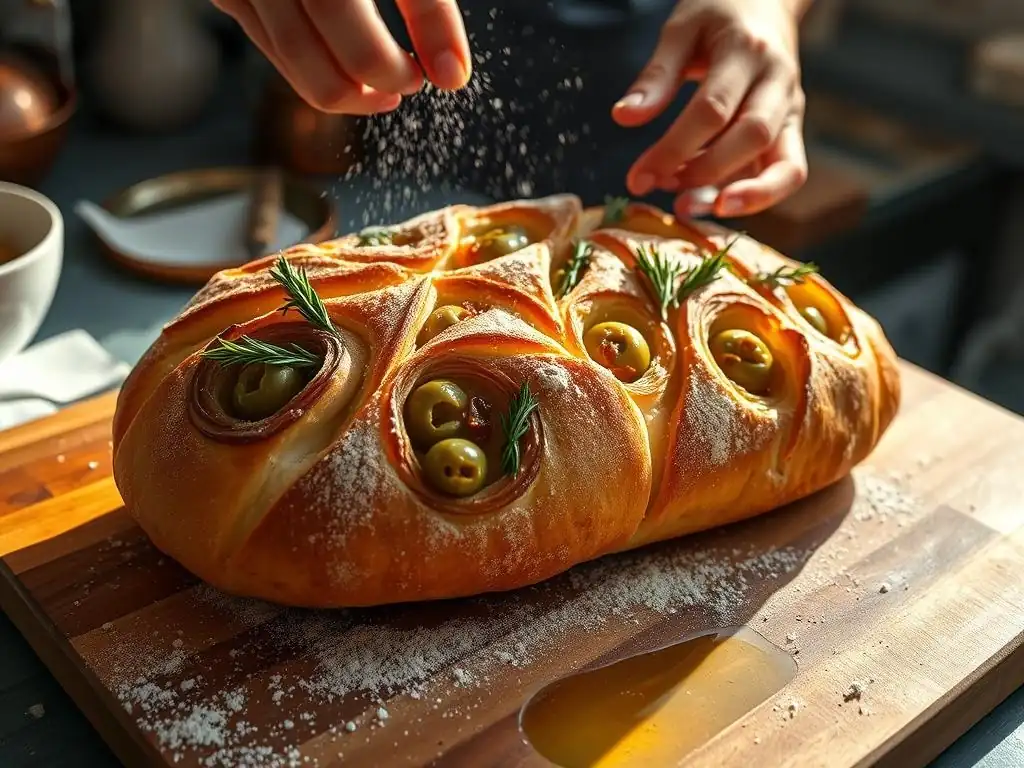
Fougasse is a type of bread traditionally associated with Provence in southeastern France, but variations exist in other regions as well. Historically, it's believed to be one of the earliest forms of bread, perhaps even a precursor to the pizza. Often shaped like a leaf, an ear of wheat, or simply a flat rectangle with decorative cuts, Fougasse was originally used to test the oven's temperature before baking larger loaves – its thin parts would brown quickly, indicating readiness.
Characteristically, Fougasse has a relatively high hydration, resulting in an open, irregular crumb. Its surface area is maximized by the cuts, leading to a delightful contrast between a crispy crust and a soft, airy interior. While plain versions exist, Fougasse is famous for being flavored with ingredients baked directly into the dough, such as olives, herbs, or cheese. It's a fantastic example of a regional French bread recipe easy to make and highly versatile.
Fougasse Recipe: A Step-by-Step Guide
Making Fougasse at home is a straightforward process, making it an excellent regional French bread recipe easy for beginners. The basic dough typically includes flour, water, yeast, salt, and a generous splash of olive oil, which contributes to its tender crumb. After mixing the ingredients and a brief knead (just enough to bring the dough together), the dough undergoes a bulk fermentation, usually for 1 to 1.5 hours, allowing it to become light and airy.
The fun part is shaping. The dough is gently stretched or rolled into an oval or rectangle. Using a knife or dough scraper, large cuts are made through the dough to create the signature leaf or ear shape, ensuring the cuts go all the way through. The shaped dough is then carefully transferred to a baking sheet, allowed a short proofing time (around 20-30 minutes), and baked at a high temperature, typically 220°C (425°F), for about 20-25 minutes, until golden brown and crisp. The high heat helps achieve that desirable texture contrast.
Flavor Variations: Experimenting with Fougasse Fillings
One of the most appealing aspects of Fougasse is the ease with which you can incorporate various flavors directly into the dough. Before the bulk fermentation or during the shaping stage, you can gently fold in your chosen additions. Classic Provençal variations include pitted black olives (like Niçoise or Kalamata), dried herbs (rosemary, thyme, herbes de Provence), or sun-dried tomatoes (drained and chopped).
For cheese lovers, adding grated Gruyère, Parmesan, or small cubes of goat cheese or feta works beautifully. You can also combine ingredients, such as olives and rosemary, or sun-dried tomatoes and basil. Some sweeter versions exist, incorporating orange blossom water, sugar, or even candied fruit, though the savory versions are more common. Experimenting with these additions makes Fougasse a truly personalized and endlessly enjoyable regional French bread recipe easy to adapt to your taste.
Regional French Bread Recipe #2: Pain de Campagne – The Rustic Country Bread
Understanding Pain de Campagne: Origins and Flavor Profile
Pain de Campagne, meaning "country bread," is a staple from the French countryside, embodying a tradition of baking substantial loaves designed to last. Unlike the quick-baking baguette, Pain de Campagne was historically made less frequently, often in communal ovens, and was large enough to feed a family for several days. Its origins are tied to rural life, where bakers used whatever flours were available, often a mix of wheat with rye or even buckwheat, sometimes leavened with a sourdough starter (levain).
Modern Pain de Campagne often uses a blend of white bread flour and a smaller proportion of whole wheat or rye flour, giving it a more complex flavor profile than a pure white loaf. When made with a sourdough starter, it develops a characteristic tang; yeast-leavened versions are milder but still possess a deep, satisfying bread flavor.
Key characteristics include a thick, crackly crust and an open, irregular crumb – hallmarks of a well-fermented, rustic loaf. It's a comforting and versatile bread, and learning regional French bread recipes easy for Pain de Campagne is a rewarding step for any home baker.
Pain de Campagne Recipe: A Simple Approach for Home Bakers
Creating a delicious Pain de Campagne is achievable for home bakers, even without a sourdough starter, by using a simple yeast-leavened approach. The recipe typically involves combining bread flour (and a portion of whole wheat or rye flour if desired), water, yeast, and salt. The hydration level is often higher than for a baguette, frequently ranging from 65% to 75% water relative to flour weight, which contributes to the open crumb structure.
After mixing, the dough requires thorough kneading to develop gluten, followed by a generous bulk fermentation period, often 2 to 3 hours, during which the dough is folded every 30-45 minutes to build strength and structure. The dough is then shaped into a round (boule) or oval (bâtard) loaf, allowed to proof for another 45-90 minutes, and baked in a very hot oven, ideally 230°C (450°F) or higher.
Baking with steam (by placing a tray of water in the oven or using a Dutch oven) is crucial for achieving that signature thick, crackly crust. This yeast-based method makes it a truly accessible regional French bread recipe easy to add to your repertoire.
Tips for Achieving a Perfect Crust and Crumb
Achieving the ideal crust and crumb for Pain de Campagne involves mastering heat and hydration. For the crust, high oven temperature and steam are your best friends. Preheat your oven with a baking stone or steel inside for at least 30-60 minutes to ensure it's thoroughly hot.
Introducing steam at the beginning of the bake (for the first 15-20 minutes) keeps the surface of the dough moist, allowing it to expand fully before the crust sets. This results in a thinner, crispier crust and allows for maximum oven spring. A common method for home bakers is baking in a preheated Dutch oven; the lid traps the steam released by the dough itself.
For the crumb, proper hydration and sufficient fermentation are key. Don't be afraid of a slightly wetter dough; while it can be trickier to handle, it's essential for an open crumb. Ensure your bulk fermentation and proofing times are adequate – the dough should be significantly increased in volume and feel light.
Handling the dough gently during shaping preserves the air pockets created during fermentation. Finally, allowing the bread to cool completely on a wire rack after baking is critical; cutting into it too soon can compromise the crumb texture and make it seem gummy. Following these tips will help you perfect this regional French bread recipe easy to master with practice.
Regional French Bread Recipe #3: Brioche – The Rich and Buttery Classic
Brioche Explained: Varieties and Uses
Brioche is a classic French bread that stands apart from lean, rustic loaves due to its high content of eggs, butter, and sometimes milk and sugar. This richness gives it a tender, soft crumb and a golden crust. Originating perhaps in Normandy or Vendée, it evolved from simpler enriched breads to the luxurious version known today, often associated with special occasions.
Brioche comes in various forms, the most iconic being the Brioche à Tête (Parisian brioche) with its distinctive "head" or topknot. Other forms include loaves baked in pans, individual rolls (briochettes), or braided loaves. Its versatility is immense; while often enjoyed for breakfast or brunch with jam or chocolate spread, it's also used in savory applications, like burger buns or alongside foie gras. Its soft texture makes it perfect for French toast or bread pudding. This regional French bread recipe easy to adapt is a sweet treat for any baker.
Easy Brioche Recipe: A Beginner-Friendly Version
Making Brioche might seem intimidating due to the high butter content, but a beginner-friendly regional French bread recipe easy approach is definitely possible. The basic ingredients are flour, yeast, a little sugar and salt, eggs, liquid (milk or water), and a significant amount of softened butter. Unlike lean doughs, Brioche dough is often mixed until smooth before the butter is gradually added and fully incorporated, resulting in a very soft, sometimes sticky, dough.
A key step for flavor development is a long, cold fermentation in the refrigerator, often overnight or up to 24 hours. This makes the dough easier to handle and deepens the rich taste. After the cold rest, the dough is shaped (into a loaf, rolls, etc. ), proofed at room temperature until puffy (usually 1-2 hours), brushed with an egg wash for a beautiful golden sheen, and baked at a moderate temperature, typically around 180°C (350°F). This lower temperature prevents the high sugar and fat content from burning before the interior is cooked through.
Brioche Baking Tips: Achieving a Light and Airy Texture
Achieving Brioche's characteristic light and airy texture relies on proper gluten development and careful handling. Ensure the dough is kneaded sufficiently, especially before adding the butter, to build a strong structure capable of supporting the fat and eggs. The dough will be soft and slightly sticky, which is normal. Using a stand mixer with a dough hook is often recommended for this dough.
Don't rush the fermentation, especially the cold fermentation step. This allows the gluten to relax and the flavors to deepen, contributing to a more tender crumb. When shaping, handle the dough gently to avoid deflating it. Proper proofing is also crucial; the dough should look visibly increased in size and feel light and airy.
An egg wash (a beaten egg mixed with a little milk or water) applied just before baking gives the crust its beautiful color and shine. Baking at the correct temperature prevents the exterior from browning too quickly, ensuring the interior cooks evenly and remains soft. With these tips, this regional French bread recipe easy version will yield delightful results.
Regional French Bread Recipe #4: Socca - A Savory Chickpea Flatbread
Socca: Origin and Regional Significance
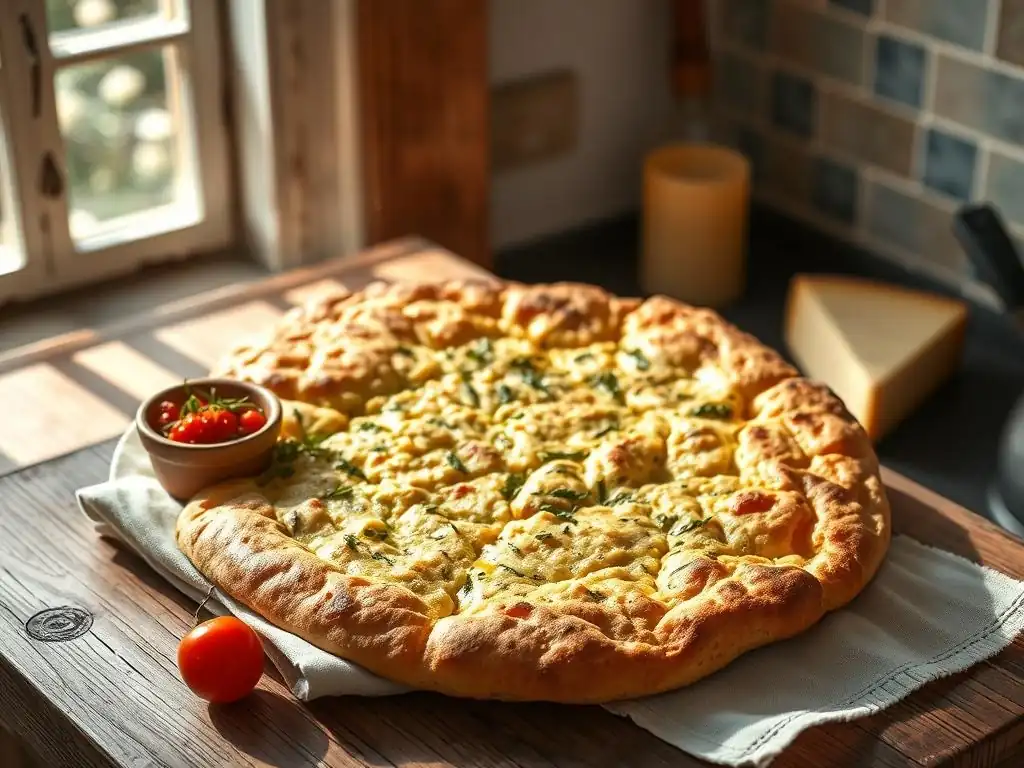
Socca is a unique and delicious savory flatbread that hails from the region around Nice, on the French Riviera (Provence-Alpes-Côte d'Azur). It's a popular street food snack, traditionally cooked in large copper pans over open fires in bustling markets. Its history is tied to the availability of chickpea flour, which has been a staple in the Mediterranean diet for centuries. Socca is simple, naturally gluten-free, and vegan, made from just chickpea flour, water, olive oil, and salt.
In Nice and surrounding areas like Antibes, you'll find vendors selling hot Socca, freshly scraped from the pan and sprinkled with black pepper. It represents the simple, sun-drenched cuisine of the region, providing a quick, satisfying, and flavorful bite. While technically a flatbread or pancake rather than a leavened loaf, it is firmly rooted in the regional bread traditions and is one of the easiest regional French bread recipes easy to replicate at home.
Socca Recipe: A Step-by-Step Guide to Baking Savory Chickpea Flatbread
Making Socca at home is remarkably simple and quick, making it an ideal regional French bread recipe easy for a spontaneous snack or appetizer. The batter is made by whisking together chickpea flour and water until smooth, aiming for a consistency similar to crepe batter. A little olive oil and salt are mixed in. It's recommended to let the batter rest for at least 30 minutes, or even a few hours, to allow the chickpea flour to fully hydrate and eliminate any grittiness.
To bake, a heavy-bottomed pan (traditionally copper, but cast iron or a heavy baking sheet works well) is generously oiled with olive oil and heated in a very hot oven, typically 250°C (480°F), or even under a broiler. Once the pan is scorching hot, the rested batter is poured in a thin layer. It bakes very quickly, usually within 5-10 minutes, until the edges are crispy and the surface is browned and slightly blistered. The high heat is crucial for achieving the desired texture – crispy on the outside, tender on the inside.
Serving Suggestions: Enjoying Socca as a Snack or Meal
Socca is best enjoyed immediately, straight from the oven or pan, while it's hot and crispy. Traditionally, it's cut into irregular wedges or squares and served simply seasoned with a generous grinding of black pepper. The heat of the Socca enhances the flavor of the pepper beautifully.
While traditionally served plain, you can certainly enjoy Socca with various accompaniments. It makes a wonderful appetizer or snack alongside drinks. It can also serve as a base for simple toppings like a sprinkle of fresh herbs (rosemary, thyme), a dash of chili flakes, or even a spread of tapenade, although purists would argue against too many additions. Its simplicity is part of its charm. This regional French bread recipe easy offers a taste of the French Riviera with minimal effort.
Regional French Bread Recipe #5: Pain d'Épices - The Spiced Honey Bread
Pain d'Épices: Origin and Regional Significance
Pain d'Épices, literally "spice bread," is a deeply flavorful, moist loaf traditionally made with rye flour, honey, and a blend of warm spices. Its history in France dates back to the Middle Ages, introduced perhaps through trade routes that brought spices from the East. It became particularly associated with regions like Dijon in Burgundy and Alsace, areas with strong gingerbread-making traditions. Unlike many other French breads, Pain d'Épices is typically leavened with baking soda and/or baking powder, making it more akin to a cake or quick bread in structure, though it's firmly categorized as bread in French tradition.
This bread was historically valued for its keeping qualities, thanks to the preservative properties of honey and spices. It's dense, sticky, and intensely aromatic, offering a comforting warmth, especially during cooler months. While enjoyed year-round, it's particularly popular around holidays. Its relative simplicity makes it another excellent regional French bread recipe easy to bake at home, requiring no yeast or complex kneading.
Pain d'Épices Recipe: A Simple Approach for Home Bakers
Baking Pain d'Épices is one of the most accessible regional French bread recipes easy for those new to bread making, as it relies on chemical leavening rather than yeast. The core ingredients are typically rye flour (though recipes often include some wheat flour for a lighter texture), a significant amount of honey, liquid (milk or water), sugar (sometimes brown sugar for added moisture), baking soda and/or baking powder, and a generous blend of spices. Common spices include cinnamon, ginger, cloves, nutmeg, and star anise.
The process is straightforward: dry ingredients (flour, leavening, spices) are whisked together. Liquid ingredients (honey, milk/water, sugar) are often gently warmed to dissolve the honey. The wet ingredients are then combined with the dry, mixed just until incorporated – overmixing can lead to a tough texture. The batter-like dough is poured into a prepared loaf pan and baked at a moderate temperature, around 160-170°C (325-340°F), for 45-60 minutes, until a skewer inserted into the center comes out clean. Pain d'Épices notoriously improves in flavor and texture after a day or two, as the moisture and spices meld.
Serving Suggestions: Enjoying Pain d'Épices with your favorite toppings
Pain d'Épices is incredibly versatile in how it can be served. Its rich, spiced flavor makes it a perfect accompaniment to hot beverages like coffee or tea. A simple slice enjoyed plain is wonderful, allowing the complex spice blend and honey flavor to shine.
For a more indulgent treat, Pain d'Épices pairs beautifully with butter, jam, or marmalade. In some regions, it's traditionally served with savory accompaniments, such as foie gras or strong cheeses, where the sweetness of the honey provides a fascinating contrast. Its dense, moist texture also makes it an excellent base for fruit compotes or even toasted briefly and served with a dollop of créme fraîche. Experimenting with different toppings is part of the joy of this delightful regional French bread recipe easy to enjoy.
Troubleshooting Common Regional French Bread Baking Issues
Dealing with Dough Consistency Problems
One of the most common challenges when baking bread, including regional French bread recipes easy or complex, is achieving the correct dough consistency. If your dough is too sticky and difficult to handle, it likely needs more flour or more kneading to develop gluten strength. Add flour gradually, a tablespoon at a time, kneading after each addition until the dough is manageable but still slightly tacky. Remember that wetter doughs often lead to a better crumb, so don't add too much flour. Hydration levels for rustic breads are typically between 60% and 75% water to flour weight.
Conversely, if your dough is stiff, dry, and resistant to kneading, it probably needs more water. Add water slowly, a teaspoon at a time, kneading it in until the dough becomes more pliable and less dry. Factors like flour type (different flours absorb different amounts of water) and ambient humidity can affect dough consistency, so be prepared to make minor adjustments to the flour or water quantities specified in a regional French bread recipe easy or difficult.
Achieving the Right Oven Temperature and Baking Time
Accurate oven temperature and timing are critical for successful bread baking. Many home ovens are not calibrated correctly, so using an independent oven thermometer is highly recommended to ensure you are baking at the temperature the recipe specifies. Preheat your oven for a sufficient time, usually 30-60 minutes, especially when using a baking stone or steel, to ensure it's evenly heated throughout.
Baking times provided in recipes are estimates. The actual time can vary depending on your oven, the size and shape of your loaf, and the type of bread. Rustic loaves baked at high temperatures (220-250°C / 425-480°F) typically take 20-50 minutes depending on size.
Enriched breads like Brioche bake at lower temperatures (180-190°C / 350-375°F) for 30-45 minutes. The best way to tell if bread is done is by internal temperature (around 90-98°C / 195-210°F for lean breads, slightly lower for enriched) or by tapping the bottom of the loaf – it should sound hollow. Don't be afraid to bake for a few extra minutes if needed to achieve a good crust.
Preventing a Soggy Crust
A soggy or soft crust is a common disappointment after putting effort into regional French bread recipes easy or challenging. Several factors can contribute to this. Insufficient baking time or an oven temperature that is too low can prevent the crust from drying out and crisping properly. Ensure your oven is fully preheated and bake until the bread is deeply golden brown and sounds hollow when tapped on the bottom.
Too much steam late in the baking process can also soften the crust. If you used steam at the beginning, remove the steam source (like the water tray or Dutch oven lid) for the last 15-20 minutes of baking to allow the crust to dry out. Finally, and critically, always let your freshly baked bread cool completely on a wire rack. Placing hot bread on a solid surface or wrapping it before it's cool traps steam, turning your hard-earned crispy crust soft. Patience during the cooling phase is essential for a perfect crust.
Serving and Enjoying Your Homemade Regional French Breads
Complementary Dishes and Pairings
Serving your homemade regional French bread recipes easy to bake is a delightful experience, and pairing them with complementary dishes elevates the enjoyment. Rustic loaves like Pain de Campagne are incredibly versatile; they are perfect alongside hearty soups and stews, with cheese boards (especially hard or semi-hard cheeses), or simply dipped in good olive oil. Their robust flavor stands up well to rich foods.
Fougasse, particularly savory versions, makes a wonderful accompaniment to charcuterie platters, dips like tapenade or hummus, or served alongside grilled meats or fish. Brioche, with its rich, slightly sweet character, is ideal for breakfast or brunch – think alongside coffee, with butter and jam, or as the base for exceptional French toast. Socca is best enjoyed hot as a simple snack with black pepper, perhaps as a light appetizer before a meal. Pain d'Épices pairs beautifully with cheese (try blue cheese or foie gras), coffee, or as a sweet treat with butter or fruit compote.
Storing and Reheating Tips
Proper storage helps maintain the quality of your homemade regional French bread recipes easy to make. Lean, crusty breads like Pain de Campagne and Fougasse are best stored at room temperature. Avoid airtight plastic bags initially, as they trap moisture and soften the crust. Instead, store them in a paper bag, a linen bread bag, or simply cut-side down on a cutting board once cut. They are best consumed within 1-3 days, depending on humidity.
Enriched breads like Brioche stay fresh longer due to their fat content. Store cooled Brioche wrapped tightly in plastic wrap or in an airtight container at room temperature for up to 3-4 days. Pain d'Épices, being moist and dense, also keeps well wrapped at room temperature for up to a week, often improving over the first few days.
For longer storage, most breads can be sliced and frozen in airtight bags or containers for several months. To reheat crusty breads, a quick warm-up in a hot oven (200°C / 400°F) for 5-10 minutes can help revive the crust. Slices can also be toasted.
Conclusion: Expand Your Baking Repertoire with Authentic French Bread Recipes
Further Exploration: Other Regional French Breads to Discover
Our journey through regional French bread recipes easy to bake has only scratched the surface of France's incredible bread diversity. Once you've mastered Fougasse, Pain de Campagne, Brioche, Socca, and Pain d'Épices, you might be inspired to explore further. Consider delving into the Pain Brié from Normandy, a dense, kneaded bread historically made by sailors; the Mouna, a sweet, orange-flavored bread from Provence with Algerian roots; or the Pain Paillasse, a loosely shaped, highly hydrated bread with a distinctive appearance.
Each region, sometimes even each town, might have its own unique bread specialty, reflecting local ingredients and traditions. Researching these fascinating loaves provides endless inspiration for your baking adventures. Trying these different regional French bread recipes easy or more advanced versions will deepen your appreciation for the art and culture of French baking.
Embrace the Art of French Bread Baking at Home
Baking French bread at home, whether it's a simple Fougasse or a more involved Pain de Campagne, is a deeply satisfying process. It connects you to age-old culinary traditions and rewards you with incredibly flavorful and textured loaves far superior to most store-bought options. We hope these regional French bread recipes easy have demystified the process and encouraged you to tie on your apron and get baking.
Don't be discouraged by initial challenges; baking is a skill that improves with practice. Embrace the learning process, pay attention to your dough, and enjoy the sensory experience – the feel of the dough, the aroma as it bakes, and the ultimate reward of slicing into a warm, homemade loaf. By exploring these diverse regional French bread recipes easy to adapt, you're not just baking bread; you're bringing a piece of France into your home and sharing that warmth and flavor with those you love. Bonne boulangerie!
Frequently Asked Questions
What are some examples of regional French breads featured in the article?
The article highlights traditional breads like Fougasse from Provence and Pain de Campagne from the countryside, showcasing their unique flavors and textures.
Are the recipes on BakeWithEase suitable for beginners?
Yes, all recipes are designed with step-by-step guides that make them accessible to bakers of all levels, including beginners who want to try their hand at regional French bread recipes.
What ingredients do I need for making regional French bread?
Most recipes call for basic ingredients such as flour, water, yeast, and salt, with some regional breads requiring specific components like olive oil or herbs.
How can I ensure my French bread turns out perfectly?
To achieve the best results, follow the techniques and tips provided in the article, such as proper kneading and proofing times, and ensure your oven is preheated correctly.
Can I find variations of these bread recipes on the website?
Absolutely! BakeWithEase offers a variety of regional French bread recipes that encourage creativity, allowing you to experiment with flavors and ingredients based on the traditional recipes.
Final Reflection: A Crumb of Comfort, a World of Flavor
The pursuit of the perfect loaf transcends mere culinary skill; it's a journey through history, culture, and the very essence of a region. This exploration of regional French breads has revealed not just diverse recipes, but a tapestry woven from centuries of tradition and ingenuity. From the rustic charm of a pain de campagne to the delicate airiness of a brioche, each bread tells a story, a testament to the enduring power of simple ingredients transformed by skilled hands.
The impact of these regional variations extends far beyond the kitchen table. They represent a vibrant cultural heritage, a connection to place, and a testament to the enduring human need for connection through shared culinary experiences. Bread is the staff of life,
a proverb often repeated, yet its truth resonates deeply when considering the cultural significance of bread in France, and indeed, across the globe. The simple act of baking and sharing bread fosters community, and these regional recipes offer a tangible link to that rich history.
Now, as you consider your own culinary journey, I invite you to embrace the adventure of exploring these regional treasures. Don't be intimidated by the seemingly complex techniques; the rewards – the aroma filling your kitchen, the satisfying crust, the delightful crumb – are well worth the effort.
Choose a recipe that speaks to you, gather your ingredients, and embark on a baking adventure that will not only delight your palate but also connect you to the rich heritage of French breadmaking. Let the simple act of baking become a celebration of culture, community, and the enduring magic of a perfectly crafted loaf.
Unleash Your Inner Boulanger: Discover France Through Bread!
Thanks for joining us on this delicious journey through the diverse world of French bread! We hope you've discovered some new favorites to add to your baking bucket list. Ready to take your passion for bread to the next level?
- Bake your own regional masterpiece! Choose one of the breads featured and try your hand at the recipe – you might be surprised by how rewarding it is!
- Share your baking adventure! Post a picture of your creation on social media and tag #BakeWithEase – we'd love to see your results!
- Explore the history and traditions behind your favorite bread. Dive deeper into the regional culture and learn what makes each bread unique.
What surprising ingredient will you experiment with in your next French bread creation?