
Simple Milk Bread Rolls: Incredibly Soft & Addictive

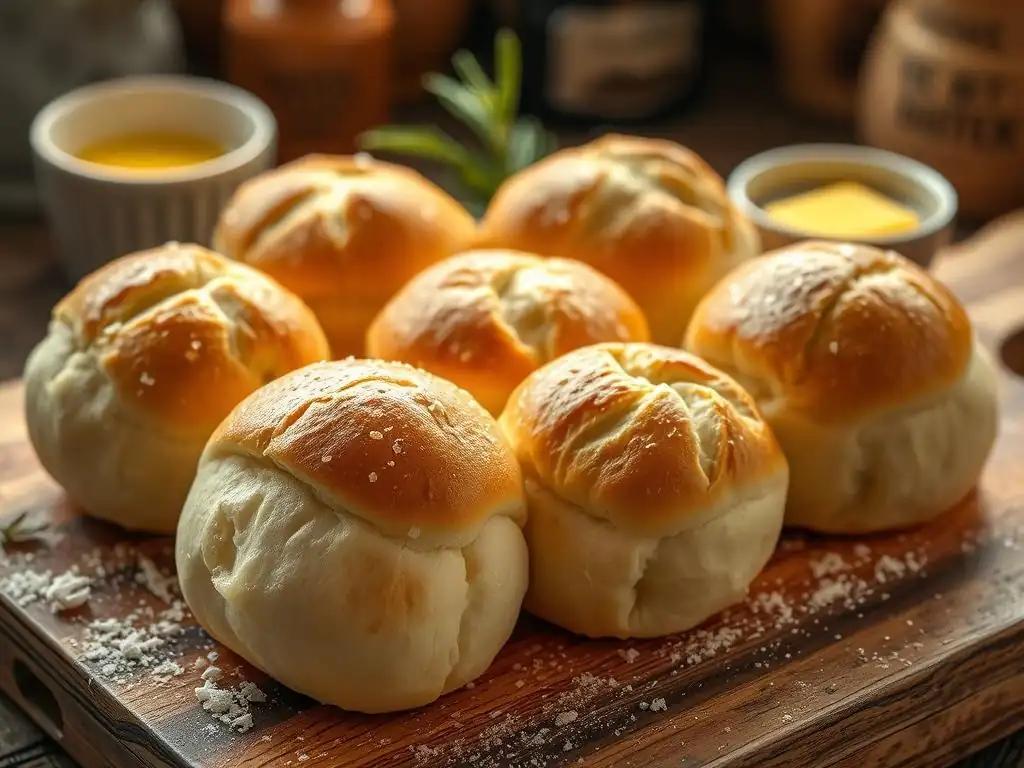
Welcome to BakeWithEase, your trusted guide to the delightful world of baking! Ever dreamt of creating bakery-quality bread in your own kitchen? Get ready to unlock the secret to incredibly soft and fluffy bread with our latest article: Simple Milk Bread Rolls. Imagine the aroma of warm, freshly baked rolls filling your home. Ready to discover the surprisingly easy steps to achieving that perfect texture? Dive in and let's bake some magic!
- Simple Milk Bread Rolls: Incredibly Soft & Addictive - BakeWithEase
- Introduction to Soft Milk Bread Rolls
- Understanding Milk Bread Dough
- Step-by-Step Guide to Baking Soft Milk Bread Rolls
- Tips and Tricks for the Best Soft Milk Bread Rolls
- Variations on the Classic Milk Bread Roll Recipe
- Storing and Serving Your Homemade Milk Bread Rolls
- The Science Behind Soft Bread: Milk's Role in Baking
- Frequently Asked Questions About Milk Bread
- Conclusion: Enjoy the Simple Pleasure of Homemade Soft Milk Bread Rolls
- Frequently Asked Questions
- Final Reflection: The Enduring Allure of Simple Perfection
- Unleash Your Inner Baker: Make These Rolls Today!
Simple Milk Bread Rolls: Incredibly Soft & Addictive - BakeWithEase
Introduction to Soft Milk Bread Rolls
Discover the Secret to Incredibly Soft Bread Rolls
Imagine biting into a bread roll so light and fluffy, it feels like a cloud. That's the magic of incredibly soft milk bread rolls. Unlike traditional bread, which can sometimes be dense, milk bread excels in tenderness and a delicate, almost ethereal texture. This unique softness is often achieved through a special technique known as the tangzhong method, which pre-cooks a portion of the flour and liquid. This simple step dramatically improves the dough's ability to retain moisture, leading to a bread that stays incredibly soft for days.
The pursuit of the perfect soft milk bread roll has captivated bakers worldwide, from home kitchens to professional bakeries. The result is a versatile roll that's perfect for everything from breakfast to dinner. Achieving this desirable softness isn't overly complicated, but it does involve understanding a few key principles. By focusing on proper hydration, gentle handling of the dough, and precise proofing times, you can consistently bake soft milk bread rolls that will impress everyone who tries them.
Why Milk Bread Rolls are a Baking Essential
Soft milk bread rolls have earned their place as a baking essential for numerous reasons. Their unparalleled softness makes them incredibly versatile – they are delightful served simply with butter, used as sandwich buns, or accompanying a hearty meal. Their mild, slightly sweet flavor appeals to nearly everyone, making them a crowd-pleaser for family dinners, potlucks, and parties.
Beyond their delicious taste and texture, soft milk bread rolls are also relatively forgiving to bake, especially once you understand the core technique. This makes them an excellent project for bakers looking to expand their skills beyond basic loaves. Plus, the satisfaction of pulling a batch of warm, golden-brown, incredibly soft milk bread rolls from your oven is truly unmatched. They are a comforting staple that brings warmth and deliciousness to any table.
Understanding Milk Bread Dough
Exploring the Tangzhong Method for Extra Softness
The tangzhong method, also known as the water roux method, is a crucial technique for achieving the signature softness in milk bread dough. It involves cooking a small portion of the flour and liquid (usually milk or water) into a thick, pudding-like paste before adding it to the main dough mixture. This pre-gelatinizes the starches in the flour, allowing them to absorb and retain significantly more moisture than they would otherwise.
When this hydrated paste is incorporated into the dough, it locks in that extra moisture throughout the baking process. This results in a loaf or roll that is incredibly soft, moist, and stays fresh for a longer period compared to bread made with conventional methods. While the tangzhong step adds a few minutes to the process, the difference it makes in the final texture of your soft milk bread rolls is truly remarkable and well worth the effort. Typically, a tangzhong starter uses a ratio of 1 part flour to 5 parts liquid, cooked until thickened.
Key Ingredients for Perfect Milk Bread Rolls: Bread Flour, Milk, Yeast, and More
Creating perfect soft milk bread rolls relies on a few key ingredients working in harmony. Bread flour is often preferred because its higher protein content (around 12-14%) helps develop a strong gluten structure, which is necessary for the dough to rise well and hold its shape, while still allowing for a tender crumb when combined with the tangzhong method. All-purpose flour (around 10-12% protein) can also be used, but the texture might be slightly less chewy.
Milk is fundamental to the recipe, contributing not only liquid but also fat and sugar (lactose), which enhance flavor, contribute to browning, and help keep the rolls soft. Whole milk is often recommended for its richness, but lower-fat options can work with minor adjustments. Active dry or instant yeast is the leavening agent, responsible for the dough's rise.
Sugar feeds the yeast and adds subtle sweetness, while salt is crucial for flavor balance and controlling yeast activity. A little bit of butter or other fat adds richness and further contributes to the soft texture of the finished soft milk bread rolls.
Step-by-Step Guide to Baking Soft Milk Bread Rolls
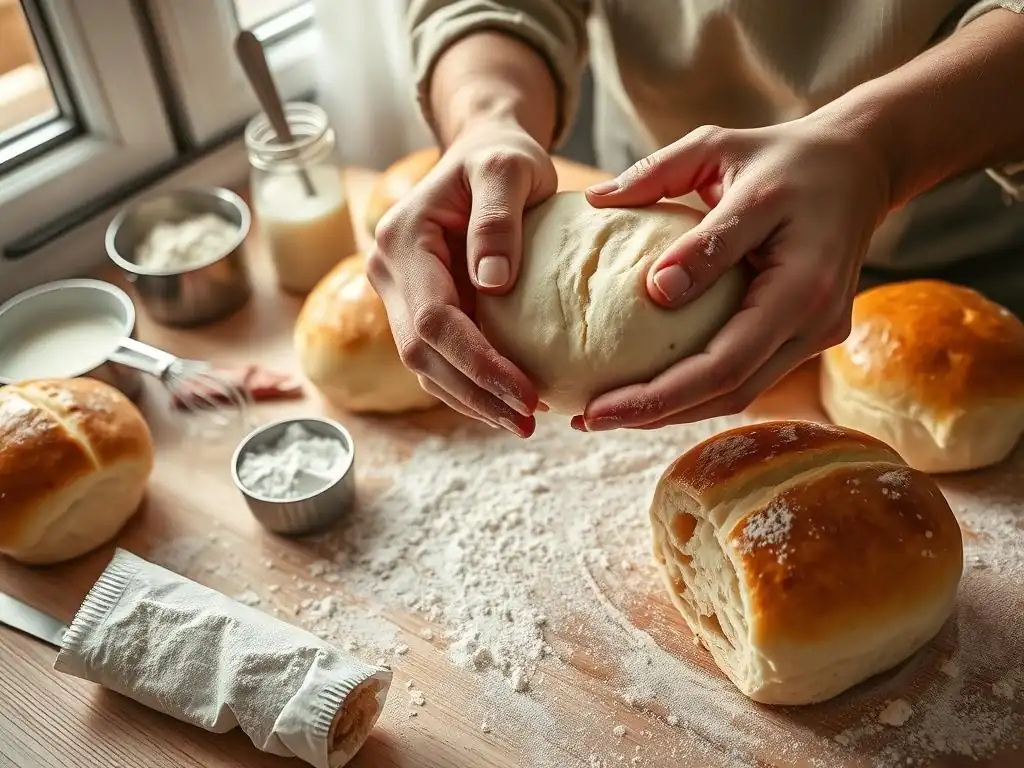
Step 1: Preparing the Tangzhong Starter
The first step to incredibly soft milk bread rolls is making the tangzhong. In a small saucepan, whisk together the specified amount of flour (e.g., 20g) and liquid (e.g., 100ml milk or water) until smooth. Heat the mixture over medium-low heat, stirring constantly with a whisk or spatula. The mixture will gradually thicken, becoming a paste similar in consistency to pudding or wallpaper paste. This usually takes about 2-5 minutes. Avoid high heat, as you don't want it to brown.
Once thickened, remove the tangzhong from the heat and transfer it to a small bowl. Cover the surface directly with plastic wrap to prevent a skin from forming as it cools. It's important to let the tangzhong cool completely to room temperature before adding it to the main dough ingredients. This ensures it doesn't kill the yeast. Allowing it to cool can take anywhere from 30 minutes to an hour, depending on the environment.
Step 2: Mixing the Milk Bread Dough
Once the tangzhong is cool, it's time to mix the main dough. In the bowl of a stand mixer (or a large mixing bowl if kneading by hand), combine the cooled tangzhong, milk, yeast, sugar, salt, eggs (if using), and most of the bread flour. Start mixing on low speed using the dough hook attachment. Gradually add the remaining flour as needed until the dough comes together. The dough will be quite sticky at this stage, which is normal and desirable for soft milk bread rolls.
Continue kneading the dough, either by machine or hand, for about 8-10 minutes. If using a mixer, the dough should eventually pull away from the sides of the bowl, though it may still stick to the bottom. After a few minutes of kneading, incorporate the softened butter, a little at a time, until it's fully absorbed into the dough.
Continue kneading until the dough is smooth, elastic, and passes the windowpane test (you can stretch a small piece thin enough to see light through it without tearing). Proper kneading is essential for developing the gluten structure needed for soft, airy rolls.
Step 3: First Proofing: Achieving Optimal Dough Rise
The first proofing, also known as bulk fermentation, is where the yeast gets to work, producing carbon dioxide gas that makes the dough rise. Lightly grease a large bowl with oil or cooking spray. Gather the kneaded milk bread dough into a ball and place it in the prepared bowl, turning it to coat all sides with a thin layer of oil. Cover the bowl tightly with plastic wrap or a damp kitchen towel.
Place the covered bowl in a warm, draft-free spot for the dough to rise. An ideal temperature is typically around 75-80°F (24-27°C). The dough should double in size during this first proofing, which usually takes about 60-90 minutes, but timing can vary depending on the temperature of your kitchen and the activity of your yeast. You can test if the dough is ready by gently poking it; if the indentation remains, it's sufficiently proofed. This rise is crucial for developing the light texture of soft milk bread rolls.
Step 4: Shaping the Milk Bread Rolls
Once the dough has doubled in size, gently punch it down to release the air. Turn the dough out onto a lightly floured surface. Divide the dough into equal portions, depending on the size of rolls you desire (e.g., 12-16 rolls, each weighing roughly 60-80 grams). For consistent size, using a kitchen scale is helpful.
Shape each portion into a smooth ball. There are various ways to shape rolls, but a simple method is to flatten the piece of dough slightly, then pull the edges towards the center and pinch them together to form a seam. Flip the dough over so the seam is underneath, then cup your hand around the dough and gently roll it against the counter in a circular motion to create a taut, smooth ball. Proper shaping helps the rolls rise evenly and contributes to the final appearance and texture of your soft milk bread rolls.
Step 5: Second Proofing: Ensuring Light and Airy Texture
After shaping, arrange the dough balls on a baking sheet lined with parchment paper, leaving some space between them as they will expand during the second proofing and baking. Cover the baking sheet loosely with plastic wrap or a light kitchen towel to prevent the rolls from drying out.
Allow the shaped rolls to proof again in a warm, draft-free place. This second proofing is shorter than the first, typically lasting 30-45 minutes, or until the rolls look visibly puffy and have increased in size by about 50-75%. They should look soft and airy. Be careful not to overproof, as this can cause the rolls to collapse in the oven. Gently poke a roll; if the indentation springs back very slowly, it's likely ready for baking. This final rise ensures the final baked soft milk bread rolls have a delicate crumb.
Step 6: Baking Your Soft Milk Bread Rolls to Golden Perfection
Preheat your oven to the recommended temperature, usually around 350-375°F (175-190°C). While the oven preheats, you can apply an egg wash (see tips below) for a golden, shiny crust. Gently brush the tops of the proofed rolls with the egg wash.
Bake the soft milk bread rolls in the preheated oven for 15-20 minutes, or until they are golden brown on top and sound hollow when tapped on the bottom. Baking time can vary based on your oven and the size of your rolls. For instance, smaller rolls might bake in 15 minutes, while larger ones could take closer to 20. Once baked, transfer the rolls to a wire rack to cool slightly. Allowing them to cool on a rack prevents the bottoms from becoming soggy and helps maintain their soft texture.
Tips and Tricks for the Best Soft Milk Bread Rolls
Achieving the Perfect Crust: Egg Wash Alternatives
A classic egg wash (one egg whisked with a tablespoon of milk or water) gives soft milk bread rolls a beautiful golden color and a slightly shiny crust. However, if you can't use eggs or prefer an alternative, several options work well. For a glossy finish without eggs, a simple milk wash (brushing with milk) or a cream wash (brushing with cream) will encourage browning and provide a softer crust.
For a less shiny, more matte finish, you can lightly dust the tops of the rolls with flour before baking. If you want a slightly richer flavor and softer crust, brushing the hot rolls with melted butter immediately after they come out of the oven is a fantastic technique. Experimenting with different washes can help you achieve the desired look and feel for your soft milk bread rolls.
Troubleshooting Common Milk Bread Baking Issues: Dough Too Sticky, Rolls Not Rising
Troubleshooting is a normal part of baking. If your milk bread dough is too sticky to handle, resist the urge to add excessive amounts of flour. A slightly sticky dough is typical for high-hydration milk bread recipes and contributes to softness. Try lightly flouring your hands and work surface instead. If it's excessively sticky after kneading, you might have added too much liquid or not enough flour initially; gradually add a tablespoon of flour at a time while kneading until it's manageable but still soft.
If your rolls aren't rising, several factors could be at play. Ensure your yeast is active – test it by mixing it with warm milk and a pinch of sugar; it should foam within 5-10 minutes. The proofing environment might be too cold; find a warmer spot (like a slightly warm oven turned off). Overworking the dough can also inhibit rise by tightening the gluten too much. Make sure you're using fresh ingredients, especially the yeast. Patience is key; sometimes dough just needs a little more time to rise, especially in cooler conditions, for truly soft milk bread rolls.
Enhancing Flavor: Adding Sweet or Savory Elements to Your Milk Bread Rolls
While plain soft milk bread rolls are delicious on their own, you can easily enhance their flavor profile. For a sweet twist, consider adding ingredients like vanilla extract, a pinch of nutmeg, or even some lemon zest to the dough. You can also incorporate dried fruits like raisins or cranberries during the kneading process. A popular sweet variation involves adding cinnamon and sugar to the dough or creating a swirl filling (see variations below).
For savory soft milk bread rolls, herbs like rosemary, thyme, or chives can be kneaded into the dough. Grated cheese, such as cheddar or Parmesan, is another excellent addition. You could also include finely minced garlic or onion powder for an extra layer of flavor. Seeds like sesame, poppy, or everything bagel seasoning can be sprinkled on top before baking. Adding these elements transforms the basic recipe into something uniquely flavorful.
Variations on the Classic Milk Bread Roll Recipe

Sweet Milk Bread Rolls with Cinnamon Swirl
Transform your soft milk bread rolls into a delightful sweet treat with a cinnamon swirl. After the first proofing and punching down the dough, roll it out into a large rectangle. Spread a mixture of softened butter, cinnamon, and sugar evenly over the surface, leaving a small border. Roll the rectangle up tightly from one long edge.
Slice the rolled dough into individual rolls, typically about 1.5 to 2 inches thick. Place the cut rolls onto your prepared baking sheet, cut-side up. Proceed with the second proofing and baking as usual. The cinnamon-sugar mixture melts into the dough as it bakes, creating beautiful swirls and infusing the soft milk bread rolls with warm, sweet flavor.
Savory Milk Bread Rolls with Herbs
For a savory variation, incorporate fresh or dried herbs into the dough during the kneading process. Popular choices include finely chopped rosemary, thyme, chives, or a mix of Italian herbs. A ratio of about 1-2 tablespoons of fresh herbs or 1-2 teaspoons of dried herbs per standard batch of dough works well.
Alternatively, you can add grated cheese (like cheddar, Parmesan, or Gruyère) to the dough. About 1/2 cup of grated cheese is a good starting point. These savory additions pair wonderfully with soups, stews, or served simply as a flavorful side dish. The herbs and cheese bake into the soft milk bread rolls, providing bursts of flavor in every bite.
Mini Milk Bread Rolls: Perfect for Sliders
Scaling down your soft milk bread rolls creates perfect mini versions ideal for sliders, appetizers, or small snacks. After the first proofing, divide the dough into smaller portions, perhaps 30-40 grams each, aiming for about 24-30 mini rolls per batch. Shape them into small balls.
Arrange the mini rolls closer together on the baking sheet – they can even be touching slightly, which will give them soft, pull-apart sides. The proofing and baking times will be shorter for mini rolls. The second proofing might take only 20-30 minutes, and baking time could be reduced to 10-15 minutes at the same temperature. These mini soft milk bread rolls retain all the tenderness of their larger counterparts but in a convenient, bite-sized form.
Storing and Serving Your Homemade Milk Bread Rolls
Keeping Your Milk Bread Rolls Soft and Fresh
One of the great qualities of soft milk bread rolls made with the tangzhong method is that they tend to stay fresh and soft for longer than many other types of bread. To maximize their freshness, ensure they are completely cooled before storing. Store the cooled rolls in an airtight container or a resealable plastic bag at room temperature.
Avoid refrigerating milk bread, as this can actually cause it to stale faster. When stored properly at room temperature, soft milk bread rolls can remain wonderfully soft for 2-3 days. For longer storage, they freeze exceptionally well. Place cooled rolls in a freezer-safe bag or container and freeze for up to 2-3 months. Thaw at room temperature or gently warm in the oven or microwave before serving.
Delicious Ways to Serve and Enjoy Your Soft Milk Bread Rolls: Breakfast, Sandwiches, Dinner Rolls
The versatility of soft milk bread rolls means there are countless delicious ways to enjoy them. For breakfast, they are perfect sliced and toasted, served with butter and jam, or used for making French toast. Their tender crumb makes them ideal for absorbing custardy mixtures.
As lunch or dinner options, they make incredible sandwich buns. Their softness complements both delicate fillings like egg salad and heartier ones like pulled pork. They are also the quintessential dinner roll, perfect for soaking up sauces or simply accompanying a meal. Serve them warm from the oven with a spread of butter for a simple yet satisfying treat. Their inherent softness makes them a joy to eat in any context.
The Science Behind Soft Bread: Milk's Role in Baking
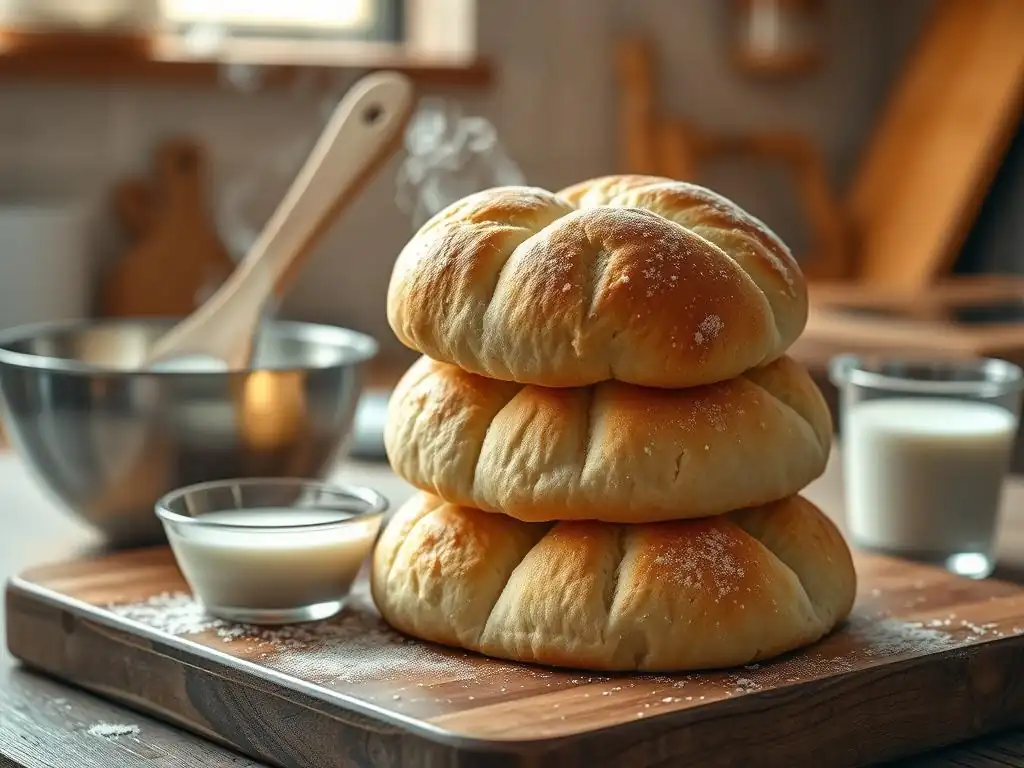
How Milk Contributes to a Tender Crumb and Enhanced Flavor
Milk plays a significant role in achieving the desirable qualities of soft milk bread rolls. Firstly, milk contains fats, which coat the flour particles and inhibit excessive gluten development. This results in a more tender crumb structure compared to bread made solely with water. The fat also contributes to a richer mouthfeel and helps keep the bread moist.
Secondly, milk contains lactose, a sugar that is not fully consumed by the yeast during fermentation. This residual sugar contributes to the subtle sweetness of milk bread and aids in the Maillard reaction during baking, leading to beautiful golden-brown crust color. On average, whole milk contains about 3.5% fat and 4.8% lactose, both of which are critical for the unique characteristics of soft milk bread rolls.
The Impact of Gluten Development on Softness
Gluten development is crucial for bread structure, but its interaction with ingredients like milk and the tangzhong method is key to achieving softness rather than chewiness. Kneading develops the gluten network, which traps the gases produced by the yeast, allowing the dough to rise. However, excessive gluten development can lead to a tough bread.
In soft milk bread rolls, the tangzhong method introduces a large amount of pre-hydrated starch, which interferes with gluten formation just enough to prevent it from becoming overly strong. The fat in milk also helps to shorten the gluten strands. This balance allows for sufficient structure for a good rise while ensuring the final crumb is incredibly tender and soft. It's a delicate interplay where enough gluten is developed for structure, but not so much that it creates a tough texture, resulting in that sought-after softness.
Frequently Asked Questions About Milk Bread
Can I Use Different Types of Milk?
Yes, you can typically use different types of milk when making soft milk bread rolls, although the results may vary slightly. Whole milk is often recommended because its higher fat content contributes to a richer flavor and softer crumb. However, 2% or even skim milk can be used.
You might notice a slight difference in richness and browning with lower-fat milk. Non-dairy milk alternatives like soy milk, almond milk, or oat milk can also work, but their protein and fat content differ from dairy milk, which could affect the final texture and flavor. For best results in achieving truly soft milk bread rolls, dairy milk is generally preferred due to its unique composition.
How Do I Know When the Dough Is Properly Proofed?
Determining proper proofing is essential for soft milk bread rolls. For the first proofing (bulk fermentation), the dough should roughly double in size. A reliable test is the "poke test": gently press two fingers about half an inch into the dough; if the indentation remains and doesn't spring back completely, the dough is likely ready. If it springs back immediately, it needs more time.
For the second proofing of shaped rolls, they should look visibly puffy and have increased in size by about 50-75%. The poke test applies here too – a gentle poke should leave an indentation that springs back very slowly. Over-proofing can lead to a dough that collapses in the oven, while under-proofing results in dense rolls.
What If My Rolls Are Not as Soft as Expected?
If your soft milk bread rolls aren't as soft as you hoped, several factors could be the cause. One common reason is insufficient kneading; proper gluten development is needed for a good rise, which contributes to softness. Another is not using the tangzhong method correctly or letting it cool properly. The dough might also have been too dry initially – ensure you measure ingredients accurately, especially the flour.
Over-baking can dry out the rolls, making them less soft; use a thermometer to check for an internal temperature of around 190-200°F (88-93°C). Finally, proper storage is key; storing them uncovered or in the refrigerator will cause them to stale quickly. Reviewing your steps, especially the tangzhong preparation and kneading time, can help troubleshoot for future batches.
Conclusion: Enjoy the Simple Pleasure of Homemade Soft Milk Bread Rolls
Frequently Asked Questions
What makes these milk bread rolls so soft?
The secret lies in the tangzhong method, which involves cooking a portion of the flour and liquid beforehand. This pre-gelatinizes the starches, allowing them to absorb more water, resulting in a softer crumb and longer shelf life.
Are the ingredients for these milk bread rolls easy to find?
Yes! We use common baking ingredients like flour, milk, sugar, butter, yeast, and salt. You should be able to find everything at your local grocery store.
How do I know when the milk bread rolls are properly proofed?
They should nearly double in size and feel light and airy to the touch. Avoid over-proofing, as this can cause them to collapse during baking. Watch the dough, not the clock.
Can I use a stand mixer to make these milk bread rolls?
Absolutely! A stand mixer with a dough hook attachment will make kneading much easier. Just be careful not to over-knead the dough. You can also knead by hand.
Can I freeze these milk bread rolls?
Yes, these rolls freeze very well. Let them cool completely after baking, then wrap them tightly in plastic wrap and place them in a freezer-safe bag. To reheat, thaw them at room temperature and then warm them in the oven for a few minutes for best results.
Final Reflection: The Enduring Allure of Simple Perfection
The humble milk bread roll, a seemingly simple creation, holds a surprising power to connect us to comfort, tradition, and the joy of homemade goodness. Its soft texture and delicate flavor transcend mere sustenance; they evoke memories of childhood, family gatherings, and the satisfaction of creating something delicious from scratch. In a world increasingly dominated by processed foods, the enduring appeal of this simple recipe speaks volumes about our longing for authenticity and genuine connection.
The influence of simple, comforting foods like milk bread rolls on our cultural landscape is undeniable. They represent a cornerstone of baking traditions across many cultures, adapted and cherished through generations. The best things in life are simple.
This adage rings particularly true when considering the enduring popularity of this recipe, a testament to the power of uncomplicated pleasures. The act of making these rolls, from kneading the dough to the satisfying aroma filling the kitchen, offers a meditative escape from the everyday rush, a connection to a slower, more deliberate pace of life.
Now, I invite you to consider the possibilities. Don't just read this recipe; bake it. Embrace the tactile experience of working with dough, the warmth of the oven, and the sheer delight of sharing these soft, addictive rolls with loved ones. Let this simple recipe be a reminder that sometimes, the most profound joys are found in the simplest of things. The journey from flour and water to a basket of golden-brown rolls is a journey worth taking, a testament to the enduring power of simple perfection.
Unleash Your Inner Baker: Make These Rolls Today!
Thanks for joining us on this baking adventure! We hope you've gained the confidence to tackle these incredibly soft milk bread rolls. Ready to bring that delicious aroma into your kitchen?
- Bake a batch of these rolls today! Use the recipe as a starting point and experiment with different fillings or glazes. Let your creativity flow!
- Share your baking triumphs (or even your bloopers!) with us on social media using #BakeWithEaseMilkRolls. We love seeing your creations!
- Consider trying a variation – add herbs and cheese for savory rolls, or cinnamon sugar for a sweet treat. Let us know which you prefer!
So, what delicious adventure will your milk bread rolls take you on today?