
Your First Baking Kit: Essential Tools Explained for Absolute Beginners

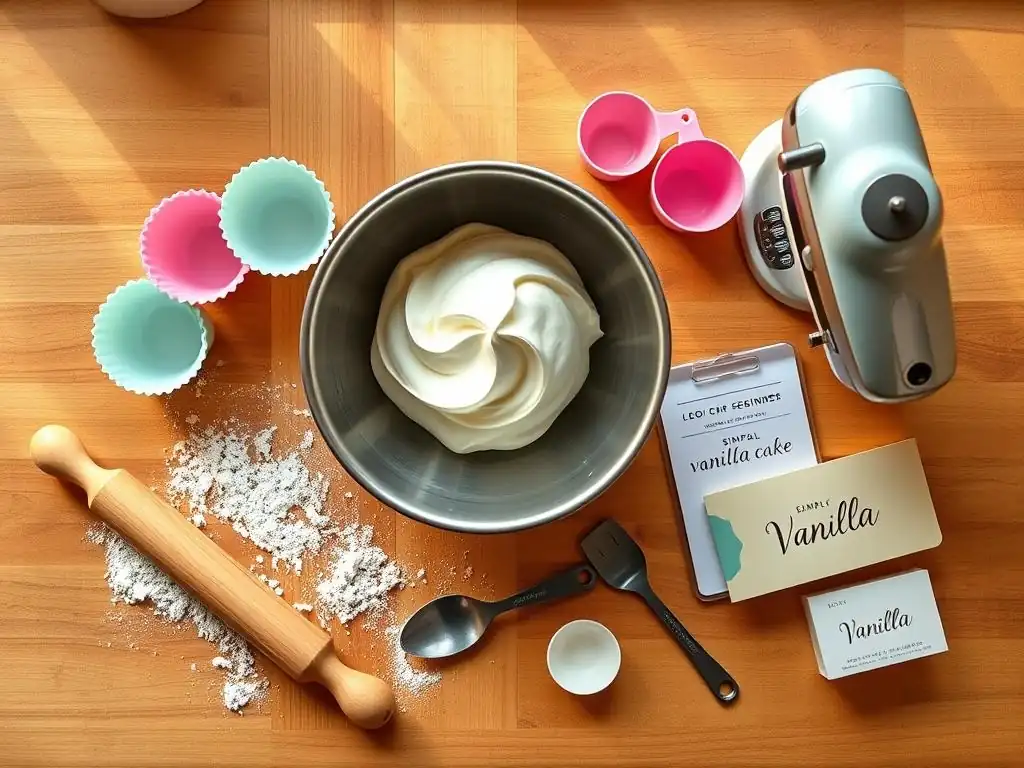
Welcome to BakeWithEase, your kitchen companion for all things baking! Ever dreamt of creating delicious treats but felt overwhelmed by the sheer amount of equipment? This is where your baking journey truly begins. In this article, we'll unravel the mystery of the baking kit for beginners, demystifying essential tools and showing you how to assemble the perfect starter set. Curious to know what you really need (and what you can skip)? Let's get baking!
- Essential Baking Tools for Beginners
- Core Components of a Baking Kit
- Helpful Baking Tools
- Assembling Your Baking Kit
- Caring for Your Baking Tools
-
Frequently Asked Questions
- What are the absolute essential items in a baking kit for beginners?
- Where can I find a good baking kit for beginners that won't break the bank?
- What kind of ingredients should I include in my baking kit for beginners?
- Are there any specialized tools that are helpful but not strictly necessary for a baking kit for beginners?
- How can I maintain and clean my baking kit to ensure it lasts longer?
- Final Reflection: The Sweetness of Discovery: Baking Your Way to Confidence
- Unleash Your Inner Baker: Start Your Baking Journey Today!
Essential Baking Tools for Beginners
Core Components of a Baking Kit
Measuring Tools
Accurate measuring is arguably the single most critical step in baking. Unlike cooking, where you can often adjust ingredients by taste, baking relies on precise ratios for chemical reactions to occur correctly. If you're putting together your first baking kit for beginners, investing in reliable measuring tools is non-negotiable. Using the wrong amount of flour or sugar can result in a dense cake or cookies that spread too much, or bread that doesn't rise.
Think of measuring tools as the foundation of your baking success. While eyeballing ingredients might work for some dishes, it's a recipe for frustration in baking. Having a dedicated set ensures consistency, allowing you to replicate successful recipes time and time again. For a solid baking kit for beginners, you'll need tools for both volume and weight.
Dry Measuring Cups
These are essential for ingredients like flour, sugar, and oats. Dry measuring cups are designed to be leveled off, ensuring you get the exact volume specified in the recipe. A standard set usually includes 1/4 cup, 1/3 cup, 1/2 cup, and 1 cup sizes. Look for a set made of sturdy plastic or metal.
Measuring Spoons
Used for smaller amounts of ingredients like baking powder, baking soda, salt, and extracts. A typical set includes 1/4 teaspoon, 1/2 teaspoon, 1 teaspoon, and 1 tablespoon. Accuracy here is vital, especially for leavening agents like baking soda; just a little too much can give your baked goods a metallic taste.
Kitchen Scale
For many bakers, especially when working with bread or intricate pastries, a kitchen scale is preferred for measuring dry ingredients like flour. Measuring by weight is often more accurate than by volume, as flour can pack differently into a cup. A digital scale is relatively inexpensive and a fantastic addition to any baking kit for beginners looking to get serious.
Mixing Bowls
You'll need bowls of various sizes to combine ingredients. Having a few different options allows you to handle everything from whisking a couple of eggs to mixing a large batch of cookie dough. The material matters too, affecting factors like stability and ease of cleaning.
A good set of mixing bowls is a workhorse in any kitchen, but especially for baking. You'll use them constantly for whisking, folding, and combining. A set with non-slip bottoms can be particularly helpful when you're vigorously whisking something like egg whites.
Stainless Steel Mixing Bowls
Lightweight, durable, and easy to clean. Stainless steel bowls are popular because they don't react with acidic ingredients and can withstand temperature changes. They are also relatively inexpensive and stackable, saving space.
Glass Mixing Bowls
Heavier than stainless steel, but they offer the advantage of being able to see your ingredients mixing. Many glass mixing bowls are also microwave-safe and can double as serving dishes. However, they are breakable, so handle with care.
Essential Baking Utensils
Beyond measuring and mixing in bowls, you'll need tools to scrape, fold, and combine ingredients efficiently. These are the tools you'll have in your hand most often while actively working with batter or dough.
Having the right utensils makes a surprising difference in the process. Trying to fold delicate ingredients with the wrong tool can deflate your batter, while struggling to scrape down a bowl cleanly wastes ingredients and time. These basic tools are must-haves for any baking kit for beginners.
Spatulas
Often called rubber scrapers or silicone spatulas. These are incredibly versatile for scraping down the sides of bowls, folding ingredients gently, and transferring batter or dough. Silicone spatulas are heat-resistant and easy to clean. Get at least two – one smaller and one larger.
Whisks
Used for incorporating air into ingredients (like whipping cream or egg whites) or combining dry ingredients evenly. A balloon whisk is the most common type for general baking. A good whisk helps prevent lumps in batters and sauces.
Wooden Spoons
Sturdy and reliable for mixing thicker doughs or batters that might strain a spatula. Wooden spoons are heat-resistant and won't scratch your mixing bowls. They are also comfortable to hold and use for longer periods.
Bench Scraper
While not strictly a 'spoon' or 'spatula', a bench scraper is invaluable, especially if you plan to make bread or pastries. It helps you portion dough, scrape sticky bits from your work surface, and transfer chopped ingredients. A metal bench scraper with a comfortable handle is a great addition to a beginner's baking kit.
Baking Pans
The vessel in which your creation takes its final shape! Having the correct size and type of pan is crucial for achieving the desired texture and appearance of your baked goods. Pan material and color can affect how quickly items bake and brown.
Starting with a few versatile pans allows you to tackle many basic recipes. A standard cake pan size, a muffin tin, and a baking sheet are key components for a foundational baking kit for beginners, opening up a world of cookies, cakes, cupcakes, and more.
Cake Pans
A couple of round cake pans (usually 8 or 9 inches in diameter) are perfect for layer cakes. Look for non-stick or anodized aluminum pans for even heating. A straight-sided pan is best for consistent cake layers.
Muffin Tins
Essential for cupcakes and muffins. A standard 12-cup muffin tin is sufficient for most beginner recipes. Non-stick coating is highly recommended for easy release.
Baking Sheets
Also known as cookie sheets, these flat or rimmed metal sheets are used for cookies, scones, biscuits, and sheet cakes. Rimmed baking sheets are more versatile as they can contain liquids or smaller items. A sturdy, light-colored aluminum baking sheet is a great choice for even baking and browning.
Loaf Pans
Ideal for quick breads like banana bread, pound cake, or yeast bread loaves. A standard 9x5 inch loaf pan is a good starting point. Like other pans, non-stick or metal options are common.
Helpful Baking Tools
Rolling Pin
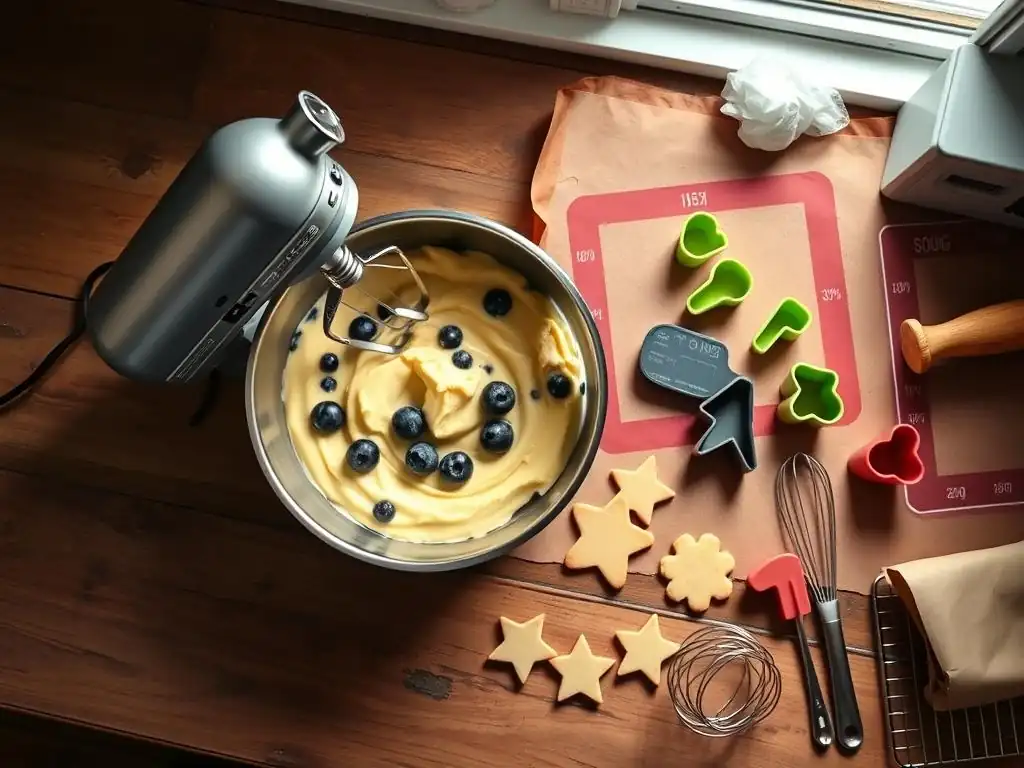
A rolling pin is used to flatten dough for pies, cookies, pastries, and more. While you might improvise with a bottle in a pinch, a dedicated rolling pin makes the job much easier and more consistent. It helps achieve an even thickness, which is crucial for uniform baking.
Whether you prefer a classic wooden rolling pin with handles or a French-style tapered pin, having one in your baking kit for beginners is beneficial for expanding your recipe repertoire. Look for one with a smooth surface that is easy to clean and store.
Pastry Brush
A small brush, often with natural bristles or silicone, used for applying washes (like egg wash for shine or milk for softening crusts) or melted butter to baked goods or pans. It allows for an even, thin application, which is hard to achieve with other tools.
This simple tool adds a professional touch to many baked items. It's also useful for greasing intricate pan shapes. A silicone pastry brush is often easier to clean and more durable than natural bristle brushes, making it a practical addition to a beginner's baking kit.
Sifter
A sifter (or a fine-mesh sieve) is used to aerate dry ingredients like flour and powdered sugar, as well as remove any lumps. Sifting helps to make cakes lighter and prevents pockets of unmixed ingredients in batters.
While not strictly essential for every recipe, sifting is called for in many cake and pastry recipes to achieve a tender crumb. Adding a sifter to your collection enhances the versatility of your baking kit for beginners and helps improve the texture of certain baked goods.
Cooling Rack
A wire rack is essential for cooling baked goods properly after they come out of the oven. Placing hot items directly on a solid surface traps steam, which can make the bottom soggy. A cooling rack allows air to circulate around the item, promoting even cooling and preventing condensation.
Using a cooling rack is a simple step that makes a big difference in the final texture of cookies, cakes, and breads. It's a relatively inexpensive but important item to include when assembling your baking kit for beginners.
Assembling Your Baking Kit
Finding Affordable Baking Tools
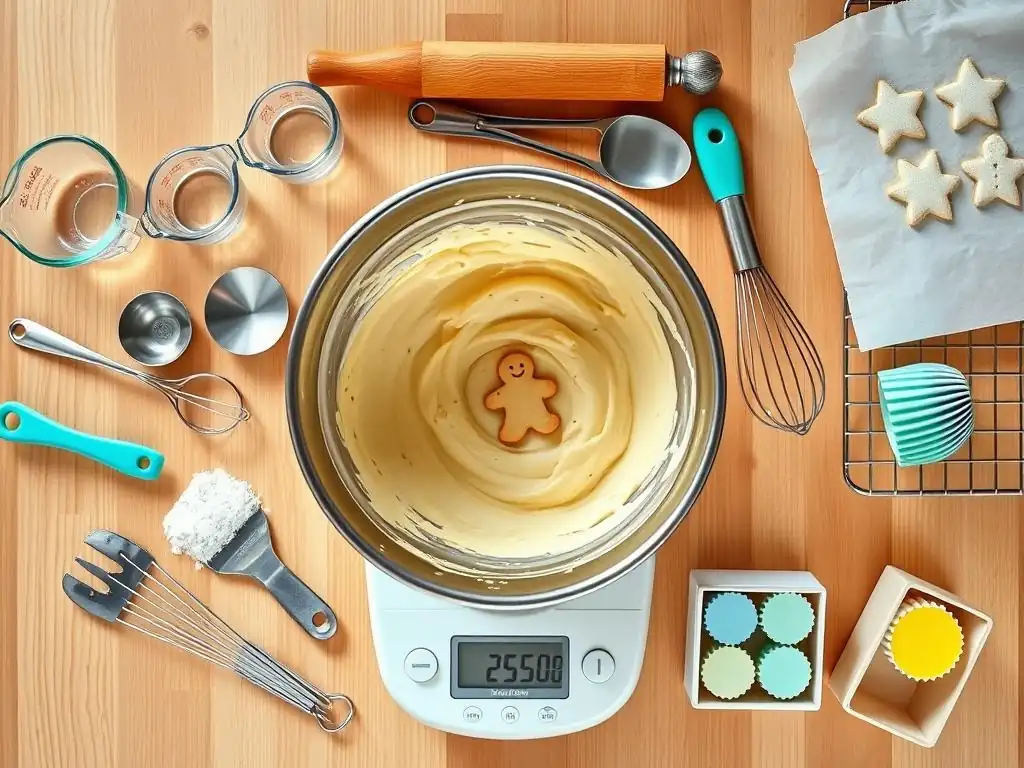
Building a comprehensive baking kit for beginners doesn't have to break the bank. Many stores, from supermarkets to discount retailers, carry basic, reliable baking tools at affordable prices. You don't need professional-grade equipment to start baking delicious treats.
Look for sales, consider store brands, and focus on the core items first. A basic set of measuring cups and spoons might cost around $10-20, a few mixing bowls another $20-30, and essential pans like a baking sheet and muffin tin around $15-25 each. You can assemble a functional baking kit for beginners for under $100 by being savvy.
Building Your Kit Gradually
You don't need every single tool mentioned here on day one. Start with the absolute essentials: measuring tools, a mixing bowl, a spatula, a whisk, and perhaps one or two key pans based on the recipes you want to try first (like a baking sheet for cookies or a loaf pan for quick bread).
As you bake more and try new recipes, you'll discover which additional tools would be most helpful for you. This approach allows you to spread the cost over time and ensures that every item in your baking kit for beginners is something you actually use and need.
Caring for Your Baking Tools
Proper Cleaning and Storage
Taking good care of your baking tools ensures they last longer and perform better. Most tools should be washed with warm, soapy water immediately after use to prevent food from drying and sticking. Pay special attention to areas where handles attach or seams exist, as food can hide there.
- Measuring Cups/Spoons: Wash thoroughly and dry completely to prevent rust (if metal) or residue buildup.
- Mixing Bowls: Wash and dry. Stainless steel can go in the dishwasher, but hand-washing is often better for glass to avoid etching.
- Pans: Check manufacturer instructions. Many non-stick pans should not go in the dishwasher to preserve the coating. Avoid abrasive scrubbers that can damage surfaces. Ensure pans are completely dry before storing to prevent rust or mold.
Proper storage is also key. Stackable bowls and pans save space. Store sharp items like bench scrapers carefully. Keeping your baking kit for beginners organized makes it easier to find what you need next time you bake!
Frequently Asked Questions
What are the absolute essential items in a baking kit for beginners?
The most essential items include measuring cups and spoons for accurate ingredient measurements, a mixing bowl for combining ingredients, and a baking sheet for cookies and other treats. Don't forget a spatula!
Where can I find a good baking kit for beginners that won't break the bank?
Many department stores and online retailers offer affordable baking kits. Consider starting with individual pieces and building your kit over time. Look for sales and discounts!
What kind of ingredients should I include in my baking kit for beginners?
Stock your kit with baking staples like all-purpose flour, sugar, baking powder, baking soda, and vanilla extract. Having these ingredients on hand will allow you to bake a wide variety of simple recipes.
Are there any specialized tools that are helpful but not strictly necessary for a baking kit for beginners?
While not essential, a stand mixer can be a great help, particularly for recipes that require extensive mixing or kneading. A kitchen scale can also improve accuracy in baking.
How can I maintain and clean my baking kit to ensure it lasts longer?
Always wash your baking tools with warm, soapy water after each use. Store them in a dry place to prevent rust or damage. Refer to the manufacturer's instructions for specific cleaning guidelines.
Final Reflection: The Sweetness of Discovery: Baking Your Way to Confidence
The humble baking kit, often overlooked, is actually a gateway to a world of creativity and self-discovery. Mastering even the simplest recipes can unlock a profound sense of accomplishment, a feeling amplified by the delicious rewards. More than just a collection of tools, it's a passport to a fulfilling hobby that transcends generations.
The joy of baking, I've found, isn't solely in the perfectly risen loaf or the flawlessly frosted cake. It's in the process itself; the careful measuring, the gentle kneading, the anticipation of the oven's warmth. Baking is at once child's play and adult joy. And love, of course.
This quote perfectly captures the essence of the experience, blending simplicity with profound satisfaction. It's a journey of learning, patience, and ultimately, self-expression, a journey that begins with the right tools and a willingness to experiment.
So, what will you bake next? Don't be intimidated by the seemingly complex world of baking. Start small, gather your essential kit, and embrace the inevitable imperfections. Each slightly lopsided cookie, each slightly under-baked cake, is a lesson learned, a step closer to mastering your craft. The journey is as important as the destination, and the sweetness of discovery awaits you.
Unleash Your Inner Baker: Start Your Baking Journey Today!
Thanks for taking the time to explore the world of baking with us! We hope you now feel confident and equipped to tackle your first baking project. Ready to roll up your sleeves?
- Start your first bake! Choose your favorite recipe from the article (or one that sparked your interest!) and gather those essential tools. Let's get baking!
- Share your baking journey! Snap a picture of your creation and post it on social media – tag us @BakeWithEase so we can see your delicious results.
- Explore our other articles on BakeWithEase for more baking tips and tricks! Learn about different techniques and discover new recipe ideas.
What exciting treat will you bake first?