
Oven Setup Secrets: Using Baking Stones and Steels Effectively

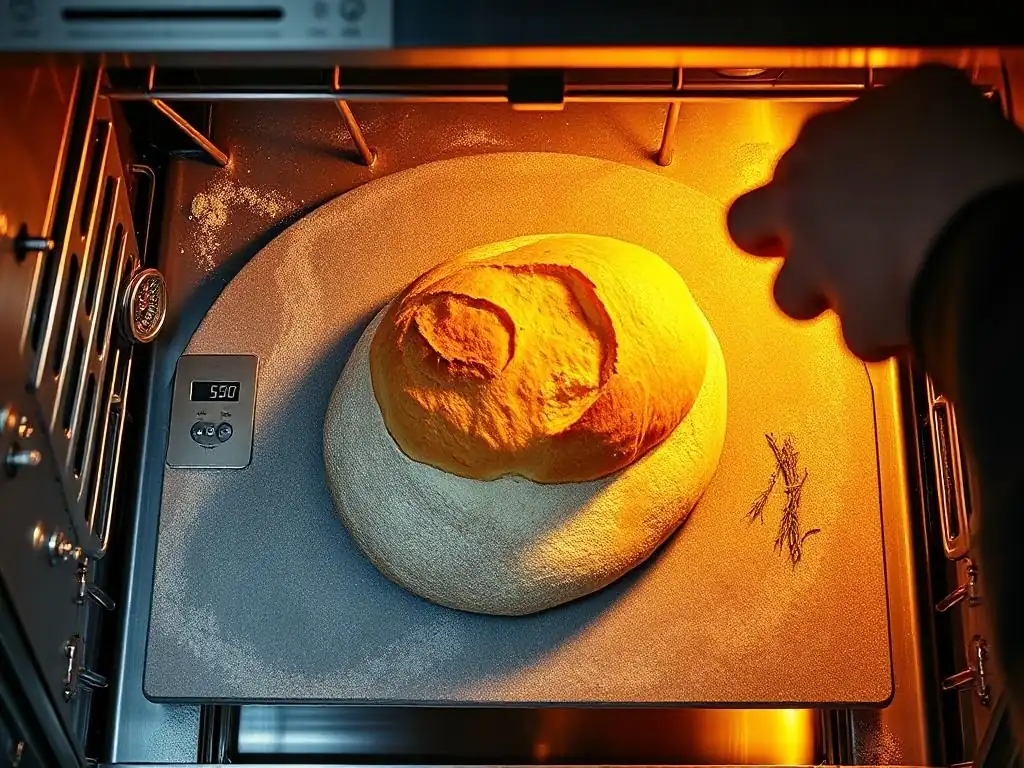
Welcome to BakeWithEase, your trusted companion in the wonderful world of baking! Ever wondered how to achieve that perfectly crisp pizza crust or artisan bread without a professional oven? Unlock the secrets to superior baking by mastering the art of baking stones steel temperature control. Dive in to discover how these tools can revolutionize your home baking and elevate your creations to a whole new level. Ready to bake like a pro?
- Unlock Artisan Bread: Mastering Baking Stones and Steels
- Step-by-Step Guide: Setting Up Your Oven for Stone/Steel Baking
- Troubleshooting Common Baking Stone and Steel Issues
- Maintaining Your Baking Stone and Steel for Longevity
- Advanced Techniques: Baking with Stones and Steels
- Conclusion: Elevate Your Baking with Baking Stones and Steels
-
Frequently Asked Questions
- What are baking stones and baking steels, and what are their primary benefits in baking?
- How do baking stones and baking steels differ in terms of heat conductivity and ideal uses?
- How important is preheating when using a baking stone or steel, and what temperature should I aim for?
- Can I use a baking stone or steel in any type of oven, including gas and electric?
- How do I properly clean and maintain my baking stone or steel to ensure its longevity?
- Final Reflection: Mastering the Heat: Baking Stones, Steel, and the Pursuit of Perfect Bake
- Unleash Your Baking Potential: Master Your Oven's Secrets!
Unlock Artisan Bread: Mastering Baking Stones and Steels
Why Baking Stones and Steels Are Essential for Bread Making
Baking stones and steels are game-changers for home bakers looking to replicate the crusty, airy results typically achieved in professional ovens. Their primary function is to act as a thermal mass, absorbing and retaining a significant amount of heat during the preheating phase.
When dough is placed directly onto the hot surface, this stored energy is rapidly transferred to the bottom of the loaf, initiating a powerful burst of oven spring. This quick transfer of heat helps set the base of the bread quickly, preventing it from spreading too much and encouraging a dramatic rise upwards, which is crucial for achieving that desirable open crumb structure in loaves like sourdough or ciabatta.
Beyond the initial heat transfer, stones and steels help stabilize the oven temperature. Home ovens often fluctuate in temperature, especially when the door is opened. A preheated baking stone or steel acts as a heat reservoir, mitigating these temperature dips. This stable environment ensures consistent heat distribution around the loaf throughout the baking cycle. This consistent, high heat is vital for developing a deep golden-brown crust and ensuring the interior bakes evenly. Without this thermal mass, the bottom of the bread might remain pale or the overall rise could be less impressive.
Achieving Optimal Oven Temperature Control for Baking
Effective baking stones steel temperature control is paramount for achieving professional-quality results at home. These tools excel at holding high temperatures, often far exceeding the air temperature set on the oven dial.
The key is allowing ample time for the stone or steel to fully absorb heat, typically requiring 45 minutes to an hour, or even longer, after the oven has reached its set temperature, which might be around 450°F to 550°F (230°C to 290°C) for many bread or pizza recipes. This extended preheating ensures the thermal mass is saturated with heat, ready to deliver that critical thermal shock when the dough is loaded.
Maintaining consistent baking stone steel temperature throughout a bake, especially when baking multiple items or loaves in succession, requires careful management. While the stone or steel helps stabilize the environment, opening the oven door releases significant heat. For subsequent bakes, allowing a brief recovery period (perhaps 10-15 minutes) after removing the first item can help the stone or steel regain lost heat.
Understanding how your specific oven and baking surface interact with temperature is key to successful baking stones steel temperature control. Using an internal oven thermometer placed near the stone/steel can provide a more accurate reading of the actual baking surface temperature compared to the oven's built-in thermostat.
Step-by-Step Guide: Setting Up Your Oven for Stone/Steel Baking
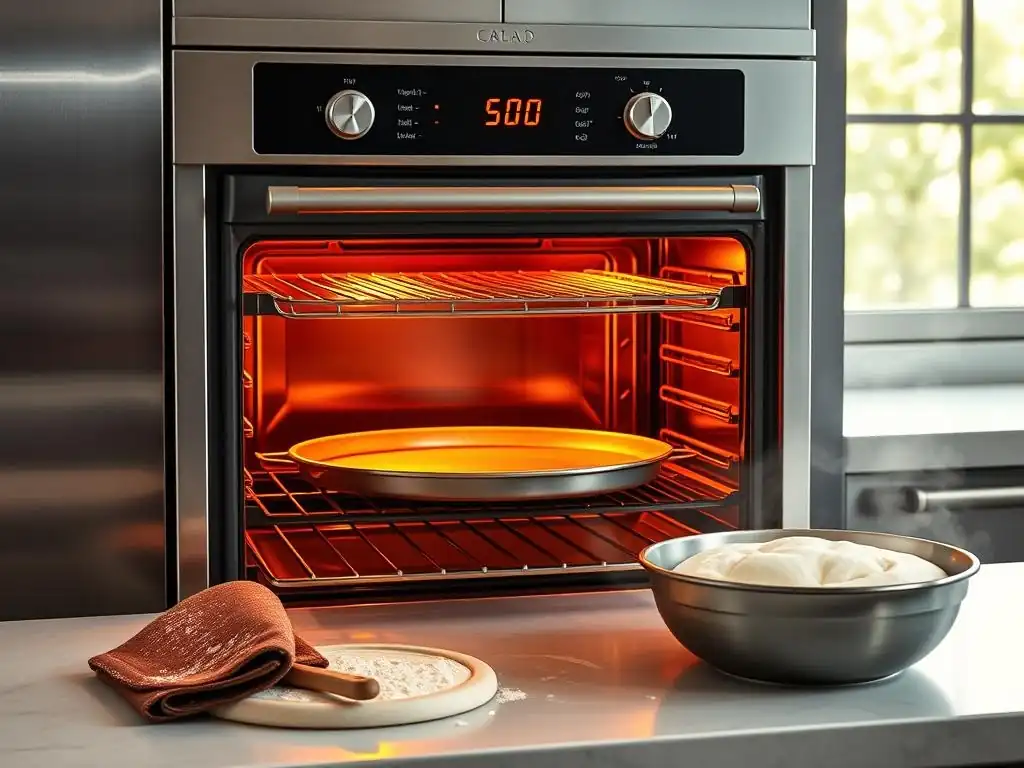
Step 1: Choosing the Right Baking Stone or Steel
Selecting the appropriate surface is the first step in mastering baking stones steel temperature control and achieving great results. Both materials have pros and cons, largely related to their thermal properties and durability.
-
Baking Stone vs. Steel: Which is Right for You?
Baking stones, typically made from ceramic or cordierite, are porous and absorb moisture from the dough's base, which can contribute to a crispier bottom crust. They heat up slower than steel but retain heat well. Steels, on the other hand, are non-porous and conduct heat much more efficiently and rapidly than stones. This means they preheat faster and deliver a more intense burst of heat, often preferred for achieving maximum oven spring and blistering on pizza crusts. Steels are also virtually indestructible, unlike stones which can crack with thermal shock or uneven heating.
Step 2: Positioning Your Stone or Steel for Even Baking
Correct placement of your baking surface is crucial for optimizing heat distribution and ensuring uniform baking. The goal is to position the stone or steel where it will receive consistent heat from the elements and radiate it effectively to your baked goods.
-
Optimizing Baking Stone Steel Placement for Uniform Heat
For most home ovens, placing the stone or steel on the middle rack is a reliable starting point. This position typically allows heat to circulate evenly around the item being baked. If you find the bottom of your bread or pizza is browning too quickly or slowly, you might experiment with placing the rack slightly lower or higher. For instance, for intensely browned pizza bottoms, some prefer the steel on a lower rack, closer to the heating element. Always ensure there is adequate space around the stone/steel for air circulation.
Step 3: Mastering Steam Injection for Crusty Bread
Creating a humid environment in the oven during the initial phase of bread baking is essential for developing a thin, crisp crust and allowing maximum oven spring before the crust hardens. Baking stones and steels play a role in this process.
-
Creating Steam with Baking Stones: The Secret to a Perfect Crust
While the stone or steel itself doesn't produce steam, its high temperature is key when using methods like placing a tray of water or ice cubes on a rack below the baking surface. The intense heat from the stone or steel, combined with the heat from the oven elements, helps quickly convert the water into steam. Another popular method involves using a Dutch oven or cloche placed on the preheated stone or steel; the trapped moisture from the dough creates a steamy micro-environment around the loaf as it bakes on the hot surface.
Step 4: Temperature Control Techniques for Baking Stones
Effective baking stones steel temperature control involves more than just setting the oven dial; it's about managing the heat absorbed and released by the surface during the bake.
-
Maintaining Consistent Baking Stone Steel Temperature for Optimal Results
As mentioned, preheating is critical – aim for at least 45-60 minutes after the oven reaches temperature. Once the dough is loaded, avoid opening the oven door unnecessarily, as this causes significant heat loss from both the air and the baking surface.
If you need to reduce the oven temperature during the bake (common for many bread recipes after the initial steam period), the stone/steel will retain heat, providing thermal momentum, but the ambient air temperature will drop according to your setting. For baking multiple items, allow the stone/steel to recover heat between batches by closing the oven door for 10-15 minutes.
Troubleshooting Common Baking Stone and Steel Issues
Dealing with Cracks and Breakage
Ceramic and cordierite baking stones, while excellent for baking, are susceptible to thermal shock and physical impact. Rapid temperature changes are the most common culprit for cracks. Never place a cold stone into a hot oven, or a hot stone onto a cold surface like a wet counter.
To prevent cracking, always allow the stone to heat up gradually with the oven from a cold start. Similarly, let it cool completely inside the oven after baking before attempting to remove or clean it. Avoid placing frozen dough or excessively wet items directly onto a very hot stone, as the sudden temperature differential can cause stress fractures. If a stone does crack, it might still be usable depending on the severity, but large cracks can compromise its ability to retain and distribute heat evenly.
Preventing Sticking and Scorching
Sticking can occur if the dough has insufficient flour on its base or if the baking surface hasn't been properly seasoned (for some types of stones or steels) or is not hot enough. Scorching, on the other hand, usually results from the baking surface being too hot for the specific bake time or recipe, or from sugar-rich doughs caramelizing too quickly on the hot surface.
To prevent sticking, ensure the bottom of your dough is adequately floured or use parchment paper for easy transfer, especially for high-hydration doughs. Parchment paper can also help prevent scorching the bottom crust, though some bakers remove it partway through the bake to allow direct contact with the hot surface. If consistently scorching, try reducing your oven temperature slightly, baking on a slightly higher rack, or shortening the bake time. For steels, some bakers lightly oil and heat them initially (like seasoning cast iron) to create a non-stick surface, though this isn't strictly necessary for all steels.
Maintaining Your Baking Stone and Steel for Longevity
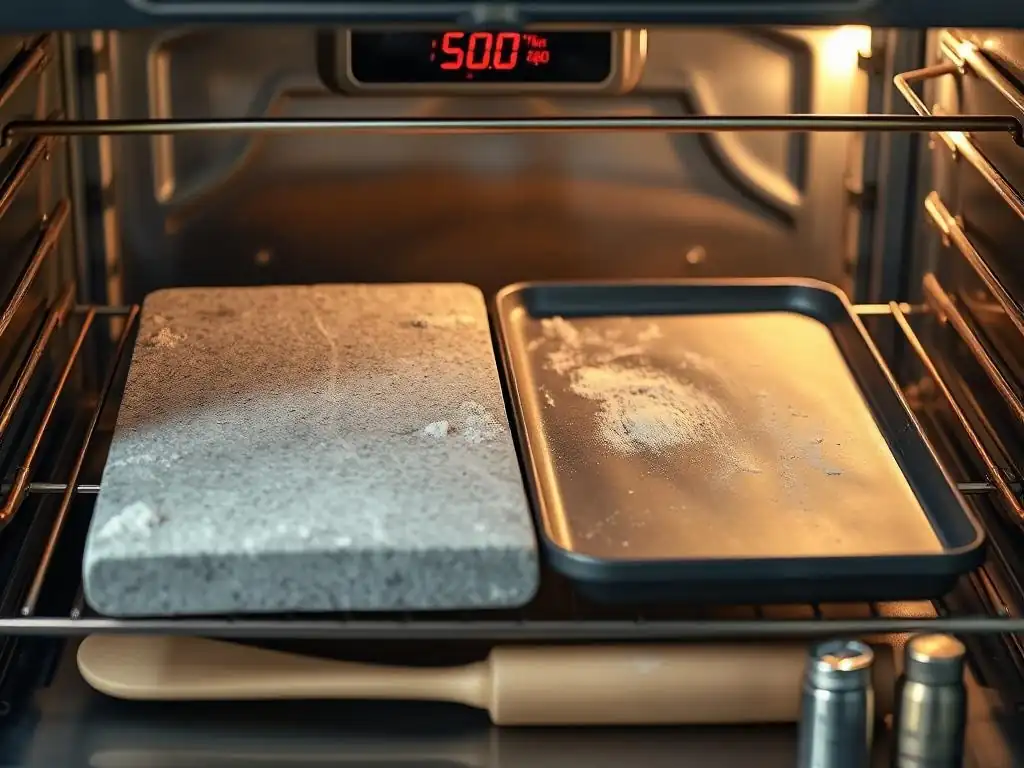
Proper care ensures your baking surface remains effective and lasts for years, continuing to contribute to excellent baking stones steel temperature control.
Cleaning and Care Tips
Cleaning should generally be minimal. For stones, avoid soap as the porous material can absorb it, leading to soapy-tasting bread. Most residue will carbonize and scrape off easily once the stone is cool. Use a bench scraper, stiff brush, or nylon scrubber to remove baked-on bits. For stubborn spots, you can try heating the stone at a high temperature (like the oven's self-cleaning cycle, if safe for your stone and oven) to burn off residue. Steels can be cleaned with hot water and a scraper; dry them immediately and lightly oil if necessary to prevent rust.
Proper Storage Techniques
Once completely cool and clean, proper storage protects your baking stone or steel from damage. Stones are brittle and should be stored flat, ideally in a place where they won't be bumped or have heavy items placed on them. Many bakers simply leave their stone or steel in the oven, which is a convenient storage solution and can even help with temperature stability during other types of baking. If storing outside the oven, find a secure spot like a cabinet shelf where it won't be at risk of falling or being hit.
Advanced Techniques: Baking with Stones and Steels
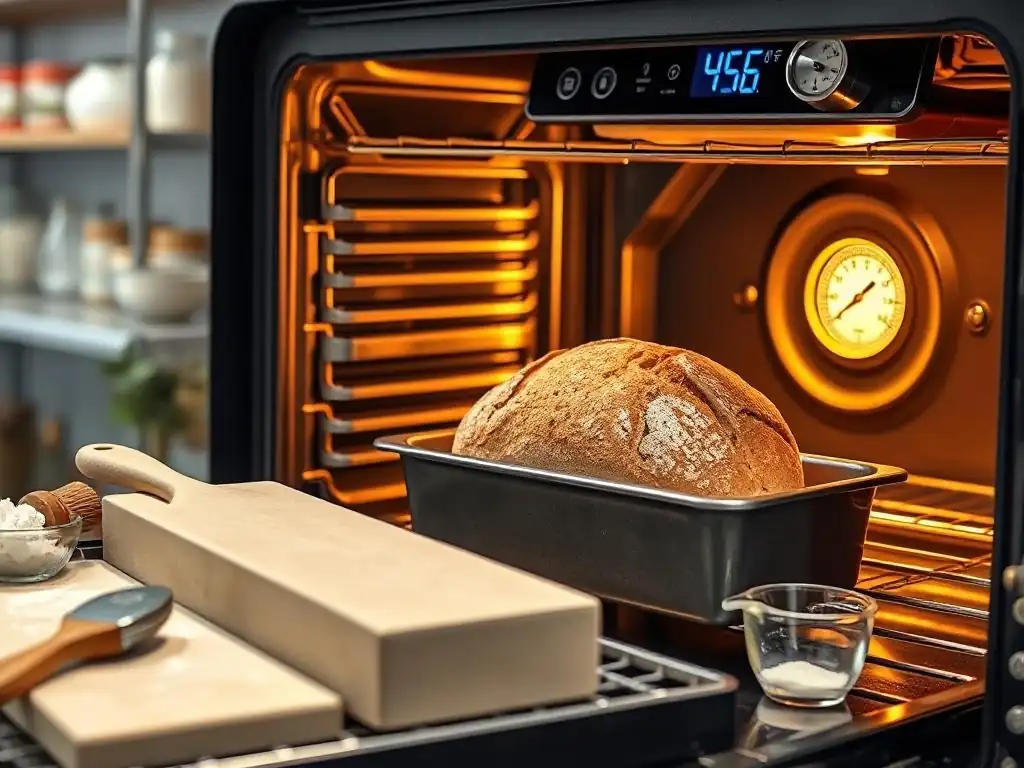
Push your baking further by leveraging the unique properties of stones and steels for specific results.
Sourdough Success: Enhancing Your Loaf with Baking Stones
Sourdough bread benefits immensely from the intense heat transfer and stable environment provided by a preheated baking stone or steel. The rapid heat from the surface contributes significantly to the "oven spring," helping the loaf achieve its maximum volume before the crust sets.
- **Preheating:** Essential for the initial heat boost. Aim for 500°F (260°C) for at least an hour.
- **Steam:** Crucial for crust development. Use a Dutch oven placed on the stone/steel or a steam tray below.
- **Temperature Adjustment:** Many sourdough recipes start hot (e.g., 500°F/260°C) for the first 15-20 minutes with steam, then reduce temperature (e.g., 450°F/230°C) and remove steam source for the remainder of the bake. The stone/steel helps manage this temperature transition.
The thermal mass helps maintain the high temperature needed during the initial phase, ensuring a vigorous rise and promoting the development of a thin, crispy crust.
Pizza Perfection: Using Baking Steel for Neapolitan-Style Pizza
Baking steels are particularly favored for achieving the blistered, charred crust characteristic of Neapolitan-style pizza, often baked at extremely high temperatures in wood-fired ovens. A steel can get significantly hotter than a stone and transfers heat more quickly, mimicking some aspects of a professional pizza oven.
- **High Temperature:** Preheat the oven to its maximum setting, often 550°F (290°C) or higher if possible, with the steel on an upper rack (often the second to top) for 45-60 minutes.
- **Quick Bake:** Pizzas bake very quickly on steel at high heat, often in just 4-7 minutes.
- **Intense Bottom Heat:** The steel delivers powerful conductive heat to the base, creating a crispy, often slightly charred crust while the top finishes under the broiler (if used).
The incredible heat conductivity of steel means you can achieve a crispy, well-browned bottom crust in just a few minutes, preventing the toppings from overcooking while the base remains pale. This intense, rapid heat transfer is where steel truly shines for pizza.
Conclusion: Elevate Your Baking with Baking Stones and Steels
Incorporating a baking stone or steel into your oven setup is one of the most impactful steps you can take to improve the quality of your homemade bread and pizza. By understanding how these tools store and transfer heat, and by mastering baking stones steel temperature control and placement, you can unlock significantly better oven spring, crust development, and overall baking consistency.
Whether you choose a stone for its traditional properties or a steel for its rapid heat transfer, dedicating time to proper preheating and learning to manage the heat dynamics will yield results that taste and look much closer to those from a professional bakery or pizzeria. Experiment with different techniques, pay attention to how your oven performs, and enjoy the journey of elevating your baking with these essential tools.
Frequently Asked Questions
What are baking stones and baking steels, and what are their primary benefits in baking?
Baking stones and steels are flat surfaces placed in the oven that retain and distribute heat evenly. Their main benefits are improved crust and consistent baking due to their superior heat retention compared to oven racks.
How do baking stones and baking steels differ in terms of heat conductivity and ideal uses?
Baking steels conduct heat much faster and more efficiently than stones, making them ideal for pizzas and breads requiring high heat. Stones provide gentler, more even heat, which is better for delicate pastries.
How important is preheating when using a baking stone or steel, and what temperature should I aim for?
Preheating is crucial for optimal results. Allow at least 30-60 minutes for the stone or steel to reach the desired temperature, typically between 450°F and 550°F, depending on the recipe.
Can I use a baking stone or steel in any type of oven, including gas and electric?
Yes, baking stones and steels are generally safe to use in both gas and electric ovens. However, always consult your oven's manual and ensure there's sufficient clearance around the stone/steel for proper airflow.
How do I properly clean and maintain my baking stone or steel to ensure its longevity?
Avoid using soap and water on baking stones; instead, scrape off any residue and let it burn off during the next preheating. Baking steels can be cleaned with a scraper and oiled lightly to prevent rusting.
Final Reflection: Mastering the Heat: Baking Stones, Steel, and the Pursuit of Perfect Bake
The quest for the perfect bake is a journey of precision, and understanding the nuances of baking stones and steels is a crucial step on that path. Their ability to retain and distribute heat evenly directly impacts the texture, crust, and overall quality of your baked goods, making them indispensable tools for serious bakers. This isn't just about achieving a golden-brown crust; it's about unlocking the full potential of your recipes.
The impact of these tools extends beyond the individual kitchen; they represent a shift towards a more mindful and deliberate approach to baking. We're moving away from relying solely on oven temperature settings and embracing a deeper understanding of heat transfer. This conscious engagement with the baking process allows for greater control and, ultimately, more satisfying results. The best bakers are not those who follow recipes blindly, but those who understand the science behind the art.
This quote highlights the importance of understanding the tools we use, and how they interact with the ingredients and the heat source.
Now, consider your own baking journey. What techniques have you employed to improve your baking? How can you further refine your understanding of heat management using the insights shared in this article? I encourage you to experiment, to observe, and to learn from each bake. Don't be afraid to adjust your techniques based on your oven's unique characteristics and the specific recipes you're working with. The pursuit of the perfect bake is an ongoing process, and with practice and a deeper understanding of your tools, you'll be well on your way to achieving baking mastery.
Unleash Your Baking Potential: Master Your Oven's Secrets!
Thanks for taking the time to explore the world of baking stones and steels! We hope you now feel confident in harnessing their power to achieve perfectly crisp crusts and evenly baked goods. Are you ready to elevate your baking skills?
- Try a new recipe today: Challenge yourself to bake something you've never attempted before, using your baking stone or steel. Perhaps an artisan loaf, a thin-crust pizza, or roasted vegetables with exceptional flavor.
- Share your baking successes (or lessons learned): Connect with fellow passionate bakers on our community forum or social media platforms and share your experience using baking stones.
- Experiment with different baking temperatures and times: Every oven and baking stone is unique; feel free to adjust your recipes based on your results. Small modifications can lead to great improvements!
What delicious creation will you make first? Let us know in the comments!