
Your Cheat Sheet to Elegant Dessert Plating

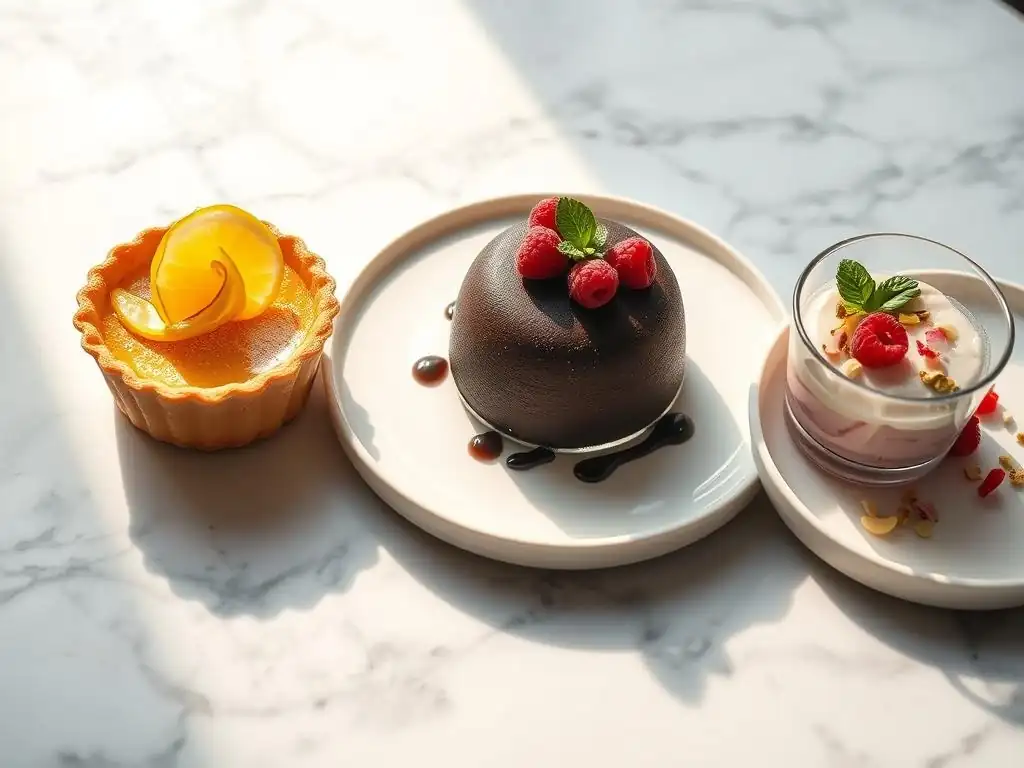
Welcome to BakeWithEase, your passport to a world of delectable creations! Ready to transform your homemade desserts into works of art? Uncover the secrets to elevating your presentation with our article on elegant dessert plating techniques. Prepare to be amazed by how simple adjustments can turn an ordinary treat into an extraordinary culinary experience. Curious to know the first, crucial step? Let's dive in and unlock the artistry within!
- Your Cheat Sheet to Elegant Dessert Plating: BakeWithEase Guide
- Mastering Elegant Dessert Plating Techniques
- Essential Tools & Ingredients for Dessert Plating Success
- Elegant Dessert Plating Techniques: A Step-by-Step Guide
- Elegant Dessert Plating Tips for Specific Desserts
- Advanced Dessert Plating Techniques: Beyond the Basics
- Common Dessert Plating Mistakes to Avoid
- Inspiration and Ideas for Elegant Dessert Presentation
- Conclusion: Elevate Your Baking with Elegant Dessert Plating Techniques
-
Frequently Asked Questions
- What is elegant dessert plating and why is it important?
- What are some basic techniques for creating visually appealing dessert plates?
- Can beginners achieve elegant dessert plating, or is it only for professionals?
- Where can I find easy-to-find ingredients for creating garnishes and sauces?
- What if I don't have fancy plating tools? Can I still achieve elegant results?
- Final Reflection: The Enduring Allure of Elegant Dessert Plating
- Unleash Your Inner Pastry Artist!
Your Cheat Sheet to Elegant Dessert Plating: BakeWithEase Guide
Mastering Elegant Dessert Plating Techniques
Elevate Your Baking: The Art of Plated Desserts
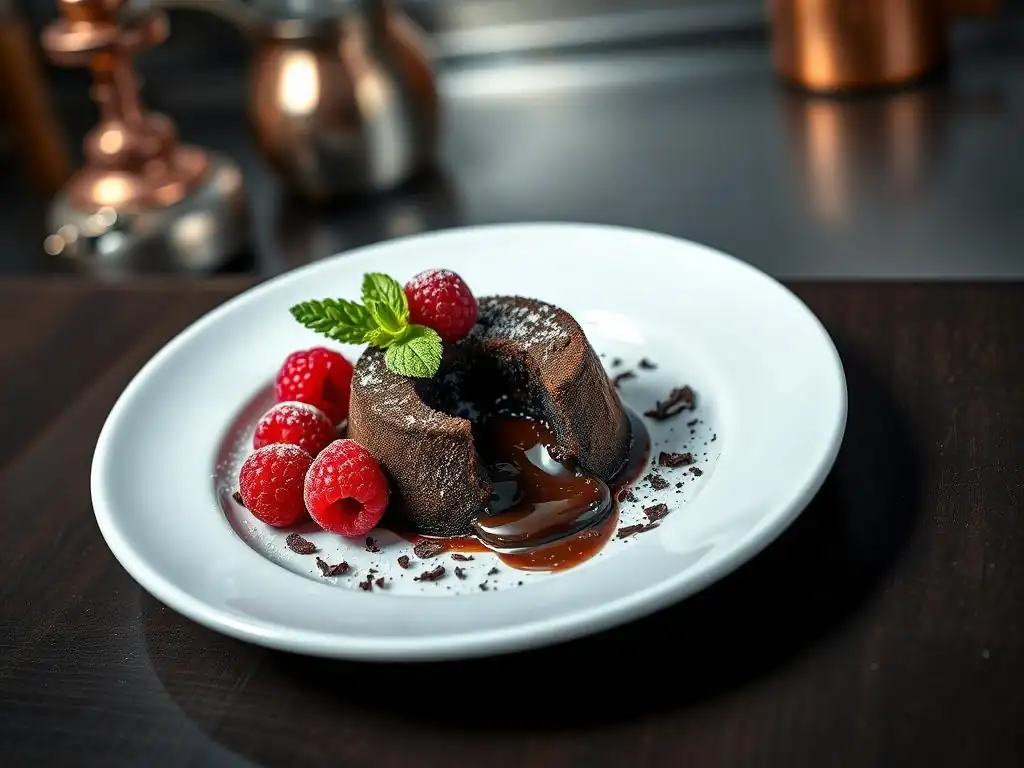
Elegant dessert plating transforms a simple sweet treat into a memorable culinary experience. It's the final flourish, the artful arrangement that tantalizes the eyes before the first bite. Think of a classic chocolate lava cake – delicious on its own, but when presented with a vibrant raspberry coulis swirl, a dusting of powdered sugar, and a fresh mint sprig, it becomes a showstopper. Mastering elegant dessert plating techniques allows you to showcase your baking skills with professional flair, making even familiar recipes feel special and sophisticated.
This meticulous attention to detail goes beyond just making food look pretty; it enhances the overall dining experience. A thoughtfully plated dessert signals care and craftsmanship, elevating the perceived value of your creation. Whether you're hosting a dinner party, preparing a special occasion treat, or simply want to make your everyday baking feel more luxurious, understanding these elegant dessert plating techniques tips is key to achieving stunning results that impress and delight.
Why Elegant Dessert Plating Matters: First Impressions Count
The old adage "you eat with your eyes" holds significant truth, especially in the world of desserts. The visual presentation is the very first impression your dessert makes, setting expectations for flavor and quality. A beautifully plated dessert creates anticipation and excitement, enhancing the overall enjoyment of the dish even before it's tasted. It communicates thoughtfulness and skill, turning a simple dessert into a focal point of a meal or occasion.
Studies in gastronomy suggest that visual appeal can significantly impact how food is perceived. While specific percentages vary, it's widely accepted that an attractive presentation can increase perceived deliciousness and satisfaction. Elegant dessert plating techniques contribute directly to this, using color, texture, shape, and arrangement to create a harmonious and inviting composition. Investing time in learning elegant dessert plating tips is investing in making your baking truly unforgettable.
Essential Tools & Ingredients for Dessert Plating Success
The Baker's Toolkit: Must-Have Plating Utensils
Achieving elegant dessert plating requires more than just creativity; having the right tools makes the process significantly easier and more precise. An offset spatula, for instance, is invaluable for lifting delicate items like cake slices or cookies and for spreading sauces smoothly. Squeeze bottles with fine tips are essential for controlled application of liquid elements like coulis, ganaches, or caramels, allowing for intricate dots, lines, or swirls. A plating spoon, with its curved edge, is perfect for dragging sauces or creating clean swooshes across the plate.
Beyond these basics, consider fine-tipped tweezers for placing small garnishes like microgreens or edible flowers with precision. Pastry bags with various tips are useful for piping creams, mousses, or meringue kisses. Even simple tools like fine-mesh sieves for dusting powders (cocoa, powdered sugar) or a sharp paring knife for precise fruit slicing are crucial for executing elegant dessert plating techniques effectively. Building a collection of these specialized utensils will vastly improve your plating capabilities.
Beyond the Plate: Choosing the Right Dessert Ingredients for Visual Appeal
While the taste of your dessert is paramount, selecting ingredients with visual appeal in mind is a critical step in elegant dessert plating. Consider the colors, textures, and shapes of your components. A dessert that is all one color or texture can look monotonous, regardless of how delicious it is. Incorporating contrasting elements, such as the vibrant red of a raspberry against a rich chocolate ganache, or the smooth texture of a panna cotta next to a crunchy cookie crumb, adds visual interest and depth.
Think about how each ingredient will contribute to the final plating. Will a sauce provide color and fluidity? Will a crunchy element add height and texture? Do the main components have interesting shapes that can be highlighted? Choosing ingredients that naturally lend themselves to elegant dessert plating techniques simplifies the process and leads to more dynamic and beautiful results.
Fresh Berries: Adding Vibrant Color and Natural Sweetness
Fresh berries are a staple in elegant dessert plating for good reason. Their bright, natural colors – from the deep red of raspberries and strawberries to the intense blue of blueberries and the rich purple of blackberries – provide immediate visual pop against most dessert bases. Beyond color, their shapes are inherently appealing, and they offer a burst of freshness and a slight tartness that often complements sweet desserts beautifully.
Using fresh berries in your plating allows for versatility. You can scatter whole berries artfully, slice larger strawberries into fans or rounds, or create a vibrant coulis from them to use as a sauce base. For example, a simple slice of cheesecake becomes instantly more appealing with a scattering of mixed berries and a drizzle of raspberry coulis. They are readily available and offer an easy way to incorporate color and a touch of nature into your elegant dessert plating techniques tips.
Elegant Dessert Plating Techniques: A Step-by-Step Guide
Sauce Swirls and Saucier Skills: Adding Depth and Dimension
Sauces are perhaps the most common and versatile element in elegant dessert plating. They act as a canvas, a frame, or an accent, adding color, flavor, and moisture. Using a squeeze bottle or a plating spoon, you can create various designs. A simple pool of sauce provides a base for your dessert, while a swoosh dragged with the back of a spoon adds dynamic movement. Dots of varying sizes can be placed strategically around the plate or on the dessert itself.
Mastering saucier skills involves understanding the consistency needed – not too thick to be clunky, not too thin to run everywhere. Practice different techniques: a single bold line, parallel lines, a freeform swirl, or a pattern of dots. For instance, a warm chocolate sauce poured just before serving can create a lovely molten effect around a scoop of ice cream, while a vibrant fruit coulis can add a contrasting pop of color and tartness to a creamy dessert, showcasing effective elegant dessert plating techniques.
Crumbly Creations: Using Textures for Visual Interest
Adding contrasting textures is a key element in elegant dessert plating, and crumbly components are perfect for this. Think of cookie crumbs, crushed nuts, streusel toppings, or even dehydrated cake crumbs. These elements provide a visual contrast to smooth or creamy textures and add a delightful crunch when eaten. On the plate, crumbs can be scattered artfully, used to create a border, or even formed into shapes using a stencil or ring mold.
For example, plating a smooth chocolate mousse becomes much more visually interesting when paired with a sprinkle of toasted hazelnut praline crumbs or a line of crushed shortbread. The irregularity of the crumbs provides an organic, appealing texture. These elements are relatively easy to prepare and offer a simple yet effective way to enhance the visual and textural complexity of your elegant dessert plating.
Fruit Forward: Incorporating Fresh Fruit for Color and Flavor
Fresh fruit is a natural choice for elegant dessert plating, offering vibrant colors, interesting shapes, and refreshing flavors that complement many desserts. Beyond berries, consider tropical fruits like mango or passion fruit for bright yellow and orange hues, or stone fruits like peaches and plums when in season. Citrus segments, with their clean lines and zesty flavor, can also add a beautiful touch.
When using fruit, consider its shape and how it can be prepared. Will it be sliced, diced, pureed into a sauce, or used whole? The way you cut and arrange the fruit significantly impacts the final look, contributing to effective elegant dessert plating techniques tips.
Slicing and Arranging: The Key to Fruit Presentation
Precise slicing is crucial when using fruit for plating. For example, strawberries can be hulled and sliced vertically into thin, even pieces to fan out. Mango or avocado can be diced or sliced and fanned. Citrus fruits can be segmented (removing pith and membrane) for clean, jewel-like pieces. The goal is uniformity and neatness in your cuts.
Arrangement is equally important. You can create a linear pattern with fruit slices, fan them out from a central point, scatter them organically, or use them to build height. A classic example is fanning thin apple slices next to a tart or arranging segmented oranges around a panna cotta. The arrangement should complement the main dessert and guide the eye across the plate, demonstrating skillful elegant dessert plating techniques.
Garnish Game Strong: Edible Flowers, Herbs, and Chocolate
Garnishes are the final touches that can elevate elegant dessert plating from good to exceptional. They add points of interest, pops of color, and sometimes subtle aromas or flavors. Edible flowers, fresh herbs like mint or basil, and various forms of chocolate are popular choices. The key is to use garnishes sparingly and purposefully; too many can make the plate look cluttered.
Consider the color and scale of the garnish relative to the dessert and plate. A tiny microgreen might be perfect for a delicate mousse, while a larger chocolate curl could suit a robust cake. The placement should feel intentional, drawing attention to specific areas or adding a final flourish. These small details are vital in mastering elegant dessert plating techniques tips.
Working with Edible Flowers: Selection and Placement
Edible flowers add delicate beauty and vibrant, natural color to elegant dessert plating. Varieties like violas, pansies, borage, or nasturtiums are commonly used. Ensure the flowers are specifically grown for culinary use and are pesticide-free. Their delicate nature requires careful handling.
When placing edible flowers, consider their size and color relative to the dessert. They work well scattered lightly, placed strategically on or next to the main component, or tucked into a sauce swirl. A single, perfectly placed viola can add a touch of whimsy and elegance to a tart, while a scattering of borage flowers can bring lovely blue accents to a creamy dessert. They are best added just before serving to maintain freshness.
Chocolate Decorations: Simple Techniques for Stunning Results
Chocolate is a versatile garnish for elegant dessert plating, offering various textures and forms. Simple techniques like shaving chocolate with a vegetable peeler to create curls, grating chocolate for a fine dusting, or piping melted chocolate into patterns on parchment paper (which harden when chilled) can add significant visual appeal.
For example, a few delicate chocolate curls placed atop a slice of cake or a scoop of ice cream add height and texture. A dusting of cocoa powder through a stencil can create an intricate pattern on a plate or dessert surface. Even simple chocolate shards can provide a modern, architectural element. These techniques are relatively easy to learn and offer impressive results for elegant dessert plating.
Height and Dimension: Building Up Your Dessert Plate
Creating height and dimension is a fundamental principle of elegant dessert plating. A flat dessert can look uninteresting. By stacking components, leaning elements, or using garnishes to build upwards, you add visual interest and guide the eye vertically across the plate. Think of a multi-layered cake slice, a scoop of ice cream perched atop a cookie, or a tuile cookie standing upright in a cream.
Utilize various components to add height: layers of cake and cream, scoops of mousse, upright cookies or tuiles, or even carefully stacked fruit slices. The goal is to create a dynamic composition that isn't flat. For instance, leaning a slice of tart against a dollop of cream or a pile of berries instantly adds dimension, illustrating effective elegant dessert plating techniques.
Elegant Dessert Plating Tips for Specific Desserts
Plating Cakes and Tarts: From Simple Slices to Stunning Statements
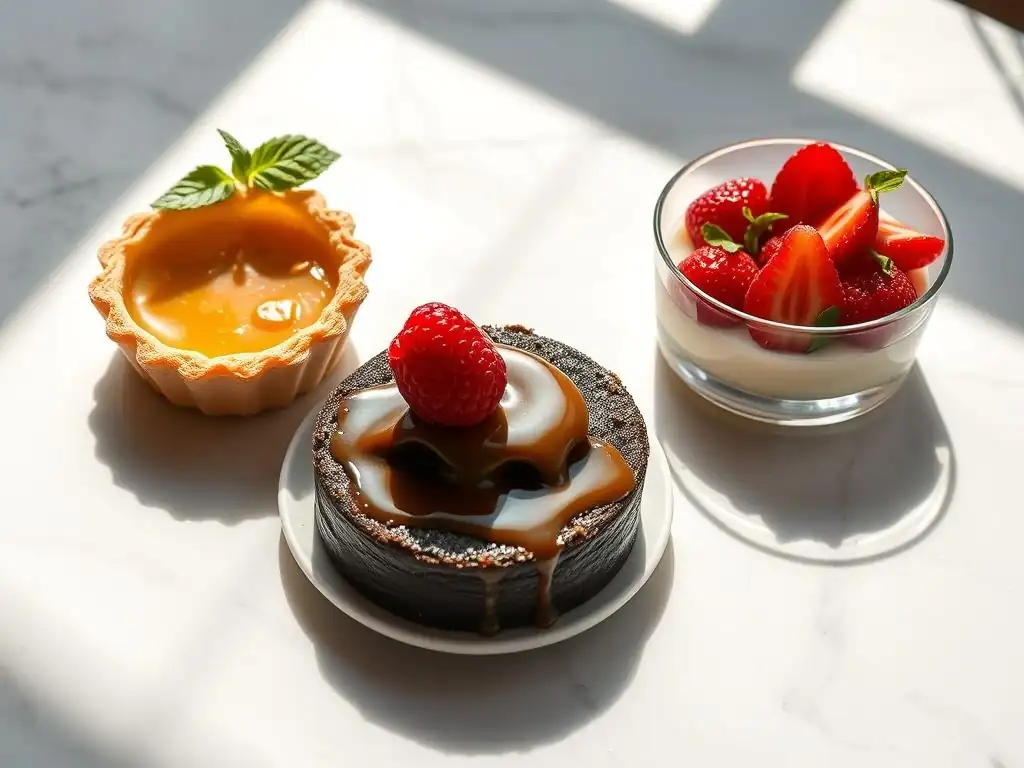
Plating cakes and tarts involves transforming a standard slice into an elegant presentation. Start with a clean, sharp cut for a neat edge. Place the slice slightly off-center on the plate. From there, you can add elements around it. A classic approach is to lean the slice against a dollop of cream or a quenelle of ice cream.
Surround the cake or tart with complementing sauces, such as a fruit coulis or a caramel sauce, applied with a spoon or squeeze bottle. Add texture with crumbs or nuts scattered nearby. Garnish with fresh fruit, edible flowers, or chocolate decorations placed thoughtfully around or on top of the slice. For example, a slice of apple tart looks beautiful with a scoop of vanilla bean ice cream, a caramel drizzle, and a sprinkle of toasted pecans, demonstrating key elegant dessert plating techniques.
Plating Mousses and Creams: Achieving Delicate and Balanced Compositions
Mousses, panna cottas, and other creamy desserts require careful handling due to their delicate texture. Often served in a mold or scooped, the focus is on complementing their smooth form with contrasting elements. Place the main component neatly on the plate, ensuring clean edges if unmolded.
Surround the creamy element with contrasting textures like cookie crumbs, brittle shards, or fresh berries. Add a vibrant sauce swirl around the base or use dots of sauce for visual interest. Garnishes like a small mint sprig, a microgreen, or a delicate chocolate piece work well. The key is balance – ensuring the additions enhance, rather than overwhelm, the smooth elegance of the mousse or cream, showcasing elegant dessert plating tips for soft textures.
Plating Individual Desserts: Maximizing Impact in Miniature
Individual desserts, whether mini tarts, éclairs, or single-serving parfaits, offer a unique opportunity for elegant dessert plating on a smaller scale. Since the dessert itself is often the central focus, plating involves enhancing its inherent beauty with minimal, precise additions.
Place the individual dessert neatly on the plate, ensuring it is stable. Use fine-tipped squeeze bottles for delicate sauce lines or dots. Add a single, perfectly placed garnish like a small berry, a micro sprig of mint, or a tiny edible flower. A sprinkle of powdered sugar or cocoa through a small sieve can add a subtle finishing touch. The focus is on clean lines, precision, and enhancing the miniature scale with equally delicate elegant dessert plating techniques.
Advanced Dessert Plating Techniques: Beyond the Basics
Working with Stencils and Powders for Intricate Designs
For those looking to take elegant dessert plating to the next level, using stencils with powdered ingredients offers a way to create intricate patterns directly on the plate or dessert surface. Stencils can be purchased or custom-made. Common powders include powdered sugar, cocoa powder, espresso powder, or even finely ground freeze-dried fruit powders.
Place the stencil firmly on the desired surface, then gently sift the powder over it using a fine-mesh sieve. Carefully lift the stencil straight up to reveal the design. This technique is excellent for adding decorative borders, central motifs, or repeating patterns. It requires a steady hand and clean stencil edges for crisp results, adding a sophisticated layer to your elegant dessert plating techniques.
Sugar Work: Creating Edible Art for Your Dessert
Sugar work, such as making spun sugar, pulled sugar, or blown sugar, offers the ability to create stunning, ephemeral garnishes. While requiring practice and specific techniques, these elements add an unparalleled level of artistry and elegance to plated desserts. Spun sugar creates delicate, thread-like nests, while pulled sugar can be shaped into ribbons, leaves, or flowers.
Incorporating sugar work elevates the visual drama of a dessert plate. A nest of spun sugar can add ethereal height, while a pulled sugar ribbon can provide a modern, architectural element. These techniques are often seen in high-end restaurants and demonstrate advanced elegant dessert plating techniques tips that truly make a dessert a piece of edible art.
Pulled Sugar Ribbons: Adding Delicate Elegance
Pulled sugar ribbons are a specific form of sugar work where cooked sugar is pulled and shaped into delicate, often translucent, ribbon-like forms. The process requires working with hot sugar and developing a feel for stretching and shaping it. Once cooled, these ribbons are brittle and beautiful.
Pulled sugar ribbons can be used to add height, structure, and a touch of delicate color (if the sugar is tinted) to a plated dessert. They can be formed into loops, twists, or straight shards and placed artfully on or around the dessert. Their glassy appearance catches the light and adds a sophisticated, almost ज्वेल-like quality to the elegant dessert plating.
Common Dessert Plating Mistakes to Avoid
Overcrowding the Plate: Less is Often More
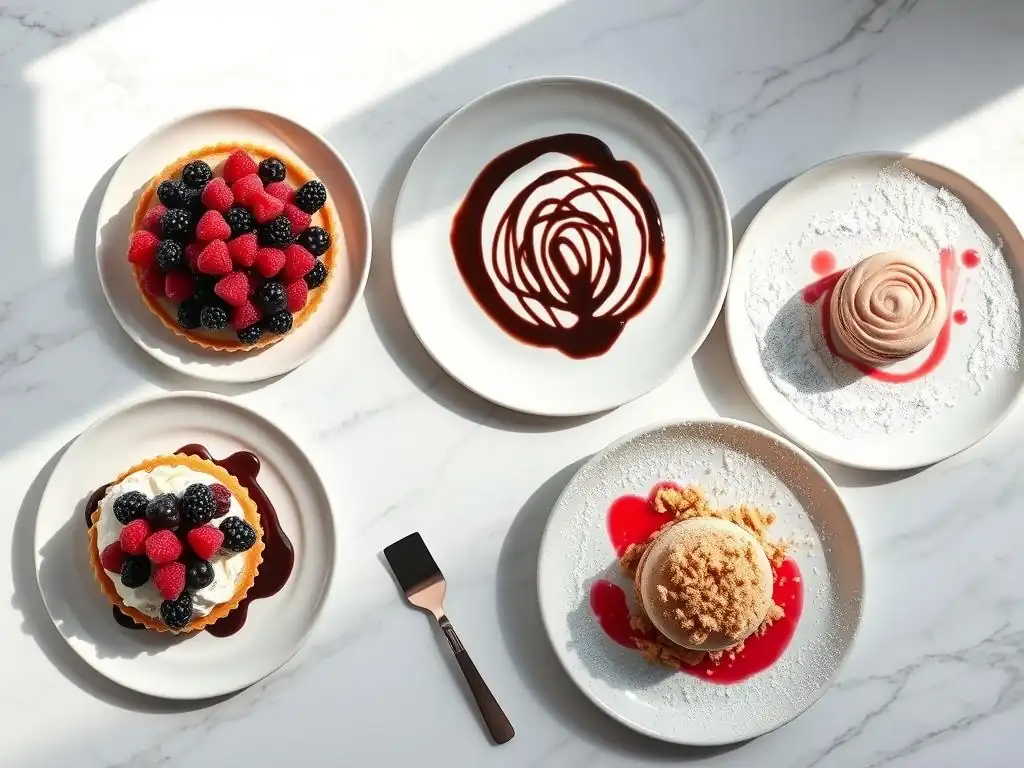
One of the most common errors in elegant dessert plating is putting too much on the plate. An overcrowded plate looks messy, confusing, and detracts from the beauty of the individual components. It's better to have fewer elements arranged thoughtfully than a multitude of items crammed together.
Think of the plate as a canvas; you want to leave some negative space to allow the elements to breathe and stand out. Focus on one or two main garnishes or sauces that truly complement the dessert, rather than adding every possible decorative item. Simplicity and restraint are often hallmarks of truly elegant dessert plating techniques.
Neglecting Color and Contrast: Creating Visual Harmony
A plate lacking in color variation or textural contrast can appear flat and uninteresting. Serving a pale yellow dessert on a white plate with no other colors or textures won't capture attention, no matter how delicious it tastes. Visual harmony comes from using contrasting elements that work together.
Actively think about incorporating different colors (from sauces, fruits, or garnishes) and textures (smooth, creamy, crunchy, crisp). A vibrant red berry or green mint sprig against a neutral background, or a crunchy element next to a smooth cream, creates visual interest and balance, essential for effective elegant dessert plating.
Forgetting the Flavor Balance: Aesthetics and Taste Go Hand-in-Hand
While elegant dessert plating focuses on visual appeal, it's crucial never to forget that the primary purpose is to enhance the eating experience. Every element added to the plate for decoration should ideally also contribute positively to the flavor profile of the dessert. Adding a garnish that clashes with the dessert's taste or is simply inedible is a significant mistake.
Ensure that sauces, crumbs, fruits, herbs, and other garnishes complement the main dessert's flavors. A raspberry coulis works well with chocolate or vanilla, but might not with a strongly spiced gingerbread. The visual appeal should enhance, not detract from, the overall culinary enjoyment, making flavor balance a critical part of elegant dessert plating techniques tips.
Inspiration and Ideas for Elegant Dessert Presentation
[Link to BakeWithEase Plated Dessert Gallery]
French Pastry Plating Inspiration: Symmetry and Precision
French pastry plating is a renowned source of inspiration for elegant dessert plating techniques. It often emphasizes precision, clean lines, and a balanced, often symmetrical, arrangement of components. French plating tends to be refined and classic, focusing on showcasing the technical skill involved in creating the dessert itself.
Look to French pastry for ideas on how to use sauces as clean lines or pools, how to arrange fruit with meticulous precision, and how to incorporate delicate garnishes like chocolate work or meringue kisses. While not always strictly symmetrical, the underlying principle of balance and deliberate placement is key to achieving that sophisticated French aesthetic in your elegant dessert plating.
Conclusion: Elevate Your Baking with Elegant Dessert Plating Techniques
Recap of key techniques and encouragement to practice
Mastering elegant dessert plating techniques is an incredibly rewarding skill that allows you to present your baked goods with professional polish and artistry. We've covered essential tools like plating spoons and squeeze bottles, discussed the importance of choosing ingredients for visual appeal, and explored key techniques such as creating sauce swirls, incorporating contrasting textures, artfully arranging fruit, and using garnishes effectively.
Remember the importance of creating height and dimension, avoiding common mistakes like overcrowding, and always ensuring that aesthetics and flavor work hand-in-hand. While advanced techniques like sugar work offer exciting possibilities, even simple elegant dessert plating tips like a clean sauce swipe and a few well-placed berries can dramatically elevate your presentation. Practice these techniques with different desserts, experiment with various elements, and don't be afraid to develop your own style. With a little effort and creativity, you can transform your delicious baked goods into stunning visual masterpieces that delight everyone who sees and tastes them.
Frequently Asked Questions
What is elegant dessert plating and why is it important?
Elegant dessert plating is the art of arranging desserts on a plate in an aesthetically pleasing way. It elevates the dining experience and makes your baked goods look as good as they taste.
What are some basic techniques for creating visually appealing dessert plates?
Some fundamental techniques include using sauce swirls, strategically placing garnishes, and playing with height and texture to create visual interest. It's all about thoughtful arrangement.
Can beginners achieve elegant dessert plating, or is it only for professionals?
Absolutely! BakeWithEase provides simple tips and tricks that anyone can use. Start with a few basic techniques and gradually build your skills.
Where can I find easy-to-find ingredients for creating garnishes and sauces?
Most garnishes, like fresh fruit, nuts, or chocolate shavings, are readily available at local grocery stores. BakeWithEase recipes often call for common pantry staples.
What if I don't have fancy plating tools? Can I still achieve elegant results?
Yes! You can use everyday kitchen tools like spoons, forks, and squeeze bottles to create beautiful designs. Creativity and a steady hand are key, not expensive tools.
Final Reflection: The Enduring Allure of Elegant Dessert Plating
The art of elegant dessert plating isn't merely about aesthetics; it's about elevating the entire dining experience. A beautifully presented dessert speaks volumes before a single bite is taken, transforming a simple treat into a memorable moment. In a world increasingly dominated by fast-paced consumption, taking the time to thoughtfully plate a dessert becomes a powerful act of mindful indulgence.
The impact of visually appealing food on our enjoyment is undeniable. It's a subtle yet potent force, influencing not only our perception of taste but also our overall emotional response to a meal. Food is symbolic of love when words are inadequate.
– Alan D. Wolfelt. This quote perfectly encapsulates the power of presentation, especially when it comes to desserts, often associated with celebrations and shared joy. The techniques explored in this article – from considering negative space to mastering the art of sauce drizzling – are not mere tricks; they are tools to enhance the emotional connection we have with food and with those we share it with.
Consider the impact of your next dessert presentation. Will you simply place it on a plate, or will you take a few extra moments to craft a visual masterpiece? I encourage you to experiment with the techniques outlined in this article, to find your own style, and to discover the joy of transforming a simple dessert into a work of art. The reward? An elevated dining experience, a deeper appreciation for the culinary arts, and the creation of lasting memories around the table.
Unleash Your Inner Pastry Artist!
Thanks for diving into the world of elegant dessert plating with us! We hope you've gained some delicious inspiration and practical techniques to elevate your dessert game. Ready to put your new skills to the test?
- Master the art of negative space: Try plating your next dessert with a focus on carefully considered empty space – you might be surprised by the impact!
- Share your creations: Tag us on social media with your beautifully plated desserts – we'd love to see them! Use #BakeWithEasePlating.
- Experiment with different textures and heights: Challenge yourself to create a dessert plate that’s visually stunning and texturally exciting.
What unexpected plating technique are you most excited to try?