
DIY Egg Replacer Mix: Homemade Formula for Cakes, Cookies, and More

Welcome to BakeWithEase, your kitchen companion for all things baking!
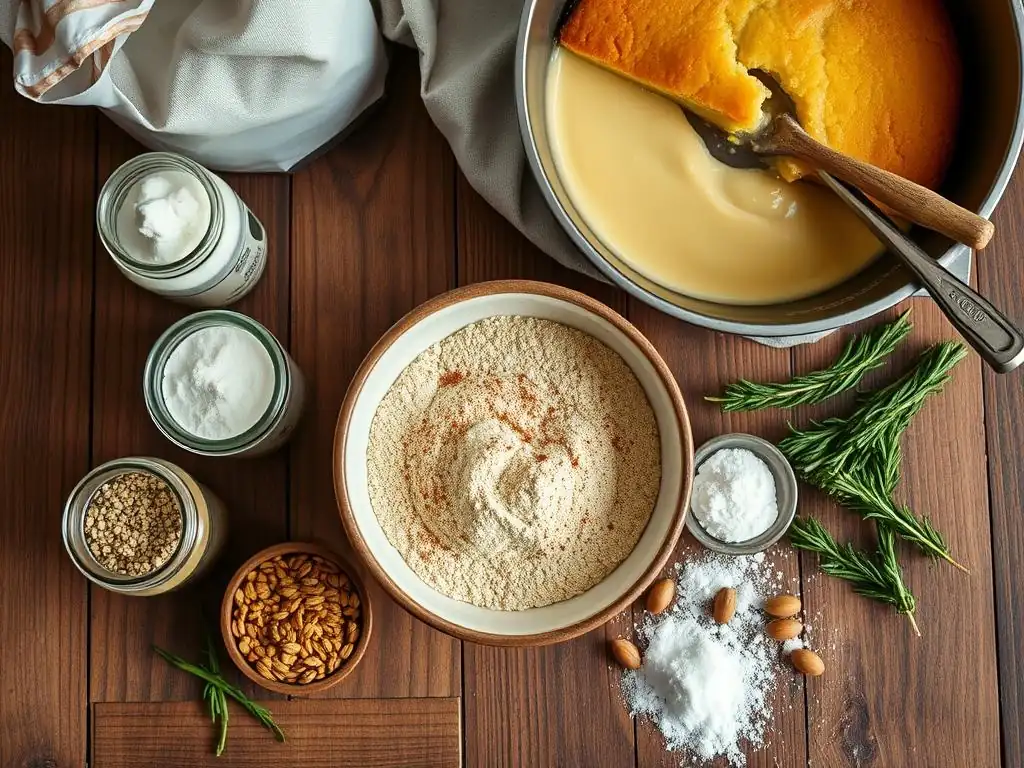
Are you ready to unlock a world of delicious possibilities, even with dietary restrictions? Perhaps you're searching for the secret to perfectly moist and fluffy cakes without eggs? This week, we're diving deep into the art of homemade egg replacer cake recipes. Discover how you can create a simple, effective, and versatile DIY egg replacer mix that will revolutionize your baking, opening up a whole new realm of cakes, cookies, and more. Intrigued? Let's get baking!
- DIY Flaxseed Egg Replacer: Homemade Formula for Cakes, Cookies, and More
- Introduction to Homemade Egg Replacers for Baking
- The Ultimate DIY Flaxseed Egg Replacer Recipe
-
Using Your DIY Flaxseed Egg Replacer in Cakes
- Homemade Egg Replacer Cake Recipes: Adjusting Your Favorite Recipes
- Chocolate Flaxseed Cake: A Rich and Moist Delight
- Vanilla Flaxseed Cake: A Simple Classic
- Egg-Free Cookie Baking: Achieving the Perfect Texture
- Oatmeal Flaxseed Cookies: Chewy and Nutritious
- Chocolate Chip Flaxseed Cookies: A Classic with a Healthy Twist
- Beyond Cakes and Cookies: Other Baking Applications for Your DIY Flaxseed Egg Replacer
- Troubleshooting Your Homemade Flaxseed Egg Replacer
- Exploring Different Egg Replacer Options
- Conclusion: Mastering Egg-Free Baking with Your Homemade Mix
-
Frequently Asked Questions
- What is the primary benefit of using a homemade egg replacer in cake recipes?
- Can I use the same egg replacer recipe for both cakes and cookies?
- What are some common ingredients used in a DIY egg replacer?
- How does a homemade egg replacer affect the texture of my cake?
- Where can I find more information and recipes for baking with egg replacers?
- Final Reflection: The Power of Pantry Power: Baking Beyond the Egg
- Unleash Your Inner Baker: Master Egg-Free Baking!
Introduction to Homemade Egg Replacers for Baking
Why Use an Egg Replacer in Baking? Understanding the Benefits
Eggs play several crucial roles in traditional baking. They act as a binder, holding ingredients together to prevent crumbling. They provide structure, contributing to the rise and shape of baked goods, especially in cakes and muffins. Eggs also add moisture, richness, and flavor, while the fats within them contribute to tenderness. For many classic recipes, achieving the desired texture and rise heavily relies on the unique properties of eggs. Understanding these functions is the first step to successfully substituting them.
However, there are many reasons why a baker might choose to use an egg replacer. Allergies are a primary concern; egg allergies are common, particularly in children. Dietary choices, such as following a vegan lifestyle or simply wanting to reduce animal product consumption, also drive the need for alternatives. Furthermore, sometimes you simply run out of eggs mid-recipe! Having a reliable homemade egg replacer on hand provides flexibility and ensures that a craving for fresh-baked goods doesn't have to wait for a grocery run.
The Rise of Egg-Free Baking: Addressing Allergies and Dietary Preferences
Over the past decade, egg-free baking has moved from a niche necessity to a widely explored culinary trend. As awareness of food allergies has grown and plant-based diets have become more popular, the demand for effective and accessible egg substitutes has surged. This has led to innovation in both commercial products and simple DIY solutions using common pantry ingredients. The goal is no longer just to create an edible egg-free version, but to replicate the texture, rise, and overall quality of traditional baked goods.
Addressing allergies is a significant driver. For individuals with egg sensitivities, finding reliable homemade egg replacer cake recipes and other baked goods is essential for safety and enjoyment. The rise of egg-free options has opened up the world of baking to many who were previously excluded. Beyond allergies, the environmental and ethical considerations associated with egg production also motivate many bakers to explore plant-based alternatives. This shift has fostered a creative environment where ingredients like flaxseed, chia seeds, applesauce, and commercial binders are experimented with to achieve optimal results in various baked goods.
The Ultimate DIY Flaxseed Egg Replacer Recipe
Ingredients for Your Homemade Flaxseed Egg Substitute Mix
Creating your own flaxseed egg replacer mix is incredibly simple and requires just one key ingredient: ground flaxseed, also known as flax meal. It's essential that the flaxseed is ground, as whole seeds will not absorb water and create the necessary gel consistency. You can purchase pre-ground flaxseed, or buy whole flaxseeds and grind them yourself using a coffee grinder or a high-powered blender. Storing whole seeds and grinding them as needed can help maintain freshness longer.
For this DIY mix, you'll typically use a ratio designed to substitute one large egg. The standard ratio is 1 tablespoon of ground flaxseed mixed with 3 tablespoons of water. This mixture is then allowed to sit for 5-10 minutes until it thickens into a gelatinous consistency, similar to a raw egg white. Having a pre-mixed dry blend (just the ground flaxseed) ready to go in your pantry makes the process even quicker when you're ready to bake.
Step-by-Step Guide: Mixing Your DIY Flaxseed Egg Replacer
Preparing your flaxseed "egg" is straightforward. First, measure out 1 tablespoon of ground flaxseed into a small bowl or cup. Ensure your measuring spoon is level for accuracy. Next, add 3 tablespoons of plain water to the ground flaxseed. It's best to use room temperature or slightly warm water, as this can sometimes help the gelling process along.
Once the water is added, stir the mixture briefly with a spoon or fork to combine the flaxseed and water thoroughly. Don't worry if it looks watery at first. Now, comes the waiting part: let the mixture sit undisturbed for approximately 5 to 10 minutes.
During this time, the soluble fiber in the ground flaxseed will absorb the water and create a thick, gel-like texture. You'll know it's ready when it has a viscous consistency, similar to a slightly runny egg. This is your flaxseed egg, ready to be used as a substitute in your homemade egg replacer cake recipes and other baking projects.
Storage Tips: Keeping Your Flaxseed Egg Replacer Mix Fresh
To maximize convenience, you can create a larger batch of the dry flaxseed egg replacer mix to store. Simply combine a larger quantity of ground flaxseed in an airtight container. For example, you could store 1 cup of ground flaxseed. When a recipe calls for an egg, you'd measure out 1 tablespoon of this dry mix and combine it with 3 tablespoons of water as described above. This dry mix should be stored in a cool, dark place like your pantry.
Ground flaxseed can go rancid over time due to its oil content. To extend its shelf life, especially if you buy in bulk or grind your own, consider storing the dry ground flaxseed in the refrigerator or even the freezer. Stored in an airtight container in the fridge, it can last for several months. If you've already mixed the flaxseed with water to create the gel, it's best to use it immediately or within a few hours. It doesn't store well once hydrated and can develop an off flavor or lose its binding properties.
Using Your DIY Flaxseed Egg Replacer in Cakes
Homemade Egg Replacer Cake Recipes: Adjusting Your Favorite Recipes
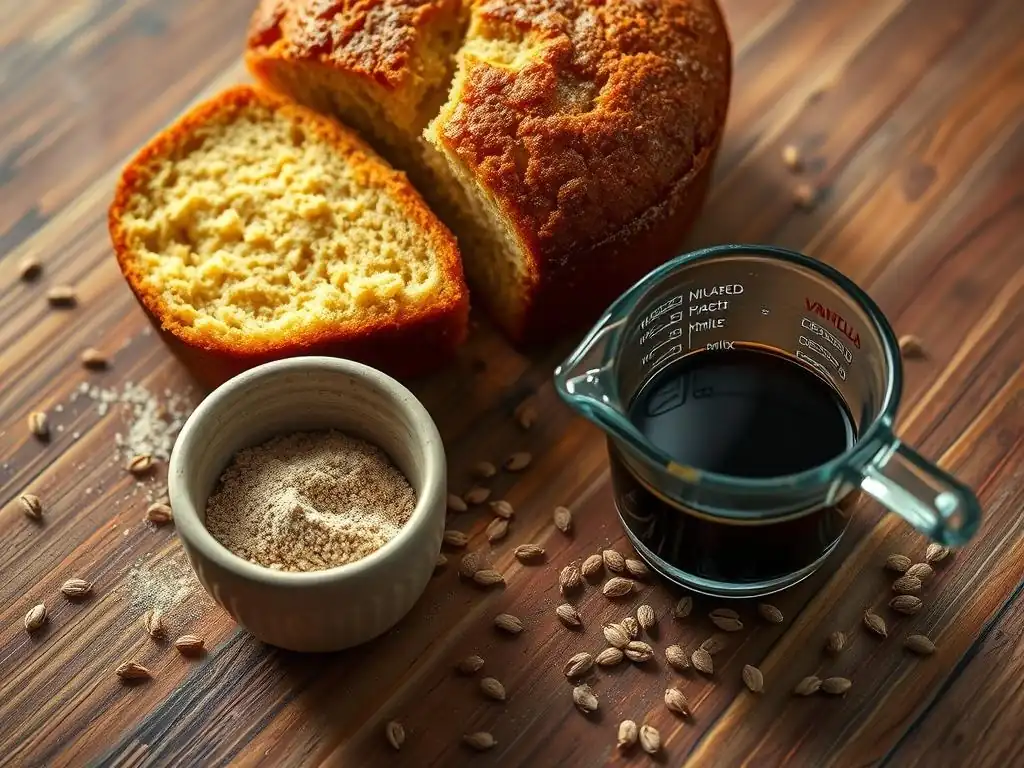
Using a flaxseed egg in homemade egg replacer cake recipes requires a bit of understanding about how it functions differently from a real egg. While flaxseed eggs are excellent binders, they don't provide the same level of leavening or richness that eggs do. This means you might need to make small adjustments to your favorite traditional cake recipes. For recipes that rely heavily on eggs for structure and rise, like light sponge cakes or angel food cakes, flaxseed might not be the best substitute. However, for denser cakes like loaf cakes, muffins, or brownies, flaxseed eggs often work beautifully.
When adapting a recipe, start by substituting each egg called for with one flaxseed egg (1 tbsp ground flaxseed + 3 tbsp water, gelled). For recipes using 1-2 eggs, this substitution is usually quite successful. For recipes with 3 or more eggs, using only flaxseed might result in a denser or slightly gummy texture. In such cases, you might consider using a combination of egg replacers (e.g., flaxseed for binding, applesauce for moisture) or finding recipes specifically developed for egg-free baking. Pay attention to the batter consistency; it might be slightly thicker than usual.
Chocolate Flaxseed Cake: A Rich and Moist Delight
Chocolate cakes are often forgiving when it comes to egg substitution, and a flaxseed egg replacer works wonderfully in many homemade egg replacer cake recipes featuring chocolate. The cocoa powder and other ingredients in chocolate cake batters provide structure and moisture, helping to compensate for the differences in the flaxseed egg. A typical chocolate cake recipe calling for 2 eggs can usually be successfully made using 2 flaxseed eggs.
The result is often a rich, moist chocolate cake with a slightly denser crumb than a traditional version, which many find desirable. The subtle, slightly nutty flavor of the flaxseed is often masked by the strong chocolate flavor. When baking a chocolate flaxseed cake, monitor the baking time as it might differ slightly. Using ingredients like applesauce or yogurt (dairy or non-dairy) in addition to or instead of some of the fat can also help ensure moisture and tenderness in your homemade egg replacer cake recipes.
Vanilla Flaxseed Cake: A Simple Classic
Vanilla cake, with its lighter flavor profile and often finer crumb structure, can be a slightly trickier candidate for flaxseed egg substitution compared to chocolate cake. The binding properties of flaxseed work well, but achieving the airy lift that eggs provide in a classic vanilla cake can be challenging. However, it is certainly possible to create delicious vanilla homemade egg replacer cake recipes using flaxseed, especially for loaf cakes, cupcakes, or bundt cakes which are naturally a bit denser.
To improve the texture of a vanilla flaxseed cake, consider incorporating ingredients that aid in leavening or moisture. Adding a little extra baking powder (perhaps half a teaspoon more per replaced egg) can help with the rise. Using plant-based milk mixed with a teaspoon of vinegar or lemon juice (to create a buttermilk substitute) can also react with baking soda to provide lift and tenderness. While the crumb might be slightly different from a traditional vanilla cake, you can still achieve a delightful flavor and satisfying texture, expanding your repertoire of homemade egg replacer cake recipes.
Cookies present different challenges and opportunities for egg substitution than cakes. Eggs in cookies contribute to binding, moisture, and texture – from chewiness to crispness. A flaxseed egg excels as a binder in cookies, helping to hold the dough together and prevent crumbling. This is particularly useful in drop cookies like chocolate chip or oatmeal cookies.
However, using too much flaxseed egg replacer in cookies can sometimes lead to a slightly gummy or dense texture. For many standard cookie recipes calling for 1 or 2 eggs, substituting with flaxseed eggs works quite well. If a recipe calls for just one egg, flaxseed is often a perfect swap, resulting in a chewy cookie. For recipes requiring two eggs, using two flaxseed eggs might still work, but you might notice a slight difference in spread and texture compared to the original. Experimentation is key to finding the ideal balance for your favorite cookie recipes.
Oatmeal cookies are a fantastic candidate for using a flaxseed egg replacer. The oats themselves provide structure and chewiness, complementing the binding properties of the flaxseed. Substituting the egg in your favorite oatmeal cookie recipe with one flaxseed egg often results in a wonderfully chewy cookie that holds its shape well.
The mild, nutty flavor of the flaxseed blends seamlessly with the oats and other typical oatmeal cookie ingredients like cinnamon and brown sugar. Beyond just replacing the egg, incorporating ground flaxseed as part of the dry ingredients (perhaps replacing a tablespoon or two of flour) can also boost the nutritional value, adding fiber and omega-3 fatty acids. This makes your homemade egg replacer cake recipes and cookies not just egg-free, but also a little healthier.
Chocolate chip cookies are a beloved classic, and successfully making them egg-free is a common goal for many bakers. Using a flaxseed egg replacer is one of the most popular methods for achieving this. A standard recipe calling for one egg can typically be made with one flaxseed egg, yielding a chewy cookie that doesn't spread excessively during baking.
For recipes calling for two eggs, substituting both with flaxseed eggs is possible, but you might find the cookies are thicker and slightly less prone to spreading than their traditional counterparts. Some bakers prefer this! If you desire more spread or a crispier edge, you might experiment with slightly adjusting the butter or sugar ratios, or trying a combination of egg replacers. Overall, flaxseed provides a reliable base for many homemade egg replacer cake recipes and cookie variations, allowing you to enjoy this classic treat egg-free.
Bread Baking with Egg Replacers: Considerations and Adjustments
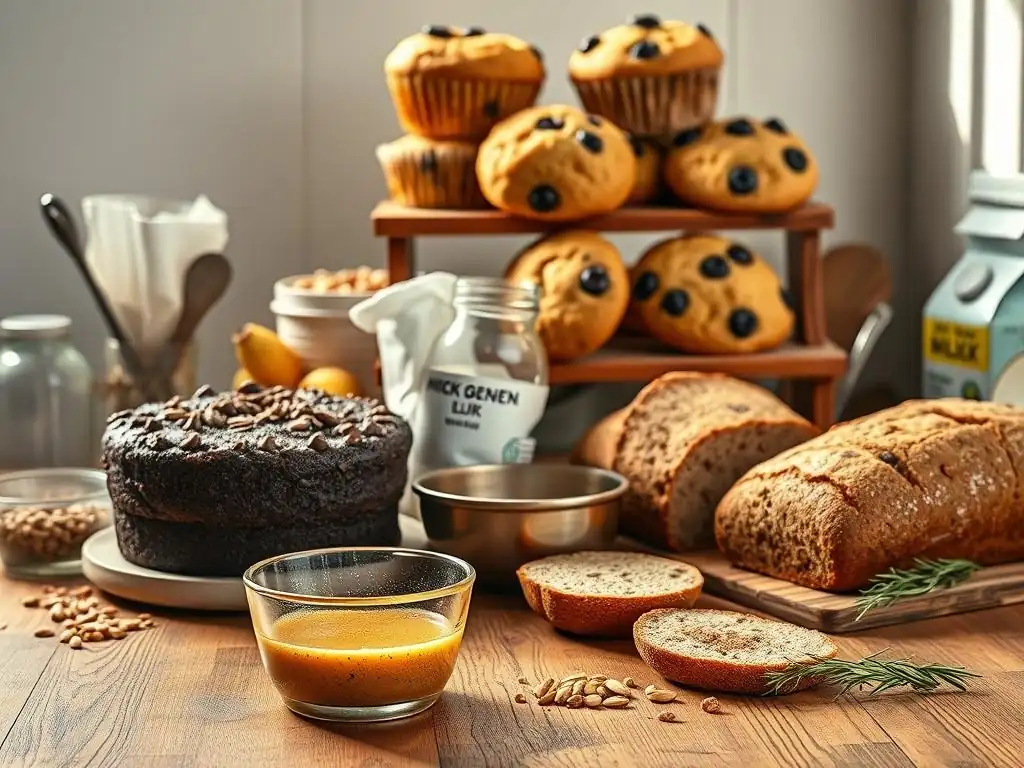
Eggs in bread recipes often serve to enrich the dough, adding tenderness, flavor, and a slightly softer crumb, as well as contributing to browning on the crust. In many lean bread recipes (like crusty loaves with just flour, water, yeast, and salt), eggs aren't used at all, making them naturally egg-free. However, for enriched breads like challah, brioche, or some sandwich breads, eggs are a key component.
Using a flaxseed egg in enriched bread dough can work, but it primarily provides binding and a little moisture rather than the full richness and structure of an egg. It might lead to a slightly denser crumb and less golden crust compared to a traditional recipe. For these types of breads, other replacers like mashed banana, applesauce, or commercial egg replacers designed for richer doughs might be more effective, potentially used in combination with flaxseed for binding. Adjustments to liquid content might also be necessary.
Muffins and Scones: Achieving the Right Rise and Texture
Muffins and scones are excellent candidates for flaxseed egg substitution. In these quick breads, eggs typically function as a binder and contribute to the overall structure and moisture. A flaxseed egg performs the binding role admirably, helping to hold the batter or dough together.
Substituting the egg(s) in your favorite muffin or scone recipe with flaxseed egg(s) is usually quite successful. You'll likely achieve a good rise, especially if the recipe also uses baking powder and/or baking soda. The texture might be slightly denser or chewier than a version made with eggs, but still very pleasant. This makes flaxseed a go-to homemade egg replacer cake recipes ingredient, extending its utility to muffins and scones with minimal fuss.
Flaxseed Banana Bread: A Moist and Flavorful Loaf
Banana bread is another baking classic where flaxseed egg replacer shines. The mashed bananas themselves provide significant moisture and some binding, making the recipe less reliant solely on eggs for structure. Substituting the egg(s) in a banana bread recipe with flaxseed egg(s) is usually a very successful adaptation.
The result is typically a wonderfully moist and flavorful loaf. The slight nuttiness of the flaxseed complements the banana flavor nicely. This is one of the easiest homemade egg replacer cake recipes (or loaf recipes!) to convert using a flaxseed egg, often yielding a result very close in texture and quality to the original. It's a perfect example of how well flaxseed works in recipes that already have other moist and binding ingredients.
Troubleshooting Your Homemade Flaxseed Egg Replacer
Common Mistakes and How to Avoid Them
One of the most common mistakes when using flaxseed as an egg replacer is not letting it gel sufficiently. Mixing the ground flaxseed with water and using it immediately will not provide the necessary binding properties. Always allow the mixture to sit for 5-10 minutes until it develops a thick, gelatinous consistency. Another mistake is using whole flaxseeds instead of ground; whole seeds will not absorb water properly. Ensure you are using finely ground flax meal.
Using too much flaxseed egg can also cause problems. While it's a good binder, excessive amounts can lead to a heavy, gummy, or dense texture in baked goods, especially in lighter cakes or cookies that rely on spread. Stick to the recommended ratio of 1 tablespoon ground flaxseed to 3 tablespoons water per egg substituted, and avoid adding extra "just in case." For recipes requiring multiple eggs, consider if flaxseed is the best option or if a combination of replacers might be better.
Addressing Texture Issues: Too Dense, Too Crumbly, etc.
If your baked goods made with flaxseed egg are too dense or gummy, it could be due to using too much flaxseed, not having enough leavening (like baking powder or soda), or the original recipe relying too heavily on eggs for structure. Try reducing the amount of flaxseed slightly if you used more than the standard ratio, or add a little extra baking powder to the dry ingredients. Ensure you are not overmixing the batter, which can develop gluten and lead to toughness.
Conversely, if your baked goods are too crumbly, the flaxseed egg might not have provided enough binding, or the batter/dough might have been too dry overall. Ensure your flaxseed egg was properly gelled. Check the liquid content of your recipe; sometimes, egg-free batters need a tiny bit more liquid (like a tablespoon or two of plant-based milk) to compensate for the moisture eggs provide. Using high-quality, fresh ground flaxseed is also important for optimal binding.
Adjusting for Different Baking Environments
Baking results can be influenced by factors like altitude, humidity, and oven accuracy. When using egg replacers, these environmental factors can sometimes have a more pronounced effect. At high altitudes, baked goods tend to rise more quickly and can dry out faster. This might mean reducing leavening slightly, increasing liquid, or lowering the baking temperature and increasing baking time for your homemade egg replacer cake recipes and other items.
In humid environments, batters might feel wetter, and baked goods might take longer to bake through. In dry environments, they might dry out faster. Pay close attention to visual cues (like browning) and use a toothpick test to check for doneness rather than relying solely on the recipe's suggested time. While flaxseed egg replacer itself isn't directly affected by these environments, its performance within the overall recipe can be, requiring standard environmental baking adjustments.
Exploring Different Egg Replacer Options
Comparing DIY Flaxseed Egg Replacer to Commercial Products
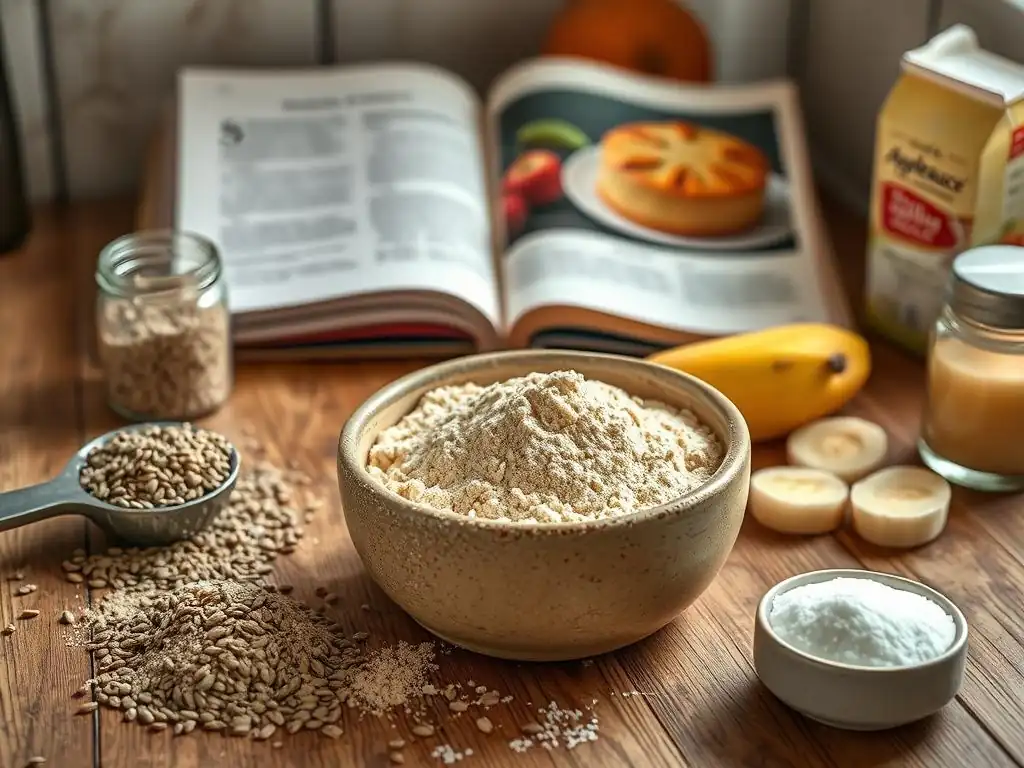
DIY flaxseed egg replacer is popular because it's simple, cost-effective, and uses a common pantry ingredient. It's particularly good for binding and works well in many denser baked goods like muffins, brownies, and certain homemade egg replacer cake recipes. However, it doesn't provide leavening, and its texture can be slightly noticeable in very delicate items.
Commercial egg replacers vary widely in composition. Some are starch-based, some protein-based, and others are blends designed to mimic multiple functions of eggs, including some leavening. They can be more convenient than DIY options and might yield results closer to traditional baking in a wider range of recipes, especially lighter cakes or meringues (though flaxseed won't work for meringue at all). However, they are typically more expensive than a bag of flaxseed and contain ingredients you might not recognize. For simple, effective binding, flaxseed is often a preferred DIY choice.
Applesauce as an Egg Replacer: Sweet and Simple
Applesauce is another popular and easy DIY egg replacer, particularly favored for its moisture and binding properties. It works well in many of the same applications as flaxseed, such as muffins, quick breads like banana bread, and moist homemade egg replacer cake recipes. The standard substitution is typically 1/4 cup of unsweetened applesauce per egg.
Unlike flaxseed, applesauce adds sweetness and flavor, which might not be desirable in all recipes. It also adds significant moisture, so you might need to slightly reduce other liquids in the recipe. While it binds and adds moisture, applesauce provides very little leavening. It often results in a very moist, slightly denser crumb. Flaxseed tends to be a more neutral option in terms of flavor and moisture contribution, focusing primarily on binding.
Conclusion: Mastering Egg-Free Baking with Your Homemade Mix
The Versatility and Cost-Effectiveness of DIY Egg Replacers
Mastering the use of DIY egg replacers like flaxseed significantly expands your baking possibilities, allowing you to cater to dietary needs, allergies, or simply bake when you're out of eggs. Flaxseed, in particular, stands out for its versatility as a binder in a wide array of baked goods, from cookies and muffins to many homemade egg replacer cake recipes and quick breads.
Beyond its functional benefits, making your own flaxseed egg replacer is incredibly cost-effective. A bag of ground flaxseed is relatively inexpensive and yields dozens of "eggs," far cheaper than purchasing individual eggs or many commercial egg replacer products. This makes egg-free baking accessible and budget-friendly for everyone.
Embrace Egg-Free Baking with Confidence: Bake With Ease Tips
Armed with your homemade flaxseed egg replacer mix, you can approach egg-free baking with confidence. Start by trying it in recipes known to work well, like muffins, banana bread, or chewy cookies. As you gain experience, experiment with adapting more of your favorite homemade egg replacer cake recipes and other baked goods.
Remember that egg-free baking is a journey of delicious discovery. The results might differ slightly from traditional versions, but they can be equally satisfying and enjoyable. Don't be afraid to experiment with combinations of replacers or slightly tweak recipes. Bake With Ease encourages you to embrace the possibilities, enjoy the process, and share your wonderful homemade egg replacer cake recipes and other egg-free creations!
Frequently Asked Questions
What is the primary benefit of using a homemade egg replacer in cake recipes?
The primary benefit is catering to dietary needs and preferences, such as veganism or egg allergies. It also offers a potentially more cost-effective alternative to store-bought egg replacers.
While many egg replacers are versatile, the specific DIY Egg Replacer Mix recipe might need slight adjustments for optimal results in different baked goods. Check the BakeWithEase guide for recipe-specific recommendations.
What are some common ingredients used in a DIY egg replacer?
Common ingredients often include flaxseed meal, applesauce, baking soda and vinegar, and mashed banana. These ingredients help provide binding and moisture in baked goods.
How does a homemade egg replacer affect the texture of my cake?
The texture can vary depending on the ingredients used. Some replacers might result in a slightly denser or chewier cake compared to using eggs. Follow BakeWithEase tips for optimal texture.
Where can I find more information and recipes for baking with egg replacers?
BakeWithEase.com is your best resource! You'll find simple recipes, techniques, and tips, specifically focusing on homemade egg replacer cake recipes and more.
Final Reflection: The Power of Pantry Power: Baking Beyond the Egg
The quest for the perfect egg replacement isn't just about baking; it's about resourcefulness, creativity, and embracing the unexpected in the kitchen. This simple DIY egg replacer opens up a world of baking possibilities for those with dietary restrictions, ingredient shortages, or simply a desire to experiment. The ability to confidently substitute a common ingredient highlights the power of understanding basic culinary principles.
This exploration into homemade egg replacers has underscored for me the importance of adaptable recipes and the joy of resourceful cooking. It's not just about achieving the same texture and taste; it's about understanding why certain ingredients work together and how we can creatively overcome limitations. The best recipes are those that allow for improvisation and personal expression.
This sentiment perfectly captures the spirit of this project – a celebration of kitchen ingenuity and the endless possibilities that arise when we're willing to experiment.
Now, it's your turn. Consider the ingredients you have on hand and the recipes you love. What limitations can you overcome with a little creativity? Don't be afraid to experiment, to tweak recipes, and to discover your own unique baking style. The journey of culinary exploration is as rewarding as the final product, and with a little resourcefulness, the possibilities are truly limitless. So, gather your ingredients, embrace the challenge, and bake something amazing!
Unleash Your Inner Baker: Master Egg-Free Baking!
Thanks for diving into the world of egg-free baking! You now have the power to create delicious cakes, cookies, and more, even without eggs. Ready to put your newfound knowledge into practice?
- Try our egg replacer mix today: Whip up a batch and see the difference it makes in your favorite recipes. Note the texture and taste – you might be surprised!
- Share your egg-free creations: Post photos of your baking triumphs on social media and tag us! Let's inspire others to embrace egg-free baking.
- Experiment with different recipes: Adapt your go-to recipes using our egg replacer mix. What delicious surprises will you discover?
What's your favorite egg-free recipe you're excited to try now? Let us know in the comments!