
Easy Fall Fruit Pie Ideas: Beyond the Classic

Welcome to BakeWithEase, your trusted guide to the delightful world of baking!
Ready to embrace the season with something sweet? Forget the same old apple pie and dive into our collection of Fall fruit pie recipes. Discover innovative combinations and easy techniques that will transform your autumn baking. Intrigued? Let's explore beyond the classic and unlock a world of flavorful possibilities!
- Delicious Fall Fruit Pie Ideas
- Introduction to Fall Fruit Pies
- Exploring Delicious Fall Fruit Pie Variations
- Mastering the Art of Fall Fruit Pie Crusts
- Baking Tips for the Best Fall Fruit Pies
- Fall Fruit Pie Recipe Roundup
- Conclusion: Enjoying the Flavors of Fall with Easy Pie Recipes
-
Frequently Asked Questions
- What types of fall fruits work well in pie recipes beyond the traditional apple pie?
- Where can I find easy-to-follow fall fruit pie recipes on BakeWithEase.com?
- What are some tips for preventing a soggy bottom crust when making a fall fruit pie?
- Can I use frozen fruit in my fall fruit pie recipes, and if so, how should I adjust the recipe?
- What are some ways to elevate a simple fall fruit pie recipe for a more impressive presentation?
- Final Reflection: Harvesting the Sweetness of Autumn
- Unleash Your Inner Baker: Craft the Perfect Fall Pie!
Delicious Fall Fruit Pie Ideas
Introduction to Fall Fruit Pies
Embrace Autumn Flavors with Unique Pie Recipes
As the leaves change color and a crispness fills the air, our kitchens beckon with the promise of warmth and comforting aromas. Fall is synonymous with baking, and at the heart of autumn baking traditions lies the beloved fruit pie. While classic apple pie holds a special place in many hearts, the season offers a bounty of other delicious fruits perfect for creating stunning and flavorful pies.
This article explores a variety of easy fall fruit pie recipes that go beyond the usual suspects, inviting you to experiment with new flavor combinations and techniques. Whether you're a seasoned baker or just starting out, these ideas will help you capture the essence of fall in every slice.
Diving into unique fall fruit pie recipes allows us to celebrate the diverse harvest of the season. Think about the vibrant colors and distinct tastes of pears, cranberries, plums, and even sweet potatoes (often used like a fruit in pies). Each ingredient brings its own character to a pie, from the subtle sweetness of a ripe pear to the sharp tang of a cranberry.
Exploring these options not only expands your baking repertoire but also provides delightful new experiences for your family and friends. Get ready to discover some truly delicious ways to bake your way through autumn with these creative and easy fruit pies for fall.
Why Go Beyond the Classic Apple Pie?
Apple pie is a timeless favorite, and for good reason. However, focusing solely on apple can mean missing out on the incredible variety of other fruits that reach their peak in autumn. Pears, for example, offer a softer texture and a more delicate sweetness that pairs beautifully with spices like ginger and cardamom. Cranberries, typically harvested in late fall, provide a vibrant tartness that cuts through richness and adds exciting brightness to desserts. Plums, available in many varieties through early to mid-fall, bring a rich, slightly tangy flavor and a gorgeous deep color when baked.
Expanding your horizons with different fall fruit pie recipes allows you to explore a wider spectrum of flavors and textures. It's also a fantastic way to utilize other seasonal produce available at local markets or even from your own garden. Consider the difference in moisture content and sweetness between various fruits – a pear pie might require less sugar than a cranberry pie, for instance.
Understanding these nuances helps you become a more intuitive baker, capable of adapting recipes and creating balanced, delicious results. Trying these easy fruit pies for fall can introduce you to new favorites that might rival the classic apple.
Exploring Delicious Fall Fruit Pie Variations
Pear and Almond Frangipane Pie: A Delicate and Nutty Delight
Combining the gentle sweetness of pears with the rich, slightly nutty flavor of almond frangipane creates a sophisticated yet comforting dessert. Pears become incredibly tender and juicy when baked, and their subtle flavor acts as a perfect canvas for the aromatic almond cream. This pie offers a lovely contrast in textures, with the soft fruit nestled in a smooth, flavorful filling, all encased in a flaky crust. It's a wonderful alternative to traditional apple pies, offering a touch of elegance perfect for a fall gathering.
The elegance of a pear and almond frangipane pie lies in its balanced profile. Unlike some pies that can be overwhelmingly sweet, the frangipane provides richness without excessive sugar, and the pears contribute natural moisture and a pleasant bite. Using ripe but still firm pears, such as Bosc or Anjou varieties, ensures they hold their shape during baking. The almond frangipane, a custard-like cream made from ground almonds, sugar, butter, and eggs, bakes up into a soft, flavorful layer that complements the fruit beautifully. It's a combination that feels both classic and slightly elevated.
Tips for Perfecting Your Pear Pie Filling
Selecting the right pears is crucial for a successful pear pie. Choose pears that are ripe but still firm enough to avoid turning to mush during baking. Pears that are slightly underripe might remain too hard, while overripe ones will disintegrate. A good test is to press gently near the stem; it should yield slightly but not feel soft throughout.
Peeling and slicing the pears uniformly, usually about 1/4 to 1/2 inch thick, ensures even cooking. Tossing the sliced pears with a small amount of flour or cornstarch helps absorb excess moisture released during baking, preventing a watery filling. About 2-3 tablespoons of thickener per 6-8 cups of sliced fruit is a common ratio.
Flavoring the pear filling enhances its natural taste. While pears are delicious on their own, they pair exceptionally well with spices like cinnamon, ginger, nutmeg, and cardamom. A squeeze of lemon juice can brighten the flavor and prevent browning. Consider adding a touch of vanilla extract or a splash of pear brandy for extra depth. Remember that the sweetness level will depend on the ripeness of your pears; taste a slice and adjust the sugar accordingly. Generally, 1/4 to 1/2 cup of sugar is sufficient for a standard pie, but this can vary.
Almond Frangipane for Added Flavor and Texture
Almond frangipane is surprisingly simple to make and adds a wonderful dimension to fruit pies. It typically consists of equal parts (by weight) of softened butter, sugar, and finely ground almonds (almond flour or almond meal work well), combined with eggs and a touch of flour and extract. The key is to cream the butter and sugar together until light and fluffy, then beat in the eggs one at a time, followed by the almond flour, flour, and almond extract (or vanilla). The mixture should be smooth and spreadable.
When using frangipane in a pie, it's often spread onto the bottom crust before adding the fruit. As it bakes, it forms a soft, cake-like layer that absorbs some of the fruit juices and provides a delightful texture contrast to the tender pears and flaky crust. The almond flavor is subtle but distinct, complementing the fruit without overpowering it. Ensure the frangipane is evenly distributed to provide support and flavor throughout the pie. A standard recipe for a 9-inch pie might use about 1 cup of frangipane mixture.
Cranberry and Orange Pie: Tartness Meets Citrus Brightness
For those who love a pie with a bit of zing, the cranberry and orange combination is a fall revelation. Cranberries are known for their vibrant tartness, which is beautifully balanced by the sweet, aromatic notes of orange zest and juice. This pie is visually stunning with its ruby-red filling and offers a refreshing counterpoint to richer, sweeter fall desserts. It's a particularly popular choice around Thanksgiving, but its bright flavor is welcome throughout the season.
The marriage of cranberry and orange is a classic pairing for a reason. The natural pectin in cranberries helps the filling set beautifully, while the orange adds essential moisture and a complex citrus aroma that elevates the tart fruit. A common ratio for the filling might be about 4-5 cups of fresh or frozen cranberries combined with the zest and juice of one large orange. Sugar is essential to balance the cranberries' acidity, often requiring 1 to 1.5 cups, depending on personal preference and the desired level of tartness.
Balancing Tartness in Cranberry Pie
Taming the inherent tartness of cranberries is key to creating a delicious pie. Sugar is the primary tool, but the amount needed can vary significantly based on how tart you want the final result to be. Starting with a cup of sugar for a standard pie and tasting the filling mixture (before adding eggs if using a custard base) is a good approach, allowing you to add more incrementally. Some recipes also benefit from a touch of brown sugar, which adds a subtle molasses note that complements the cranberries.
Another technique to balance tartness is to combine cranberries with a slightly sweeter fruit. Pears or apples, for example, can be added to the cranberry filling (perhaps a 3:1 or 2:1 cranberry to other fruit ratio) to mellow the acidity while still allowing the cranberry flavor to shine. Spices like ginger, cinnamon, or cloves can also add warmth and complexity that helps to round out the tartness. Don't be afraid to experiment to find your perfect balance.
Using Orange Zest and Juice for Flavor
Orange is the ideal partner for cranberries, providing both moisture and a burst of aromatic flavor. The zest, which contains the fruit's essential oils, is particularly potent. Finely grating the zest of one large orange (avoiding the bitter white pith) and stirring it into the cranberry filling releases its full fragrance. The juice from the same orange adds liquid necessary for the filling to cook down and helps carry the flavors.
Ensure you use fresh oranges for the best results; bottled juice lacks the vibrant aroma of fresh zest and juice. About 1/4 to 1/3 cup of fresh orange juice is typically sufficient for a standard pie filling. Some bakers also like to add a splash of orange liqueur, like Grand Marnier, for an extra layer of sophisticated citrus flavor, especially in fall fruit pie recipes intended for adults. The combination creates a bright, tangy, and incredibly satisfying pie.
Sweet Potato and Maple Pecan Pie: A Festive Combination
While technically a vegetable, sweet potato behaves beautifully in pies, offering a creamy texture and natural sweetness that makes it a fall favorite, often alongside traditional fruit pies. Pairing it with the rich, nutty flavor of pecans and the distinct sweetness of maple syrup elevates it into a truly festive dessert. This pie is a staple on many holiday tables, but its comforting flavors are welcome throughout the autumn season.
Sweet potato pie has a history rooted in Southern cuisine, often considered a cousin to pumpkin pie but with its own unique depth of flavor and smoother texture. The natural sugars in sweet potatoes caramelize slightly when baked, creating a rich base. Adding maple syrup enhances this sweetness and introduces a distinct autumn flavor that pairs wonderfully with nuts. A typical filling might use about 2 cups of mashed sweet potato, combined with eggs, cream, spices, maple syrup, and a touch of sugar.
Creating the Perfect Sweet Potato Pie Base
The key to a smooth and flavorful sweet potato pie filling is using well-cooked and properly mashed sweet potatoes. Baking or roasting the sweet potatoes whole in their skins often yields a drier, more intensely flavored pulp than boiling, as boiling can add excess water. Once cooked and cooled slightly, the skins peel off easily, and the flesh can be mashed with a fork, potato masher, or even processed in a food processor for an incredibly smooth texture. Aim for about 2 cups of smooth, lump-free sweet potato puree for a standard 9-inch pie.
Combine the sweet potato puree with dairy (evaporated milk, heavy cream, or a combination), eggs, sweetener (a mix of sugar and maple syrup is ideal), and warm spices like cinnamon, nutmeg, ginger, and cloves. A dash of vanilla extract is also essential. The mixture should be smooth and pourable. Pouring this into a par-baked crust (more on that later) helps prevent a soggy bottom. Baking at a moderate temperature, often around 350-375°F (175-190°C), allows the custard to set slowly without cracking.
Maple Pecan Topping for a Decadent Touch
A maple pecan topping transforms a delicious sweet potato pie into a truly decadent treat. This topping typically consists of chopped pecans mixed with melted butter, maple syrup, and sometimes a bit of brown sugar or flour. The mixture is often sprinkled over the sweet potato filling during the last 15-20 minutes of baking, allowing the pecans to toast and the maple syrup to bubble and caramelize slightly.
Alternatively, you can create a praline-like topping by cooking butter, brown sugar, and maple syrup together briefly before stirring in the pecans and pouring it over the baked and cooled pie. This creates a slightly chewy, crunchy layer. Whichever method you choose, ensure the pecans are fresh for the best flavor. About 1 to 1.5 cups of chopped pecans are usually sufficient for a generous topping on a standard pie. The combination of creamy sweet potato and crunchy, sweet maple pecans is simply irresistible, making this one of the most sought-after easy fruit pies for fall.
Apple and Raspberry Crumble Pie: A Rustic Autumn Treat
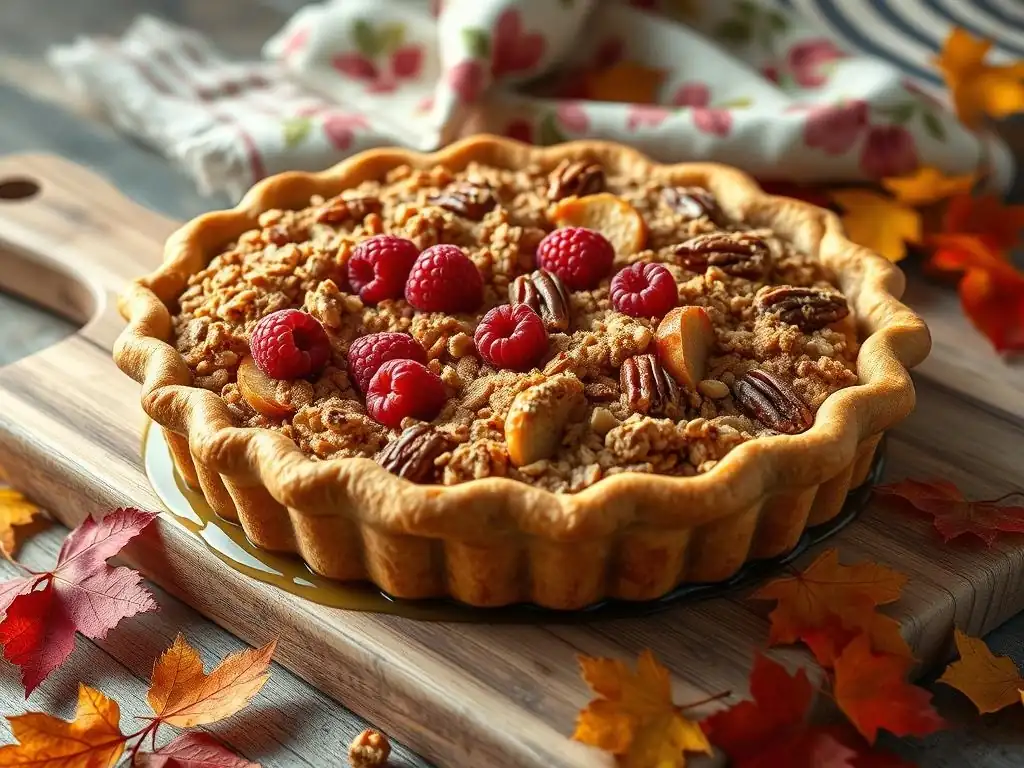
Bringing together the classic comfort of apple pie with the bright, slightly tart flavor of raspberries creates a dynamic and visually appealing dessert. Instead of a traditional double crust, this variation features a buttery, crumbly topping, adding a delightful textural contrast to the soft, juicy fruit filling. It's a less formal, more rustic style of pie, perfect for a casual fall gathering. The combination of sweet apples and tangy raspberries is a match made in heaven.
The beauty of a crumble pie lies in its simplicity and texture. The fruit filling is straightforward – sliced apples and whole raspberries tossed with sugar, flour (or cornstarch), and spices. The crumble topping is even easier, typically a mixture of flour, sugar, butter, and sometimes oats or nuts, rubbed together until crumbly. This pie offers a wonderful balance of sweetness from the apples, tartness from the raspberries, and richness from the buttery crumble. It's a comforting and easy fruit pie for fall baking.
Combining Sweet Apples and Tart Raspberries
Choosing the right apples is key to a good apple and raspberry pie. A mix of apple varieties often yields the best flavor and texture. Use a combination of sweet apples (like Gala, Fuji, or Honeycrisp) and slightly tart ones (like Granny Smith or Braeburn) to create depth. The raspberries add a bright, tangy counterpoint that cuts through the sweetness of the apples and the richness of the crumble. A common ratio might be 5-6 cups of sliced apples to 1-1.5 cups of raspberries.
Tossing the fruit with sugar and a thickener (like flour, cornstarch, or tapioca starch) is essential. The amount of sugar needed will depend on the sweetness of your apples and your preference for tartness from the raspberries. About 1/2 to 3/4 cup of sugar is a typical starting point. The thickener (2-3 tablespoons) prevents the filling from being too watery. Spices like cinnamon, nutmeg, and a pinch of allspice or ginger complement the apples beautifully and work well with the raspberries too.
Making a Delicious Crumble Topping
A great crumble topping is buttery, slightly sweet, and has a satisfying texture. The basic components are flour, sugar, and cold butter. A common ratio is 1 part butter to 2 parts flour and 1 part sugar (by weight, roughly). For example, 1 cup flour, 1/2 cup sugar, and 1/2 cup cold butter, cut into small pieces. You can use white sugar, brown sugar, or a mix. Brown sugar adds moisture and a caramel note.
Combine the dry ingredients in a bowl, then cut in the cold butter using a pastry blender, fork, or your fingertips until the mixture resembles coarse crumbs or small peas. Don't overmix; you want distinct pieces of butter to create flakiness. For extra flavor and texture, you can add rolled oats, chopped nuts (like walnuts or pecans), or spices like cinnamon to the crumble mixture. Sprinkle the crumble evenly over the fruit filling before baking. As it bakes, the butter melts, binding the dry ingredients into a delicious, slightly crisp topping.
Plum and Ginger Galette: A Rustic and Aromatic Fall Fruit Pie
A galette is essentially a freeform pie, baked without a pie plate, with the crust simply folded over the edges of the filling. This rustic style is forgiving and highlights the beauty of the fruit. Plums, with their sweet-tart flavor and gorgeous color when baked, are ideal for galettes. Pairing them with the warm, slightly spicy kick of ginger creates an aromatic and incredibly satisfying dessert. This is one of the easiest fall fruit pie ideas to execute, perfect for beginners.
The charm of a plum and ginger galette lies in its simplicity and focus on the fruit. The crust-to-filling ratio is often slightly higher than a traditional pie, providing plenty of flaky pastry to complement the juicy plums. Ginger, whether fresh or ground, adds a layer of warmth that enhances the plums' natural sweetness and cuts through their slight tartness. It's a less structured approach to fall fruit pie recipes, resulting in a beautiful, freeform tart that looks as good as it tastes.
Understanding and Preparing Plums
Plums come in many varieties, ranging from sweet to quite tart. For baking, varieties like Italian prune plums (often available in late summer/early fall), Black Diamond, or Santa Rosa work well. Choose plums that are ripe but still firm, similar to pears for pie. Overripe plums will release too much juice and become mushy. Wash the plums, halve them, remove the pits, and slice them – usually about 1/2 inch thick. You don't typically need to peel plums, as the skins soften during baking and add color and a slight tang.
Toss the sliced plums with sugar, a thickener (like flour or cornstarch), and spices. The amount of sugar will depend heavily on the sweetness of your plums, so tasting a slice is helpful. You might need anywhere from 1/4 to 3/4 cup of sugar for a galette using about 4-5 cups of sliced plums. Adding a tablespoon or two of lemon juice brightens the flavor and balances the sweetness.
Spices that Complement Plum Flavor
Plums pair wonderfully with warm spices. Ginger is a standout partner, adding a spicy warmth that complements the fruit's sweetness and tartness. You can use grated fresh ginger (about 1-2 teaspoons for a galette's worth of fruit) for a more pungent flavor, or ground ginger (about 1/2 - 1 teaspoon) for a milder effect. Cinnamon, nutmeg, cardamom, and even a pinch of black pepper can also enhance plum flavor.
Consider adding a touch of almond extract or a splash of amaretto liqueur, as stone fruits like plums have a natural affinity for almond. A bit of orange zest can also brighten the filling. Tossing the sliced plums with your chosen spices and sugar, along with the thickener, creates the flavorful base for your galette. The aroma of plums and ginger baking together is truly intoxicating, making this one of the most aromatic easy fruit pies for fall.
Mastering the Art of Fall Fruit Pie Crusts
A great fall fruit pie starts with a fantastic crust. While store-bought crusts offer convenience, making your own is incredibly rewarding and allows you to control the flavor and texture. A flaky, buttery crust is the perfect complement to the sweet and tart fruit fillings of autumn. Mastering pie crust is a fundamental skill for anyone exploring fall fruit pie recipes.
Creating a flaky crust requires cold ingredients, minimal handling, and proper chilling. The fat (usually butter or shortening) should be cut into the flour until it forms pea-sized pieces. As the crust bakes, these fat pieces melt, creating steam that separates the layers of dough, resulting in flakiness. Overworking the dough develops the gluten, leading to a tough crust. Chilling the dough is crucial; it allows the gluten to relax and the fat to firm up, making it easier to roll and ensuring maximum flakiness.
Homemade Pie Crust Recipes for Fall Fruits
Two popular and reliable homemade pie crust options are the classic all-butter crust and the slightly more complex brown butter crust. Both yield delicious results perfect for various easy fruit pies for fall.
All-Butter Crust: A Classic Choice
An all-butter crust is the benchmark for flaky pie pastry. It offers pure, rich butter flavor that melts in your mouth. The basic ratio is typically 2.5 cups all-purpose flour, 1 teaspoon salt, 1 cup (2 sticks) unsalted butter, cut into cubes and kept very cold, and about 1/2 cup ice water.
Combine the flour and salt, cut in the cold butter until pea-sized pieces form, then gradually add ice water, mixing until the dough just comes together. Divide the dough in half, flatten into discs, wrap, and chill for at least 30 minutes (preferably longer) before rolling. This recipe yields enough for a double-crust pie or two single crusts.
The key to an all-butter crust's flakiness is keeping the butter cold and working quickly. Some bakers recommend freezing the butter and grating it into the flour for easier incorporation. Others swear by using a food processor to pulse the butter and flour together, which keeps ingredients cold. Regardless of the method, handle the dough as little as possible after adding the water to avoid developing tough gluten strands. This classic recipe provides the perfect base for any fall fruit pie recipes.
Brown Butter Crust: A Nutty and Flavorful Option
For an extra layer of flavor, consider a brown butter crust. Browning the butter before incorporating it into the dough adds a wonderful nutty, caramelized note that complements many fall fruits beautifully, especially pears, apples, or even sweet potato. The process involves melting the butter in a saucepan and cooking it gently until the milk solids turn brown and fragrant. This usually takes about 5-7 minutes over medium heat. Once browned, the butter needs to be cooled and solidified before being cut into the flour, similar to the all-butter method.
Using brown butter adds a depth of flavor that a regular butter crust doesn't have. However, it can be slightly trickier to work with as the consistency changes. Some recipes call for browning the butter and then chilling it until solid again, while others might use a mix of brown butter and cold regular butter. The resulting crust has a slightly richer color and a distinct nutty aroma. It's a subtle but impactful variation that elevates easy fruit pies for fall.
Tips for Preventing a Soggy Pie Crust
One of the most common pie challenges is a soggy bottom crust, especially with juicy fruit fillings common in fall fruit pie recipes. Fortunately, there are several effective techniques to combat this issue.
Blind Baking Techniques
Blind baking (or pre-baking) the bottom crust before adding the filling is a highly effective method for preventing sogginess. Roll out your bottom crust dough and fit it into the pie plate. Trim and crimp the edges. Then, line the crust with parchment paper or foil and fill it with pie weights, dried beans, or rice to hold its shape.
Bake the crust in a preheated oven (often around 375-400°F or 190-200°C) for 15-20 minutes, or until the edges are lightly golden. Remove the weights and parchment/foil, and bake for another 5-10 minutes until the bottom is lightly golden and appears dry. This partial baking creates a barrier against the fruit juices.
For extremely wet fillings, you can fully blind bake the crust until golden brown and cooked through before adding the filling. This ensures the bottom crust is completely set. Another trick after blind baking is to brush the bottom of the hot crust with a thin layer of egg white or melted butter immediately after removing the weights and bake for another minute or two. This creates a seal that further protects the crust from moisture.
Using Egg Wash for a Golden Crust
While primarily used for the top crust or edges to achieve a beautiful golden-brown color and slight sheen, an egg wash can also contribute minimally to preventing sogginess by creating a slight barrier on the surface of the dough. However, its main role is aesthetic. A simple egg wash is typically made by whisking one egg with a tablespoon of water or milk. This mixture is brushed lightly over the exposed pastry before baking.
For extra shine and deeper color, you can use just the egg yolk mixed with a little cream. For a more subtle finish, use only the egg white mixed with water. Brushing the top crust or galette edges with egg wash before baking helps them brown evenly and beautifully, adding to the visual appeal of your easy fruit pies for fall. You can also sprinkle the egg-washed crust with sugar (granulated, turbinado, or sanding sugar) for added sparkle and sweetness.
Baking Tips for the Best Fall Fruit Pies
Beyond the crust and filling, several general baking tips can help ensure your fall fruit pies turn out perfectly every time.
Selecting the Freshest Fall Fruits
The quality of your pie is directly tied to the quality of your ingredients, especially the fruit. For the best easy fall fruit pie recipes, use fruit that is in season and at its peak ripeness. Visit local farmers' markets if possible, as the fruit is often fresher and more flavorful than what's available in large supermarkets. Look for fruit that is firm but yields slightly to gentle pressure (unless the recipe specifies otherwise), has vibrant color, and smells fragrant.
Avoid fruit that is bruised, overly soft, or has mold. If using apples or pears, choose varieties recommended for baking, as some break down more easily than others. For berries like cranberries or raspberries, fresh is ideal, but frozen can also work well in pies; just be aware that frozen fruit releases more liquid, so you might need to increase the thickener slightly. Using peak-season fruit ensures the most delicious and flavorful easy fruit pies for fall.
Adjusting Sweetness Levels Based on Fruit Tartness
Different fruits have varying levels of natural sweetness and acidity. Apples range from very sweet to quite tart, while cranberries are intensely tart, and pears are mildly sweet. Always taste your fruit before preparing the filling and adjust the amount of sugar accordingly. A good starting point is typically provided in recipes, but don't be afraid to add a little more or less based on your fruit and personal preference.
For very tart fruits like cranberries or some plums, you will likely need more sugar than for sweet apples or pears. Using a combination of sugar types, like granulated sugar for general sweetness and brown sugar for moisture and depth, can also enhance the flavor profile. Remember that some sweetness comes from the crust and any toppings, so the fruit filling doesn't need to be overly sweet on its own. Balancing the sugar with a touch of lemon juice can often brighten the flavors without adding too much sweetness.
Achieving the Perfect Pie Texture
The perfect pie texture involves a flaky crust and a filling that is set but still moist and flavorful. Achieving this requires careful attention to baking time and temperature. Most fruit pies bake best at a moderate temperature, often starting higher (e.g., 400-425°F or 200-220°C) for the first 15-20 minutes to set the crust, then reducing the temperature (e.g., 375°F or 190°C) for the remainder of the baking time. This helps prevent the edges from burning before the center is cooked.
You know a fruit pie is done when the crust is deeply golden brown and the filling is bubbling thickly through vents in the top crust or around the edges of a crumble/galette. For custard-based pies like sweet potato, the center should be mostly set but still have a slight wobble. Using a pie shield or wrapping the edges of the crust with foil early in the baking process prevents them from over-browning.
Letting the pie cool completely (often several hours for fruit pies) is crucial for the filling to set properly, especially with juicy fall fruit pie recipes. Cutting into a hot fruit pie will often result in a runny mess.
Fall Fruit Pie Recipe Roundup
Here's a brief overview of the easy fall fruit pie recipes discussed, highlighting their key components.
Pear and Almond Frangipane Pie Recipe
- Crust: All-butter or brown butter crust.
- Filling: Sliced ripe pears tossed with sugar, thickener, and spices (cinnamon, ginger, cardamom). Layer of almond frangipane spread on the bottom crust.
- Top: Lattice or double crust with vents, or a streusel topping.
- Key Flavors: Delicate pear, rich almond, warm spice.
Cranberry and Orange Pie Recipe
- Crust: All-butter or shortening-based crust for flakiness.
- Filling: Fresh or frozen cranberries cooked with sugar, orange zest, orange juice, and a thickener (flour or tapioca starch). Can include other fruits like pear or apple.
- Top: Double crust with vents, or a crumble topping.
- Key Flavors: Tart cranberry, bright citrus, sweet balance.
Sweet Potato and Maple Pecan Pie Recipe
- Crust: Often a single pie crust, sometimes with a graham cracker or nut crust variation.
- Filling: Smooth sweet potato puree mixed with eggs, cream, maple syrup, sugar, and warm spices (cinnamon, nutmeg, ginger).
- Top: Maple pecan topping, often added towards the end of baking or as a post-bake addition.
- Key Flavors: Creamy sweet potato, sweet maple, nutty pecan, warm spice.
Apple and Raspberry Crumble Pie Recipe
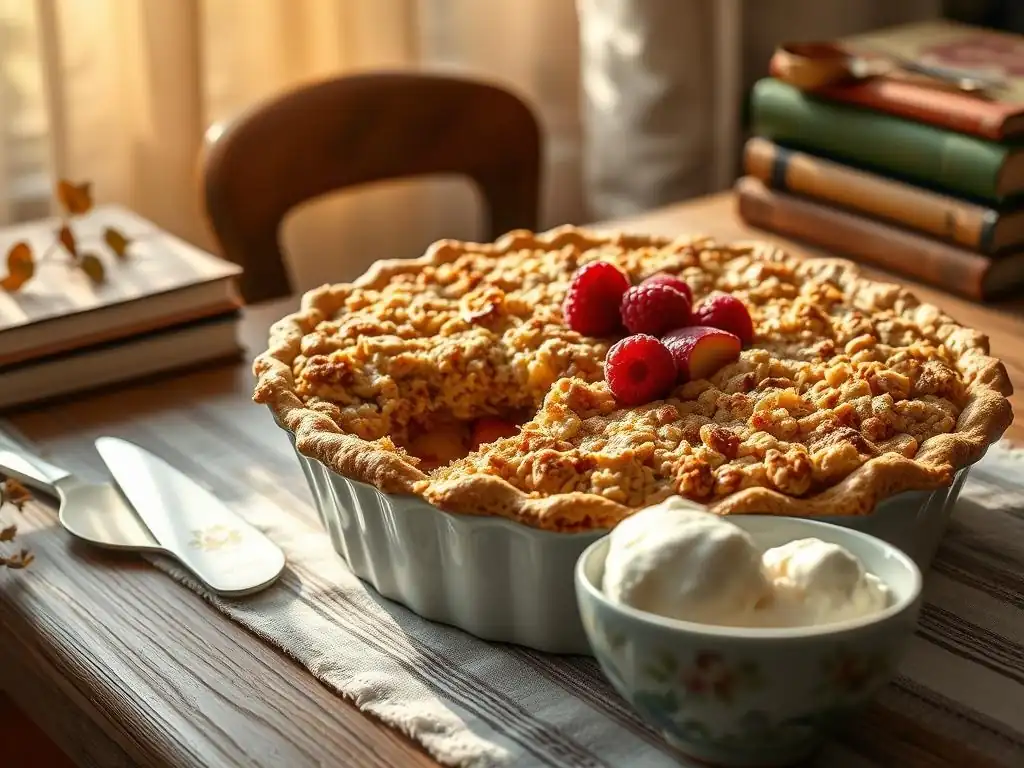
- Crust: Single bottom crust (all-butter recommended).
- Filling: Sliced sweet and tart apples mixed with whole raspberries, sugar, thickener (flour or cornstarch), and spices (cinnamon, nutmeg).
- Top: Butter crumble topping, often with oats or nuts.
- Key Flavors: Classic apple, tangy raspberry, buttery crumble.
Plum and Ginger Galette Recipe
- Crust: Single round of pie dough (all-butter or a mix).
- Filling: Sliced plums tossed with sugar, thickener (flour or cornstarch), and fresh or ground ginger. Optional additions like lemon juice or almond extract.
- Top: Freeform edges folded over the fruit; filling is exposed in the center. Often brushed with egg wash and sprinkled with sugar.
- Key Flavors: Sweet-tart plum, spicy ginger, rustic pastry.
Conclusion: Enjoying the Flavors of Fall with Easy Pie Recipes
Celebrate the Season with Delicious Homemade Pies
As autumn unfolds, there's no better way to embrace the season's bounty than by baking a delicious homemade pie. Moving beyond the classic apple opens up a world of delightful possibilities with other fall fruits like pears, cranberries, and plums, as well as comforting favorites like sweet potato.
These easy fall fruit pie recipes offer a chance to experiment with new flavors, textures, and techniques, from elegant frangipane fillings to rustic galettes. The process of baking, from rolling out the dough to watching the fruit bubble in the oven, is a rewarding experience that fills your home with incredible aromas and anticipation.
Sharing a slice of warm, homemade pie with loved ones is a quintessential fall pleasure. Whether you choose the delicate sweetness of pear and almond, the bright tang of cranberry and orange, the festive richness of sweet potato and maple pecan, the rustic charm of apple and raspberry crumble, or the aromatic simplicity of a plum and ginger galette, you're creating more than just a dessert – you're creating memories.
These easy fruit pies for fall are approachable for bakers of all levels and promise delicious results that capture the true taste of autumn. So preheat your oven, gather your ingredients, and get ready to bake some incredible fall fruit pies.
Further Baking Resources
To continue your baking journey and explore more easy fruit pies for fall and beyond, consider delving into resources that cover fundamental techniques. Understanding the science behind baking ingredients like flour, sugar, and fats can demystify the process and help you troubleshoot common issues. Learning about different types of thickeners (flour, cornstarch, tapioca starch, pectin) and when to use them is crucial for achieving perfectly set fruit fillings.
Exploring various pie crust methods, from traditional pastry to alternative crusts, will expand your repertoire. Many excellent cookbooks, online tutorials, and baking classes are available to help you hone your skills and become a more confident and creative baker, ready to tackle any fall fruit pie recipes that catch your eye.
Frequently Asked Questions
What types of fall fruits work well in pie recipes beyond the traditional apple pie?
Many fruits shine in fall pies! Think pear, cranberry, pumpkin, sweet potato, and even combinations like apple-cranberry.
Where can I find easy-to-follow fall fruit pie recipes on BakeWithEase.com?
BakeWithEase.com offers a dedicated section for fall baking! Look for the "Fall Fruit Pie Recipes" category or use the search bar for specific fruits.
What are some tips for preventing a soggy bottom crust when making a fall fruit pie?
To avoid a soggy crust, try blind baking the crust partially before adding the filling or using a glass pie dish to better conduct heat.
Can I use frozen fruit in my fall fruit pie recipes, and if so, how should I adjust the recipe?
Yes, you can use frozen fruit! Be sure to thaw and drain it well to reduce excess moisture and potentially increase the baking time slightly.
What are some ways to elevate a simple fall fruit pie recipe for a more impressive presentation?
Consider adding a lattice crust, a crumb topping, or a decorative edge. You can also brush the crust with an egg wash for a golden sheen.
Final Reflection: Harvesting the Sweetness of Autumn
The abundance of fall fruits offers more than just a seasonal treat; it's a chance to reconnect with nature's rhythm and celebrate the simple pleasures of homemade goodness. This exploration of fall fruit pie recipes, moving beyond the familiar apple, has highlighted the incredible diversity and deliciousness available during this time of year. From the tartness of cranberries to the sweetness of pears, each fruit brings a unique flavor profile, inviting experimentation and creativity in the kitchen.
The enduring appeal of pie, particularly during autumn, speaks to a deeper human need for comfort and connection. It's a tradition passed down through generations, a symbol of warmth and hospitality. Pie is a love letter to the earth.
This simple statement encapsulates the essence of what we've explored: the joy of using seasonal ingredients to create something beautiful and delicious, sharing it with loved ones, and appreciating the simple act of baking. The recipes shared here are more than just instructions; they are invitations to create memories and build connections.
Now, as the leaves continue their vibrant descent, I invite you to embrace the spirit of autumn baking. Don't be afraid to experiment with different fruit combinations, to personalize your recipes, and to share the fruits (and pies!) of your labor with those you cherish. Let the aroma of warm spices and sweet fruit fill your home, creating a haven of comfort and joy. This fall, let's celebrate the simple, yet profound, pleasure of a perfectly baked pie.
Unleash Your Inner Baker: Craft the Perfect Fall Pie!
Thanks for joining us on this delicious journey through the world of fall fruit pies! We hope you've discovered some new inspiration and techniques to elevate your baking game. Ready to get your hands messy?
- Bake your dream pie! Choose your favorite recipe from the article (or try something completely new!) and get baking. This is your chance to experiment with flavors and techniques. Don't be afraid to get creative!
- Share your masterpiece! Snap a picture of your finished pie and post it online – tag us and show off your baking skills! Let's build a BakeWithEase community of pie lovers.
- Explore our other seasonal recipes. For more autumnal baking inspiration, browse our site for more delicious ideas – you might just discover your new favorite dessert!
So, what unique twist will you add to your next fall pie? Let's hear about it in the comments!