
Pizza Stone vs. Dutch Oven: Which Delivers Authentic Pizzeria Results?

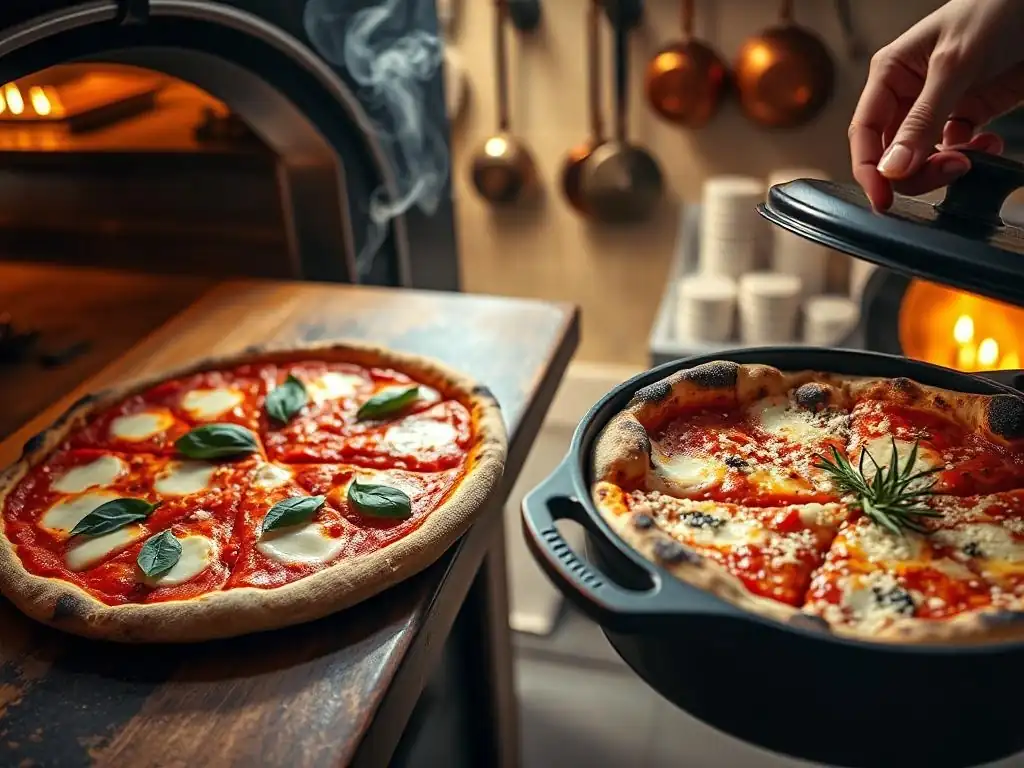
Welcome to BakeWithEase, your ultimate guide to baking bliss! Ever wondered how to achieve that authentic pizzeria crust at home? This comprehensive Baking Equipment Guide dives deep into the Pizza Stone vs. Dutch Oven debate, revealing which tool truly unlocks those coveted, crispy results. Discover the secrets to achieving pizzeria-quality pizza in your own kitchen – are you ready to find out the winner?
- Exploring the Dutch Oven for Pizza: A Surprising Contender
-
Frequently Asked Questions
- How does a pizza stone help create an "authentic pizzeria" pizza?
- Is a pizza stone difficult to clean and maintain?
- Can a Dutch oven be used to bake pizza?
- What are the key differences in pizza crust texture when using a pizza stone versus a Dutch oven?
- What are the pros and cons of using a pizza stone to achieve "Authentic Pizzeria Pizza" and what are the alternatives?
- Final Reflection: The Quest for Authentic Pizzeria Pizza at Home
- Unleash Your Inner Pizzaiolo: Craft the Perfect Pie!
Exploring the Dutch Oven for Pizza: A Surprising Contender
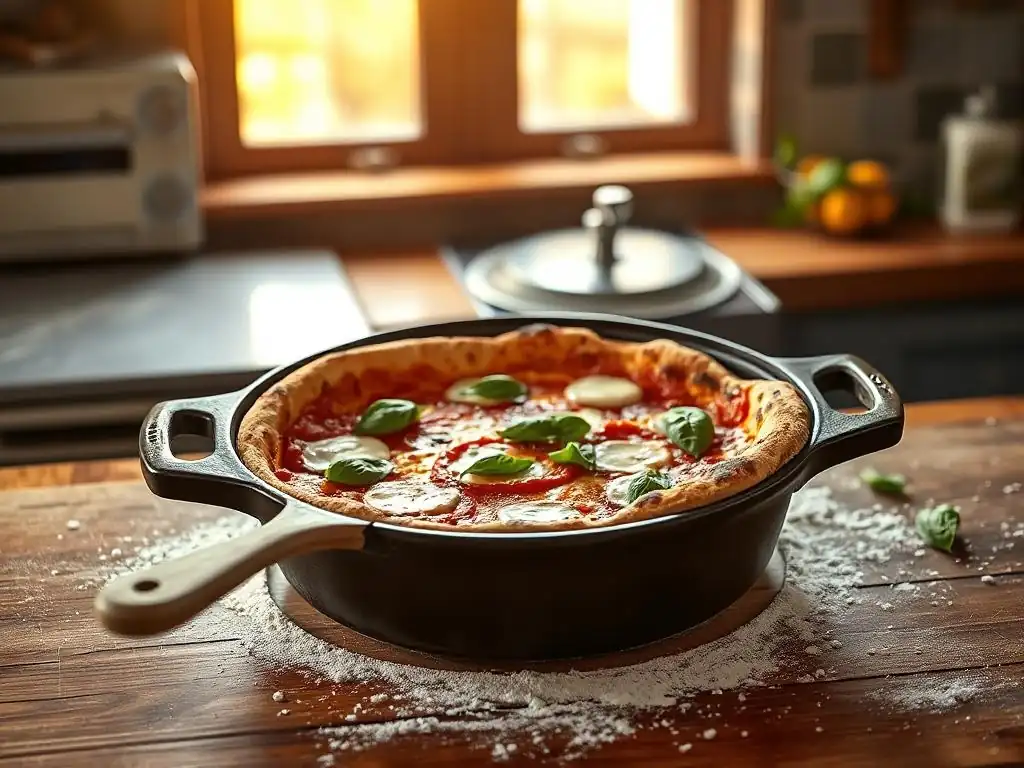
While the pizza stone often takes center stage in the quest for homemade authentic Neapolitan pizza, the humble Dutch oven has emerged as a surprisingly effective tool for achieving similar results, particularly a beautiful, puffy crust. This heavy, lidded pot, traditionally used for braising and stews, offers unique properties that can mimic aspects of a professional pizza oven, providing a different path to that sought-after cornicione (the puffy edge). Exploring its capabilities reveals why some home bakers find it rivals even an authentic pizzeria pizza stone for certain crust characteristics.
The idea might seem unconventional at first – baking a flat pizza inside a deep pot. However, the principles behind its success lie in its material and design. Understanding how a Dutch oven traps heat and moisture unlocks its potential for baking, including creating impressive homemade pizzas. It's a testament to the adaptability of classic kitchen equipment when pursuing specific baking goals like achieving a near-authentic pizzeria quality crust without necessarily using an authentic pizzeria pizza stone.
What is a Dutch Oven and How Does it Function?
A Dutch oven is a thick-walled cooking pot, usually made of cast iron, with a tight-fitting lid. Its primary function is to cook food evenly using moist heat, often over long periods. The heavy construction, especially in traditional cast iron versions, allows it to absorb and retain heat exceptionally well, distributing it steadily throughout the cooking process. This thermal mass is key to its effectiveness in baking.
When used for pizza, the preheated Dutch oven acts like a mini-oven within your main oven. The heavy walls radiate intense heat directly to the bottom and sides of the pizza, promoting rapid cooking. Crucially, the lid traps steam released from the dough and toppings during the initial baking phase. This trapped steam keeps the surface of the crust moist and pliable, allowing it to expand rapidly before the crust sets, contributing significantly to a light, airy interior and a well-risen cornicione that can rival results achieved with methods involving an authentic pizzeria pizza stone.
Advantages of Baking Pizza in a Dutch Oven
One significant advantage of using a Dutch oven for pizza is its exceptional heat retention. When preheated in a hot oven, typically to temperatures around 500°F (260°C), the thick cast iron becomes incredibly hot. Placing the pizza onto this superheated surface provides an intense burst of heat to the base, mimicking the conductive heat transfer you get from a hot surface like an authentic pizzeria pizza stone. This rapid transfer helps set the base quickly, preventing it from becoming soggy and promoting a crisp bottom crust.
Another key benefit is the creation of a steamy environment within the pot during the initial minutes of baking when the lid is on. As the dough heats up, moisture evaporates. In a standard oven, this steam dissipates quickly.
However, the Dutch oven's tight-fitting lid traps this steam around the pizza. This moist environment allows the dough's surface to remain soft and flexible longer, facilitating maximum oven spring. The result is often a more dramatically risen crust edge compared to baking on an open surface, potentially offering a different, yet still desirable, texture profile than what you might achieve solely relying on the radiant heat from an authentic pizzeria pizza stone in a conventional oven.
High Heat Retention for Rapid Cooking
The dense material of a Dutch oven, particularly cast iron, allows it to absorb and hold a tremendous amount of thermal energy. When preheated thoroughly, it becomes a powerhouse of heat, significantly impacting the cooking speed of your pizza. Imagine placing your pizza onto a surface that's been sitting at 500°F (260°C) for an hour – the immediate contact between the dough and the scorching hot pot bottom initiates rapid cooking of the base.
This rapid heat transfer is crucial for achieving a well-cooked bottom crust and preventing the dough from becoming dense or gummy. While an authentic pizzeria pizza stone also excels at this, the enclosed environment of the Dutch oven amplifies the effect by surrounding the pizza with intense heat from all sides (from the pot walls radiating heat). This high heat retention means your pizza can cook remarkably fast, often in just 5-8 minutes, similar to the speed of a commercial pizza oven, contributing to a more authentic result.
Creating a Steamy Environment for a Soft Interior
The sealed environment created by the Dutch oven's lid is perhaps its most unique advantage for pizza baking. Dough naturally releases moisture as it heats up. By trapping this moisture inside the pot, a high-humidity microclimate is formed around the pizza. This steam keeps the surface of the dough supple and prevents it from forming a hard skin too early in the baking process.
This sustained flexibility allows the yeast within the dough to work its magic and cause significant expansion – the "oven spring." The steam facilitates a lighter, airier crumb structure within the crust edge ( cornicione).
After a few minutes, when the lid is removed, the crust surface is then exposed to the dry heat of the oven, allowing it to crisp up and brown beautifully. This two-stage process – steam followed by dry heat – is a distinct benefit of the Dutch oven method, offering a different path to a desirable crust texture than methods relying solely on the direct heat and moisture absorption of an authentic pizzeria pizza stone.
Different Dutch Oven Materials: Cast Iron vs. Enameled Cast Iron for Pizza
Dutch ovens are most commonly made from either bare cast iron or enameled cast iron. Both materials offer excellent heat retention, a key factor for pizza baking, but they have some differences that can influence their suitability and maintenance for this specific use case. Understanding these differences is important when choosing which type might be better for achieving results comparable to using an authentic pizzeria pizza stone.
Bare cast iron is the traditional material. It requires seasoning – a layer of polymerized oil baked onto the surface – to prevent rust and create a non-stick surface. For pizza, bare cast iron performs exceptionally well because it can withstand very high temperatures (often higher than the enamel coating on enameled versions) and its porous surface, once well-seasoned, can slightly aid in moisture management.
However, it requires careful cleaning (no soap) and regular re-seasoning, especially after intense high-heat use like pizza baking, to maintain its condition and prevent sticking. This direct contact with the superheated seasoned surface is similar in principle to the heat transfer from an authentic pizzeria pizza stone.
Enameled cast iron features a protective glass coating over the cast iron. This enamel makes the pot non-reactive, easier to clean (soap is fine), and resistant to rust, eliminating the need for seasoning. For pizza, enameled Dutch ovens also retain heat remarkably well, providing that crucial initial heat blast to the crust.
While the enamel surface is smooth and non-porous, it still allows for significant oven spring due to the trapped steam. The main consideration is that some manufacturers recommend not exceeding certain temperatures (e.g., 450-500°F or 230-260°C) to protect the enamel from thermal shock or discoloration, which might be a limiting factor if you aim for the very high temperatures often used with an authentic pizzeria pizza stone to replicate professional results. However, many enameled Dutch ovens are rated for high oven temperatures, making them a very popular and practical choice for pizza.
Frequently Asked Questions
How does a pizza stone help create an "authentic pizzeria" pizza?
A pizza stone, preheated in a hot oven, provides a high-heat surface that rapidly cooks the pizza crust. This results in a crisp bottom crust, similar to those cooked in a traditional wood-fired pizza oven.
Is a pizza stone difficult to clean and maintain?
Pizza stones can be slightly challenging to clean. Avoid soap and water, instead scraping off debris and allowing the oven's heat to burn off any residue. They are prone to staining, but this doesn't affect their performance.
Can a Dutch oven be used to bake pizza?
Yes, a Dutch oven can be used, creating a steamed environment that promotes a soft, chewy crust. While not the same as a crisp pizzeria crust, it offers a unique and delicious pizza texture.
What are the key differences in pizza crust texture when using a pizza stone versus a Dutch oven?
A pizza stone yields a crisp, dry crust, while a Dutch oven produces a softer, chewier crust due to the trapped moisture and steam. The baking methods are fundamentally different.
What are the pros and cons of using a pizza stone to achieve "Authentic Pizzeria Pizza" and what are the alternatives?
Pros: crisp crust, high heat. Cons: cleaning, potential for cracking. Alternatives include pizza steels and specialized pizza ovens.
Final Reflection: The Quest for Authentic Pizzeria Pizza at Home
The pursuit of perfect pizza, a seemingly simple goal, reveals a surprisingly complex culinary landscape. From the humble home oven to the fiery heart of a pizzeria, the journey to replicate that signature crispy crust and perfectly melted cheese is a testament to the power of technique and the right tools. This exploration of pizza stones and Dutch ovens highlights the crucial role equipment plays in achieving authentic pizzeria results.
The debate between pizza stones and Dutch ovens underscores a broader cultural shift: the increasing desire for high-quality, artisanal food experiences within the comfort of our own homes. This isn't just about convenience; it's about connecting with the process, understanding the nuances of cooking, and appreciating the artistry involved in crafting a truly delicious meal. The best things in life are simple, but not easy.
This sentiment perfectly captures the effort and reward inherent in the pursuit of authentic pizza. The journey itself, filled with experimentation and the occasional slightly burnt crust, is as rewarding as the final product.
So, which tool reigns supreme? The answer, as this article reveals, depends on your priorities and preferences. But more importantly, the real takeaway transcends the specific equipment. Consider this your invitation to embrace the process, to experiment in your own kitchen, and to discover the joy of creating something delicious and authentic. Don't be afraid to try both a pizza stone and a Dutch oven; the journey of culinary exploration is far more rewarding than arriving at a single, definitive answer. The true "authentic pizzeria pizza" is the one you create with passion and a little bit of experimentation.
Unleash Your Inner Pizzaiolo: Craft the Perfect Pie!
Thanks for taking the time to explore the delicious world of pizza baking with us! You've now armed yourself with the knowledge to choose the perfect tool for creating authentic pizzeria-style pizza at home. Ready to elevate your pizza game?
- Try it yourself! Experiment with both a pizza stone and a Dutch oven to discover which method yields your favorite crust and texture. Note your findings and share your pizza journey with us!
- Share the love! Tell your friends and family about your newfound pizza-making expertise. Challenge them to a pizza-off!
- Dive deeper: Explore more baking techniques and recipes on BakeWithEase.com (this would be a link on a live website).
What unique toppings will you create with your perfectly crafted pizza crust?