
Simple Cakes: How to Achieve a Perfect Crumb

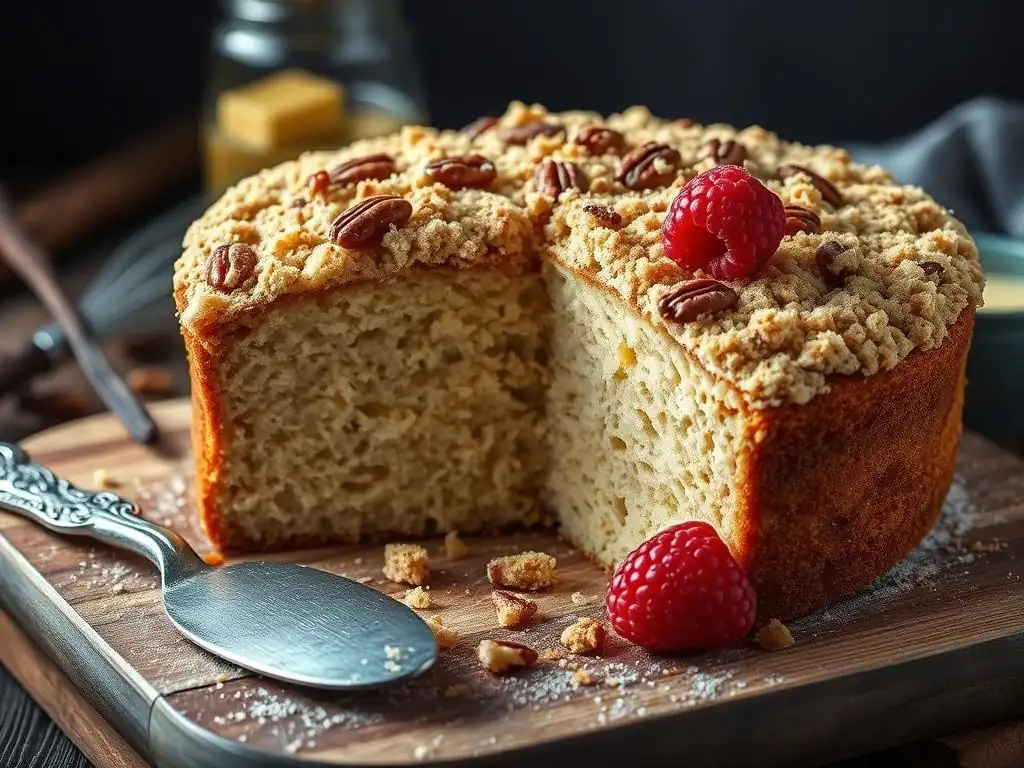
Welcome to BakeWithEase, where the joy of baking is just a whisk away! Whether you’re a novice or looking to refine your baking skills, our website is dedicated to simplifying the process for you. Dive into our main article on the "Perfect Crumb Cake Recipe," where we unravel the secrets to achieving that delightful texture every baker dreams of. With easy-to-follow steps and accessible ingredients, you’ll soon be on your way to impressing friends and family with your newfound baking prowess. So, grab your apron and let’s embark on a delicious journey together!
- Baking Science: Achieving the Perfect Cake Crumb
- Introduction: The Art and Science of Cake Crumb
- Key Ingredients and Their Impact on Crumb Structure
- Mixing Techniques for Optimal Crumb Development
- Baking Process: Temperature and Time
- Troubleshooting Common Crumb Issues
- Advanced Techniques for Crumb Enhancement
- Recipe Adaptation: Applying Crumb Principles
- Storing and Preserving Cake Crumb
- Conclusion: Mastering the Art of Cake Crumb
- Frequently Asked Questions
- Final Reflection: The Enduring Allure of the Perfect Crumb
- Unlock Your Inner Baker: Perfect Crumbs Await!
Baking Science: Achieving the Perfect Cake Crumb
Introduction: The Art and Science of Cake Crumb
Understanding Cake Structure: Beyond Taste
Achieving a perfect crumb in a cake is about more than just getting the ingredients right; it's a fascinating interplay of chemistry and physics that dictates the final structure. Think of a cake as a delicate matrix. The flour provides the framework through its protein (gluten), while eggs contribute structure and emulsification.
Leavening agents create air pockets, and fats and sugars work to tenderize this structure, preventing it from becoming tough. Understanding these fundamental interactions is key to controlling the outcome, moving beyond simply following a perfect crumb cake recipe to truly understanding why certain steps are crucial. For instance, overheating a cake can cause the protein structure to become too rigid, leading to a dry, tough crumb, even if the initial batter was perfect.
The distribution and size of air bubbles, the degree of protein development, and the moisture content all contribute significantly to how the cake feels in your mouth. A cake with a good structure will hold its shape when sliced but yield easily to the fork. It won't crumble excessively, nor will it be dense and heavy.
This structural integrity is built layer by layer through the mixing process and solidified during baking. Mastering the basics of how ingredients interact is the first step towards consistently producing cakes with that coveted light, tender, and even crumb, making any simple cake recipe feel like a perfect crumb cake recipe.
Defining Cake Crumb: Texture, Tenderness, and Appearance
The term "crumb" in baking refers to the internal texture of the cake after it's baked. A perfect crumb is typically described as soft, moist, and delicate, with small, evenly distributed air pockets. When you slice into a cake with a perfect crumb, the cut surface should look uniform, without large tunnels or dense, compacted areas. The texture should feel tender and slightly moist on the tongue, not dry or coarse. This ideal texture is what elevates a simple cake from good to truly exceptional, embodying the goal of any baker seeking a perfect crumb cake recipe.
Tenderness is a critical component of the perfect crumb. This isn't just about moisture; it's also about how easily the cake breaks apart. Fats and sugars play a vital role here, interfering with gluten development and coating flour particles to keep the structure delicate. Appearance matters too – a uniform network of fine holes signifies consistent leavening and proper mixing. Imagine slicing a classic vanilla pound cake; the cross-section should reveal a tight, even grain. Achieving this ideal crumb is the ultimate aim when following or developing a perfect crumb cake recipe for any simple cake.
Key Ingredients and Their Impact on Crumb Structure
Flour: The Foundation of Cake Structure
Flour is the primary structural component of most cakes, providing the protein network (gluten) that holds the cake together. Different types of flour have varying protein levels, which directly impact the potential for gluten development. For example, cake flour has a protein content typically ranging from 6-8%, while all-purpose flour is usually 10-12%.
This difference is crucial because less protein means less gluten development, resulting in a more tender cake crumb, which is highly desirable for achieving a perfect crumb cake recipe. The starch in flour also absorbs liquid and swells during baking, contributing to the cake's final texture and moisture retention.
The way flour is handled during mixing determines the extent of gluten formation. Gentle mixing minimizes gluten development, which is generally preferred in cakes to ensure a tender crumb. Overmixing flour can lead to excessive gluten, resulting in a tough, chewy texture, the opposite of the perfect crumb we aim for. Understanding the protein content of your chosen flour and how to handle it correctly is fundamental to controlling the structure and achieving that delicate, moist crumb.
Gluten Development and its Role
Gluten is formed when two proteins in flour, glutenin and gliadin, come into contact with liquid and are agitated. Gluten strands are elastic and strong, providing the framework that allows doughs to rise and hold their shape. In bread baking, significant gluten development is desired for a chewy texture.
However, for a tender cake crumb, we want to limit gluten development. The fat and sugar in cake batters coat the flour particles, inhibiting the formation of gluten strands. This is why creaming butter and sugar thoroughly before adding flour is a key step in many cake recipes – it helps create a barrier against excessive gluten.
Controlling gluten is paramount for a delicate perfect crumb cake recipe. Using lower-protein flour like cake flour is the first line of defense. Secondly, mixing should be done just until the ingredients are combined, avoiding vigorous or prolonged stirring once the flour is added. Overmixing develops gluten, leading to a tough, rubbery cake texture. Techniques like the "reverse creaming" method, where flour is coated with fat first, are specifically designed to minimize gluten development for an exceptionally tender crumb.
Types of Flour: Cake, All-Purpose, and Pastry
Choosing the right flour is a foundational step towards a perfect crumb cake recipe. Cake flour, with its low protein content (6-8%), is milled from soft wheat and often bleached, which further weakens the protein and helps it absorb more liquid and fat. This results in a very tender, fine-grained crumb, ideal for delicate cakes like sponges or layered cakes. If a recipe calls for cake flour and you use all-purpose, the cake will likely be tougher.
All-purpose flour (10-12% protein) is a versatile choice and works well for many simple cake recipes, though it may produce a slightly less tender crumb than cake flour. Pastry flour (8-9% protein) is intermediate between cake and all-purpose, offering a good balance of tenderness and structure, often used for pies and some pastries, but can also yield a lovely perfect crumb in certain cake recipes where a bit more structure is needed than cake flour provides. Knowing the protein content helps you predict the outcome and make informed substitutions if necessary.
Fat: Moisture, Tenderness, and Flavor
Fat is a crucial ingredient in achieving a perfect crumb cake recipe, contributing significantly to moisture, tenderness, and flavor. Fats like butter, oil, and shortening work by coating the flour particles, preventing them from absorbing too much liquid and thus inhibiting gluten development. This results in a softer, more delicate structure. Fat also helps to keep the cake moist over time, as it doesn't evaporate like water. The type and amount of fat used have a direct impact on the final crumb texture.
Beyond tenderness, fat carries flavor and improves the cake's shelf life. Butter, for instance, adds rich flavor and contributes to browning during baking. Oil, being 100% fat (unlike butter, which is about 80% fat and 18% water), is particularly effective at keeping cakes moist and tender, especially those leavened primarily by chemical agents. The way fat is incorporated, such as creaming butter and sugar, also affects the crumb by incorporating air, which contributes to lightness and a fine texture.
Shortening vs. Oil: Effects on Crumb
The choice between solid fats like shortening or butter and liquid fats like oil significantly impacts the cake crumb. Shortening (a hydrogenated vegetable oil) is 100% fat and has a high melting point. It excels at inhibiting gluten and creating a tender crumb, often resulting in a slightly more stable structure than oil. It's known for producing cakes with a fine, uniform crumb. However, shortening lacks the flavor of butter.
Oil, on the other hand, coats flour particles more effectively than solid fats, leading to exceptionally moist and tender cakes. Cakes made with oil tend to stay moist longer than those made with butter or shortening. However, oil doesn't contribute to leavening through creaming as butter does.
Cakes made with oil often rely more heavily on chemical leaveners like baking powder and baking soda. While oil provides moisture and tenderness, it might result in a slightly looser crumb structure compared to the fine, tight crumb achieved by creaming butter. Understanding these differences helps tailor the fat choice to the desired perfect crumb cake recipe outcome.
The Importance of Fat Content
The proportion of fat to other ingredients is critical for achieving a perfect crumb cake recipe. Cakes with a high fat content, like pound cake (traditionally equal parts flour, butter, sugar, and eggs), tend to be rich, moist, and very tender with a tight, fine grain. The high amount of fat effectively shortens the gluten strands, hence the term "shortening" for fats used in baking. Too little fat can result in a tougher, drier cake because there's less interference with gluten development and less moisture is retained.
Conversely, too much fat can make a cake heavy, greasy, and potentially collapse. Finding the right balance is key. A typical butter cake might have a butter-to-flour ratio of around 1:2 by weight, while a rich pound cake is closer to 1:1. Recipes are carefully formulated to ensure the fat content contributes optimally to tenderness and moisture without compromising structure. This balance is essential for consistently producing a cake with a desirable, perfect crumb.
Sugar: Sweetness, Moisture, and Browning
Sugar is far more than just a sweetener in a perfect crumb cake recipe; it plays multiple vital roles that impact texture and appearance. Sugar is hygroscopic, meaning it attracts and holds onto moisture. This property helps keep the cake moist and tender over time. By competing with flour for liquid, sugar also inhibits gluten development, further contributing to a tender crumb. During baking, sugar caramelizes, contributing to the crust's browning and flavor.
Sugar also aids in leavening, particularly in recipes using the creaming method. When sugar is creamed with butter, the sharp edges of the sugar crystals cut into the fat, creating tiny air pockets. These air pockets expand during baking, contributing to the cake's rise and helping to create a light, airy crumb structure. The amount and type of sugar used will influence the cake's sweetness, moisture, browning, and ultimately, its crumb texture.
Sugar's Role in Gluten Inhibition
One of sugar's key contributions to a perfect crumb cake recipe is its ability to inhibit gluten development. Sugar is highly soluble and competes with flour for the available liquid in the batter. By absorbing moisture, sugar reduces the amount of water available for glutenin and gliadin to form gluten strands. This "ties up" some of the liquid, making the batter less hydrated and thus limiting the formation of the elastic gluten network.
Furthermore, sugar crystals can physically interfere with gluten development, acting as a barrier between the protein molecules. The more sugar in a recipe, the more pronounced this effect. This is why cakes with high sugar content, like some butter cakes, tend to be very tender. However, excessive sugar can weaken the structure too much, potentially leading to a collapsed or gummy cake. A well-formulated perfect crumb cake recipe balances sugar's tenderizing effect with the need for structural integrity.
Types of Sugar: Granulated, Brown, and Powdered
Different types of sugar offer distinct characteristics that affect the cake crumb. Granulated sugar is the most common and is effective at creating air pockets when creamed with butter due to its crystalline structure. It provides clean sweetness and contributes to browning.
Brown sugar contains molasses, which adds moisture, a slightly acidic component, and a distinct flavor. Cakes made with brown sugar often have a moister, more tender crumb and a richer color. Powdered sugar (confectioners' sugar) is granulated sugar ground into a fine powder, usually with a small amount of cornstarch added to prevent clumping.
It dissolves easily and is often used in frostings or glazes, but in batters, its fine texture can lead to a very tender, almost melt-in-your-mouth crumb, though it doesn't contribute to creaming as effectively as granulated sugar. The choice of sugar influences moisture, spread, texture, and flavor, all contributing to the desired perfect crumb cake recipe outcome.
Eggs: Structure, Leavening, and Emulsification
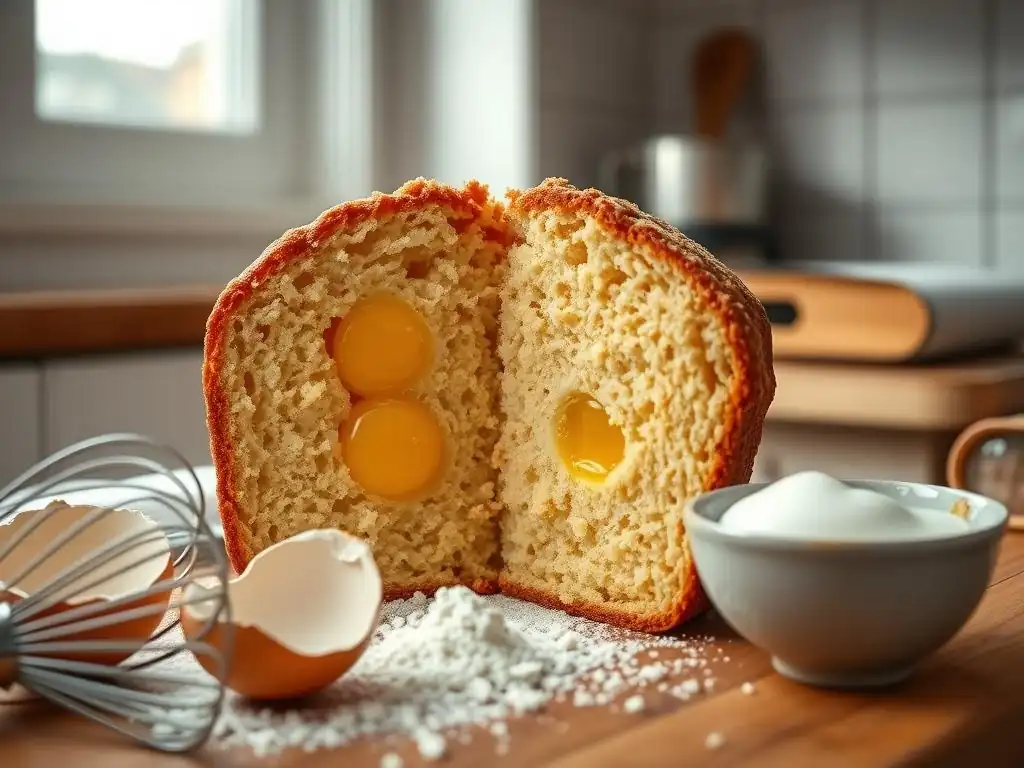
Eggs are multi-talented ingredients in a perfect crumb cake recipe, providing structure, aiding leavening, and acting as emulsifiers. The proteins in egg whites coagulate when heated, creating a rigid structure that helps the cake hold its shape. Egg yolks contain fat and lecithin, a natural emulsifier that helps blend the fat and liquid components of the batter smoothly, preventing separation and contributing to a fine, even crumb.
Eggs also contribute to leavening. When eggs are beaten, they incorporate air, which expands during baking. This is particularly important in recipes like sponge cakes, where beaten eggs provide the primary lift. The fat in egg yolks also contributes to richness and tenderness. The number of eggs, the ratio of yolks to whites, and even the temperature of the eggs can influence the final texture and structure, making them vital to achieving a perfect crumb.
Egg Yolk vs. Egg White: Different Contributions
Egg yolks and whites play distinct roles in creating a perfect crumb cake recipe. Egg whites are primarily protein (albumin) and water. When heated, the proteins denature and coagulate, forming a strong, stable network. This provides significant structural support, helping the cake to rise and set. Beating egg whites separately incorporates a large amount of air, resulting in light and airy cakes like angel food or chiffon cakes.
Egg yolks contain fat, protein, water, and lecithin. The fat contributes richness, moisture, and tenderness by interfering with gluten development. Lecithin is a powerful emulsifier, helping to bind fat and water, leading to a smoother, more stable batter and a finer, more uniform crumb.
Using only egg whites results in a very light, airy, but potentially drier cake, while using only yolks yields a rich, moist, and tender cake but with less structural integrity and lift. Many perfect crumb cake recipe formulations use whole eggs or a specific ratio of yolks to whites to achieve the desired balance of structure and tenderness.
The Impact of Egg Temperature
The temperature of eggs can significantly affect their performance in a perfect crumb cake recipe. For most standard butter cakes using the creaming method, room temperature eggs are recommended. Room temperature eggs emulsify more easily with the butter and sugar mixture, creating a smoother batter that is less likely to separate. They also incorporate air more effectively when beaten, contributing to better leavening and a lighter crumb. Using cold eggs can cause the butter to seize up, leading to a curdled batter which can result in a less fine, potentially tougher crumb.
However, for certain techniques like making a génoise (a type of sponge cake), warming the eggs gently with sugar over a water bath before whipping them is crucial. This process helps the eggs whip to a greater volume and creates a more stable foam, which is the sole leavening agent in this type of cake. Understanding when to use cold, room temperature, or warmed eggs is another nuance in mastering the perfect crumb cake recipe.
Liquids: Hydration and Chemical Reactions
Liquids in a perfect crumb cake recipe serve multiple functions: they hydrate the dry ingredients (like flour and leavening agents), dissolve sugar and salt, and provide a medium for chemical reactions to occur. Water, milk, buttermilk, yogurt, and sour cream are common liquids used. The type of liquid affects the final texture and flavor. Milk, for example, contains fat and proteins that contribute to richness and browning.
Acidic liquids like buttermilk or sour cream react with baking soda to produce carbon dioxide gas, aiding in leavening. The acidity also helps to tenderize the cake by breaking down some of the flour proteins. The total amount of liquid is critical; too little results in a dry, dense cake, while too much can make the cake heavy, gummy, or cause it to sink. The ratio of liquid to dry ingredients must be carefully balanced for a moist and tender perfect crumb.
Milk, Water, and Acidic Liquids (Buttermilk)
The choice of liquid impacts the texture, flavor, and even the leavening in a perfect crumb cake recipe. Milk is a common choice; its fat and protein content contribute richness, tenderness, and promote browning through the Maillard reaction. Whole milk provides more fat than skim milk, resulting in a slightly richer cake. Water provides hydration but no additional fat or flavor, often used in recipes where other ingredients provide sufficient richness.
Acidic liquids like buttermilk, sour cream, or yogurt are excellent for tenderizing cakes. The acidity helps break down gluten and can react with baking soda to produce lift. Using buttermilk often results in a very tender, moist crumb with a slight tang that complements the sweetness. For instance, a perfect crumb cake recipe for a red velvet cake often calls for buttermilk to react with cocoa powder and baking soda, contributing to both color and texture.
Liquid-to-Dry Ingredient Ratios
The ratio of liquid to dry ingredients is a fundamental aspect of cake formulation that significantly affects the crumb. This ratio determines the batter's consistency and the extent of hydration for the flour and leavening agents. A typical butter cake might have a liquid-to-flour ratio (by weight) of around 0.7:1 to 1:1, depending on the fat and sugar content. A higher ratio generally leads to a moister cake, provided the structure can support it.
If the liquid ratio is too low, the batter will be stiff, leading to a dry, crumbly cake with limited leavening. If the ratio is too high, the batter will be thin, potentially resulting in a cake that is dense, sinks in the middle, or has a gummy texture. Professional bakers often use baker's percentages to precisely control these ratios, ensuring consistent results and a reliable perfect crumb cake recipe. Adjusting this ratio slightly can sometimes improve the texture based on environmental factors or specific ingredient properties.
Mixing Techniques for Optimal Crumb Development
Creaming: Incorporating Air for Lightness
Creaming butter and sugar is a foundational technique in many perfect crumb cake recipes, particularly for butter-based cakes. This process involves beating softened butter with sugar until the mixture becomes light, fluffy, and pale in color. As the sugar crystals are beaten into the butter, they create tiny air pockets. These incorporated air bubbles are a form of mechanical leavening; they expand in the oven, contributing to the cake's rise and creating a light, airy crumb structure.
Proper creaming is essential for achieving a fine, even crumb. Under-creaming won't incorporate enough air, resulting in a denser cake. Over-creaming, while less common, can sometimes lead to a coarser crumb or issues with structure if done excessively. The butter must be at the correct temperature – softened but not melted (around 65-68°F or 18-20°C) – for the sugar crystals to effectively cut into it and create those vital air pockets. This step is a cornerstone for a light and tender perfect crumb cake recipe.
The Science of Creaming Butter and Sugar
The science behind creaming relies on the physical interaction between sugar crystals and softened fat. Butter is a complex mixture of fat, water, and milk solids. When sugar crystals are beaten into softened butter, they act like tiny knives, cutting through the fat and creating a network of air cells. The elasticity of the butter traps these air bubbles. As beating continues, the mixture becomes lighter in color and volume due to the increasing amount of incorporated air.
This process serves two main purposes: mechanical leavening (incorporating air) and dispersion of sugar and fat. The trapped air cells provide lift during baking as they expand. The thorough dispersion of fat also helps tenderize the crumb by coating flour particles and inhibiting gluten development. The quality of the creaming directly impacts the cake's final volume and the fineness of its crumb, making it a critical step for a perfect crumb cake recipe.
Achieving Proper Creaming Consistency
Knowing what "properly creamed" looks and feels like is key to success in a perfect crumb cake recipe. The mixture should be significantly lighter in color than the original butter, often pale yellow or almost white. It should also be noticeably increased in volume and have a fluffy, airy texture, not dense or greasy. When you stop the mixer and look closely, you should see a uniform texture with no visible sugar granules (though some recipes may call for less creaming).
The process typically takes several minutes at medium speed with an electric mixer – often 3 to 5 minutes, sometimes longer depending on the amount of butter and sugar. Scraping down the sides and bottom of the bowl frequently is important to ensure even creaming. Stopping the process when the mixture is light and airy, before it becomes soupy or separates, is crucial for setting the stage for a light and tender perfect crumb.
Emulsification: Combining Fat and Water
Emulsification is the process of combining ingredients that don't naturally mix, like fat and water, into a stable, homogenous mixture. In cake batters, eggs, particularly the lecithin in egg yolks, act as natural emulsifiers. They surround tiny droplets of fat and water, preventing them from separating and allowing them to disperse evenly throughout the batter. A well-emulsified batter is smooth and uniform, which contributes to a fine, even crumb in the baked cake.
Poor emulsification can lead to a curdled or separated batter, where visible pockets of fat or liquid might remain. This can result in a cake with an uneven texture, potentially dense or greasy spots, or tunnels. Ensuring ingredients are at the correct temperature (especially eggs and butter) and adding liquids gradually while mixing helps promote proper emulsification, a vital step for a consistently excellent perfect crumb cake recipe.
Preventing Batter Separation
Batter separation, or curdling, often occurs when adding liquids to a creamed mixture of butter and sugar. The fat in the creamed mixture struggles to absorb the added liquid. This is where emulsifiers, like those in egg yolks, become essential. To prevent separation when adding eggs, add them one at a time, mixing well after each addition until fully incorporated before adding the next. This allows the emulsifiers time to work and bind the liquid into the fat mixture.
When adding dry and wet ingredients alternately to the creamed mixture (a common method in perfect crumb cake recipes), start and end with the dry ingredients. For example, add 1/3 dry, 1/2 wet, 1/3 dry, 1/2 wet, 1/3 dry. This method helps maintain the emulsion. If your batter does look slightly curdled, a tablespoon or two of the dry ingredients (specifically flour) added early can sometimes help bring it back together by providing something for the excess liquid to absorb, though prevention is always better.
Using Emulsifiers: Lecithin in Egg Yolks
Lecithin is a phospholipid found abundantly in egg yolks, making eggs powerful natural emulsifiers in baking. A phospholipid molecule has one end that is attracted to water (hydrophilic) and another end that is attracted to fat (lipophilic). In a batter, lecithin molecules position themselves at the interface between fat and water droplets, surrounding them and preventing them from coalescing. This allows the fat and water to remain finely dispersed throughout the mixture.
This stable dispersion is crucial for a smooth batter and a fine, even crumb. Without effective emulsification, fat and water would separate, leading to a greasy or dry cake with an inconsistent texture. The lecithin in egg yolks ensures that fat is evenly distributed, contributing to tenderness, while water is also dispersed, hydrating the dry ingredients uniformly. Utilizing the emulsifying power of eggs is a key element in many successful perfect crumb cake recipes.
Gluten Development: Controlling Texture
Controlling gluten development is paramount for achieving a tender, perfect crumb in cakes. Unlike bread, where gluten provides structure and chewiness, excessive gluten in cake leads to toughness. The goal is to develop just enough gluten to provide a stable framework without making the cake rubbery. The choice of flour, the amount of fat and sugar, and the mixing method all influence gluten formation.
Minimizing the mixing time once the flour is added is the most direct way to control gluten. Mix only until the flour is just incorporated. Overmixing activates the gluten proteins, allowing them to form strong bonds. Techniques like the creaming method, where fat and sugar coat flour particles, or the reverse creaming method, where flour is mixed with fat first, are designed to limit gluten development and promote a tender crumb, central to a perfect crumb cake recipe.
Overmixing vs. Undermixing
Striking the right balance in mixing is crucial for a perfect crumb cake recipe. Overmixing the batter after flour is added develops too much gluten, resulting in a tough, dense, or even chewy cake. You might also see tunnels or irregular holes in the crumb. This is a common pitfall for beginner bakers. The goal is to mix just until no dry streaks of flour remain visible.
Undermixing, on the other hand, can also lead to problems. If the batter isn't mixed enough initially (e.g., creaming butter and sugar), not enough air will be incorporated, resulting in a dense cake. If the dry ingredients aren't fully incorporated, you can end up with pockets of dry flour in the baked cake, leading to an uneven texture. The key is proper development at each stage (creaming, adding wet/dry) followed by minimal mixing once the flour is added.
Folding Techniques for Gentle Incorporation
Once the majority of ingredients are mixed, especially after adding flour, gentle folding is often preferred over vigorous stirring. Folding involves using a spatula to cut down through the center of the batter, scoop up the mixture from the bottom of the bowl, and fold it over the top. The bowl is typically rotated as you go. This technique incorporates ingredients delicately, without activating gluten or deflating any air that has been incorporated.
Folding is particularly important when adding delicate ingredients like whipped egg whites or whipped cream, where the goal is to preserve the maximum amount of air. It's also useful for gently incorporating the last bit of dry ingredients to avoid overmixing. Mastering the folding technique helps ensure that the structure and tenderness built in earlier steps are maintained, contributing to a lighter, more delicate perfect crumb.
Baking Process: Temperature and Time
Oven Temperature: Impact on Crumb Structure
The oven temperature plays a critical role in how a cake bakes and the resulting crumb structure. If the oven is too hot, the outside of the cake will set and brown too quickly, potentially before the inside is fully baked. This can lead to a dome-shaped cake, a dry crust, and a dense or gummy interior. If the oven is too cool, the cake may take too long to bake, dry out before it's done, or fail to rise properly, resulting in a flat, dense cake with a coarse crumb.
Most cakes bake best in a moderately hot oven, typically between 325°F and 350°F (160°C to 175°C). This allows the cake to rise gradually, the structure to set evenly, and the moisture to be retained, contributing to a tender perfect crumb. Using an oven thermometer to verify your oven's actual temperature is highly recommended, as oven thermostats can be notoriously inaccurate.
Oven Calibration for Accurate Baking
Relying solely on your oven's thermostat can lead to inconsistent baking results, hindering your quest for a perfect crumb cake recipe. Oven temperatures can vary by as much as 25-50°F (15-30°C) from the dial setting. An inexpensive oven thermometer placed inside the oven will show you the true temperature. If your oven consistently runs hot or cold, you'll need to adjust the temperature setting accordingly for future baking. For example, if your oven thermometer reads 375°F when set to 350°F, you should set the dial to 325°F to bake at the desired temperature.
Calibrating your oven, or at least being aware of its inaccuracies and adjusting, ensures that the chemical reactions (leavening, protein coagulation, starch gelatinization) happen at the correct rate. This even baking process allows the cake's structure to set properly while moisture is retained, which is fundamental for achieving a consistent, tender, and moist perfect crumb.
The Maillard Reaction and Crust Formation
The Maillard reaction is a complex chemical process that occurs when proteins and sugars are heated together, typically above 300°F (150°C). It's responsible for the browning of the cake's crust and the development of many complex flavors. While the focus for perfect crumb is the interior, the crust is also part of the overall experience. Proper oven temperature ensures the Maillard reaction occurs at the right pace – not too fast, which leads to burning before the inside is cooked, and not too slow, which results in a pale crust.
The Maillard reaction primarily affects the crust, forming a flavorful barrier that helps seal in moisture. However, if the oven is too hot and this reaction happens too quickly, the crust can become thick and hard, negatively impacting the overall perceived texture and potentially drying out the edges of the cake while the center is still baking. Baking at the correct temperature allows for a golden-brown, tender crust that complements the soft perfect crumb within.
Baking Time: Achieving Proper Doneness
Baking time is closely linked to oven temperature and the size and shape of the cake. The time specified in a perfect crumb cake recipe is usually a guideline. It's crucial to bake the cake just until it's done – no more, no less. Underbaking results in a cake that is gummy or raw in the center, potentially collapsing upon cooling. Overbaking is a major cause of dry, tough cakes with a coarse crumb, as prolonged heat causes moisture to evaporate and proteins to over-coagulate.
Start checking for doneness around the minimum time specified in the recipe. Use visual cues and the toothpick test to determine exactly when the cake is ready. Removing the cake from the oven at the precise moment it is fully baked ensures maximum moisture retention and the ideal tender, moist perfect crumb.
Visual Cues for Doneness: Color and Spring
Several visual cues indicate a cake is nearing or has reached doneness. The edges of the cake will typically pull slightly away from the sides of the pan. The top surface should be golden brown (or the appropriate color for the recipe) and should spring back lightly when gently pressed with a fingertip. If the indentation remains, it needs more time.
The center of the cake should look set, not wet or jiggly. These visual indicators are a good first step, but they should be combined with other tests to confirm the cake is fully baked through, especially in the center, which is the last part to finish. Relying solely on color can be misleading, as different ingredients and oven hot spots can affect browning unevenly.
The Toothpick Test and Internal Temperature
The toothpick test is the most common method to check for doneness in a perfect crumb cake recipe. Insert a wooden skewer or toothpick into the center of the cake. If it comes out clean or with a few moist crumbs attached, the cake is usually done. If it comes out with wet batter, it needs more time. Be careful not to mistake melted chocolate chips or fruit pieces for underbaked batter.
For even greater accuracy, especially for larger cakes or those where the toothpick test can be ambiguous, an instant-read thermometer is invaluable. Most cakes are done when their internal temperature reaches 200-210°F (93-99°C). This ensures the proteins and starches have set properly throughout the cake, guaranteeing it is fully baked and will have a consistent, perfect crumb from edge to center.
Troubleshooting Common Crumb Issues
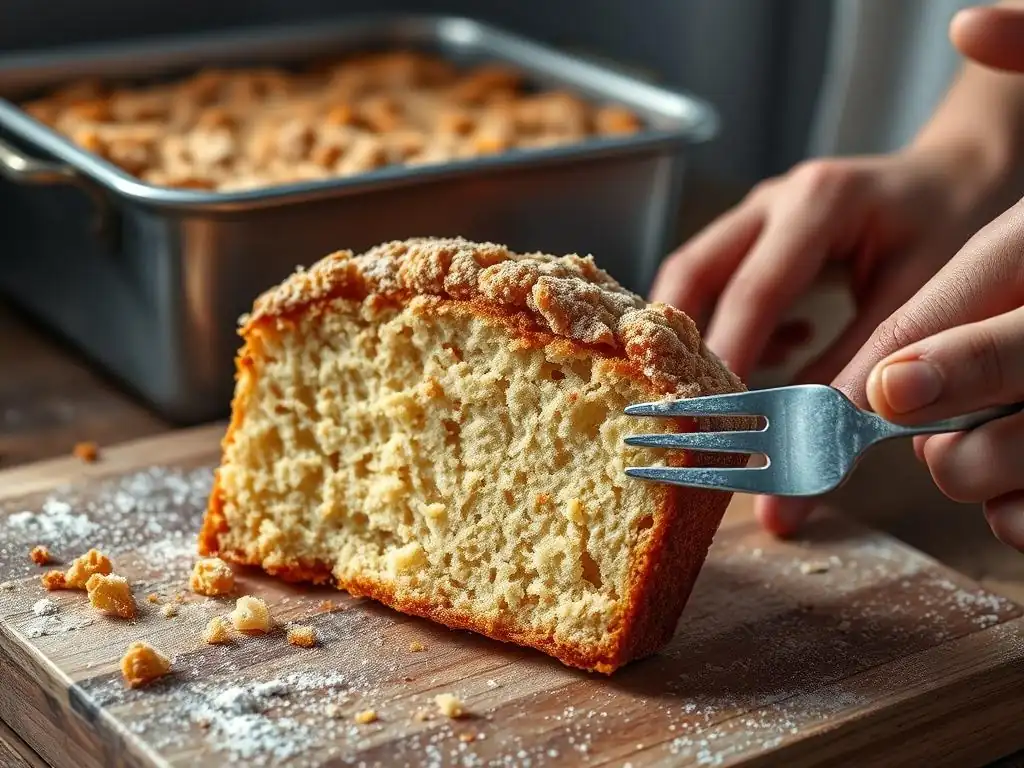
Dense Cake: Common Causes and Solutions
A dense cake is a frustrating outcome when aiming for a perfect crumb cake recipe. This issue often stems from problems with leavening, mixing, or baking temperature. Common causes include insufficient leavening agent (baking powder/soda), expired leavening agents, under-creaming butter and sugar (not enough air incorporated), overmixing the batter after flour is added (too much gluten development), or oven temperature being too low, preventing proper rise and setting.
To troubleshoot: Ensure your leavening agents are fresh (test baking powder by adding a teaspoon to hot water – it should fizz). Cream butter and sugar until truly light and fluffy. Mix in dry ingredients only until just combined. Verify your oven temperature with an oven thermometer. Avoid overcrowding the oven, which can lower the temperature and impede airflow, leading to uneven baking and density. Addressing these points will significantly improve your chances of achieving a light, airy, perfect crumb.
Overmixing, Overcrowding the Pan, and Oven Issues
Overmixing is arguably the most frequent culprit behind a dense cake. Excess agitation after flour addition develops gluten, creating a tough, compact structure instead of a tender crumb. Mix until the batter is just homogenous, no longer. Overcrowding the pan, meaning filling it too full, can also lead to density. If the batter exceeds about two-thirds full, it can overflow or become too heavy for the leavening to lift effectively, resulting in a dense lower layer.
Oven issues, specifically a low temperature, will prevent the cake from rising adequately before the structure sets. The leavening gases need sufficient heat to expand rapidly. If the oven is too cool, the rise is sluggish, and the resulting cake will be shorter and denser. Ensuring proper mixing technique, using the correct pan size, and verifying oven temperature are key to avoiding density in your perfect crumb cake recipe.
Insufficient Leavening Agents
Cakes rely on leavening agents (baking powder, baking soda, air incorporated through creaming/whipping) to create the gases that make them rise and develop an open, tender crumb. If there isn't enough leavening, or if the leavening agents are old and inactive, the cake won't rise properly and will likely be dense and heavy. Baking powder is a double-acting leavener, producing gas when mixed with liquid and again when heated. Baking soda requires an acid (like buttermilk, yogurt, or brown sugar) and liquid to react.
Ensure you use the correct amount of leavening specified in the perfect crumb cake recipe. Check the expiration dates on your baking powder and soda; they lose potency over time. Store them in airtight containers in a cool, dry place. Testing baking powder involves adding 1 tsp to 1/4 cup hot water – it should bubble vigorously. Testing baking soda involves adding 1/2 tsp to 1 tbsp vinegar – it should fizz immediately. Using fresh, active leavening is fundamental for a well-risen, light, and perfect crumb.
Dry Cake: Preventing Moisture Loss
A dry cake is typically the result of moisture loss during baking or improper storage. The most common cause of dryness is overbaking. Baking too long or at too high a temperature causes excessive evaporation of water from the cake batter. Incorrect ingredient ratios, particularly insufficient fat or liquid, can also lead to a dry cake, as these components are crucial for moisture retention and tenderness in a perfect crumb cake recipe.
To prevent dryness: Bake the cake only until it passes the doneness test (toothpick comes out clean, internal temperature 200-210°F). Use an oven thermometer to ensure accurate temperature. Measure ingredients precisely, especially fats and liquids. If adapting a recipe, be mindful of how changes might affect the moisture balance. Proper cooling and storage techniques are also vital for preserving the moisture you worked hard to achieve.
Overbaking, Incorrect Ingredient Ratios
Overbaking is the primary culprit behind a dry cake. Every extra minute in a hot oven evaporates precious moisture. Even after the cake is technically "done" (structure set, leavening complete), the heat continues to drive off water. Learning to recognize the subtle cues of doneness and using a timer are essential. It's better to err slightly on the side of underbaking (you can sometimes salvage a slightly underbaked cake) than to drastically overbake.
Incorrect ingredient ratios, particularly a low proportion of fat or liquid relative to flour, will inherently result in a drier cake. Fat inhibits gluten development and retains moisture, while liquids hydrate the dry ingredients and contribute moisture. A perfect crumb cake recipe balances these elements to ensure sufficient moisture. Reducing fat or liquid for dietary reasons without proper adjustments elsewhere in the recipe (like adding applesauce or yogurt) will likely compromise the cake's moisture and tenderness.
Storing Techniques to Maintain Moisture
Proper storage is crucial for keeping your perfect crumb cake moist after baking. Once the cake has cooled completely on a wire rack (cooling in the pan can cause sogginess), wrap it tightly in plastic wrap, covering all exposed surfaces. This prevents air from reaching the cake and causing moisture to evaporate. For longer storage, wrap the plastic-wrapped cake again in aluminum foil or place it in an airtight container.
Unfrosted cakes can often be stored at room temperature for 2-3 days this way. For longer storage or if the cake has a perishable frosting (like cream cheese frosting), refrigerate it, but be aware that refrigeration can sometimes slightly dry out cakes. Bringing a refrigerated cake back to room temperature before serving improves its texture. For extended storage, cakes freeze beautifully when double-wrapped; thaw them in the refrigerator or at room temperature while still wrapped to trap condensation and maintain moisture.
Uneven Texture: Addressing Air Pockets and Variations
An uneven cake crumb, characterized by large air pockets, tunnels, or dense spots alongside lighter areas, indicates inconsistencies in mixing, ingredient distribution, or oven heating. While a truly perfect crumb cake recipe aims for uniformity, minor variations are normal. However, significant unevenness detracts from the eating experience.
Common causes include inconsistent mixing (some areas overmixed, others undermixed), adding ingredients too quickly or unevenly, or hot spots within the oven. Addressing these issues requires attention to technique and understanding your equipment.
Inconsistent Mixing, Uneven Oven Heating
Inconsistent mixing is a frequent cause of uneven crumb. If ingredients aren't fully incorporated, you might end up with pockets of dry flour, unmixed leavening, or uneven distribution of fat and sugar. This leads to variations in texture throughout the cake. Ensure you scrape down the sides and bottom of the mixing bowl frequently when creaming and mixing in dry and wet ingredients. This incorporates all parts of the batter evenly.
Uneven oven heating is another major factor. Hot spots can cause parts of the cake to bake faster than others, leading to some areas being overbaked and dry while others are still setting. Using an oven thermometer helps identify inconsistencies. Rotating the cake halfway through the baking time can help promote more even heating. If you suspect significant hot spots, avoid baking multiple cakes at once, which can further impede airflow and evenness.
Ingredient Distribution Techniques
Properly distributing ingredients is key to a uniform perfect crumb cake recipe. When adding dry ingredients to wet, avoid dumping them all in at once. Adding them gradually or in thirds, alternating with liquid, allows for more even incorporation without overmixing. Ensure leavening agents are thoroughly whisked into the flour mixture before adding to the wet ingredients to guarantee they are dispersed evenly throughout the batter.
For recipes with additions like chocolate chips, nuts, or fruit, gently folding them in at the very end of mixing is crucial. Tossing them with a tablespoon or two of flour before adding can help prevent them from sinking to the bottom during baking. Distributing the batter evenly into the prepared pan and smoothing the top also helps ensure the cake bakes level and with a consistent thickness, contributing to an even crumb structure.
Advanced Techniques for Crumb Enhancement
Using Acidic Ingredients: Buttermilk and Sour Cream
Incorporating acidic ingredients like buttermilk, sour cream, or yogurt is a classic technique for enhancing cake crumb tenderness and moisture. The acidity reacts with baking soda (if present) to create carbon dioxide gas, contributing to leavening. More importantly, the acid helps to break down some of the tough proteins in the flour, resulting in a more delicate and tender crumb.
These ingredients also add fat and moisture, contributing to richness and helping the cake stay moist longer. Buttermilk, with its lower fat content than sour cream or yogurt, still provides significant tenderizing power due to its acidity. Using these ingredients can transform a standard recipe into a perfect crumb cake recipe with enhanced texture and a pleasant tang that balances sweetness.
Incorporating Starch: Cornstarch and Potato Starch
Adding a small amount of pure starch, such as cornstarch or potato starch, to cake flour or all-purpose flour is another technique used to tenderize the crumb. Cake flour itself is often made with a higher proportion of starch compared to protein. Starch absorbs liquid during baking and helps create a softer, more delicate structure by interfering with gluten development.
Replacing a small portion of the flour in a recipe (e.g., replacing 2 tablespoons of all-purpose flour per cup with cornstarch) can lead to a finer, more tender crumb, similar to using cake flour. This is a useful trick if you only have all-purpose flour but want to achieve a texture closer to a perfect crumb cake recipe designed for cake flour. The starch helps create a melt-in-your-mouth texture by reducing the relative protein content.
Adjusting Protein Content: Gluten-Free Options
Achieving a perfect crumb in gluten-free baking presents unique challenges, as the absence of gluten means there's no elastic network to provide structure. Gluten-free cake recipes rely on a blend of different flours and starches (like rice flour, almond flour, tapioca starch, potato starch) combined with binders like xanthan gum or psyllium husk to mimic the properties of gluten.
The key is balancing the different components to create a structure that is tender but doesn't crumble excessively. Using a mix of protein-rich flours (like almond flour) and starches helps. Recipes often include more eggs or fats to provide structure and moisture. While the texture will differ from a traditional wheat-based cake, careful formulation can still yield a delicious, moist, and tender crumb within the constraints of gluten-free baking, striving for a gluten-free perfect crumb cake recipe.
Recipe Adaptation: Applying Crumb Principles
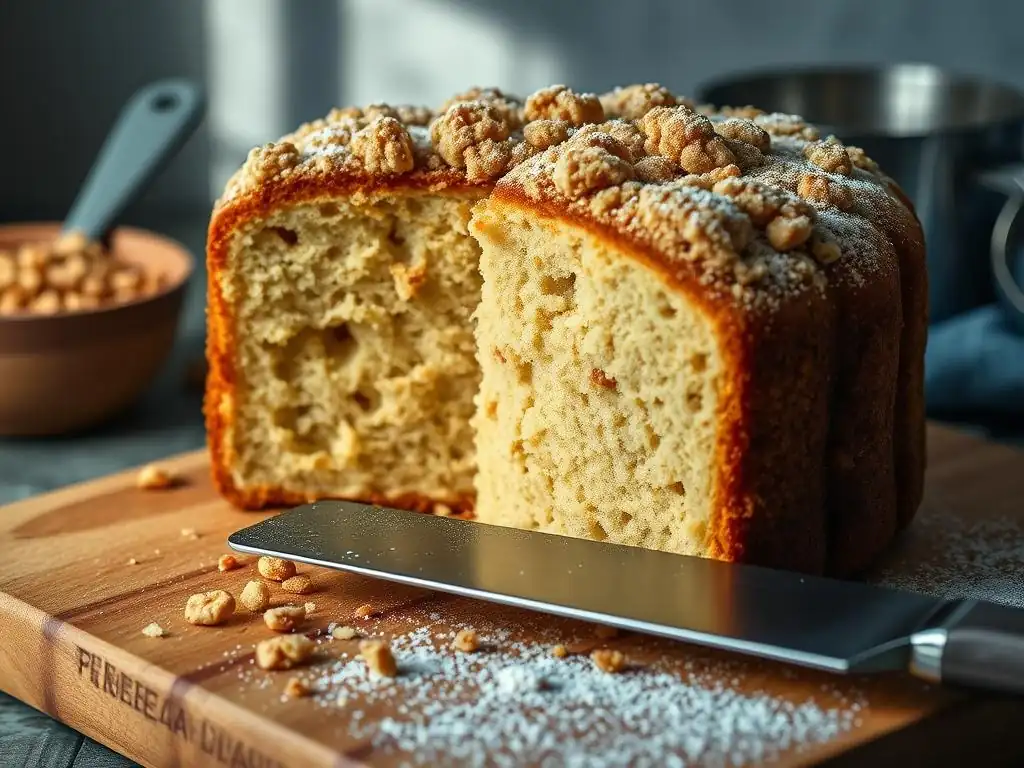
Adapting Recipes for Different Flours
Understanding how different flours affect crumb is crucial when adapting a perfect crumb cake recipe. If a recipe calls for cake flour and you only have all-purpose, you can approximate cake flour by replacing a small amount of the all-purpose flour with cornstarch (e.g., for every cup of all-purpose flour, remove 2 tablespoons and replace with 2 tablespoons of cornstarch). This reduces the overall protein content, leading to a more tender result.
Conversely, if a recipe designed for all-purpose flour is too tender or crumbly for your liking, you might slightly increase the proportion of flour or use a flour with a slightly higher protein content (though this is less common in simple cake recipes). Always make small adjustments and note the results for future reference. Baking is an iterative process, and adapting recipes based on flour properties is a valuable skill.
Adjusting Recipes for Altitude
Baking at high altitudes (generally above 3,000 feet or 900 meters) presents unique challenges that affect cake crumb. Lower atmospheric pressure means leavening gases expand more rapidly, and liquids evaporate more quickly. This can cause cakes to over-rise and then collapse, resulting in a coarse, dry, and sometimes sunken crumb. To achieve a perfect crumb cake recipe at altitude, adjustments are necessary.
Common adjustments include: reducing leavening agents slightly to prevent over-expansion; increasing liquid slightly to compensate for faster evaporation; increasing flour slightly or decreasing sugar slightly to strengthen the structure and prevent collapse. Small adjustments are key; start with minor changes (e.g., reduce baking powder by 1/4 tsp per tsp, increase liquid by 1-2 tbsp per cup) and experiment to find what works best at your specific elevation.
Modifying Recipes for Dietary Restrictions
Modifying a perfect crumb cake recipe for dietary restrictions (gluten-free, dairy-free, egg-free, vegan) requires understanding how the substituted ingredients function. For gluten-free, as mentioned, balancing flours, starches, and binders is key. For dairy-free, replacing butter with a plant-based alternative or oil, and milk with plant-based milk, requires considering the fat and moisture content. Plant-based butters behave differently than dairy butter when creaming.
Egg-free or vegan recipes rely on alternative binders and leaveners like flax eggs, chia eggs, applesauce, mashed banana, commercial egg replacers, and increased chemical leavening to provide structure and lift. These substitutions impact the crumb texture, often resulting in a denser or more moist cake than the original. Researching specific substitution ratios and testing recipes is crucial for success in creating a modified perfect crumb cake recipe.
Storing and Preserving Cake Crumb
Proper Storage Techniques for Optimal Texture
Proper storage is the final step in preserving the perfect crumb you've worked hard to achieve. Once the cake is completely cool, preventing air exposure is paramount to maintaining moisture and preventing staleness. Wrap unfrosted cakes tightly in plastic wrap, then foil or place in an airtight container. This creates a barrier against air.
If the cake has a frosting that forms a crust (like buttercream), it can sometimes be stored in a cake dome at room temperature for a day or two, as the crust protects the interior. However, for maximum freshness and moisture retention, wrapping remains the best option. Store cakes away from strong odors, as they can absorb smells. Following these simple steps keeps your perfect crumb cake tasting its best for longer.
Preventing Staling: Retrogradation of Starch
Cake staling is primarily caused by the retrogradation of starch. After baking, as the cake cools, the gelatinized starch molecules in the flour begin to recrystallize. This process causes the cake to become firm, dry, and crumbly – essentially losing its perfect crumb. This process happens fastest at cool temperatures just above freezing (around 35-40°F or 2-4°C), which is why refrigerating bread can make it stale quickly.
While refrigeration is necessary for cakes with perishable fillings or frostings, it can slightly accelerate starch retrogradation in the cake itself. Storing cakes at room temperature (if safe) or freezing them are better options for preserving a tender crumb. Freezing stops retrogradation almost completely. When thawing, the moisture trapped by wrapping helps rehydrate the starch slightly, restoring some tenderness. Fats and sugars in a perfect crumb cake recipe also help delay staling by interfering with starch recrystallization.
Conclusion: Mastering the Art of Cake Crumb
Continuous Learning: Experimentation and Observation
Mastering the art of achieving a perfect crumb cake recipe is a journey of continuous learning, experimentation, and observation. Each ingredient, technique, and baking condition plays a role. Don't be discouraged by less-than-perfect results; view them as opportunities to learn. Did the cake sink? Perhaps the oven was too cool or there was too much leavening. Was it dry? Maybe it was overbaked or needed more fat.
Keep notes on your baking experiences. What adjustments did you make? What was the outcome? Pay attention to the look and feel of the batter at each stage – properly creamed butter and sugar, a smooth emulsified batter, the consistency after adding dry ingredients. By actively observing and reflecting on your results, you'll build intuition and skill, allowing you to troubleshoot and adapt any simple cake recipe into your personal perfect crumb cake recipe.
Resources for Further Exploration: Baking Science and Literature
For those truly captivated by the science behind the perfect crumb, delving into baking science resources can be incredibly rewarding. Books like "Harold McGee's On Food and Cooking" or "Shirley Corriher's BakeWise" offer deep dives into the chemical and physical processes at play in baking. Online resources and reputable baking blogs often explain the "why" behind techniques.
Understanding concepts like protein denaturation, starch gelatinization, the Maillard reaction, and the role of emulsifiers provides a solid foundation for predicting how changes will affect your outcome. While a good perfect crumb cake recipe provides a reliable starting point, knowledge of baking science empowers you to understand why it works and how to fix it when it doesn't, transforming you from a recipe follower to a true baking artist.
Frequently Asked Questions
What is a crumb cake?
A crumb cake is a type of cake characterized by its crumby topping made from a mixture of flour, sugar, and butter, which creates a delightful texture and flavor.
How can I achieve a perfect crumb in my cake?
To achieve a perfect crumb, ensure you measure your ingredients accurately, use room temperature ingredients, and avoid overmixing the batter.
What are some key ingredients for a crumb cake?
The key ingredients for a crumb cake typically include all-purpose flour, granulated sugar, butter, eggs, and baking powder, along with any desired flavorings or add-ins.
Can I use alternative flours for my crumb cake?
Yes, you can use alternative flours like almond flour or gluten-free flour, but be aware that this may affect the texture and moisture of the final cake.
Where can I find a perfect crumb cake recipe?
You can find a perfect crumb cake recipe on BakeWithEase.com, which offers easy-to-follow step-by-step guides and tips for bakers of all levels.
Final Reflection: The Enduring Allure of the Perfect Crumb
The pursuit of the perfect crumb isn't just about baking a cake; it's about mastering a fundamental element of culinary artistry. A flawlessly textured cake, with its delicate, tender crumb, speaks to precision, patience, and a deep understanding of ingredients. This seemingly simple goal reflects a broader human desire for perfection and the satisfaction derived from achieving it.
The quest for the perfect crumb has resonated throughout history, influencing baking traditions across cultures and generations. The subtle variations in crumb structure – from the airy lightness of a sponge cake to the dense richness of a pound cake – reflect diverse culinary landscapes and evolving techniques. Baking is a labor of love, and the reward is a perfect crumb that melts in your mouth.
This sentiment, though simple, encapsulates the emotional connection we forge with our baked goods, a connection deeply intertwined with the texture we create.
Now, consider your own baking journey. What have you learned about precision and patience through the process of achieving that perfect crumb? Perhaps you've discovered the importance of precise measurements, the subtle nuances of different flours, or the magic of a gentle hand. I invite you to continue experimenting, to embrace the occasional imperfection, and to savor the journey as much as the destination. The pursuit of the perfect crumb is an ongoing process, a testament to our dedication and a source of endless culinary exploration.
Unlock Your Inner Baker: Perfect Crumbs Await!
Thanks for diving into the world of perfect cake crumbs! We hope you've gained valuable insights and are ready to take your baking to the next level. Now it's time to put your new knowledge into action.
- Bake your dream cake: Grab those ingredients and try out one of the techniques you just learned! We're confident you'll be amazed at the results. Start with a simple recipe and focus on mastering the crumb.
- Share your success (or questions!): Snap a photo of your perfectly crumbed cake and share it on social media using #BakeWithEasePerfectCrumb – we'd love to see your creations!
- Explore our other cake recipes: Dive deeper into the BakeWithEase recipe collection and find even more inspiration for your next baking adventure.
Ready to create that flawless cake you've always dreamed of? What's your favorite tip for achieving a perfect crumb?