
Baking with Rhubarb: Sweet and Tart Treats Explained

Welcome to BakeWithEase!
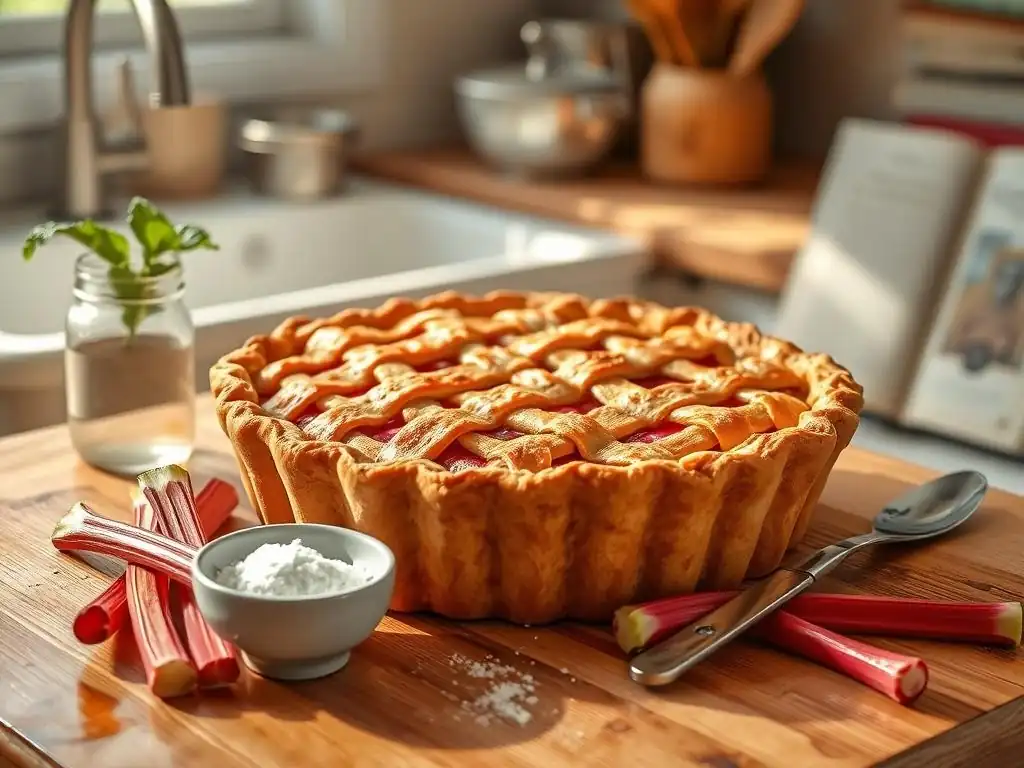
Ever wondered how to transform the delightfully tart rhubarb into a show-stopping dessert? You're in the right place! Dive into our ingredient deep dive and discover our rhubarb pie recipe easy, designed to make baking a breeze, even for beginners. Prepare to unlock the secrets to perfectly balanced sweet and tangy flavors that will have everyone asking for seconds. Are you ready to create a rhubarb masterpiece?
- Baking with Rhubarb: Sweet and Tart Treats
- Introduction to Baking with Rhubarb
- Understanding Rhubarb: From Garden to Oven
- Classic Rhubarb Pie Recipe: A Step-by-Step Guide
- Rhubarb Pie Recipe Variations: Beyond the Basics
- Other Delicious Rhubarb Treats: Beyond Pie
- Tips and Tricks for Baking with Rhubarb
- Elevating Your Rhubarb Baking: Expert Tips
- Conclusion: Embrace the Tartness of Rhubarb
-
Frequently Asked Questions
- What makes a rhubarb pie recipe easy to follow?
- Can I use frozen rhubarb in an easy rhubarb pie recipe?
- What are some variations I can make to an easy rhubarb pie recipe?
- How can I prevent my rhubarb pie from being too tart when using an easy recipe?
- What is the best way to store a leftover easy rhubarb pie?
- Final Reflection: The Enduring Allure of Rhubarb
- Unlock Your Inner Rhubarb Baker!
Baking with Rhubarb: Sweet and Tart Treats
Introduction to Baking with Rhubarb
Exploring the Unique Flavor of Rhubarb in Baking
Rhubarb boasts a distinctly tart, slightly acidic flavor profile that sets it apart from most fruits commonly used in baking. While botanically a vegetable (it's part of the knotweed family! ), its culinary use is almost exclusively in sweet applications, where its sharp taste provides a wonderful counterpoint to sugar. This unique tang prevents desserts from becoming cloyingly sweet and adds a bright, refreshing note that is particularly welcome in spring and summer treats. Think of how a squeeze of lemon brightens a dish; rhubarb does something similar, but with its own unique fibrous texture and rosy hue.
When baked, rhubarb softens considerably and its tartness mellows, though it remains the dominant flavor characteristic. This is why it's almost always paired with a significant amount of sugar, and often other sweeter fruits like strawberries, apples, or raspberries. The balance between the sugar and the rhubarb's natural acidity is key to creating delicious desserts. Mastering this balance is fundamental whether you're tackling a classic rhubarb pie recipe easy enough for a beginner or experimenting with more complex pastries.
Why Rhubarb is a Spring Baking Staple
Rhubarb signals the arrival of spring in many regions, making it a beloved seasonal ingredient for bakers. Its peak season typically runs from April through June, coinciding with a time when many other berries and stone fruits are not yet available. This early availability makes rhubarb a natural choice for spring desserts, bringing a taste of freshness after the long winter months. Gardeners often find it's one of the first edible plants ready for harvest.
Its tartness is also invigorating, perfectly matching the fresh, light feel of spring. Many classic recipes featuring rhubarb, like crisps, crumbles, and especially pies, have become synonymous with springtime baking traditions. The vibrant pink and green stalks add beautiful natural color to baked goods, enhancing their visual appeal. Learning an easy rhubarb pie recipe is a fantastic way to celebrate the season and utilize this unique ingredient when it's at its best and most abundant.
Understanding Rhubarb: From Garden to Oven
Identifying and Selecting Fresh Rhubarb
Selecting fresh, high-quality rhubarb is the first step to successful baking. Look for stalks that are firm, crisp, and free from blemishes or soft spots. Limp or rubbery stalks indicate that the rhubarb is old and may not have the best flavor or texture when baked. The color of the stalks can vary from deep red to pink to pale green, depending on the variety and how it was grown. While many believe the redder the stalk, the sweeter the rhubarb, color is actually not a reliable indicator of sweetness or tartness; it's more tied to the specific cultivar.
Ideal stalks are typically medium-sized. Very thick stalks can sometimes be tougher and more fibrous, while very thin stalks might be less flavorful. When purchasing, check the cut ends to ensure they look fresh and aren't dried out. If harvesting from a garden, pull the stalks gently from the base rather than cutting, which helps the plant continue to produce. Fresh rhubarb has a subtle, tangy aroma.
Preparing Rhubarb for Baking: Washing and Cutting Techniques
Before using rhubarb in any recipe, it's essential to wash the stalks thoroughly under cool running water to remove any dirt or debris. Rhubarb leaves contain high levels of oxalic acid and are toxic, so they must always be removed and discarded. If you purchase rhubarb with the leaves still attached, simply chop them off at the top of the stalk.
The fibrous strings along the stalks, similar to those in celery, are usually tender enough in young, fresh rhubarb that peeling isn't necessary, especially for baked goods where it will soften. However, if the stalks are very thick or older, you might choose to lightly peel them using a vegetable peeler if they seem particularly stringy.
Once washed and trimmed, the rhubarb needs to be cut into pieces. The size of the pieces depends on the recipe. For pies, crisps, or crumbles, cutting the stalks into ½-inch to 1-inch pieces is standard. This allows the rhubarb to cook down evenly without turning completely to mush, while still providing distinct pockets of tangy flavor and soft texture within the finished dessert. Ensure your pieces are relatively uniform in size so they cook at the same rate.
The Tartness Factor: Balancing Rhubarb's Acidity in Sweet Recipes
Rhubarb's defining characteristic is its intense tartness, driven by its high acidity. This acidity is fantastic for cutting through richness and sweetness, but it requires careful balancing with sugar. Unlike fruits that have natural sweetness, rhubarb needs a significant amount of added sugar to be palatable in desserts. The exact amount can vary based on personal preference, the specific variety of rhubarb, and the intended sweetness of the final dish, but ratios like 1 cup of sugar per 3-4 cups of chopped rhubarb are common starting points for pies and crisps.
Beyond sugar, other ingredients help balance the tartness. Pairing rhubarb with sweeter fruits like strawberries or apples is a classic strategy. Spices such as cinnamon, ginger, or nutmeg can also complement and soften the sharp edge. A pinch of salt is surprisingly effective at enhancing sweetness and balancing flavors.
Sometimes, a small amount of baking soda is added to rhubarb fillings to neutralize some of the acid, though this is less common in traditional recipes and can affect texture. Ultimately, taste-testing the raw filling mixture (before adding eggs or thickeners, of course!) can help you adjust the sugar level to your liking, ensuring your rhubarb pie recipe easy or complex, hits the perfect sweet and tart note.
Classic Rhubarb Pie Recipe: A Step-by-Step Guide
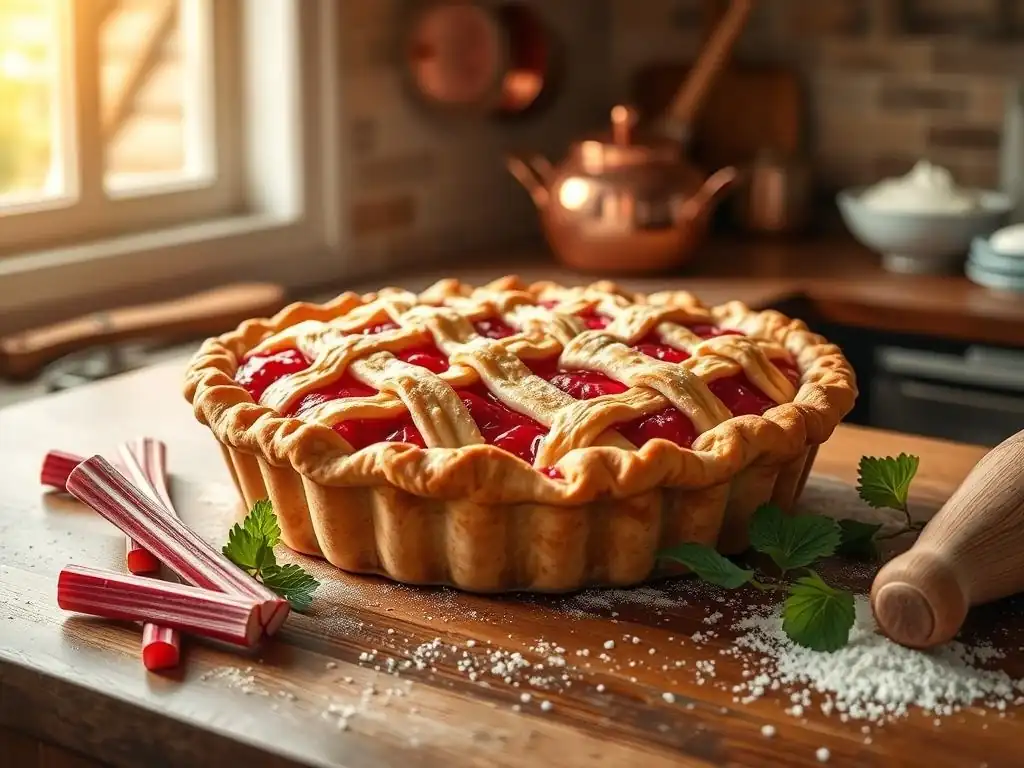
A classic rhubarb pie recipe easy to follow is a cornerstone of spring baking. This recipe focuses on the pure, vibrant flavor of rhubarb nestled in a flaky pastry crust, a truly satisfying dessert experience. The key to a great pie lies in balancing the tart filling with a buttery crust and ensuring the filling thickens properly during baking. While it might seem intimidating, breaking it down into simple steps makes it very approachable.
This version aims for simplicity without sacrificing flavor or texture. Using a reliable pie crust recipe or even a good quality store-bought crust can make this rhubarb pie recipe easy enough for novice bakers. The filling requires minimal ingredients – rhubarb, sugar, a thickener, and maybe a touch of spice – allowing the rhubarb's unique character to shine. Paying attention to a few key details during assembly and baking will result in a beautifully golden, bubbly, and delicious pie.
Ingredients for a Classic Rhubarb Pie
To make a standard 9-inch classic rhubarb pie, you will typically need:
- For the Crust:
- 2 ½ cups all-purpose flour
- 1 teaspoon salt
- 1 cup (2 sticks) unsalted butter, very cold, cut into cubes
- ½ cup ice water, plus more if needed
- For the Filling:
- Approximately 6 cups (about 1 ½ pounds) chopped fresh rhubarb (½-inch to 1-inch pieces)
- 1 ½ cups granulated sugar (adjust to taste based on rhubarb tartness)
- ¼ cup all-purpose flour or cornstarch (as a thickener)
- ½ teaspoon ground cinnamon (optional)
- ⅛ teaspoon salt
- 1 tablespoon unsalted butter, cut into small pieces (optional, for dotting)
- Egg wash (1 egg beaten with 1 tablespoon water) or milk/cream, for brushing top crust
- Coarse sugar, for sprinkling (optional)
Step-by-Step Instructions: Making Your Rhubarb Pie
Follow these steps for a simple and delicious rhubarb pie. This rhubarb pie recipe easy approach breaks it down into manageable parts.
Preparing the Crust
- In a large bowl, whisk together the flour and salt.
- Cut in the very cold butter using a pastry blender, fork, or your fingertips until the mixture resembles coarse crumbs with some pea-sized pieces of butter remaining. These butter pieces are crucial for flakiness.
- Gradually add the ice water, one tablespoon at a time, mixing gently with a fork until the dough just comes together. Be careful not to overmix. You might not need all the water.
- Divide the dough in half, flatten each half into a disc, wrap in plastic wrap, and refrigerate for at least 30 minutes (or up to 2 days). Chilling is essential for easier rolling and a flaky crust.
Making the Rhubarb Pie Filling
- In a large bowl, combine the chopped rhubarb, granulated sugar, flour or cornstarch, cinnamon (if using), and salt.
- Gently toss the ingredients together until the rhubarb is evenly coated. Let the mixture sit for about 10-15 minutes while your crust chills; this allows the sugar to start drawing out some of the rhubarb's juices, which helps the thickener work effectively.
Baking to Golden Perfection
- Preheat your oven to 375°F (190°C). Place a baking sheet on the bottom rack to catch any drips and help brown the bottom crust.
- Remove one dough disc from the refrigerator and roll it out on a lightly floured surface into a circle about 12 inches in diameter. Carefully transfer the rolled dough to a 9-inch pie plate, pressing it gently into the bottom and up the sides. Trim any excess dough, leaving about a ½-inch overhang.
- Pour the rhubarb filling into the prepared crust. Dot the top of the filling with small pieces of butter, if desired.
- Roll out the second dough disc for the top crust. You can make a solid top crust (cut vents in it) or a lattice top. Place the top crust over the filling, trim the edges to match the bottom crust's overhang, and crimp the edges together to seal. If using a solid top, cut several vents in the top with a knife to allow steam to escape during baking.
- Brush the top crust with egg wash or milk/cream and sprinkle with coarse sugar, if desired, for a golden finish.
- Place the pie on the preheated baking sheet in the oven. Bake for 20 minutes. Then, reduce the oven temperature to 350°F (175°C) and continue baking for another 30-40 minutes, or until the crust is golden brown and the filling is bubbly. If the edges of the crust start to brown too quickly, you can cover them loosely with foil or use a pie crust shield.
- Remove the pie from the oven and let it cool on a wire rack for at least 2-3 hours before slicing. This cooling time is crucial for the filling to set properly. Slicing too early will result in a runny pie.
Tips for a Flawless Rhubarb Pie Crust
Achieving a flaky, golden pie crust is key to a truly great rhubarb pie. The temperature of your ingredients, especially the butter and water, is paramount. Ensure your butter is very cold, straight from the refrigerator, and cut into small cubes. Using ice water helps keep the butter solid as you mix, creating those essential pockets of fat that result in flakiness when they melt in the oven. Overworking the dough is the enemy of flakiness; mix just until the dough barely comes together. Visible streaks of butter are a good sign.
Chilling the dough before rolling and again before baking is non-negotiable. Refrigeration allows the gluten to relax, making the dough easier to roll, and keeps the butter firm. This ensures the crust holds its shape and bakes up light and flaky.
If your kitchen is warm, consider popping the rolled-out dough back in the fridge for 10-15 minutes before transferring it to the pie plate. When rolling, use light, even pressure and rotate the dough frequently to prevent sticking. Don't be afraid to use a little flour on your surface and rolling pin, but avoid using too much, which can make the crust tough.
Rhubarb Pie Recipe Variations: Beyond the Basics
While the classic rhubarb pie recipe easy version is wonderful, rhubarb's versatility lends itself to many delicious variations. These twists add new dimensions of flavor and texture, appealing to different preferences or dietary needs. Exploring these options can keep your spring baking exciting and allow you to tailor your rhubarb pie experience.
These variations demonstrate how simple additions or changes can transform a familiar dessert. Whether you're looking for added sweetness, a different texture, or a gluten-free option, there's likely a rhubarb pie variation that will become a new favorite. Experimenting with these ideas can inspire even more creative uses for this fantastic tart stalk.
Adding Strawberries to Your Rhubarb Pie
Perhaps the most classic and beloved variation is the Strawberry Rhubarb Pie. Strawberries and rhubarb are a match made in heaven, primarily because their seasons often overlap, and their flavors perfectly complement each other. The natural sweetness of strawberries beautifully balances the tartness of the rhubarb, creating a harmonious flavor profile that appeals to a wide range of palates. This pairing is so popular that many people consider it the default "rhubarb" pie.
To transform your rhubarb pie recipe easy into a strawberry-rhubarb version, simply substitute about half of the chopped rhubarb with chopped fresh strawberries. For example, if your recipe calls for 6 cups of rhubarb, use 3 cups of rhubarb and 3 cups of strawberries. Because strawberries release more juice than rhubarb when cooked, you might need to slightly increase the amount of thickener (flour or cornstarch) in the filling by a tablespoon or two to ensure the pie sets up properly. The baking process remains the same, resulting in a vibrant, sweet-tart pie.
Rhubarb Crumble Pie: A Rustic Twist
For those who love texture and a slightly less formal presentation, the Rhubarb Crumble Pie (also known as Rhubarb Streusel Pie) is an excellent choice. Instead of a double pastry crust, this variation features a bottom pastry crust filled with rhubarb, topped with a buttery, crumbly streusel topping made from flour, sugar, butter, and sometimes oats or nuts. This provides a delightful contrast between the soft, tangy filling and the crisp, sweet topping.
Making a Rhubarb Crumble Pie follows the steps for a classic rhubarb pie recipe easy for the bottom crust and filling preparation. Once the filling is in the pie shell, you simply sprinkle the prepared crumble topping evenly over the rhubarb mixture. The crumble topping is typically made by cutting cold butter into a mixture of flour, sugar, and any desired additions like oats or cinnamon until coarse crumbs form. Bake as directed for a standard double-crust pie, perhaps adding a few minutes to ensure the crumble is golden brown and the filling is bubbly underneath.
Gluten-Free Rhubarb Pie Options
Adapting a rhubarb pie recipe easy to be gluten-free is quite achievable with the variety of gluten-free baking products available today. The main component that needs modification is the crust. You can use a store-bought gluten-free pie crust, which offers a convenient shortcut. Alternatively, you can make your own gluten-free pie crust using a blend of gluten-free flours (such as rice flour, almond flour, or a commercial gluten-free blend), a binder like xanthan gum, and cold fat (butter or shortening).
The rhubarb filling itself is naturally gluten-free, so no changes are needed there other than ensuring your thickener (flour or cornstarch) is also gluten-free if you are using a blend that might contain wheat. When making a gluten-free crust from scratch, follow a reliable gluten-free pie crust recipe carefully, paying attention to chilling times and handling the dough gently as it can be more fragile than wheat-based dough. Baking times and temperatures generally remain similar, though you might need to watch the crust edges closely as gluten-free crusts can brown faster.
Other Delicious Rhubarb Treats: Beyond Pie
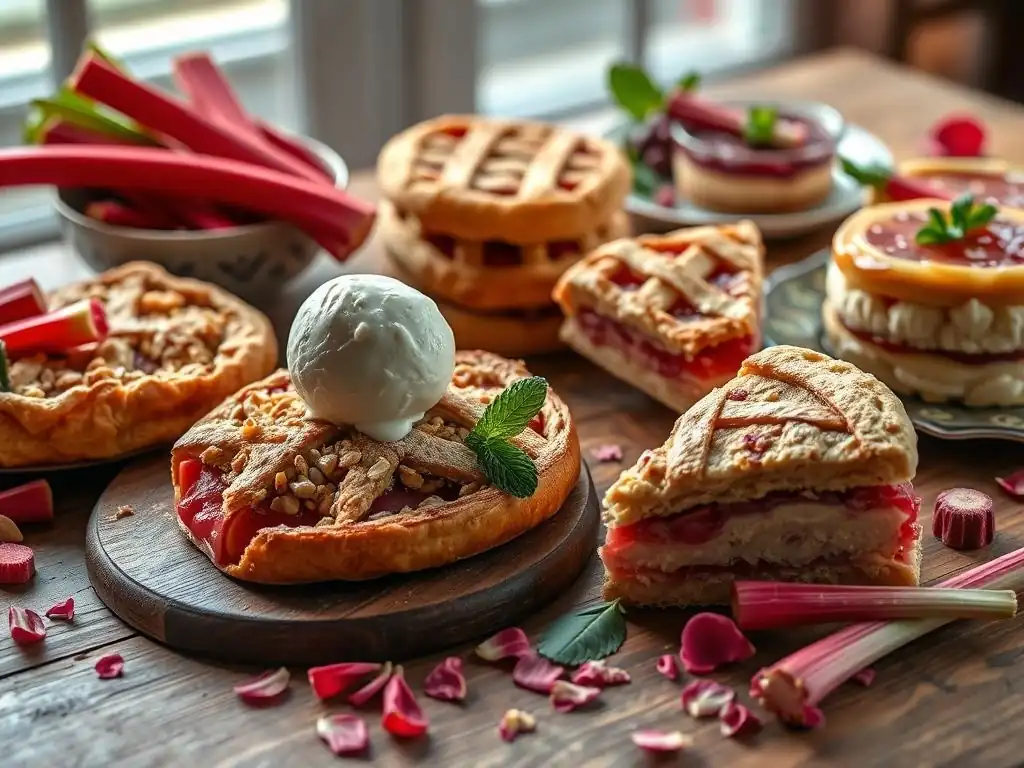
While rhubarb pie holds a special place in many hearts, rhubarb is incredibly versatile and can be used in a wide array of other delicious baked goods. Exploring these options allows you to enjoy rhubarb's unique flavor in different formats, from simple crisps to elegant cakes and convenient muffins. These recipes often require less time and effort than a full pie, making them great choices for weeknight desserts or quick treats.
Expanding your rhubarb repertoire beyond pie opens up a world of sweet and tart possibilities. These alternative recipes showcase how rhubarb can perform beautifully in various textures and structures, proving it's a star ingredient capable of much more than just being baked in a crust. They also offer different levels of sweetness and richness, catering to diverse tastes.
Rhubarb Crisp: A Simple and Satisfying Dessert
Rhubarb Crisp is arguably the easiest and quickest way to enjoy baked rhubarb. It features a layer of sweetened rhubarb filling topped with a simple mixture of flour, sugar, oats, butter, and sometimes nuts, baked until the topping is golden brown and crunchy and the fruit is bubbly and tender. It's a rustic, comforting dessert that requires minimal fuss and no pastry skills.
To make a basic Rhubarb Crisp, toss chopped rhubarb with sugar and a thickener (like flour or cornstarch) and spread it in a baking dish. For the topping, combine rolled oats, flour, brown sugar, and cold butter, cutting the butter in until crumbs form. Sprinkle this mixture evenly over the rhubarb. Bake at around 375°F (190°C) for 30-40 minutes, or until the topping is crisp and the rhubarb is soft and bubbling. It's fantastic served warm, often with a scoop of vanilla ice cream or a dollop of whipped cream.
Rhubarb Cake Recipe: A Moist and Flavorful Delight
Incorporating rhubarb into cakes results in a moist, tender crumb with delightful pockets of tangy flavor. A rhubarb cake recipe can range from simple loaf cakes and coffee cakes to more elaborate layer cakes. The acidity of the rhubarb helps keep the cake moist, and its tartness provides a wonderful contrast to the sweetness of the cake batter. Often, rhubarb is tossed with a little sugar and flour before being folded gently into the batter to prevent it from sinking to the bottom during baking.
A popular type is a Rhubarb Coffee Cake, featuring a moist cake base, a layer of sweetened rhubarb, and a streusel topping, often baked in a square or round pan. Simple loaf cakes are also common; chopped rhubarb is folded directly into a standard loaf cake batter.
Baking temperatures are typically around 350°F (175°C), with baking time varying greatly depending on the size and type of cake, ranging from 30 minutes for muffins to over an hour for larger cakes. Look for a rhubarb cake recipe that specifically addresses how to handle the fruit to ensure it distributes evenly and doesn't make the cake soggy.
Rhubarb Muffins: Perfect for Breakfast or Brunch
Rhubarb muffins are a fantastic way to use rhubarb in a portable, breakfast-friendly format. They offer a delightful balance of a tender muffin crumb with bursts of tart rhubarb. Like with cake, the rhubarb should typically be tossed with a small amount of sugar and flour before being added to the batter to prevent it from sinking and to absorb some of its moisture. This pretreatment helps ensure the rhubarb pieces are suspended throughout the muffin.
A basic rhubarb muffin recipe follows standard muffin-making procedure: combine dry ingredients, combine wet ingredients, then gently mix the two until just combined before folding in the prepared rhubarb. Baking temperature is usually around 375-400°F (190-200°C) for about 20-25 minutes, resulting in a nice dome and golden-brown tops. Adding a streusel topping or a sprinkle of coarse sugar before baking can add extra texture and sweetness. Rhubarb muffins are excellent served warm with butter or simply enjoyed as is for a quick, tangy treat.
Tips and Tricks for Baking with Rhubarb
Working with rhubarb is generally straightforward, but a few tips can help ensure your baked goods turn out perfectly every time. From proper storage to handling its unique moisture content and tartness, knowing these simple techniques can elevate your rhubarb baking game, whether you're making an easy rhubarb pie recipe or something more complex.
These practical tips address common challenges when baking with rhubarb. Understanding how to handle its freshness, store it properly, and troubleshoot issues like a soggy pie bottom will significantly improve your results. They are valuable insights for anyone looking to consistently create delicious rhubarb desserts.
Storing Rhubarb for Optimal Freshness
Fresh rhubarb is best used soon after harvesting or purchasing, ideally within a day or two, for the brightest flavor and firmest texture. To store fresh rhubarb for a short period in the refrigerator, wrap the unwashed stalks tightly in plastic wrap or place them in a resealable plastic bag. Stored this way in the crisper drawer, rhubarb can remain fresh for up to a week.
Avoid washing or cutting the rhubarb until you are ready to use it, as moisture can accelerate spoilage. If the stalks become slightly limp during storage, you can sometimes refresh them by placing the cut ends in a glass of cold water for an hour or two, similar to how you might treat wilting celery. Proper storage ensures your rhubarb retains its crispness and vibrant flavor, which are essential for achieving the best results in your baking.
Freezing Rhubarb for Later Use
Rhubarb has a relatively short peak season, so freezing is an excellent way to preserve its flavor and use it in baking throughout the year. Freezing is simple and requires minimal preparation. Start by washing and trimming the rhubarb stalks, removing the leaves and any tough ends. Cut the stalks into the pieces you would typically use for baking, usually ½-inch to 1-inch chunks.
Spread the chopped rhubarb in a single layer on a baking sheet lined with parchment paper. Place the baking sheet in the freezer until the rhubarb pieces are frozen solid, which usually takes 1-2 hours. This step prevents the pieces from clumping together. Once frozen, transfer the rhubarb to a freezer-safe bag or container, pressing out as much air as possible to prevent freezer burn.
Label the container with the date. Frozen rhubarb can be stored for 6-12 months. You can use frozen rhubarb directly in most baking recipes (like a rhubarb pie recipe easy), often without thawing, though you might need to add a few minutes to the baking time.
Troubleshooting Common Rhubarb Baking Problems [e.g., Soggy Crust]
One common issue when baking with rhubarb, especially in pies, is a soggy bottom crust. This occurs because rhubarb releases a significant amount of juice as it cooks. Several strategies can help prevent this.
First, ensure you use enough thickener (flour, cornstarch, tapioca starch, or even instant tapioca) in your filling. The amount needed can vary, but a good rule of thumb for a 9-inch pie is ¼ to ½ cup of flour or cornstarch, or ¼ cup of instant tapioca. Some bakers like to coat the bottom crust with a thin layer of a dry ingredient like graham cracker crumbs, flour, or even finely ground nuts before adding the filling to create a moisture barrier.
Another technique is to pre-bake or "blind bake" the bottom crust partway before adding the filling. Bake the empty crust (lined with parchment paper and filled with pie weights or dried beans) at 375-400°F (190-200°C) for 15-20 minutes until the edges are set and lightly colored. Remove the weights and parchment and bake for another 5-10 minutes to set the bottom.
Then, add the filling and proceed with the recipe. Ensuring the pie bakes long enough for the filling to bubble vigorously is also crucial; this bubbling indicates that the thickener has reached a high enough temperature to activate and properly thicken the juices. Finally, letting the pie cool completely before slicing is vital for the filling to fully set.
Elevating Your Rhubarb Baking: Expert Tips
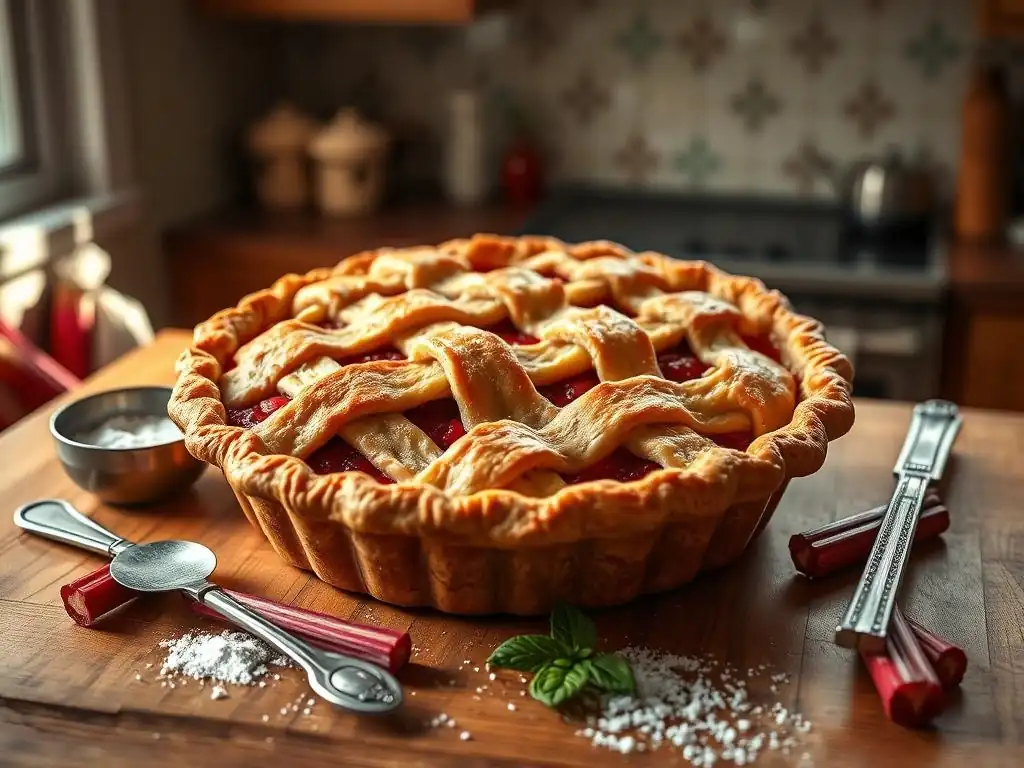
Once you've mastered the basics, including an easy rhubarb pie recipe, you might want to explore ways to add complexity and finesse to your rhubarb creations. Elevating your baking involves paying attention to flavor pairings, textures, and techniques that can take a simple rhubarb dessert from good to outstanding. These expert tips focus on enhancing the natural qualities of rhubarb and creating more sophisticated flavor profiles.
These suggestions encourage experimentation and highlight how thoughtful additions and techniques can significantly impact the final outcome. They move beyond simply combining ingredients to consciously building layers of flavor and achieving desired textures, making your rhubarb bakes truly memorable.
Pairing Rhubarb with Complementary Flavors [e.g., Ginger, Almond]
Rhubarb's tartness makes it a fantastic canvas for pairing with a variety of other flavors that can either complement its acidity or add warmth and depth. Classic pairings include strawberries, as mentioned, but also other berries like raspberries or blueberries, and fruits like apples or oranges (zest works particularly well). Beyond fruits, spices are excellent partners. Ginger, both fresh and ground, adds a warm, slightly spicy note that is wonderful with rhubarb's tang. Cinnamon, nutmeg, and cardamom are also common and work beautifully, especially in pies and crisps.
Herbs like mint, basil, or thyme can offer a surprising and refreshing contrast, particularly in compotes or tarts. Vanilla is a universal enhancer and pairs well with rhubarb's bright flavor. Almond extract or ground almonds add a lovely nutty depth that complements the tartness. Lemon zest or a splash of lemon juice can surprisingly enhance rhubarb's own acidity, making the flavor "pop" even more, especially if the rhubarb is less tart. Don't be afraid to experiment with these pairings to find your favorites and add a unique twist to your rhubarb pie recipe easy or complex.
Achieving the Perfect Texture in Rhubarb Desserts
Texture is just as important as flavor in rhubarb desserts. In pies and crisps, you want the rhubarb to be tender but not completely mushy, with some structure remaining. Cutting the rhubarb into uniform pieces (typically ½-inch to 1-inch) helps ensure even cooking.
Using the right amount and type of thickener is crucial for the filling's texture; too little, and it will be runny; too much, and it can become gluey. Cornstarch provides a clear, glossy finish, while flour gives a cloudier, slightly softer set. Tapioca starch or instant tapioca results in a very clear, slightly gel-like filling and is often preferred for fruit pies because it doesn't break down when frozen and reheated.
Baking time and temperature also play a significant role. Baking at a sufficiently high temperature ensures the crust browns properly before the filling completely breaks down. Allowing the pie or crisp to cool completely is non-negotiable for the filling to set firm enough to slice cleanly. For cakes and muffins, the goal is usually a moist, tender crumb with soft pockets of rhubarb. Tossing the chopped rhubarb with a little sugar and flour before adding it to the batter helps prevent the fruit from sinking and controls the moisture it releases during baking, contributing to a better overall texture.
Mastering the Art of Rhubarb Compote and Jam
While not strictly "baked goods," mastering rhubarb compote or jam is a valuable skill for any rhubarb enthusiast and provides delicious components for baking. Rhubarb compote is essentially rhubarb cooked down with sugar and often other flavorings (like ginger or orange zest) until it's soft and saucy. It's relatively quick to make and can be used as a topping for cakes, scones, or even as a layer in trifles or parfaits.
Making rhubarb jam involves cooking the rhubarb with sugar (and often pectin, as rhubarb is low in natural pectin) for a longer period until it reaches a thick, spreadable consistency suitable for canning or refrigerating. Both compote and jam are excellent ways to preserve rhubarb's flavor and can be stirred into cake batters, used as filling for hand pies or tarts, swirled into muffin batter, or even used as the base for a rhubarb pie recipe easy to assemble using a pre-cooked filling. They offer concentrated rhubarb flavor and a different texture dimension compared to using fresh pieces.
Conclusion: Embrace the Tartness of Rhubarb
Rhubarb, with its striking appearance and wonderfully tart flavor, is a truly special ingredient in the world of baking. Far from being a simple fruit substitute, its unique acidity provides a vital balance in sweet dishes, preventing them from being overly rich or sugary. From the beloved classic rhubarb pie recipe easy enough for anyone to tackle, to simple crisps, moist cakes, and delightful muffins, rhubarb offers a diverse range of possibilities for creating delicious desserts.
Its seasonality makes it a welcome sign of spring, and its ability to pair with numerous other flavors and spices means there's always a new combination to explore. Don't be intimidated by its tartness; with the right amount of sugar and perhaps a complementary partner like strawberry or ginger, rhubarb transforms into something truly magical in the oven.
Enjoying the Versatility of Rhubarb in Your Baking
Embracing rhubarb in your baking means opening the door to a world of vibrant, balanced, and utterly delicious treats. Whether you follow a time-honored rhubarb pie recipe easy from a family cookbook or experiment with modern twists like rhubarb and cardamom muffins, the result is almost always a dessert that feels both comforting and refreshing. Its versatility allows it to shine in everything from simple crumbles served warm with ice cream to elegant tarts and layered cakes.
Learning to work with rhubarb's unique properties – its tartness, its moisture content, and its fibrous stalks – empowers you to create successful bakes every time. So, the next time you see those beautiful pink and green stalks appear at the market or in your garden, grab a bunch! Get baking and discover the joy of creating sweet and tart treats that celebrate the unique charm of rhubarb.
Frequently Asked Questions
What makes a rhubarb pie recipe easy to follow?
An easy rhubarb pie recipe focuses on simple ingredients, straightforward instructions, and avoids complex techniques. It also emphasizes readily available items.
Can I use frozen rhubarb in an easy rhubarb pie recipe?
Yes, frozen rhubarb can be used. Be sure to thaw and drain it thoroughly before incorporating it into the pie filling to prevent a soggy crust.
What are some variations I can make to an easy rhubarb pie recipe?
You can add other fruits like strawberries or raspberries for a sweeter taste. A crumb topping instead of a top crust is another popular and easy variation.
How can I prevent my rhubarb pie from being too tart when using an easy recipe?
Ensure you use the correct amount of sugar specified in the recipe. Combining rhubarb with sweeter fruits like strawberries also helps balance the tartness.
What is the best way to store a leftover easy rhubarb pie?
Store it in the refrigerator wrapped in plastic wrap or in an airtight container. It's best consumed within 3-4 days for optimal freshness and flavor.
Final Reflection: The Enduring Allure of Rhubarb
The humble rhubarb, once a niche ingredient, is experiencing a well-deserved resurgence in popularity. Its unique tartness, perfectly balanced with sweetness, continues to inspire culinary creativity, proving that classic flavors remain timeless and relevant in today's diverse food landscape. From simple crumbles to elegant tarts, rhubarb's versatility ensures its place on tables worldwide.
The journey of exploring rhubarb's culinary potential has been a deeply personal one, reminding me of the simple joys found in the kitchen. The act of transforming this seemingly ordinary stalk into something delicious is a testament to the power of food to connect us to tradition and to each other. Food is symbolic of love when words are inadequate.
- Alan D. Wolfelt. This sentiment perfectly encapsulates the feeling of sharing a homemade rhubarb pie, a tangible expression of care and connection.
Now, it's your turn. Don't be intimidated by the seemingly complex world of baking. Take the leap, experiment with different rhubarb recipes, and discover the joy of creating something delicious with your own hands. Embrace the sweet and tart dance of this remarkable ingredient, and let the aroma of baking rhubarb fill your kitchen with warmth and the promise of delightful moments shared with loved ones. The perfect rhubarb pie, or crumble, or even a simple compote, awaits your creation.
Unlock Your Inner Rhubarb Baker!
Thanks for taking the time to explore the wonderful world of rhubarb baking with us! We hope you've discovered some delicious inspiration and new techniques. Now it's time to get baking!
- Bake your first rhubarb masterpiece! Choose your favorite recipe from the article (or find a new one online!) and get those ovens fired up. Let's see those delicious results!
- Share your creations! Snap a photo of your rhubarb triumph and share it on social media using #BakeWithEaseRhubarb. We'd love to see what you make!
- Experiment with different flavor combinations. What unexpected ingredients might complement the tartness of rhubarb? Let your culinary creativity run wild!
What unique rhubarb recipe will you create next?