
Simple Flour Tortillas: Skillet Baking Made Easy

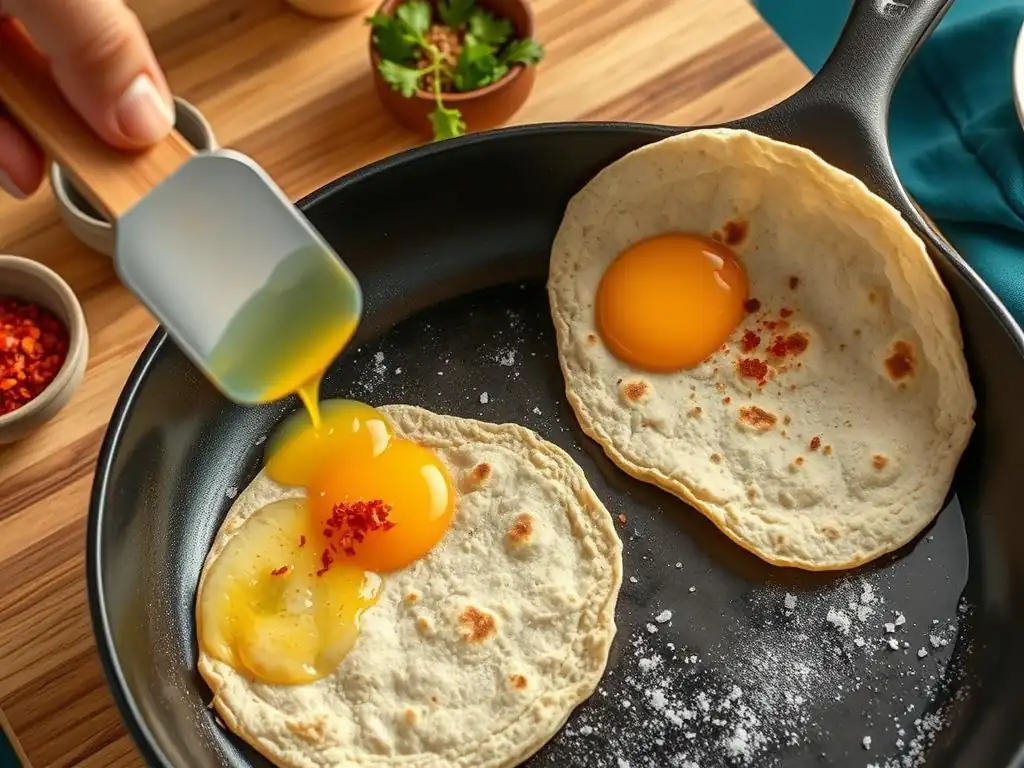
Welcome to BakeWithEase, your haven for all things baking! Ever dreamt of crafting warm, delicious tortillas right in your own kitchen? Get ready to ditch the store-bought versions and unlock the secrets to unbelievably easy skillet flour tortillas. This is your gateway to homemade goodness – let's get baking!
- Bake Homemade Flour Tortillas with Ease: A Skillet Guide
- Why Skillet Flour Tortillas Are Perfect for Home Baking
- Easy Skillet Flour Tortilla Recipe: Step-by-Step Instructions
- Achieving the Perfect Skillet Tortilla: Tips and Tricks
- Serving Suggestions: Enjoying Your Freshly Baked Tortillas
- Troubleshooting Your Skillet Flour Tortillas
- Make Ahead and Storage Tips for Skillet Tortillas
- Frequently Asked Questions
- Final Reflection: The Humble Tortilla, Elevated
- Unleash Your Inner Tortilla Master!
Bake Homemade Flour Tortillas with Ease: A Skillet Guide
Making delicious, soft flour tortillas at home might seem daunting, but with a simple skillet and a few basic ingredients, it's surprisingly easy. Forget the store-bought versions that can be dry or lack flavor; baking your own skillet flour tortillas brings a level of freshness and authenticity that elevates any meal. This guide will walk you through every step, from mixing the dough to achieving that perfect bubbly char in your own kitchen.
Using a skillet for baking tortillas is perhaps the most accessible method available to home cooks. You don't need a specialized comal or a tortilla press, although those can be helpful. A standard cast iron skillet or a good quality non-stick pan works perfectly, making easy skillet flour tortillas achievable for anyone with a stovetop. This simplicity means you can whip up a batch anytime the craving strikes, adding a warm, homemade touch to your tacos, burritos, or quesadillas.
Why Skillet Flour Tortillas Are Perfect for Home Baking
The Simplicity of Skillet Cooking for Tortillas
One of the greatest advantages of making easy skillet flour tortillas is the minimal equipment required. Most kitchens are already equipped with a suitable skillet, eliminating the need for specialized tools like a traditional comal or a heavy tortilla press. This accessibility makes homemade tortillas a realistic and convenient option for everyday cooking, not just special occasions.
Cooking tortillas in a skillet allows for direct heat transfer, which is key to achieving the characteristic puffiness and light browning. Unlike oven baking, which cooks from all sides, skillet cooking focuses the heat on one surface at a time, mimicking traditional methods. This direct heat, managed correctly, results in tortillas that are soft and pliable with those desired slightly charred spots, all within minutes per tortilla.
Fresh Flour Tortillas: A Taste of Authentic Baking
The difference between a freshly baked flour tortilla and a store-bought one is night and day. Homemade skillet flour tortillas boast a superior flavor and texture that simply cannot be replicated by mass-produced versions. They are incredibly soft, flexible, and have a wonderful aroma that fills your kitchen, enhancing the entire cooking experience.
Baking tortillas from scratch connects you to a rich culinary tradition where flatbreads are a staple. The simple act of combining flour, water, and fat and transforming it into a warm, pliable wrap is incredibly rewarding. This hands-on process ensures you know exactly what goes into your food, providing a healthier and more satisfying alternative to tortillas that may contain preservatives or dough conditioners.
No-Fuss Tortilla Recipe: Perfect for Beginners
This recipe for easy skillet flour tortillas is designed with simplicity in mind, making it ideal for those new to baking bread or flatbreads. The ingredients are common pantry staples, and the steps are straightforward, focusing on technique rather than complex procedures. There's no yeast involved, meaning no long proofing times – you can mix the dough and be baking within the hour.
The process involves simple mixing, a short rest period, dividing and shaping, and quick cooking on a hot skillet. Each step is manageable and forgiving, allowing beginners to build confidence. Mastering this basic recipe for easy skillet flour tortillas opens the door to countless delicious meal possibilities, proving that homemade goodness is well within reach.
Easy Skillet Flour Tortilla Recipe: Step-by-Step Instructions
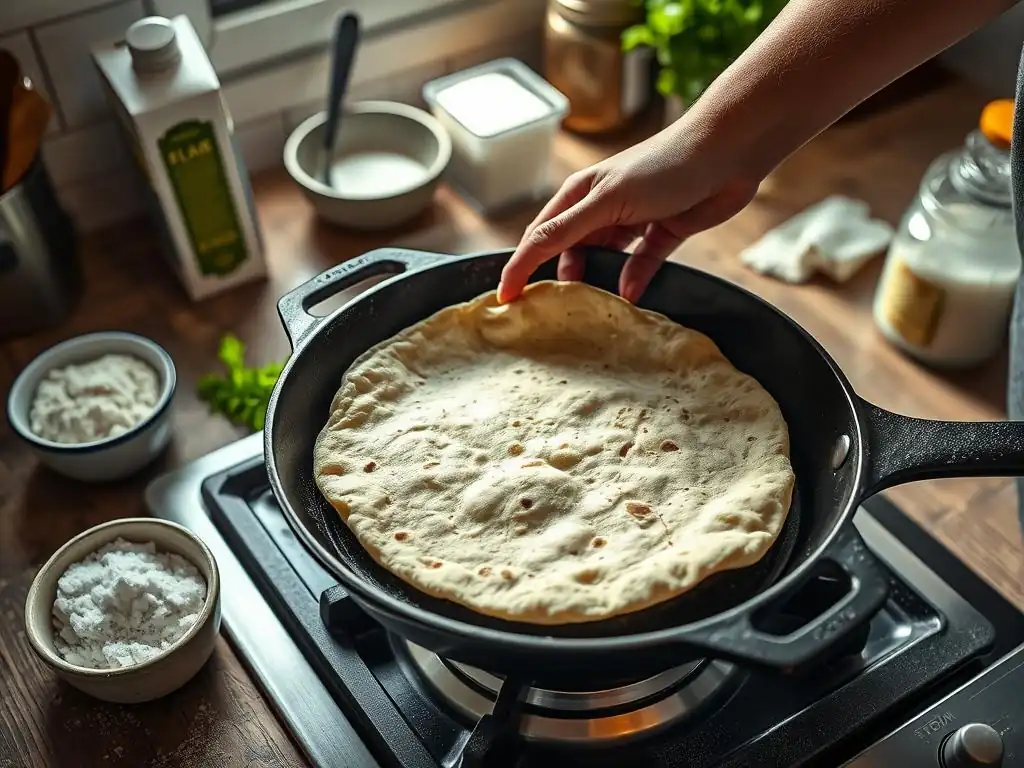
Ingredients for Homemade Skillet Tortillas
To make a batch of about 8-10 easy skillet flour tortillas, you will need just a few core ingredients. Start with approximately 2 cups of all-purpose flour, which provides the structure. You'll also need about 1 teaspoon of salt to enhance the flavor and typically around 1 teaspoon of baking powder to help them puff slightly.
For tenderness and pliability, you'll need a fat source, roughly 2-3 tablespoons. Traditionally, this might be lard or vegetable shortening, but vegetable oil is also a common and accessible option. Finally, you'll need warm water, around 3/4 cup to 1 cup, which activates the gluten and brings the dough together. Having these simple ingredients on hand is the first step to enjoying fresh, easy skillet flour tortillas.
Mixing the Dough: Achieving the Right Consistency
Begin by whisking together the flour, salt, and baking powder in a medium bowl. Cut in your chosen fat using a pastry blender or your fingers until the mixture resembles coarse crumbs. This step helps distribute the fat evenly, which is crucial for tender tortillas.
Gradually add the warm water, mixing with a spoon or your hands until a shaggy dough forms. Turn the dough out onto a lightly floured surface and knead for about 5-8 minutes. The dough should become smooth, elastic, and slightly tacky but should not stick excessively to your hands. If it's too sticky, add flour one tablespoon at a time; if too dry, add a teaspoon of warm water.
Resting the Dough: Key to Soft and Pliable Tortillas
Once the dough is kneaded, it's crucial to let it rest. Form the dough into a ball, place it back in the bowl, cover it tightly with plastic wrap or a clean kitchen towel, and let it rest at room temperature for at least 20-30 minutes. This rest period is vital for relaxing the gluten developed during kneading.
Resting allows the gluten strands to loosen up, making the dough much easier to roll thinly without springing back. Dough that hasn't rested adequately will be tough and difficult to shape, resulting in tortillas that are stiff rather than soft and pliable. This simple step makes a significant difference in the final texture of your easy skillet flour tortillas.
Dividing and Shaping the Tortilla Dough
After resting, the dough will be noticeably softer and more pliable. Turn the dough out onto a lightly floured surface. Divide the dough into equal portions based on how many tortillas you want to make (e.g., 8-10 portions from the approximate recipe quantities). Roll each portion into a smooth ball.
Keep the dough balls covered while you work to prevent them from drying out. Take one ball at a time and roll it out using a rolling pin into a thin circle, approximately 6-8 inches in diameter. Aim for a thickness similar to a thin paper plate. Don't worry if they aren't perfectly round; rustic shapes add to the charm of homemade easy skillet flour tortillas.
Skillet Baking Techniques for Perfect Tortillas
Heat your skillet over medium-high heat until it's hot but not smoking. A good test is to sprinkle a few drops of water on the surface; they should sizzle and evaporate quickly. Place one rolled tortilla onto the hot, dry skillet.
Cook for about 30-60 seconds on the first side, or until small bubbles begin to form on the surface and the underside has light brown spots. Flip the tortilla using tongs or a spatula and cook for another 30-60 seconds on the second side, or until it puffs up in places and develops more brown spots. Remove from the skillet and immediately place it in a clean kitchen towel to keep it warm and soft while you bake the remaining tortillas. This is the core technique for making easy skillet flour tortillas.
Achieving the Perfect Skillet Tortilla: Tips and Tricks
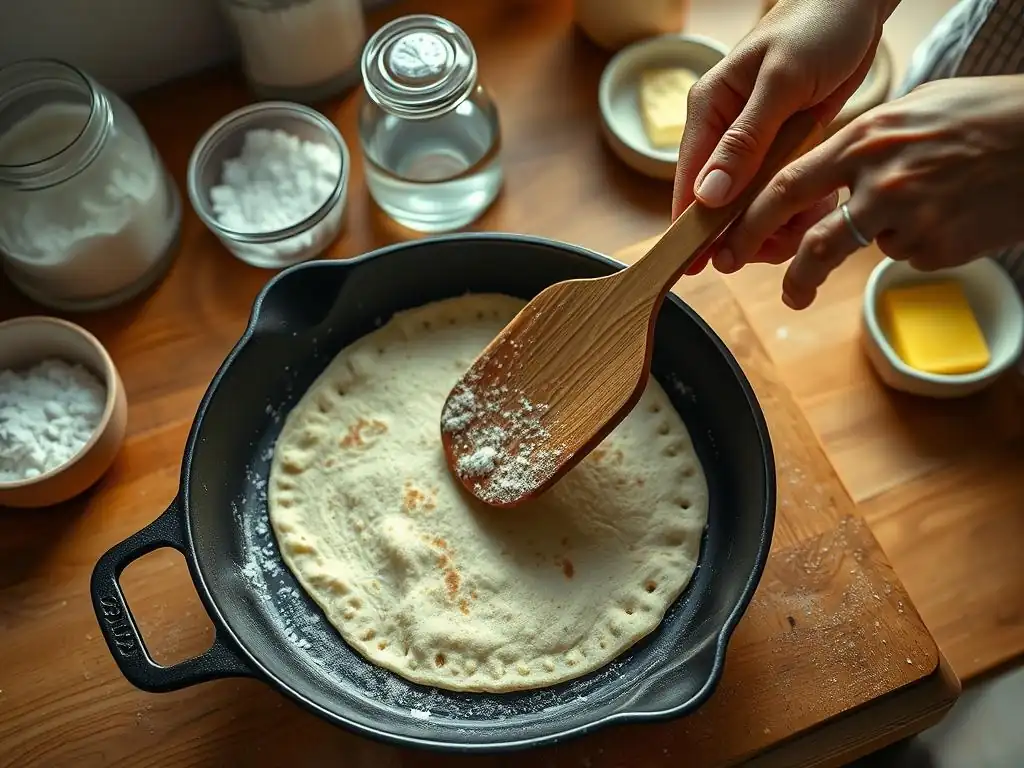
Temperature Control: Mastering the Skillet Heat
Maintaining the correct skillet temperature is paramount for achieving perfect easy skillet flour tortillas. If the skillet is too hot, the tortillas will burn quickly on the outside before cooking through, resulting in a tough texture. If it's too cool, they will dry out and become crisp rather than soft and pliable, and they won't puff up properly.
Medium-high heat is generally recommended, but this can vary depending on your stovetop and skillet. Pay attention to how quickly the tortillas are browning. If they are browning too fast (under 30 seconds per side), turn the heat down slightly. If they are taking too long and not developing brown spots or puffing (over 90 seconds per side), increase the heat slightly. A consistent temperature ensures even cooking for all your easy skillet flour tortillas.
Preventing Sticking: Skillet Preparation is Key
Proper skillet preparation is essential to prevent your easy skillet flour tortillas from sticking, which can tear them and make flipping difficult. If you're using a well-seasoned cast iron skillet, it should be naturally non-stick once properly heated. Avoid adding oil unless your recipe specifically calls for it or your pan is prone to sticking, as excess oil can fry the tortilla rather than bake it.
For non-stick pans, ensure the surface is clean and undamaged. While non-stick pans are designed to prevent sticking, ensuring the pan is heated correctly is still important. A pan that isn't hot enough can sometimes cause dough to adhere before it starts to cook and release. Trust the heat and a clean, appropriate pan for smooth, easy skillet flour tortillas.
Flipping and Baking: Achieving Even Browning
Knowing when and how to flip your easy skillet flour tortillas is key to even baking and achieving those desirable brown spots and occasional puffing. The first side is ready to flip when you see small bubbles forming across the surface and the edges look dry and opaque. The underside should have some light brown spots.
After the first flip, the tortilla will continue to cook and should start to puff up in certain areas. This puffing is a sign of steam being trapped within the layers, resulting in a light, airy texture. Cook the second side until it also has nice brown spots. Flipping too early or too often can prevent proper puffing and even browning. Cook each side just until it's done, usually no more than a minute per side.
Storing Your Homemade Flour Tortillas
To keep your easy skillet flour tortillas soft and pliable after baking, it's important to handle them correctly as they come off the skillet. As each tortilla finishes cooking, immediately transfer it to a stack wrapped in a clean kitchen towel. The residual heat and steam trapped within the towel will help keep the tortillas warm and prevent them from drying out, ensuring they remain soft and flexible.
Once all the tortillas are baked and have cooled slightly within the towel, transfer them to an airtight container or a resealable plastic bag. Stored properly at room temperature, your homemade easy skillet flour tortillas should remain fresh and soft for about 2-3 days. For longer storage, they can be refrigerated for up to a week.
Serving Suggestions: Enjoying Your Freshly Baked Tortillas
Classic Tortilla Recipes: Tacos, Burritos, and More
Freshly made easy skillet flour tortillas are the foundation for countless classic dishes. Their soft, pliable texture makes them perfect for wrapping around fillings. Think traditional tacos filled with seasoned ground beef or flavorful carnitas, generously topped with salsa, onions, and cilantro.
Burritos are another natural fit, allowing you to wrap rice, beans, cheese, and your choice of meat or vegetables into a substantial meal. Quesadillas, made by filling a tortilla with cheese and other ingredients and folding or topping with another tortilla before heating, showcase the tortilla's ability to become crispy on the outside while the inside filling melts together. Enchiladas and fajitas also benefit immensely from the superior quality of homemade easy skillet flour tortillas.
Beyond the Basics: Creative Tortilla Uses
Don't limit yourself to traditional Mexican cuisine when using your easy skillet flour tortillas. Their versatility extends to many other creative applications. Cut them into wedges, bake or fry them until crispy, and you have fresh tortilla chips perfect for dipping in guacamole or salsa.
Use them as a quick base for mini pizzas, topping with sauce, cheese, and your favorite toppings and baking until the cheese is melted. They also make excellent wraps for lunches, filled with deli meats, cheese, lettuce, and veggies, or even used as a base for a quick breakfast burrito with eggs, cheese, and bacon. The possibilities with easy skillet flour tortillas are truly vast.
Pairing Ideas: Complimenting Flavors for Skillet Tortillas
The neutral yet slightly rich flavor of easy skillet flour tortillas makes them a wonderful canvas for a wide range of pairings. When serving with classic Mexican dishes, think about vibrant flavors like fresh pico de gallo, tangy tomatillo salsa, creamy guacamole, or a dollop of sour cream or crema.
For fillings, consider pairings that offer contrast in texture and flavor, such as tender grilled chicken with crisp bell peppers and onions for fajitas, or slow-cooked barbacoa with pickled red onions. Even simple fillings like refried beans and cheese are elevated by being wrapped in a warm, soft homemade tortilla. Experiment with different flavor combinations to find your favorites to enjoy with your easy skillet flour tortillas.
Troubleshooting Your Skillet Flour Tortillas
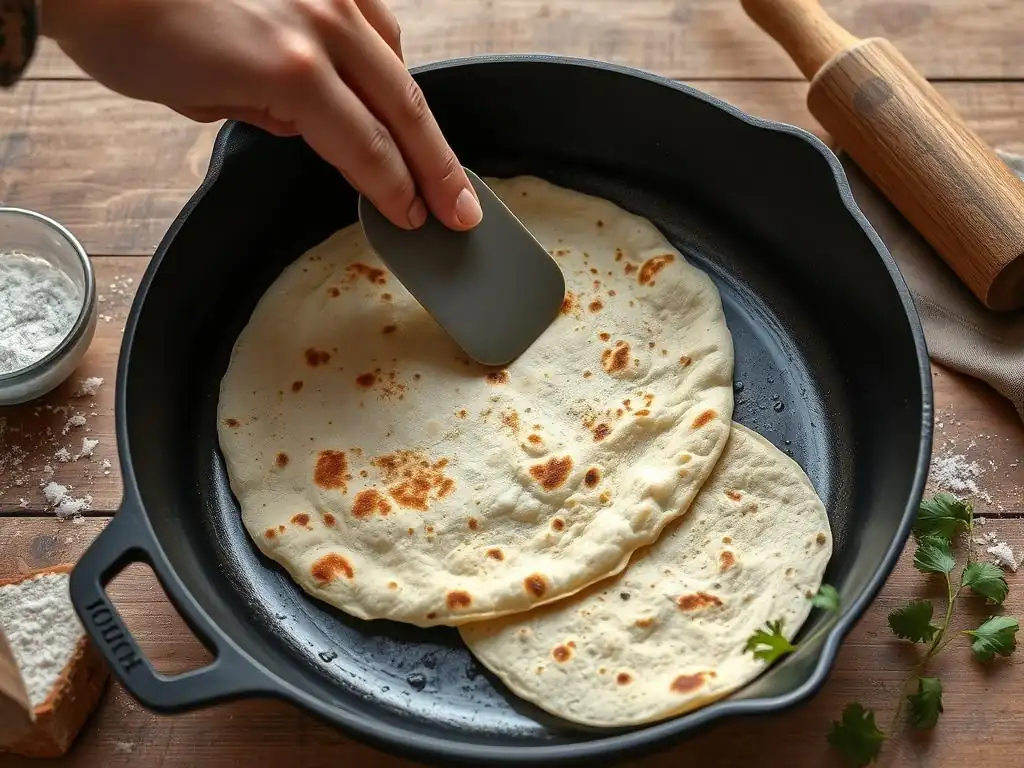
Dough Too Sticky? Solutions for Perfect Consistency
If your dough for easy skillet flour tortillas feels too sticky after kneading, it likely means you've added slightly too much water or haven't incorporated enough flour. This is a common issue and easily fixed. Add a tablespoon of flour at a time to the dough and continue kneading for a minute or two until the stickiness is reduced and the dough feels smooth and elastic, only slightly tacky.
Conversely, if the dough is too dry and crumbly, add a teaspoon of warm water at a time and knead until it comes together. Another factor can be over-kneading, which can sometimes make dough feel tough and sticky. Ensure you only knead for the recommended 5-8 minutes until the dough is smooth and pliable. Achieving the right consistency is key to easily rolling and baking easy skillet flour tortillas.
Tortillas Too Tough? Tips for Softening
Tough tortillas are often a result of insufficient fat, over-kneading, not allowing the dough to rest long enough, or cooking them for too long or at too high a heat. If your easy skillet flour tortillas turn out tough, consider these factors for your next batch. Ensure you're using the specified amount of fat (like lard, shortening, or oil) as it helps tenderize the dough.
Make sure you are kneading only until the dough is smooth and elastic, not overly developed. The resting period is critical; allowing the gluten to relax makes the dough easier to roll thinly and results in a more tender tortilla. Finally, be mindful of cooking time and temperature on the skillet. Overcooking will dry them out and make them brittle. Aim for just enough heat and time to get those lovely brown spots and puffing without making them crisp.
Uneven Baking? Mastering Skillet Heat Distribution
Uneven browning or cooking spots on your easy skillet flour tortillas usually indicate that your skillet has hot spots – areas that heat up more intensely than others. This is particularly common with certain types of pans or stovetops. While some unevenness is natural in skillet cooking, significant differences can be frustrating.
To mitigate this, ensure your skillet is fully preheated before adding the tortilla. You can also try rotating the tortilla halfway through cooking on each side to expose different parts to the hottest areas. If you're using an electric stove, ensuring the pan is centered directly over the heating element can help. Over time, you'll learn the nuances of your specific skillet and stovetop, allowing you to adjust technique for more consistent results with your easy skillet flour tortillas.
Make Ahead and Storage Tips for Skillet Tortillas
Preparing Tortilla Dough in Advance
You can absolutely prepare the dough for your easy skillet flour tortillas ahead of time to save time later. After kneading the dough and forming it into a ball, instead of resting it at room temperature for 20-30 minutes, wrap it tightly in plastic wrap and place it in the refrigerator.
Refrigerated dough can be stored for up to 2 days. When you're ready to make your tortillas, take the dough out of the refrigerator and let it sit at room temperature for about 30-60 minutes to allow it to soften and become pliable again before dividing and rolling. This makes whipping up fresh easy skillet flour tortillas on a busy weeknight much more feasible.
Properly Storing Baked Flour Tortillas
Once your easy skillet flour tortillas are baked, proper storage is key to maintaining their softness and freshness. As mentioned earlier, stacking them in a clean kitchen towel as they come off the skillet helps retain moisture. Once they've cooled slightly within the towel, transfer the stack to an airtight container or a resealable plastic bag, pressing out as much air as possible before sealing.
Stored at room temperature, these homemade tortillas will remain soft and delicious for about 2-3 days. If you won't use them within that timeframe, refrigerating them can extend their shelf life to about a week. Always ensure the container or bag is sealed tightly to prevent them from drying out. Enjoying your easy skillet flour tortillas later is simple with the right storage.
Reheating Tortillas: Maintaining Freshness and Flavor
Reheating homemade easy skillet flour tortillas properly ensures they regain their soft, pliable texture without becoming dry or brittle. The best method is often a quick warm-up in a dry skillet over medium heat for about 15-30 seconds per side, just until warm and flexible again. Avoid overheating.
Alternatively, you can microwave them. Wrap a stack of a few tortillas in a slightly damp paper towel and microwave for 15-30 seconds, depending on the number of tortillas and your microwave's power. For larger batches, wrap them in foil and warm them in a low oven (around 250°F or 120°C) for about 10-15 minutes. These methods help maintain the moisture and deliciousness of your easy skillet flour tortillas.
Frequently Asked Questions
What makes these flour tortillas "easy"?
These tortillas are considered easy because the recipe uses simple, readily available ingredients and requires only a single skillet for cooking, eliminating the need for specialized equipment.
Can I use different types of flour for these tortillas?
While all-purpose flour is recommended for the best texture, you can experiment with whole wheat flour for a healthier option. However, be aware that this may result in a denser tortilla.
How do I prevent the tortillas from becoming too tough?
Avoid over-mixing the dough as this develops the gluten too much, leading to tough tortillas. Also, resting the dough is crucial for gluten relaxation and a tender result.
What's the best way to store leftover tortillas?
Store leftover tortillas in an airtight container or a resealable plastic bag at room temperature for up to three days. You can also freeze them for longer storage.
Why is using a skillet preferred over other methods for cooking tortillas?
A skillet provides even heat distribution for consistent cooking and browning. It's also a convenient and accessible tool for most home bakers.
Final Reflection: The Humble Tortilla, Elevated
The ease of making perfect flour tortillas at home, using nothing more than a skillet, is a revelation that transcends mere culinary convenience. It's a gateway to fresher, tastier meals, a connection to traditional cooking methods, and a surprisingly satisfying creative outlet. This simple act of skillet baking empowers home cooks to control ingredients, avoid preservatives, and enjoy the warm, comforting aroma of freshly made tortillas.
The impact of this seemingly small skill extends beyond the individual kitchen. It's a reminder of the power of simple recipes to bring people together, fostering a sense of community and shared culinary experiences. Food is symbolic of love when words are inadequate.
- Alan D. Wolfelt. This sentiment rings true when sharing homemade tortillas, whether with family, friends, or even oneself. The act of creating something delicious and nourishing from scratch is inherently fulfilling, and the joy of sharing that creation is immeasurable.
Now, I invite you to consider the possibilities. Don't just stop at the recipe; experiment! Try different flours, add herbs and spices, or even create unique fillings. Embrace the simplicity and the potential for creativity that lies within this seemingly humble tortilla. The journey from flour to a warm, soft tortilla is a journey of connection – to your food, your heritage, and yourself. Let the skillet be your guide, and the delicious results your reward.
Unleash Your Inner Tortilla Master!
Thanks for taking the time to explore the world of skillet-baked tortillas! We hope you now feel confident and excited about making delicious, homemade tortillas. Ready to take the next step?
- Bake a batch today! Use our recipe as a springboard – experiment with different flours, fillings, or even try making mini-tortillas for appetizers.
- Share your creations! Show us your beautiful, golden-brown tortillas on social media using #BakeWithEaseTortillas. We'd love to see your baking journey!
- Consider experimenting with different fillings. What exciting combinations will you try first?
What unique flavor will you add to your next batch of perfect skillet tortillas?