
Cheesy Delights: MustTry Latin American Baked Goods with Cheese

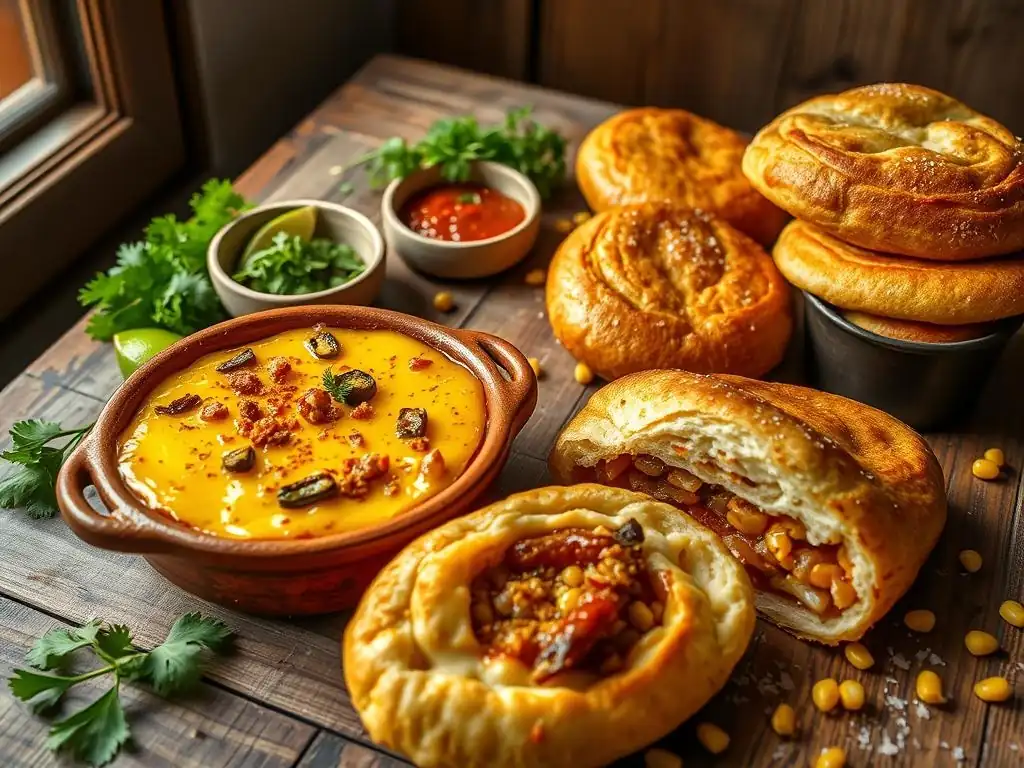
Welcome to BakeWithEase, your passport to a world of baking delight! Ever wondered about the secrets behind those irresistible cheesy pastries found across Latin America? Prepare to be amazed. This week, we're diving deep into the world of Latin American cheese baked goods, uncovering recipes so delicious, they'll transport your taste buds south of the border. Intrigued? Let the cheesy adventure begin!
- Discover the World of Latin American Cheese Baked Goods
- Why Latin American Cheese Baked Goods are Irresistible
- Must-Try Latin American Cheese Baked Goods
- Empanadas de Queso: A Classic Latin American Cheese Pastry
- Pan de Bono: The Cheesy Colombian Bread You Need to Try
- Chipa Guazú: A Paraguayan Corn and Cheese Cake
- Pão de Queijo: Brazil's Famous Cheese Bread
- Arepas con Queso: Venezuelan Grilled Cheese Cakes
- Rosquillas de Queso: Nicaraguan Cheese Doughnuts
- Tips for Baking Perfect Latin American Cheese Treats
- Exploring More Latin American Baking Recipes
- Frequently Asked Questions
- Final Reflection: A Taste of Tradition, A Future of Flavor
- Unleash Your Inner Arepa Artisan!
Discover the World of Latin American Cheese Baked Goods
Latin America boasts a vibrant culinary landscape, and its baked goods are no exception. While many think of sweet pastries or crusty breads, a significant and utterly delicious category revolves around the humble, yet versatile, ingredient: cheese. From savory snacks enjoyed on the go to comforting breakfast breads and even sweet-leaning treats, Latin American cheese baked goods offer a delightful exploration of textures and flavors that are both unique to the region and universally appealing. This journey through cheesy delights will introduce you to some iconic examples, highlighting the traditions and techniques that make them so special.
These cheesy creations are deeply embedded in the daily life and culture of various Latin American countries. They are found in bustling markets, roadside stands, panaderías (bakeries), and home kitchens alike. Whether served warm from the oven or enjoyed at room temperature, they provide a comforting and satisfying experience. Exploring these baked goods is not just about tasting delicious food; it's about connecting with the rich history and diverse culinary heritage of Latin America, where simple ingredients are transformed into extraordinary treats.
Why Latin American Cheese Baked Goods are Irresistible
Latin American cheese baked goods hold a special place in the hearts (and stomachs) of many, and their widespread appeal is no accident. The combination of tender dough, often made with unique flours like cassava or cornmeal, and the melty, sometimes tangy, goodness of regional cheeses creates a synergy that is truly hard to resist. These treats often strike a perfect balance between savory and slightly sweet, making them suitable for various times of the day and occasions, from a quick breakfast bite to a satisfying afternoon snack.
The magic also lies in the diverse types of cheese used and the ingenious ways they are incorporated into the dough or filling. Unlike some European pastries that might use a single type of cheese, Latin American baking often features fresh, semi-hard, or even aged cheeses, each contributing a distinct flavor and texture when baked. The warmth of the oven transforms the cheese, creating gooey centers or crispy, caramelized edges, adding layers of complexity to relatively simple preparations.
The Unique Appeal of Cheese in Latin American Baking
Cheese in Latin American baking isn't merely an add-in; it's often a foundational element that dictates the texture and flavor profile of the final product. Traditional cheeses, such as queso fresco, queso blanco, or queso costeño, are frequently used because they can withstand higher baking temperatures without completely melting away, retaining some structure while becoming soft and creamy. For example, queso costeño from Colombia, a salty, firm cheese, is crucial in items like buñuelos, providing the necessary structure and salty contrast to the light, airy dough. Similarly, queso fresco lends a pleasant tang and moistness to many baked goods.
Beyond structure, the flavor contribution is paramount. The natural saltiness and often slight acidity of Latin American cheeses provide a wonderful counterpoint to the starches in the dough. Consider queso blanco in Venezuelan arepas; its mild, milky flavor melts beautifully, creating pockets of creamy goodness within the crispy cornmeal shell. This interaction between starch and cheese, often enhanced by baking, results in a deeply satisfying umami flavor that is characteristic of many Latin American cheese baked goods.
From Savory to Sweet: The Versatility of Cheese in Latin American Treats
The application of cheese in Latin American baking spans the entire flavor spectrum, effortlessly transitioning from purely savory to surprisingly sweet contexts. While many popular items like empanadas or pan de bono lean decidedly savory, featuring cheese as the primary filling or integrated into the dough, cheese also appears in treats with a sweeter profile. Take, for instance, some regional variations of baked goods where a slightly sweet dough is paired with a salty or mild cheese, creating a delightful contrast that tantalizes the taste buds.
This versatility allows Latin American cheese baked goods to be enjoyed at any time. A pão de queijo is perfect alongside morning coffee, while a cheesy empanada makes for a hearty lunch. Even desserts in some regions might incorporate cheese, such as certain types of pastries or cakes where a layer of cheese is baked within a sweet crust or batter. This broad application underscores how integral and adaptable cheese is to the diverse baking traditions across Latin America, proving it's much more than just a savory ingredient.
Must-Try Latin American Cheese Baked Goods
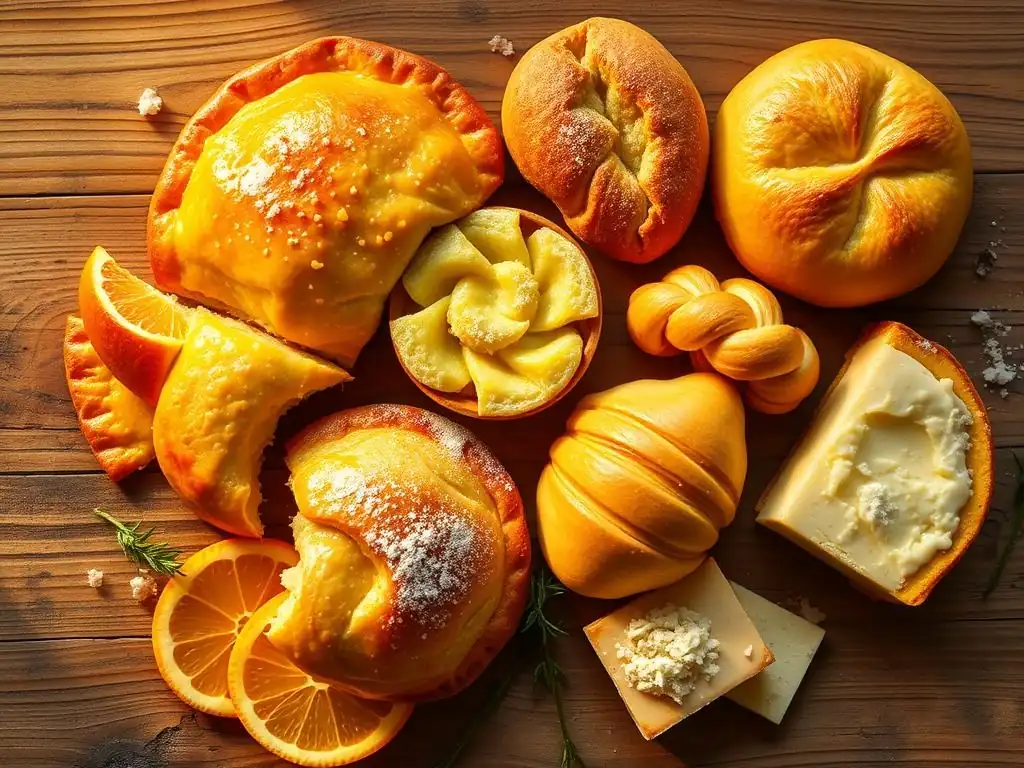
Embarking on a culinary tour of Latin American cheese baked goods reveals a fascinating array of regional specialties, each telling a story of local ingredients and cultural heritage. These treats are not just food; they are edible pieces of history, often passed down through generations. From the bustling streets of Buenos Aires to the tranquil villages of the Andes, the aroma of warm, cheesy baked goods is a comforting and inviting presence.
Exploring these items offers a chance to appreciate the subtle differences in dough preparation, cheese selection, and baking techniques that define each country's unique contribution to this cheesy pantheon. While many share a common thread – the love of cheese and baked dough – their individual characteristics make each one a distinct and memorable experience. Let's delve into some of the most iconic examples that showcase the delicious world of Latin American cheese baked goods.
Exploring Baking Traditions with Cheese
The tradition of incorporating cheese into baked goods in Latin America often stems from the availability of local dairy products and indigenous ingredients like corn or cassava. In many rural communities, cheese production was a common practice, leading to its natural inclusion in everyday baking. These traditions are often simple, relying on basic techniques and readily available ingredients, making them accessible and popular across social strata.
These baking traditions are also a reflection of cultural exchange and adaptation. While some techniques may have European roots brought by colonizers, the use of native flours and cheeses gives them a distinctly Latin American identity. For example, the concept of a filled pastry might exist elsewhere, but the specific doughs and cheese fillings used in Latin American empanadas are uniquely regional. This blend of influences has resulted in a rich tapestry of cheesy baked goods that are beloved staples in their countries of origin.
Empanadas de Queso: A Classic Latin American Cheese Pastry
Empanadas are perhaps one of the most recognizable Latin American baked goods, and the empanada de queso (cheese empanada) is a beloved classic found across the continent. These savory turnovers consist of dough folded around a filling, crimped shut, and then either baked or fried. The cheese version is particularly popular for its simple yet satisfying combination of a tender or flaky crust and a warm, often gooey, cheese filling.
While the basic concept remains consistent, the execution of empanadas de queso varies significantly from country to country, and even region to region within a single country. The dough can range from a simple flour and water mixture to one enriched with lard or butter, resulting in textures from soft and bread-like to crisp and flaky. The cheese filling itself is also highly variable, using local cheeses and sometimes incorporating herbs or spices to enhance the flavor.
Variations of Cheese Empanadas Across Latin America
The diversity of empanadas de queso is astounding. In Argentina, they often feature a relatively thin, flaky dough and a filling of queso fresco or mozzarella, sometimes mixed with béchamel for creaminess. Chilean cheese empanadas, particularly those from the south, might use a richer dough and a blend of cheeses. In Colombia, the dough is often made from cornmeal, resulting in a crispier, often fried pastry filled with queso costeño or other local white cheeses.
Further north, Mexican empanadas de queso can have various doughs, including those made with masa (corn dough), and fillings often utilize quesillo (Oaxaca cheese) or other melty cheeses. Each variation reflects local ingredients and culinary preferences. For instance, the use of cornmeal in Colombian empanadas is a nod to the country's strong corn-growing heritage, while the flaky wheat doughs in the Southern Cone countries show European influences on baking techniques.
Empanada Dough and Queso Oaxaca Filling
A common and popular pairing, especially in Mexico, involves a wheat flour dough and a filling of queso Oaxaca, also known as quesillo. The dough is typically a simple mixture of wheat flour, salt, water, and sometimes a fat like lard, butter, or oil. It's kneaded until smooth and pliable, then portioned and rolled into discs, usually about 4-6 inches in diameter, ready to be filled and folded.
The filling is primarily shredded or crumbled queso Oaxaca. This semi-hard, stringy cheese is ideal because it melts beautifully, creating long, satisfying strings when the empanada is broken open. Sometimes, a small amount of epazote or other herbs might be added for flavor. After filling, the dough disc is folded in half to create a crescent shape, and the edges are crimped using fingers or a fork to seal, ensuring the cheesy goodness stays inside during baking or frying.
Pan de Bono: The Cheesy Colombian Bread You Need to Try
Pan de bono is a beloved Colombian bread roll, instantly recognizable by its round shape and the distinct aroma of cheese and starch. These rolls are incredibly popular for breakfast or as a snack, often enjoyed warm with a cup of coffee or hot chocolate. Their texture is unique: slightly crispy on the outside, soft and chewy on the inside, with pockets of melted cheese throughout.
What sets pan de bono apart is its primary ingredient: cassava flour, also known as tapioca starch or yuca flour. This gluten-free flour gives the bread its characteristic chewy texture. Combined with cheese and sometimes a bit of cornmeal or pre-cooked corn flour (masarepa), the dough is formed into small balls and baked until golden brown. The result is a delightful, cheesy bite that is addictive.
The Secret Ingredient: Cassava Flour in Pan de Bono
Cassava flour (or tapioca starch) is the foundation of pan de bono and is responsible for its unique, slightly elastic, and chewy crumb. Unlike wheat flour, cassava flour is gluten-free and absorbs liquid differently, requiring careful handling to achieve the right dough consistency. The starch granules expand and gelatinize during baking, creating that signature interior texture that is both light and substantial.
Working with cassava flour for pan de bono typically involves combining it with shredded cheese, often queso costeño or a similar salty, firm white cheese, and sometimes a smaller amount of cornmeal or masarepa for added structure and flavor. The mixture is bound together with eggs and sometimes milk or water. The dough is then kneaded minimally until just combined, as overworking is not necessary due to the lack of gluten. This simple ingredient combination yields a complex and satisfying result.
Pan de Bono Recipe: A Step-by-Step Guide
Creating pan de bono at home is a rewarding process that starts with combining the dry ingredients: cassava flour, grated cheese (like queso costeño or a mix of mozzarella and feta), and a pinch of salt if the cheese isn't very salty. A common ratio might be roughly equal parts cassava flour and cheese by weight. Wet ingredients, typically eggs and a splash of milk, are then added to bring the dough together.
The mixture is kneaded briefly until a cohesive, slightly sticky dough forms. Small portions are then rolled into balls, about the size of a golf ball or slightly larger. These are placed on a baking sheet and baked in a preheated oven, usually around 375-400°F (190-200°C), for about 15-20 minutes, or until they puff up and turn a lovely golden brown. They are best enjoyed warm, when the cheese inside is still soft and melty.
Chipa Guazú: A Paraguayan Corn and Cheese Cake
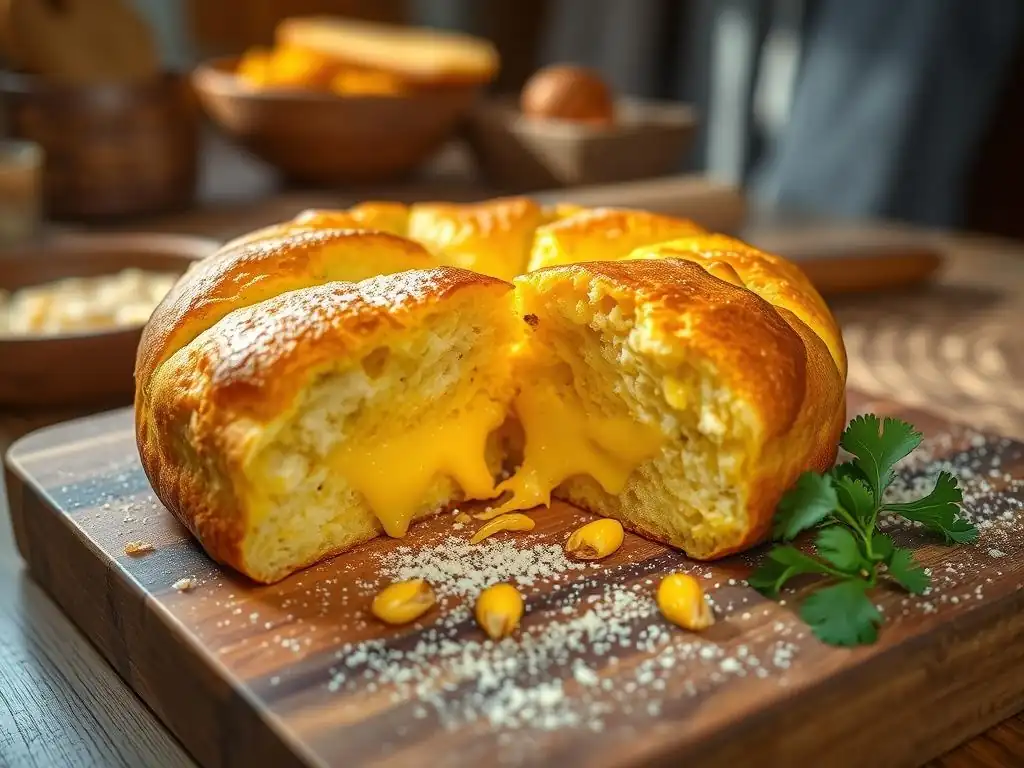
Chipa Guazú is a savory cake or casserole from Paraguay, a staple of its unique cuisine. Unlike many baked goods that rely heavily on wheat flour, Chipa Guazú celebrates the abundance of corn, combining fresh corn kernels (or creamed corn) with cheese, eggs, milk, and sometimes onions. The name "Guazú" means "big" in the Guarani language, referring to it being a larger-format dish baked in a pan, as opposed to smaller, individual chipa rolls.
This dish is a comforting and substantial item, often served as a side dish or a light meal. Its texture is moist and dense, similar to a savory cornbread or pudding, with bursts of sweetness from the corn and creamy pockets of melted cheese. It's particularly popular during traditional celebrations and gatherings, showcasing the centrality of corn and cheese in Paraguayan cooking.
Celebrating Corn and Cheese: The Flavors of Paraguay
Corn has been a fundamental crop in Paraguay for centuries, deeply integrated into its culinary identity. Chipa Guazú is a prime example of how corn is used beyond just flour, incorporating the fresh kernels for texture and sweetness. The cheese used is typically a local, mild, and semi-hard cheese that melts well, binding the corn kernels and other ingredients together into a cohesive cake.
The combination of sweet corn and savory cheese in Chipa Guazú creates a balanced flavor profile that is both simple and deeply satisfying. The natural sugars in the corn caramelize slightly during baking, enhancing their sweetness, while the cheese adds richness and a pleasant saltiness. This dish is a true representation of the agricultural bounty and straightforward, comforting cooking style found in Paraguay.
Chipa Guazú Recipe: Baking Instructions
Preparing Chipa Guazú begins by blending some of the fresh corn kernels (or using creamed corn) with eggs and milk to create a wet base. The remaining whole corn kernels are then mixed in. Grated cheese, often a generous amount of a mild white cheese, is folded into the mixture, along with finely chopped sautéed onions (optional but traditional) and seasonings like salt and pepper.
The batter, which will be quite wet, is poured into a greased baking dish. It is then baked in a moderate oven, typically around 350-375°F (175-190°C), for about 45-60 minutes, or until the top is golden brown and a knife inserted into the center comes out clean. The baking process transforms the liquid mixture into a firm yet moist cake, with the cheese melted throughout and the corn kernels providing delightful texture.
Pão de Queijo: Brazil's Famous Cheese Bread
Pão de queijo, translating simply to "cheese bread," is arguably Brazil's most famous contribution to the world of Latin American cheese baked goods. These small, round rolls are ubiquitous across Brazil, served in bakeries, cafes, and homes at any time of day. Their appeal lies in their unique texture: a crisp, slightly chewy crust giving way to a wonderfully soft, elastic, and cheesy interior.
Like Colombian pan de bono, the key to pão de queijo's distinctive texture is cassava flour (or tapioca starch), known as polvilho in Brazil. This gluten-free starch, combined with cheese, eggs, milk, and oil, creates a batter or dough that bakes into these delightful, airy puffs. They are incredibly addictive, particularly when served warm straight from the oven.
The Gluten-Free Delight: Tapioca Flour in Pão de Queijo
The use of polvilho, either sweet ( doce) or sour ( azedo) tapioca starch, is fundamental to pão de queijo. Sour polvilho undergoes fermentation, giving it a slightly tangy flavor and contributing to a puffier, crispier crust, while sweet polvilho results in a milder flavor and a softer texture. Often, a blend of both is used to achieve the desired balance.
The unique properties of tapioca starch mean that pão de queijo is naturally gluten-free, making it a fantastic option for those with celiac disease or gluten sensitivity. The starch is typically heated with milk, oil, and salt to create a paste before eggs and cheese are added. This "scalding" process (using hot liquid to hydrate the starch) is crucial for developing the characteristic chewy texture after baking.
Pão de Queijo Recipe: Quick & Easy Version
A simple method for making pão de queijo involves heating milk, oil (like vegetable or canola oil), and salt in a saucepan until just simmering. This hot liquid is then poured over the tapioca starch in a bowl, mixing until a thick paste forms. This paste needs to cool slightly before adding the eggs and grated cheese.
Grated cheese, typically a hard cheese like queijo minas (a traditional Brazilian cheese) or Parmesan, or a mix including mozzarella, is incorporated along with one or two eggs. The mixture is beaten or kneaded until a sticky dough forms. Small portions are then rolled into balls and baked at a high temperature, around 400-425°F (200-220°C), for about 15-25 minutes, until they are puffed up and golden brown.
Arepas con Queso: Venezuelan Grilled Cheese Cakes
Arepas are a cornerstone of Venezuelan (and Colombian) cuisine, versatile cornmeal patties that can be split and filled like a pocket or used as a base for toppings. Arepas con queso specifically refers to arepas where cheese is incorporated into the dough before cooking, creating a cheesy corn cake. While they can be baked, the most classic Venezuelan preparation involves grilling or cooking them on a budare (a flat griddle).
The result is a patty with a slightly crispy exterior and a soft, steamy, cheesy interior. The cheese melts within the cornmeal matrix, creating delightful pockets of gooeyness. Arepas con queso are often enjoyed for breakfast or as a snack, served simply with butter or more cheese, or alongside other dishes.
Grilling vs. Baking: Preparing Arepas con Queso
The traditional method for cooking arepas con queso in Venezuela is on a budare. The dough, made from pre-cooked white corn flour (masarepa), water, salt, and grated cheese (often queso blanco or telita), is formed into patties about half an inch thick. These are placed on a hot, lightly greased budare or cast-iron skillet.
They are cooked for several minutes on each side until a crust forms and they are golden brown. To ensure the inside is fully cooked and the cheese is melted, they are often finished in a hot oven (around 350°F / 175°C) for 10-15 minutes after grilling. While baking them entirely in the oven is possible, the initial grill step provides that desirable crispy exterior.
Arepas con Queso Recipe: Using Queso Blanco
To make arepas con queso, you'll need masarepa (pre-cooked white corn flour), warm water, salt, and grated queso blanco. A typical ratio might be 1 cup masarepa to about 1 cup warm water, a teaspoon of salt, and half a cup or more of grated cheese. The masarepa is mixed with salt, then the warm water is gradually added, mixing until a soft, hydrated dough forms.
The grated queso blanco is then kneaded into the dough until evenly distributed. The dough should be moist but not sticky, easily forming into patties. These are then shaped into discs about 3-4 inches in diameter and half an inch thick. Cook them on a hot griddle until golden brown on both sides, then transfer to a preheated oven (around 350°F / 175°C) for 10-15 minutes to finish cooking through and ensure the cheese is perfectly melted inside.
Rosquillas de Queso: Nicaraguan Cheese Doughnuts
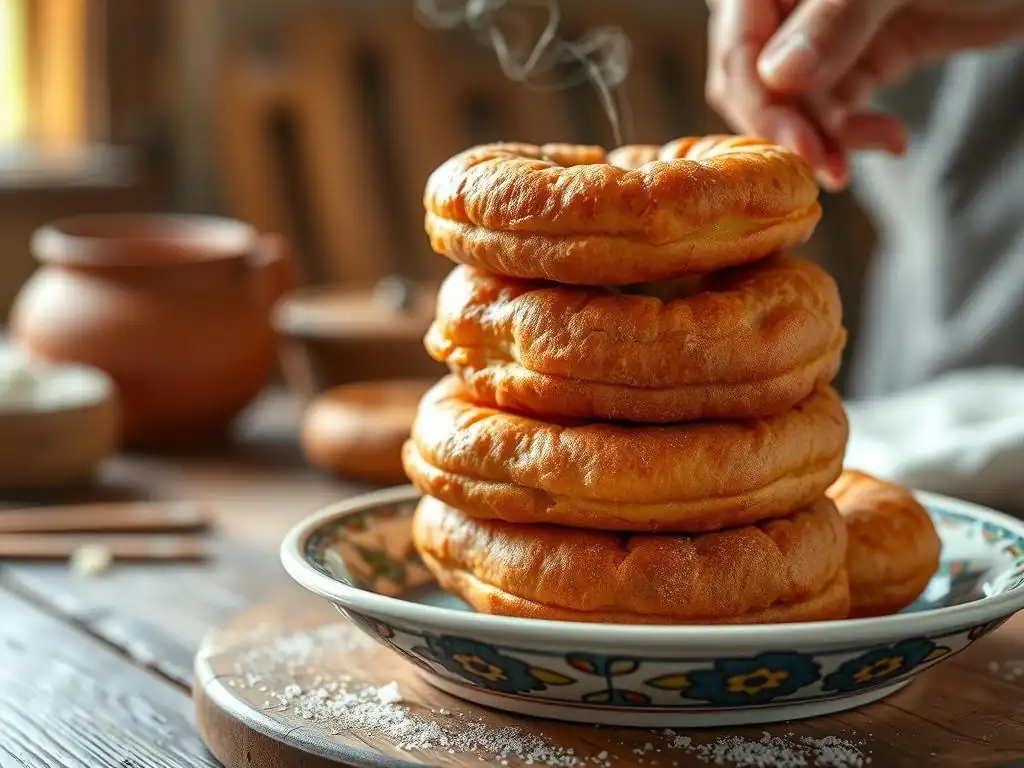
Rosquillas de queso are a distinctive baked good from Nicaragua, particularly famous in the city of Somoto. Despite being called "doughnuts," they are not typically fried but rather baked. These ring-shaped cookies or biscuits are made from a dough primarily consisting of cornmeal (often aged or fermented), cheese, and sometimes other starches like tapioca or rice flour, along with lard or butter.
They have a crumbly, somewhat dry texture and an intense, savory cheese flavor. Rosquillas are a popular snack, often enjoyed with coffee or hot chocolate. Their unique texture and strong cheese taste make them a memorable example of Latin American cheese baked goods.
A Sweet and Savory Treat: Rosquillas De Queso
While primarily savory due to the significant amount of cheese, rosquillas de queso often possess a subtle underlying sweetness, sometimes from the cornmeal itself or a small amount of sugar in the dough. The dominant flavor, however, comes from the dry, aged cheese used, which is grated finely and thoroughly incorporated into the cornmeal dough. This cheese imparts a sharp, tangy flavor that intensifies during baking.
The texture is key to rosquillas. They are meant to be firm and crumbly, almost sandy, which is achieved by using a high proportion of dry ingredients (cornmeal, cheese) and a relatively low amount of binding fat. The dough is often pressed through a mold or shaped by hand into rings before baking. Their dry nature makes them perfect for dipping into beverages.
Rosquillas de Queso Recipe: Baking Instructions
The base of rosquillas de queso is typically a fine cornmeal, often one that has been aged or specially prepared. This is combined with a significant amount of finely grated dry cheese, such as queso seco or a similar hard, salty cheese. Lard or butter is cut into the dry ingredients until the mixture resembles coarse meal, similar to scone or biscuit dough preparation.
Eggs and sometimes a little milk or water are added to bring the dough together. It should be stiff but cohesive enough to shape. The dough is then typically rolled into ropes and formed into rings, about 2-3 inches in diameter. These rings are placed on baking sheets and baked in a moderate oven, around 325-350°F (160-175°C), for 20-30 minutes, or until they are firm and lightly golden, ensuring they dry out sufficiently to achieve the characteristic crumbly texture.
Tips for Baking Perfect Latin American Cheese Treats
Baking Latin American cheese baked goods can be a delightful experience, yielding incredibly flavorful results. However, working with different flours like cassava or cornmeal and varying types of cheese requires paying attention to a few key details. Understanding how the ingredients interact and how to handle the unique doughs is crucial for achieving the desired texture and taste that makes these treats so popular.
Whether you're tackling pão de queijo or empanadas, success often comes down to the quality of your ingredients and mastering the specific techniques for each recipe. Don't be discouraged if your first attempt isn't perfect; practice makes perfect, especially when exploring new-to-you flours and baking methods. Here are some tips to help you on your journey to baking delicious Latin American cheese baked goods.
Choosing the Right Cheese for Latin American Baked Goods
Selecting the correct type of cheese is paramount when baking Latin American cheese baked goods. While authentic regional cheeses can be challenging to find outside of Latin America, suitable substitutes are often available. Look for cheeses that have similar characteristics to the traditional ones called for in the recipe.
For recipes requiring a salty, firm cheese that retains its shape, like queso costeño or queso blanco in arepas or pan de bono, options like halloumi (though saltier, it holds shape well), feta (rinsed to reduce salt), or even a farmer's cheese might work in a pinch, though the flavor profile will differ. For melting cheeses like queso Oaxaca in empanadas or cheese in pão de queijo, mozzarella, Monterey Jack, or a mild provolone can be good substitutes, melting smoothly and providing that desirable gooey interior.
Parmesan or aged white cheddar can add a sharper flavor when a drier, more intense cheese is needed, as in rosquillas.
Achieving the Perfect Texture & Flavor
Achieving the signature textures of Latin American cheese baked goods often depends on careful handling of the dough and precise baking temperatures. For items using tapioca or cassava starch, like pão de queijo or pan de bono, avoid over-kneading; the texture develops through the starch properties, not gluten. Ensure your oven is properly preheated to the specified temperature, as these items often rely on a quick, hot bake to puff up correctly.
For cornmeal-based items like arepas or chipa guazú, the hydration of the cornmeal is critical. Follow the recipe instructions carefully regarding water temperature and resting time for the dough to ensure the meal is properly hydrated before shaping or baking. For filled pastries like empanadas, chilling the dough before rolling can help achieve a flakier crust, and ensuring the edges are well-sealed prevents the cheese filling from leaking out during baking or frying.
Exploring More Latin American Baking Recipes
The world of Latin American cheese baked goods we've explored is just a small glimpse into the vast and varied baking traditions of the region. Beyond these cheesy delights, there is an incredible range of breads, pastries, cakes, and cookies that showcase the diverse ingredients and culinary heritage of Latin America. Each country, and often each region within a country, boasts its own unique specialties waiting to be discovered.
From the sweet alfajores of the Southern Cone to the rich tres leches cake found across many nations, and the simple yet perfect tortillas de maíz central to Mexican cuisine, the baking landscape is rich and exciting. Venturing further into these traditions offers endless opportunities to learn new techniques, work with fascinating ingredients, and taste the history and culture embedded in every bite.
Beyond Cheese: Discovering Other Latin American Baking Traditions
While cheese plays a significant role, many Latin American baked goods feature other star ingredients. Corn, in various forms (masa harina, masarepa, fresh kernels), is fundamental to countless items, from tortillas and tamales to cornbreads and sweet cakes. Yuca (cassava) is used not only for its starch but also in its root form for breads and cakes.
Sweeteners like panela (unrefined cane sugar), fruits such as guava, pineapple, and plantains, and spices like cinnamon and anise are also common. Techniques range from simple stovetop cooking on a griddle to baking in traditional clay ovens or modern convection ovens. Exploring these diverse ingredients and methods reveals the ingenuity and resourcefulness of Latin American bakers throughout history.
Resources for Latin American Baking Ingredients and Techniques
Finding authentic ingredients for Latin American baking can sometimes be a challenge, depending on your location. Look for Latin American grocery stores or online retailers that specialize in international foods. Key ingredients like masarepa, tapioca starch ( polvilho), specific types of dried chiles (for savory applications), and panela are often available.
For learning techniques, numerous cookbooks dedicated to Latin American cuisine, online blogs by Latin American bakers, and cooking classes can provide valuable guidance. Many recipes have been passed down orally for generations, but written resources are increasingly available. Don't be afraid to start with simpler recipes and gradually work your way up to more complex ones as you become familiar with the ingredients and methods. Enjoy the process of bringing these delicious Latin American cheese baked goods and other treats into your own kitchen!
Frequently Asked Questions
What makes Latin American cheese baked goods unique?
Latin American cheese baked goods often feature a delightful blend of sweet and savory flavors due to the unique types of cheese used, such as queso fresco or Cotija. This creates a flavor profile distinct from European or American cheese pastries. They frequently incorporate regional ingredients and traditional baking methods.
What are some popular examples of Latin American cheese baked goods?
Several popular examples include Pan de Bono (Colombia), Chipá (Paraguay/Argentina), and Quesitos (Puerto Rico). These are known for their cheesy, often slightly sweet flavor and varying textures, from soft and chewy to flaky and crisp.
Are these baked goods difficult to make at home?
Not necessarily! While some recipes require specific ingredients or techniques, many are surprisingly straightforward. BakeWithEase offers easy-to-follow recipes and step-by-step guides perfect for bakers of all skill levels, even beginners.
Where can I find the ingredients needed for these recipes?
Many of the ingredients, like flour, eggs, and butter, are readily available at most grocery stores. Queso fresco or similar cheeses can often be found in the international cheese section or Latin American markets. BakeWithEase often suggests substitutions if specific ingredients are hard to find.
Can I adapt these recipes to be gluten-free or dairy-free?
Yes, it's often possible to adapt Latin American cheese baked good recipes. Look for gluten-free flour blends and dairy-free cheese alternatives that melt well. Be sure to adjust the recipe slightly as needed to achieve the desired texture.
Final Reflection: A Taste of Tradition, A Future of Flavor
The vibrant tapestry of Latin American culture is woven, in part, with the irresistible threads of cheese and baked goods. These aren't just simple snacks; they are expressions of heritage, celebrations of family, and testaments to the ingenuity of generations of bakers. From the humble arepa to the decadent empanada, cheese plays a starring role in a culinary landscape as diverse and captivating as the region itself.
The enduring appeal of these cheesy delights speaks volumes about the power of food to connect us to our roots and to each other. These recipes, passed down through families and adapted across borders, represent a living history, a tangible link to the past. As I explored the rich variety of these baked goods, I was struck by the sheer creativity and the unwavering commitment to quality ingredients. Food is symbolic of love when words are inadequate.
- Alan D. Wolfelt. This quote perfectly encapsulates the emotional resonance these baked goods hold for so many.
Now, it's your turn to embark on a culinary adventure. I encourage you to seek out these delicious treats, whether you explore a local Latin American bakery or attempt to recreate these recipes in your own kitchen. Let the aromas transport you, let the flavors awaken your senses, and let the experience connect you to a vibrant culture rich in tradition and brimming with delicious possibilities. Discover your own favorite cheesy delight – the journey of taste awaits!
Unleash Your Inner Arepa Artisan!
Thanks for joining us on this cheesy adventure through Latin America's baked delights! We hope you've discovered some new favorites and feel inspired to try your hand at these delicious treats. Ready to take the next step?
- Bake your own Arepas: This is your chance to put your newfound knowledge into practice. Start with a simple recipe and let the cheesy goodness begin!
- Share your creations: Show off your culinary skills on social media using #BakeWithEaseLatinCheese. Let's inspire each other!
- Explore regional variations: Dive deeper into the world of Latin American cheese-filled baked goods. Research different recipes and discover new flavor combinations.
What unique cheese-filled Latin American baked good are you most excited to try baking next?