
Demystifying Baking Tools: Essentials Every New Baker Should Own

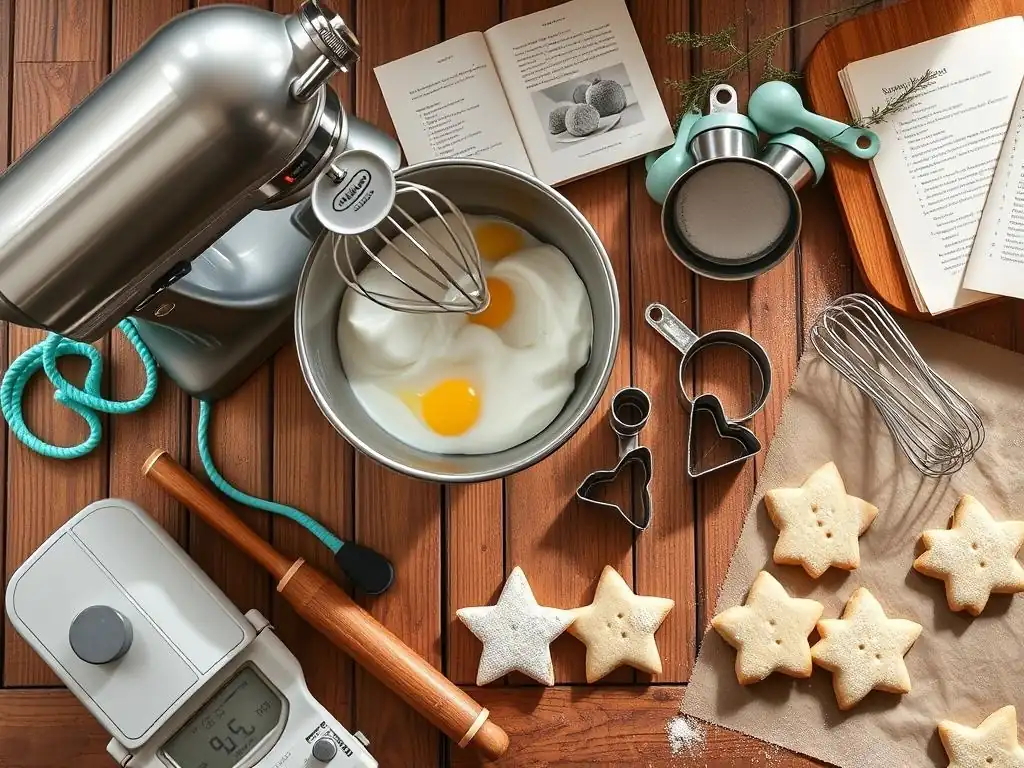
Welcome to BakeWithEase, your trusted guide to the delightful world of baking! Ready to take your first step into the kitchen? This week, we're demystifying the often-overwhelming world of baking tools for beginners. Discover the essential equipment that will set you up for success, without breaking the bank or cluttering your countertops. Intrigued? Let's unlock the secrets to building your perfect baking toolkit and start creating delicious treats today!
- Essential Baking Tools for Beginners
- Getting Started: Your Baking Starter Kit
- Measuring Tools: Precision for Perfect Results
- Mixing Bowls: Choosing the Right Bowl
- Essential Baking Utensils: Simplifying the Process
- Baking Pans: Selecting the Right Pan
- Other Useful Baking Tools
- Caring for Your Baking Tools
- Building Your Collection
- Mastering the Basics
- Expanding Your Baking Arsenal
-
Frequently Asked Questions
- What are the absolute must-have baking tools for someone just starting out?
- I see so many different types of whisks. Do I really need more than one kind?
- What size baking pan is best for a beginner who wants to make cakes?
- Are expensive baking tools really necessary, or can I get by with cheaper options?
- How important is a kitchen scale for baking, and when should I consider getting one?
- Final Reflection: The Sweet Science of Baking, One Tool at a Time
- Unlock Your Inner Baker: Start Baking Today!
Essential Baking Tools for Beginners
Getting Started: Your Baking Starter Kit
Embarking on your baking journey is exciting! Having the right baking tools for beginners is the first step to turning simple ingredients into delicious treats. Think of your tools as your partners in the kitchen; they help ensure accuracy and make the process smoother and more enjoyable. A well-chosen starter kit of essential baking tools for beginners can significantly impact your early successes and build your confidence.
The Importance of Quality Baking Tools
Investing in reasonably good quality baking tools for beginners is crucial. While you don't need the most expensive professional-grade equipment from day one, cheap tools can quickly become a source of frustration. For example, flimsy measuring cups might give inconsistent volumes, leading to recipes that don't turn out as expected. A wobbly whisk won't incorporate air effectively, resulting in flat cakes, and a thin, warped baking sheet can cause cookies to burn on one side while being undercooked on the other.
Quality tools are designed for precision and durability. A sturdy set of measuring spoons will provide accurate small measurements, vital for leavening agents like baking soda or powder, where even a slight variance can ruin a recipe. A well-made spatula can handle thick batters without bending or breaking. Choosing reliable essential baking tools for beginners means you can trust your equipment to perform consistently, allowing you to focus on mastering techniques rather than battling faulty gear. This consistency builds confidence and encourages you to keep baking.
Setting Up Your Baking Space
Before you even pick up your first bag of flour, consider where you'll be doing your baking. Setting up a dedicated or easily accessible space can make a big difference when you're just starting out with baking tools for beginners. You'll need a clean, clear counter surface for mixing, kneading, and assembling. Ensure you have enough room to spread out ingredients and tools without feeling cramped.
Storage is also key. Keeping your essential baking tools for beginners organized means you won't waste time searching for that elusive whisk or the right-sized baking pan. Designate a drawer or shelf specifically for your basic baking tools – measuring cups and spoons, spatulas, whisks. Store baking pans vertically to save space and make them easy to grab. Having everything within easy reach streamlines the process and makes baking feel less like a chore and more like a fun, creative activity.
Measuring Tools: Precision for Perfect Results
Baking is often described as a science because precision is paramount. Unlike cooking, where you can often adjust seasonings 'to taste', baking relies on specific ratios of ingredients. Having accurate measuring baking tools for beginners is non-negotiable for consistent results. This is where your investment in quality really pays off.
Dry Measuring Cups: Accurate Volume Measurement
Dry measuring cups are designed to measure ingredients like flour, sugar, oats, and cocoa powder by volume. They typically come in sets of common sizes: 1/4 cup, 1/3 cup, 1/2 cup, and 1 cup. The key to using dry measuring cups correctly is to level off the excess ingredient with a straight edge (like the back of a knife or a flat spatula) after scooping or spooning the ingredient into the cup. This technique ensures you get the exact volume specified in the recipe.
Using dry measuring cups is fundamental for baking tools for beginners. For example, when measuring flour, spooning it lightly into the cup and leveling is often recommended over scooping directly from the bag, which can compact the flour and result in using too much. This seemingly small difference can add significantly more flour than intended – potentially 20-30 grams extra per cup – leading to dry, dense baked goods. Mastering the simple technique of leveling is essential for achieving light and tender results.
Liquid Measuring Cups: Precise Liquid Measurement
Liquid measuring cups are distinct from dry measuring cups and are specifically designed for liquids like water, milk, oil, and vanilla extract. They are typically made of clear glass or plastic, have a spout for easy pouring, and feature measurement markings on the side. The key to accurate liquid measurement is to place the cup on a flat surface and read the liquid level at eye level.
The difference in design is important. Dry measuring cups are filled to the brim and leveled, while liquid measuring cups have headspace above the measurement line. Trying to accurately measure a liquid by filling a dry cup to the brim is difficult and prone to spills. Similarly, using a liquid cup for dry ingredients makes leveling impossible and often leads to inaccurate measurements. Using the correct type of cup for the ingredient is one of the most important techniques for any beginner baker.
Kitchen Scale: Consistent Weight Measurement
While volume measurements are common in many recipes, especially in the US, measuring ingredients by weight using a kitchen scale is widely considered the most accurate method in baking. Many professional bakers and recipes from other countries use weight measurements (grams or ounces) because they are far more consistent than volume measurements. For instance, 1 cup of all-purpose flour can weigh anywhere from 120 grams to 150 grams depending on how it's scooped and leveled, whereas 120 grams is always 120 grams.
A digital kitchen scale is an invaluable addition to your set of baking tools for beginners, especially as you tackle more sensitive recipes like bread or pastries. Scales allow you to measure ingredients directly into your mixing bowl, reducing the number of dishes. They eliminate the variability associated with how ingredients are packed or spooned into cups. While not strictly essential for every beginner recipe, incorporating a scale into your toolkit early on will significantly improve the consistency and reliability of your bakes.
Mixing Bowls: Choosing the Right Bowl
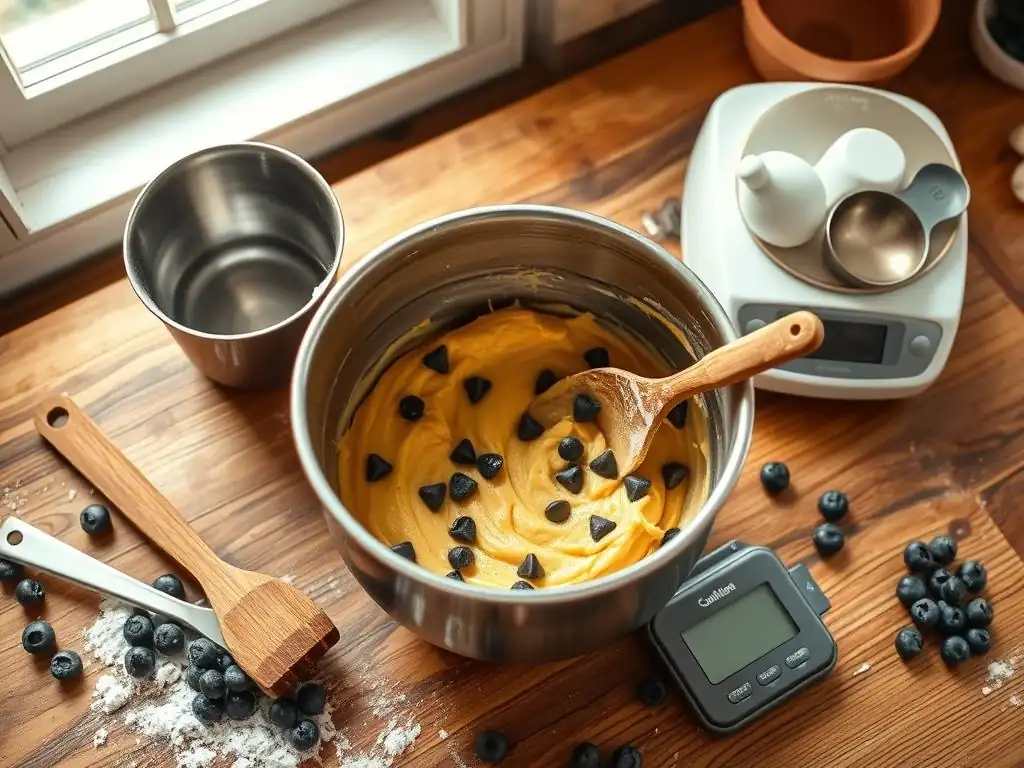
You'll need bowls of various sizes for mixing ingredients, whisking eggs, and combining dry ingredients. Having a few different options in your collection of baking tools for beginners will make your workflow much smoother. Consider bowls that are sturdy, easy to clean, and appropriately sized for the batch you're making – too small, and you risk spills; too large, and whisking small amounts can be difficult.
Stainless Steel Bowls: Durable and Versatile
Stainless steel mixing bowls are a staple in many kitchens and are excellent baking tools for beginners. They are lightweight, durable, and non-reactive, meaning they won't interact with acidic ingredients like lemon juice or vinegar, which can sometimes happen with other materials. Stainless steel bowls are also easy to clean and can withstand vigorous mixing.
One of the key advantages of stainless steel is their ability to rapidly change temperature. This is useful if you need to chill a mixture quickly in the refrigerator or place the bowl over a pot of simmering water for a double boiler setup (though be cautious with heat if you're just starting out!). A set of three graduated sizes (e.g., 1.5 quart, 3 quart, 5 quart) is a practical starting point for your baking tools for beginners collection, covering most basic recipe needs.
Glass Bowls: Microwave-Safe
Glass mixing bowls are another popular choice and a good option among essential baking tools for beginners. Their transparency allows you to see the ingredients as you mix, which can be helpful, especially when incorporating ingredients or checking for consistency. Glass bowls are non-reactive and generally easy to clean.
A significant benefit of glass bowls is that many are microwave-safe. This is incredibly convenient for tasks like melting butter, chocolate, or warming milk directly in the mixing bowl, reducing the need for extra pots or containers. However, glass can be heavier and more fragile than stainless steel, so handle them with care. A medium-sized glass bowl (around 2.5-4 quarts) is a versatile addition to your beginner baking tools.
Ceramic Bowls: Even Heat Distribution
Ceramic mixing bowls, while perhaps less common as a primary mixing bowl for baking tools for beginners compared to stainless steel or glass, offer certain advantages. They are often quite heavy and stable, which can be helpful when mixing thick doughs or batters by hand, preventing the bowl from sliding around on the counter.
Ceramic is also known for its ability to retain and distribute heat evenly. While not ideal for chilling, this property can be beneficial in specific baking tasks, such as preparing certain types of custards or using a bowl over a double boiler where consistent, gentle heat is required. However, like glass, ceramic can be breakable, and their weight might be a factor for some users.
Essential Baking Utensils: Simplifying the Process
Beyond your measuring cups and bowls, a few key hand tools are indispensable baking tools for beginners. These utensils help you combine, fold, scrape, and prepare ingredients with ease. Having the right tool for the job makes a noticeable difference in efficiency and the final outcome of your baked goods.
Spatulas: Mixing and Scraping
Spatulas are arguably one of the most versatile baking tools for beginners. A good set should include at least one rubber or silicone spatula with a flexible head and a sturdy handle. These are perfect for scraping down the sides of mixing bowls, ensuring all ingredients are incorporated, and minimizing waste. They are also ideal for gently folding ingredients together, such as incorporating whipped egg whites into a batter without deflating them.
Silicone spatulas are heat-resistant, making them suitable for stirring hot mixtures like custards or sauces. They come in various sizes; a medium-sized one is a great starting point. You might also encounter offset spatulas, which have a blade bent at an angle; these are fantastic for frosting cakes or spreading batters evenly in pans, though perhaps less critical than a basic scraper spatula for essential baking tools for beginners.
Whisks: Incorporating Air
A whisk is essential for aerating ingredients and smoothing out lumps. For baking tools for beginners, a balloon whisk is the most common and versatile type. Its wires are arranged in a bulbous shape, making it effective at incorporating air into liquids like egg whites or cream to create volume. It's also great for whisking together dry ingredients like flour, baking powder, and salt to ensure they are evenly distributed and lump-free.
A standard size (around 10-12 inches) balloon whisk is a must-have. When whisking egg whites for meringue, for example, a good whisk can help you achieve stiff peaks much faster than a fork or other implement. Using a whisk to blend wet ingredients thoroughly before adding dry ones helps create a smooth batter and prevents overmixing later.
Wooden Spoons: Gentle Mixing
While spatulas and whisks are great for many tasks, a sturdy wooden spoon remains a valuable item among baking tools for beginners. Wooden spoons are particularly useful for mixing thick batters or doughs that might be too stiff for a flexible spatula. They provide leverage and are comfortable to grip.
Wooden spoons are also non-reactive and won't scratch your mixing bowls or non-stick pans. They offer a gentle mixing action, which can be preferable for certain recipes where you want to avoid overworking the gluten in flour. Ensure your wooden spoon is smooth and free of splinters, and hand wash it to prolong its life.
Measuring Spoons: Precise Small Measurements
Just like measuring cups, accurate measuring spoons are fundamental baking tools for beginners. These are used for measuring smaller quantities of ingredients, typically those measured in teaspoons (tsp) and tablespoons (tbsp). Common sizes include 1/4 tsp, 1/2 tsp, 1 tsp, and 1 tbsp.
Measuring spoons are crucial for accurately portioning powerful ingredients like leavening agents (baking powder, baking soda), spices, extracts (vanilla, almond), and salt. Using slightly too much or too little of these can significantly alter the taste, texture, or rise of your baked goods. For example, using 1.5 teaspoons of baking powder instead of the required 1 teaspoon might cause a cake to rise too quickly and then collapse. Always level off dry ingredients in measuring spoons for accuracy.
Baking Pans: Selecting the Right Pan
Having a few basic baking pans is necessary to actually bake your creations! The type of pan you use affects how your baked goods cook, brown, and release. When building your collection of baking tools for beginners, start with the most versatile options.
Cake Pans: Variety of Shapes and Sizes
Round cake pans are a classic choice for baking tools for beginners. An 8-inch or 9-inch round pan is perfect for single-layer cakes, or you can get two to make a double-layer cake. Springform pans, which have sides that latch and release, are excellent for cheesecakes or delicate tarts where you don't want to invert the finished product.
Cake pans come in various materials, including aluminum, non-stick metal, and even silicone. Aluminum pans heat evenly and are a good all-around choice. Non-stick pans make removing cakes easier, but be sure to grease and flour them as directed by the recipe for best results. Having one or two standard round cake pans is a great starting point for your collection of essential baking tools for beginners.
Baking Sheets: Even Baking
Baking sheets, also known as cookie sheets or sheet pans, are flat or have a small lip on the sides and are incredibly versatile baking tools for beginners. They are primarily used for baking cookies, scones, biscuits, and sheet cakes. Look for sturdy, heavy-gauge aluminum baking sheets; these conduct heat efficiently and evenly, preventing hot spots that can cause uneven browning or burning.
Standard half-sheet pans (roughly 18x13 inches) are a common size and fit most home ovens. It's often helpful to have two baking sheets so you can prepare the next batch while the first one is baking or cooling. Lining your baking sheet with parchment paper or a silicone baking mat (like Silpat) is highly recommended for easy cleanup and to prevent sticking, especially when you're just getting started with basic baking tools.
Muffin Tins: Muffins and Cupcakes
If you plan on making muffins or cupcakes, a muffin tin is an essential item among your baking tools for beginners. Standard muffin tins have 12 cups, each designed to hold a paper liner or be greased and floured. Mini muffin tins are also available for smaller treats.
Muffin tins are typically made of metal, often with a non-stick coating. A good quality non-stick muffin tin will make removing your baked goods much easier. Beyond muffins and cupcakes, these tins can be used for mini quiches, individual desserts, or even savory egg cups, making them a versatile addition to your baking tools for beginners collection.
Loaf Pans: Breads and Loaves
For quick breads like banana bread or zucchini bread, as well as yeast breads that are baked in a pan, a loaf pan is necessary. Standard loaf pans are typically 9x5 inches, though other sizes exist. These pans are deep and rectangular, providing structure for the rising dough or batter.
Loaf pans are commonly made from metal (aluminum or non-stick) or glass. Metal pans generally conduct heat more quickly, leading to a crispier crust, while glass pans retain heat longer, which can be good for even cooking but might result in a darker crust. A non-stick metal loaf pan is a reliable choice when starting out with baking tools for beginners.
Other Useful Baking Tools
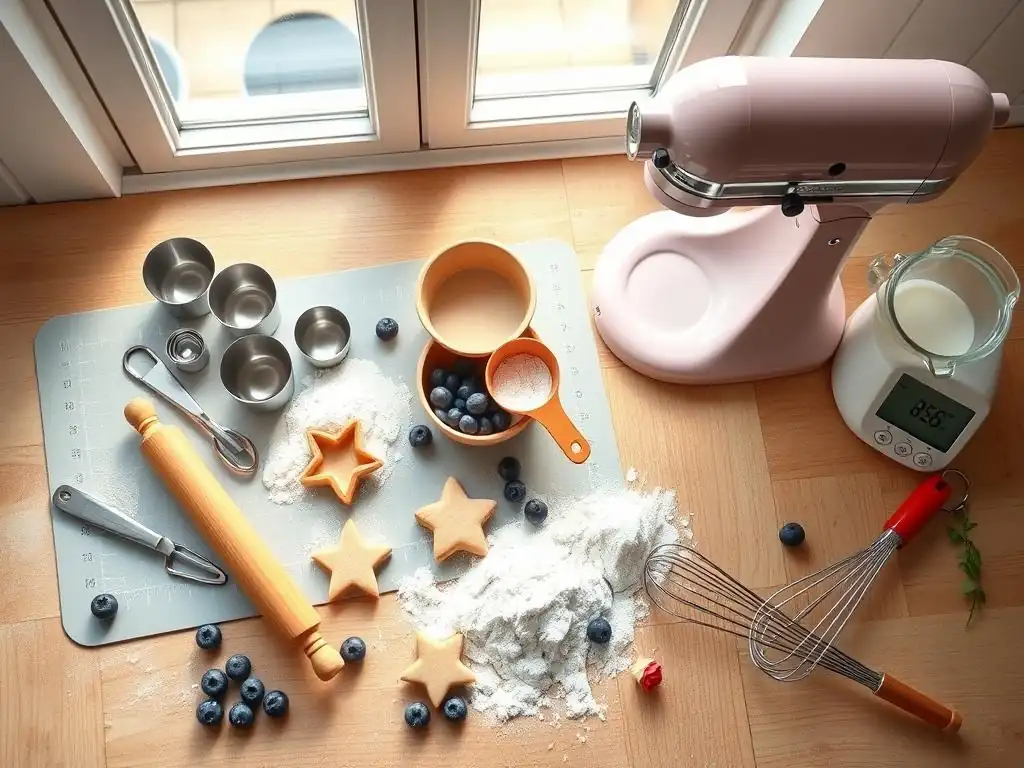
While the previously mentioned items form the core of your baking tools for beginners kit, a few other tools can make the process smoother and help you achieve better results as you gain confidence. These aren't always strictly necessary for every single recipe but are very helpful additions.
Rolling Pin: Dough and Pastry
If you plan to make pie crusts, cookies that need rolling out, or pastries, a rolling pin is a must-have among your baking tools for beginners. Rolling pins are used to flatten dough to an even thickness. They come in various styles, including traditional American-style with handles and French-style dowels without handles.
The key is to choose a rolling pin that feels comfortable in your hands and is heavy enough to help you roll dough efficiently without sticking. A basic wooden rolling pin is a classic choice and works well. Keeping your rolling pin lightly floured is essential to prevent dough from sticking as you work.
Sifter: Aerating Dry Ingredients
A sifter (or fine-mesh sieve) is used to aerate dry ingredients like flour, powdered sugar, and cocoa powder, as well as to remove any lumps or impurities. While not every recipe requires sifting, it can make a noticeable difference in the texture of delicate cakes and pastries by distributing leavening agents and creating a lighter, fluffier result.
Using a sifter is simple: place your dry ingredient in the sifter and tap or crank it over your bowl. This process breaks up clumps that can create pockets of dry flour in your batter. A fine-mesh sieve can double as a sifter and also be used for draining liquids or dusting surfaces with powdered sugar, making it a versatile item among your baking tools for beginners.
Pastry Brush: Applying Liquids
A pastry brush is a small, inexpensive tool that is surprisingly useful for various baking tasks. These brushes typically have natural bristles or silicone heads and are used to apply liquids like melted butter, egg washes, or glazes onto the surface of baked goods.
Applying an egg wash to bread or pastry dough before baking gives it a beautiful golden-brown color and a slightly shiny finish. Brushing melted butter onto warm rolls adds flavor and softness. A silicone pastry brush is often preferred as part of baking tools for beginners because it's easy to clean and doesn't shed bristles.
Cooling Rack: Preventing Soggy Bakes
After your baked goods come out of the oven, they need to cool properly. Placing hot cakes, cookies, or breads directly on a solid surface can trap steam underneath, leading to a soggy bottom. A wire cooling rack is designed to lift baked goods, allowing air to circulate around them and enabling them to cool evenly.
Cooling racks are an essential final step for many recipes and definitely count as important baking tools for beginners. Allowing items to cool on a rack prevents condensation from forming and ensures your crusts remain crisp and your centers set correctly. Look for a sturdy wire rack that is large enough to hold a batch of cookies or a full-sized cake.
Caring for Your Baking Tools
Proper care and maintenance will extend the life of your baking tools for beginners and ensure they perform well every time you use them. Taking a few moments to clean and store your tools correctly is a small effort that pays off in the long run.
Cleaning Techniques
The best way to clean your baking tools depends on the material. Most metal, glass, and ceramic bowls, as well as stainless steel utensils and measuring tools, can be washed by hand with warm, soapy water. For stubborn residue, you might need to let them soak briefly. Ensure you rinse thoroughly to remove all soap residue.
For non-stick pans and baking sheets, avoid abrasive scrubbers or harsh detergents that can damage the coating. Use a soft sponge or cloth and mild dish soap. Wooden tools like rolling pins and spoons should be hand-washed quickly and dried immediately to prevent warping or cracking. Silicone tools are generally dishwasher safe and very easy to clean. Always ensure all your baking tools for beginners are completely dry before storing them to prevent rust or mildew.
Storage Tips
Organizing your baking tools for beginners keeps them accessible and protected. Store measuring cups and spoons together, perhaps nested in a drawer or hung on hooks. Stack mixing bowls by size. Baking sheets and cooling racks can often be stored vertically in a cupboard using dividers or a pan organizer to prevent them from getting scratched or warped.
Store sharp tools like knives (if you're using them for prep) safely. Keep smaller items like cookie cutters or decorating tips in dedicated containers. Proper storage not only keeps your kitchen tidy but also protects your investment in your essential baking tools for beginners, ensuring they are ready for your next baking adventure.
Building Your Collection
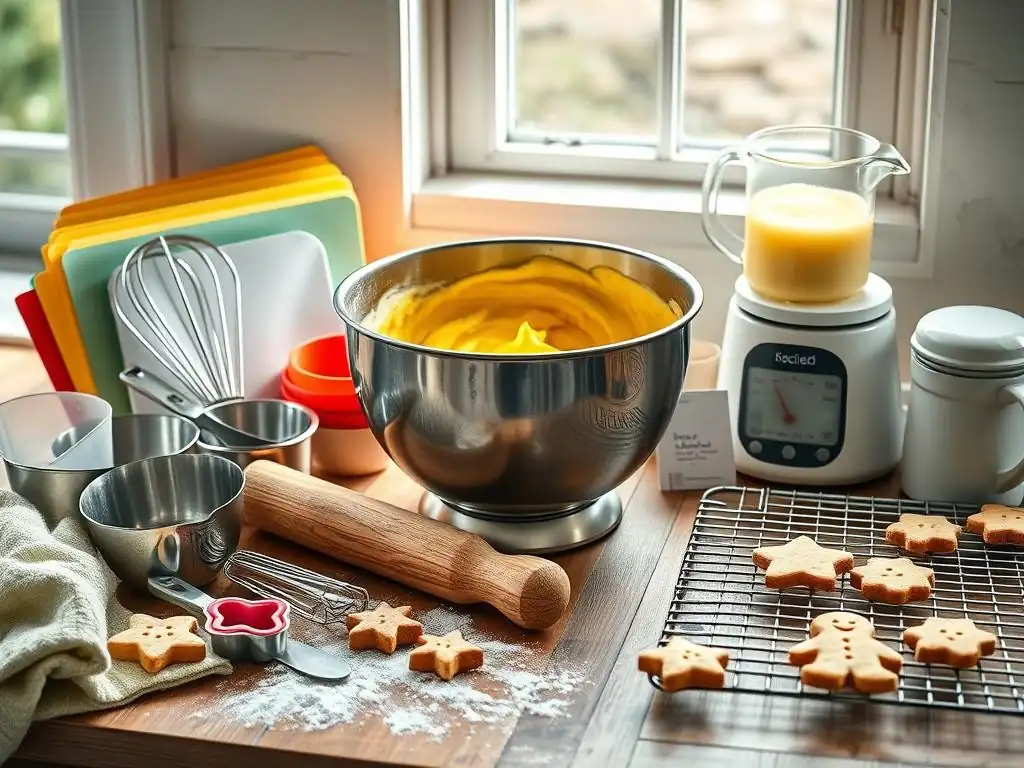
Starting out with baking can feel overwhelming with all the tools available. The key is to begin with the essentials and gradually build your collection of baking tools for beginners as your skills and interests grow. You don't need everything on day one.
Prioritizing Essential Purchases
When first assembling your baking tools for beginners kit, focus on the items needed for basic recipes like cookies, brownies, and simple cakes or muffins.
Here’s a suggested priority list:
- ✅ Measuring cups (dry)
- ✅ Measuring cup (liquid)
- ✅ Measuring spoons
- ✅ Set of mixing bowls (at least 2-3 sizes)
- ✅ Spatula (silicone or rubber)
- ✅ Whisk (balloon style)
- ✅ Baking sheet (half-sheet size)
- ✅ Muffin tin (standard 12-cup)
- ✅ Loaf pan (standard 9x5 inch)
Once you have these fundamental baking tools for beginners, you can add items like a kitchen scale, rolling pin, sifter, or cooling rack as you explore more complex recipes.
Recommended Retailers
Finding reliable baking tools for beginners is easier than ever. You can find quality tools at various places. Many large department stores have dedicated kitchenware sections with a good selection of basic baking equipment. Specialty kitchen supply stores often offer a wider range of higher-quality tools and expert advice.
Online retailers also provide a vast selection of baking tools for beginners, often with customer reviews that can help you make informed decisions. Look for reputable brands known for durability and performance. Comparing prices and reading reviews can help you find the best value for your essential baking tools for beginners.
Mastering the Basics
With your essential baking tools for beginners in hand, you're ready to start practicing! The best way to get comfortable with your new tools is to dive into simple, beginner-friendly recipes. Don't be afraid to make mistakes; they are part of the learning process.
Focus on understanding how each tool is used and why it's important for the recipe. Pay attention to measuring techniques and mixing methods. As you gain experience, you'll develop a feel for textures and consistencies, and your confidence with your basic baking tools will grow.
Expanding Your Baking Arsenal
As you become more comfortable with your initial set of baking tools for beginners and explore a wider variety of recipes, you might find yourself needing more specialized equipment. This could include items like a stand mixer, pastry blender, cookie cutters, decorating supplies, or different types of pans (like tart pans or tube pans).
Expanding your collection of essential baking tools for beginners should be driven by the types of baking you enjoy and the recipes you want to try. Don't feel pressured to buy everything at once. Build your arsenal gradually, investing in tools that will help you achieve your baking goals and continue to grow your skills. Happy baking!
Frequently Asked Questions
What are the absolute must-have baking tools for someone just starting out?
The essential baking tools include a set of measuring cups and spoons for accurate ingredient proportions, a mixing bowl for combining ingredients, and a baking sheet for cookies or simple pastries.
I see so many different types of whisks. Do I really need more than one kind?
While specialized whisks exist, a standard balloon whisk is generally sufficient for most beginner baking needs. It's versatile enough for incorporating air and blending ingredients.
What size baking pan is best for a beginner who wants to make cakes?
An 8-inch or 9-inch round cake pan is a good starting point. These sizes are commonly used in many cake recipes and are easy to handle.
Are expensive baking tools really necessary, or can I get by with cheaper options?
You don't need to break the bank! Start with affordable, durable options. As you progress, you can invest in higher-quality tools that suit your specific needs.
How important is a kitchen scale for baking, and when should I consider getting one?
A kitchen scale is highly recommended for accuracy, especially when working with complex recipes. Consider getting one as you move beyond the very basics.
Final Reflection: The Sweet Science of Baking, One Tool at a Time
The humble act of baking, once perceived as an arcane art, is now more accessible than ever, thanks to the right tools. Mastering the basics isn't about expensive gadgets; it's about understanding the fundamental equipment that unlocks a world of delicious possibilities. This article has highlighted the essential tools every beginner needs, demystifying the process and empowering you to confidently embark on your baking journey.
The joy of baking extends far beyond the finished product; it's about the process, the experimentation, and the connection it fosters. Baking is at once child's play and adult joy. And love, of course.
This quote perfectly encapsulates the enduring appeal of baking, a craft that transcends generations and cultures. The tools we've discussed are not just inanimate objects; they are instruments of creativity, allowing us to translate our passions into tangible, delicious realities. The impact of these simple tools on my own baking journey has been profound, transforming a sometimes frustrating experience into one of consistent success and immense satisfaction.
Now, it's your turn. Don't be intimidated by the seemingly endless array of baking tools available. Start with the essentials outlined in this article, and let your curiosity be your guide. Experiment, learn from your mistakes, and most importantly, enjoy the process. Each perfectly risen loaf, each perfectly crisp cookie, is a testament to your dedication and a delicious reward for your efforts. Embrace the sweet science of baking, one tool, and one delicious creation, at a time.
Unlock Your Inner Baker: Start Baking Today!
Thanks for taking the time to explore the world of baking tools with us! We hope you now feel more confident about equipping your kitchen for baking success. Ready to get started?
- Bake your favorite recipe using a new tool you learned about today. This is your chance to put your newfound knowledge into practice and experience the difference!
- Share this article with a friend who's also dreaming of baking delicious treats. Let's inspire each other!
- Try a new baking recipe you've always wanted to make, but felt hesitant about due to the tools involved.
What delicious creation will you bake first? Let us know in the comments below!