
Delicious Keto Focaccia Bread with Herbs & Olives

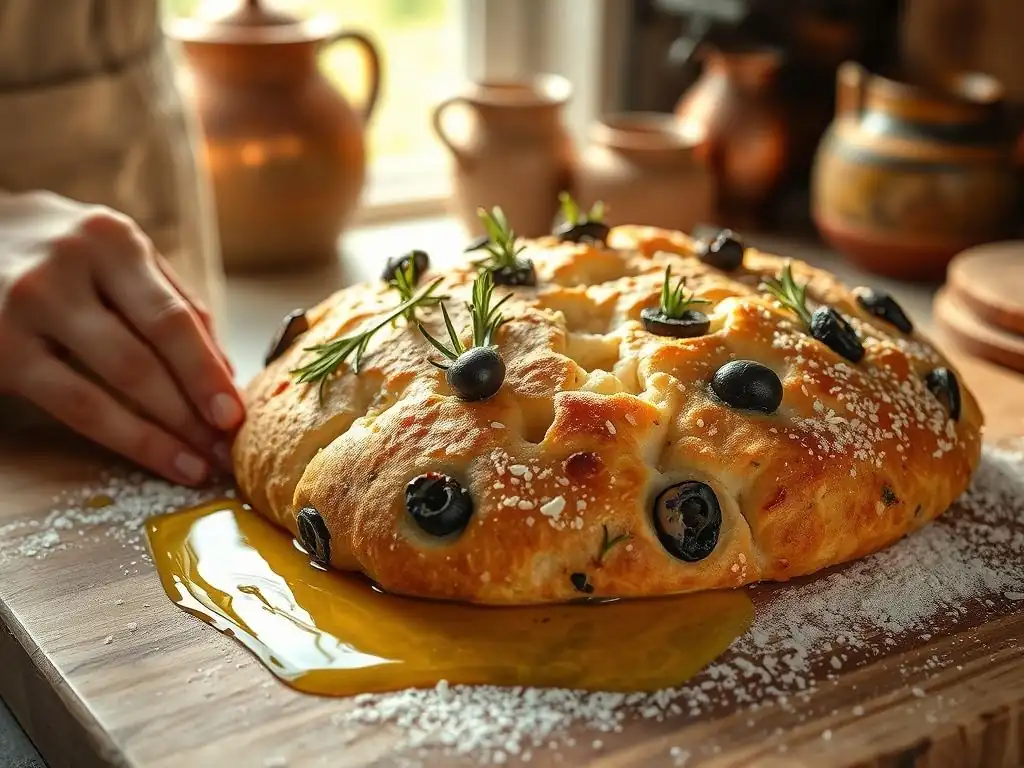
Welcome to BakeWithEase, your companion in the delightful world of baking! Ever dreamt of indulging in warm, flavorful focaccia without the carbs? Today, we're unlocking the secrets to a keto focaccia bread recipe that's surprisingly easy to make and unbelievably delicious. Get ready to discover how you can enjoy this classic Italian treat while staying true to your dietary goals. Intrigued? Let's bake!
- Delicious Keto Focaccia Bread with Herbs & Olives: A BakeWithEase Recipe
- Introduction to Keto Focaccia: A Low-Carb Delight
- Mastering the Keto Focaccia Bread Recipe: Ingredients & Equipment
- Step-by-Step Guide to Baking Keto Focaccia Bread
- Tips & Tricks for Perfect Keto Focaccia
- Keto Focaccia Bread Recipe Variations & Substitutions
- Serving Suggestions for Your Keto Focaccia
- Troubleshooting Common Keto Focaccia Baking Problems
- Nutritional Information for Keto Focaccia Bread
- Conclusion: Enjoying Delicious, Guilt-Free Keto Focaccia
- Frequently Asked Questions
- Final Reflection: The Unexpected Joys of Keto Baking
- Unleash Your Inner Baker: Craft This Keto Focaccia!
Delicious Keto Focaccia Bread with Herbs & Olives: A BakeWithEase Recipe
Introduction to Keto Focaccia: A Low-Carb Delight
Why Keto Focaccia Bread is Perfect for Low-Carb Diets
Following a ketogenic diet often means saying goodbye to traditional bread, which is typically high in carbohydrates. This can be one of the most challenging adjustments for many people transitioning to low-carb eating. However, with clever ingredient substitutions, it's possible to recreate many beloved baked goods in a keto-friendly format. Keto focaccia bread offers a delicious solution, providing the satisfying texture and rich flavor of its traditional counterpart without the high carb count. It allows individuals on keto or other low-carb diets to enjoy a staple food often missed, making the dietary change more sustainable and enjoyable.
Traditional focaccia, made with wheat flour, can contain upwards of 30-40 grams of net carbs per serving, making it incompatible with the keto diet's typical limit of 20-50 grams of total carbs per day. A well-crafted keto focaccia bread recipe, utilizing alternative flours like almond flour and binding agents like psyllium husk, drastically reduces this number. A typical slice of this low-carb focaccia might contain only 2-4 grams of net carbs, depending on the recipe and serving size. This significant difference makes it a fantastic option for maintaining ketosis while still indulging in flavorful, satisfying baked goods.
BakeWithEase's Guide to the Best Keto Bread Recipe
At BakeWithEase, we believe that dietary restrictions shouldn't mean sacrificing flavor or enjoyment in baking. Our goal is to provide accessible, reliable recipes that empower bakers of all skill levels. This specific keto focaccia bread recipe has been developed and tested to ensure it delivers on taste, texture, and ease of preparation. We focus on simple techniques and readily available ingredients, making it easy for anyone to bake a successful batch of delicious keto focaccia bread right in their own kitchen.
This guide will walk you through every step, from selecting the right ingredients to troubleshooting common issues. We've refined this keto focaccia bread recipe to minimize the common pitfalls of keto baking, such as dry or crumbly textures. By following our detailed instructions, you'll learn the secrets to achieving a perfectly soft interior and a delightfully crisp exterior, just like traditional focaccia, but entirely low-carb. Get ready to bake a keto bread recipe that will become a regular favorite!
Mastering the Keto Focaccia Bread Recipe: Ingredients & Equipment
Essential Ingredients for Authentic Keto Focaccia
Creating a successful keto focaccia bread recipe relies heavily on using the right low-carb ingredients that mimic the properties of traditional wheat flour. Each component plays a crucial role in achieving the desired texture, flavor, and rise. Understanding the function of these key ingredients is essential for anyone looking to master this keto bread recipe.
Here are the core ingredients you'll need for our keto focaccia bread:
- Fine blanched almond flour
- Psyllium husk powder (make sure it's powder, not whole husks)
- Baking powder
- Salt
- Warm water
- Apple cider vinegar
- Olive oil (extra virgin recommended)
- Fresh rosemary and other herbs (like thyme, oregano)
- Olives (kalamata or black olives work well)
- Optional: Garlic powder, nutritional yeast for cheesy flavor
Almond Flour: The Base of Our Keto Focaccia
Almond flour is a cornerstone of many keto baking recipes, including this keto focaccia bread recipe. It's made from ground blanched almonds, which means the skins have been removed before grinding. This results in a finer texture compared to almond meal (which includes skins), providing a smoother crumb for your keto bread. Blanched almond flour is naturally low in carbohydrates and high in healthy fats and fiber, making it an ideal substitute for wheat flour in low-carb baking.
Using fine blanched almond flour is critical for achieving the proper texture in your keto focaccia. Coarser almond meal can result in a grainy or heavy bread. A typical 1/4 cup serving of blanched almond flour contains approximately 6 grams of total carbs and 3 grams of fiber, resulting in just 3 grams of net carbs. This low net carb count, combined with its mild flavor, makes it the perfect foundational ingredient for our delicious keto focaccia bread recipe.
Psyllium Husk Powder: Binding Agent for a Perfect Texture
Psyllium husk powder is perhaps the most important ingredient for providing structure and elasticity in keto bread recipes, mimicking the gluten found in wheat flour. When mixed with liquid, psyllium husk absorbs water and forms a gel-like substance. This gel helps bind the low-carb flours together, preventing the keto focaccia from becoming crumbly, a common issue in gluten-free and keto baking.
It's crucial to use psyllium husk powder, not whole psyllium husks. The powder is much finer and disperses more evenly throughout the dough, leading to a smoother texture. Using whole husks can result in a speckled appearance and a less consistent crumb. Psyllium husk is almost entirely fiber, meaning it has virtually no net carbs. For instance, a tablespoon contains about 4 grams of total carbs, all of which are fiber. This binding power is essential for giving our keto focaccia bread that satisfying chewiness.
Olive Oil: Flavor and Moisture
Olive oil is integral to both the flavor and texture of traditional focaccia, and it plays an equally vital role in our keto focaccia bread recipe. Extra virgin olive oil provides a rich, distinctive flavor that is characteristic of authentic focaccia. It also contributes healthy monounsaturated fats, aligning perfectly with keto dietary principles.
Beyond flavor, olive oil adds essential moisture to the dough. Keto flours, particularly almond flour and psyllium husk, tend to absorb a lot of liquid. Incorporating olive oil helps to create a tender crumb and prevents the keto focaccia from drying out during baking. It's also used generously on top of the dough before baking to create that signature golden crust and to carry the flavors of the herbs and olives.
Fresh Herbs & Olives: Elevating the Taste
While the base of the keto focaccia bread recipe is important for texture and structure, the fresh herbs and olives are what truly elevate the flavor profile. Rosemary is a classic choice for focaccia, offering a pungent, aromatic note that pairs beautifully with olive oil. Other fresh herbs like thyme, oregano, or even a touch of sage can add depth and complexity.
Olives, such as Kalamata or black olives, provide bursts of salty, briny flavor that contrast wonderfully with the mildness of the bread. Pressing them into the dough ensures that their flavor infuses into the bread as it bakes. These toppings not only enhance the taste but also give the keto focaccia bread its traditional, rustic appearance. Using fresh herbs provides a more vibrant flavor than dried herbs, making a noticeable difference in the final product.
Required Equipment for Baking Keto Focaccia
Having the right tools makes the baking process smoother and helps ensure consistent results for your keto focaccia bread recipe. You don't need highly specialized equipment, just a few standard kitchen items.
Here's a list of the essential equipment:
- Large mixing bowl
- Measuring cups and spoons
- Whisk
- Spatula or wooden spoon
- Baking sheet
- Parchment paper
- Kitchen scale (optional, but recommended for accuracy)
Baking Sheet & Parchment Paper
A standard baking sheet is necessary to bake the keto focaccia bread. Using a dark non-stick baking sheet might require slightly adjusting baking time or temperature compared to a lighter aluminum one, but either will work. The size of the baking sheet will determine the thickness of your focaccia; a larger sheet (like 13x18 inches) will yield a thinner focaccia, while a smaller pan (like 9x13 inches) will result in a thicker loaf.
Lining the baking sheet with parchment paper is highly recommended. Keto doughs, especially those using psyllium husk, can be quite sticky. Parchment paper prevents the keto focaccia bread from sticking to the pan, making it easy to remove after baking and simplifying cleanup. It also ensures even heat distribution to the bottom of the bread.
Mixing Bowls and Measuring Tools
You will need at least one large mixing bowl to combine the dry and wet ingredients for the keto focaccia dough. A sturdy bowl that allows for vigorous mixing is helpful, especially when incorporating the psyllium husk, which can make the dough quite stiff.
Accurate measuring is crucial in baking, particularly with keto recipes where ingredient ratios are key to texture. Standard dry measuring cups and spoons are necessary for ingredients like almond flour, baking powder, salt, and psyllium husk powder. Liquid measuring cups are needed for water and olive oil. For the most consistent results with your keto focaccia bread recipe, using a kitchen scale to measure dry ingredients like almond flour and psyllium husk by weight (grams) is highly recommended, as volume measurements can vary significantly depending on how the ingredient is packed.
Step-by-Step Guide to Baking Keto Focaccia Bread
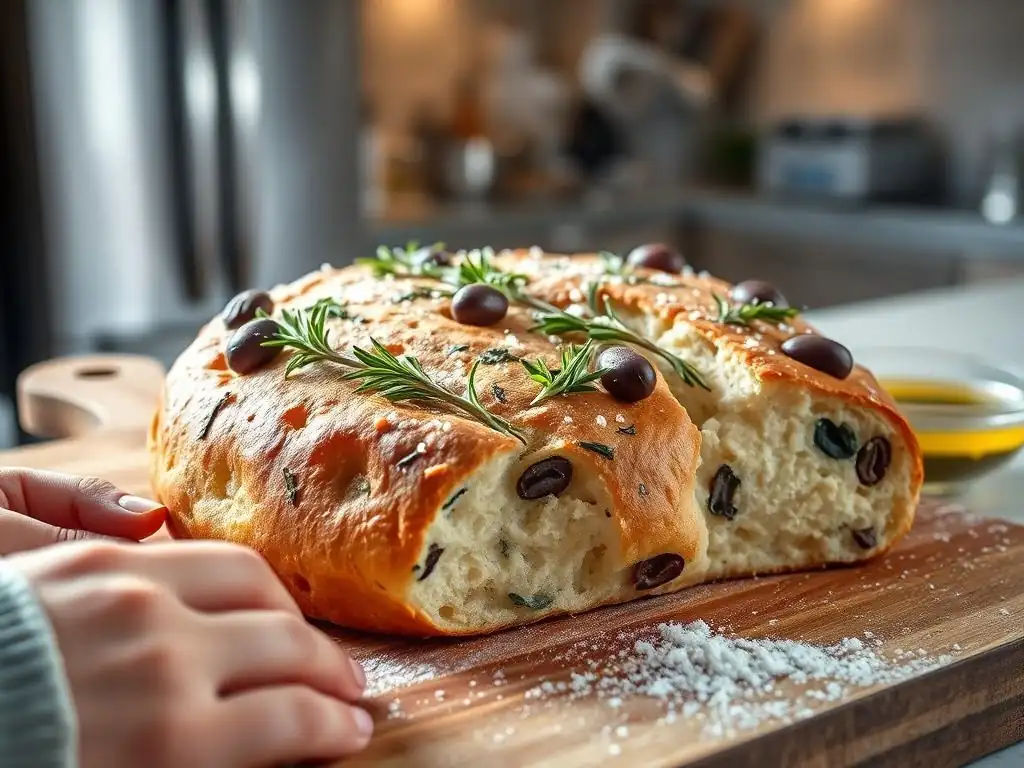
Baking this delicious keto focaccia bread is a straightforward process once you understand the steps. We've broken it down to make it easy for even beginner bakers to follow.
Preparing the Keto Focaccia Dough
The first step in creating your perfect keto focaccia bread is preparing the dough. Unlike traditional yeast-based doughs, this keto version comes together quickly and doesn't require extensive kneading.
Combining Dry Ingredients
Start by combining all your dry ingredients in a large mixing bowl. This typically includes the almond flour, psyllium husk powder, baking powder, and salt. Whisk these ingredients together thoroughly. This step is important to ensure that the baking powder and psyllium husk powder are evenly distributed throughout the mixture. Proper distribution of the leavening agent (baking powder) helps the keto focaccia bread rise evenly, while even distribution of the psyllium husk ensures consistent binding throughout the dough. Adding optional dry ingredients like garlic powder or nutritional yeast should also be done at this stage.
Using a whisk helps break up any clumps in the almond flour and ensures that the psyllium husk doesn't clump when the liquid is added. Take your time with this step, perhaps whisking for 30-60 seconds, to guarantee everything is well combined. This seemingly simple step is foundational for achieving a uniform texture in your finished keto focaccia bread.
Adding Wet Ingredients and Mixing Thoroughly
Once the dry ingredients are combined, it's time to add the wet components. This usually involves warm water, apple cider vinegar, and a portion of the olive oil (some is reserved for topping). Add the warm water gradually while mixing. The psyllium husk will immediately start absorbing the liquid, causing the mixture to thicken rapidly. The apple cider vinegar reacts with the baking powder, contributing to the rise and can also help balance the flavor, sometimes counteracting any potential "eggy" taste if eggs are used (though this recipe doesn't use eggs).
Mix everything vigorously using a spatula or wooden spoon until a cohesive dough forms. It will be quite thick and sticky, unlike traditional bread dough. Continue mixing for a couple of minutes to ensure the psyllium husk is fully hydrated and the ingredients are well integrated. The dough for this keto focaccia bread recipe doesn't require kneading in the traditional sense, but a good mixing ensures the structure develops correctly.
Achieving the Right Dough Consistency
The correct consistency of the dough is crucial for a successful keto focaccia bread. After mixing, the dough should be thick and manageable, holding its shape but still slightly sticky. If it seems too dry and crumbly, you might need to add a tablespoon or two more warm water. If it's excessively wet and doesn't hold its shape at all, you might need to add a small amount (start with a tablespoon) of extra almond flour or psyllium husk powder, mixing well and letting it sit for a minute to absorb.
The key is to have a dough that you can press and shape without it completely sticking to your hands (though lightly oiled hands can help). The psyllium husk will continue to absorb liquid as it rests, so the consistency might change slightly over a few minutes. Aim for a dough that feels firm but pliable, ready to be shaped on the baking sheet for your keto focaccia bread.
Proofing and Shaping Your Keto Focaccia
While this keto focaccia bread recipe doesn't use yeast and therefore doesn't require traditional proofing for hours, a short resting period is beneficial, and shaping is key to its classic appearance.
First Proofing: Letting the Dough Rest
After mixing, let the dough rest for about 10-15 minutes at room temperature. This short resting period is often referred to as a "proof" in keto baking, though it's not about yeast activation. Its primary purpose is to allow the psyllium husk powder to fully hydrate and absorb the liquid. As the psyllium swells, it helps bind the dough more effectively and improves the texture of the finished keto focaccia bread.
During this rest, the dough will become slightly firmer and easier to handle. This brief pause also gives the baking powder a chance to start reacting with the acid (apple cider vinegar), initiating some lift before baking. Don't skip this step; it significantly contributes to achieving a less dense and more bread-like texture in your keto focaccia.
Shaping the Focaccia on the Baking Sheet
Once the dough has rested, transfer it to the baking sheet lined with parchment paper. Drizzle a little olive oil onto the parchment paper first, then place the dough on top. Use your hands, lightly oiled if needed, to press the dough outwards into a rectangle or square shape, roughly 1/2 to 3/4 inch thick. The size will depend on your baking sheet, aiming for an even thickness across the entire surface.
Try to create relatively straight edges, although a rustic shape is perfectly fine and characteristic of focaccia. Ensure the thickness is consistent to promote even baking. This shaping step is where your keto focaccia bread starts to take its familiar form, creating the canvas for the toppings.
Dimpling the Dough for Classic Focaccia Texture
The signature look of focaccia comes from the dimples pressed into the surface. After shaping the dough, use your fingertips to press indentations all over the surface, spacing them about an inch or two apart. Don't be afraid to press down firmly, almost to the bottom of the dough, but not all the way through the parchment paper.
These dimples serve a functional purpose beyond aesthetics. They create pockets for the olive oil, herbs, and olives to settle into, ensuring every bite of your keto focaccia bread is infused with flavor. They also help prevent the bread from puffing up too much in the center during baking, promoting a more even rise and a surface perfect for holding toppings.
Baking the Keto Focaccia to Golden Perfection
Baking is the final step to transform the dough into delicious keto focaccia bread. Proper oven temperature and timing are key to achieving the desired crust and internal texture.
Oven Temperature and Baking Time
Preheat your oven to a relatively high temperature, typically around 375°F to 400°F (190°C to 200°C). A hotter oven helps the keto focaccia bread develop a nice crust quickly while allowing the interior to cook through without drying out. The exact temperature can depend on your oven; some bakers find 375°F works best for a slightly softer crust, while 400°F yields a crispier exterior.
The baking time will vary depending on the thickness of your focaccia and your oven, but it typically ranges from 25 to 40 minutes. For a focaccia about 1/2 inch thick on a 13x18 sheet, it might take closer to 25-30 minutes. For a thicker focaccia in a smaller pan, it could take 35-40 minutes. You'll know it's done when the top is golden brown and the edges are slightly crisp.
Achieving a Golden-Brown Crust
A beautiful golden-brown crust is a hallmark of great focaccia. To achieve this with your keto focaccia bread, ensure you've used enough olive oil both in the dough and drizzled generously on top before baking. The olive oil helps the surface crisp up and brown nicely in the hot oven.
Keep an eye on the focaccia during the last 10-15 minutes of baking. If it's browning too quickly on top but doesn't seem cooked through, you can loosely tent it with aluminum foil. Conversely, if it's cooked but not golden enough, you can finish it under the broiler for a minute or two (watch it very closely to prevent burning). A well-baked keto focaccia bread should have a firm, golden top and edges.
Adding Herbs and Olives: Enhancing Flavor and Appearance
Incorporating the herbs and olives is not just about flavor; it's also about giving your keto focaccia bread its distinctive look.
Pressing Herbs and Olives into the Dough
After dimpling the dough on the baking sheet, it's time to add your toppings. Scatter the fresh herbs (like rosemary sprigs or chopped leaves, thyme, oregano) and olives evenly across the surface. Gently press them into the dimples and the surface of the dough. This ensures they stay in place during baking and allows their flavors to meld with the bread.
Don't be shy with the toppings! A good amount of herbs and olives adds significant flavor to this keto focaccia bread recipe. You can also add other toppings at this stage, such as sliced garlic, cherry tomatoes (used sparingly to manage carbs), or flaky sea salt.
A Final Touch of Olive Oil
Before placing the keto focaccia bread in the oven, drizzle a generous amount of extra virgin olive oil all over the top, ensuring it pools slightly in the dimples. This final application of olive oil is essential. It contributes to the crispy crust, enhances the flavor of the herbs and olives, and keeps the top of the focaccia moist during baking.
You can also sprinkle flaky sea salt over the top of the olive oil for bursts of salty flavor. This final drizzle is what gives traditional focaccia its characteristic richness and shine, and it does the same for our keto focaccia bread. Use a good quality olive oil for the best results.
Tips & Tricks for Perfect Keto Focaccia
Even with a great recipe, a few insider tips can elevate your keto focaccia bread from good to outstanding.
Achieving the Ideal Texture: Avoiding Dryness
One of the biggest challenges in keto baking is preventing dryness, especially in bread recipes using low-carb flours. Almond flour and psyllium husk absorb a lot of moisture. To avoid a dry or crumbly keto focaccia bread:
- Accurately Measure Psyllium Husk: Too much psyllium will absorb excessive moisture, leading to a dry, dense texture. Using a kitchen scale for psyllium husk is highly recommended for precision. Aim for approximately 10-15 grams of psyllium husk powder per cup of almond flour in your recipe structure.
- Ensure Proper Hydration: Use the specified amount of warm water, and don't be afraid to add a little extra (a tablespoon at a time) if the dough feels too dry after mixing. The dough should be sticky but manageable.
- Don't Overbake: Baking the keto focaccia bread for too long will dry it out. Check for doneness at the lower end of the suggested baking time range. The top should be golden, and the edges firm.
Flavor Variations: Experimenting with Different Herbs and Toppings
This keto focaccia bread recipe is highly adaptable when it comes to flavorings. While rosemary and olives are classic, feel free to experiment:
- Herb Combinations: Try a mix of Italian herbs like oregano, basil, and thyme. Or venture into other flavors with chives, dill, or even a sprinkle of red pepper flakes for a bit of heat. Fresh herbs are always best for vibrant flavor.
- Other Toppings: Consider adding sun-dried tomatoes (drained of oil and patted dry, used sparingly), sliced garlic cloves, artichoke hearts, or even a sprinkle of everything bagel seasoning before baking.
- Cheese: For those who include dairy, a sprinkle of grated Parmesan or nutritional yeast (for a dairy-free cheesy flavor) can be added to the top along with the herbs and olives. About 1/4 cup of grated cheese or 2 tablespoons of nutritional yeast works well for a standard batch.
Storing Your Keto Focaccia Bread for Maximum Freshness
Proper storage will help keep your keto focaccia bread tasting its best. Like most homemade breads, it's best enjoyed fresh, ideally within 1-2 days of baking.
- Room Temperature: Store cooled keto focaccia bread in an airtight container or wrapped tightly in plastic wrap at room temperature for up to 2 days.
- Refrigeration: For longer storage, refrigerate for up to 5-7 days. The texture might change slightly, becoming a bit denser.
- Freezing: Keto focaccia bread freezes exceptionally well. Once completely cooled, slice it or wrap the whole loaf tightly in plastic wrap, then aluminum foil or place in a freezer-safe bag. It can be frozen for up to 2-3 months. Thaw at room temperature or reheat slices directly from frozen in a toaster oven or regular oven at around 300°F (150°C) until warmed through.
Keto Focaccia Bread Recipe Variations & Substitutions
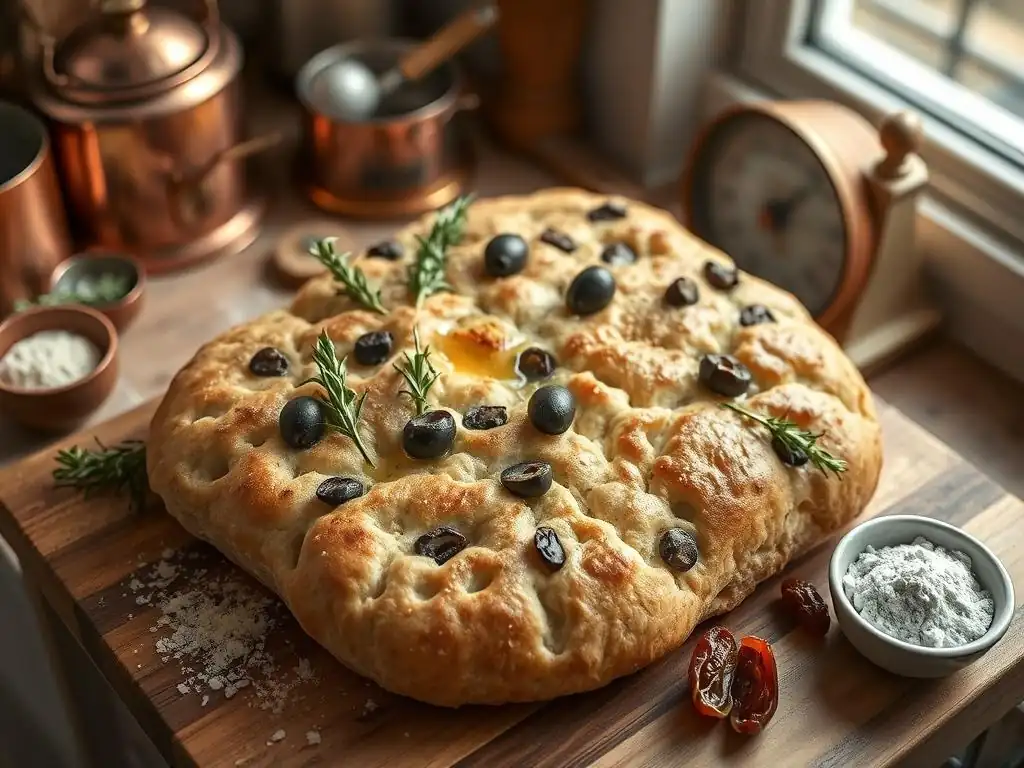
One of the great things about a solid keto focaccia bread recipe is its flexibility. You can adapt it to fit various dietary needs and preferences.
Dairy-Free Keto Focaccia Options
Our base keto focaccia bread recipe is naturally dairy-free as written, which is a significant advantage for those avoiding dairy. It relies on olive oil for fat and moisture, rather than butter or cheese (unless added as an optional topping).
If you wish to add a cheesy flavor without dairy, nutritional yeast is an excellent substitute. Sprinkle 1-2 tablespoons into the dry ingredients or over the top before baking. It provides a savory, umami-rich flavor similar to cheese without any dairy components. This makes our keto focaccia bread recipe accessible to a wider range of dietary needs.
Egg-Free Keto Focaccia Options
Many keto bread recipes rely on eggs for binding and structure. However, this specific keto focaccia bread recipe is designed to be egg-free, primarily using psyllium husk powder for binding. This is great news for individuals with egg allergies or those following a vegan keto diet.
The psyllium husk powder, when properly hydrated with warm water and combined with the apple cider vinegar, creates a strong gel that effectively holds the dough together and provides structure during baking. This removes the need for eggs, simplifying the ingredient list and making this keto focaccia bread recipe suitable for more people.
Exploring Different Flour Combinations for Keto Bread
While almond flour is the primary base in this keto focaccia bread recipe due to its excellent texture and mild flavor, you can experiment with other low-carb flours in combination:
- Coconut Flour: Coconut flour is much more absorbent than almond flour. If substituting, use it sparingly and increase the liquid significantly. A common ratio might be replacing 1/4 cup of almond flour with just 1 tablespoon of coconut flour, plus additional liquid. Using too much coconut flour can result in a dry, crumbly texture.
- Lupin Flour: Lupin flour is another low-carb option with a slightly different texture and flavor profile. It can sometimes be used in combination with almond flour. It often requires less liquid than almond flour but more than coconut flour. Experimenting with small amounts, perhaps replacing 1/4 of the almond flour volume with lupin flour, is a good starting point when adapting this keto focaccia bread recipe. Always adjust liquid as needed based on the dough consistency.
Serving Suggestions for Your Keto Focaccia
Once your delicious keto focaccia bread is baked and cooled slightly, it's time to enjoy it! Its versatile nature makes it a perfect accompaniment to many keto-friendly meals.
Pairing Keto Focaccia with Soups and Salads
Keto focaccia bread is an excellent companion for soups and salads. A warm, flavorful slice is perfect for dipping into a hearty bowl of low-carb soup, like a creamy tomato basil or a rich bone broth-based vegetable soup.
It also pairs beautifully with a crisp, fresh salad. Instead of traditional croutons, tear or cut pieces of keto focaccia bread and toss them with your salad. The herbs and olive oil add wonderful flavor. A simple green salad drizzled with olive oil and vinegar, served alongside a slice of this keto bread, makes for a satisfying and low-carb lunch.
Keto Focaccia as a Base for Pizza or Sandwiches
Get creative and use your keto focaccia bread as a low-carb base! Slice a piece horizontally and use it as bread for a sandwich filled with your favorite keto-friendly ingredients like deli meats, cheese, avocado, and lettuce.
Alternatively, turn it into a personal keto pizza base. Top a slice with sugar-free tomato sauce, mozzarella cheese, and your favorite keto pizza toppings (like pepperoni, mushrooms, peppers) and bake until the cheese is melted and bubbly. The sturdy yet tender texture of the keto focaccia works surprisingly well as a pizza crust.
Enjoying Keto Focaccia as a Delicious Appetizer
Served warm with a side of good quality extra virgin olive oil for dipping, keto focaccia bread makes a fantastic appetizer. You can also serve it with other keto-friendly dips like:
- Sugar-free marinara sauce
- Pesto (ensure it's made with keto-friendly ingredients)
- Olive tapenade
- Whipped feta dip
Arrange slices on a platter with some extra olives, cherry tomatoes (sparingly), and fresh herbs for a beautiful and delicious low-carb starter that's perfect for entertaining or a simple snack.
Troubleshooting Common Keto Focaccia Baking Problems
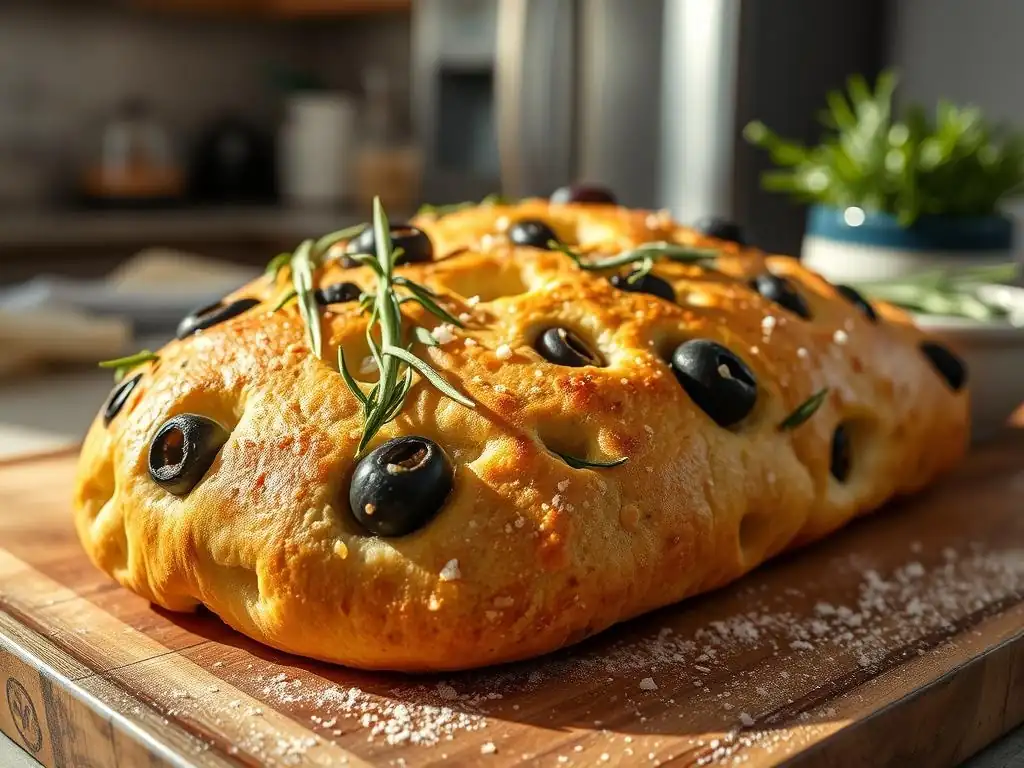
Even experienced bakers encounter issues sometimes. Here are solutions to common problems you might face when making your keto focaccia bread.
Dough Too Wet or Too Dry
- Dough Too Wet: If your dough is excessively sticky and won't hold its shape after the initial mix and rest, you likely need a bit more dry ingredient. Add 1 tablespoon of almond flour or 1 teaspoon of psyllium husk powder at a time, mixing well after each addition, until the dough is thick and manageable. Wait a few minutes between additions to allow the psyllium to absorb moisture.
- Dough Too Dry: If the dough is crumbly and doesn't come together, it needs more liquid. Add 1 tablespoon of warm water or olive oil at a time, mixing until the dough is cohesive and slightly sticky. The consistency of low-carb flours can vary between brands, so slight adjustments are sometimes necessary for the perfect keto focaccia bread dough.
Focaccia Not Rising Properly
Keto focaccia bread won't rise as dramatically as traditional yeast bread, but it should still have some lift from the baking powder. If it seems flat:
- Check Baking Powder Freshness: Ensure your baking powder is fresh. Test it by adding a teaspoon to a small amount of hot water; it should fizz vigorously. If not, replace it.
- Proper Mixing: Make sure the baking powder was evenly distributed in the dry ingredients and thoroughly mixed with the wet ingredients.
- Don't Overwork Dough: While you need to mix well, overworking the dough after the psyllium has hydrated can sometimes make it dense.
- Oven Temperature: Ensure your oven is preheated to the correct temperature. An oven that isn't hot enough might not activate the baking powder properly.
Preventing a Gummy Texture
A gummy texture is a common issue in keto and gluten-free baking, often caused by insufficient baking or too much psyllium husk.
- Bake Thoroughly: Ensure the keto focaccia bread is baked completely. It should be golden brown on top and sound slightly hollow when tapped on the bottom. If the top is browning too fast, tent it with foil to allow the inside to cook through.
- Accurate Psyllium Measurement: As mentioned, too much psyllium husk powder is a primary culprit for gumminess. Use a kitchen scale for accuracy, aiming for the recommended amount in your recipe.
- Proper Hydration: Ensure the psyllium is fully hydrated before baking by letting the dough rest for the specified time.
Nutritional Information for Keto Focaccia Bread
Understanding the nutritional breakdown of your keto focaccia bread is important for staying within your daily macro goals.
Macros Per Serving
The exact macros will vary depending on the specific ingredients used (brands of flour, amount of oil) and how you slice the focaccia. However, a typical serving (e.g., 1/8th of a 9x13 inch pan) of keto focaccia bread made with almond flour, psyllium husk, olive oil, herbs, and olives might look something like this:
- Net Carbs: ~3-4 grams
- Total Carbs: ~7-9 grams
- Fiber: ~4-5 grams
- Fat: ~18-22 grams
- Protein: ~6-8 grams
- Calories: ~220-260
These figures are approximate and should be calculated based on the specific ingredients and yield of your keto focaccia bread recipe batch. Using a nutrition calculator with your exact ingredients is the most accurate way to determine macros.
Benefits of Low-Carb Focaccia
Choosing keto focaccia bread over traditional bread offers several benefits for those following a low-carb or ketogenic lifestyle:
- Supports Ketosis: The low net carb count helps you stay within your daily carbohydrate limits, maintaining a state of ketosis.
- High in Healthy Fats: Made with olive oil and almond flour, it provides beneficial monounsaturated and polyunsaturated fats.
- Good Source of Fiber: Psyllium husk and almond flour contribute significant dietary fiber, which supports digestive health and can help with satiety.
- Reduced Blood Sugar Impact: Unlike high-carb bread, keto focaccia bread has minimal impact on blood sugar levels, making it suitable for those managing blood sugar.
- Satisfying and Versatile: It provides the pleasure of eating bread without the carb load, fitting into many meals and snacks.
Conclusion: Enjoying Delicious, Guilt-Free Keto Focaccia
Baking keto focaccia bread with herbs and olives is a rewarding experience that proves you don't have to miss out on your favorite foods while following a low-carb lifestyle. This keto focaccia bread recipe offers a fantastic alternative to traditional bread, providing a delicious, flavorful, and satisfying option that fits perfectly into a ketogenic diet. With its soft interior, crispy crust, and aromatic toppings, it's a versatile bread that can be enjoyed on its own, with dips, or as part of a larger meal.
BakeWithEase: Your Source for Keto Baking Success
At BakeWithEase, we are committed to helping you master the art of baking, no matter your dietary needs. Our detailed guides, tested recipes like this keto focaccia bread recipe, and helpful tips are designed to make low-carb baking accessible and enjoyable for everyone. We believe that baking should be a source of pleasure, and we're here to support you on your journey to creating delicious, guilt-free treats and staples. Explore our site for more keto baking recipes and techniques to expand your low-carb repertoire. Happy baking!
Frequently Asked Questions
What makes this focaccia bread recipe Keto?
This recipe is considered Keto because it uses almond flour and other low-carb ingredients instead of traditional wheat flour. This significantly reduces the carbohydrate content.
Can I substitute the almond flour for another type of flour?
While possible, it's not recommended to directly substitute almond flour. Other flours will drastically change the texture and carb count. Experiment with other Keto-friendly flours like coconut flour in small quantities, understanding you may need to adjust other ingredients.
What kind of herbs and olives work best in this Keto focaccia?
Fresh herbs like rosemary, thyme, and oregano are excellent choices. For olives, Kalamata or Castelvetrano olives add a great flavor profile. Feel free to use your favorite combination!
How should I store leftover Keto focaccia bread?
Store leftover focaccia in an airtight container at room temperature for up to two days. You can also freeze it for longer storage; just thaw it completely before enjoying.
Is this recipe suitable for beginners?
Yes! The recipe is designed to be simple and easy to follow, even for beginners. The step-by-step instructions and easily sourced ingredients make it a beginner-friendly Keto baking project.
Final Reflection: The Unexpected Joys of Keto Baking
The pursuit of delicious, healthy eating doesn't have to mean sacrificing flavor or enjoyment; it's a journey of discovery and adaptation. This keto focaccia bread recipe, with its fragrant herbs and briny olives, stands as a testament to that fact. It proves that even within the constraints of a specific diet, culinary creativity can flourish, resulting in dishes that are both satisfying and surprisingly delightful.
This recipe, for me, represents more than just a low-carb alternative to a classic bread. It symbolizes the power of embracing dietary changes without compromising on taste or the pleasure of sharing food with loved ones. The best things in life are the people we love, the places we've been, and the memories we've made along the way.
This focaccia, shared with friends and family, becomes a part of those cherished memories, a testament to the joy found in adapting and innovating in the kitchen.
Now, I invite you to step into your own kitchen and experiment. Don't be afraid to tweak this recipe, to add your own personal touch, to explore the boundless possibilities of keto baking. This focaccia is a starting point, a springboard for your own culinary adventures. Let the aroma of fresh herbs and the satisfying crunch of olives inspire you to create your own keto masterpieces, proving that healthy eating can be both delicious and deeply fulfilling.
Unleash Your Inner Baker: Craft This Keto Focaccia!
Thanks for joining us on this delicious keto journey! You've just learned how to create a mouthwatering focaccia that's both satisfying and healthy. Ready to take your baking skills to the next level?
- Bake your own Keto Focaccia: Grab your ingredients and follow the recipe again – this time, experiment with different herbs and toppings!
- Share your creation: Post a picture of your masterpiece on social media and tag us @BakeWithEase – we'd love to see your baking success!
- Try a variation: Explore our other Keto bread recipes on BakeWithEase.com for more delicious low-carb options.
What unique twist will you add to your next Keto Focaccia? Let us know in the comments!