
Discover the Rustic Charm of Spanish Regional Breads

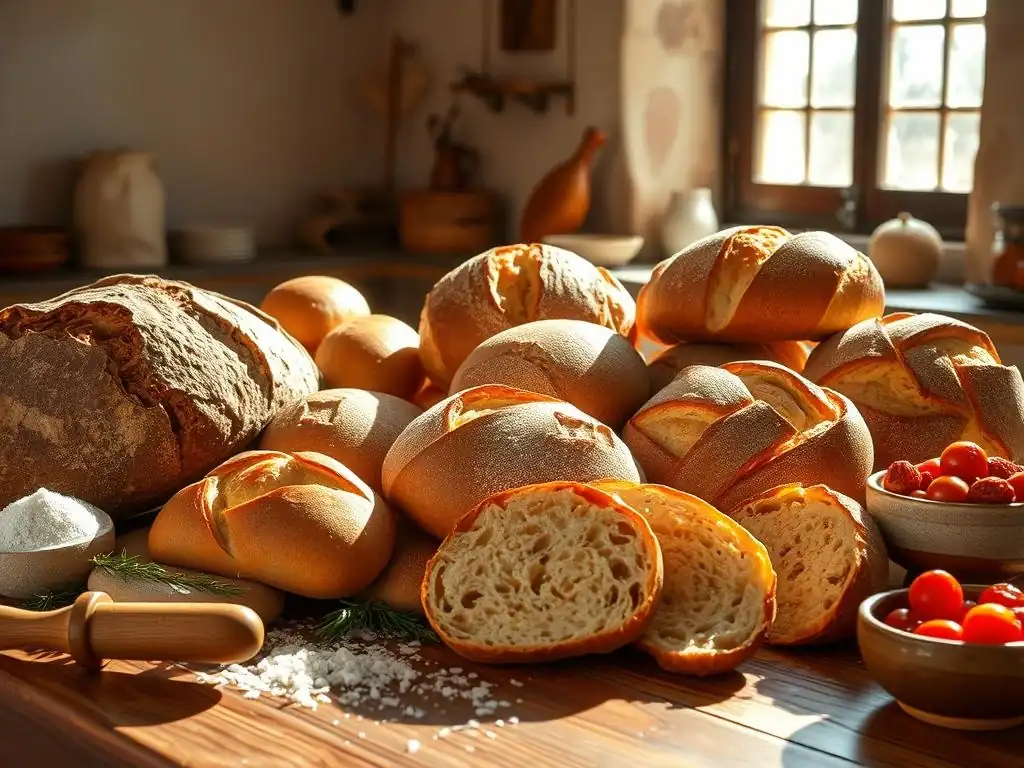
Welcome to BakeWithEase, your guide to unlocking baking brilliance! Ever dreamt of crafting authentic, rustic flavors in your own kitchen? Our latest article dives deep into the world of regional breads, offering you an easy Spanish sourdough bread recipe that captures the soul of Spain. Intrigued by the secrets behind its tangy crust and airy crumb? Read on to discover how simple it is to bring this culinary treasure to your table.
- Spanish Sourdough Bread Recipe: A Baker's Guide
-
Frequently Asked Questions
- What makes Spanish sourdough bread different from other sourdough breads?
- Is this "Spanish sourdough bread recipe easy" suitable for beginners?
- What kind of flour is best for making Spanish sourdough bread?
- How long does it take to make this Spanish sourdough bread recipe?
- Can I adapt the recipe to use a different sourdough starter?
- Final Reflection: The Enduring Allure of Spanish Bread
- Unleash Your Inner Baker: Craft Authentic Spanish Breads Today!
Spanish Sourdough Bread Recipe: A Baker's Guide
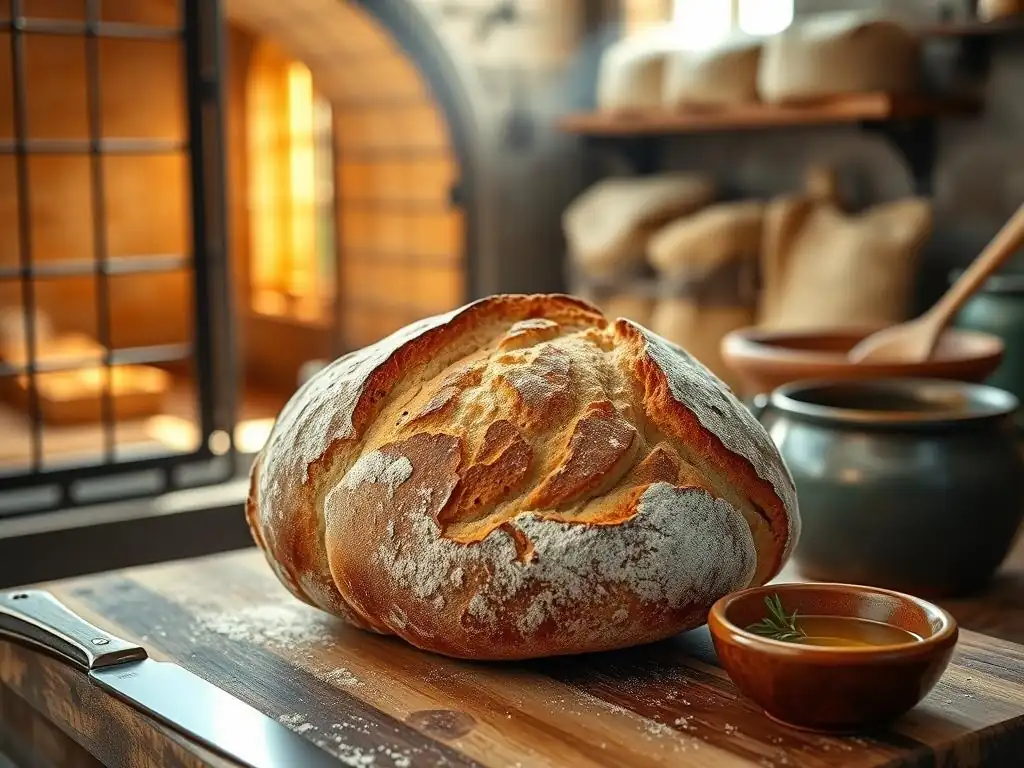
Mastering the Art of Spanish Sourdough
Crafting authentic Spanish sourdough bread is a rewarding journey that connects you with centuries of Iberian baking tradition. It's not just about mixing ingredients; it's about understanding the rhythm of fermentation and the subtle cues of the dough. The goal is often a loaf with a robust, often crackling crust and a wonderfully open, airy crumb, carrying a characteristic tangy depth from the slow fermentation process driven by masa madre.
While some traditional methods involve lengthy multi-day processes, a good Spanish sourdough bread recipe can be adapted to be surprisingly easy for the home baker, focusing on core techniques like proper hydration and patient fermentation. The key lies in developing gluten strength and allowing ample time for the natural yeasts and bacteria in the starter to work their magic, transforming simple flour and water into a complex, flavorful loaf reminiscent of those found in Spanish panaderías.
Achieving the distinctive texture and flavor of Spanish sourdough requires attention to hydration levels, which can often be quite high, particularly in types like Pan de Cristal. This high water content contributes to the airy, open structure. Additionally, temperature plays a crucial role; allowing the dough to ferment at a moderate room temperature, perhaps around 22-25°C (72-77°F), helps develop the desirable balance of tang and sweetness.
While professional Spanish bakers might use specific proofing rooms, home bakers can find success by simply finding a warm spot in their kitchen. Patience during the bulk fermentation phase, which can last anywhere from 4 to 12 hours depending on the starter's activity and room temperature, is paramount. This extended time allows the dough to develop strength and flavor before shaping and the final proof, making the overall Spanish sourdough bread recipe more manageable and the results more authentic.
Key Ingredients for Authentic Spanish Sourdough
The foundation of any great bread lies in its ingredients, and Spanish sourdough is no exception. Beyond the essential flour, water, and salt, the quality and type of these components significantly influence the final loaf. Using good quality flour is perhaps the most critical factor after the sourdough starter itself.
The water should be clean and chlorine-free, as chlorine can inhibit the activity of the natural yeasts and bacteria in your masa madre. Fine sea salt, often used in Spanish cooking, adds essential flavor and helps control the fermentation rate and strengthen the gluten structure. Unlike commercial yeast breads that rely on a single leavening agent, Spanish sourdough's complexity comes from the symbiotic relationship within the masa madre, making it the truly 'key' ingredient that imparts the unique character and slightly acidic notes to the bread.
While the list of ingredients is simple – typically just four – their interaction is complex. The hydration level, which is the ratio of water to flour, is particularly important in many Spanish bread styles. For example, some recipes call for hydration levels upwards of 70% or even 80%, which results in a very wet dough that requires specific handling techniques but yields a wonderfully light and open crumb.
The salt content is usually around 1.8% to 2.2% of the total flour weight, providing necessary flavor and structure. Understanding how these simple elements interact and adjusting them based on environmental factors like temperature and humidity is part of the rewarding process of mastering a Spanish sourdough bread recipe.
Spanish Flour Varieties: The Foundation of Flavor
In Spain, the type of flour used is fundamental to the character of regional breads. The most common type for traditional white bread is Harina de Trigo Panificable, which translates roughly to "bread-making wheat flour." This is a medium-strength flour, typically with a protein content ranging from 10% to 12%, making it versatile for everyday loaves.
For breads requiring more structure or longer fermentation, like many sourdoughs, bakers often turn to Harina de Fuerza (strong flour), which boasts a higher protein content, usually between 12% and 14%. This higher protein level means more gluten development, which is crucial for trapping the gases produced by the masa madre and achieving that coveted open crumb structure seen in many Spanish sourdough loaves.
Beyond these common types, regional breads often incorporate other flours. For instance, some rustic loaves might include a percentage of whole wheat ( Harina Integral) or even rye ( Harina de Centeno) for added flavor and density.
The specific grind and refinement of the flour also play a role; some traditional flours might be less refined, retaining more of the bran and germ, contributing a nuttier flavor and slightly different texture. When attempting a Spanish sourdough bread recipe at home, while finding exact Spanish flours might be challenging outside of Spain, using high-quality bread flour (around 11-12% protein) or a mix of bread flour and a little strong flour can help replicate the desired texture and crumb structure characteristic of authentic Spanish breads.
The Magic of Spanish Sourdough Starter (Masa Madre)
At the heart of a truly authentic Spanish sourdough bread recipe is the masa madre, the Spanish term for sourdough starter. This living culture of wild yeasts and lactic acid bacteria is responsible for leavening the bread and, perhaps more importantly, for developing its complex flavor profile.
Unlike commercial yeast, which provides a quick and consistent rise, masa madre works slowly, breaking down the starches and proteins in the flour, releasing aromatic compounds that give Spanish sourdough its characteristic tang and depth. A healthy masa madre is typically maintained by regular feedings of flour and water, often at a 1:1:1 ratio (equal parts starter, water, and flour by weight), ensuring it remains active and potent for baking.
The activity and maturity of your masa madre are crucial for a successful Spanish sourdough bake. A starter that has been fed regularly and is bubbly and active will provide the necessary lift for your dough. The specific balance of yeasts and bacteria within the masa madre can even be influenced by the local environment and the flour used, subtly contributing to the unique flavor of bread from different regions.
Maintaining a consistent feeding schedule, whether daily when kept at room temperature or weekly when stored in the refrigerator, is key to its vitality. Using an active masa madre ensures reliable fermentation, leading to a well-risen loaf with a beautiful crumb structure and that signature Spanish sourdough taste.
Frequently Asked Questions
What makes Spanish sourdough bread different from other sourdough breads?
Spanish sourdough bread often utilizes regional flours and techniques that result in a unique flavor profile. It's known for its rustic crust and distinct crumb structure, reflecting local baking traditions.
Is this "Spanish sourdough bread recipe easy" suitable for beginners?
While sourdough can be challenging, this recipe is designed to be accessible with clear instructions and readily available ingredients. Mastering basic sourdough techniques is helpful.
What kind of flour is best for making Spanish sourdough bread?
Traditionally, Spanish flours like harina gallega are preferred, but strong bread flour can be substituted. The type of flour affects the bread's texture and flavor.
How long does it take to make this Spanish sourdough bread recipe?
Sourdough bread requires time for fermentation; expect a total process of at least 24 hours, including proofing. Active baking time, however, is relatively short.
Can I adapt the recipe to use a different sourdough starter?
Yes, you can use your existing sourdough starter, but ensure it's active and healthy for optimal results. Adjust baking times as needed based on your starter's strength.
Final Reflection: The Enduring Allure of Spanish Bread
The simple act of baking bread, particularly a rustic sourdough, connects us to a rich culinary heritage and offers a surprisingly profound experience. From the ancient grains to the slow fermentation, each loaf tells a story, a testament to generations of bakers who perfected their craft. This exploration of Spanish regional breads reveals not just recipes, but a window into the diverse cultures and landscapes of Spain.
The enduring influence of these traditional baking methods is undeniable. The comforting aroma of freshly baked bread, the satisfying chew of a perfectly risen loaf – these sensory experiences transcend mere sustenance; they evoke a sense of home, community, and history. Bread is the staff of life,
a simple phrase, yet it encapsulates the profound significance of this staple food across cultures and throughout time. The variations in Spanish bread, from the crusty barra to the airy hogaza, reflect the unique terroir and traditions of each region, highlighting the interconnectedness of food, culture, and place.
Now, I invite you to embrace the rustic charm of Spanish bread. Don't just follow a recipe; feel the connection to the past as you knead the dough, savor the aroma as it bakes, and share the joy of a freshly baked loaf with loved ones. Experiment with different flours, explore variations on the classic sourdough, and discover the simple pleasure of creating something delicious and meaningful with your own hands. The journey of baking is as rewarding as the final product, a testament to the enduring power of tradition and the timeless appeal of simple, wholesome food.
Unleash Your Inner Baker: Craft Authentic Spanish Breads Today!
Thanks for exploring the world of Spanish regional breads with us! We hope you've gained a new appreciation for the artistry and flavor these incredible loaves offer. Now it's time to put your newfound knowledge to work.
- Bake your first Spanish bread: Choose one recipe that excites you most – perhaps the crusty Pan de Cristal or the hearty Pan de Payés – and get baking! This is your chance to experience the magic firsthand.
- Share your baking journey: Show off your creations on social media using #BakeWithEaseSpain. We'd love to see what you create!
- Explore regional variations: Delve deeper into the rich history of Spanish breadmaking. Research other regional specialties and expand your baking horizons.
Ready to transform your kitchen into a Spanish bakery? What delicious regional bread will you tackle first?