
Master Kitchen Hygiene: The Foundation of a Safe Home Baking Business

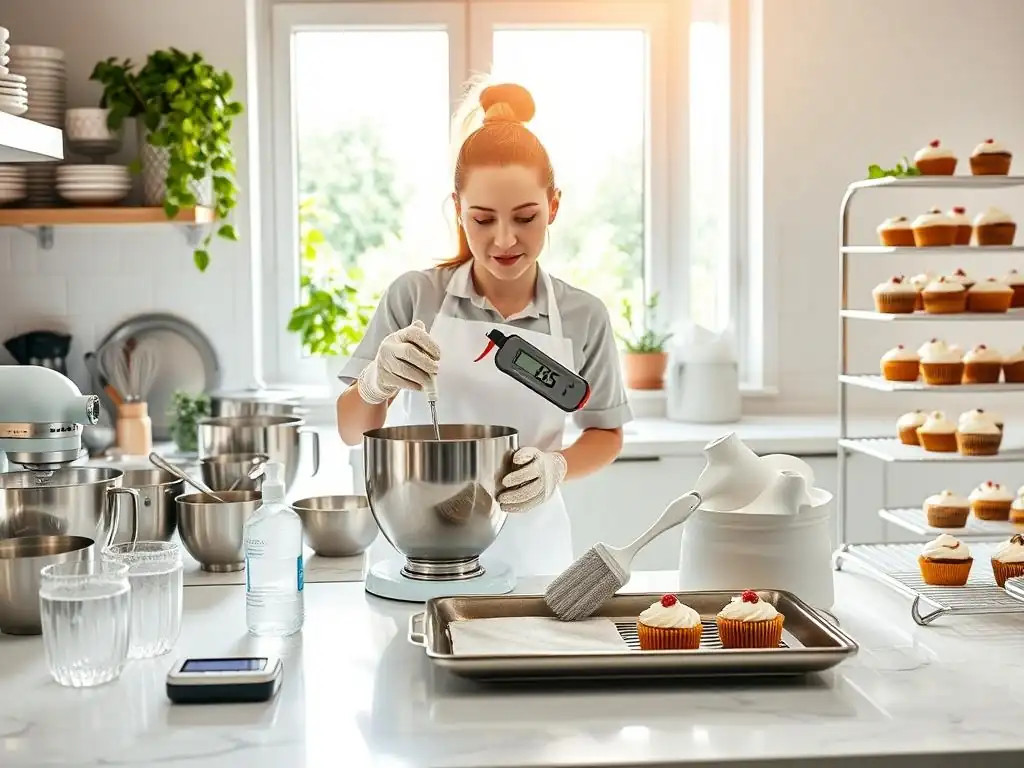
Welcome to BakeWithEase, your trusted partner in the delightful world of baking! Ever wondered if your kitchen is truly ready to handle the demands of a home baking business? This week, we're diving deep into the crucial topic of safe home baking hygiene. Discover the essential practices and often-overlooked details that form the bedrock of a successful and, most importantly, safe baking venture. Intrigued? Let's explore how to ensure your creations are not only delicious but also impeccably clean and risk-free.
- Why Safe Home Baking Hygiene is Crucial for Your Business
- Establishing a Hygienic Baking Environment
- Personal Hygiene Practices for Bakers
- Safe Food Handling Practices for Home Bakers
- Cleaning and Sanitizing Baking Equipment
- Preventing Common Food Safety Hazards in Baking
- Training and Education in Food Safety for Home Baking
- Maintaining Records and Documentation for Food Safety
- Beyond the Basics: Advanced Food Safety Practices
-
Frequently Asked Questions
- What are the most important aspects of safe home baking hygiene?
- How often should I wash my hands when baking at home?
- What is cross-contamination and how can I avoid it in my home bakery?
- How can I ensure my baking equipment is properly sanitized?
- What are the key storage guidelines for baked goods to maintain hygiene and freshness?
- Final Reflection: Cultivating a Culture of Clean in Home Baking
- Unleash Your Baking Empire: Master Kitchen Hygiene Today!
Why Safe Home Baking Hygiene is Crucial for Your Business
Running a home baking business is a dream for many, blending passion with entrepreneurship. However, the joy of creating delicious treats must be paired with an unwavering commitment to food safety. Prioritizing safe home baking hygiene isn't just about following rules; it's the bedrock upon which a trustworthy and sustainable business is built. Neglecting proper hygiene practices can lead to serious consequences, impacting both the health of your customers and the very future of your business. It's about building confidence and ensuring every bite is not only delightful but also completely safe.
Investing time and effort into understanding and implementing robust safe home baking hygiene protocols from the outset is a non-negotiable step. This includes everything from sourcing quality ingredients to ensuring proper storage, handling, and preparation methods. Think of it as an essential ingredient in every recipe you create. By mastering safe hygiene practices, you demonstrate professionalism and care, which resonates with customers and sets your home bakery apart in a competitive market.
Protecting Your Customers and Your Reputation with Proper Food Handling
The primary goal of maintaining excellent safe home baking hygiene is the protection of your customers' health. Foodborne illnesses can range from uncomfortable to severe, and any incident linked to your products can have devastating consequences. A single case of food poisoning traced back to your home bakery can lead to negative reviews, loss of trust, and potentially legal issues. Your reputation, which you build painstakingly with every successful order, can be damaged irreparably almost overnight.
Consider the case of a small home baker who, after receiving multiple glowing reviews, faced a significant backlash when a customer reported illness after consuming a product potentially contaminated with Salmonella. The baker had to temporarily shut down, lost regular customers, and faced immense difficulty rebuilding trust, highlighting how critical safe home baking hygiene is for long-term viability. Implementing strict protocols for handwashing, preventing cross-contamination, and ensuring ingredients are handled correctly safeguards your customers and preserves the integrity of your brand.
Preventing Foodborne Illnesses in Your Home Baking Operations
Foodborne illnesses are typically caused by bacteria, viruses, parasites, or chemical contaminants introduced into food. In a home baking environment, common culprits include Salmonella, E. coli, Listeria, and Staphylococcus aureus. These pathogens can lurk on surfaces, equipment, ingredients, or even be transferred from the baker themselves if safe home baking hygiene is not strictly followed. For example, raw eggs or flour can carry Salmonella or E. coli, respectively, and improper handling can transfer these bacteria to finished, ready-to-eat products.
Effective prevention relies on a multi-faceted approach to safe home baking hygiene. This includes controlling temperatures to prevent bacterial growth (keeping hot foods hot and cold foods cold), thorough cooking where applicable, preventing cross-contamination between raw and cooked foods, and maintaining impeccable personal hygiene. For instance, ensuring baked goods reach an internal temperature sufficient to kill pathogens (like 160°F or higher for items containing eggs or meat) is vital. Similarly, using separate cutting boards for raw ingredients and baked goods is a simple yet crucial step in preventing the transfer of harmful bacteria.
The Legal Aspects of Food Safety for Home Bakeries
Operating a home baking business often falls under specific local and state regulations, commonly known as "cottage food laws." While these laws vary significantly, they universally require adherence to basic food safety standards. Ignoring these regulations can lead to fines, cease-and-desist orders, or even legal action if a customer becomes ill. Understanding and complying with these legal requirements is a fundamental part of establishing safe home baking hygiene practices that are compliant and responsible.
For example, many jurisdictions require home bakers to register their business, label products with ingredients and allergen information, and follow specific rules regarding where products can be sold. Some areas may require a home kitchen inspection or completion of a food safety course. While specific mandates differ, the underlying principle is that home-produced food must be safe for consumption. [Refer to your local health department's guidelines] is the most accurate source for the specific legal requirements in your area, as compliance is mandatory for legitimate operation and maintaining safe home baking hygiene.
Establishing a Hygienic Baking Environment
Creating a clean and organized kitchen is the physical foundation for practicing safe home baking hygiene. This goes beyond just tidiness; it involves setting up your workspace in a way that minimizes risks of contamination and facilitates easy cleaning and sanitation. A well-designed hygienic environment makes implementing safe food handling practices much more intuitive and effective, reducing the likelihood of errors that could compromise food safety.
Think of your kitchen layout and workflow. Is there a clear separation between areas where raw ingredients are handled and where finished products are cooled or packaged? Are surfaces easily cleanable? Is there adequate ventilation? Addressing these aspects proactively helps establish a baseline for excellent safe home baking hygiene, making daily operations smoother and safer for everyone involved.
Designing Your Kitchen for Optimal Cleanliness and Food Safety
Designing or adapting your home kitchen for a baking business requires careful consideration of materials, layout, and workflow to support safe home baking hygiene. Surfaces should be smooth, non-absorbent, and easily cleanable – stainless steel, laminate, or sealed stone countertops are preferable to porous wood. Walls and floors should also be made of materials that can be easily wiped down and sanitized. Avoid carpets or difficult-to-clean textures in food preparation areas.
Consider designating specific zones within your kitchen for different tasks, such as a 'raw ingredient receiving' area, a 'preparation' area, a 'baking' area, and a 'cooling/packaging' area. This physical separation helps prevent cross-contamination. Adequate lighting is also crucial so you can easily spot dirt or spills. Finally, ensure you have access to hot and cold running water, ideally with a dedicated sink for handwashing separate from where equipment or ingredients are washed, which is a key element of safe home baking hygiene.
Essential Cleaning Supplies and Equipment for a Home Bakery
Having the right tools and supplies is fundamental to maintaining high standards of safe home baking hygiene. This includes more than just soap and water. You'll need a range of cleaning agents, sanitizers, and equipment specifically suited for a food preparation environment. Using household cleaners designed for general cleaning might not be sufficient or appropriate for surfaces that come into contact with food.
A basic list of essential supplies for maintaining safe home baking hygiene includes: food-grade detergent for cleaning surfaces and equipment, an approved sanitizer (like a chlorine-based solution or quaternary ammonium compound) used according to manufacturer instructions, clean cloths or disposable paper towels, scrub brushes, and separate cleaning cloths/sponges designated only for specific tasks (e.g., floor cleaning vs. counter cleaning). You'll also need a designated bin for food waste and another for general trash, both with lids.
Implementing a Regular Cleaning Schedule for a Safe Baking Space
A consistent and thorough cleaning schedule is non-negotiable for maintaining safe home baking hygiene. It's not enough to just clean when things look dirty; regular cleaning, including 'invisible' cleaning like sanitizing, must be integrated into your daily and weekly routine. This prevents the buildup of bacteria, mold, and other contaminants that could compromise your baked goods.
Your schedule should include daily tasks such as wiping down all food contact surfaces before and after use, washing all utensils and equipment immediately after use, sweeping/mopping floors, and emptying trash bins. Weekly tasks might include more thorough cleaning of appliances (oven, mixer), cleaning out refrigerators and pantries, and deep cleaning floors and walls. A written or digital checklist can be very helpful in ensuring all tasks are completed consistently, reinforcing safe home baking hygiene practices.
Personal Hygiene Practices for Bakers
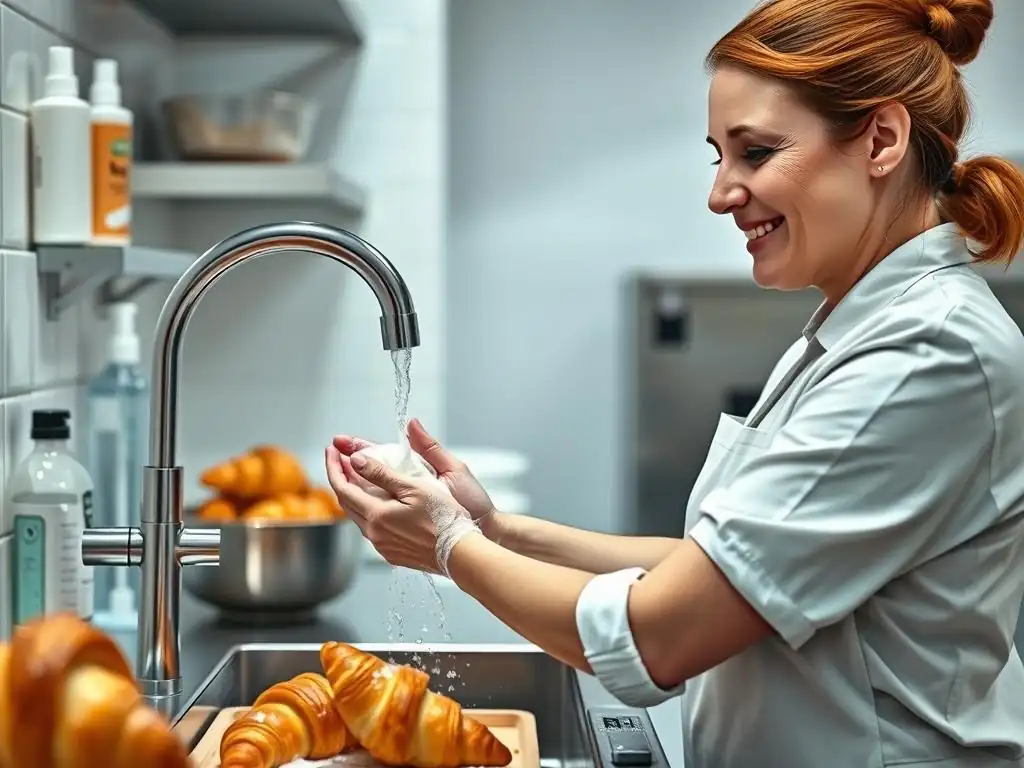
As the person handling the ingredients and creating the finished product, your personal hygiene is arguably the most critical component of safe home baking hygiene. Pathogens can easily be transferred from your body, clothing, or hands to the food, leading to contamination. Maintaining impeccable personal cleanliness is a direct way to minimize this risk and ensure the safety of your baked goods.
Think of yourself as the first line of defense against contamination. Every time you touch ingredients, equipment, or packaging, there's a potential for transfer. Adopting rigorous personal hygiene habits isn't just a recommendation; it's a professional responsibility when operating a home baking business and striving for excellent safe home baking hygiene.
The Importance of Handwashing in Food Preparation
Handwashing is the single most effective way to prevent the spread of foodborne illness. Your hands come into contact with countless surfaces throughout the day, picking up bacteria and viruses. Without proper washing, these contaminants can easily be transferred to food during preparation. It's a fundamental pillar of safe home baking hygiene.
Hands should be washed thoroughly with warm water and soap for at least 20 seconds (about the time it takes to sing "Happy Birthday" twice) before starting any food preparation, after handling raw ingredients (like eggs or flour), after using the restroom, after touching your face or hair, after sneezing or coughing, after handling trash, and after any break. Drying hands completely with a clean paper towel or a clean, designated cloth is equally important, as moisture can harbor bacteria. A simple visual reminder in your kitchen can help reinforce this critical step in safe home baking hygiene.
Proper Attire and Hair Restraints for a Hygienic Baking Process
Your clothing and hair can also be sources of contamination in a baking environment. Loose hair can fall into dough or batter, and dirty clothing can carry bacteria from other parts of your home or outside. Wearing appropriate attire helps create a barrier and maintain safe home baking hygiene.
It's recommended to wear clean clothing dedicated only to baking activities. An apron is essential to protect your clothes and act as an outer barrier. Hair should be tied back or covered completely with a hairnet or cap to prevent strands from falling into food. Jewelry, especially rings with stones that can trap dirt, should ideally be removed before baking. These simple steps significantly reduce the risk of physical and microbial contamination, contributing to overall safe home baking hygiene.
Minimizing the Risk of Contamination from Personal Items
Personal items like mobile phones, keys, and even pens can harbor significant amounts of bacteria. Bringing these items into your immediate food preparation area increases the risk of transferring contaminants to your ingredients or finished products. Establishing clear boundaries for personal items is part of maintaining strict safe home baking hygiene.
Designate a spot away from your baking area where personal items are stored while you are working. Avoid using your phone or handling other personal belongings while actively mixing, shaping, or packaging food. If you must handle a personal item, wash your hands thoroughly for 20 seconds before returning to your baking tasks. This conscious effort to separate personal items from food handling areas is a vital, often overlooked, aspect of safe home baking hygiene.
Safe Food Handling Practices for Home Bakers
Beyond personal and environmental cleanliness, the way you handle ingredients and finished products is paramount to ensuring food safety. This involves understanding concepts like temperature control, preventing cross-contamination, and proper storage. Implementing these practices diligently is central to achieving high standards of safe home baking hygiene.
Every ingredient, from flour and sugar to eggs and dairy, requires specific handling to remain safe. Furthermore, the processes of mixing, baking, and cooling each have potential food safety considerations. Mastery of these techniques is essential for any home baker looking to sell their goods and uphold safe home baking hygiene.
Understanding Temperature Control and the Danger Zone
Bacteria multiply rapidly at temperatures between 40°F (4°C) and 140°F (60°C). This range is known as the "Danger Zone." Foods that require temperature control for safety (TCS foods), such as dairy, eggs, and cream fillings, should spend as little time as possible in this zone. Keeping cold foods below 40°F and hot foods above 140°F significantly slows or stops bacterial growth, which is a cornerstone of safe home baking hygiene.
For baked goods, this means ensuring ingredients like butter, milk, and eggs are kept refrigerated until needed. After baking, products that contain TCS ingredients must be cooled quickly to below 40°F before storage. A common method for rapid cooling is dividing large batches into smaller containers or using an ice bath. Products intended to be served hot (like certain pastries) must be held at or above 140°F. Monitoring these temperatures with a reliable food thermometer is a critical part of safe home baking hygiene.
Preventing Cross-Contamination: Separating Raw and Cooked Ingredients
Cross-contamination occurs when bacteria or other pathogens are transferred from one food item to another, often via hands, equipment, or surfaces. This is particularly risky when handling raw ingredients like eggs, which can contain Salmonella, and then touching ready-to-eat items like baked cookies. Preventing this transfer is a key aspect of safe home baking hygiene.
Implement clear procedures to prevent cross-contamination. Use separate cutting boards, utensils, and containers for raw ingredients versus cooked or ready-to-eat foods. Wash and sanitize all surfaces and equipment that have come into contact with raw ingredients before using them for other tasks. Store raw ingredients, especially eggs and dairy, below ready-to-eat items in the refrigerator to prevent drips from contaminating cooked foods. Simple visual cues or color-coding can help maintain this separation and improve safe home baking hygiene.
Proper Storage Techniques for Baking Ingredients and Finished Products
Correct storage is vital for maintaining the safety and quality of both your ingredients and your finished baked goods. Improper storage can lead to spoilage, mold growth, or the proliferation of harmful bacteria. Following recommended storage guidelines is a fundamental practice for safe home baking hygiene.
Dry ingredients like flour, sugar, and spices should be stored in airtight containers in a cool, dry place away from direct sunlight and pests. Refrigerated ingredients like butter, milk, and eggs must be kept at 40°F or below. Once baked, products containing TCS ingredients (e.g., cheesecakes, cream pies, pastries with dairy fillings) must be refrigerated promptly after cooling and stored below 40°F.
Baked goods that do not require refrigeration (like many cookies, bread, and cakes without perishable fillings) should be stored in airtight containers at room temperature, away from moisture and pests. Labeling with dates is also a good practice for tracking freshness and ensuring safe home baking hygiene.
Cleaning and Sanitizing Baking Equipment
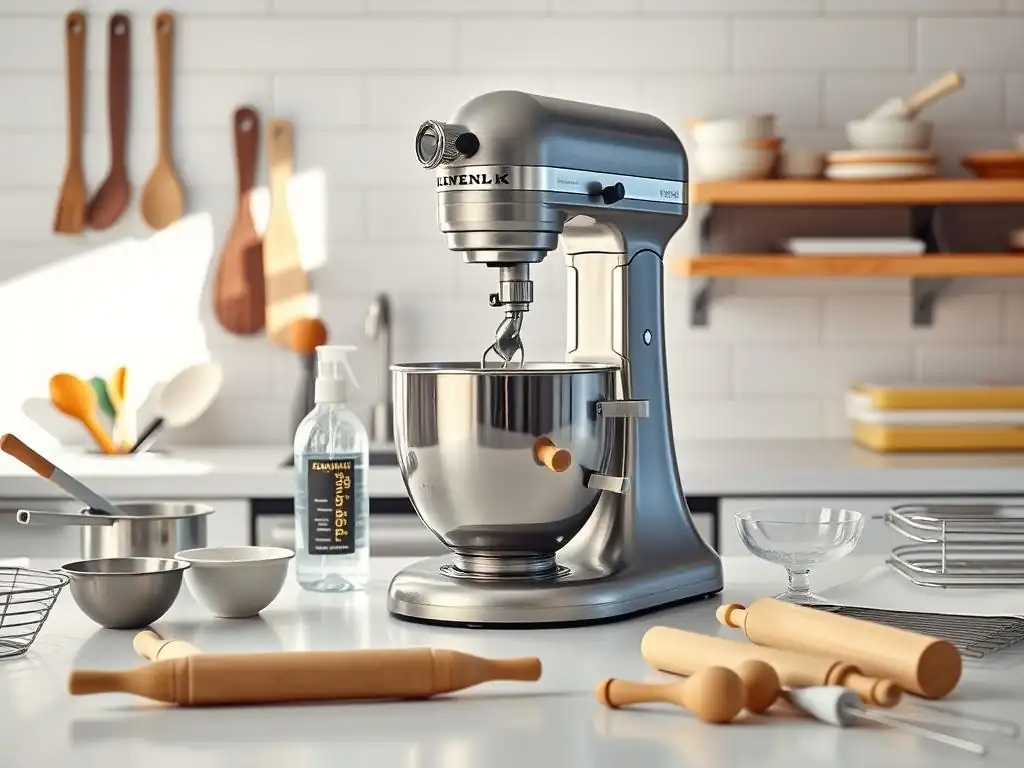
Your baking equipment is in direct contact with the food you produce, making its cleanliness paramount for safe home baking hygiene. Simply cleaning to remove visible dirt isn't enough; sanitizing is necessary to reduce harmful microorganisms to a safe level. A two-step process of cleaning followed by sanitizing is the standard in food safety.
Regular and thorough cleaning and sanitizing of all tools, mixers, pans, and other equipment prevents the buildup of food residue, which can be a breeding ground for bacteria. This diligent approach to equipment hygiene is a non-negotiable part of maintaining safe home baking hygiene and producing safe products.
Best Practices for Cleaning Baking Utensils and Pans
Cleaning removes food particles, grease, and grime from surfaces. For baking utensils and pans, this typically involves washing with hot water and food-grade detergent. Scrape off excess food before washing. Use brushes or sponges dedicated to dishwashing. Pay special attention to crevices, seams, and handles where food residue can hide.
For items that can be submerged, washing in a sink or dishwasher using hot water (ideally above 110°F or 43°C) with detergent is effective. Ensure items are thoroughly rinsed to remove all soap residue. Pots, pans, mixing bowls, spatulas, and whisks should be cleaned immediately after use whenever possible to prevent food from drying on, which makes cleaning more difficult and less effective for safe home baking hygiene.
Sanitizing Surfaces and Equipment to Eliminate Bacteria
Sanitizing reduces the number of harmful microorganisms on a cleaned surface to a safe level. Cleaning must come before sanitizing, as sanitizers are less effective on dirty surfaces. Common sanitizers for food contact surfaces include chemical solutions like diluted bleach or quaternary ammonium compounds, or using heat (e.g., hot water above 171°F or 77°C for at least 30 seconds, or running items through a high-temperature dishwasher cycle).
If using a chemical sanitizer, follow the manufacturer's instructions precisely regarding concentration and contact time. Too weak a solution won't be effective; too strong can be unsafe. A common bleach solution for sanitizing is 1 teaspoon of plain, unscented bleach per gallon of water. Surfaces and equipment must remain in contact with the sanitizer for the recommended time (often 30-60 seconds) and then allowed to air dry. Air drying is preferred over towel drying, as towels can reintroduce bacteria. Regular sanitizing of counters, sinks, mixers, and frequently used tools is vital for safe home baking hygiene.
Maintaining a Clean and Organized Workspace for Baking
An organized workspace is inherently easier to keep clean and contributes significantly to safe home baking hygiene. Clutter can hide spills, attract pests, and make it difficult to properly clean surfaces. A well-organized kitchen allows for efficient workflow and reduces the chances of accidental contamination.
Store ingredients in designated areas. Keep equipment clean and stored neatly when not in use. Wipe down spills immediately. Regularly declutter your workspace, removing anything not needed for baking. A routine of putting items away as you finish using them simplifies the final cleanup process and helps maintain a consistently hygienic environment. This proactive approach to organization is a simple yet effective strategy for enhancing safe home baking hygiene.
Preventing Common Food Safety Hazards in Baking
Even with diligent hygiene practices, potential hazards can arise. Identifying these common issues and implementing specific strategies to prevent them is crucial for comprehensive safe home baking hygiene. This includes being vigilant about potential sources of contamination, controlling pests, and carefully managing allergens.
Addressing these specific hazards requires awareness and targeted actions. It's about anticipating potential problems and putting controls in place before they can compromise the safety of your baked goods. This foresight is a hallmark of a responsible home baking business committed to safe home baking hygiene.
Identifying and Eliminating Potential Sources of Contamination
Contamination can come from various sources: biological (bacteria, viruses), chemical (cleaning agents, pesticides), or physical (hair, glass, pests). Regularly inspecting your ingredients, equipment, and workspace is key to identifying and eliminating these potential hazards before they reach your food.
Check ingredients for signs of spoilage, contamination, or foreign objects before use. Ensure cleaning chemicals are stored separately from food and ingredients and are clearly labeled. Use non-breakable utensils where possible, and handle glass items like measuring cups with care. Implement procedures for dealing with spills of hazardous materials (like broken glass) to ensure thorough cleanup and no risk of contamination to food or surfaces used for safe home baking hygiene.
Controlling Pests and Insects in Your Home Baking Environment
Pests like rodents and insects can carry pathogens and contaminate food and surfaces. Their presence in a food preparation area is a serious food safety hazard. Effective pest control is an essential component of safe home baking hygiene.
Prevent pests from entering your home by sealing cracks and holes in walls, floors, and around pipes. Keep screens on windows and doors in good repair. Store food ingredients in airtight containers. Clean up crumbs and spills promptly. Avoid leaving trash bins open. If you use pest control products, ensure they are safe for use in a food environment and follow instructions meticulously, or use professional pest control services that specialize in food establishments. Maintaining a clean, dry, and sealed environment is the best defense against pests and crucial for safe home baking hygiene.
Managing Allergens and Dietary Restrictions in Your Baking Business
Allergens are a significant food safety concern, and cross-contamination of allergens can cause severe reactions in sensitive individuals. Common baking allergens include wheat, dairy, eggs, soy, peanuts, and tree nuts. Properly managing these in your home bakery is a critical aspect of safe home baking hygiene, especially when catering to customers with specific dietary needs.
Clearly label all ingredients in your products. Be transparent with customers about potential allergens in your kitchen, even if a product doesn't contain an allergen directly (e.g., "Made in a kitchen that also processes nuts"). When preparing allergen-free orders, clean and sanitize all equipment and surfaces thoroughly beforehand. Consider dedicating specific equipment (like a mixer or pans) for allergen-free baking if feasible. Prepare allergen-free items first in your baking schedule to minimize risk. This careful approach to allergen management is vital for customer safety and trust, reinforcing your commitment to safe home baking hygiene for all.
Training and Education in Food Safety for Home Baking
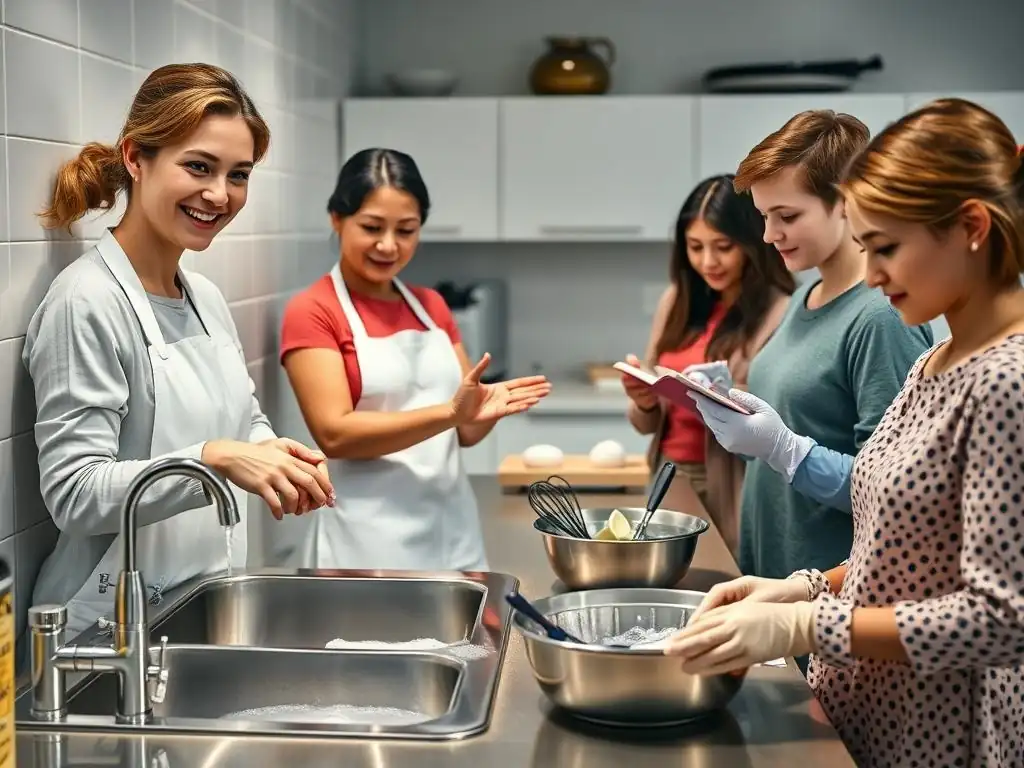
Knowledge is power when it comes to food safety. As a home baker, understanding the principles of food safety is non-negotiable. This includes formal training, staying updated on regulations, and ensuring anyone assisting you is also properly educated. Continuous learning in food safety is an investment in your business's reliability and your customers' well-being, enhancing your overall safe home baking hygiene practices.
Investing in your food safety knowledge provides a solid foundation for making informed decisions and implementing effective control measures. It moves you beyond simply following a checklist to truly understanding why specific practices are necessary for safe home baking hygiene.
Obtaining Food Handler Certification
Many jurisdictions require food handlers, including home-based food business operators, to obtain a food handler permit or certification. This typically involves completing a course and passing an exam that covers fundamental food safety principles. [ServeSafe Certification Recommended] is a widely recognized and respected certification program that provides comprehensive training on preventing foodborne illness.
Completing a certification program like ServeSafe demonstrates your commitment to food safety and provides you with essential knowledge on topics such as time and temperature control, preventing cross-contamination, personal hygiene, and cleaning and sanitizing. Even if not legally required in your area, obtaining such certification is a proactive step that builds confidence in your safe home baking hygiene practices and can be a valuable marketing point.
Staying Up-to-Date on Food Safety Regulations and Best Practices
Food safety science and regulations can evolve. What was considered best practice a few years ago might have been updated based on new research or outbreaks. As a home baking business owner, it's your responsibility to stay informed about the latest guidelines and any changes to local cottage food laws or food safety standards.
Subscribe to newsletters from your local health department or food safety organizations. Follow reputable sources like the FDA (Food and Drug Administration) or USDA (U.S. Department of Agriculture) for general food safety information. Attend webinars or workshops on food safety for small businesses. Regularly reviewing and updating your own procedures based on current best practices ensures your safe home baking hygiene remains robust and compliant.
Educating Family Members or Employees on Safe Baking Hygiene
If family members assist you in the kitchen or you hire employees as your business grows, they must also be fully trained in your specific safe home baking hygiene protocols. Any lapse in hygiene by someone handling food can jeopardize the safety of your products, regardless of your own stringent practices.
Develop clear, written procedures for all key food safety tasks, such as handwashing, cleaning, sanitizing, and temperature monitoring. Provide hands-on training and supervise new helpers to ensure they understand and follow these procedures correctly. Regularly reinforce the importance of safe home baking hygiene and conduct occasional refreshers or checks to ensure consistency. Everyone involved in the food production process must understand their role in maintaining safety.
Maintaining Records and Documentation for Food Safety
Keeping records of your food safety practices provides verifiable proof of your commitment to safe home baking hygiene. Documentation can be invaluable if questions arise about your procedures, during inspections (if applicable), or in the rare event of a customer complaint or recall. It demonstrates diligence and professionalism.
While documentation requirements vary by location and business size, maintaining basic records is a smart practice for any home bakery. These records serve as a log of your routine safety checks and procedures, bolstering your claim to practicing excellent safe home baking hygiene.
Tracking Cleaning Schedules and Temperature Logs
Documenting your cleaning and sanitizing activities provides a clear history of your kitchen's hygiene maintenance. A simple logbook or spreadsheet can track when specific tasks were completed. Similarly, maintaining temperature logs for refrigeration units and for checking the internal temperature of certain baked goods is crucial, especially for items containing TCS ingredients.
For cleaning, you might log the date, task performed (e.g., "Sanitized all counters and mixer"), and initial. For temperature logs, record the date, time, item/unit checked (e.g., "Refrigerator temp"), the temperature reading (e.g., "38°F"), and your initial. These records provide objective evidence that you are consistently implementing key aspects of safe home baking hygiene.
Documenting Food Handling Procedures and Training
Having written standard operating procedures (SOPs) for critical food handling tasks ensures consistency and provides a basis for training. Documenting who has been trained on these procedures and when reinforces accountability and ensures everyone understands the proper steps for safe home baking hygiene.
Your SOPs could cover topics like:
- Proper handwashing technique
- Procedure for receiving and storing ingredients
- Steps for preventing cross-contamination
- Guidelines for cooling and storing finished products
- Cleaning and sanitizing protocol for specific equipment
Maintain records of training sessions, including who attended and the topics covered. This documentation is essential for demonstrating that your team (even if just family) is properly educated on safe home baking hygiene.
Ensuring Traceability of Ingredients in Case of Recalls
While recalls are more common for large manufacturers, they can occasionally affect ingredients you use (e.g., a recall on a specific brand of flour or nuts due to contamination). Being able to trace which products were made with potentially affected ingredients is vital for safe home baking hygiene and customer safety.
Keep records of the ingredients you purchase, including supplier, date of purchase, and potentially lot numbers if available (especially for high-risk ingredients like nuts or specialty flours). If an ingredient is recalled, you can quickly identify which batches of your baked goods might be affected and contact customers who purchased those specific items. This proactive approach to traceability is a sign of a responsible business committed to safe home baking hygiene.
Beyond the Basics: Advanced Food Safety Practices
Once you have a solid foundation of basic safe home baking hygiene practices, you can explore more advanced concepts to further enhance your food safety system. While not always required for small home bakeries, these practices demonstrate a higher level of commitment and can provide additional layers of safety assurance.
Implementing more advanced food safety measures shows a dedication to excellence and a willingness to go above and beyond minimum requirements. These steps further solidify your business's reputation for prioritizing safe home baking hygiene.
Implementing a Food Safety Plan (HACCP) for Your Home Bakery
HACCP (Hazard Analysis and Critical Control Points) is a preventative food safety system used widely in the food industry. While a full, complex HACCP plan may be overkill for most home bakeries, understanding its principles and implementing a simplified version can significantly improve your safe home baking hygiene. [A basic HACCP plan involves identifying hazards, determining critical control points, establishing limits, and monitoring procedures.]
Even a simplified plan involves:
- Hazard Analysis: Identifying potential biological, chemical, or physical hazards at each step of your baking process (e.g., Salmonella in raw eggs, metal shavings from a mixer, incorrect oven temperature).
- Critical Control Points (CCPs): Identifying the specific steps where you can control or eliminate a hazard (e.g., baking the item to a specific internal temperature, sanitizing equipment after using raw eggs).
- Establishing Critical Limits: Setting measurable standards for each CCP (e.g., bake to 160°F, sanitize surface for 60 seconds).
- Monitoring Procedures: Deciding how you will check that CCPs are met (e.g., using a thermometer, setting a timer).
- Corrective Actions: Planning what you will do if a CCP is not met (e.g., continue baking until temperature is reached, re-sanitize).
Developing even a basic framework based on HACCP principles provides a structured approach to managing safe home baking hygiene risks.
Using Food Thermometers Accurately for Safe Baking
Accurate temperature measurement is critical for several aspects of safe home baking hygiene, particularly when dealing with TCS ingredients or products. Relying on guesswork or oven thermostats alone isn't sufficient. A reliable food thermometer is an essential tool.
Use a digital instant-read thermometer to check the internal temperature of baked goods that contain eggs or meat fillings (like quiches or savory pastries) to ensure they reach a safe minimum temperature, often 160°F (71°C). Calibrate your thermometer regularly according to manufacturer instructions to ensure accuracy. Also, use an appliance thermometer to monitor the temperature inside your refrigerator to confirm it stays consistently at or below 40°F (4°C), which is vital for storing ingredients and finished products safely and maintaining safe home baking hygiene.
Monitoring and Improving Your Food Safety Practices Regularly
Food safety is not a one-time task but an ongoing process. Regularly reviewing your safe home baking hygiene practices, seeking feedback, and looking for ways to improve is crucial for long-term success and safety.
Periodically review your cleaning schedules, temperature logs, and procedures. Are there steps that could be more efficient or effective? Ask a trusted friend or mentor who understands food safety to observe your process and provide feedback. Stay informed about any food safety incidents related to home-based businesses or ingredients you use. Use any near misses or minor issues as learning opportunities to refine your safe home baking hygiene protocols and continuously enhance the safety of your delicious creations.
Frequently Asked Questions
What are the most important aspects of safe home baking hygiene?
The most important aspects are handwashing, preventing cross-contamination, and maintaining clean work surfaces. These are the foundation for safe baking.
How often should I wash my hands when baking at home?
You should wash your hands frequently, especially before starting, after handling raw ingredients, and after touching potentially contaminated surfaces. Aim for every 20 minutes.
What is cross-contamination and how can I avoid it in my home bakery?
Cross-contamination is the transfer of harmful bacteria from one food or surface to another. Avoid it by using separate cutting boards for raw and cooked foods and thoroughly cleaning all utensils.
How can I ensure my baking equipment is properly sanitized?
Wash all equipment with hot, soapy water after each use. For extra sanitation, use a food-safe sanitizing solution or run them through a dishwasher with a sanitizing cycle.
What are the key storage guidelines for baked goods to maintain hygiene and freshness?
Store baked goods in airtight containers at the correct temperature (refrigerated or room temperature, as appropriate) to prevent bacterial growth and maintain optimal freshness.
Final Reflection: Cultivating a Culture of Clean in Home Baking
Mastering kitchen hygiene isn't just about avoiding illness; it's the cornerstone of building a thriving and reputable home baking business. A single lapse in cleanliness can jeopardize not only your customers' health but also the future of your enterprise. The consequences are far-reaching, impacting trust, reputation, and ultimately, your livelihood.
The impact of stringent hygiene practices extends beyond the immediate safety of your baked goods. It shapes the entire cultural landscape of home-based food businesses, raising the bar for quality and consumer confidence. It's about fostering a culture of responsibility and care, ensuring that passion for baking translates into a commitment to safety. Food safety is not just a matter of compliance; it's a matter of caring deeply about the people who consume your creations.
This quote encapsulates the heart of what we've explored – a holistic approach to hygiene that goes beyond mere checklists.
Now, consider your own baking practices. Are you ready to elevate your standards? Take a moment to reflect on the details – from handwashing techniques to equipment sanitation, ingredient storage, and pest control. Commit to continuous improvement, viewing hygiene not as a burden, but as an investment in your success and the well-being of your customers. The journey towards mastering kitchen hygiene is an ongoing process, a commitment to excellence that will reward you with a flourishing business and the satisfaction of knowing you're providing safe, delicious treats to those you serve.
Unleash Your Baking Empire: Master Kitchen Hygiene Today!
Thanks for diving into the world of safe and successful home baking! You've now got the knowledge to create delicious treats and a pristine baking environment. Ready to take the next step?
- Prioritize your primary hygiene zone: Identify the top three areas in your kitchen needing immediate attention based on today's guide, and dedicate 15 minutes to cleaning them thoroughly. This focused approach makes a huge difference.
- Share your baking hygiene wins: Post a picture of your sparkling clean workspace on social media – inspire other bakers! Use #BakeWithEaseHygiene.
- Explore advanced sanitation techniques: Delve deeper into professional-grade sanitation methods relevant to your baking style. Research a new cleaning product or technique!
What's your biggest takeaway from today's exploration of kitchen hygiene, and how will you integrate it into your baking routine?