
Unlocking Paris's Sweetest Secrets: A Pastry Lover's Guide

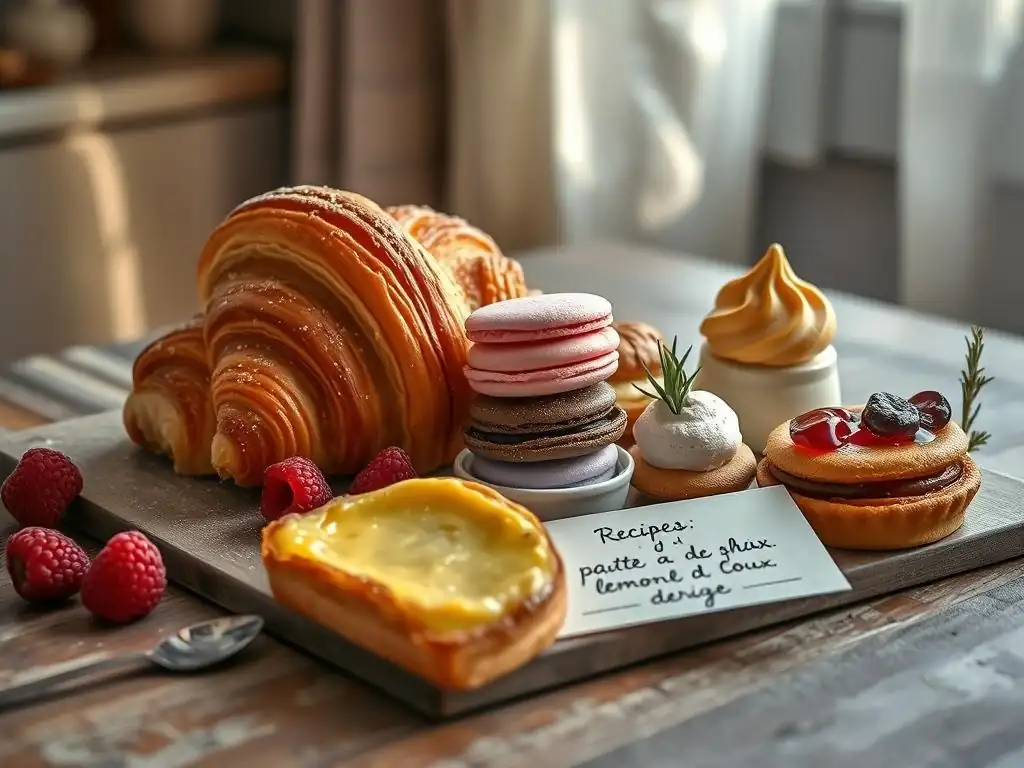
Welcome to BakeWithEase, where the magic of baking comes alive!
Ever dreamt of recreating those delectable Parisian pastries you savored on vacation? Unlocking Paris's Sweetest Secrets: A Pastry Lover's Guide is your starting point. We'll gently guide you through authentic Paris pastry recipes for beginners, transforming your kitchen into a Parisian patisserie. Intrigued? Let's begin your sweet adventure!
- Discovering the Best Paris Pastry Recipes for Beginners: A Sweet Journey
- Essential Tools & Ingredients for Recreating Parisian Pastries at Home
- Top 5 Paris Pastry Recipes for Beginners: A Step-by-Step Guide
- Advanced Tips & Tricks for Perfecting Your Paris Pastry Recipes
- Where to Find Inspiration & Further Learning for Parisian Baking
- Conclusion: Embrace the Sweetness of Parisian Baking at Home.
- Frequently Asked Questions
- Final Reflection: Embracing the Art of Pastry in Paris
- Unleash Your Inner Parisian Pâtissier!
Discovering the Best Paris Pastry Recipes for Beginners: A Sweet Journey
Embarking on the journey of baking Parisian pastries can seem daunting, but it's surprisingly accessible, even for those new to the kitchen. Paris, the undisputed capital of pastry, offers a wealth of inspiration and classic recipes that are perfect for beginners looking to expand their baking skills. This guide will walk you through some fundamental techniques and provide simple Paris pastry recipes tailored for the home baker, allowing you to recreate a taste of France right in your own kitchen.
Learning Paris pastry recipes for beginners is about more than just following steps; it's about understanding the core principles that make French baking so exquisite. From the flaky layers of a croissant to the delicate shell of a macaron, each pastry tells a story of tradition and precision. Don't be intimidated by the reputation; with patience and the right guidance, you can master these delicious treats.
Why Paris is a Pastry Paradise for Baking Enthusiasts
Paris holds a magical allure for anyone passionate about baking. It's a city where the aroma of freshly baked bread and sweet pastries fills the air, and where pâtisseries are not just shops, but cultural institutions. The sheer variety and quality of pastries found in Paris are unparalleled, making it the ultimate source of inspiration for bakers worldwide.
For centuries, Parisian bakers have refined techniques and recipes, passing down knowledge through generations. This rich history has resulted in iconic pastries like the croissant, pain au chocolat, éclairs, and macarons, which are celebrated globally. Visiting Paris, even just virtually through cookbooks and online resources, provides an immersive experience into this sweet world and offers endless ideas for Paris pastry recipes for beginners to try at home.
Understanding Parisian Pastry Techniques: A Beginner's Introduction
At the heart of Parisian baking are several fundamental techniques that, once understood, unlock the secrets to many classic pastries. While some techniques, like lamination for croissants, require practice, others are quite straightforward and form the basis of many beginner-friendly recipes. Mastering these basics is key to achieving authentic results.
One crucial technique is making pâte à choux, the light pastry dough used for éclairs and profiteroles. It involves cooking flour, water, and butter together before incorporating eggs, creating a dough that puffs dramatically when baked. Another is understanding custard bases, essential for fillings like crème pâtissière or the simple elegance of crème brûlée. For aspiring bakers tackling Paris pastry recipes for beginners, focusing on these foundational skills will build confidence and improve the outcome of their creations.
Essential Tools & Ingredients for Recreating Parisian Pastries at Home
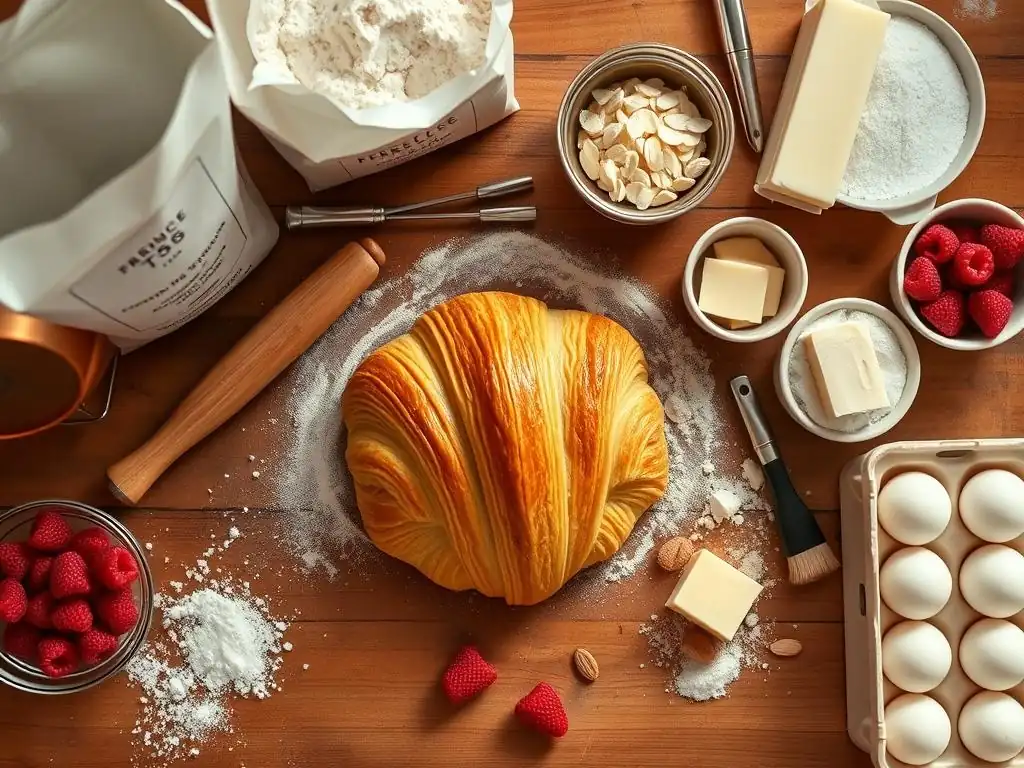
To successfully bake authentic Paris pastry recipes for beginners, having the right tools and ingredients is crucial. While you don't need a professional kitchen setup, a few key items and high-quality ingredients can make a significant difference in the ease of baking and the final result.
Investing in reliable equipment and sourcing good ingredients will elevate your baking from amateur to approaching Parisian standards. It's about using tools that make the process smoother and ingredients that provide the best flavor and texture profiles, essential for any home baker tackling French pastries.
The Baker's Starter Kit: Must-Have Tools for Paris Pastry Recipes
Building a solid foundation of baking tools is essential for anyone serious about tackling Paris pastry recipes for beginners. These tools aren't necessarily expensive or complex, but they are designed to make specific tasks in pastry making easier and more effective.
From accurate measuring devices to specialized mats, these items will become your trusted companions in the kitchen as you explore the world of French baking. Having the right equipment ensures consistency and helps prevent common baking mishaps.
Rolling Pin: Choosing the Right One for Delicate Doughs
A good rolling pin is indispensable for many Paris pastry recipes for beginners, especially those involving doughs like puff pastry or croissant dough. Traditional French rolling pins, which are taper-ended cylinders without handles, offer excellent control and allow you to feel the dough thickness directly.
However, a standard rolling pin with handles works perfectly well. The key is choosing one that is heavy enough to help press the dough evenly without requiring excessive force, which can tear delicate layers. Wood or marble pins are popular choices; marble stays cool, which is beneficial for buttery doughs.
Silpat Baking Mat: Preventing Sticking and Ensuring Even Baking
A Silpat or other silicone baking mat is a game-changer for baking many Parisian pastries. These non-stick mats provide an excellent surface for baking delicate items like macarons, éclairs, and cookies, preventing them from sticking to the baking sheet.
Beyond preventing sticking, silicone mats help distribute heat more evenly across the bottom of the pastry, leading to more consistent baking results. They are reusable, easy to clean, and a worthwhile investment for anyone regularly baking, particularly when following Paris pastry recipes for beginners.
Key Ingredients for Authentic Parisian Flavors
The quality of your ingredients is paramount when baking French pastries. Parisian bakers are known for their meticulous selection of raw materials. While you might not have access to the exact same regional products, choosing the best possible ingredients available to you will significantly impact the flavor and texture of your homemade treats.
Focusing on high-quality dairy, flour, and chocolate will bring you closer to achieving authentic Parisian taste profiles. These core ingredients form the backbone of many classic Paris pastry recipes for beginners.
French Butter: Why it Matters in Parisian Baking
Butter is a cornerstone of French pastry, and using high-quality butter, preferably one with a high fat content (typically 82% or higher), is essential for achieving the desired richness and flakiness. French butters, often cultured, have a distinct flavor profile and a firmer texture compared to many American butters (which are often around 80% fat).
The higher fat content means less water, which is crucial for creating flaky layers in laminated doughs like croissants and puff pastry. While importing French butter might be costly, look for European-style butters available locally that meet the high-fat standard. This simple ingredient swap significantly elevates Paris pastry recipes for beginners.
Beurre d'Isigny: The Key to Authentic Flavor
Among French butters, Beurre d'Isigny from the Normandy region is particularly prized for its rich flavor and vibrant yellow color, attributed to the region's lush pastures. It holds an Appellation d'Origine Protégée (AOP) status, guaranteeing its origin and traditional production methods.
While not always easy to find outside of France, using Beurre d'Isigny or a similar high-quality cultured butter with a high fat content will impart a depth of flavor that is characteristic of authentic Parisian pastries. It's an ingredient worth seeking out for the most accurate renditions of Paris pastry recipes for beginners.
Almond Flour: Adding Nutty Perfection to Your Pastries
Almond flour is a key ingredient in many French pastries, most notably macarons and financiers. It provides a delicate texture and a subtle nutty flavor that is hard to replicate with other flours. Using finely ground almond flour (also known as almond meal if slightly coarser) is crucial for achieving smooth batters and light textures.
When choosing almond flour, look for finely sifted options for recipes like macarons, where texture is paramount. For other uses like financiers or tart crusts, a slightly coarser grind might be acceptable. It's a versatile ingredient that opens up possibilities for many delicious Paris pastry recipes for beginners.
Bob's Red Mill Almond Flour: A Reliable Choice
Bob's Red Mill is a widely available brand that offers a blanched, finely ground almond flour. Blanched means the skins have been removed from the almonds before grinding, resulting in a lighter color and finer texture compared to unblanched almond meal.
This fineness and consistency make Bob's Red Mill Almond Flour a reliable choice for delicate pastries like macarons, where a smooth batter is essential for achieving the characteristic smooth shell. It's a good starting point for bakers exploring Paris pastry recipes for beginners that call for this ingredient.
Top 5 Paris Pastry Recipes for Beginners: A Step-by-Step Guide
Ready to get your hands dirty? Here are five classic Paris pastry recipes that are approachable for beginners. We've chosen recipes that introduce fundamental French baking techniques without being overly complex, perfect for building confidence in your kitchen.
These recipes have been simplified for the home baker while aiming to retain the authentic flavors and textures of their Parisian counterparts. Follow these steps closely, and you'll be enjoying delicious homemade French pastries in no time.
1. Mastering the Classic Croissant: An Easy Paris Pastry Recipe
The croissant is perhaps the most iconic Parisian pastry, known for its flaky layers and buttery aroma. While traditional lamination can be intimidating, this beginner-friendly approach simplifies the process, making it one of the most rewarding Paris pastry recipes for beginners to master.
This recipe focuses on creating a manageable dough and butter block, and guiding you through the folding process (turns) necessary to develop those characteristic layers. Patience is key, especially during chilling steps, but the result is well worth the effort.
Ingredients and Equipment Needed for Croissant Success
To make croissants, you'll need basic baking ingredients like flour, yeast, sugar, salt, milk, and a significant amount of high-quality butter (at least 82% fat). For tools, a rolling pin, a ruler or measuring tape, a sharp knife or pastry wheel, baking sheets, and parchment paper or a silicone mat are essential.
Having a cool workspace is also beneficial, as keeping the butter cold is crucial for lamination. A stand mixer can help with dough mixing, but it's not strictly necessary. Gather all your ingredients and tools before you begin to ensure a smooth process for this classic among Paris pastry recipes for beginners.
Step-by-Step Croissant Baking Guide for New Bakers
- Make the Dough: Combine flour, sugar, yeast, and salt. Add cold milk and mix until a shaggy dough forms. Knead briefly until smooth. Chill for at least 1 hour.
- Prepare the Butter Block: Shape cold butter into a rectangle (e.g., 6x8 inches) between parchment paper. Ensure it's pliable but still cold.
- First Fold (Single Turn): Roll the dough into a rectangle twice as long as your butter block. Place the butter block on one half of the dough, leaving a border. Fold the other half of the dough over the butter. Seal the edges.
- Chill: Wrap the dough and chill for 30-60 minutes.
- Second Fold (Single Turn): Roll the chilled dough into a rectangle again. Fold it into thirds like a letter (bringing one end 1/3 of the way up, then folding the other end over it).
- Chill: Wrap and chill for 30-60 minutes.
- Third Fold (Single Turn): Repeat the rolling and folding into thirds.
- Final Chill: Wrap and chill for at least 2 hours, or preferably overnight.
- Shape Croissants: Roll the dough to about 1/8 inch thick. Cut into triangles. Starting from the wide base, gently stretch and roll each triangle into a crescent shape.
- Proof: Place shaped croissants on baking sheets lined with parchment or a silicone mat. Let them proof in a warm, draft-free place until significantly puffed and jiggly (this can take 1.5 to 3 hours, depending on temperature). They should look airy.
- Bake: Brush with egg wash. Bake in a preheated oven (around 400°F/200°C) for 15-20 minutes, or until deeply golden brown and flaky.
Troubleshooting Common Croissant Baking Problems
- Butter oozing out during rolling: The butter was too soft or the dough wasn't cold enough. Ensure both are properly chilled before rolling and folding. Work quickly.
- Lack of flakiness: Not enough turns, butter was too soft and incorporated into the dough rather than staying in layers, or dough wasn't chilled enough between turns. Precision in folding and chilling is vital.
- Dense croissants: Dough was overworked, proofing was insufficient, or oven temperature was too low. Ensure proper proofing time and a hot oven.
Skillshare: Learn Croissant Baking Online
For visual learners, online platforms like Skillshare offer classes specifically on mastering croissant baking. These courses provide detailed video demonstrations of techniques like lamination and shaping, which can be incredibly helpful when tackling challenging Paris pastry recipes for beginners.
Exploring such resources can provide additional tips and insights from experienced bakers, complementing written recipes and helping you refine your technique for perfect croissants.
2. Éclairs: From Paris to Your Kitchen – A Simple Recipe
Éclairs are elegant pastries made from pâte à choux, filled with cream (often crème pâtissière), and topped with glaze. While they look sophisticated, the base pâte à choux is one of the more straightforward French doughs, making éclairs a great next step for those exploring Paris pastry recipes for beginners.
This recipe focuses on achieving the perfect choux pastry shell and then guides you through the simple steps of filling and glazing. The key is the consistency of the dough and baking them correctly to ensure they are hollow inside.
Creating the Perfect Choux Pastry: A Beginner's Guide
Choux pastry starts by heating water (or milk), butter, salt, and a pinch of sugar until the butter melts. Add flour all at once and stir vigorously over medium heat until the mixture forms a ball and pulls away from the sides of the pan, drying out slightly (this takes about 1-2 minutes).
Remove from heat and let cool slightly. Then, gradually beat in eggs, one at a time, ensuring each egg is fully incorporated before adding the next. The final dough should be smooth, glossy, and thick enough to hold a piped shape but soft enough to fall slowly from a spoon in a "v" shape. This technique is fundamental for several Paris pastry recipes for beginners.
Filling and Glazing Your Éclairs Like a Parisian Pro
Once your choux shells are baked and cooled, they are ready to be filled. The classic filling is crème pâtissière (pastry cream), a rich custard made with milk, egg yolks, sugar, flour or cornstarch, and vanilla. Simply pipe the cream into the cooled éclairs using a piping bag fitted with a plain tip (you can poke holes in the ends or the bottom).
For the glaze, a simple chocolate ganache (melted chocolate mixed with hot cream) is traditional. Dip the top of each filled éclair into the glaze or spread it with a small offset spatula. Allow the glaze to set before serving. This final touch makes your homemade éclairs look and taste professionally made, perfect for showcasing Paris pastry recipes for beginners.
Ateco Decorating Tip Set: Achieve Professional Results
Using a piping bag and a good set of tips, like those from Ateco, can significantly improve the appearance of your homemade éclairs and other piped pastries. For éclairs, a large plain round tip (like Ateco #805 or #806) is ideal for piping the dough into even strips.
A smaller tip can be used for piping the filling. Investing in a basic set of piping tips provides versatility for many Paris pastry recipes for beginners, allowing for cleaner lines and more professional-looking results.
3. Macarons Demystified: A Beginner-Friendly Paris Pastry Recipe
Macarons, those delicate almond meringue cookies sandwiched with a filling, have a reputation for being tricky, but they are definitely achievable for beginners with patience and attention to detail. This recipe uses the French meringue method, often considered slightly easier for beginners than the Italian method.
The key to successful macarons lies in precise measurements, proper technique for mixing (macaronnage), and careful baking. Mastering macarons is a rewarding challenge and a highlight for anyone trying Paris pastry recipes for beginners.
Mastering the Macaronnage Technique for Smooth Shells
Macaronnage is the crucial step where the dry ingredients (almond flour and powdered sugar) are folded into the meringue. The goal is to deflate the meringue just enough to create a smooth, flowing batter that pipes nicely but isn't too runny.
You achieve this by gently folding with a spatula, scraping down the sides and folding the mixture over itself. The batter is ready when it flows like lava or ribbon off the spatula and you can draw a figure-eight with it without the stream breaking immediately. Over-mixing is a common mistake, so stop as soon as the desired consistency is reached. This specific technique is vital for perfect macaron shells when attempting this challenging Paris pastry recipes for beginners.
Choosing the Right Macaron Filling for Exquisite Flavor
The filling is where you can get creative with your macarons. Classic choices include ganache (chocolate, white chocolate), buttercream (French, Swiss, or Italian meringue), or fruit curds. The filling should complement the flavor of the shell and provide a pleasant contrast in texture.
Ensure your filling is thick enough to hold its shape between the shells without oozing excessively. Common flavors like vanilla, chocolate, raspberry, and lemon are great starting points for beginners. A simple ganache made with 2 parts chocolate to 1 part hot cream is a reliable and delicious option.
Silpat Macaron Baking Mat: Consistent Shapes Every Time
A Silpat macaron baking mat is specifically designed with circular templates to help pipe macaron batter into consistent sizes and shapes. This uniformity is important for pairing shells after baking.
The non-stick surface also ensures the delicate shells release cleanly from the baking sheet without breaking. While you can pipe freehand or use a template under parchment paper, a dedicated macaron mat simplifies the process and helps achieve professional-looking results for this particular Paris pastry recipes for beginners.
4. Crème brûlée: A simple yet sophisticated French dessert
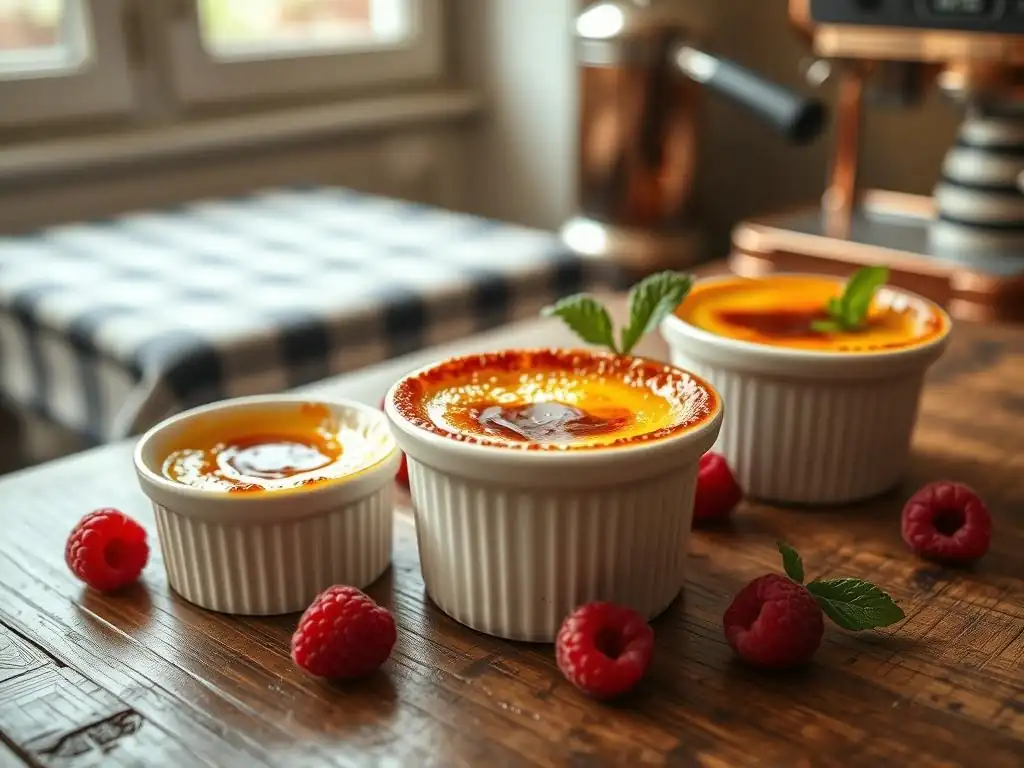
Crème brûlée is a wonderfully simple yet elegant French dessert consisting of a rich custard base topped with a layer of caramelized sugar. Despite its sophisticated appearance, it requires only a few ingredients and relatively straightforward techniques, making it an excellent addition to your list of Paris pastry recipes for beginners.
The beauty of crème brûlée lies in the contrast between the cool, creamy custard and the warm, brittle, sugary crust. It's a dessert that impresses with minimal effort.
Creating the perfect custard base
The base for crème brûlée is typically made from heavy cream, egg yolks, sugar, and vanilla. Gently heat the cream with vanilla (bean or extract) until warm but not boiling. In a separate bowl, whisk the egg yolks and sugar until pale and slightly thickened.
Temper the egg mixture by slowly whisking in a small amount of the hot cream, then gradually whisk the tempered yolks back into the remaining cream. Strain the mixture to remove any cooked egg bits or vanilla bean pieces, ensuring a perfectly smooth custard. Pour the custard into shallow ramekins.
Tips for Achieving the Perfect Brûlée
Baking crème brûlée requires a gentle heat to set the custard without curdling. The best way to do this is using a bain-marie (water bath). Place the ramekins in a larger baking dish and pour hot water into the dish until it comes halfway up the sides of the ramekins. Bake at a low temperature (around 300-325°F / 150-160°C) until the edges are set but the center is still slightly wobbly, typically 30-40 minutes.
Once baked, remove from the water bath, cool completely, and chill for at least 4 hours, or preferably overnight. Just before serving, sprinkle a thin, even layer of granulated sugar over the chilled custard and caramelize it with a blow torch until golden brown and bubbly.
Iwatani Culinary Torch: For the Perfect Caramelized Crust
A culinary torch is essential for achieving the signature brittle sugar crust on crème brûlée. While you can attempt this under a broiler, a torch provides more control and prevents the custard from overheating. The Iwatani Culinary Torch is a popular and reliable choice, attaching to a standard butane canister.
Using a torch allows you to caramelize the sugar quickly and evenly, creating that satisfying crack when you break through it with a spoon. It's a tool that makes this Paris pastry recipes for beginners feel truly authentic.
5. Pain au Chocolat: A Beginner's Delight
Pain au chocolat, or chocolate bread, is another beloved viennoiserie similar to a croissant but filled with chocolate. This recipe utilizes a slightly simplified laminated dough process, making it one of the more accessible Paris pastry recipes for beginners involving lamination.
The joy of pain au chocolat comes from the combination of flaky, buttery layers and pockets of melted dark chocolate. It's a perfect pastry to enjoy with coffee.
Understanding the Lamination Process
Lamination is the technique of repeatedly folding butter into dough, creating alternating layers. As the pastry bakes, the water in the butter turns to steam, forcing the layers apart and creating flakiness. For pain au chocolat, you typically perform several "turns" (folding the dough like a letter after rolling), chilling the dough between each turn to keep the butter cold and firm.
While a full croissant lamination can involve three or four turns, a simplified recipe might use two or three, still yielding delicious, flaky results. Patience and keeping the dough and butter cold are the most critical aspects of this technique for Paris pastry recipes for beginners.
The Best Chocolate for Pain au Chocolat
Choosing the right chocolate is key to a great pain au chocolat. Traditionally, two sticks or bâtons of dark chocolate are used per pastry. The chocolate should be baking-specific, meaning it's formulated to hold its shape and not burn during baking.
Look for good quality dark chocolate (around 60-70% cocoa content) that you enjoy eating on its own. The quality of the chocolate will directly impact the richness and flavor of the finished pastry. Avoid using standard chocolate chips, which often contain stabilizers that prevent smooth melting.
Valrhona Chocolate Baking Bar: Elevate Your Pastries
Valrhona is a highly regarded French chocolate manufacturer known for its premium quality. Using a Valrhona dark chocolate baking bar, cut into appropriate-sized sticks, can significantly enhance the flavor of your pain au chocolat.
Their chocolate melts beautifully and provides a deep, rich chocolate flavor that perfectly complements the buttery pastry. While a bit more expensive, using high-quality chocolate like Valrhona makes a noticeable difference in the final taste of this delicious Paris pastry recipes for beginners.
Advanced Tips & Tricks for Perfecting Your Paris Pastry Recipes
Once you've successfully made a few Paris pastry recipes for beginners, you might be ready to refine your technique and aim for even better results. These advanced tips cover common areas where home bakers can improve their skills and take their pastries to the next level.
Paying attention to small details can make a big difference in the texture, flavor, and appearance of your baked goods.
Achieving the Perfect Texture: Baker's Secrets Revealed
Texture is paramount in French pastry. For laminated doughs like croissants, achieving maximum flakiness requires careful attention to butter temperature and even rolling during the turns. Ensure your butter is pliable but cold, and roll evenly to maintain consistent layers. For choux pastry, drying the flour mixture on the stove properly is key to a light, airy shell.
For custards, cooking gently over low heat or in a water bath prevents curdling and ensures a smooth, creamy consistency. Proper cooling and chilling times are also crucial for setting textures. Don't rush the process; patience often leads to better texture in Paris pastry recipes for beginners.
Flavor Variations: Experimenting with Parisian Pastry Recipes
Once you've mastered the basic Paris pastry recipes for beginners, don't hesitate to experiment with flavor variations. Add citrus zest to your crème pâtissière, infuse cream with herbs like lavender or mint, or incorporate fruit purees into fillings.
For croissants and pain au chocolat, consider different fillings beyond just plain chocolate – perhaps almond paste, fruit preserves, or even savory options like cheese. Macarons offer endless flavor possibilities through different shell colors and filling combinations. Start with simple variations and gradually become more adventurous.
Storage and Presentation: Making Your Pastries Look and Taste Amazing
Proper storage is essential for maintaining the quality of your homemade Parisian pastries. Laminated pastries like croissants are best eaten fresh, ideally within a few hours of baking. Store cooled pastries in an airtight container at room temperature for a day, or freeze for longer storage (reheat gently before serving).
Éclairs and macarons with cream fillings should be stored in the refrigerator due to the dairy. Presentation is also important; arrange pastries neatly on a platter, dust with powdered sugar, or glaze with a mirror glaze to give them a professional finish. Even simple Paris pastry recipes for beginners benefit from thoughtful presentation.
Where to Find Inspiration & Further Learning for Parisian Baking
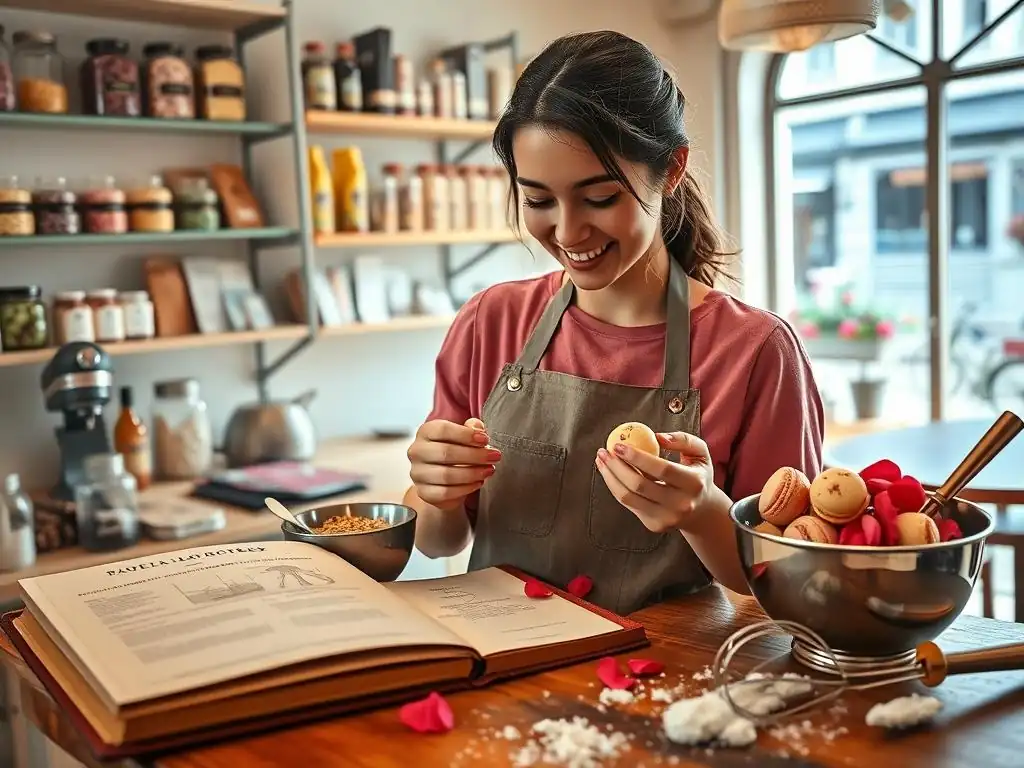
The world of Parisian pastry is vast and continually evolving. Once you've tackled some Paris pastry recipes for beginners, you might want to deepen your knowledge and explore more complex techniques. Fortunately, there are many excellent resources available.
From classic cookbooks to online courses and even planning a trip, continuous learning is part of the joy of baking.
Recommended Cookbooks: Your Guide to Mastering Paris Pastry
Cookbooks remain an invaluable resource for learning classic Paris pastry recipes for beginners and beyond. Look for books by renowned French chefs or those focused specifically on French baking techniques. They often provide detailed explanations and beautiful photographs to guide you.
A good French baking cookbook will cover foundational doughs, creams, and techniques, building your skills systematically.
Mastering the Art of French Cooking, Vol. 1: A Classic Guide
While not exclusively a pastry book, Julia Child's "Mastering the Art of French Cooking, Volume 1" is a foundational text that introduces many classic French techniques, including some basic pastry doughs and desserts like génoise and crème caramel.
Its detailed instructions and focus on understanding the 'why' behind the steps make it an excellent resource for any serious home cook or baker, providing a solid base before diving deeper into complex Paris pastry recipes for beginners.
Online Resources: Expanding Your Pastry Knowledge
The internet offers a wealth of resources for learning about Parisian pastry. Websites like BakeWithEase.com provide step-by-step guides and tips. Many professional pastry chefs and baking schools offer online courses, tutorials, and videos (though links are not included here).
Searching for specific techniques like "how to laminate dough" or "making perfect choux pastry" can yield helpful visual guides. Online baking communities and forums also allow you to connect with other bakers and troubleshoot problems when working on Paris pastry recipes for beginners.
Explore Foodie Destinations for Pastry Lovers in France: A trip to Paris
For the ultimate inspiration, consider exploring foodie destinations for pastry lovers in France. A trip to Paris allows you to visit famous pâtisseries, sample a wide variety of pastries, and observe the artistry firsthand.
Experiencing authentic Parisian pastries in their birthplace can provide unparalleled insight into the desired textures, flavors, and aesthetics you aim to achieve in your own baking. It's a delicious form of research for anyone passionate about Paris pastry recipes for beginners and beyond.
Conclusion: Embrace the Sweetness of Parisian Baking at Home.
Embarking on the journey of baking Paris pastry recipes for beginners is a rewarding experience. It challenges you to learn new techniques, work with quality ingredients, and practice patience. While some pastries have a reputation for difficulty, starting with simpler recipes and gradually building your skills will make the process enjoyable and successful.
Don't be discouraged by imperfections; every bake is a learning opportunity. With practice, you'll gain confidence and be able to recreate the sweet magic of a Parisian pâtisserie in your own kitchen. So preheat your oven, gather your ingredients, and enjoy the delicious process of unlocking Paris's sweetest secrets!
Frequently Asked Questions
What makes Parisian pastries appealing for beginners?
Parisian pastries often have simple, elegant flavors and techniques that are surprisingly approachable. BakeWithEase offers step-by-step guides and easy-to-find ingredients to make them accessible.
Where can I find reliable Paris pastry recipes for beginners?
BakeWithEase.com is your go-to resource for mastering the art of baking, specifically with simple recipes perfect for beginners looking to explore Parisian pastries.
What are some essential ingredients for making Parisian pastries at home?
Common ingredients include flour, butter, sugar, eggs, and extracts like vanilla. BakeWithEase recipes emphasize easily sourced ingredients for a seamless baking experience.
What if I don’t have prior baking experience?
No problem! BakeWithEase caters to bakers of all levels. Our recipes are designed with beginners in mind, offering clear instructions and helpful tips.
Can I adapt Parisian pastry recipes to be gluten-free or vegan?
While traditional recipes use gluten, BakeWithEase may offer adapted versions or tips on substituting ingredients to accommodate dietary needs, but check the recipe details.
Final Reflection: Embracing the Art of Pastry in Paris
In a world where culinary experiences can transport us to different cultures, the art of pastry-making stands out as a delightful gateway to the heart of Paris. The exploration of Paris pastry recipes for beginners not only highlights the rich tradition of French baking but also invites us to engage with a craft that is both accessible and rewarding. As we delve into the sweet secrets of Paris, we discover that these recipes are not merely instructions but pathways to creativity and connection.
The influence of French pastry extends far beyond the borders of Paris, shaping culinary landscapes and inspiring home bakers around the globe. The delicate balance of flavors and textures found in pastries serves as a reminder of the beauty in craftsmanship and the joy of sharing creations with loved ones. As Julia Child famously said, "> No one is born a great cook, one learns by doing." This sentiment resonates deeply, encouraging us to embrace our culinary journeys, regardless of our starting point.
As you reflect on the sweet secrets unveiled in this guide, consider how you can bring a piece of Paris into your own kitchen. Let the art of pastry-making inspire you to create, share, and savor moments with those around you. Whether you are a seasoned baker or just beginning, the joy of crafting a perfect pastry is a journey worth embarking on. So, gather your ingredients, roll up your sleeves, and unlock the delicious potential that awaits you in the world of Parisian pastries!
Unleash Your Inner Parisian Pâtissier!
Thanks for joining us on this delicious journey through Paris's pastry scene! We hope you've discovered some new favorites and are feeling inspired to bake (or travel!). Now it's time to put your newfound knowledge to the test:
- Bake your own Parisian masterpiece: Try one of the recipes we mentioned, or search online for your own favorite French pastry. Don't be afraid to experiment!
- Share your baking adventures: Post a picture of your creation on social media and tag us – we'd love to see your results! Use #BakeWithEaseParis.
- Explore a local French patisserie: If you're near a bakery specializing in French pastries, take a moment to indulge in a real-life taste test.
Ready to embark on your own Parisian pastry adventure? What delectable treat will you create first?