
Is a Chocolate Tasting Tour Worth the Indulgence? Costs and Benefits

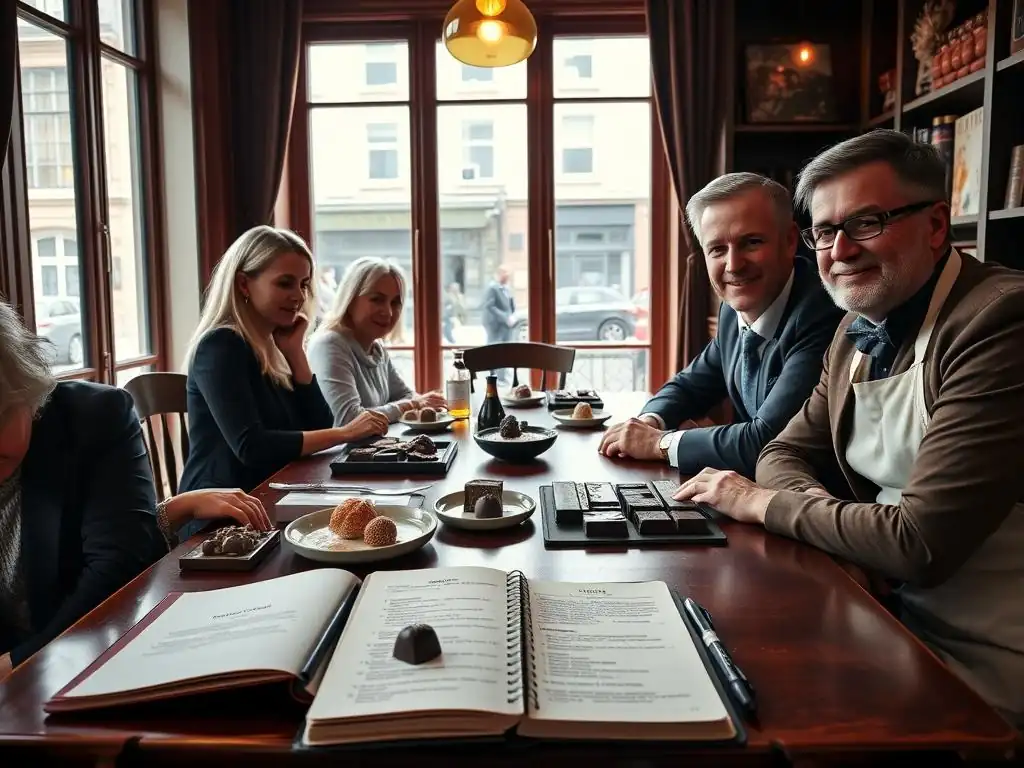
Welcome to BakeWithEase, your trusted guide in the delightful world of baking! Ever wondered if that tempting chocolate tasting tour is truly worth the indulgence? We delve into the sweet details, weighing the costs and benefits in our latest article. Discover whether this experience aligns with your passion for baking and satisfies your sweet tooth's curiosity. Let's explore together!
- Is a Chocolate Tasting Tour Worth the Indulgence? Costs and Benefits for Chocolate Enthusiasts
- Introduction: The Allure of Chocolate Tasting Tours
- Understanding the Benefits of Chocolate Tasting Tours
- Examining the Costs Associated with Chocolate Tasting Tours
- Real-World Examples: Chocolate Tasting Tour Experiences - Pros and Cons
- Maximizing Your Chocolate Tasting Tour Experience
- Conclusion: Weighing the Chocolate Tasting Tour Benefits vs. Costs
-
Frequently Asked Questions
- What are the main benefits of going on a chocolate tasting tour?
- How much does a typical chocolate tasting tour cost?
- What factors should I consider when evaluating the cost-benefit ratio of a chocolate tasting tour?
- Are there any potential drawbacks to attending a chocolate tasting tour?
- Where can I find reputable chocolate tasting tours?
- Final Reflection: The Sweet Truth About Chocolate Tasting Tours
- Unleash Your Inner Chocoholic: Take the Next Step!
Is a Chocolate Tasting Tour Worth the Indulgence? Costs and Benefits for Chocolate Enthusiasts
Introduction: The Allure of Chocolate Tasting Tours
For many, chocolate is more than just a sweet treat; it's a complex world of flavors, aromas, and textures waiting to be explored. A chocolate tasting tour offers a structured way to dive deep into this world, guided by experts who can unveil the nuances often missed in everyday consumption. These tours promise an indulgent experience, taking enthusiasts behind the scenes of chocolate making, from bean to bar, and providing insights into the origins and craftsmanship of fine chocolate.
Stepping into the realm of chocolate tasting tours can feel like embarking on a delicious adventure. It's an opportunity to connect with the source of your favorite ingredient, understand the intricate processes involved in its creation, and refine your palate to appreciate the subtle differences between various types of chocolate. Whether you're a casual admirer or a dedicated home baker looking to source better ingredients, understanding the chocolate tasting tour benefits costs is key to deciding if this experience is the right fit for you.
Understanding the Benefits of Chocolate Tasting Tours
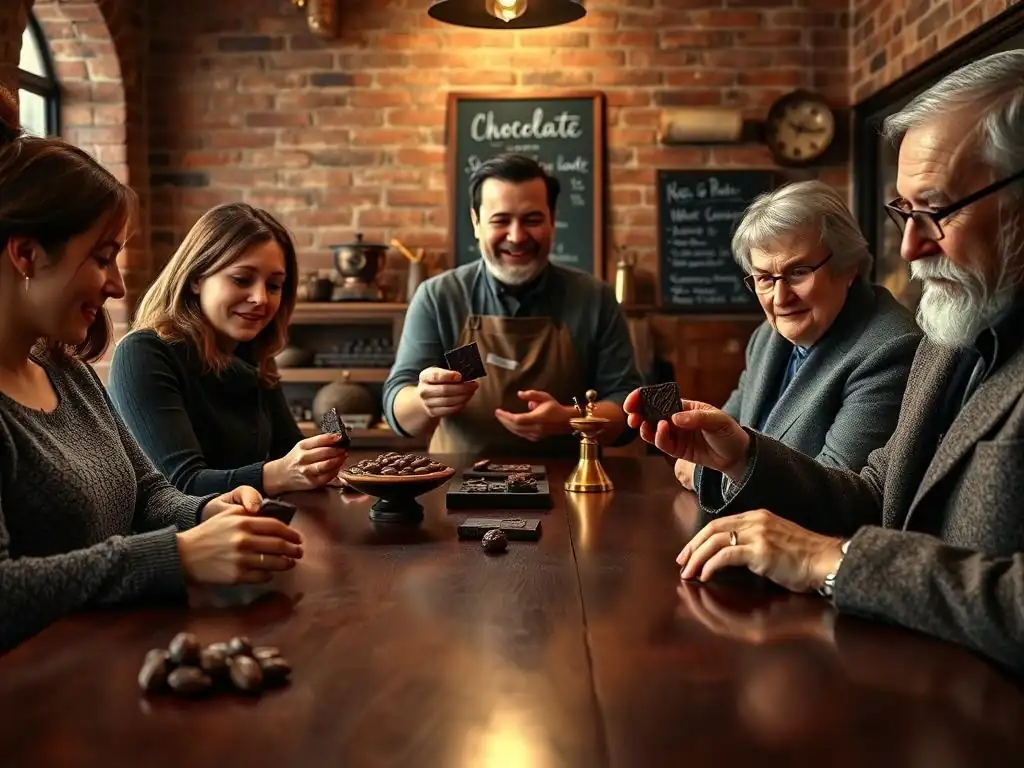
Exploring the world of chocolate through a guided tour provides numerous advantages, particularly for those passionate about baking and confectionery. These experiences offer unique insights and practical knowledge that can significantly enhance your appreciation and skills. Evaluating the potential benefits is the first step in assessing the value of a chocolate tasting tour.
Sensory Education and Chocolate Appreciation
One of the primary benefits of a chocolate tasting tour is the intensive sensory education it provides. You learn how to properly taste chocolate, moving beyond simply eating it to engaging all your senses: sight (examining the sheen), smell (identifying aromas before tasting), snap (listening to the break), and taste (evaluating flavor notes, melt, and finish). Guides often introduce you to a range of chocolates, from high-percentage dark chocolate to single-origin varieties and those with unique inclusions, helping you identify distinct characteristics like fruitiness, nuttiness, earthiness, or floral notes.
This guided exploration of flavor profiles can significantly sharpen your palate. You might taste chocolates derived from cocoa beans grown in different regions—perhaps a fruity note from Madagascar, a rich, earthy tone from Ecuador, or a spicy hint from the Caribbean. Understanding these regional differences and the impact of fermentation, roasting, and conching processes allows you to appreciate the complexity in each piece. Many tours sample anywhere from 5 to 15 different chocolate varieties, providing a broad spectrum of experiences in a single session, fundamentally changing how you perceive and enjoy chocolate thereafter.
Expanding Your Baking Knowledge and Ingredient Selection
For home bakers, a chocolate tasting tour offers invaluable insights into ingredient quality and selection. You'll often learn about the difference between couverture chocolate (high cocoa butter content, ideal for tempering) and compound chocolate (made with vegetable fats, easier to melt but lacking complexity). Understanding cocoa percentages and how they affect flavor and texture is crucial for recipe success, and tours often demonstrate this by comparing chocolates with varying cocoa levels, such as 60%, 70%, and 85% dark chocolate.
Furthermore, tours can educate you on ethical sourcing and the importance of supporting bean-to-bar makers or companies committed to fair trade practices. Knowing where your chocolate comes from and how it's produced can influence your purchasing decisions, leading you to select higher-quality, more flavorful ingredients for your baking. Learning directly from chocolatiers about tempering techniques, the science of crystallization, and the best ways to melt and work with chocolate can elevate your baking skills, ensuring better results in everything from ganaches and mousses to molded chocolates.
Networking with Chocolate Experts and Fellow Enthusiasts
Chocolate tasting tours often provide an opportunity to connect with passionate individuals within the chocolate community. This includes the chocolatiers, guides, or farmers who host the tour, offering direct access to their expertise. You can ask specific questions about their craft, sourcing, or even troubleshooting common chocolate issues in baking. For instance, a small group tour might allow for personalized interactions, where a chocolatier might share a tip on preventing chocolate from seizing or achieving a perfect temper.
Beyond the experts, these tours gather fellow chocolate lovers. This creates a fertile ground for networking and sharing experiences. You might meet other home bakers, food bloggers, or simply people who share your passion for fine chocolate. Conversations can lead to discovering new brands, recipes, or even forming connections for future collaborations or shared baking projects. Many tours, especially those focused on smaller, artisanal producers, foster a sense of community among participants, adding a valuable social dimension to the experience.
Indulgent Experience and Travel Opportunity
At its core, a chocolate tasting tour is a delightful indulgence. It's a dedicated block of time focused solely on the pleasure of tasting and learning about one of the world's most beloved treats. The setting is often inviting, whether it's a cozy chocolate shop, a working factory, or a beautiful farm. This focused sensory experience provides a wonderful escape from daily routines and a chance to simply savor the moment and the exquisite flavors presented.
Moreover, many renowned chocolate destinations are located in fascinating cities or regions known for their culinary scenes or cultural attractions. Taking a chocolate tour can easily be integrated into a broader travel plan, offering a delicious activity while exploring a new place. Imagine taking a tour in Brussels, known for its pralines, or visiting cocoa farms in Costa Rica. This combination of culinary exploration and travel amplifies the overall value, turning a simple tasting into a memorable part of a larger adventure.
Examining the Costs Associated with Chocolate Tasting Tours
While the benefits are certainly enticing, it's essential to consider the financial and time investments required for a chocolate tasting tour. Understanding the various expenses and commitments involved helps in determining if the experience aligns with your budget and schedule, providing a balanced view of the chocolate tasting tour benefits costs.
Financial Investment: Tour Fees, Travel, and Accommodation
The most direct cost is the tour fee itself. These vary widely depending on the location, duration, exclusivity, and what's included. Basic walking tours focused on tasting in a city might range from $30 to $75 per person for a 1-2 hour experience. Factory tours or more in-depth workshops can cost significantly more, potentially ranging from $75 to over $200 per person, especially if they include hands-on activities or extensive tastings of premium products.
Beyond the tour fee, travel expenses are often the most substantial cost, particularly if the desired tour is not local. Flights or long-distance travel to a destination city can easily add hundreds or even thousands of dollars to the total cost. Accommodation costs also need to be factored in, with hotel prices varying greatly by location, season, and type of lodging. A weekend trip for a tour in a major city could easily incur $200-$500+ in accommodation costs alone, making the overall financial commitment significant when evaluating the complete chocolate tasting tour benefits costs.
Time Commitment and Scheduling Considerations
Participating in a chocolate tasting tour requires a dedicated block of time. The tours themselves typically range from one to three hours, but you must also account for travel time to and from the location, potential waiting time, and time spent before or after the tour exploring the area or purchasing products. A tour might be scheduled for 2 PM, but require you to allocate perhaps 3-4 hours of your day once travel and pre/post-tour activities are included.
If the tour is in a different city or country, the time commitment expands significantly to include travel days. A trip for a tour might require a full weekend or even several days, depending on travel distance and desired stay length. This involves taking time off work or other commitments, which has its own opportunity cost. Planning and booking the tour, travel, and accommodation also consume time, adding another layer to the overall time investment required for the experience.
Potential for Disappointment or Overwhelm
While tours aim to provide a positive experience, there's always a potential for disappointment. The specific chocolates tasted might not align with your preferences, the guide might not be engaging, or the information provided might not be as in-depth as expected. For example, a tour focused heavily on the history of a large brand might not satisfy someone hoping for detailed insights into artisanal bean-to-bar production. The quality of the chocolate sampled can also vary; not all tours feature premium, high-quality products.
Furthermore, the intensity of tasting multiple rich chocolate samples in quick succession can sometimes lead to palate fatigue or even a feeling of being overwhelmed, rather than pure enjoyment. If the tour is rushed or the group is very large, the personal touch and opportunity for questions might be limited. These factors can detract from the intended experience and might make you question if the investment of time and money was truly worthwhile when considering the chocolate tasting tour benefits costs.
Real-World Examples: Chocolate Tasting Tour Experiences - Pros and Cons
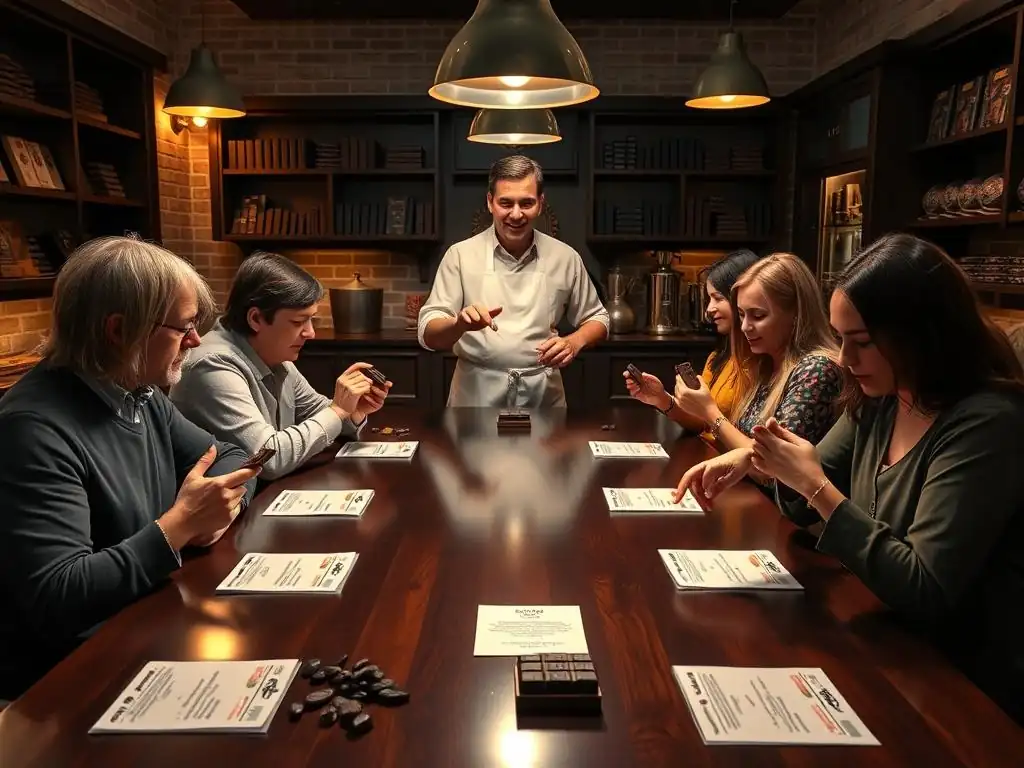
Looking at specific examples can help illustrate the tangible chocolate tasting tour benefits costs in practice. Different tours offer vastly different experiences, catering to various interests and budgets. Examining a couple of distinct types of tours provides a clearer picture of what you might encounter.
Case Study 1: Dandelion Chocolate Factory Tour, San Francisco
Dandelion Chocolate, a renowned bean-to-bar maker in San Francisco, offers factory tours that provide a deep dive into their specific process. A typical tour lasts about 60-90 minutes and focuses on how they transform raw cocoa beans into finished chocolate bars using minimal ingredients (often just cocoa beans and sugar). The cost for this tour is usually in the range of $50-$75 per person.
- Pros: Participants gain a hands-on understanding of the bean-to-bar process, seeing the machinery and steps involved. The tasting portion focuses on comparing single-origin chocolates, highlighting the impact of terroir and processing on flavor. It's highly educational for bakers interested in sourcing high-quality, ethically produced chocolate. The scale is relatively small and artisanal, offering a personal feel.
- Cons: Located in San Francisco, attending requires travel and accommodation costs if you're not local, which can add hundreds or thousands of dollars. The focus is specifically on Dandelion's method, so it might not cover the broader spectrum of chocolate making or other types of chocolate products like truffles or pralines in detail. The price point is moderate for a factory tour but still a notable expense.
Case Study 2: Original Swiss Chocolate Adventure, Switzerland
Located near Lucerne, Switzerland, the Swiss Chocolate Adventure is part of the Swiss Museum of Transport and offers an interactive multimedia journey through the origin, production, and transport of chocolate. This is less of a traditional tasting tour and more of an immersive, ride-based experience. The cost is approximately $30-$40 per person for the adventure part.
- Pros: It's highly accessible and engaging, suitable for families and those new to the world of chocolate. It provides a broad overview of chocolate history, global production, and Switzerland's role. It's part of a larger museum complex, offering additional activities. The cost is relatively low compared to dedicated artisanal tasting tours.
- Cons: The focus is more on entertainment and history than detailed sensory tasting or baking-specific knowledge. The chocolate tasting portion is typically limited to a few samples at the end, without the guided, analytical approach found in specialized tasting tours. It doesn't offer insight into artisanal or bean-to-bar production methods, which might be a drawback for serious baking enthusiasts.
Maximizing Your Chocolate Tasting Tour Experience
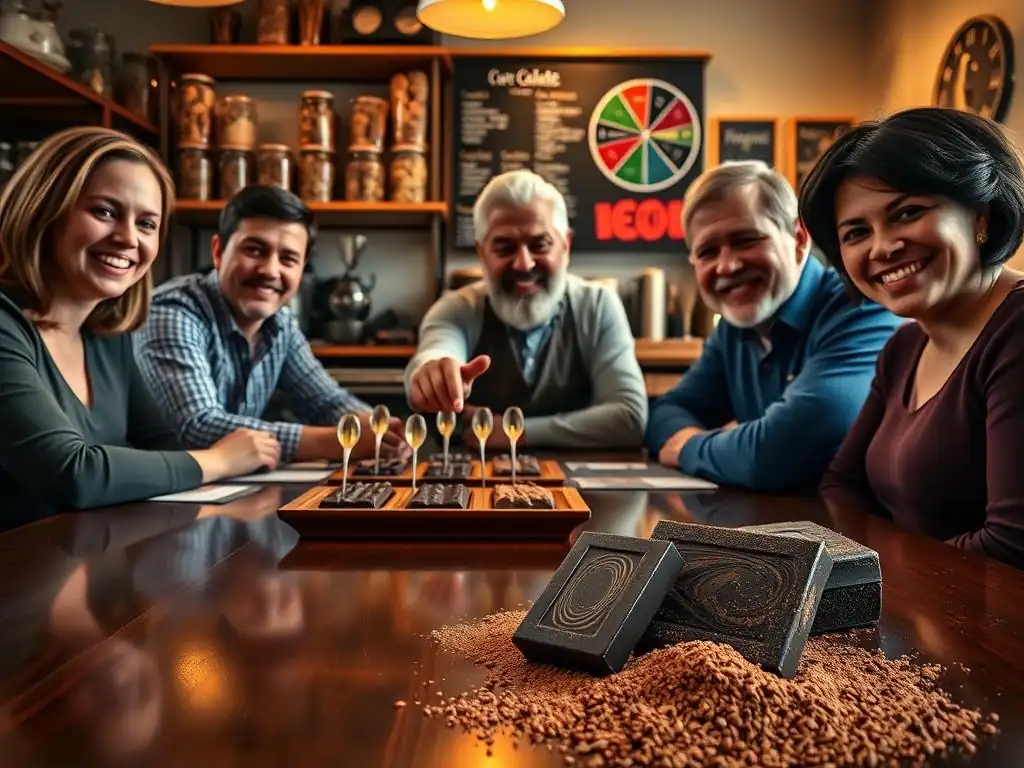
To ensure you get the most value from your investment in a chocolate tasting tour, especially when considering the chocolate tasting tour benefits costs, a little preparation and strategic thinking can go a long way.
Tips for Choosing the Right Tour
Selecting a tour that aligns with your interests is crucial. Consider what you hope to gain: Are you interested in the bean-to-bar process, historical context, pairing chocolate with other foods, or simply tasting a wide variety? Read tour descriptions carefully and look at reviews from previous participants. Check the tour's focus—some are primarily historical, others are production-focused, and some are purely about sensory tasting.
- Research the tour operator and guides. Do they have expertise?
- Look at the size of the group. Smaller groups often allow for more interaction.
- Check what types of chocolate will be tasted. Are they high-quality? Ethically sourced?
- Consider the location and accessibility relative to your travel plans.
- Compare pricing and what's included (e.g., samples, take-home treats, hands-on elements).
Preparing Your Palate for Optimal Tasting
Just like wine tasting, preparing your palate can significantly enhance your chocolate tasting experience. Avoid strong flavors immediately before the tour, such as coffee, mint, or spicy food, as these can linger and interfere with your ability to discern subtle chocolate notes. Drink some water beforehand to cleanse your palate.
During the tasting, pay attention to the guide's instructions. They will likely guide you through the steps: looking at the chocolate's appearance, smelling its aroma, listening to the snap, letting it melt slowly in your mouth, and identifying the flavors that emerge over time. Don't be afraid to take notes, either mentally or physically, about what you taste and feel. This active engagement helps solidify the learning and makes the experience more rewarding.
Applying Your New Knowledge to Baking
The knowledge gained on a chocolate tasting tour is incredibly valuable for baking. Use your enhanced understanding of flavor profiles to select the best chocolate for specific recipes. For instance, a chocolate with strong fruity notes might be perfect for a ganache paired with berries, while a chocolate with deeper roasted notes could excel in brownies or cookies.
Experiment with different cocoa percentages based on what you learned about their impact on texture and intensity. Pay attention to the quality and origin of the chocolate you buy, seeking out brands mentioned or sampled on the tour that align with your values and flavor preferences. Your newfound appreciation for chocolate quality will undoubtedly translate into more delicious and nuanced baked goods.
Conclusion: Weighing the Chocolate Tasting Tour Benefits vs. Costs
Ultimately, deciding if a chocolate tasting tour is "worth it" depends on your individual priorities, budget, and what you hope to gain. The chocolate tasting tour benefits costs analysis reveals that while the financial investment can be significant, especially when factoring in travel, the potential rewards in terms of sensory education, baking knowledge, networking, and sheer indulgence are substantial.
For dedicated chocolate enthusiasts and home bakers, the educational value and the opportunity to refine one's palate and ingredient selection can provide a long-term return on investment, improving the quality of your baking and deepening your appreciation for chocolate. Consider your budget carefully, research tours that match your specific interests, and prepare to engage fully with the experience. If the potential benefits—a richer understanding, enhanced skills, and a truly delicious experience—outweigh the financial and time costs for you, then a chocolate tasting tour can indeed be a worthwhile and highly rewarding indulgence.
Frequently Asked Questions
What are the main benefits of going on a chocolate tasting tour?
Chocolate tasting tours provide a unique sensory experience, allowing you to learn about different chocolate varieties and production methods. You also get to discover new flavors and support local chocolatiers.
How much does a typical chocolate tasting tour cost?
The cost varies depending on the tour's length, inclusions, and location. Generally, you can expect to pay anywhere from $50 to $150, but some exclusive tours can be pricier.
What factors should I consider when evaluating the cost-benefit ratio of a chocolate tasting tour?
Think about your personal interest in chocolate, the tour's educational value, the quality of the samples, and whether the experience aligns with your budget. Consider if the unique experience will be worth the price.
Are there any potential drawbacks to attending a chocolate tasting tour?
Some tours might focus on specific types of chocolate, which might not appeal to everyone. Also, be mindful of potential sugar overload and the possibility of overspending on chocolate purchases.
Where can I find reputable chocolate tasting tours?
Check online reviews and local listings for reputable tour operators. Look for tours that offer knowledgeable guides, high-quality chocolate, and a transparent pricing structure, as well as carefully curated tastings.
Final Reflection: The Sweet Truth About Chocolate Tasting Tours
The allure of a chocolate tasting tour extends far beyond mere indulgence; it's an experience that unlocks a world of flavor, history, and cultural understanding. While the initial cost might seem steep to some, the richness of the experience, as detailed throughout this article, often outweighs the financial investment. The benefits, from heightened sensory awareness to a deeper appreciation for the craft of chocolate making, are undeniable.
The impact of these tours goes beyond personal enjoyment; they support local artisans, preserve traditional techniques, and foster a sense of community around this beloved treat. As one chocolatier eloquently stated, Chocolate is more than just a food; it's a story told through flavor, a journey from bean to bar.
This sentiment perfectly encapsulates the transformative power of a well-crafted chocolate tasting tour, enriching not only the individual participant but also the cultural landscape surrounding chocolate production.
Consider the lessons learned within this article. Did you discover a newfound appreciation for the nuances of cacao? Perhaps you've been inspired to seek out a local chocolatier or even try your hand at making your own chocolate. Now, I challenge you to take that next step. Whether it's booking a tour, supporting local businesses, or simply savoring a piece of high-quality chocolate with a more discerning palate, let the journey of discovery continue. Embrace the sweet rewards of mindful indulgence.
Unleash Your Inner Chocoholic: Take the Next Step!
Thanks for exploring the delicious world of chocolate tasting tours with us! We hope you now have a clearer picture of the costs and benefits involved. Ready to dive deeper into this decadent adventure?
- Plan Your Dream Chocolate Escape: Research local tours or plan a trip to a renowned chocolate region. Consider your budget and desired level of indulgence to find the perfect fit. This is your chance to truly experience the art of chocolate making.
- Share Your Sweet Discoveries: Tell your friends and family about your newfound chocolate knowledge – or lack thereof! Spark some sweet conversations and inspire others to embark on their own chocolate journeys.
- Leave a Comment Below: What's the most intriguing aspect of chocolate tasting tours for you? What kind of experience are you hoping to find?
Ready to turn your chocolate dreams into a reality?