
Starting LowSugar Baking? Essential Tips for Beginners


Welcome to BakeWithEase, your kitchen companion on a delicious journey! Ever dreamt of indulging in your favorite baked treats without the guilt? Our latest guide dives into the world of low sugar baking tips, perfect for beginners and seasoned bakers alike. Discover how to create healthier, equally satisfying desserts – and unlock the secrets to a sweeter, guilt-free baking experience. Intrigued? Let's get started!
- Embracing Low-Sugar Baking: A Beginner's Guide
- Navigating the World of Low-Sugar Baking
- Understanding Low-Sugar Baking
- Key Ingredients for Low-Sugar Baking
- Top 5 Low-Sugar Baking Tips
- Troubleshooting Common Low-Sugar Baking Challenges
- Beginner-Friendly Recipe: Low-Sugar Banana Bread
- Resources for Low-Sugar Baking
- Expanding Your Low-Sugar Baking Skills
-
Frequently Asked Questions
- What are the main benefits of low-sugar baking?
- What are some common sugar substitutes used in low-sugar baking?
- How do I adjust a traditional recipe to reduce the sugar content?
- Will reducing sugar affect the texture and browning of my baked goods?
- Where can I find reliable low-sugar baking recipes and guidance?
- Final Reflection: Embracing the Sweetness of Low-Sugar Baking
- Unlock Your Low-Sugar Baking Potential!
Embracing Low-Sugar Baking: A Beginner's Guide
Welcome to the fascinating world of low-sugar baking! Whether you're looking to reduce your sugar intake for health reasons, dietary needs, or simply to explore new flavors, this guide is designed to help you take your first steps. Low sugar baking tips are essential for success, as swapping out granulated sugar isn't always a simple one-to-one exchange. It involves understanding new ingredients and techniques to achieve delicious results without the typical sweetness level.
Embarking on low sugar baking can feel daunting at first, but with the right knowledge, it becomes a rewarding journey. We'll cover everything from understanding why and how to bake with less sugar to exploring alternative ingredients and mastering essential low sugar baking tips. By the end of this guide, you'll be equipped to bake treats that are not only lower in sugar but also full of flavor and satisfying texture.
Understanding Low-Sugar Baking
What is Low-Sugar Baking and Why Consider It?
Low-sugar baking involves significantly reducing or entirely eliminating granulated sugar from recipes, often replacing it with alternative sweeteners or relying on the natural sweetness of other ingredients like fruits. It's not just about cutting calories; sugar plays multiple roles in traditional baking, including providing moisture, tenderness, structure, and aiding in browning. Therefore, simply removing sugar without compensation can lead to dry, dense, or pale baked goods.
People consider low sugar baking for various reasons. Health is a primary driver, with concerns about blood sugar levels, weight management, and overall metabolic health. Dietary restrictions, such as managing diabetes or following a ketogenic or low-carbohydrate lifestyle, also make reduced sugar baking a necessity. Furthermore, some bakers simply prefer a less intensely sweet flavor profile, allowing the nuances of other ingredients like cocoa, spices, or fruits to come through more prominently. Mastering low sugar baking tips helps address these motivations effectively.
Health and Flavor: The Benefits of Reduced Sugar
Reducing sugar in your baked goods offers notable health benefits. A primary advantage is a lower glycemic impact, which can help manage blood sugar levels and reduce energy crashes. For someone managing diabetes, this is crucial. Additionally, cutting down on added sugars contributes to lower calorie intake, which is beneficial for weight management. The World Health Organization recommends limiting added sugars to less than 10% of total daily energy intake, and low-sugar baking is a practical way to contribute to this goal.
Beyond health, reducing sugar can dramatically enhance the flavor profile of your baking. Traditional recipes often use high amounts of sugar that can overpower subtle tastes. By using less sugar or alternative sweeteners, you allow the natural flavors of ingredients like nuts, seeds, whole grains, fruits, chocolate, and spices to become more pronounced.
Imagine a spiced apple muffin where the cinnamon and apple flavor truly shine, or a dark chocolate cookie with deep, complex cocoa notes, rather than just tasting overwhelmingly sweet. This focus on ingredient quality and natural flavors is a key aspect of successful low sugar baking tips.
Essential Tools for Low-Sugar Baking
While you don't need an entirely new set of tools to start low-sugar baking, some items become particularly valuable. A high-quality digital kitchen scale is arguably the most important tool. Precision is paramount when working with alternative flours and sweeteners, as their densities and absorption rates differ significantly from sugar and all-purpose flour. Measuring by weight rather than volume provides consistent results, which is vital when adapting recipes or experimenting with new ingredients.
Other helpful tools include standard baking essentials like measuring cups and spoons (though prioritize the scale), mixing bowls, whisks, spatulas, and baking pans. For recipes using certain sugar alcohols or high-intensity sweeteners, a good blender or food processor can be useful for achieving a fine, uniform texture if the sweetener is granular. Oven thermometers are also beneficial, as low-sugar baked goods can sometimes brown faster or differently than their sugary counterparts, making accurate temperature control important. Having reliable tools is one of the foundational low sugar baking tips.
Key Ingredients for Low-Sugar Baking
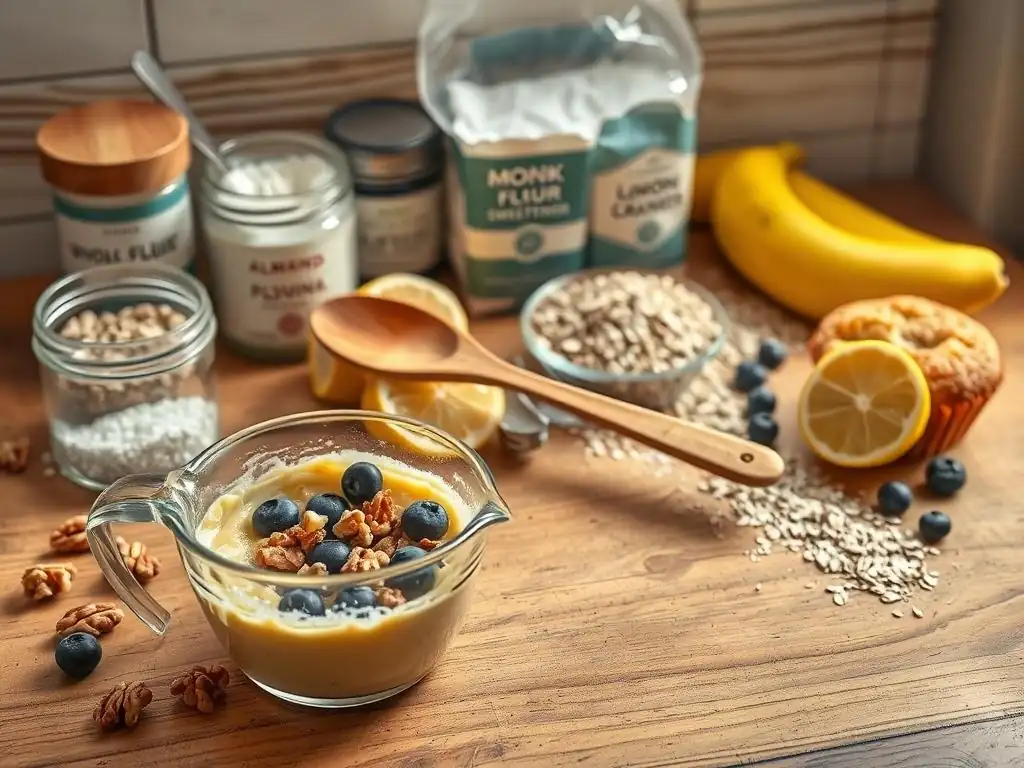
Sugar Alternatives: A Baker's Overview
When venturing into low-sugar baking, understanding sugar alternatives is crucial. These ingredients provide sweetness without the high caloric load or glycemic impact of table sugar. They can be broadly categorized based on their source and chemical structure, influencing how they behave in recipes regarding sweetness level, texture, moisture retention, and browning. It's important to remember that no single alternative is a perfect 1:1 replacement for sugar in every baking application, as sugar contributes more than just sweetness.
Choosing the right sugar alternative depends on the recipe's requirements and your desired outcome. Some alternatives, like stevia or monk fruit, are intensely sweet and used in very small quantities, contributing little to bulk or structure. Others, like erythritol or xylitol, have a similar bulk to sugar but different solubility and cooling effects. Understanding these properties is key to successful low sugar baking tips, allowing you to select the best option for your muffins, cookies, or cakes.
Natural Sweeteners: Stevia, Erythritol, Monk Fruit
Natural high-intensity sweeteners like Stevia and Monk Fruit are derived from plants and are significantly sweeter than sugar – often hundreds of times sweeter. Because only tiny amounts are needed, they contribute negligible calories and do not affect blood sugar levels. However, they don't provide the bulk, moisture, or browning that sugar does.
They can also have distinct aftertastes that some people find noticeable; Stevia is sometimes described as having a slightly bitter or metallic note, while Monk Fruit can have a fruity undertone. Using these requires careful measurement and often combining them with other ingredients to compensate for the lack of bulk and structure.
Erythritol is another popular natural sugar alcohol, often found in fruits. It's about 60-70% as sweet as sugar and behaves similarly in terms of bulk, making it easier to substitute in recipes. It has a very low glycemic index and is generally well-tolerated digestively compared to other sugar alcohols. A common characteristic is a cooling sensation on the tongue, which can be pleasant in some applications but less desirable in others. Erythritol does not brown like sugar, which affects crust development in baked goods. Combining erythritol with other sweeteners or ingredients that aid browning can help mitigate this.
Sugar Alcohols: Xylitol, Maltitol, Sorbitol
Sugar alcohols like Xylitol, Maltitol, and Sorbitol are carbohydrates with a chemical structure similar to both sugar and alcohol (though they contain no ethanol). They are less sweet than sugar, ranging from about 50% to 90% sweetness, and contain fewer calories. They are not fully absorbed by the body, leading to a lower impact on blood sugar. Xylitol is about as sweet as sugar and has a minimal aftertaste, making it popular. However, it is highly toxic to dogs, so caution is necessary if you have pets.
A significant consideration with sugar alcohols is their potential laxative effect if consumed in large quantities. Individual tolerance varies widely. Maltitol is commonly used in sugar-free candies and chocolates but can cause digestive upset for many. Sorbitol is often used in sugar-free gums and cough drops. While they provide some bulk and sweetness, their different chemical properties mean they don't behave exactly like sugar in terms of crystallization, moisture retention, and melting points, which can affect the texture and stability of baked goods. Understanding these potential effects is part of mastering low sugar baking tips.
Flour Alternatives for Reduced Carb Impact
For those also seeking to reduce carbohydrate intake alongside sugar, alternative flours become important. These flours, often derived from nuts, seeds, or coconuts, have different protein, fat, and fiber compositions compared to wheat flour. This affects how they absorb liquid, bind ingredients, and provide structure. Substituting these flours requires recipe adjustments, often including changes in liquid, fat, and binding agents like eggs or gums.
Using alternative flours can add unique flavors and textures to your baked goods. Almond flour imparts a slightly nutty taste and tender crumb, while coconut flour is highly absorbent and results in a denser texture. Learning how these flours interact with other ingredients is key to successful low sugar baking tips, ensuring your results are moist and well-structured, not dry or crumbly.
Almond Flour: Benefits, Tips, and Considerations
Almond flour is made from ground blanched almonds. It's relatively low in carbohydrates and high in healthy fats, protein, and fiber. This composition contributes to a tender, moist crumb in baked goods. It has a slightly sweet, nutty flavor that pairs well with many ingredients. There are different grinds available; super-fine almond flour is usually preferred for baking as it creates a smoother texture, while coarser grinds can result in a more rustic feel.
When using almond flour, you generally need more eggs or binding agents than with wheat flour because it lacks gluten, the protein network that provides structure. It also absorbs less liquid than wheat flour. A common starting point for substitution in some recipes might be using about 1.5 times the amount of almond flour as wheat flour by volume, but this varies greatly depending on the recipe.
Because of its fat content, almond flour can brown faster than wheat flour, so watch baking times and temperatures carefully. Storing almond flour in the refrigerator or freezer is recommended to prevent it from going rancid due to its high fat content. Incorporating almond flour effectively is a key aspect of low sugar baking tips focused on reducing carbs.
Coconut Flour: Benefits, Tips, and Considerations
Coconut flour is made from dried, defatted coconut meat. It is exceptionally high in fiber and very low in digestible carbohydrates. Coconut flour is known for its extreme absorbency; it acts like a sponge, soaking up a significant amount of liquid.
This means you need far less coconut flour than wheat flour or even almond flour in a recipe, and you will need to increase the amount of liquid and eggs substantially. A typical ratio might be substituting 1/4 cup of coconut flour for 1 cup of wheat flour, but this requires significant recipe modification, often including 1-2 extra eggs per 1/4 cup of flour.
Because of its high fiber content, baked goods made with coconut flour tend to be denser and can be prone to dryness if not enough liquid or fat is used. It has a distinct coconut flavor, which works well in some recipes but may not be desired in others. Coconut flour provides good structure due to its fiber, but it doesn't create the same light, airy texture as gluten. Recipes specifically developed for coconut flour are highly recommended when starting out. Understanding its unique properties is vital for applying low sugar baking tips successfully with this ingredient.
Binding Agents: Replacing Sugar's Moisture and Structure
Sugar plays a significant role in the structure and moisture of baked goods. It attracts and holds onto water (hygroscopic), which helps keep cakes and cookies moist and tender. It also interferes with gluten development (in wheat flour) or protein coagulation (in alternative flours and eggs), contributing to tenderness. When you reduce or remove sugar, you lose these properties, which can result in dry, crumbly, or tough textures. Therefore, incorporating alternative binding and moistening agents is often necessary.
Ingredients like applesauce, mashed banana, pumpkin puree, yogurt, or even flax or chia eggs can help compensate for the loss of sugar's functional roles. They add moisture, contribute some binding, and can also add a touch of natural sweetness and flavor. Choosing the right binder depends on the desired outcome and flavor profile, and often requires some experimentation to get the balance right in your low sugar baking.
Applesauce: Using Applesauce as a Binder
Unsweetened applesauce is a popular choice for adding moisture and some binding to low-sugar baked goods, particularly muffins, quick breads, and cakes. Its pectin content provides a bit of structure, and its high water content keeps things from drying out.
Using applesauce also adds a subtle natural sweetness, allowing you to potentially reduce added sweeteners further. As a general guideline, you can sometimes substitute a portion of the fat (like oil or butter) in a recipe with applesauce, often on a 1:1 basis by volume, although this requires testing as too much applesauce can make baked goods gummy or dense.
For instance, in a standard muffin recipe calling for 1/2 cup of oil, you might try replacing half of that with 1/4 cup of unsweetened applesauce. This swap reduces fat and calories while adding moisture. However, applesauce adds weight and moisture, which can affect baking time and the final texture, sometimes resulting in a slightly less tender crumb than using fat. It's a great way to boost moisture in low sugar baking recipes that might otherwise be dry.
Mashed Banana: Using Mashed Banana as a Binder
Mashed ripe banana is another excellent natural binder and moistener, particularly well-suited for quick breads, muffins, and cookies where a banana flavor is welcome. Like applesauce, it adds significant moisture and structure due to its starch and pectin content. Ripe bananas are also naturally sweet, allowing for a reduction in added sweeteners. The riper the banana, the sweeter and easier it is to mash and incorporate, and the more moisture it will provide.
Using mashed banana is common in recipes like banana bread (obviously!) but can also work in chocolate muffins or spice cookies where its flavor complements other ingredients. It adds density and a distinct texture, often resulting in a softer, slightly chewier crumb.
A common substitution strategy in some recipes is replacing one egg with about 1/4 cup of mashed banana, or substituting a portion of the fat or liquid. However, the amount needed varies, and using too much can make baked goods overly dense or gummy. Experimentation is key to finding the right balance when applying this low sugar baking tip.
Top 5 Low-Sugar Baking Tips
1. Begin with Simple, Tested Recipes
One of the best low sugar baking tips for beginners is to start with recipes specifically developed for reduced sugar or sugar-free baking. These recipes have already accounted for the differences in how sugar alternatives and alternative flours behave compared to traditional ingredients. Attempting to simply reduce the sugar in a standard recipe or swap ingredients one-to-one without understanding the underlying principles is likely to lead to disappointing results like dry muffins, flat cookies, or cakes that don't rise.
Look for recipes labeled "low sugar," "sugar-free," or "keto" that use ingredients you are familiar with or willing to try. Quick breads, muffins, and simple cookies are often good starting points as they are more forgiving than delicate cakes or pastries. Successfully following a few tested recipes will build your confidence and help you understand how different low-sugar ingredients work together before you attempt to adapt your own recipes or experiment. Websites and cookbooks dedicated to low sugar baking are invaluable resources.
2. Precise Measurement is Key
As mentioned earlier, precision is absolutely critical in low-sugar baking, even more so than in traditional baking. Sugar alternatives and alternative flours have different densities, weights, and absorption rates. Using too much or too little of a key ingredient can dramatically affect the outcome. For example, using too much coconut flour will result in an extremely dry, dense product, while using too little might mean your baked goods don't hold together.
Using a digital kitchen scale to weigh ingredients, especially flours and sweeteners, is highly recommended for accuracy. If a recipe provides measurements in grams, use them! If only volume measurements (cups, spoons) are given, measure carefully and consistently. Level off dry ingredients without packing them down. Small variations can have a big impact when you are working with ingredients that don't behave like their traditional counterparts. Mastering precise measurement is a foundational low sugar baking tip.
3. Avoid Overbaking
Low-sugar baked goods can often bake faster or brown differently than those made with sugar. Sugar helps keep baked goods moist and contributes to the Maillard reaction (browning). When sugar is reduced or replaced, items might brown less evenly or dry out more quickly. It's crucial to pay close attention to visual cues and testing methods rather than relying solely on the timer.
Check for doneness earlier than you would with a standard recipe. Look for edges that are set and slightly golden, but the center still looks just slightly moist. A toothpick inserted into the center should come out with moist crumbs, not completely clean (unless the recipe specifies). Overbaking is a common pitfall in low sugar baking and can quickly turn a potentially moist treat into a dry disappointment. If surfaces are browning too quickly, you can loosely tent the baked goods with foil during the later stages of baking.
4. Sweetness is Subjective: Adjust to Taste
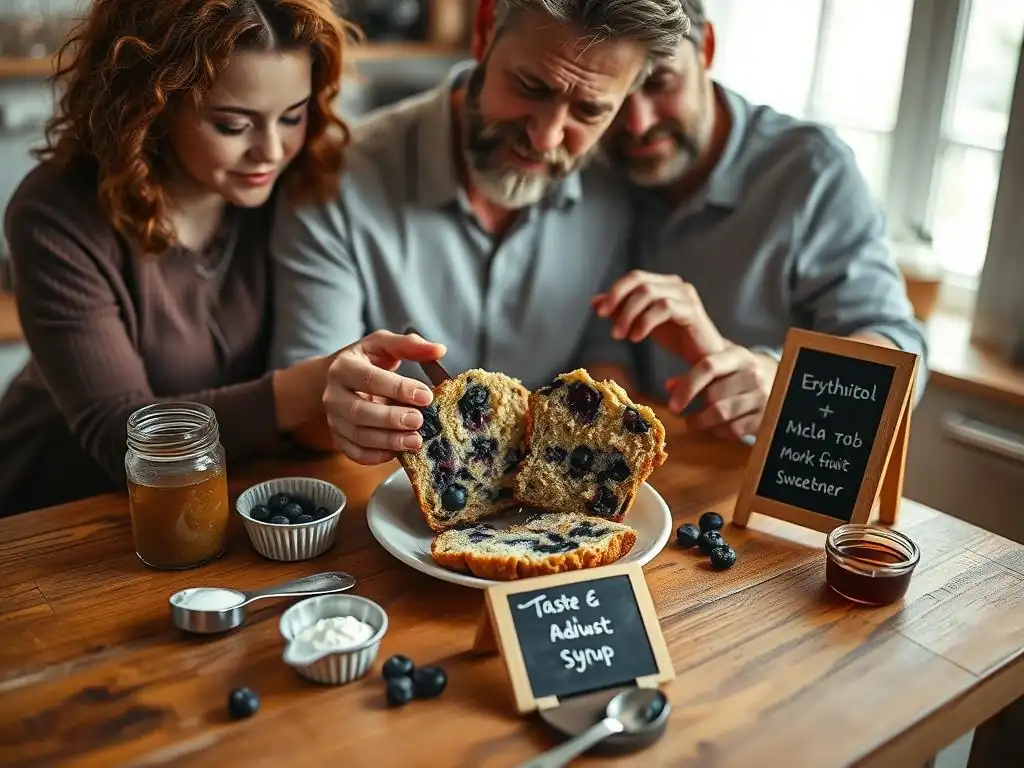
One of the great advantages of low-sugar baking is the ability to control the sweetness level precisely. However, everyone's perception of sweetness is different, and various sugar alternatives have different sweetness profiles and potential aftertastes. A recipe that tastes perfectly sweet to one person might taste under-sweet or overly sweet to another, especially when using high-intensity sweeteners like stevia or monk fruit.
Don't be afraid to adjust the amount of sweetener in a recipe to suit your personal preference after the first batch. If using a recipe with a granular sweetener like erythritol, you can taste the dough or batter before baking (provided there are no raw eggs). With high-intensity sweeteners, this is harder, but you can make a small test batch or adjust the amount in subsequent bakes. Remember that flavor enhancers like salt, vanilla, and spices can also make things taste sweeter without adding sugar. Adjusting sweetness is a key low sugar baking tip for personalization.
5. Flavor Enhancement: Spices and Extracts
With less sugar to carry and amplify flavors, spices and extracts become incredibly important in low-sugar baking. They add depth, warmth, and complexity that can make baked goods feel satisfying and flavorful even with significantly less sweetness. Don't be shy about using high-quality spices and pure extracts; they make a real difference.
Consider the flavor profiles that naturally complement your main ingredients. For example, cinnamon and nutmeg enhance fruit flavors like apple and pear. Vanilla extract is almost universally beneficial, adding a perception of sweetness and rounding out other flavors. Lemon or almond extract can add brightness and complexity. Using a pinch of salt, even in sweet recipes, helps balance flavors and can make the sweetness you do use taste more pronounced. Experiment with combinations like cardamom and orange zest, or ginger and cloves, to discover how much flavor you can achieve without relying on sugar.
Spices: Cinnamon, Nutmeg, Ginger
Spices are powerhouses of flavor in low-sugar baking. Cinnamon, with its warm, sweet aroma, is a natural fit for everything from muffins and quick breads to cookies and fruit crumbles. It pairs exceptionally well with apples, pears, pumpkin, and chocolate. A teaspoon of ground cinnamon can add tremendous depth and warmth, making a baked good feel comforting and flavorful even with minimal sugar.
Nutmeg, especially freshly grated, offers a slightly sweeter and more complex warmth than cinnamon. It's fantastic in custards, dairy-based baked goods, and anything with pumpkin or squash. Ginger, whether ground or fresh, provides a spicy kick that can balance richness and add excitement. Ground ginger is perfect in cookies and spice cakes, while fresh ginger can add a vibrant note to fruit fillings. Don't underestimate the power of these simple spices to elevate your low sugar baking.
Extracts: Vanilla, Almond, Lemon
Extracts are concentrated flavorings that contribute significantly to the overall taste profile without adding any sugar. Pure vanilla extract is arguably the most essential extract for any baker, low-sugar or not. It adds a layer of warmth and sweetness perception that enhances almost every baked good, from plain cookies to rich chocolate cakes. Using a good quality pure vanilla extract (rather than imitation) makes a noticeable difference in flavor depth.
Almond extract provides a distinct, slightly nutty flavor that works wonderfully in conjunction with almond flour, or in recipes featuring cherries, berries, or even chocolate. A little goes a long way, as it is quite potent. Lemon extract, made from lemon oil, offers a bright, zesty citrus flavor. It's excellent in pound cakes, muffins, and cookies, especially when paired with berries or other fruits. Using a combination of extracts, like vanilla and almond, can create complex flavor profiles that distract from the lack of intense sweetness.
Troubleshooting Common Low-Sugar Baking Challenges
Dryness: Causes and Solutions
One of the most frequent issues encountered in low-sugar baking is dryness. This occurs because sugar is hygroscopic – it attracts and retains moisture. When you remove or reduce sugar, you lose this source of moisture. Additionally, alternative flours like coconut flour are very absorbent, and some sugar alcohols can have a drying effect. Using too much of these ingredients without adjusting liquid or fat is a primary cause of dryness.
To combat dryness, ensure your recipe is specifically designed for low-sugar ingredients, or be prepared to make adjustments. Increase liquid slightly (milk, water, yogurt, applesauce), add more fat (butter, oil, nut butter), or incorporate moistening agents like mashed banana or pumpkin puree. Using ingredients high in moisture and fat, like almond flour or ground flaxseed, can also help. Don't overbake, as this is a surefire way to dry out any baked good, but especially low-sugar ones. Check for doneness using a toothpick test.
Browning: Achieving a Golden Finish
Traditional sugar caramelizes and contributes significantly to the golden-brown crust and appealing color of baked goods. Many sugar alternatives, particularly sugar alcohols and high-intensity sweeteners, do not caramelize in the same way or at the same temperatures. This can result in baked goods that look pale even when fully cooked, or brown unevenly. Alternative flours like almond flour, with its higher fat content, might brown faster than wheat flour.
To achieve better browning, you can use ingredients that help promote color. Some sugar alcohols like erythritol can be blended with a small amount of another sweetener that browns better (like allulose or a touch of maple syrup, if your dietary plan allows for minimal natural sugars). Egg washes brushed on the surface can help.
Baking at a slightly higher temperature for a shorter time might help with surface browning, but be cautious not to overbake the interior. Monitoring closely and potentially covering with foil if the top browns too quickly while the inside is still baking is a useful technique.
Texture: Achieving the Desired Consistency
Sugar affects texture by interfering with gluten development (in wheat flour) and protein coagulation, leading to a tender crumb. It also adds bulk and contributes to spread in cookies. When using alternative flours and sweeteners, achieving the desired texture – whether it's a tender cake, a chewy cookie, or a moist muffin – can be challenging. Cakes might be dense, cookies might not spread, and muffins might be crumbly.
Using the right binding agents is crucial for texture. Eggs are excellent binders and provide structure; many low-sugar recipes use more eggs than traditional ones. Xanthan gum or guar gum are often used with gluten-free and low-carb flours like almond and coconut flour to improve structure and prevent crumbling.
Fat (butter, oil, cream cheese) contributes to tenderness and moisture. For cookies, adjusting the ratio of wet to dry ingredients and the type of sweetener can impact spread and chewiness. Sometimes, a slightly different texture is inherent to low-sugar baking, and learning to appreciate these variations is part of the process.
Beginner-Friendly Recipe: Low-Sugar Banana Bread
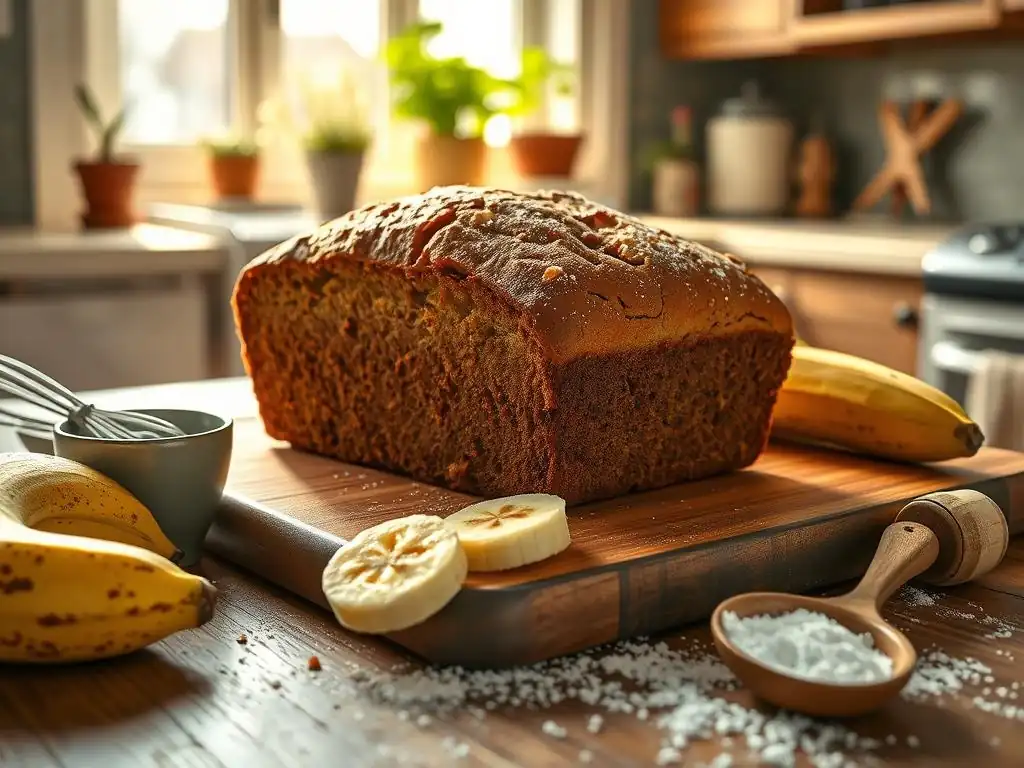
This simple recipe uses mashed banana for sweetness and moisture, combined with almond flour for a tender crumb. It's a great starting point for low sugar baking tips practice.
Ingredients
- 2 very ripe bananas, mashed (about 1 cup)
- 3 large eggs
- 1/4 cup melted butter or coconut oil
- 1/4 cup unsweetened almond milk (or other milk)
- 1 teaspoon vanilla extract
- 1/4 cup erythritol or your preferred granular low-carb sweetener (adjust to taste)
- 1 teaspoon cinnamon
- 1/2 teaspoon baking soda
- 1/4 teaspoon salt
- 1 and 3/4 cups almond flour (super-fine)
- 1/2 cup chopped nuts or sugar-free chocolate chips (optional)
Instructions
- Preheat oven to 350°F (175°C). Grease and flour a standard loaf pan.
- In a large bowl, mash the ripe bananas thoroughly.
- Add the eggs, melted butter/oil, almond milk, and vanilla extract to the mashed bananas. Whisk until well combined.
- In a separate medium bowl, whisk together the erythritol, cinnamon, baking soda, salt, and almond flour.
- Gradually add the dry ingredients to the wet ingredients, mixing until just combined. Do not overmix.
- Fold in optional nuts or sugar-free chocolate chips if using.
- Pour the batter into the prepared loaf pan.
- Bake for 45-60 minutes, or until a toothpick inserted into the center comes out with moist crumbs (not wet batter).
- Let the banana bread cool in the pan for 10-15 minutes before transferring to a wire rack to cool completely.
- Slice and enjoy your low-sugar treat!
Resources for Low-Sugar Baking
Websites and Cookbooks
Numerous websites and cookbooks are dedicated to low-sugar and sugar-free baking, offering a wealth of tested recipes and valuable low sugar baking tips. Look for resources that align with your specific dietary needs (e.g., keto, diabetic-friendly) and baking skill level. Many reputable food blogs and recipe sites now feature extensive sections on reduced-sugar options.
Cookbooks provide curated collections of recipes, often with detailed introductions to ingredients and techniques specific to low-sugar baking. Searching for titles like "Sugar-Free Desserts," "Low-Carb Baking," or "Baking for Diabetics" can yield helpful resources. Starting with a few well-regarded resources can significantly shorten your learning curve and provide reliable recipes to build your repertoire.
Online Communities and Forums
Connecting with other low-sugar bakers can be incredibly beneficial. Online communities and forums offer a space to ask questions, share experiences, troubleshoot challenges, and discover new recipes and low sugar baking tips. Platforms like Facebook groups, Reddit communities, or dedicated baking forums often have sections specifically for dietary baking.
Engaging with these communities allows you to learn from others' successes and failures. You can get recommendations for specific ingredients, discuss how to adapt recipes, and find support for your baking journey. Sharing your own results and challenges can also be a rewarding part of the process.
Expanding Your Low-Sugar Baking Skills
Advanced Techniques and Recipes
Once you've mastered the basics and feel confident with simple low-sugar recipes, you can begin exploring more advanced techniques. This might involve working with more complex pastries, layered cakes, or delicate cookies that require a deeper understanding of how sugar alternatives affect structure and handling. Experimenting with different combinations of alternative flours and sweeteners to fine-tune texture and flavor is also part of advancing your low sugar baking skills.
Advanced recipes might involve techniques like creating sugar-free meringues (using alternative sweeteners that can stabilize egg whites), working with sugar-free chocolate or caramels, or developing your own low-sugar versions of favorite traditional recipes. This requires a good grasp of the principles you've learned and a willingness to experiment and troubleshoot.
Sugar-Free Frostings and Glazes
Completing your low-sugar baked goods often involves adding a frosting or glaze. Traditional frostings rely heavily on powdered sugar for sweetness and structure. Learning to make sugar-free versions is a key step in creating entirely low-sugar desserts. Common bases for sugar-free frostings include cream cheese, butter, or whipped cream, sweetened with powdered sugar alcohols like erythritol or xylitol, or a blend of sweeteners.
Achieving the right consistency and sweetness in sugar-free frostings can take practice. Powdered sugar alcohols don't dissolve exactly like powdered sugar, and some can have a slightly grainy texture or cooling effect. Glazes can be made using melted sugar-free chocolate, or by thickening liquids (like lemon juice or almond milk) with a small amount of powdered sweetener or a thickener like xanthan gum. Mastering sugar-free finishes allows you to create complete, delicious low-sugar treats.
Frequently Asked Questions
What are the main benefits of low-sugar baking?
Low-sugar baking can improve your overall health by reducing your sugar intake, helping manage weight and blood sugar levels. It can also enhance the natural flavors of your ingredients.
What are some common sugar substitutes used in low-sugar baking?
Popular substitutes include erythritol, stevia, and monk fruit. Remember to adjust recipes as sweetness levels can vary between substitutes.
How do I adjust a traditional recipe to reduce the sugar content?
Start by reducing the sugar by 25-50%. You may also need to adjust the liquid and binding agents in the recipe to compensate for the altered sugar content.
Will reducing sugar affect the texture and browning of my baked goods?
Yes, sugar contributes to moisture, browning, and texture. You may need to experiment with ingredients like applesauce or yogurt to maintain the desired results.
Where can I find reliable low-sugar baking recipes and guidance?
Websites like BakeWithEase.com offer step-by-step guides and easy-to-find recipes specifically designed for low-sugar baking for all skill levels.
Final Reflection: Embracing the Sweetness of Low-Sugar Baking
The pursuit of healthier eating habits is no longer a niche trend; it's a fundamental shift in how we approach our well-being. Low-sugar baking, once a daunting challenge, is now increasingly accessible and enjoyable, offering a delicious path towards a balanced lifestyle. This accessibility, however, requires understanding and practice, which is why mastering the essential tips outlined in this article is so crucial.
The journey into low-sugar baking has profoundly impacted my own approach to cooking and eating. It's not just about reducing sugar; it's about rediscovering the inherent flavors of ingredients and appreciating the subtle nuances that often get masked by excessive sweetness. This shift in perspective has been incredibly rewarding, leading to a deeper appreciation for the art of baking itself. The best things in life are simple,
a phrase often overlooked, rings especially true in the world of low-sugar baking. The focus shifts from artificial sweetness to the natural sweetness of fruits, spices, and the satisfaction of creating something delicious and healthy.
Now, it's your turn. Don't be intimidated by the prospect of low-sugar baking. Take the tips you've learned here, experiment with different recipes, and discover the joy of creating delicious treats that nourish your body and soul. Embrace the challenge, celebrate your successes, and remember that every delicious, low-sugar creation is a step towards a healthier, happier you. Start baking today!
Unlock Your Low-Sugar Baking Potential!
Thanks for taking the time to explore the delicious world of low-sugar baking! We hope you discovered some valuable tips and tricks to help you create healthier, equally satisfying treats. Now it's time to put your newfound knowledge into practice.
- Dive into your first low-sugar recipe: Choose one that excites you—maybe those amazing low-sugar brownies or the delightful lemon poppy seed muffins—and get baking! This is your opportunity to experience the joy of guilt-free indulgence.
- Share your baking journey: Post a picture of your creation on social media and tag #BakeWithEaseLowSugar. Let's inspire others to join the low-sugar baking revolution!
- Experiment with different sweeteners: Explore the unique flavors and textures that various low-sugar sweeteners bring to your recipes. You might discover your new favorite!
What exciting low-sugar creation will you bake first? Let us know in the comments below!