
Spices That Belong in Every Pie Crust and Filling

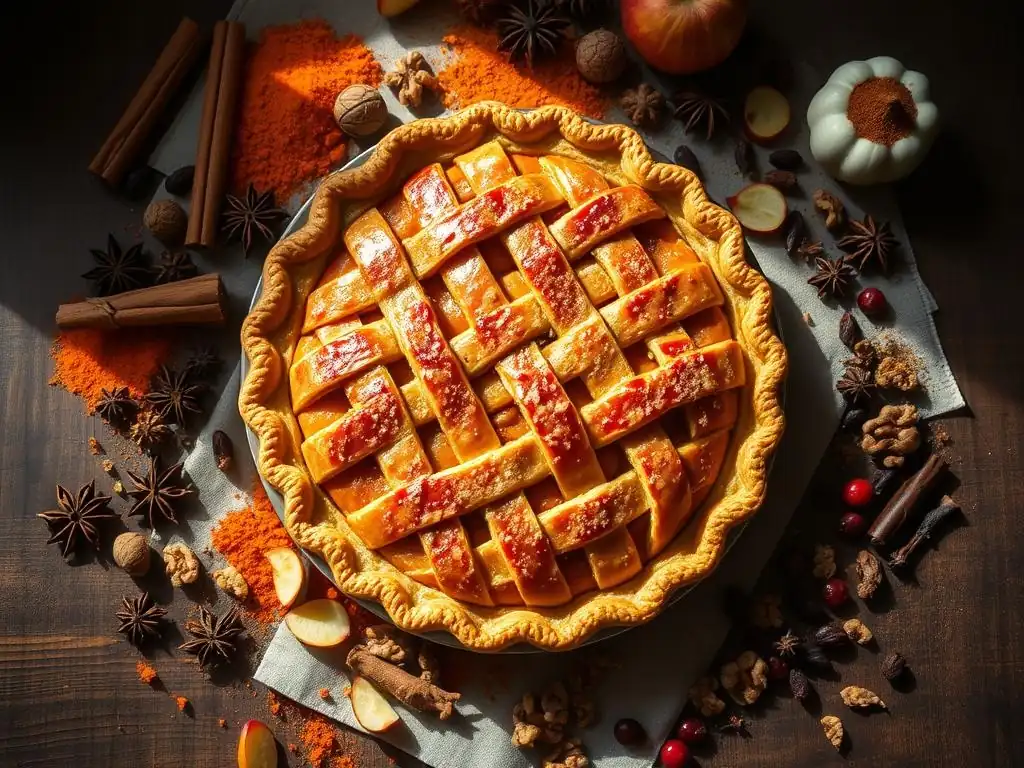
Welcome to BakeWithEase, your kitchen companion on a journey of delicious discovery! Ever wondered what secrets lie within the perfect pie? Unlock the aromatic power of pie spices and transform your baking from ordinary to extraordinary. We're diving deep into the best pie spices combinations you absolutely need to know, offering a tantalizing taste of what's possible. Get ready to elevate your pies with flavors that sing – let's get baking!
- Spices That Belong in Every Pie Crust and Filling: The Ultimate Guide
- Introduction to Baking with Spices: Elevate Your Pie Game
- Essential Pie Spice Combinations for Unforgettable Flavor
- Perfect Pie Spice Blends: Recipes and Ratios
- Beyond the Basics: Uncommon Spices for Unique Pie Flavors
- Incorporating Spices into Pie Crust: A Flavorful Secret
- Spices for Pie Filling: Layering Flavors for Delicious Results
- Troubleshooting Common Pie Spice Mistakes
- Storing Your Pie Spices for Optimal Freshness
- Conclusion: Mastering the Art of Pie Spices
-
Frequently Asked Questions
- What are the most common spices used in pie fillings?
- Can I use pre-mixed pie spice blends instead of individual spices?
- How do I adjust the amount of spice in a pie recipe?
- What are some unconventional spices that can enhance pie flavors?
- How does the type of fruit in a pie affect the choice of spices?
- Final Reflection: The Unexpected Symphony of Pie Spices
- Unlock Your Pie-Baking Potential!
Spices That Belong in Every Pie Crust and Filling: The Ultimate Guide
Introduction to Baking with Spices: Elevate Your Pie Game
Why Use Spices in Pies? Enhancing Flavor and Aroma
Adding spices to your pies is like giving them a secret superpower. Beyond just sweetness, spices introduce complex layers of flavor and captivating aromas that transform a simple dessert into something truly memorable. Think about a classic apple pie; without cinnamon and maybe a touch of nutmeg, it's just sweetened apples in a crust.
But with the right best pie spices combinations, those same ingredients sing, creating a comforting, aromatic experience that evokes warmth and nostalgia. Spices interact beautifully with the fats in the crust and the sugars and acids in the filling, helping to balance sweetness and add depth.
Moreover, spices don't just add flavor; they contribute significantly to the overall sensory experience. The aroma of baking spices wafting from the oven is arguably half the pleasure of making a pie! Different spices can highlight different aspects of the fruit or filling – ginger can add a bright, slightly peppery note that cuts through richness, while cloves offer a deep, resonant warmth. Experimenting with the best spices for pie allows you to tailor each creation to your specific taste and the ingredients you're using, moving beyond basic sweetness to a symphony of flavors.
Understanding Spice Quality and Freshness
The impact of your pie spice blends is heavily dependent on the quality and freshness of the spices themselves. Spices, especially when ground, contain volatile oils that dissipate over time, taking their potent flavor and aroma with them.
While technically safe to eat for a long time, a ground spice that's been sitting in your pantry for years will offer significantly less flavor than a fresh one, leading to bland or underwhelming results even if you use the correct measurements. A good rule of thumb is that ground spices are typically at their peak potency for about 6 to 12 months, while whole spices can last longer, often up to 3-4 years, when stored properly.
To ensure you're getting the most flavor from your spices for the best pie spices combinations, try to buy them in smaller quantities that you'll use within a reasonable timeframe. When you're about to use a spice, give it a sniff. If it doesn't have a strong, characteristic aroma, it's likely past its prime and won't contribute much flavor to your pie.
You can also rub a small pinch between your fingers; if the scent is faint, it's time for a replacement. Investing in fresh, high-quality spices is one of the simplest ways to elevate your baking game and ensure your pies are bursting with flavor.
Essential Pie Spice Combinations for Unforgettable Flavor
Cinnamon: The Cornerstone of Pie Spice Blends
Cinnamon is arguably the most ubiquitous spice in baking, and for good reason. Its warm, sweet, slightly woody flavor pairs beautifully with a vast array of fruits, particularly apples, pears, and berries, making it indispensable in many best pie spices combinations. There are several types of cinnamon, most commonly Cassia (what you usually find in supermarkets, often labeled simply as "cinnamon") and Ceylon (sometimes called "true cinnamon," which is milder and more complex). For most pie recipes, standard ground Cassia cinnamon works perfectly and provides that familiar comforting flavor we associate with classic fruit pies.
Using cinnamon in pie adds not just warmth but also helps to enhance the natural sweetness of the fruit without making the pie cloyingly sugary. It works wonderfully in both fillings and crusts. For instance, a classic apple pie filling might use 1 to 2 teaspoons of ground cinnamon per standard 9-inch pie. When added to the crust dough, cinnamon can create a subtle, aromatic base that complements the filling. It's the foundation upon which many other pie spice blends are built, providing a reliable and beloved flavor profile.
Nutmeg: Adding Warmth and Depth to Your Pies
Nutmeg brings a distinctively warm, slightly sweet, and nutty flavor that adds wonderful depth to pie fillings, especially those involving apples, pears, pumpkins, or custards. While often paired with cinnamon, nutmeg has its own unique character that can elevate a pie from good to great. It’s particularly crucial in pumpkin pie, where it forms part of the classic spice blend alongside cinnamon, ginger, and cloves. A little goes a long way, as its flavor is quite potent.
For the freshest and most intense flavor, consider using whole nutmeg and grating it yourself with a microplane grater just before adding it to your ingredients. Pre-ground nutmeg loses its volatile oils relatively quickly compared to other ground spices. For a standard 9-inch apple or pumpkin pie, you might use anywhere from a pinch (about 1/8 teaspoon) up to 1/2 teaspoon of ground nutmeg, depending on how prominent you want the flavor to be. It contributes a smooth, comforting note that rounds out the overall spice profile in many of the best pie spices combinations.
Ginger: A Zesty Kick for Fruit-Forward Pies
Ground ginger provides a warm, pungent, slightly peppery flavor with a hint of citrusy zest that works wonderfully in fruit pies. It pairs exceptionally well with apples, pears, peaches, and even rhubarb, adding a bright counterpoint to their sweetness. Unlike cinnamon and nutmeg, which are purely warming, ginger brings a gentle heat and a vibrant note that can lift the flavors in a pie filling. It's a key component in many ginger snap cookies and gingerbread, and its inclusion in pie fillings adds a similar comforting warmth.
In an apple or pear pie, a small amount of ground ginger – perhaps 1/4 to 1/2 teaspoon for a standard pie – can add an exciting layer to the familiar cinnamon and nutmeg. It's also fantastic in pumpkin pie spice blends, contributing that characteristic zing. While fresh ginger is potent and wonderful in savory dishes, ground ginger is typically preferred for the consistent moisture and flavor distribution required in pie fillings and crusts. It's an essential part of many best pie spices combinations for those seeking a bit more complexity than just the classic duo.
Allspice: A Complex Spice for Autumnal Flavors
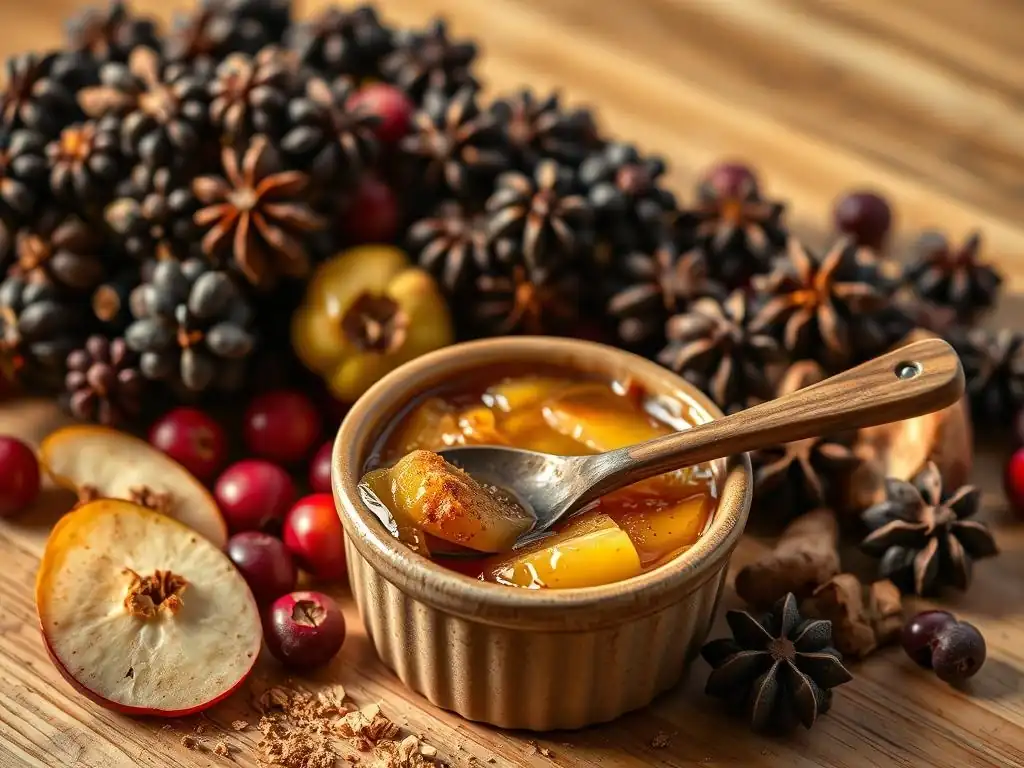
Allspice is a single spice that tastes like a combination of cinnamon, nutmeg, and cloves, hence its name. It comes from the dried, unripe berries of the Pimenta dioica tree. This complex flavor profile makes it a convenient addition to many pie spice blends, particularly those for autumnal pies like pumpkin, apple, or sweet potato. It provides a warm, aromatic background that can stand in for or complement the individual spices it resembles.
Because it contains notes of several other common pie spices, allspice can be used to simplify a blend or add an extra layer of complexity. For example, in a pumpkin pie spice mix, you might use equal parts cinnamon, ginger, and allspice, with a smaller amount of clove and nutmeg. Or, you could use allspice as the primary spice in a simple apple crumble topping. Its versatility makes it a valuable addition to your spice rack when exploring the best spices for pie. A typical amount might be 1/4 to 1/2 teaspoon in a standard pie filling.
Cloves: Use Sparingly for a Bold Accent
Cloves are incredibly potent and aromatic, offering a strong, sweet, and slightly medicinal flavor with warming notes. They are a powerful spice that must be used judiciously in pie spice combinations, as too much can easily overpower other flavors and leave a slightly numbing sensation. However, when used in small amounts, cloves add a wonderful depth and intensity, particularly to apple, pumpkin, and mincemeat pies.
For a standard 9-inch pie filling, you typically only need a pinch or two, perhaps 1/8 teaspoon or even less, of ground cloves. They pair exceptionally well with cinnamon and nutmeg, providing a deep base note. Whole cloves can also be used to infuse flavor into liquids that might be used in a pie filling, like cider or juice, and then removed before assembling the pie. Exercise caution and perhaps start with a tiny amount, tasting as you go if possible, to find the right balance when incorporating cloves into your pie spice blends.
Perfect Pie Spice Blends: Recipes and Ratios
Apple Pie Spice Blend Recipe
Creating your own apple pie spice blend allows you to customize the intensity and balance of flavors. This classic blend is a cornerstone of many best pie spices combinations. A common ratio provides a warm, comforting profile that enhances the natural sweetness and tartness of apples.
Classic Apple Pie Spice Blend (for one standard pie)

- 1 ½ teaspoons ground cinnamon
- ½ teaspoon ground nutmeg (freshly grated preferred)
- ¼ teaspoon ground allspice
- ⅛ teaspoon ground ginger
- Pinch of ground cloves (optional, very small amount)
Combine all the spices in a small bowl and whisk together until thoroughly mixed. This amount is typically sufficient for the filling of a 9-inch double-crust apple pie, usually mixed directly with the sugar, flour, and fruit before baking. You can easily double or triple this recipe to make a larger batch to keep on hand for future apple pies or other baked goods like apple crisps or muffins.
Pumpkin Pie Spice Blend: The Traditional Mix
The iconic flavor of pumpkin pie relies heavily on a specific blend of spices. This mix is perhaps the most famous of all best pie spices combinations, instantly recognizable and evoking cozy autumn feelings. While pre-mixed pumpkin pie spice is readily available, making your own ensures freshness and allows for customization.
Traditional Pumpkin Pie Spice Blend (approx. 3 tbsp)

- 1 tablespoon ground cinnamon
- 1 teaspoon ground ginger
- 1 teaspoon ground nutmeg (freshly grated preferred)
- ½ teaspoon ground allspice
- ½ teaspoon ground cloves
Mix all ingredients thoroughly. Use about 1 to 1 ½ tablespoons of this blend per standard 15-ounce can of pumpkin puree when making a 9-inch pumpkin pie. The amount can be adjusted slightly based on personal preference for spice intensity. This blend is also excellent in other pumpkin-flavored treats like lattes, cookies, or breads, making it a versatile pie spice blend to have in your pantry.
Pecan Pie Spice Combination: A Nutty Delight
Pecan pie often relies on the rich, sweet flavor of the filling itself, but a touch of spice can elevate it beautifully. Unlike fruit pies, pecan pie benefits from spices that complement the nutty, caramel notes rather than competing with them. The best pie spices combinations for pecan pie tend to be simpler and more subtle than those for fruit or pumpkin pies.
A simple yet effective spice combination for pecan pie often involves just a touch of cinnamon and nutmeg.
Simple Pecan Pie Spice (for one standard pie)

- ½ teaspoon ground cinnamon
- ¼ teaspoon ground nutmeg
These spices are typically whisked into the egg and sugar mixture before adding the pecans. They provide a gentle warmth that enhances the sweetness and richness of the filling without overpowering the delicate flavor of the pecans. Some variations might include a tiny pinch of ground cloves or a touch of allspice, but moderation is key to let the nutty flavor shine.
Berry Pie Spice Options: Enhancing Fruit Flavors
Berry pies, like strawberry, blueberry, raspberry, or mixed berry, have bright, often tart, flavors that benefit from spices that add warmth and depth without masking the fruit. The best pie spices combinations for berry pies often include cinnamon, ginger, and sometimes a touch of cardamom.
Berry Pie Spice Suggestions (per 4-6 cups berries)

- 1 teaspoon ground cinnamon (pairs well with most berries)
- ½ teaspoon ground ginger (especially good with blueberries or mixed berries)
- ¼ teaspoon ground cardamom (adds an aromatic, slightly citrusy note)
These spices can be used individually or in combination. Cinnamon is a safe bet for almost any berry pie. Ginger adds a nice zing, particularly to blueberries. Cardamom offers a unique, fragrant twist that works surprisingly well with berries. The amount used depends on the quantity and sweetness of the berries; sweeter berries might handle a bit more spice. Mix the chosen spice(s) with the sugar and thickener before combining with the berries for even distribution.
Beyond the Basics: Uncommon Spices for Unique Pie Flavors
Cardamom: An Aromatic Spice for Exotic Pies
Cardamom, with its intensely aromatic, slightly citrusy, and floral flavor profile, offers a fascinating departure from traditional pie spice blends. While less common than cinnamon or nutmeg in standard American pies, it is a staple in Scandinavian and Middle Eastern baking and pairs wonderfully with fruits like apples, pears, and berries. Using cardamom can lend an air of sophistication and uniqueness to your pies.
Ground cardamom is potent, so start with a small amount, perhaps 1/4 to 1/2 teaspoon in a standard fruit pie filling. It works beautifully alongside or in place of ginger in apple or pear pies, adding a complex fragrance. It's also a delightful addition to berry pies, particularly blueberry or mixed berry, providing an almost exotic note. For maximum flavor, use freshly ground cardamom pods; grinding them yourself releases their vibrant aroma. Exploring cardamom is a great way to create truly memorable and unique best pie spices combinations.
Star Anise: A Licorice Note for Winter Pies
Star anise has a distinct licorice-like flavor and aroma, with notes of clove and cinnamon. It's a warming spice often used in savory cooking but can add an intriguing depth to sweet applications, particularly those featuring apples, plums, or pears. Its strong flavor means it should be used cautiously in pie spice blends.
Whole star anise pods are often used to infuse flavor into liquids, such as the liquid component of a pie filling or a poaching liquid for fruit that will be used in a pie. For example, you could simmer a few star anise pods in apple cider or juice before adding it to your apple pie filling. If using ground star anise, which is very potent, start with just a tiny pinch (less than 1/8 teaspoon) in a standard pie. It pairs well with cinnamon and ginger, adding a complex, slightly exotic warmth that is perfect for winter pies.
Black Pepper: A Subtle Kick for Sweet and Savory Pies
While primarily associated with savory dishes, black pepper can add a surprisingly delightful element to sweet pies, particularly those featuring fruit like strawberries, raspberries, or even apples. Freshly ground black pepper provides a subtle warmth and a slight bite that can help to balance the sweetness and brighten the fruit flavors. It's an unexpected addition that makes for truly unique pie spice combinations.
In a strawberry or raspberry pie, a few grinds of fresh black pepper mixed with the sugar and fruit can create a wonderful complexity. The pepper doesn't make the pie taste peppery in a savory way, but rather enhances the sweetness and tartness of the berries. Start with just a pinch or two of finely ground black pepper, perhaps 1/8 teaspoon for a standard berry pie. It's a secret ingredient used by some bakers to add a touch of intrigue to their best spices for pie repertoire.
Incorporating Spices into Pie Crust: A Flavorful Secret
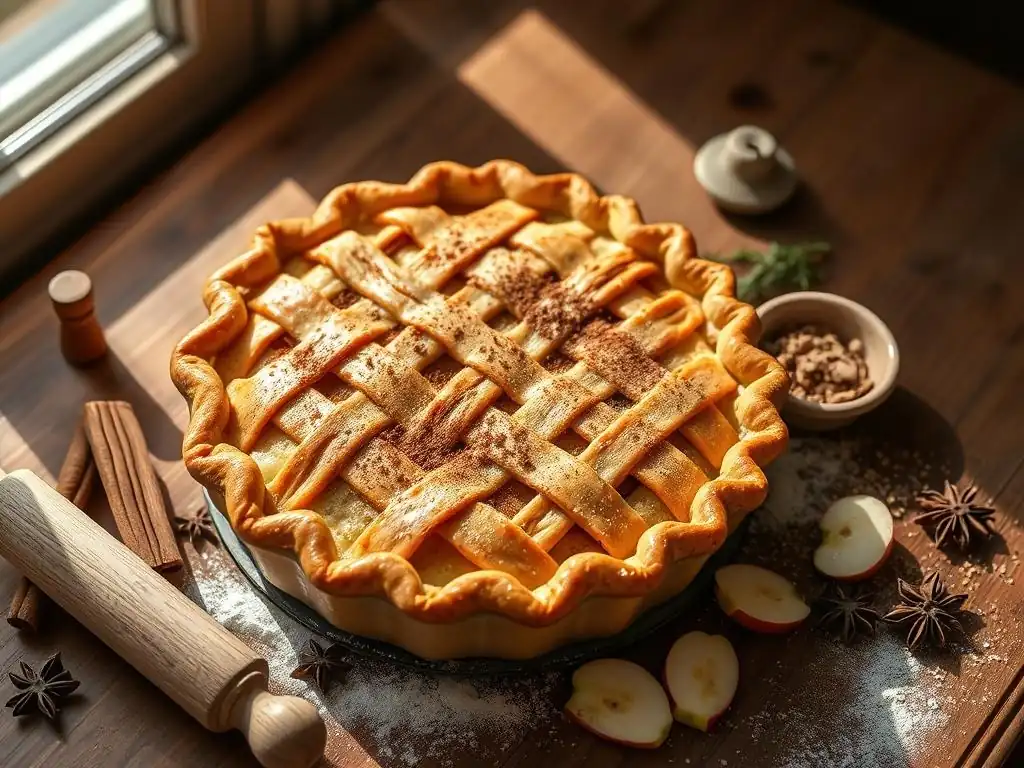
How to Add Spices to Your Pie Crust Dough
Adding spices directly into your pie crust dough is a simple yet effective way to build flavor from the foundation up. This technique ensures that every bite of your pie, from the flaky edge to the last bit of filling, carries a hint of complementary spice. The best time to add spices to your pie crust is when you're whisking together your dry ingredients (flour, salt, sugar if using).
For a standard double-crust pie (using about 2 to 2.5 cups of flour total), you can typically add anywhere from 1/2 teaspoon to 1 ½ teaspoons of ground spices to the flour mixture. Whisk the spices thoroughly with the flour and salt before cutting in the cold butter or shortening. This ensures the spices are evenly distributed throughout the dough. Avoid adding too much liquid spice (like extracts) directly to the dough, as this can negatively impact the texture. Sticking to dry ground spices is the standard approach for successful pie spice blends in crusts.
Spice Blends for Different Pie Crusts: Sweet vs. Savory
While this article focuses on sweet pies, the principle of adding spices to crust applies to both sweet and savory applications. For sweet pie crusts, the best pie spices combinations often mirror those used in the filling or are simpler versions.
- Sweet Crusts: Cinnamon is a classic and versatile choice, pairing well with almost any fruit filling. Adding a touch of nutmeg, ginger, or cardamom can add more complexity. For example, a cinnamon-spiced crust is perfect for apple or pear pie, while a ginger-spiced crust works well with peach or berry pies. You might use 1 teaspoon of cinnamon or a blend like 1/2 teaspoon cinnamon and 1/4 teaspoon ginger per double crust.
- Savory Crusts: (Briefly mention for context) Savory crusts might incorporate black pepper, paprika, garlic powder, or dried herbs like thyme or rosemary, depending on the savory filling (e.g., quiche, pot pie).
Choosing the right spice blend for your crust complements the filling and enhances the overall flavor profile, contributing to the best spices for pie experience.
The Impact of Spices on Pie Crust Texture and Flavor
Adding a reasonable amount of ground spices to your pie crust dough typically has minimal impact on the texture, assuming the spices are finely ground and you don't add excessive amounts. The primary role of spices in the crust is flavor and aroma. As the pie bakes, the heat helps to release the aromatic compounds in the spices, contributing to that wonderful baking smell and adding subtle flavor notes to the flaky crust.
The flavor impact can be significant, turning a plain butter or shortening crust into an integral part of the pie's overall taste. A cinnamon-scented crust, for instance, adds a layer of warmth that enhances an apple filling. A touch of ginger can add a subtle zing that complements a peach or berry filling.
The spices also contribute to the visual appeal, sometimes adding tiny flecks of color to the dough. Properly incorporating spices into your crust is a simple step that significantly elevates the complexity and deliciousness of your homemade pies, making them truly stand out among the best pie spices combinations.
Spices for Pie Filling: Layering Flavors for Delicious Results
Matching Spices to Your Pie Filling Ingredients
Selecting the right spices for your pie filling is crucial for achieving harmonious and delicious results. The goal is to enhance the natural flavors of your main ingredients, usually fruit or custard, rather than overpowering them. Different fruits and fillings pair best with specific spices, creating classic and beloved pie spice blends.
- Apples & Pears: Cinnamon, nutmeg, ginger, allspice, cloves, cardamom, star anise. These fruits are incredibly versatile and accept a wide range of warming spices.
- Pumpkin & Sweet Potato: Cinnamon, nutmeg, ginger, allspice, cloves. The traditional "pumpkin pie spice" blend is specifically designed for these creamy, earthy fillings.
- Berries (Strawberry, Blueberry, Raspberry, Mixed): Cinnamon, ginger, cardamom, black pepper. Brighter, sometimes tarter berries benefit from spices that add warmth or a touch of unexpected complexity.
- Stone Fruits (Peach, Cherry, Plum): Cinnamon, almond extract (not a spice, but a common pairing), ginger, cardamom.
- Custard/Cream Fillings: Nutmeg (classic), cinnamon, vanilla bean (not a spice, but essential).
Understanding these classic pairings is the first step in crafting the best pie spices combinations for your specific recipe.
Tips for Balancing Spice Flavors in Pie Fillings
Balancing the flavors in your pie filling is key to a successful pie. Too much of one spice, especially potent ones like clove or ginger, can throw everything off. Here are a few tips for achieving the perfect balance:
- Start Small: It's easier to add more spice than to take it away. If you're unsure, begin with the lower end of the recommended range for a given spice and add more after tasting (if the filling can be tasted raw).
- Taste and Adjust: For fillings that don't contain raw egg (like many fruit fillings), you can often taste the mixture before adding it to the crust. Mix a small amount of the fruit, sugar, and spice blend and give it a quick taste. Does it need more warmth (cinnamon, nutmeg)? More zing (ginger)? More depth (allspice, clove)?
- Consider Spice Potency: Remember that spices like cloves and star anise are much stronger than cinnamon or nutmeg. Use them in much smaller quantities.
- Factor in Other Flavors: Think about how the spices will interact with the sweetness of the sugar, the tartness of the fruit, and any other additions like lemon juice or vanilla extract. The best pie spices combinations work synergistically with all ingredients.
By paying attention to these details, you can ensure your pie filling has a beautifully balanced flavor profile, making your pie one of the best spices for pie examples your friends and family have ever tasted.
Spiced Pear Pie Recipe: A Detailed Guide
Let's put some of these principles into practice with a Spiced Pear Pie. Pears pair wonderfully with warming spices, offering a slightly different texture and sweetness than apples.
Spiced Pear Pie Filling (for one 9-inch double crust pie)

Ingredients:
- 6-7 medium pears (about 2.5-3 lbs), peeled, cored, and sliced about 1/4 inch thick
- 3/4 cup granulated sugar (adjust based on pear sweetness)
- 1/4 cup all-purpose flour or cornstarch (for thickening)
- 1 ½ teaspoons ground cinnamon
- ½ teaspoon ground ginger
- ¼ teaspoon ground cardamom
- ⅛ teaspoon ground nutmeg
- 1 tablespoon fresh lemon juice
- Pinch of salt
- 1 tablespoon unsalted butter, cut into small pieces (optional, for dotting)
Instructions:
- Prepare the Pears: Peel, core, and slice the pears. Place them in a large bowl.
- Combine Dry Ingredients: In a separate small bowl, whisk together the sugar, flour (or cornstarch), cinnamon, ginger, cardamom, nutmeg, and salt. This creates your core pie spice blend.
- Mix Filling: Add the dry ingredient mixture and lemon juice to the sliced pears. Gently toss everything together using a spatula or your hands, ensuring the pears are evenly coated with the spice mixture.
- Assemble Pie: Pour the filling into your prepared pie crust. Dot the top of the filling with small pieces of butter if desired. Cover with the top crust (either a full crust with vents or a lattice).
- Bake: Bake according to your pie crust recipe instructions, typically at 425°F (220°C) for 15-20 minutes, then reduce heat to 375°F (190°C) and bake for another 35-45 minutes, or until the crust is golden brown and the filling is bubbling.
This recipe highlights how a specific pie spice blend can perfectly complement a particular fruit, creating a delicious and aromatic pie.
Troubleshooting Common Pie Spice Mistakes
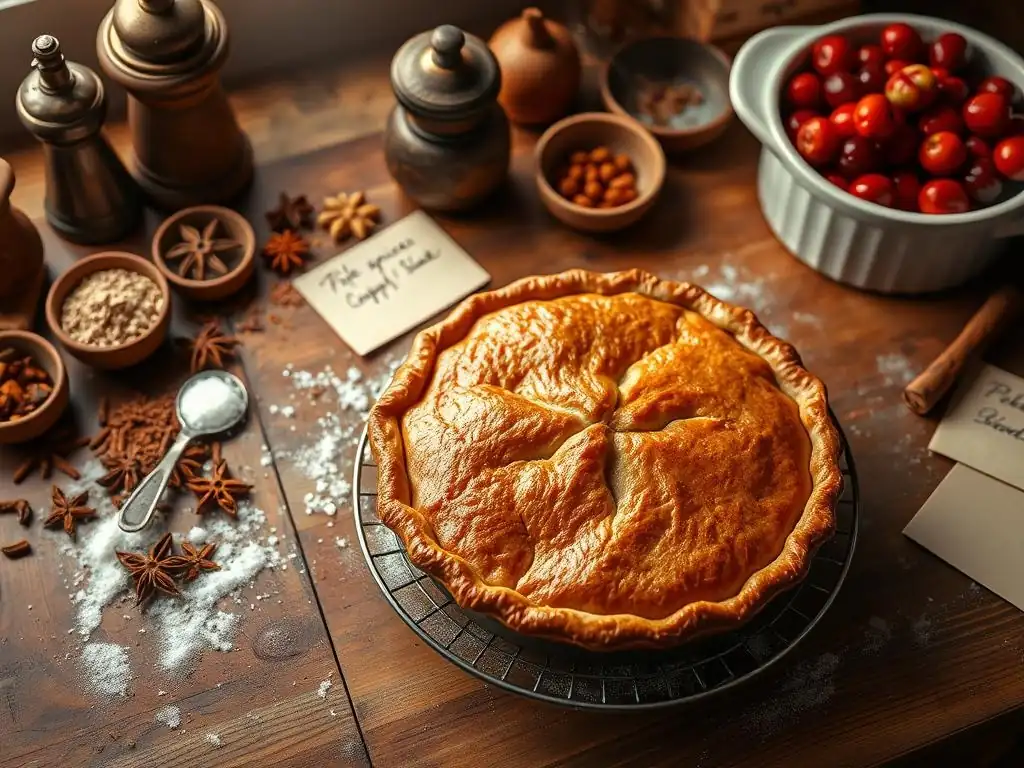
Avoiding Overpowering Spice Flavors
One of the most common mistakes when working with spices in pies is using too much, leading to an overpowering flavor that masks the other ingredients. This is particularly true for potent spices like ground cloves, star anise, or even ginger if used excessively. An overly spiced pie can taste harsh, bitter, or even medicinal.
To avoid this, always measure spices carefully, especially the strong ones. When trying a new spice blend or recipe, err on the side of using slightly less spice than recommended the first time, especially if you're unsure of your spices' freshness and potency. Remember that flavors can intensify slightly as the pie bakes and cools.
If you're concerned, you can often taste the raw filling mixture (minus eggs if present) to get an idea of the spice level, although the flavor will mellow and change during baking. Starting with conservative amounts is key to achieving the best pie spices combinations without overwhelming your palate.
Ensuring Even Spice Distribution in Your Pie
Uneven spice distribution can lead to pockets of intense spice flavor in some bites and blandness in others. This is easily avoided by properly mixing your ingredients. Whether adding spices to the crust or the filling, thorough mixing is essential.
When adding spices to the crust dough, whisk them together with the dry ingredients (flour, salt, sugar) before adding any wet ingredients or fat. This ensures the spices are evenly dispersed throughout the flour mixture. For fillings, especially fruit fillings, mix the spices with the sugar and thickener (like flour or cornstarch) first before adding this blend to the fruit.
Then, gently but thoroughly toss the fruit with the spiced sugar mixture until all the fruit pieces are coated. For custard fillings, whisk the spices into the liquid ingredients (milk, cream, eggs, sugar) until fully incorporated before pouring into the crust. Taking the time for proper mixing guarantees that every slice of your pie offers a consistent and delightful pie spice blend.
Adjusting Spice Levels Based on Personal Preference
Spice preferences are highly personal! What tastes perfectly spiced to one person might be too mild or too strong for another. Don't be afraid to adjust pie spice combinations based on your own or your family's tastes. The recipes and ratios provided here are great starting points, but they are not strict rules.
If you find a recipe's spice level too low, make a note to increase it slightly next time. If it's too high, reduce the amount of the most dominant spice (often cinnamon, or clove if it's too prominent). You can also experiment with adding small amounts of other complementary spices to see how they change the profile.
For instance, if your apple pie feels a bit flat, try adding a pinch of cardamom or ginger next time. Keeping track of your adjustments in a baking journal can help you refine your best spices for pie approach over time and consistently bake pies that are perfect for you.
Storing Your Pie Spices for Optimal Freshness
Best Practices for Spice Storage
Proper storage is critical for maintaining the potency and flavor of your pie spice blends and individual spices. Spices degrade when exposed to heat, light, air, and moisture. Keeping them fresh ensures that your efforts in selecting the best pie spices combinations pay off in the final baked good.
Store your spices in airtight containers. Glass jars with tight-fitting lids or metal tins are excellent choices. Avoid storing them in plastic containers for long periods, as some plastics can absorb or leach flavors. Keep these containers in a cool, dark, dry place, such as a pantry or cupboard away from the stove, oven, dishwasher, or direct sunlight. The fluctuating temperatures and moisture from these appliances can quickly diminish spice quality. Avoid storing spices in the refrigerator or freezer unless the recipe specifically instructs you to, as this can introduce moisture through condensation.
Determining Spice Freshness and Shelf Life
Knowing when your spices are past their prime is essential for consistent baking results. While whole spices generally last longer than ground ones, neither lasts forever. Ground spices typically retain peak flavor for 6 to 12 months, while whole spices can last 3-4 years. Spice blends, like pre-mixed pumpkin pie spice or your own homemade pie spice blends, tend to have a shelf life similar to ground spices due to their blended nature.
The best way to test if a spice is still fresh is by using your senses. Open the container and take a deep whiff. A fresh spice should have a strong, characteristic aroma.
If the smell is faint or non-existent, the spice has lost most of its volatile oils and won't contribute much flavor. You can also rub a small amount of ground spice between your fingers; a fresh spice will release a noticeable fragrance. If your spices are older than a year and lack a strong aroma or flavor, it's best to replace them to ensure your best spices for pie efforts result in truly flavorful pies.
Conclusion: Mastering the Art of Pie Spices
Frequently Asked Questions
What are the most common spices used in pie fillings?
The most common spices for pie fillings include cinnamon, nutmeg, and ginger. These spices offer a warm and comforting flavor that complements many fruit pies.
Can I use pre-mixed pie spice blends instead of individual spices?
Yes, using a pre-mixed pie spice blend can be a convenient option. Just make sure to check the ingredients to ensure it aligns with your desired flavor profile.
How do I adjust the amount of spice in a pie recipe?
Start by following the recipe, then adjust to your personal preference in small increments. Taste the filling before baking and add more spice if needed, focusing on spice balance.
What are some unconventional spices that can enhance pie flavors?
Consider adding spices like cardamom, allspice, or even a pinch of black pepper for a unique and complex flavor. These can add depth and warmth to your pies.
How does the type of fruit in a pie affect the choice of spices?
Different fruits pair well with different spices. For example, apple pie often features cinnamon and nutmeg, while berry pies benefit from a touch of lemon zest or ginger for enhanced sweetness and flavor.
Final Reflection: The Unexpected Symphony of Pie Spices
The perfect pie isn't just about the crust; it's a harmonious blend of flavors, textures, and aromas, orchestrated by the subtle magic of spices. From the comforting warmth of cinnamon to the surprising zest of cardamom, the right spice combination elevates a simple pie into a culinary masterpiece. This exploration of essential pie spices highlights the often-overlooked power of these ingredients to transform a classic dessert.
The influence of spices on our culinary landscape is profound, extending far beyond the humble pie. They're the threads that connect cultures, traditions, and generations. Spices are the soul of food,
a sentiment echoed across countless kitchens and cultures, speaks to their transformative power. This article, while focused on pies, hopefully sparked a deeper appreciation for the versatility and complexity that spices bring to all our cooking, reminding us of the rich history and cultural significance woven into each fragrant grain.
Consider the next time you bake a pie, or even just prepare a simple meal. Don't just reach for the familiar; experiment! Explore the diverse world of spices, letting their unique profiles guide your culinary creativity. Let the warmth of cinnamon, the zing of ginger, or the intrigue of star anise inspire you to craft your own signature spice blends, transforming ordinary ingredients into extraordinary experiences. The journey of flavor awaits – embrace it.
Unlock Your Pie-Baking Potential!
Thanks for exploring the world of flavor-packed pies with us! You've now got the secret ingredient knowledge to elevate your baking game. Ready to put your newfound expertise to the test?
- Master the art of spiced pie crust: Experiment with your favorite spice combinations from today's article and create a signature crust that will leave everyone amazed!
- Share your spiced pie creations: Show us your baking masterpieces on social media using #BakeWithEaseSpicedPies! We can't wait to see what deliciousness you create.
- Dive deeper into pie spice pairings: Explore our recipe archives for more inventive spice combinations to inspire your next baking adventure.
What unique spice blend will you experiment with first, and what kind of pie will you make it shine in? Let's hear your ideas!