
LowCarb Baking for Beginners: Avoiding Common Mistakes

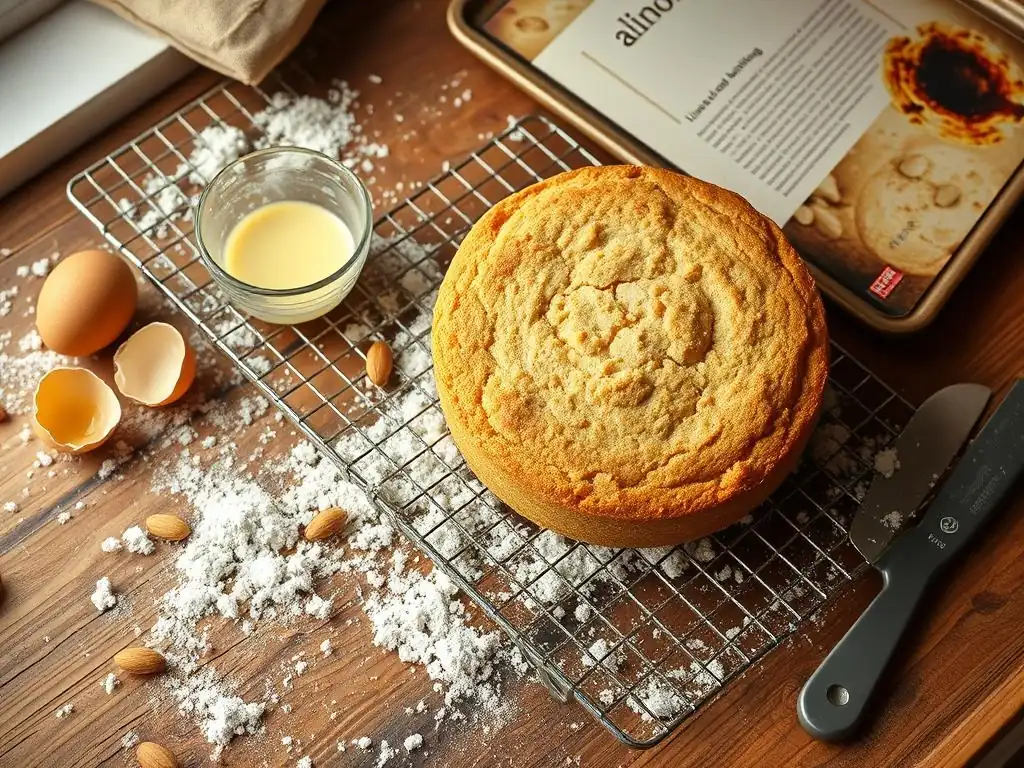
Welcome to BakeWithEase, your guide to delicious baking! Ready to explore the world of LowCarb Baking but worried about common pitfalls? This article dives deep into the most frequent mistakes beginners make when venturing into the low-carb baking realm. Discover how to sidestep these issues and create delectable, guilt-free treats that will impress your taste buds and your waistline! Let's unlock the secrets to baking success, one delicious low-carb recipe at a time...
- Low-Carb Baking for Beginners: Avoiding Common Mistakes - BakeWithEase
- Introduction to Low-Carb Baking: A Beginner's Guide
-
Common Low-Carb Baking Mistakes and How to Avoid Them
- Mistake #1: Incorrect Flour Substitutions - Almond Flour vs. Coconut Flour
- Mistake #2: Overmixing the Dough - The Gluten-Free Difference
- Mistake #3: Using the Wrong Sweeteners - Choosing the Right Sugar Alternatives
- Mistake #4: Ignoring Gluten-Free Baking Binders - Adding Structure and Stability
- Mistake #5: Overbaking or Underbaking - Achieving the Perfect Doneness
- Mistake #6: Neglecting Fat Content - The Role of Healthy Fats in Keto Baking
- Troubleshooting Common Problems in Low-Carb Baking
- Low-Carb Baking Tips for Success: From BakeWithEase
- Conclusion: Mastering Low-Carb Baking with Confidence
-
Frequently Asked Questions
- What is the most common mistake beginners make when switching to low-carb baking?
- Why do my low-carb baked goods often turn out dry and crumbly?
- Can I substitute sugar substitutes 1:1 for sugar in low-carb recipes?
- What are some good flour alternatives for low-carb baking, and when should I use each?
- How important is accurate measuring in low-carb baking compared to traditional baking?
- Final Reflection: The Sweet Success of Low-Carb Baking
- Unlock Your Inner Low-Carb Baker!
Low-Carb Baking for Beginners: Avoiding Common Mistakes - BakeWithEase
Introduction to Low-Carb Baking: A Beginner's Guide
Welcome to the exciting world of low-carb baking! If you're new to this style of baking, you're probably exploring ways to enjoy delicious baked goods while keeping your carbohydrate intake in check. It's a fantastic journey that opens up a whole new range of ingredients and techniques.
Unlike traditional baking that relies heavily on wheat flour and sugar, low-carb baking utilizes alternative flours, natural sweeteners, and often incorporates more fats to achieve desired textures and flavors. This guide is specifically designed for beginners to help you navigate the common pitfalls and low carb baking mistakes that can easily derail your efforts.
Embarking on low-carb baking doesn't mean sacrificing taste or texture. In fact, with the right knowledge and a little practice, you can create everything from fluffy muffins and chewy cookies to dense breads and decadent cakes that fit perfectly into a low-carb or keto lifestyle. Understanding the unique properties of ingredients like almond flour, coconut flour, and various sugar substitutes is crucial. We'll walk you through the essentials, highlight common low carb baking mistakes beginners often make, and provide practical tips straight from the BakeWithEase kitchen to help you achieve success every time.
Why Choose Low-Carb Baking? Health Benefits and Considerations
Choosing low-carb baking often stems from a desire to improve health and manage specific dietary needs. One of the primary benefits is blood sugar regulation. By significantly reducing sugar and refined carbohydrate intake, low-carb baking helps prevent the sharp spikes and crashes in blood glucose levels, which is particularly beneficial for individuals managing diabetes or insulin resistance. For example, swapping a traditional chocolate chip cookie (which might contain 20-25 grams of net carbs per cookie) for a low-carb version (often containing 2-4 grams of net carbs) can make a significant difference in daily carb intake and metabolic response.
Beyond blood sugar control, a low-carb approach to baking can support weight management goals. Foods high in fat and protein, typical in low-carb recipes, tend to be more satiating than high-carb alternatives, helping you feel fuller for longer. This can naturally lead to reduced calorie intake over time. Furthermore, many people report experiencing increased energy levels and improved mental clarity when following a lower-carbohydrate diet. It's important to consider individual health needs and consult with a healthcare professional or registered dietitian before making significant dietary changes.
Essential Ingredients for Successful Keto Baking
To embark on your low-carb baking journey, you'll need to stock your pantry with some key ingredients that differ from traditional baking staples. The foundation often starts with alternative flours. Almond flour, made from ground almonds, is a popular choice for its mild flavor and versatility, suitable for everything from cakes to cookies.
Coconut flour, derived from dried coconut meat, is another staple, though it's much more absorbent than almond flour, requiring less volume and more liquid in recipes. Psyllium husk and xanthan gum are crucial binders that help replicate the structure and elasticity that gluten provides in wheat flour.
Sweeteners are another critical component, as traditional sugar is off-limits. Common low-carb alternatives include erythritol, xylitol (be cautious if you have pets, as it's toxic to them), stevia, and monk fruit extract. These sweeteners provide sweetness without the carbohydrates and calories of sugar, though they can behave differently when heated and may have varying levels of sweetness compared to sugar.
Healthy fats like butter, coconut oil, and avocado oil are also essential, adding moisture, richness, and helping to create tender textures in the absence of gluten. Having these ingredients on hand is the first step to avoiding common low carb baking mistakes.
Common Low-Carb Baking Mistakes and How to Avoid Them
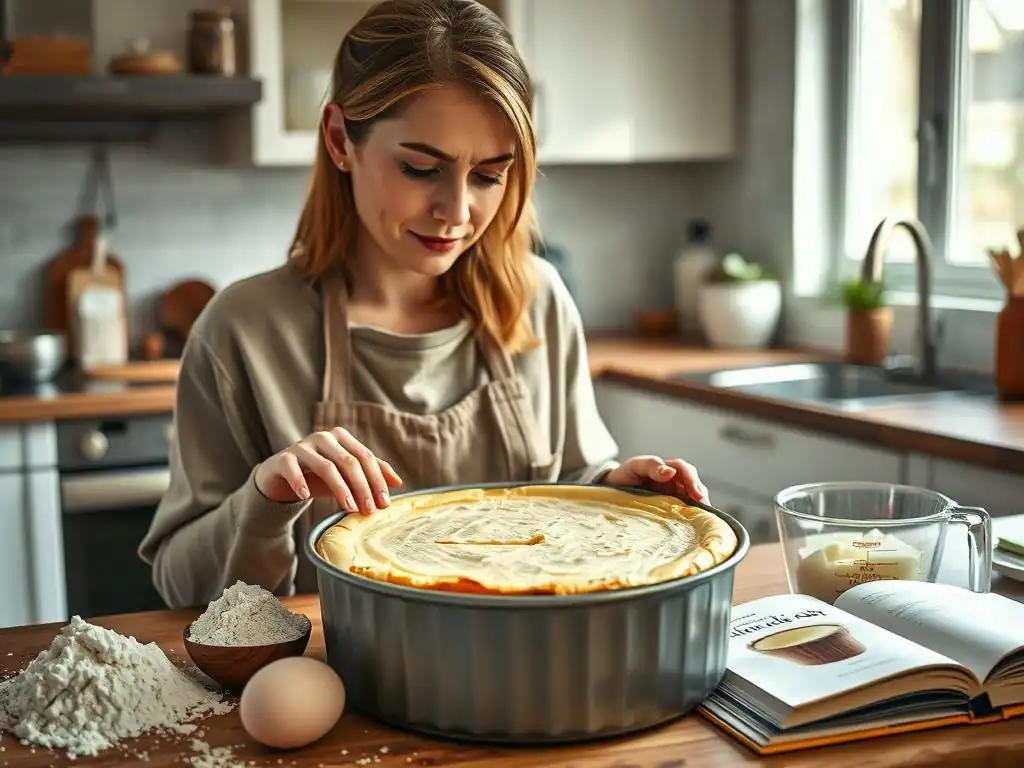
Mistake #1: Incorrect Flour Substitutions - Almond Flour vs. Coconut Flour
One of the most frequent low carb baking mistakes beginners make is attempting a direct 1:1 substitution between different low-carb flours, particularly almond flour and coconut flour. These flours have vastly different properties, especially concerning liquid absorption. Almond flour is relatively dense and behaves somewhat similarly to wheat flour in terms of volume, though it lacks gluten.
Coconut flour, on the other hand, is incredibly absorbent. A recipe calling for 1 cup of almond flour might only require 1/4 to 1/3 cup of coconut flour, along with a significant increase in liquid and possibly eggs to account for its thirstiness and binding needs.
Ignoring these differences leads to predictable results: dry, crumbly baked goods when substituting coconut flour for almond flour without adjustment, or overly wet, dense results when doing the reverse. For instance, trying to make cookies using 1 cup of coconut flour in a recipe designed for 1 cup of almond flour will likely yield a dough so dry and crumbly it won't hold together. Always follow recipes specifically developed for the type of low-carb flour you are using. If you must substitute, look for reliable conversion charts and be prepared to adjust liquids and binders significantly.
Understanding the Properties of Low-Carb Flours
Understanding the unique characteristics of low-carb flours is foundational to successful baking and helps prevent many low carb baking mistakes. Almond flour, made from blanched, ground almonds, provides a tender crumb and nutty flavor. It's relatively high in fat and protein but low in net carbs. It doesn't absorb as much liquid as wheat flour or coconut flour, and because it lacks gluten, it doesn't develop structure in the same way. This means baked goods made solely with almond flour can sometimes be fragile or flat if not properly formulated.
Coconut flour is made from dried, defatted coconut meat. It's very high in fiber, which is why it absorbs so much liquid – often 3-4 times its weight in water. This high absorbency means you need far less of it by volume compared to other flours, and recipes require a higher proportion of wet ingredients (eggs, liquids).
Coconut flour also has a distinct coconut flavor, which works well in some recipes but might be undesirable in others. Its structure is different from almond flour, often resulting in a denser texture. Using these flours interchangeably without recipe adjustments is a classic way to encounter low carb baking mistakes.
Avoiding Dry and Crumbly Textures: Hydration is Key
Dry and crumbly textures are common issues when starting out with low-carb baking, often resulting from insufficient hydration or incorrect flour usage. Because low-carb flours like almond and coconut flour lack gluten, they don't form the same elastic network that traps moisture and provides structure in traditional baking. This makes getting the liquid balance just right absolutely critical. A recipe might look "too wet" by traditional standards, but that extra moisture is often necessary to properly hydrate the alternative flours and prevent a dry outcome.
For example, a standard wheat flour muffin recipe might use a 1:1 flour-to-liquid ratio by volume, while a low-carb muffin recipe using almond flour might use a 1.5:1 or 2:1 ratio of flour to liquid (including eggs, which add moisture and binding). When using coconut flour, the liquid ratio is even higher relative to the flour volume. Pay close attention to the recipe's specified amounts of eggs, liquids (like almond milk or cream), and fats.
Don't be tempted to add more flour if the batter seems looser than you expect – trust the recipe designed for these specific ingredients. Using ingredients by weight rather than volume can also significantly improve accuracy and hydration consistency, helping you avoid this common low carb baking mistake.
Mistake #2: Overmixing the Dough - The Gluten-Free Difference
Overmixing dough or batter is a significant low carb baking mistake, especially because these recipes are gluten-free. In traditional baking with wheat flour, mixing develops gluten, which gives structure and elasticity. However, low-carb flours like almond or coconut flour contain no gluten. Vigorous or prolonged mixing serves no purpose in developing structure and can actually work against you.
Overmixing can incorporate too much air, leading to baked goods that rise too quickly and then collapse, resulting in a dense or tough texture. It can also negatively affect the fats in the recipe, potentially causing them to separate or creating an undesirable greasy result. Since there's no gluten network to build, the goal is simply to combine ingredients until just blended.
Why Overmixing Ruins Low-Carb Baked Goods
Without gluten, the structure in low-carb baked goods relies on other components: the protein in eggs, the binding properties of ingredients like psyllium husk or xanthan gum, and the stability provided by fats. Overmixing can disrupt this delicate balance. For instance, whipping egg whites too stiffly when they are meant to be gently folded can lead to issues, or overworking a dough can make it tough because fats are emulsified incorrectly.
Consider a simple low-carb cookie dough made with almond flour. If you beat the mixture vigorously for several minutes after adding the dry ingredients, you're not developing gluten (because there is none). Instead, you might be overworking the fats, leading to cookies that spread too much or have an unpleasant greasy texture after baking. The goal is to mix until the ingredients are just combined, ensuring that the binders are evenly distributed without whipping excess air or overworking the fats.
Gentle Mixing Techniques for Optimal Results
To avoid the pitfalls of overmixing, adopt gentle mixing techniques. For most low-carb batters (cakes, muffins), use a whisk or electric mixer on a low speed just until the dry ingredients are incorporated into the wet. There should be no visible streaks of flour. Stop mixing as soon as this is achieved – a few lumps are perfectly fine and often preferable to an overmixed, smooth batter.
For doughs (cookies, scones), mix with a spoon, spatula, or on low speed with a mixer until the dough just comes together. Avoid kneading unless the recipe specifically instructs it (which is rare in low-carb baking). The less you handle the dough after the dry ingredients are added, the better. This gentle approach ensures that the binders activate correctly without disrupting the fat structure, leading to tender, well-textured results and helping you steer clear of common low carb baking mistakes.
Mistake #3: Using the Wrong Sweeteners - Choosing the Right Sugar Alternatives
Selecting and using the correct low-carb sweetener is crucial for both flavor and texture, and getting it wrong is a common low carb baking mistake. Not all sugar substitutes are created equal. They vary in sweetness intensity, how they behave when heated, whether they caramelize, and if they leave an aftertaste. Using a sweetener that's too potent or one that doesn't bake well can ruin the flavor and texture of your final product.
For example, using pure stevia extract (which is hundreds of times sweeter than sugar) in a 1:1 ratio like you might with a bulk sweetener like erythritol will result in an overwhelmingly sweet and potentially bitter taste. Conversely, using a bulk sweetener like erythritol in a recipe designed for a concentrated liquid sweetener like monk fruit extract will result in a product that isn't sweet enough and might have textural issues due to the added bulk. Always check the recipe's recommended sweetener and its equivalent sweetness to sugar.
Exploring Keto-Friendly Sweeteners: Erythritol, Stevia, and Monk Fruit
Three of the most popular keto-friendly sweeteners are erythritol, stevia, and monk fruit. Erythritol is a sugar alcohol that is about 70% as sweet as sugar. It's often used as a bulk sweetener in granulated or powdered form. It doesn't affect blood sugar and has minimal calories. However, it can sometimes cause a cooling sensation and doesn't caramelize like sugar. A common brand is Swerve or NOW Foods Erythritol.
Stevia is a natural sweetener derived from the leaves of the Stevia rebaudiana plant. It's much sweeter than sugar and is usually used in small amounts, either as a liquid extract or a powder blended with other ingredients like erythritol (e.g., Truvia, which is mostly erythritol with stevia). Stevia can sometimes have a slight bitter or licorice-like aftertaste, particularly in larger quantities.
Monk fruit extract, from the monk fruit, is also much sweeter than sugar and is often blended with erythritol. It has a clean sweetness with less potential for aftertaste than stevia for many people. Understanding these differences helps prevent low carb baking mistakes related to sweetness.
Measuring Sweeteners Accurately for Balanced Flavor
Accurate measurement of low-carb sweeteners is paramount for achieving balanced flavor. Since their sweetness levels vary so much compared to sugar and each other, even small errors can significantly impact the final taste. Bulk sweeteners like erythritol can often be measured by volume or weight, similar to sugar, though weighing is generally more accurate (1 cup of granulated erythritol is roughly 200 grams, similar to sugar's 200g per cup).
However, concentrated sweeteners like liquid stevia or monk fruit drops must be measured very precisely, often in drops or tiny fractions of a teaspoon. Using too much can result in an overpowering, artificial, or bitter taste. Always use the measurement specified in the recipe for the exact type of sweetener recommended. If substituting, use a reliable conversion chart as a starting point and be prepared to adjust based on your preferred level of sweetness. This meticulous approach to measuring sweeteners is key to avoiding common low carb baking mistakes.
Mistake #4: Ignoring Gluten-Free Baking Binders - Adding Structure and Stability
A critical difference between traditional and low-carb baking is the absence of gluten, the protein network that provides structure, elasticity, and chewiness in wheat-based goods. Without gluten, low-carb baked goods can easily become crumbly, flat, or fall apart. Ignoring the need for alternative binders is a common low carb baking mistake that directly impacts the texture and stability of your results.
Binders like xanthan gum and psyllium husk are essential for replicating some of the functions of gluten. They absorb moisture and create a gel-like consistency that helps hold the ingredients together, providing structure, improving elasticity, and preventing crumbling. Without them in recipes where they are needed, you'll likely end up with a pile of delicious-tasting crumbs instead of a cohesive cake or cookie.
The Importance of Xanthan Gum and Psyllium Husk
Xanthan gum is a polysaccharide often derived from fermented corn sugar. Used in small amounts (typically 1/4 to 1 teaspoon per cup of low-carb flour blend), it acts as a powerful thickener and stabilizer, adding elasticity and preventing ingredients from separating. It's particularly useful in recipes aiming for a slightly chewy texture, like cookies or breads.
Psyllium husk, derived from the seeds of the Plantago ovata plant, is a soluble fiber that forms a gel when mixed with liquid. It provides structure and a bread-like texture, making it invaluable in low-carb bread and bun recipes. It's typically used in slightly larger quantities than xanthan gum (often 1-2 tablespoons per cup of flour). Note that psyllium husk powder is more concentrated than whole psyllium husks, so recipes will specify which to use. Both binders are crucial tools in the low-carb baker's arsenal to combat low carb baking mistakes related to structure.
How to Properly Incorporate Binders into Your Recipes
Properly incorporating binders is just as important as using them. Xanthan gum is usually added directly to the dry ingredients and whisked thoroughly to ensure even distribution before combining with wet ingredients. Because it activates quickly upon contact with liquid, pre-mixing it with the flour helps prevent clumps and ensures it can evenly work its magic throughout the batter or dough.
Psyllium husk is often mixed with the liquid ingredients first and allowed to sit for a few minutes to form a gel before being combined with the dry ingredients. This pre-gelling step ensures it's fully hydrated and ready to provide structure. Always follow the recipe's instructions on when and how to add binders. Using the correct type (powder vs. whole husk) and amount, and adding them at the right stage, are simple steps that can significantly improve your low-carb baking success and help you avoid common low carb baking mistakes.
Mistake #5: Overbaking or Underbaking - Achieving the Perfect Doneness
Just like in traditional baking, getting the baking time and temperature right is critical in low-carb baking, and overbaking or underbaking are frequent low carb baking mistakes. Low-carb flours and alternative sweeteners can behave differently under heat than wheat flour and sugar. For instance, almond flour browns more quickly due to its fat content, which can lead to the edges being done while the center is still raw if the temperature is too high or baking time too long.
Underbaking, on the other hand, can result in a gummy or dense texture because the structure hasn't fully set. Since there's no gluten to provide chewiness, low-carb baked goods rely on the setting of proteins (from eggs) and the gelling of fibers (from flours and binders). If not baked long enough, these elements won't properly solidify, leaving you with an unappealing texture.
Understanding Oven Temperatures and Baking Times for Low-Carb Recipes
Oven calibration is paramount. An oven that runs 25°F hotter or colder than the set temperature can drastically affect baking results. Consider getting an oven thermometer to ensure accuracy. Low-carb recipes often call for slightly lower temperatures (around 300-325°F or 150-160°C) and potentially longer baking times compared to traditional recipes, especially for cakes or breads made with almond flour, to prevent premature browning.
Fats in low-carb recipes also influence baking time and temperature. Higher fat content can make baked goods more prone to burning on the outside if the temperature is too high. Always preheat your oven fully before putting items in. Start checking for doneness a few minutes before the recipe's minimum suggested time, as individual ovens and pan types can cause variations. Paying close attention to these details helps prevent common low carb baking mistakes related to heat.
The Toothpick Test: Knowing When Your Baked Goods Are Ready
The classic toothpick test remains a reliable method for checking doneness in many low-carb baked goods, particularly cakes, muffins, and quick breads. Insert a toothpick into the center of the item. If it comes out clean or with a few moist crumbs attached, it's likely done. If it comes out with wet batter, it needs more time.
For items like cookies, the visual cues are often more important. Look for golden edges and a slightly set center. Cookies made with almond flour won't spread and brown in the same way as traditional cookies. They might look slightly underdone in the center when you take them out, but they will continue to set as they cool on the baking sheet. Learning the specific visual cues for different types of low-carb baked goods comes with practice and helps you avoid the low carb baking mistakes of over or underbaking.
Mistake #6: Neglecting Fat Content - The Role of Healthy Fats in Keto Baking
Fats play a crucial role in low-carb baking, contributing moisture, tenderness, flavor, and aiding in achieving a desirable texture in the absence of gluten. Neglecting the specified fat content or substituting fats incorrectly is a common low carb baking mistake. Traditional baking relies on gluten for structure and often sugar and moisture for tenderness. In low-carb baking, fats often step in to provide that softness and richness.
Using too little fat will result in dry, dense, and potentially tough baked goods. For example, reducing the amount of butter in a low-carb scone recipe will likely yield hard, dry scones instead of flaky, tender ones. The fat coats the flour particles, preventing them from bonding too much (especially with the help of binders), which results in a more tender crumb.
Incorporating Healthy Fats for Moisture and Flavor
Healthy fats are not just about texture; they also significantly contribute to the flavor profile of low-carb baked goods. Butter adds a rich, classic flavor that works well in many recipes. Coconut oil can impart a subtle coconut note (or a neutral one if refined) and is excellent for moisture. Avocado oil is relatively neutral in flavor and high in monounsaturated fats, making it a good liquid fat option.
Incorporating fats correctly means following the recipe's instructions – whether it calls for softened butter creamed with sweetener, melted coconut oil whisked into wet ingredients, or a neutral oil blended into a batter. The type and state of the fat (solid, softened, melted, liquid) will impact the final texture. For instance, cold, diced butter cut into dry ingredients is essential for flaky results in biscuits or scones, while melted butter or oil is better for moist cakes or muffins.
Choosing the Right Oils and Butters for Low-Carb Baking
The choice of fat can influence both the flavor and the outcome. For recipes where you want a rich, classic flavor, unsalted butter is often the top choice. Ensure it's the correct temperature (melted, softened, or cold) as specified. If a recipe calls for a liquid oil, consider neutral options like avocado oil or light olive oil that won't overpower other flavors. Coconut oil is versatile; use refined coconut oil for a neutral taste or unrefined for a noticeable coconut flavor.
Avoid margarines or spreads that may contain trans fats or added sugars and carbohydrates. Stick to natural, high-quality fats. Some recipes might also call for nut butters (like almond butter or peanut butter) which add fat, protein, and unique flavors and textures. Understanding the role and properties of different fats is key to avoiding low carb baking mistakes and creating delicious, moist results.
Troubleshooting Common Problems in Low-Carb Baking
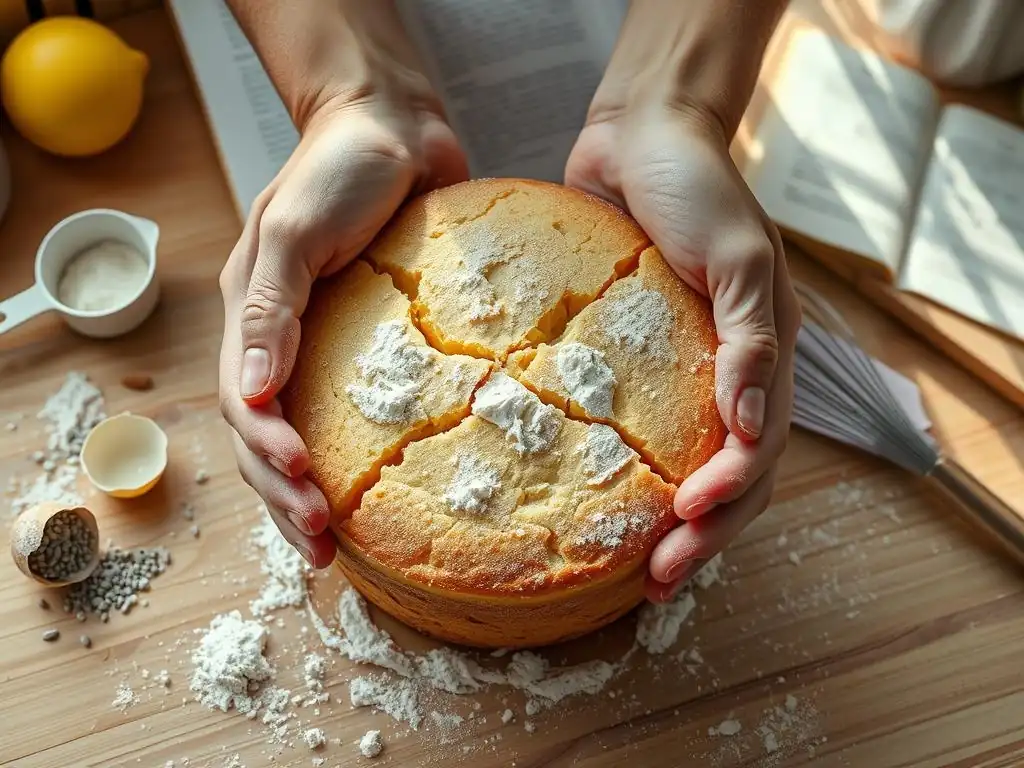
Dealing with a Gummy Texture: Causes and Solutions
A gummy texture is a frustrating low carb baking mistake, often occurring in cakes, muffins, or quick breads. This usually results from one of a few causes: too much liquid relative to the dry ingredients, insufficient baking time (the structure hasn't set), or sometimes, using too much of a binder like psyllium husk without enough liquid, leading to a dense, heavy crumb.
To fix a gummy result, first ensure you are measuring ingredients accurately – using a scale is best for flours and binders. Next, check your baking time and temperature; the item might need a few extra minutes in the oven to set properly (use the toothpick test). If using psyllium husk, make sure it was properly hydrated with liquid before adding dry ingredients, and consider slightly reducing the amount in future attempts if you suspect it's the culprit. Adjusting the liquid content slightly in your recipe for next time might also help achieve a lighter texture.
Fixing a Dry and Crumbly Result: Hydration Tips and Tricks
Conversely, a dry and crumbly texture is another common low carb baking mistake, often indicating insufficient moisture. This can be due to under-measuring liquids, using too much flour (especially absorbent ones like coconut flour), overbaking, or not using enough fat.
To combat dryness, double-check your liquid measurements. Ensure you're using the correct type and amount of flour specified in the recipe. If using coconut flour, remember it needs significantly more liquid than almond flour.
Increase the baking time slightly if you suspect underbaking was the issue, but be careful not to burn the edges. For future attempts, you might try slightly increasing the amount of fat (like butter or oil) or adding ingredients known for moisture, such as sour cream, Greek yogurt, or a bit of unsweetened applesauce (check carb counts for applesauce). Using ingredients at room temperature also helps them emulsify better, contributing to a more tender crumb.
Addressing a Bitter Taste: Sweetener Adjustments and Flavor Balancing
A bitter or artificial aftertaste is almost always linked to the sweetener used, another frequent low carb baking mistake. Some people are more sensitive to the aftertaste of certain sweeteners, particularly stevia or some blends. Using too much concentrated sweetener can also intensify any potential off-flavors.
To address bitterness, first try reducing the amount of sweetener slightly in your next batch. If the recipe uses a blend, try switching to a different brand or type of sweetener (e.g., switching from a stevia blend to an erythritol-monk fruit blend). Sometimes, adding a pinch of salt or a splash of vanilla extract can help balance the sweetness and mask any off-flavors.
For chocolate recipes, adding a little extra cocoa powder or espresso powder can also help mask bitterness. Experimenting with different sweeteners and brands to find the ones you tolerate best is key to avoiding this specific low carb baking mistake.
Low-Carb Baking Tips for Success: From BakeWithEase
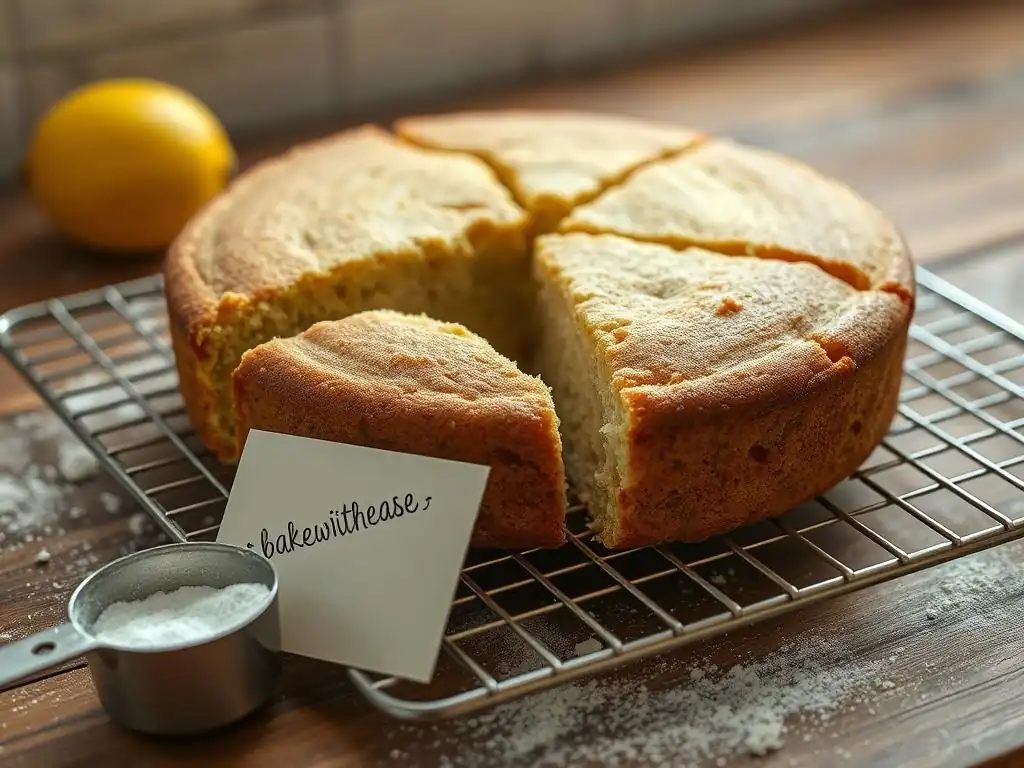
Here are some essential tips from BakeWithEase to help you master low-carb baking and consistently avoid common low carb baking mistakes:
- Read the Recipe Thoroughly: Before you start, read the entire recipe from beginning to end. Understand the steps, ingredients, and required equipment.
- Use Room Temperature Ingredients: Unless the recipe specifies otherwise, using ingredients like eggs and dairy at room temperature helps them emulsify better, leading to a smoother batter and better texture.
- Don't Overmix: As discussed, gentle mixing is key in gluten-free baking. Mix just until combined.
- Trust the Recipe: Low-carb recipes are formulated specifically for alternative ingredients. Avoid making drastic substitutions unless you understand the science behind them.
- Be Patient: Low-carb baked goods often need time to cool completely to firm up and for flavors to develop. Don't cut into a cake or bread right out of the oven.
Measuring Ingredients Accurately: The Key to Consistent Results
Accurate measurement is perhaps the single most important factor in consistent baking success, regardless of whether it's low-carb or traditional. Small errors can have big consequences, especially with ingredients like low-carb flours and potent sweeteners. Using a digital kitchen scale to measure ingredients by weight (grams or ounces) is significantly more accurate than using volume measures (cups and spoons), which can vary based on how you scoop and level.
For instance, a cup of almond flour can weigh anywhere from 90 to 120 grams depending on how packed it is. That variation can drastically change the flour-to-liquid ratio in a recipe. Psyllium husk powder is even more critical to measure accurately by weight. Investing in a scale is one of the best ways to eliminate a major source of low carb baking mistakes and ensure your results are consistently delicious.
Storing Your Low-Carb Baked Goods Properly: Maintaining Freshness
Proper storage is essential for maintaining the freshness and texture of your low-carb creations. Because they often contain more moisture and different types of fats and flours than traditional baked goods, they can spoil or dry out differently. Many low-carb baked goods, especially those containing cheese, cream cheese, or high amounts of butter, are best stored in the refrigerator to prevent spoilage and maintain texture.
Items like cookies, muffins, or quick breads can often be stored at room temperature in an airtight container for 2-3 days, but refrigeration will extend their freshness for up to a week. For longer storage, most low-carb baked goods freeze beautifully. Wrap individual portions tightly in plastic wrap or foil, then place them in a freezer-safe bag or container. Thaw them at room temperature or gently warm them before serving. Proper storage ensures your effort isn't wasted and helps you enjoy your creations without encountering texture issues later.
Experimenting with Flavors and Add-Ins: Expanding Your Keto Baking Repertoire
Once you've mastered the basics and consistently avoid the common low carb baking mistakes, don't be afraid to experiment! Low-carb baking offers a fantastic canvas for adding delicious flavors and healthy add-ins. Think beyond plain vanilla and chocolate. Citrus zests (lemon, orange), extracts (almond, peppermint, coffee), spices (cinnamon, nutmeg, cardamom), and sugar-free flavorings can elevate your baked goods.
Consider incorporating healthy add-ins like chopped nuts (pecans, walnuts, macadamia nuts), seeds (chia, flax, pumpkin), sugar-free chocolate chips, shredded coconut, or fresh berries (in moderation, due to carb content). Just be mindful of the quantities, as adding too many wet ingredients (like excessive berries) can affect the texture, and adding dense ingredients like nuts can change the required baking time slightly. Experimenting is part of the fun, allowing you to personalize recipes and discover new favorites while staying within your low-carb goals.
Conclusion: Mastering Low-Carb Baking with Confidence
Embarking on low-carb baking is a rewarding journey that allows you to enjoy delicious treats while adhering to your dietary goals. Like any new skill, it comes with a learning curve, and encountering low carb baking mistakes is a natural part of the process. By understanding the unique properties of low-carb ingredients – from alternative flours and sweeteners to binders and fats – and by being mindful of common pitfalls like incorrect substitutions, overmixing, and improper baking times, you can significantly increase your success rate.
Remember to measure accurately, follow recipes designed for low-carb ingredients, and don't be discouraged by imperfect results initially. Each bake is a learning opportunity. With practice, patience, and the tips provided here from BakeWithEase, you'll gain confidence in your low-carb baking abilities and be able to create a wide variety of tasty and satisfying baked goods that fit perfectly into your lifestyle. Happy low-carb baking!
Frequently Asked Questions
What is the most common mistake beginners make when switching to low-carb baking?
The most common mistake is not understanding the differences in ingredients. Traditional flour is replaced with options like almond or coconut flour, which behave very differently and require adjustments to moisture and binding agents.
Why do my low-carb baked goods often turn out dry and crumbly?
This is usually due to a lack of gluten, which provides structure in traditional baking. To compensate, you should consider adding ingredients like xanthan gum or psyllium husk to improve the texture.
Can I substitute sugar substitutes 1:1 for sugar in low-carb recipes?
No, not always. Different sugar substitutes have varying levels of sweetness and can affect the moisture content and texture of your baked goods. It's essential to follow the recipe closely and understand the specific ratios for each substitute.
What are some good flour alternatives for low-carb baking, and when should I use each?
Almond flour is versatile for cakes and cookies. Coconut flour is highly absorbent, so use sparingly and increase liquids. Flaxseed meal can add fiber and bind ingredients.
How important is accurate measuring in low-carb baking compared to traditional baking?
Accurate measuring is crucial in low-carb baking. Since ingredients behave differently, even slight variations can significantly impact the final result and cause the item to fail.
Final Reflection: The Sweet Success of Low-Carb Baking
Mastering low-carb baking isn't just about avoiding sugar; it's about unlocking a world of delicious possibilities. The journey, as detailed in this guide, reveals that while avoiding common pitfalls like improper flour substitutions and neglecting moisture content is crucial, the true reward lies in the creative freedom and health benefits this style of baking offers. This isn't just a diet trend; it's a culinary revolution.
The impact of low-carb baking extends beyond individual kitchens. It represents a growing awareness of healthier eating habits and a desire for delicious alternatives to traditional, high-sugar desserts. This shift reflects a broader cultural movement towards mindful consumption and a deeper understanding of the impact of diet on overall well-being. The best way to find yourself is to lose yourself in the service of others.
– Mahatma Gandhi. While not directly about baking, this quote speaks to the broader personal journey of self-discovery that can be found in mastering a new skill, like low-carb baking, and sharing that knowledge with others.
Now, it's your turn. Don't be intimidated by the initial challenges. Embrace the learning process, experiment with different low-carb flours and sweeteners, and most importantly, enjoy the journey of creating delicious and healthy treats. The knowledge you've gained here is your starting point. Go forth, bake confidently, and savor the sweet rewards of your low-carb culinary adventures!
Unlock Your Inner Low-Carb Baker!
Thanks for joining us on this low-carb baking adventure! You've now armed yourself with the knowledge to avoid those pesky baking pitfalls. Ready to create delicious, guilt-free treats?
- Bake your first low-carb masterpiece! Choose your favorite recipe (or try a new one!) and get baking. Remember the tips and tricks we shared.
- Share your baking journey with our community on social media – we’d love to see your creations! Use #BakeWithEaseLowCarb.
- Explore our extensive recipe library for even more low-carb inspiration. Discover exciting new flavor combinations and techniques!
What low-carb treat will you bake first? Let us know in the comments below!