
Refrigerating Dough: Unlocking Flavor Through Slow Fermentation

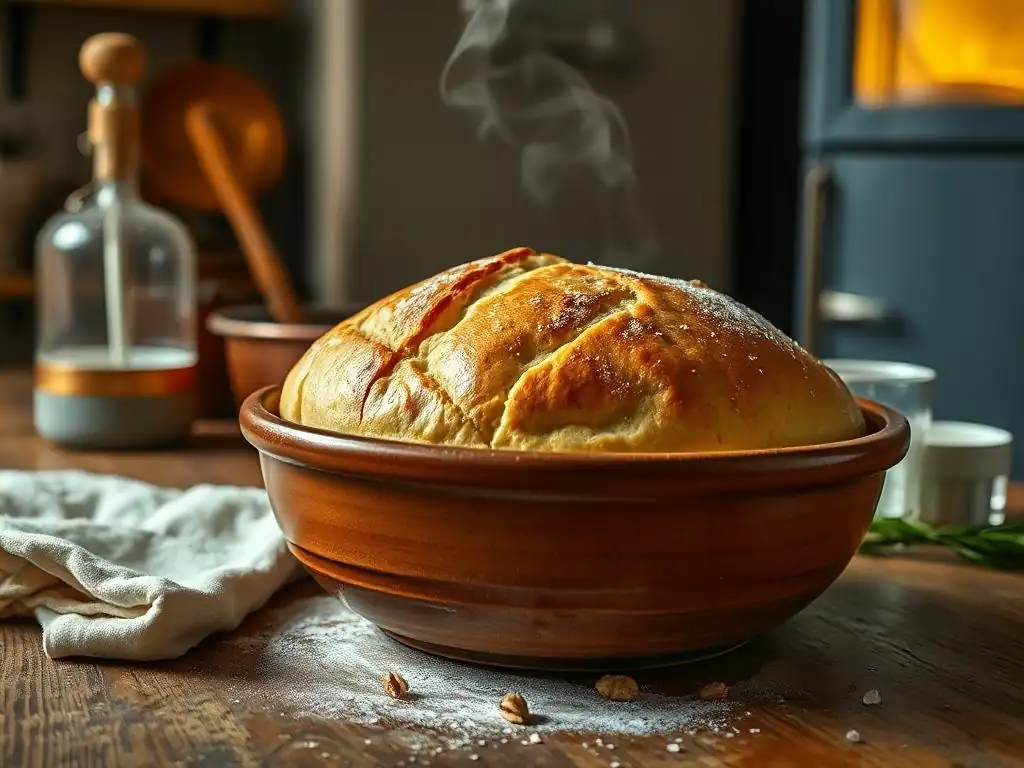
Welcome to BakeWithEase, your guide to effortless baking! Ever wondered how a simple chill can dramatically transform your dough? Prepare to unlock a world of richer, more complex flavors. Dive into our exploration of refrigerating dough and discover the secrets behind slow fermented dough flavor. Get ready to elevate your baking from good to unforgettable!
- Introduction to Slow Fermentation and Dough Refrigeration
- The Science Behind Slow Fermentation in Cold Temperatures
- Benefits of Refrigerating Dough: More Than Just Flavor
- Understanding Different Dough Types and Refrigeration
-
Step-by-Step Guide: Refrigerating Dough for Optimal Flavor
- Step 1: Mixing and Initial Fermentation at Room Temperature
- Step 2: Shaping the Dough for Refrigeration
- Step 3: Proper Packaging for Cold Storage
- Step 4: Refrigeration Time: Finding the Sweet Spot (24-72 Hours for Bread, 48-96 Hours for Sourdough)
- Step 5: Bringing Dough to Room Temperature Before Baking
- Troubleshooting Common Issues with Refrigerated Dough
- Maximizing Flavor: Tips and Tricks for Slow Fermented Dough
- Advanced Techniques: Beyond Basic Dough Refrigeration
- Conclusion: Embrace the Power of Slow Fermentation for Delicious Baking
-
Frequently Asked Questions
- What is slow fermentation and how does refrigerating dough contribute to it?
- Why is slow fermentation important for improving dough flavor?
- Can any type of dough be slow-fermented in the refrigerator?
- How long can I refrigerate dough for slow fermentation?
- Will slow fermentation in the refrigerator significantly change the texture of my baked goods?
- Final Reflection: The Enduring Magic of Slow Fermentation
- Unleash the Flavor: Master the Art of Refrigerated Dough
Introduction to Slow Fermentation and Dough Refrigeration
Baking is often seen as a precise science, but it's also an art form where patience can be your greatest tool. One powerful technique that leverages time to transform simple ingredients into something truly extraordinary is slow fermentation, often achieved through refrigerating dough. This process isn't just about convenience; it's a deliberate method to develop deeper, more complex flavors and improve the overall texture of your baked goods.
Understanding how cold temperatures interact with the living components in dough – primarily yeast and enzymes – is key to mastering this technique. By significantly slowing down fermentation, refrigeration allows subtle chemical reactions to occur over an extended period, unlocking flavor compounds that rapid, warm fermentation simply can't achieve. This guide will walk you through the magic of refrigerating dough, explaining the science and showing you how to harness the power of time for superior results.
Why Slow Fermentation Enhances Dough Flavor
Slow fermentation is the secret weapon for achieving that coveted slow fermented dough flavor found in artisan breads and pastries. When dough ferments slowly in a cool environment, yeast activity is significantly reduced compared to fermentation at room temperature. This slower pace means that the yeast produces alcohol and carbon dioxide at a much gentler rate.
Crucially, the extended fermentation time allows enzymes naturally present in the flour to work more effectively. These enzymes break down complex carbohydrates into simpler sugars and proteins into amino acids. These breakdown products are not only food for the yeast over a longer period but also contribute directly to the development of a richer, more nuanced flavor profile.
Think of it like marinating meat – the longer it sits, the more flavor it absorbs. Similarly, slow fermentation allows the flavors to deepen and complexify, resulting in a far more interesting and delicious outcome than a quickly risen dough. This enzyme action is fundamental to achieving exceptional slow fermented dough flavor.
BakeWithEase Guide to Refrigerating Dough for Enhanced Taste
Refrigerating dough is a straightforward process that can dramatically elevate your baking. The basic principle is simple: after mixing and an initial brief fermentation period at room temperature (often called the bulk fermentation), the dough is placed in the refrigerator for an extended period, typically ranging from 12 hours up to several days, depending on the recipe and desired outcome.
Our BakeWithEase guide emphasizes that proper technique is essential. This includes using the right container to prevent drying, ensuring the dough is at the correct stage before chilling, and understanding how to handle the dough after it comes out of the cold. While the exact timing varies, the goal is always to leverage the cold to slow down the yeast and give the enzymes ample time to build flavor. This method is particularly effective for doughs destined for bread, pizza, and even some pastries, contributing significantly to that desirable slow fermented dough flavor.
The Science Behind Slow Fermentation in Cold Temperatures
The refrigerator isn't just a storage unit; it's a controlled environment that dramatically alters the biological and chemical processes happening within your dough. Understanding this science helps you predict and control the outcome, leading to consistently better results and a deeper appreciation for the slow fermented dough flavor you're developing.
At its core, cold fermentation manipulates the activity of yeast and enzymes while influencing the physical structure of the dough. The lower temperature slows down the metabolic rate of the yeast, changing the types of compounds they produce and the rate at which they produce them. Simultaneously, the cold environment provides an ideal stage for enzymatic activity to flourish over a longer duration, building complex flavors.
How Cold Temperatures Affect Yeast Activity
Yeast are living organisms that thrive in warmer temperatures, typically between 75°F and 85°F (24°C-30°C), where they rapidly consume sugars and produce carbon dioxide (causing rise) and alcohol. When dough is placed in a refrigerator, where temperatures are typically between 35°F and 40°F (1.5°C-4°C), the yeast's metabolic activity slows down significantly, sometimes by a factor of 10 or more compared to room temperature.
This reduced activity means that while the dough still ferments and produces gas, it does so at a much slower pace. More importantly, the slower fermentation changes the byproduct profile of the yeast. Instead of primarily producing ethanol and CO2 quickly, the yeast in a cold environment produces a wider range of metabolic compounds, including organic acids and esters. These compounds contribute significantly to the complex aromas and tangy notes characteristic of excellent slow fermented dough flavor, especially in sourdoughs.
The Role of Enzymes in Flavor Development During Refrigeration
Flour contains natural enzymes, primarily amylases and proteases. Amylases break down starches into simpler sugars, which the yeast can then consume. Proteases break down proteins, including gluten, into smaller peptides and amino acids. At room temperature, these enzymes work alongside rapid yeast activity.
In the cold, yeast activity is subdued, but enzymatic activity continues, albeit at a slower rate than peak temperature ranges for some enzymes, but over a much longer period. This extended contact time between enzymes and their substrates (starch and protein) is crucial. Amylases have more time to break down complex starches into a wider variety of simple sugars, leading to more browning during baking and a slightly sweeter crumb.
Proteases gently break down the gluten network, which, while initially strengthening the dough (more on that next), also releases amino acids that contribute to savory notes and act as precursors for flavor compounds during baking. This prolonged enzymatic action is a cornerstone of developing deep slow fermented dough flavor.
Impact of Refrigeration on Gluten Development and Dough Structure
Gluten, the protein network formed when water is added to flour and kneaded, provides the structure and elasticity in dough. During the initial mixing and brief room-temperature fermentation, gluten strands begin to form. When the dough is refrigerated, two things happen simultaneously regarding gluten.
First, the cold environment stiffens the dough and slows the movement of water and protein molecules, which initially slows down the formation of new gluten bonds. However, over the extended period in the cold, the existing gluten network continues to hydrate and align, often resulting in a stronger, more extensible dough. Second, the slow action of proteases begins to tenderize the gluten slightly.
The net effect after cold fermentation is typically a dough that is both stronger (easier to handle and shape) and more relaxed and extensible than a dough fermented quickly at room temperature. This improved structure contributes to a better rise, a more open crumb structure, and a superior texture, all enhancing the overall slow fermented dough flavor experience.
Benefits of Refrigerating Dough: More Than Just Flavor
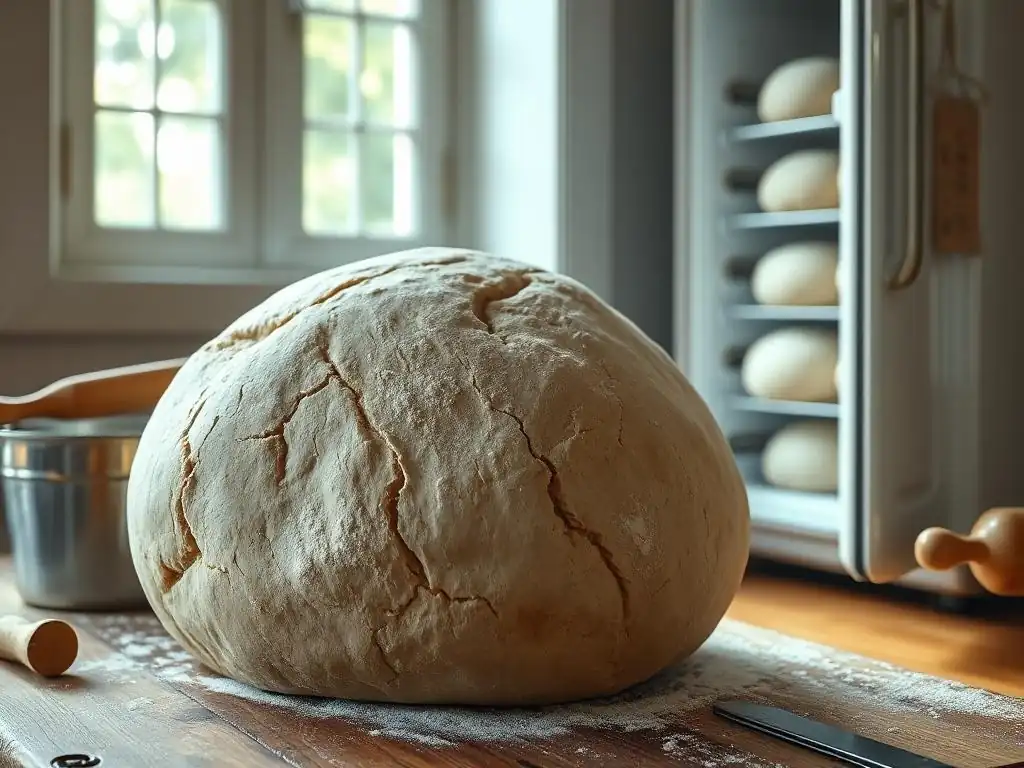
While the enhanced slow fermented dough flavor is a primary benefit, refrigerating dough offers several other advantages that make it a valuable technique for home bakers. These benefits extend beyond just taste and aroma, influencing the practical aspects of baking and the final product's physical characteristics.
Adopting cold fermentation can simplify your baking process, improve the quality of your crust and crumb, and give you greater control over your baking schedule. It's a technique that rewards patience with tangible improvements in both the process and the result.
Improved Dough Handling and Workability
Dough that has been properly cold-fermented is often significantly easier to handle and shape than dough fermented quickly at room temperature. The extended time in the cold allows the gluten network to fully hydrate and relax.
A cold, relaxed dough is less sticky, holds its shape better, and is less prone to tearing during shaping. This is particularly beneficial for high-hydration doughs, which can be challenging to work with when warm and rapidly fermented. For tasks like shaping baguettes, pizza crusts, or even intricate pastry shapes, a cold-fermented dough offers superior control and ease of manipulation, leading to more consistent and aesthetically pleasing results, which indirectly supports the quality of the slow fermented dough flavor.
Convenience and Flexibility in Baking Schedule
One of the most practical benefits of refrigerating dough is the flexibility it provides in your baking schedule. Instead of being tied to a relatively short window of time for fermentation and baking at room temperature, you can mix your dough one day and bake it the next, or even several days later.
This allows you to fit baking around a busy life. You can prepare dough in the evening, refrigerate it overnight (or longer), and then bake it when you have time the following day. This eliminates the rush often associated with timing fermentation peaks and makes baking large batches or multiple types of baked goods more manageable. The ability to pause the fermentation process on demand is a game-changer for many home bakers seeking that authentic slow fermented dough flavor without the time pressure.
Enhanced Crust and Texture Through Refrigeration
Beyond flavor, cold fermentation has a profound impact on the final texture of the baked good, particularly the crust and crumb. The slow, consistent gas production in the cold allows for more uniform development of air pockets within the dough.
When the cold dough is finally baked, the rapid temperature change in the hot oven (known as oven spring) causes a sudden expansion of the gas bubbles, leading to a more open, airy crumb structure. Furthermore, the breakdown of starches into simpler sugars during the long cold fermentation contributes to better caramelization of the crust during baking, resulting in a deeper golden-brown color and a crispier texture. The improved structure and crust complement the developed slow fermented dough flavor perfectly.
Understanding Different Dough Types and Refrigeration
Not all doughs behave identically in the refrigerator, and the benefits of cold fermentation can manifest differently depending on the dough's composition, hydration level, and leavening agent. Understanding these nuances helps you apply the refrigeration technique effectively to various baking projects, maximizing the development of slow fermented dough flavor specific to each type.
Whether you're working with the tangy complexity of sourdough, the lean simplicity of pizza dough, the richness of brioche, or the flaky layers of pastry, cold fermentation offers unique advantages. Tailoring the refrigeration time and handling to the specific dough type is key to achieving optimal results.
Refrigerating Sourdough: A Flavor Powerhouse
Sourdough is perhaps the most celebrated example of a dough that benefits immensely from cold fermentation, often referred to as cold proofing or cold retarding. The wild yeasts and lactic acid bacteria in a sourdough starter thrive in a slow, cool environment.
Refrigerating sourdough dough for 24 to 96 hours allows the lactic acid bacteria to produce a wider range of organic acids, such as lactic acid and acetic acid, which contribute to the characteristic tangy flavor and aroma. The slow fermentation also builds a strong, extensible gluten network capable of trapping the gas produced by the yeast over the extended period, resulting in a beautiful open crumb and a robust slow fermented dough flavor. Many artisan sourdough bakers consider a minimum of 12-24 hours in the cold essential for developing complex flavor and structure.
Refrigerating Pizza Dough: Achieving Authentic Taste
Authentic Neapolitan-style pizza dough is a prime candidate for cold fermentation. A typical recipe might involve mixing dough with a small amount of yeast and refrigerating it for 24 to 72 hours or even longer.
This slow process allows the dough to develop incredible flavor and a beautiful, airy crust with characteristic large bubbles (cornicione) when baked in a hot oven. The cold fermentation tenderizes the gluten slightly, making the dough easier to stretch into thin rounds without tearing, while the enzymatic action ensures plenty of sugars are available for caramelization and charring during the quick, high-temperature bake. Refrigerating pizza dough is crucial for achieving that sought-after slow fermented dough flavor and texture.
Refrigerating Bread Dough: From Simple Loaves to Complex Boules
Most standard yeasted bread doughs, from simple lean loaves to enriched challah or brioche, can benefit from refrigeration. The duration can vary significantly based on the recipe and desired outcome.
For a basic lean dough, even an overnight rest (8-12 hours) in the refrigerator will improve flavor and texture compared to a rapid room-temperature rise. For richer doughs or those aiming for a more pronounced slow fermented dough flavor, 24-48 hours can yield excellent results. The cold slows the yeast, allowing enzymatic activity to build flavor and the gluten structure to strengthen and relax, leading to a more manageable dough and a loaf with better volume, crust color, and crumb structure.
Refrigerating Pastry Dough: Pie Crust, Puff Pastry, and Shortbread
While not fermented in the same way as yeasted doughs, pastry doughs like pie crust, puff pastry, and shortbread also benefit significantly from refrigeration, though for different reasons. These doughs rely on cold temperatures to keep fats (butter, shortening) solid and distinct within the flour layers.
Refrigeration prevents the fat from melting into the flour prematurely, which is essential for creating flaky layers in puff pastry or a tender, crumbly texture in pie crust and shortbread. The cold also allows the gluten to relax, making the dough easier to roll out without shrinking.
While refrigeration here isn't about developing slow fermented dough flavor through yeast and enzymes, it's critical for achieving the desired texture that complements fillings and toppings, contributing to the overall eating experience. A minimum of 30-60 minutes in the fridge is often required after mixing, and longer rests (several hours or overnight) are common, especially between folds for puff pastry.
Step-by-Step Guide: Refrigerating Dough for Optimal Flavor
Ready to unlock superior slow fermented dough flavor? Follow these steps to successfully refrigerate your dough and reap the rewards of patient fermentation. This general guide applies well to most bread and pizza doughs, with specific timing notes for different types.
Step 1: Mixing and Initial Fermentation at Room Temperature
Begin by mixing your dough according to your recipe. Knead until the desired gluten development is achieved (this varies by recipe, from minimal mixing for no-knead breads to full development for enriched doughs).
After mixing, allow the dough to undergo a short initial fermentation at room temperature. This phase, sometimes called the bulk fermentation or bench rest, typically lasts 30 minutes to 2 hours, depending on the recipe and room temperature. The goal is to allow the yeast to become active and start producing gas, initiating the fermentation process before slowing it down in the cold. You should see some signs of activity, like slight puffiness or the dough becoming more extensible.
Step 2: Shaping the Dough for Refrigeration
For many doughs, especially lean bread doughs, it's beneficial to shape the dough before refrigeration. This is often referred to as cold proofing or cold retarding the final shape.
Gently shape your dough into its final form (e.g., a boule, batard, pizza round). Shaping before chilling allows the gluten structure to set in the desired form during the long cold rest. For some recipes, particularly no-knead types or those requiring multiple days of bulk fermentation, the dough might be refrigerated in bulk before shaping. Consult your specific recipe, but shaping before the cold rest is common for maximizing control over the final form and structure, contributing to the eventual slow fermented dough flavor profile.
Step 3: Proper Packaging for Cold Storage
Preventing the dough from drying out or forming a skin is crucial during extended refrigeration. Air circulation in a refrigerator is very drying.
Place the shaped dough (or the bulk dough) into a container that allows for some expansion but is also airtight or well-sealed. Options include:
- A food-grade plastic container with a lid.
- A proofing basket (banneton) placed inside a plastic bag or covered tightly with plastic wrap.
- A bowl covered tightly with plastic wrap, ensuring no gaps.
Ensure the plastic wrap or lid is snug to the dough or container edges to minimize air exposure. Lightly oiling the container or dough surface can also help prevent sticking and drying. Proper packaging ensures the dough remains moist and pliable, essential for a good bake and optimal slow fermented dough flavor development.
Step 4: Refrigeration Time: Finding the Sweet Spot (24-72 Hours for Bread, 48-96 Hours for Sourdough)
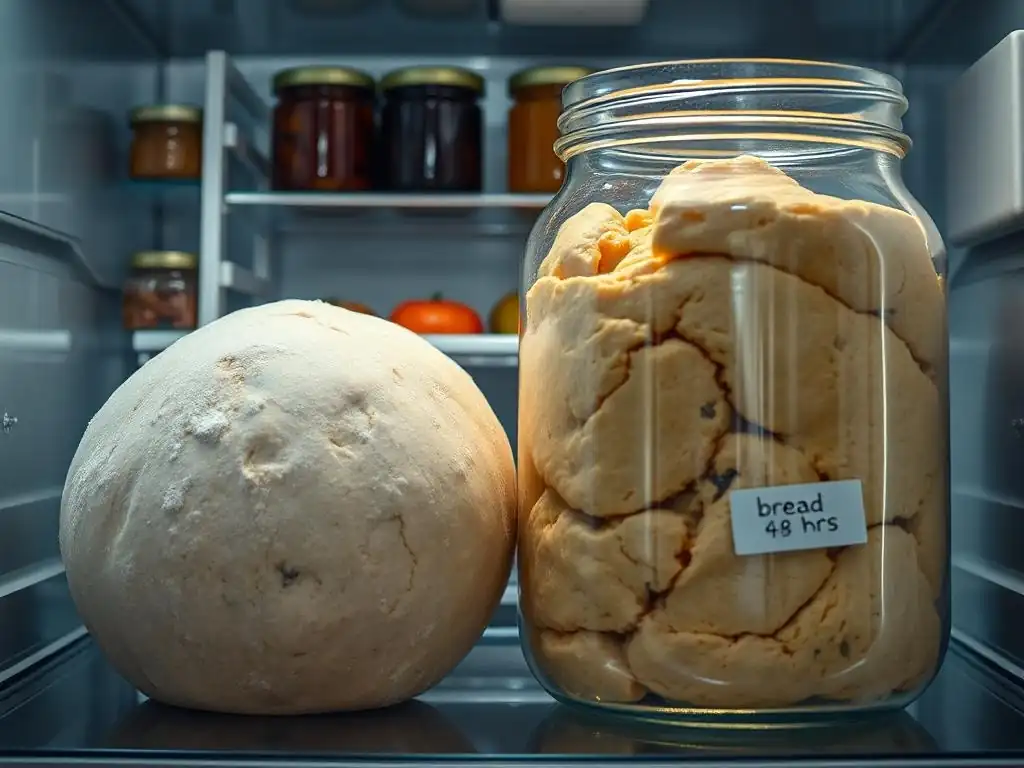
This is where the magic happens, and patience is key. The ideal refrigeration time depends on the dough type, the amount of yeast/starter used, and the desired intensity of slow fermented dough flavor.
- Standard Bread Dough (Commercial Yeast): A minimum of 12 hours is often recommended, but 24-72 hours typically yields significantly better flavor. Doughs with very low yeast amounts can go even longer.
- Sourdough Dough: Due to the slower nature of wild yeast and bacterial activity, sourdough often benefits from longer cold fermentation, typically ranging from 48 to 96 hours. Some recipes even push this to 5-7 days for maximum tang and complexity.
Monitor your dough – it should rise slowly in the fridge. The longer the cold rest (within limits), the more complex the slow fermented dough flavor will become.
Step 5: Bringing Dough to Room Temperature Before Baking
After its long rest in the cold, your dough will be firm and cold. Baking directly from the refrigerator can affect oven spring and crust development in some cases.
Allow the dough to sit at room temperature for a period before baking. This "bench time" or "final proof" allows the dough to warm up slightly and for yeast activity to resume, providing a final push of leavening before hitting the hot oven. The duration varies:
- Smaller items (rolls, pizza): Might only need 30-60 minutes.
- Larger loaves (boules, batards): Can require 1-3 hours, depending on ambient temperature.
The dough should feel less stiff and may show some signs of renewed rising. Baking a slightly warmer dough often results in better oven spring and contributes to the final texture that complements the slow fermented dough flavor.
Troubleshooting Common Issues with Refrigerated Dough
While refrigerating dough is a powerful technique, you might encounter some challenges. Knowing how to identify and address these issues will help you consistently achieve great results and perfect your slow fermented dough flavor.
Common problems include dough that doesn't rise well after chilling, dough that becomes difficult to handle, or the development of off-flavors. Addressing these usually involves minor adjustments to your process, ingredients, or timing.
Dough Not Rising Properly After Refrigeration
If your dough seems sluggish and doesn't achieve sufficient rise after coming out of the refrigerator, several factors could be at play. The most common reason is insufficient yeast activity, either initially or after the cold rest.
- Too Cold/Too Long: If your refrigerator is exceptionally cold, or the dough was left for an excessive amount of time (e.g., over a week for a standard yeasted dough), the yeast may have become dormant or died off due to lack of available food or accumulation of waste products.
- Insufficient Warm-Up: The dough might not have been given enough time at room temperature before baking to allow the yeast to wake up and become active again. Ensure the dough feels less dense and has visibly increased slightly in volume during the final proof.
- Weak Yeast/Starter: Your commercial yeast might be old, or your sourdough starter might not be vigorous. Ensure your leavening agent is active before mixing the dough.
Try giving the dough a longer final proof at room temperature, perhaps in a slightly warmer spot. In extreme cases, incorporating a very small amount of active dry yeast dissolved in warm water might give a boost, but this can sometimes alter the slow fermented dough flavor profile.
Dough Becoming Too Sticky or Dry
The texture of your refrigerated dough can sometimes be less than ideal. If it's excessively sticky, it might indicate too high hydration for the flour used, or insufficient gluten development to handle the water over the long fermentation.
- Too Sticky: Ensure you're using flour with adequate protein content for bread (often 11-13%). Check your hydration level – you might need to reduce the water slightly, especially if you're new to the recipe or flour type. Kneading adequately before chilling is also key to building a strong gluten network that can manage the hydration. Letting a very wet dough warm up too much before shaping can also make it sticky.
- Too Dry: This is usually a result of improper packaging. Air exposure in the refrigerator leads to moisture loss. Double-check that your container is airtight or that the plastic wrap is sealed tightly around the dough or bowl. If a skin has formed, you might be able to gently knead it back in, but significant drying will negatively impact the final texture and slow fermented dough flavor.
Adjusting hydration slightly or ensuring proper packaging are the most common solutions.
Off-Flavors Developing During Refrigeration
While cold fermentation is intended to develop pleasant complex slow fermented dough flavor, sometimes off-flavors can occur. These might manifest as overly sour, bitter, or even slightly alcoholic notes.
- Over-Fermentation: Leaving the dough in the refrigerator for too long can lead to an accumulation of metabolic byproducts that taste unpleasant. This is particularly true for commercial yeast doughs left for many days. Sourdough is more forgiving due to the balance of yeast and bacteria, but even sourdough can become excessively sour if left for weeks.
- Contamination: Ensure your mixing bowls, containers, and hands are clean. Unwanted bacteria or molds can grow, especially over long periods.
- Temperature Fluctuations: If your refrigerator temperature fluctuates significantly, it can lead to inconsistent fermentation and potential off-flavors. Aim for a stable temperature between 35°F and 40°F (1.5°C-4°C).
Finding the optimal refrigeration time for your specific recipe and environment is crucial. If off-flavors persist, try reducing the cold fermentation time or ensuring your leavening agent and equipment are clean.
Maximizing Flavor: Tips and Tricks for Slow Fermented Dough
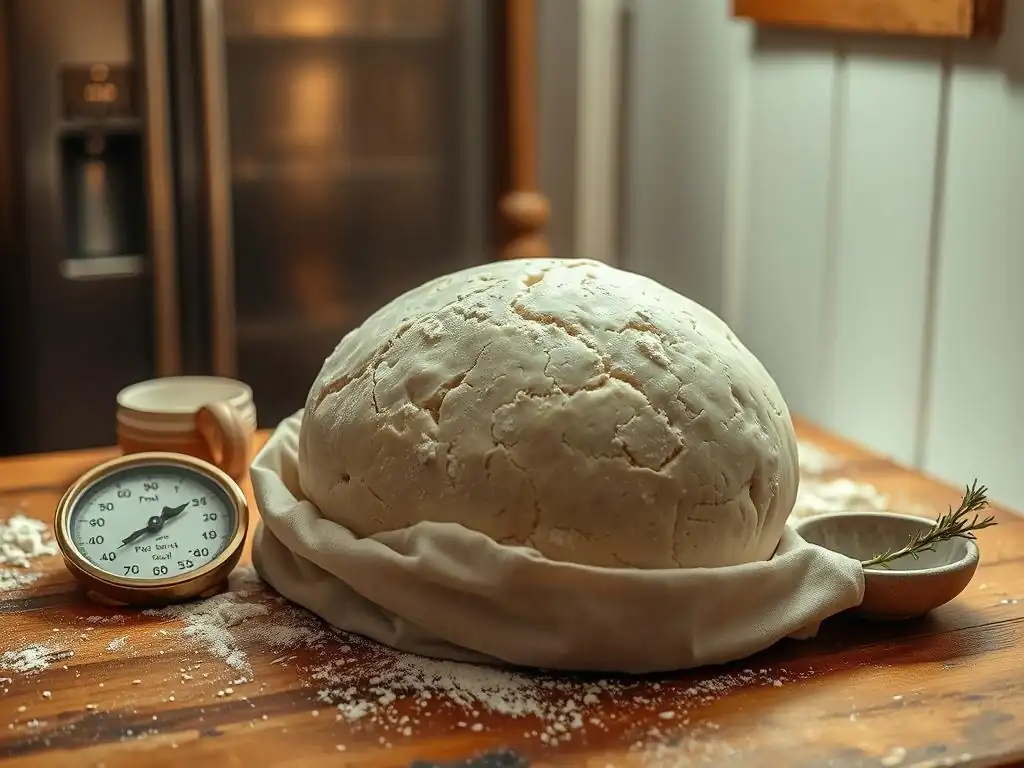
Beyond the basic technique of refrigeration, several factors can further enhance the slow fermented dough flavor you develop. These tips focus on ingredient quality, experimentation, and incorporating additional fermentation techniques.
Combining cold fermentation with high-quality ingredients and other methods can lead to truly exceptional baked goods with layers of complex flavor that are impossible to achieve with rapid processes.
Using High-Quality Ingredients for Enhanced Flavor
The quality of your ingredients forms the foundation of your slow fermented dough flavor. Starting with excellent flour, water, salt, and yeast/starter will yield superior results compared to using subpar ingredients.
- Flour: Different flours have distinct flavor profiles. High-quality artisan bread flours, often less processed, can contribute more inherent flavor. Experiment with regional flours or those milled from specific wheat varieties.
- Water: Believe it or not, the minerals in your water can affect flavor and fermentation. Filtered water is often recommended to avoid chlorine, which can inhibit yeast activity, but mineral content can also play a role.
- Salt: Use a good quality non-iodized salt, such as fine sea salt. Salt not only controls fermentation but also enhances the perception of other flavors.
- Yeast/Starter: A vibrant, healthy sourdough starter or fresh, active commercial yeast is essential for proper fermentation and flavor development.
Starting with the best possible ingredients allows the slow fermentation process to build upon a strong flavor base.
Experimenting with Different Flour Types
Different types of flour bring their own unique characteristics and flavors to the dough, which are then amplified by slow fermentation. Exploring various flours can significantly impact the final slow fermented dough flavor.
- Whole Wheat: Adds nutty, earthy notes. Whole wheat flour ferments faster due to the presence of the bran and germ, which contain enzymes and nutrients, so cold fermentation is particularly useful for controlling its rapid rise while developing its distinct flavor.
- Rye: Known for its tangy, earthy, and sometimes slightly sour flavor, especially in sourdough. Rye ferments differently than wheat and benefits greatly from slow, cool fermentation to manage its stickiness and develop its characteristic taste.
- Spelt, Einkorn, Emmer: These ancient grains offer unique, often sweeter or nuttier flavor profiles compared to modern wheat. They often have weaker gluten structures and can benefit from slow, cold fermentation to build strength and develop their specific slow fermented dough flavor nuances.
Try substituting a percentage of your standard bread flour with a different type (e.g., 10-20% whole wheat or rye) and see how the slow fermented dough flavor changes after refrigeration.
Incorporating Pre-Ferments for Deeper Flavor Profiles (Poolish, Biga)
Adding a pre-ferment (like a poolish or biga) to your dough before the main mix is another powerful technique for boosting slow fermented dough flavor, especially when combined with cold fermentation of the final dough.
- Poolish: A wet, liquidy pre-ferment (equal parts flour and water, small amount of yeast) typically fermented at room temperature for 8-16 hours until bubbly and active.
- Biga: A drier, stiffer pre-ferment (lower hydration) fermented at room temperature for 12-16 hours or in the refrigerator for 24-72 hours.
Pre-ferments allow a small portion of the flour and water to undergo a longer initial fermentation, developing flavor compounds before being incorporated into the main dough. When the final dough containing a pre-ferment is then cold-fermented, the resulting slow fermented dough flavor is incredibly complex, combining the notes from the pre-ferment's long initial rest with the flavors developed during the final dough's cold maturation.
Advanced Techniques: Beyond Basic Dough Refrigeration
Once you've mastered the fundamentals of refrigerating dough, you can explore more advanced techniques that push the boundaries of flavor development and scheduling flexibility. These methods involve fine-tuning the fermentation process over even longer periods or applying cold temperatures at specific stages.
These techniques are often employed by professional bakers to achieve signature textures and intense slow fermented dough flavor profiles in their breads and pastries.
Cold Proofing vs. Cold Retarding: Understanding the Difference
While often used interchangeably, "cold proofing" and "cold retarding" can refer to applying cold at different stages of the fermentation process.
- Cold Retarding (or Cold Bulk Fermentation): This refers to refrigerating the dough before it is shaped. The dough undergoes its primary bulk fermentation in the cold. This method is often used for high-hydration doughs or when preparing large batches, allowing the dough to develop strength and flavor in bulk before dividing and shaping. The final proof after shaping might be at room temperature or a shorter cold proof.
- Cold Proofing: This specifically refers to refrigerating the dough after it has been shaped. The shaped loaves or rolls undergo their final proof in the cold. This is very common for sourdough and many yeasted breads, as it allows the shaped dough to develop final flavor and structure slowly and provides the baker with flexibility to bake directly from the fridge (or after a short warm-up).
Both techniques contribute to slow fermented dough flavor, but the timing of the cold rest relative to shaping affects the dough's handling characteristics and the timing of the final bake.
Multi-Day Fermentation: Pushing the Flavor Boundaries
For the most intense and complex slow fermented dough flavor, you can extend the cold fermentation period to multiple days, sometimes up to 5-7 days for yeasted doughs or even longer for sourdoughs.
This extended time allows enzymatic activity to reach its peak and for yeast (and bacteria in sourdough) to produce a wider array of flavor compounds. Doughs designed for multi-day fermentation typically use very small amounts of yeast or starter and often have specific hydration levels and flour types optimized for such long rests. While this requires significant patience, the resulting depth of slow fermented dough flavor, often described as nutty, sweet, or intensely tangy, is unparalleled. It's important to use airtight containers and monitor the dough, as over-fermentation can occur.
Overnight Sourdough Baguette Recipe
Yields: 2 Baguettes
Prep time: 30 minutes
Fermentation time: 12-18 hours (room temp bulk) + 12-18 hours (cold proof)
Bake time: 20-25 minutes

Ingredients:
- 300g strong bread flour (approx. 11-13% protein)
- 210g water (approx. 70% hydration)
- 60g active sourdough starter (100% hydration)
- 6g fine sea salt (approx. 2% of flour weight)

Instructions:
1. **Mix:** In a bowl, combine flour, water, and starter. Mix by hand or stand mixer until just combined. Let rest 30 minutes (autolyse).
2. **Add Salt & Knead:** Add salt. Knead for 5-10 minutes until dough is smooth and somewhat elastic.
3. **Bulk Fermentation (Room Temp):** Place dough in a lightly oiled container. Perform 3-4 sets of stretch and folds every 30-45 minutes over 2-3 hours. Dough should increase in volume by about 20-30%.
4. **Divide & Pre-shape:** Gently divide dough into two equal pieces. Gently shape each into a rough log. Let rest 20 minutes.
5. **Final Shape:** Shape each piece into a baguette.
6. **Cold Proof:** Place baguettes seam-side up in a floured couche or on parchment paper with dividers. Cover loosely with plastic wrap. Refrigerate for 12-18 hours.
7. **Bake:** Preheat oven with baking stone/steel to 475°F (245°C) for 45-60 minutes. Gently transfer baguettes to parchment/peel. Score tops.
8. **Steam:** Slide baguettes onto stone/steel. Create steam (e.g., pour hot water into a preheated tray on the bottom rack).
9. **Bake:** Bake for 10 minutes with steam. Remove steam source. Reduce temperature to 450°F (230°C).
10. **Finish Baking:** Bake for another 10-15 minutes until deep golden brown and internal temperature reaches 200-210°F (93-99°C). Cool completely on a wire rack before slicing.
This recipe leverages both room temperature bulk fermentation and an extended cold proof to develop a fantastic slow fermented dough flavor and classic baguette texture.
Conclusion: Embrace the Power of Slow Fermentation for Delicious Baking
Refrigerating dough is far more than a mere convenience; it's a fundamental technique for unlocking superior flavor and texture in your baked goods. By slowing down the fermentation process through cold temperatures, you allow time for complex chemical reactions to occur, leading to a depth of slow fermented dough flavor that rapid fermentation simply cannot replicate.
From enhancing the tang in sourdough to achieving the perfect crisp-chewy crust on pizza and developing nuanced flavors in everyday bread, cold fermentation is a tool every baker should have in their arsenal. It improves dough handling, offers scheduling flexibility, and results in a better final product.
Slow Fermented Dough: The Key to Bakery-Quality Flavor at Home
The secret to achieving bakery-quality flavor in your home kitchen often lies in embracing time as an ingredient. Slow fermented dough, achieved through strategic refrigeration, allows you to develop complex aromas and tastes that are the hallmark of artisan baking.
By giving enzymes ample time to break down starches and proteins, and allowing yeast and bacteria to produce a wider range of metabolic byproducts at a gentle pace, you transform simple flour, water, salt, and leavening into something truly special. Experiment with different dough types and refrigeration times, and you'll discover the incredible impact this patient approach has on your baking. Embrace the chill, unlock the flavor, and enjoy the delicious rewards of slow fermented dough.
Frequently Asked Questions
What is slow fermentation and how does refrigerating dough contribute to it?
Slow fermentation is a process where dough is allowed to rise over a longer period, often in a cooler environment like a refrigerator. Refrigerating dough slows down yeast activity, allowing for a longer fermentation period which develops more complex flavors.
Why is slow fermentation important for improving dough flavor?
Slow fermentation allows enzymes in the dough to break down complex carbohydrates and proteins into simpler compounds. This process creates more flavorful byproducts such as acids, alcohols, and esters, resulting in a richer and more complex taste profile.
Can any type of dough be slow-fermented in the refrigerator?
While many doughs benefit from slow fermentation, some are better suited than others. Doughs with higher hydration levels and those intended for breads, pizzas, and pastries typically respond well to refrigerated fermentation.
How long can I refrigerate dough for slow fermentation?
The ideal refrigeration time varies depending on the recipe, but generally, dough can be refrigerated for 24 to 72 hours. Some doughs can even benefit from longer refrigeration, but it's important to monitor the dough and prevent over-fermentation.
Will slow fermentation in the refrigerator significantly change the texture of my baked goods?
Yes, slow fermentation can impact the texture. The longer fermentation can lead to a more open crumb structure and a slightly chewier texture in breads and pizzas. The increased acidity can also contribute to a more tender crumb.
Final Reflection: The Enduring Magic of Slow Fermentation
The subtle art of refrigerating dough isn't just a culinary technique; it's a gateway to unlocking unparalleled flavor complexity in bread baking. The transformative power of slow fermentation, as explored throughout this article, remains profoundly relevant in today's fast-paced world, where we often prioritize speed over quality. This deliberate slowing down allows for a deeper appreciation of the process and its rewarding results.
The impact of slow fermentation extends far beyond the simple act of baking. It represents a mindful approach to food production, a connection to traditional methods, and a celebration of patience. It's a reminder that sometimes, the most exquisite flavors are born from taking our time. Good bread is the symbol of a good civilization,
wrote the renowned baker, Jim Lahey. This sentiment resonates deeply, as the dedication to slow fermentation reflects a commitment to quality and craftsmanship that elevates the entire experience.
Now, consider your own baking journey. Will you embrace the transformative power of slow fermentation? Experiment with extending your dough's rise, allowing the subtle nuances of flavor to develop. Observe the changes in texture, aroma, and taste. This isn't just about improving your bread; it's about cultivating a deeper connection to the process, to the ingredients, and ultimately, to the joy of creating something truly special. The rewards await you, in every delicious slice.
Unleash the Flavor: Master the Art of Refrigerated Dough
Thanks for taking the time to explore the magic of slow fermentation! You've now learned how chilling your dough can unlock incredible depth of flavor and texture. Ready to put your new knowledge into practice?
- Bake your best bread yet: Try making a batch of our featured sourdough recipe today – the slow fermentation will transform the taste! (Recipe available on BakeWithEase.com)
- Share your baking journey: Post a picture of your chilled dough or finished loaf on social media using #BakeWithEaseRefrigeratedDough and tag us!
- Explore the world of slow fermentation: Discover more about different dough types and techniques by browsing other articles on our website.
What unique flavor will you unlock in your next baking adventure?