
The Heart of German Tradition: Exploring Centuries of Bread Making

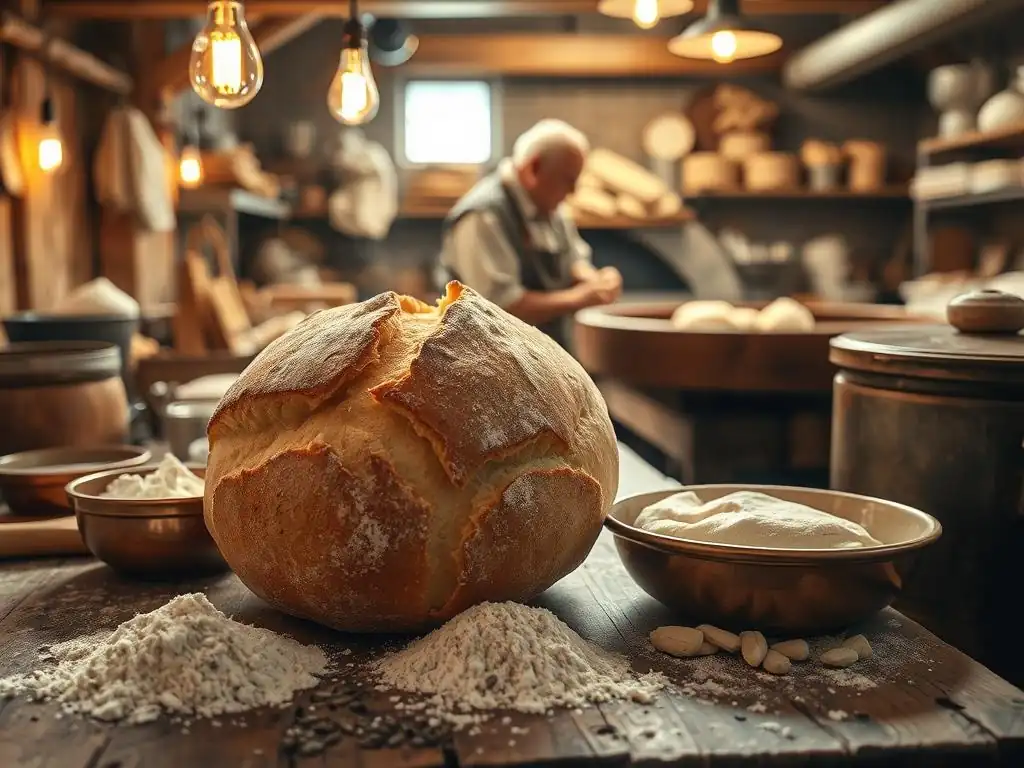
Welcome to BakeWithEase, where the aroma of freshly baked bread fills the digital air! Ever wondered how to capture the authentic flavors of Germany in your own kitchen? Our journey into the heart of German baking begins here, with an exploration of a time-honored tradition. This week, we're diving deep into a German sourdough bread recipe easy enough for anyone to master. Get ready to unlock centuries of baking secrets and create a loaf that's sure to impress. Intrigued? Let's get started!
- Unlocking the Secrets of Authentic German Bread: A Baker's Journey
- The Allure of German Sourdough: More Than Just a Recipe
- Mastering the Basics: An Easy German Sourdough Bread Recipe
- German Bread Baking Beyond the Recipe: An Immersive Experience
- The Best Flour for German Sourdough Bread: Achieving the Perfect Crust
- German Sourdough Bread Easy Recipe: Troubleshooting Tips
- Embrace the Tradition: Your Journey to German Sourdough Mastery
-
Frequently Asked Questions
- What makes German sourdough bread distinct from other sourdough breads?
- Is it difficult to make German sourdough bread at home?
- What are the key ingredients I need to make German sourdough bread?
- How long does it typically take to make German sourdough bread?
- What are some common mistakes to avoid when baking German sourdough bread?
- Final Reflection: The Enduring Legacy of German Bread
- Unleash Your Inner Bäcker: Start Baking Authentic German Bread Today!
Unlocking the Secrets of Authentic German Bread: A Baker's Journey
German bread making is not just a culinary practice; it's a deeply ingrained part of the nation's cultural identity, spanning centuries of tradition and regional diversity. From hearty rye loaves like Pumpernickel to lighter wheat rolls, the variety is astonishing, with estimates suggesting over 3,000 types of bread and 1,200 types of pastries.
This rich heritage is built upon time-honored techniques, often involving long fermentation times and the use of natural sourdough starters, which contribute to the breads' complex flavors, dense textures, and impressive shelf life. Exploring this world offers a fascinating glimpse into Germany's agricultural history and its people's enduring connection to the land and its bounty.
The journey into German baking heritage is an enriching experience for any enthusiast. It reveals a commitment to quality ingredients and meticulous processes passed down through generations. Unlike some baking traditions that rely heavily on commercial yeast for a quick rise, German bread often features mixed flours, including substantial amounts of rye, and relies on the slow, natural leavening power of sourdough. This focus on foundational techniques and natural processes is what gives German bread its distinctive character and makes it a rewarding challenge for home bakers looking to expand their skills beyond basic loaves.
BakeWithEase: Your Guide to German Baking Heritage
At BakeWithEase, we believe that mastering baking is a journey accessible to everyone, regardless of experience. Our resources are designed to demystify complex techniques and make traditional baking, including the rich world of German bread, approachable. We provide clear, step-by-step guides, explain the science behind the processes, and offer tips to help you achieve success in your own kitchen. Whether you're curious about cultivating a sourdough starter or want to understand the nuances of using different German flour types, our aim is to equip you with the knowledge and confidence to explore new horizons in baking.
We understand that venturing into traditional German bread making might seem daunting, especially when it involves sourdough. That's why we break down the process into manageable steps, explaining the 'why' behind each action. Our goal is to empower you to recreate the authentic flavors and textures of German loaves right in your home. We focus on providing practical advice and reliable recipes, ensuring that your experience is not only educational but also deeply satisfying, leading you towards baking mastery one delicious loaf at a time.
The Allure of German Sourdough: More Than Just a Recipe
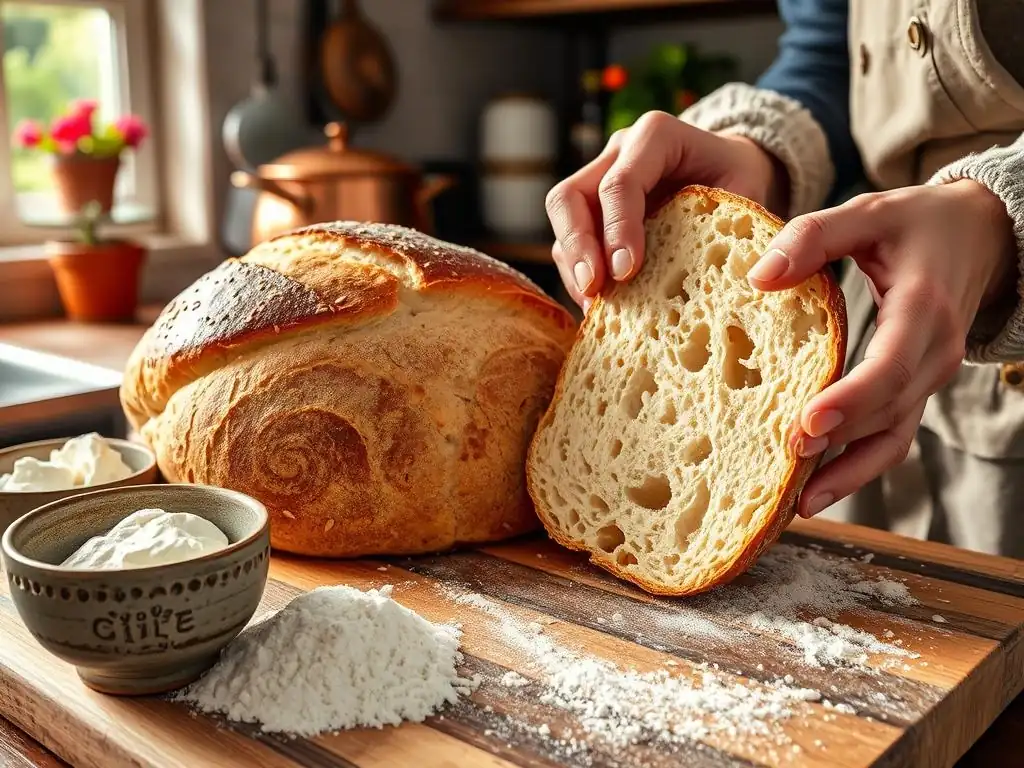
Sourdough holds a special place in the heart of German baking. It's more than just a leavening agent; it's a living culture, a symbol of patience, craftsmanship, and a deep connection to natural processes. A well-maintained German sourdough starter, often passed down through families or bakeries for decades, contributes a unique tang, depth of flavor, and chewy texture that commercial yeast simply cannot replicate. The slow fermentation process also has potential benefits, such as breaking down gluten and phytic acid, potentially making the bread easier to digest for some people.
The commitment to sourdough in Germany is evident in the quality and variety of breads available in local bakeries, known as Bäckereien. From rustic Landbrot (country bread) to specific regional specialties, sourdough is the backbone of many iconic German loaves. This tradition reflects a cultural preference for dense, flavorful, and long-lasting bread, which serves as a staple food rather than just an accompaniment. Understanding the role and importance of sourdough is key to appreciating the true essence of German bread baking.
Why German Sourdough Bread Stands Apart: Tradition and Technique
German sourdough bread distinguishes itself through a combination of traditional methods and specific ingredient choices. A significant factor is the prevalent use of rye flour, often in combination with wheat. Rye behaves differently than wheat, having less gluten-forming protein. Sourdough fermentation is particularly effective with rye, helping to develop structure and flavor in ways that direct yeast fermentation cannot. This results in denser, moister loaves with a more pronounced sour tang compared to many wheat-based sourdoughs found elsewhere.
Furthermore, German baking techniques often involve multi-stage fermentation processes, sometimes including a Sauerteigführung (sourdough management) system where the starter is refreshed in multiple steps before being added to the main dough. This meticulous approach allows bakers to control the acidity and flavor profile of the final bread precisely. Coupled with long, slow bulk fermentation and proofing times, often in cooler temperatures, these techniques contribute to the complex aroma, robust structure, and characteristic dark crust found in authentic German sourdough loaves.
Mastering the Basics: An Easy German Sourdough Bread Recipe
Embarking on your German sourdough journey can be incredibly rewarding. While traditional methods can be complex, mastering a German sourdough bread recipe easy version is a great starting point. This foundational recipe focuses on key principles: using a strong active starter, proper hydration, adequate fermentation, and achieving a good crust. Remember that consistency is key in sourdough baking, and practice makes perfect. Don't be discouraged by initial attempts; each bake is a learning opportunity.
This basic recipe is designed to be approachable for home bakers who may be new to sourdough or seeking a less complicated path to achieving that authentic German taste. It simplifies some of the more intricate traditional steps while still harnessing the power of natural fermentation. Focusing on fundamental techniques like proper mixing, managing fermentation times, and effective shaping will lay a solid foundation for exploring more complex German bread varieties in the future.
Ingredients for a Classic German Sourdough Loaf
To bake a classic German-style sourdough loaf, you'll need a few key ingredients, focusing on quality. You'll need about 100-150 grams of active, mature sourdough starter (fed and bubbly, typically 4-12 hours after feeding). For the flour, a common blend for a mixed-grain loaf might include 300-400 grams of strong bread flour (like German Type 550 or a high-protein wheat flour) and 100-200 grams of rye flour (like German Type 1150 or a medium rye).
Water is crucial for hydration, typically around 300-400 grams, depending on the flour absorption, aiming for a total hydration level between 65% and 80%. Finally, you'll need about 8-12 grams of fine sea salt for flavor and structure.
The specific types of flour you choose will significantly impact the final texture and flavor of your bread. While using authentic German flour types (like Type 550 wheat or Type 1150 rye) is ideal for recreating traditional results, readily available strong bread flour and medium or dark rye flour from your local grocery store can yield excellent results when following a German sourdough bread recipe easy approach. The key is to use high-quality ingredients and measure them accurately, preferably by weight using a kitchen scale, for consistent outcomes.
Step-by-Step: Baking Your Own German Sourdough at Home
Here is a simplified process for baking a classic German-style sourdough loaf:
- Preparing the Starter: Ensure your sourdough starter is active and bubbly. Feed it 4-12 hours before you plan to mix the dough. It should have roughly doubled in size and pass the float test (a small dollop floats in water).
- Mixing the Dough: In a large bowl, whisk together the flours and salt. In a separate bowl, combine the active starter with the warm water (around 80-85°F or 27-29°C). Pour the wet ingredients into the dry and mix with your hands or a sturdy spoon until no dry flour remains. The dough will be shaggy. Cover and let rest for 30 minutes (autolyse).
- Bulk Fermentation: After the rest, perform a series of stretches and folds over the next 2-3 hours. For example, every 30 minutes, wet your hands, gently grab one side of the dough, stretch it upwards, and fold it over the center. Repeat this 3-4 times around the dough. This develops gluten structure. After the folds, let the dough ferment at room temperature (around 72-78°F or 22-26°C) until it has increased in volume by about 50-75% and shows signs of activity (bubbles). This could take 4-8 hours depending on room temperature and starter strength.
- Shaping the Loaf: Gently turn the dough out onto a lightly floured surface. Shape it into a round or oval loaf, building tension on the surface. Avoid degassing the dough excessively.
- Proofing: Place the shaped loaf seam-side up into a floured proofing basket (banneton). Cover with plastic or place the basket inside a plastic bag. Refrigerate for a cold proof for 12-16 hours. This develops flavor and makes the dough easier to score. Alternatively, proof at room temperature for 2-4 hours until puffy but not fully doubled.
- Baking: Preheat your oven with a Dutch oven or baking stone inside to 450-475°F (230-245°C) for at least 30-45 minutes. Carefully turn the cold dough out of the proofing basket onto parchment paper or directly into the hot Dutch oven. Score the top of the loaf with a sharp razor blade or knife. Cover the Dutch oven and bake for 20-25 minutes. Remove the lid and continue baking for another 20-30 minutes, or until the crust is deep golden brown and the internal temperature reaches 200-210°F (93-99°C).
- Cooling and Enjoying: Transfer the baked loaf to a wire rack immediately. Allow it to cool completely, ideally for at least 2-3 hours, before slicing. This allows the internal structure to set and flavors to develop fully.
German Bread Baking Beyond the Recipe: An Immersive Experience
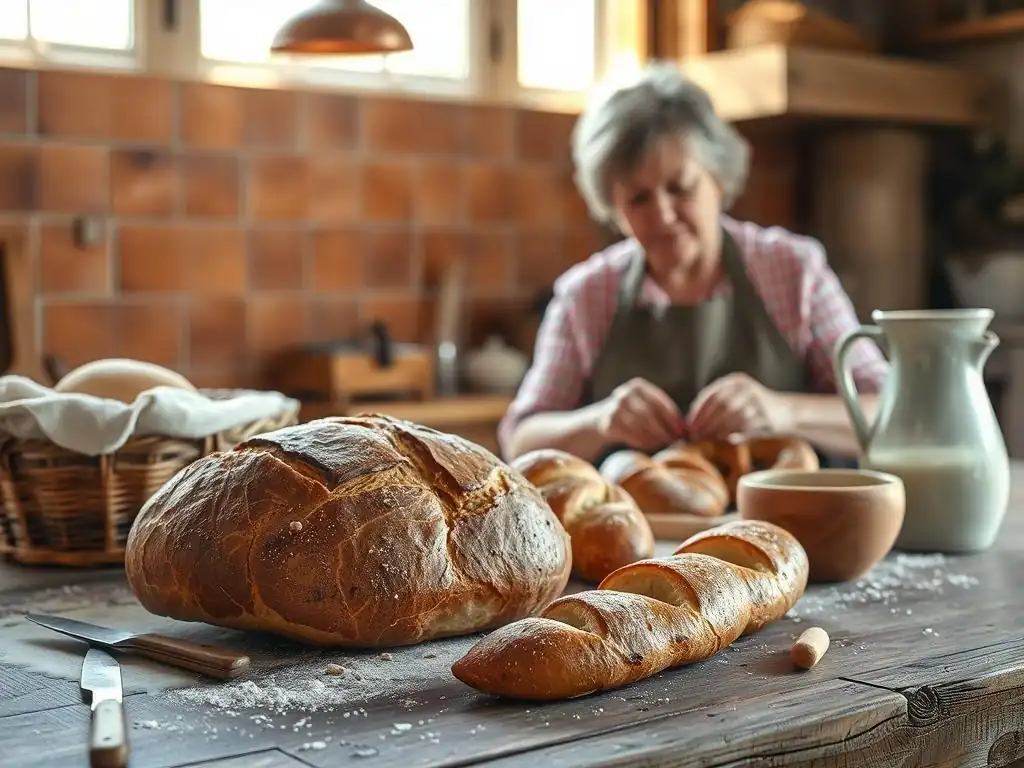
While mastering a German sourdough bread recipe easy version at home is incredibly satisfying, the true depth of German bread culture is best experienced firsthand. Visiting Germany offers an unparalleled opportunity to explore the sheer diversity of breads available, from tiny village bakeries to large city Bäckereien. Each region, sometimes even each town, boasts its own specialties, reflecting local agricultural products and historical traditions. Sampling these breads fresh from the oven provides insights into textures, flavors, and aromas that are hard to replicate without experiencing the source.
Engaging directly with German bakers provides invaluable learning. Many bakeries are family-owned, with generations of knowledge passed down. Observing their techniques, understanding their choice of flours, and learning about the maintenance of their cherished sourdough starters offers a profound appreciation for the craft. This immersive experience goes far beyond simply following instructions; it's about connecting with the history and passion embedded in every loaf baked in Germany.
Exploring German Bakeries: A Culinary Pilgrimage
A visit to a traditional German Bäckerei is a sensory delight and a crucial part of understanding the country's bread culture. You might find bakeries that specialize in dark, dense rye breads, while others excel in lighter wheat-based rolls or sweet pastries. For example, a trip to Bavaria might introduce you to Kümmelbrot (caraway bread), while a visit to the North could feature more mixed rye and wheat loaves. Don't be afraid to ask questions (even with a language barrier, pointing and smiling works wonders!) or sample a few different types. Many bakeries offer small samples.
Consider visiting bakeries known for their traditional methods, perhaps those that still use wood-fired ovens ( Holzofen) or have a long history in the community. These places often embody the heart of German bread tradition. Cities like Berlin, Munich, or Hamburg have numerous excellent bakeries, but exploring smaller towns and villages can reveal hidden gems with unique regional specialties. Planning a "bread pilgrimage" allows you to taste the incredible variety and appreciate the regional nuances that define German bread.
German Bread Making Courses: Hands-On Learning
For those seeking a deeper understanding and practical skills, participating in a German bread making course is an excellent option. Many bakeries and culinary schools across Germany offer workshops ranging from a few hours to several days. These courses provide hands-on experience with traditional techniques, including managing and using sourdough starters, kneading different types of dough (especially challenging rye doughs), shaping various loaf forms, and understanding baking temperatures and times for specific breads.
Learning directly from German master bakers allows you to observe their workflow, ask specific questions, and receive personalized feedback on your technique. For instance, you might learn the specific method for shaping a Kommissbrot (a dense, rectangular rye bread) or the secret to getting a perfect crackling crust on a Bauernbrot (farmer's bread). These courses offer invaluable insights that complement home baking efforts and truly accelerate your journey towards mastering German bread.
The Best Flour for German Sourdough Bread: Achieving the Perfect Crust
Selecting the right flour is fundamental to baking authentic German sourdough bread. German flour types are classified differently than in some other countries, based on the amount of mineral content left after milling (measured in milligrams per 100 grams of flour). This mineral content, indicated by the type number, affects the flour's baking properties, flavor, and color. Understanding these types is key to achieving the desired texture and that characteristic German crust and crumb.
While you can achieve good results with equivalent flours available internationally, using German flour types when possible offers the most authentic experience. For example, a German sourdough bread recipe easy might call for a mix of Type 550 wheat and Type 1150 rye. Knowing what these numbers signify helps you choose the best alternatives if German flour isn't available, guiding you towards flours with similar characteristics.
Understanding German Flour Types: 405, 550, 1050 and Rye
- Type 405 Wheat Flour: This is the German equivalent of all-purpose or cake flour. It has a low mineral content (around 405 mg/100g) and is fine and white. While used for cakes and pastries, it's generally too low in protein for structured bread like sourdough loaves, though small amounts might be used in rolls or lighter breads.
- Type 550 Wheat Flour: Considered the standard bread flour in Germany, Type 550 has a higher mineral content (around 550 mg/100g) and protein level suitable for most wheat-based and mixed-wheat-and-rye breads. It provides good structure and elasticity for kneading and fermentation, making it ideal for the wheat portion of many German sourdough recipes.
- Type 1050 Wheat Flour: This is a darker, higher-extraction wheat flour (around 1050 mg/100g mineral content), closer to whole wheat but with some bran removed. It imparts more flavor and color to bread and is often used in hearty, rustic loaves or mixed with lower-type flours.
- Rye Flour (Types 815, 997, 1150, 1370, 1740): German rye flours also vary by type number, indicating increasing mineral content and darkness. Type 1150 is a common medium rye flour used in many mixed-grain and rye sourdoughs, offering a good balance of flavor and baking properties. Darker rye flours like Type 1370 or 1740 (Pumpernickel flour) are used for very dense, dark rye breads. Rye flour is essential for the characteristic flavor and texture of many German sourdoughs, requiring specific handling due to its low gluten content.
German Sourdough Bread Easy Recipe: Troubleshooting Tips
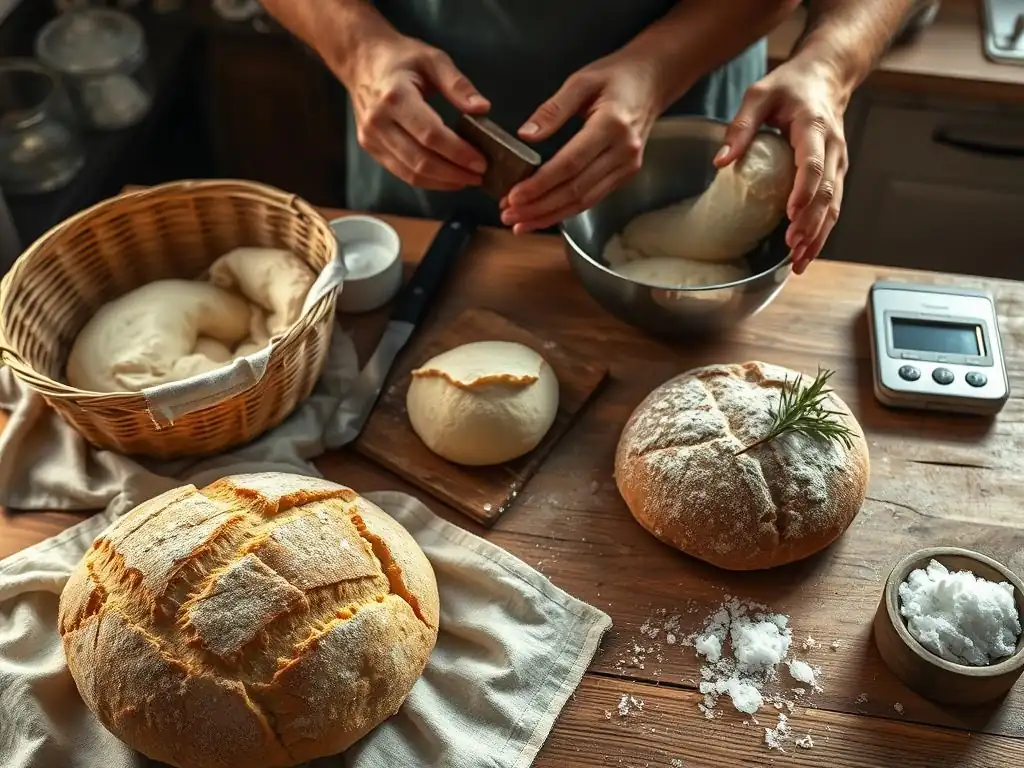
Even with a straightforward German sourdough bread recipe easy, challenges can arise. Sourdough baking involves managing a living culture and responding to environmental factors like temperature. Common issues include a lack of rise, a dense or gummy crumb, or a pale crust. Don't get discouraged; these are part of the learning process. Identifying the cause is the first step to improvement.
Troubleshooting helps you refine your technique and understand the nuances of sourdough. Perhaps your starter wasn't active enough, your bulk fermentation was too short, or your shaping didn't create enough surface tension. Learning to recognize the signs of correctly fermented dough or properly proofed loaf comes with practice. Keeping a baking journal can be incredibly helpful to track variables like temperatures, timings, and ingredient weights to see what worked and what didn't.
Common Baking Mistakes and How to Avoid Them
One frequent mistake is using an inactive or weak sourdough starter. Ensure your starter is consistently fed and shows reliable signs of activity (doubling in size, lots of bubbles) before mixing your dough. If your starter is sluggish, give it a few days of consistent feeding to strengthen it. Another common issue is insufficient bulk fermentation. If the dough doesn't develop properly during this stage, you'll end up with a dense crumb. Look for signs of fermentation: increased volume (50-75%), a domed surface, and visible bubbles.
Over-proofing is also a pitfall, especially during the final rise. If the dough proofs for too long, the structure can collapse, leading to a flat loaf with a poor rise in the oven. Pay attention to the dough's feel and appearance rather than strictly adhering to time; the poke test (gently indenting the dough – if it springs back slowly, it's ready) can be helpful.
Finally, not creating enough steam during baking can result in a thick, pale crust. Using a Dutch oven or adding water to a hot tray in the oven can create the necessary steam for a beautiful, crackling crust.
Essential Baking Tools for German Sourdough Success
While you don't need a professional setup, certain tools can significantly improve your German sourdough baking experience, especially when following a German sourdough bread recipe easy. A reliable kitchen scale is perhaps the most crucial tool for accurate ingredient measurement, which is vital for consistent results in sourdough. A sturdy mixing bowl, preferably large enough to accommodate dough expansion, is also essential.
Other helpful tools include a dough scraper (bench scraper) for handling and shaping the sticky dough, a proofing basket (banneton) to help the loaf hold its shape during the final rise and impart a lovely pattern on the crust, and a sharp lame or razor blade for scoring the dough before baking. If you don't have a Dutch oven, a baking stone or steel combined with a steam setup (like a tray of hot water or ice cubes) can help achieve a good crust. Investing in these basic tools makes the process smoother and contributes to better baking outcomes.
Embrace the Tradition: Your Journey to German Sourdough Mastery
Embarking on the path of baking German sourdough is a journey that connects you to centuries of tradition and a rich culinary heritage. It requires patience, practice, and a willingness to learn from every bake. Starting with a German sourdough bread recipe easy approach allows you to build confidence and skill before tackling more complex regional varieties. Each loaf you bake is a step towards understanding the subtle interplay of flour, water, salt, and starter that defines this beloved bread style.
This journey is not just about the final product, but about the process itself – the rhythmic feeding of the starter, the feel of the dough as it develops, the anticipation as it proofs, and the incredible aroma that fills your kitchen as it bakes. Embrace the challenges as learning opportunities, celebrate the successes, and most importantly, enjoy the delicious, hearty results of your efforts.
BakeWithEase: Continuing Your Baking Adventure
At BakeWithEase, we are committed to supporting your baking adventures, whether you're just starting with a simple recipe or aiming to master complex techniques. We provide resources, tips, and guidance to help you navigate the world of baking, including the fascinating realm of German bread. Our goal is to make traditional baking accessible and enjoyable for everyone.
As you continue your journey into German sourdough, remember that baking is a skill that improves with practice. Experiment with different flours, adjust hydration levels, and play with fermentation times to discover what works best for you and your environment. We encourage you to explore our other articles and recipes as you expand your baking repertoire. Happy baking, and enjoy the incredible rewards of creating authentic German sourdough bread in your own home!
Frequently Asked Questions
What makes German sourdough bread distinct from other sourdough breads?
German sourdough often utilizes rye flour in addition to wheat, giving it a distinct flavor and denser texture compared to some other sourdough varieties. The fermentation process and often the inclusion of specific spices also contribute to its unique profile.
Is it difficult to make German sourdough bread at home?
While sourdough can seem intimidating, BakeWithEase.com offers easy German sourdough recipes designed for bakers of all levels. With clear instructions and readily available ingredients, success is achievable, even for beginners.
What are the key ingredients I need to make German sourdough bread?
The essential ingredients include rye flour, wheat flour, water, salt, and a sourdough starter. Some recipes may also call for ingredients like caraway seeds or other spices for added flavor.
How long does it typically take to make German sourdough bread?
The entire process, including starter feeding, mixing, proofing, and baking, can take 24-48 hours. However, much of this time is passive, allowing the dough to ferment and develop flavor.
What are some common mistakes to avoid when baking German sourdough bread?
Avoid over-proofing or under-proofing the dough, and ensure your sourdough starter is active and healthy. Also, accurately measuring ingredients, particularly the flour and water ratio, is crucial for a successful loaf.
Final Reflection: The Enduring Legacy of German Bread
The simple act of baking bread, particularly sourdough, remains a powerful connection to our past, a testament to the enduring traditions that shape our present. While searching for an "easy German sourdough bread recipe" might seem like a straightforward culinary quest, it unlocks a door to centuries of cultural heritage, a rich tapestry woven from generations of bakers and their unwavering commitment to quality and craftsmanship. This journey through German bread-making reveals far more than just a recipe; it reveals a story of community, resilience, and the enduring power of tradition.
The influence of German bread-making extends far beyond the kitchen; it's a cultural cornerstone that has shaped social gatherings, family traditions, and even national identity. The aroma of freshly baked bread, a scent deeply ingrained in the collective memory of many, evokes feelings of warmth, comfort, and belonging. Bread is the staff of life,
a simple phrase, yet it encapsulates the profound significance of this staple food throughout history and across cultures. The meticulous processes, the careful nurturing of the sourdough starter – these are not merely steps in a recipe, but acts of mindful creation, reflecting a deep respect for both the ingredients and the legacy they represent.
Now, as you consider your own approach to baking, I invite you to embrace the spirit of this tradition. Don't just follow a recipe; feel the connection to the generations of bakers who came before you. Experiment, adapt, and most importantly, savor the process.
Let the simple act of kneading dough, the anticipation of the rising loaf, and the final satisfaction of sharing your creation become a mindful practice, a way to connect with your own heritage and the rich history of German bread-making. The perfect loaf awaits, not just in the recipe, but in the heart of the baker.
Unleash Your Inner Bäcker: Start Baking Authentic German Bread Today!
Thanks for joining us on this journey through the heart of German bread-making tradition! We hope you've gained a newfound appreciation for the artistry and history behind these delicious loaves. Now it's time to put your knowledge to the test!
- Bake your first German bread: We've equipped you with the knowledge; now it’s time to knead, rise, and bake your way to a delicious, authentic loaf. Choose a recipe and get started! Don't be afraid to experiment!
- Share your baking journey: Show off your creations and tag us on social media – we'd love to see your results! Use #BakeWithEaseGermanBread to connect with other passionate bakers.
- Explore regional variations: Did a specific region or bread type particularly capture your imagination? Delve deeper into its unique history and techniques – you might discover your new favorite bread!
Ready to transform your kitchen into a little corner of Germany? What regional German bread will you tackle first?