
From Simple to Spectacular: Elevating Your Bakes Through Emulsification Control

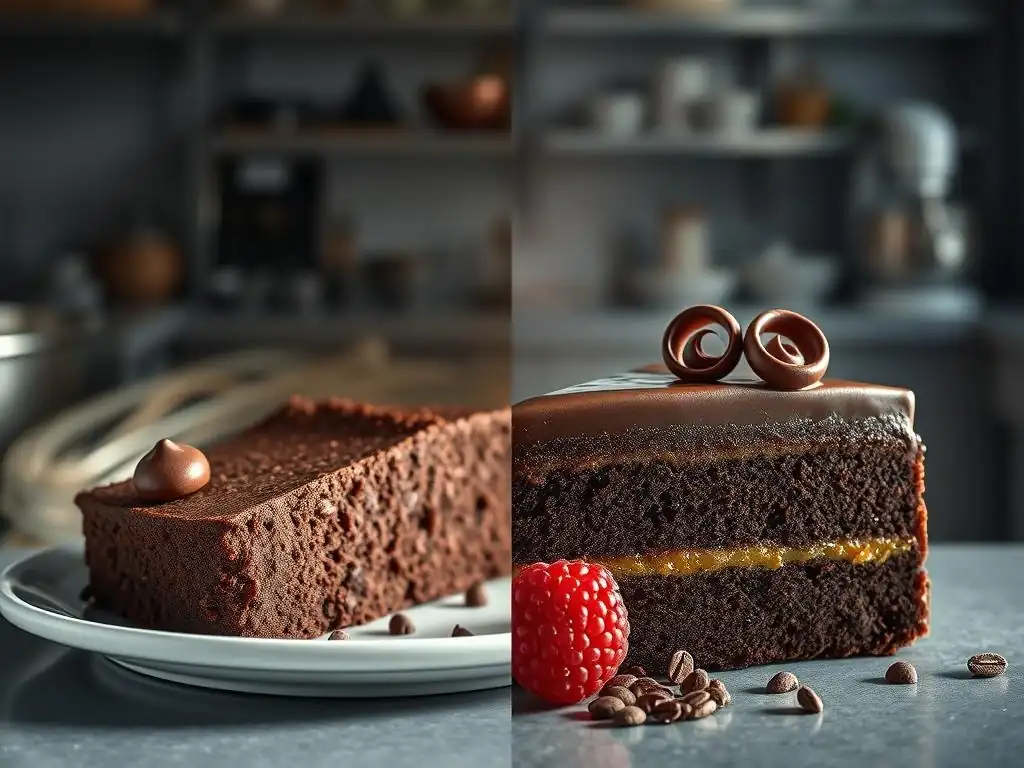
Welcome to BakeWithEase, where we unlock the secrets to baking perfection! Ever wondered how to achieve that perfectly smooth batter or a crumb that melts in your mouth? This week, we're diving deep into the science behind it all with Emulsification baking control tips. Discover how mastering this crucial technique can transform your baking from good to absolutely irresistible. Ready to elevate your bakes? Let's get started!
- The Power of Emulsification: Transforming Your Baking
- Understanding Emulsification: The Key to Texture and Stability
- Essential Techniques for Baking Success Through Emulsification
- Troubleshooting and Best Practices for Emulsification
- Advanced Emulsification Techniques for Superior Results
- Recipes Showcasing Emulsification Mastery
- Achieving Professional Baking Results Through Emulsification
-
Frequently Asked Questions
- What is emulsification, and why is it important in baking?
- How does emulsification impact the final texture of my baked goods?
- What are some common ingredients that act as emulsifiers in baking?
- What are some tips for achieving successful emulsification when baking?
- How can I tell if my batter is properly emulsified?
- Final Reflection: The Transformative Power of Emulsion in Baking
- Unlock Baking Brilliance: Master the Art of Emulsification!
The Power of Emulsification: Transforming Your Baking
Understanding Emulsification: The Key to Texture and Stability
What is Emulsification and Why Does it Matter in Baking?
Emulsification is the process of combining two liquids that don't naturally mix, like oil and water, into a stable, homogenous mixture. In baking, this is fundamental to achieving the desired textures, from the tender crumb of a cake to the silky smoothness of ganache. Without proper emulsification, fats and liquids in a batter or dough would separate, resulting in greasy, dense, or unstable bakes. Mastering emulsification baking control tips is therefore crucial for consistent and high-quality results.
Think about a simple vinaigrette – oil and vinegar quickly separate unless you whisk them vigorously, and even then, it's temporary. Baking emulsions, however, need to be more stable to withstand heat and chemical reactions during baking. Ingredients like eggs, butter, and even flour play a role in creating and maintaining these stable mixtures, directly impacting the final volume, moisture distribution, and overall structure of your baked goods. Understanding this process is a key step towards elevating your baking skills.
The Science Behind Stable Emulsions in Baking
At its core, a stable emulsion involves dispersing tiny droplets of one liquid throughout another, with the help of molecules called emulsifiers. These emulsifier molecules have a unique structure: one end is attracted to fat (lipophilic), and the other is attracted to water (hydrophilic). They position themselves at the interface between the fat and water droplets, creating a barrier that prevents the droplets from coalescing and separating.
In baking, common emulsions include oil-in-water (like milk, where fat droplets are dispersed in water) and water-in-oil (like butter, where water droplets are dispersed in fat). The stability of these emulsions is influenced by factors like the size of the dispersed droplets (smaller is better), the viscosity of the continuous phase, and the effectiveness of the emulsifier. For instance, the lecithin in egg yolks is a powerful natural emulsifier that helps bind fats and liquids in batters and custards, contributing significantly to their smooth texture and stability.
Key Ingredients: Fats, Liquids, and Emulsifiers' Role
Fats and liquids are the primary components involved in creating emulsions in baking. Fats, whether solid like butter or liquid like oil, provide richness, moisture, and contribute to tenderness by interfering with gluten development. Liquids, such as milk, water, or juice, hydrate dry ingredients, dissolve sugar and salt, and activate leavening agents. The challenge is often getting these two non-miscible phases to coexist harmoniously.
This is where emulsifiers step in. Emulsifiers act as intermediaries, bridging the gap between the fat and liquid molecules. Common natural emulsifiers in baking ingredients include the phospholipids (like lecithin) found in egg yolks, proteins in milk and flour, and even the diglycerides and monoglycerides present in fats like butter. These substances wrap around the fat or water droplets, stabilizing the mixture and preventing separation. Understanding how these key ingredients interact is fundamental to mastering emulsification baking control tips for various recipes.
Essential Techniques for Baking Success Through Emulsification
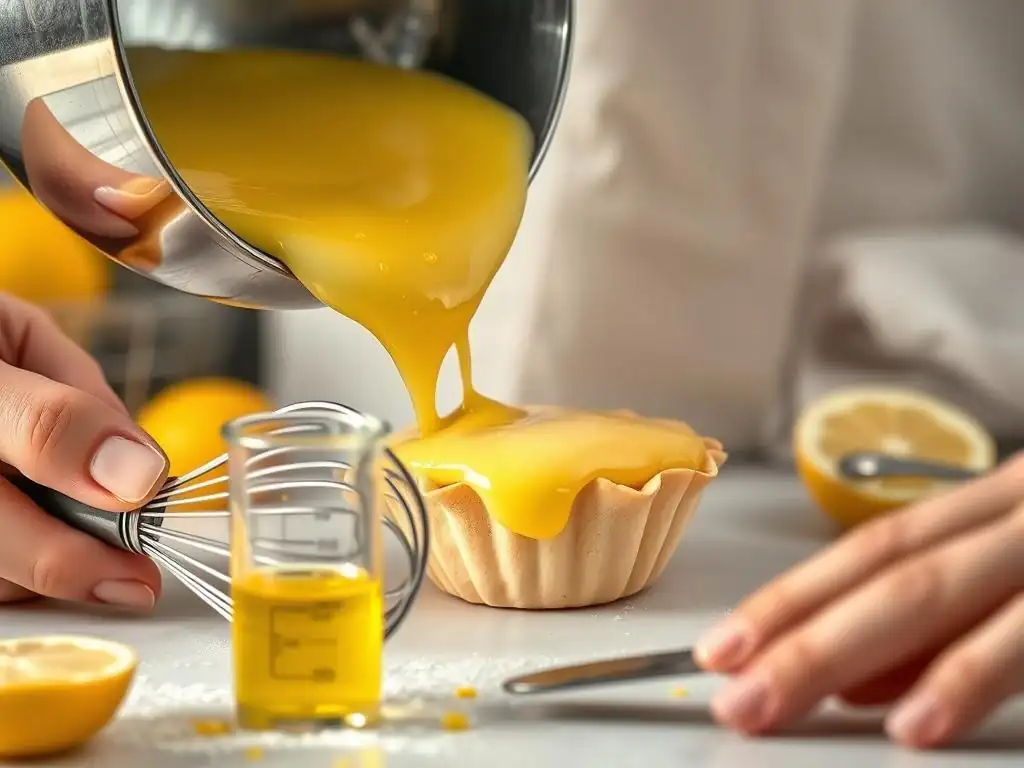
Creaming Method: Achieving Light and Airy Cakes
The creaming method, often used for butter-based cakes, is a prime example of controlled emulsification and aeration. It begins by beating softened butter and sugar together. As the sugar crystals cut into the butter, they create small air pockets. Simultaneously, the mechanical action of beating starts to form a water-in-oil emulsion, as tiny water droplets naturally present in butter are dispersed within the fat.
When eggs are added gradually to this creamed mixture, the lecithin in the yolks acts as an emulsifier, helping to incorporate the liquid from the eggs into the fatty base. This process stabilizes the air pockets and creates a robust emulsion capable of holding the flour and liquid ingredients that are added later. The quality of this initial butter-sugar-egg emulsion is critical; a well-creamed mixture can double or even triple in volume and become pale yellow, indicating significant air incorporation and a stable base that will contribute to a light, tender cake crumb.
Reverse Creaming Method: Creating Tender and Moist Cakes
The reverse creaming method offers an alternative approach that prioritizes tenderness. Instead of creaming butter and sugar first, the softened butter is initially mixed with the dry ingredients (flour, sugar, leavening). The fat coats the flour particles, inhibiting gluten development from the outset. This initial step creates a different kind of fat-coated dry mixture, rather than a primary air-in-fat emulsion.
Liquids and eggs are then added separately to this fat-coated dry mixture. While air incorporation is less significant than in the traditional creaming method, the focus here is on creating a stable emulsion within the batter that evenly distributes fat and moisture. The fat coating the flour prevents excessive liquid absorption by the gluten-forming proteins, resulting in a cake with a finer, more velvety texture and a reputation for staying moist longer. This method highlights how altering the order of ingredient addition profoundly impacts emulsification and the final outcome.
Emulsification in Bread Making: Enhancing Dough Strength and Crumb
While often associated with cakes and pastries, emulsification also plays a vital role in bread making, particularly in enriched doughs containing fats and sometimes eggs or milk. Fats like butter or oil, when incorporated into bread dough, interact with the gluten network. They can lubricate the gluten strands, allowing them to stretch more easily, which contributes to better volume.
Furthermore, emulsifiers present in ingredients like egg yolks (lecithin) or added dough conditioners (like DATEM or SSL) help stabilize the interface between fat, water, and starch granules within the dough. This improved emulsification leads to a more uniform crumb structure, increased softness, and extended shelf life. These emulsifiers help the fat disperse evenly, preventing large fat pockets and ensuring a consistent texture throughout the loaf.
Preventing Chocolate Seizing: Emulsifying Chocolate and Liquids
Chocolate seizing is a common kitchen frustration where melted chocolate suddenly turns into a stiff, grainy paste instead of staying smooth. This happens when a tiny amount of liquid is introduced to melted chocolate without sufficient emulsification to bind it. Chocolate is an emulsion of cocoa solids, sugar, and cocoa butter (fat). When a small amount of water is added, it dissolves the sugar crystals but isn't enough liquid to fully disperse these crystals or the cocoa solids within the fat matrix.
The sugar particles clump together, and the fat can't coat them all, disrupting the delicate balance of the chocolate's natural emulsion. To prevent seizing, ensure all equipment is completely dry when melting chocolate. If you need to add liquid (like in ganache), add a sufficient amount all at once and whisk gently but continuously to allow the liquid and fat to properly emulsify, creating a stable, smooth mixture. Adding a small amount of fat (like butter or oil) can also sometimes rescue slightly seized chocolate by providing more medium to disperse the solids.
Troubleshooting and Best Practices for Emulsification
Common Emulsification Problems: Separation and Curdling Solutions
One of the most common issues in baking related to emulsification is separation or curdling, particularly in batters or sauces like custards or ganaches. This occurs when the fat and liquid phases break apart, often due to incorrect temperatures, adding liquids too quickly, or overmixing after adding certain ingredients. A curdled cake batter might look lumpy, with visible pockets of fat and liquid, leading to a dense, uneven cake.
To fix a curdled batter, try gently warming a small portion over a double boiler and whisking it back into the main mixture, or adding a tablespoon or two of the dry ingredients (like flour) to help re-bind the emulsion. For a broken ganache, gentle reheating and whisking, or adding a splash of warm milk or cream and whisking vigorously, can often bring it back together. Implementing good emulsification baking control tips, such as ensuring ingredients are at the right temperature and adding liquids gradually, is the best prevention.
The Importance of Temperature in Emulsification
Temperature plays a critical role in achieving and maintaining stable emulsions. Fats, like butter, need to be at the correct consistency – typically softened, not melted – for techniques like creaming, allowing them to hold air and disperse liquids effectively. If butter is too cold, it won't cream properly; if it's too warm or melted, the emulsion won't form correctly, leading to a greasy texture.
Similarly, when making emulsions like ganache or custard, the temperature of the liquid and fat phases needs to be carefully controlled. Pouring hot cream over chocolate helps melt the chocolate smoothly, facilitating emulsification. When making custards, gently heating the egg mixture prevents scrambling (which breaks the emulsion) while allowing the emulsifiers to work. Cold liquids added to warm, fat-based mixtures can shock the system and cause separation, highlighting the need for temperature awareness as part of effective emulsification baking control tips.
Choosing the Right Emulsifiers for Different Baking Needs
While many baking ingredients contain natural emulsifiers, sometimes specific recipes benefit from added emulsifiers for enhanced stability, texture, or shelf life. Egg yolks, rich in lecithin, are excellent for binding fats and liquids in cakes, custards, and sauces, contributing to richness and smooth texture. Milk proteins also act as emulsifiers, particularly in dairy-based recipes.
For commercial or more consistent results, bakers might use lecithin derived from soy or sunflower, or synthetic emulsifiers like monoglycerides and diglycerides (often listed as "emulsifiers" or "mono- and diglycerides" on ingredient lists). These added emulsifiers can improve crumb structure in breads, enhance volume in cakes, and prevent fat bloom in chocolate. Selecting the appropriate emulsifier depends on the desired outcome and the specific fat and liquid balance of the recipe.
Achieving Perfect Incorporation: Slow and Steady Liquid Addition
A fundamental technique for successful emulsification, particularly in batters created using the creaming method, is adding liquids slowly and gradually. Once the butter, sugar, and eggs are creamed to form a stable base, the addition of milk, buttermilk, or other liquids must be done carefully. Adding all the liquid at once can shock the emulsion, causing it to break or curdle because the emulsifiers can't handle the sudden influx of the opposite phase.
Adding liquids a tablespoon or two at a time, and mixing gently until each addition is fully incorporated before adding the next, allows the emulsifiers (primarily from the eggs and butter) time to stabilize the new mixture. Alternating the addition of liquids with dry ingredients (like flour) also helps, as the flour absorbs some liquid and provides structure, further supporting the emulsion. This slow and steady approach is a key emulsification baking control tip for preventing separation and ensuring a smooth, homogenous batter.
Advanced Emulsification Techniques for Superior Results
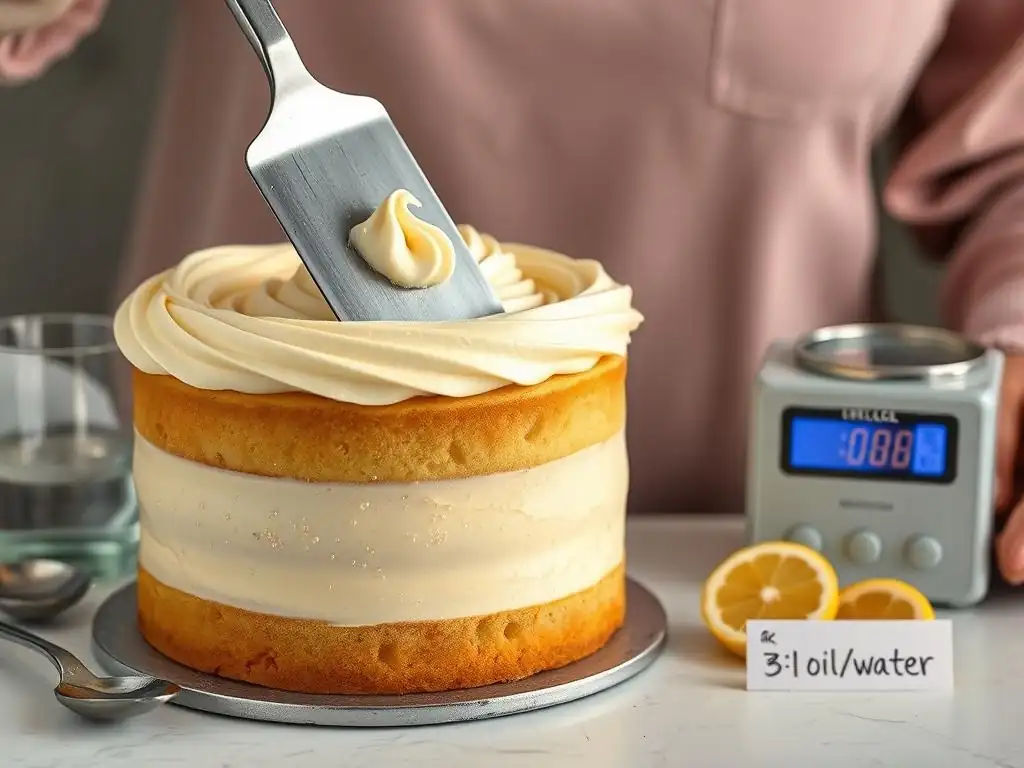
Using Lecithin and Other Natural Emulsifiers
Beyond the lecithin naturally present in egg yolks, purified lecithin from sources like soy or sunflower is available and can be used as a powerful emulsifier in baking. Adding a small amount of lecithin to doughs can improve their handling, increase volume, and contribute to a softer crumb by better dispersing fats and stabilizing the interaction between fat, water, and gluten. Approximately 0.25% to 0.5% of the flour weight is a common usage level in bread making.
Other natural ingredients can also act as emulsifiers or emulsion stabilizers. Psyllium husk, often used in gluten-free baking, absorbs water and creates a gel-like structure that can help hold together fat and liquid phases that might otherwise separate in the absence of a gluten network. Certain starches and gums also contribute to emulsion stability by increasing the viscosity of the liquid phase, slowing down the movement and coalescence of fat droplets.
Emulsification with Gluten-Free Flours
Emulsification faces unique challenges in gluten-free baking. The lack of a gluten network means there's no protein structure to help hold fats and liquids in place. This often results in gluten-free bakes that are crumbly, dry, or greasy due to poor fat and moisture distribution. Effective emulsification becomes even more critical for providing structure, binding, and moisture retention.
Recipes often rely more heavily on fats (like butter or oil), eggs (for lecithin), and added emulsifiers or binders (like xanthan gum, psyllium husk, or commercial emulsifiers) to compensate. Fats are crucial for tenderness and moisture, while emulsifiers help distribute these fats and liquids evenly throughout the batter or dough, preventing separation and creating a more cohesive structure that mimics, to some extent, the role of gluten. Mastering emulsification baking control tips is paramount for success in gluten-free applications.
Emulsification's Impact on Flavor and Browning
Emulsification doesn't just affect texture; it also significantly impacts flavor and how your baked goods brown. Many flavor compounds are fat-soluble. When fats are properly emulsified and evenly distributed throughout the batter or dough, these flavor compounds are carried and dispersed more uniformly, leading to a richer, more consistent taste experience in every bite.
Furthermore, the even distribution of fats and sugars facilitated by good emulsification influences browning reactions, specifically the Maillard reaction and caramelization, which are responsible for the appealing golden-brown crust on many baked goods and the development of complex flavors. An uneven emulsion can result in patchy browning, with some areas burning where fat concentration is high and others remaining pale. Effective emulsification ensures that heat is transferred more uniformly and that the reactants for browning are present consistently across the surface and just below it.
Recipes Showcasing Emulsification Mastery
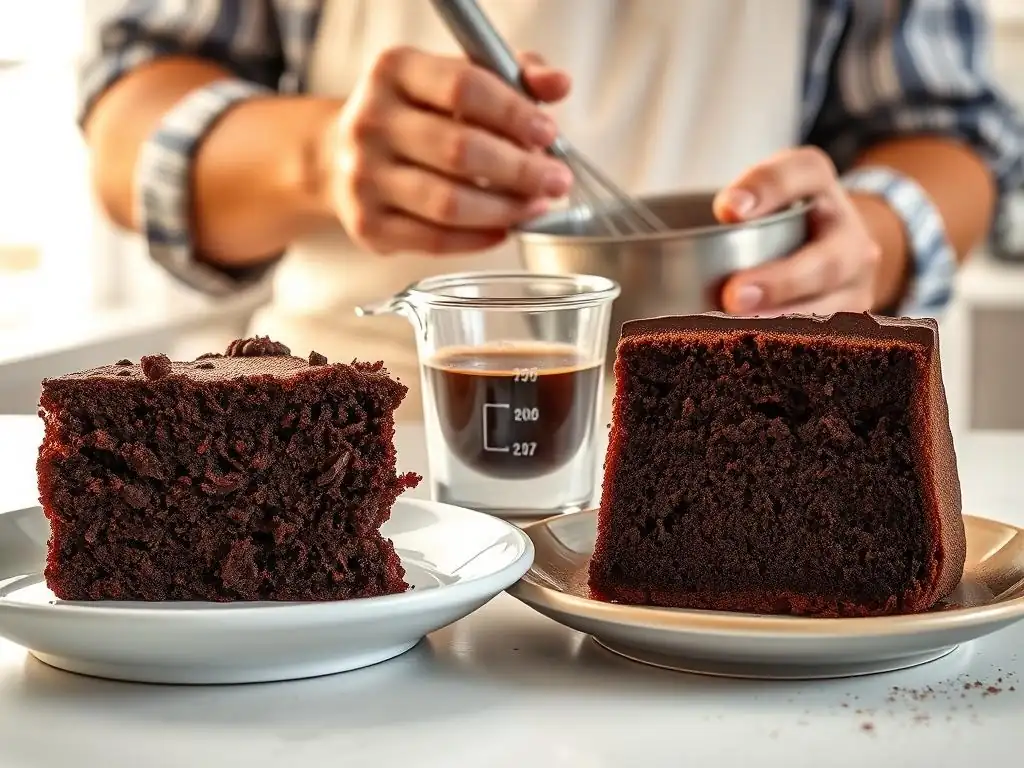
Classic Victoria Sponge: Perfecting the Creaming Method
The classic Victoria Sponge is a perfect illustration of how the creaming method relies on emulsification for success. The process starts with creaming softened butter and caster sugar until pale and fluffy – a stage where air is incorporated, and a water-in-oil emulsion begins to form within the butter. The gradual addition of eggs, one at a time, is where the magic of emulsification truly shines.
The lecithin in the egg yolks acts as a powerful emulsifier, binding the liquid from the eggs with the fat in the butter. This creates a stable, airy emulsion that can hold the subsequent additions of flour and milk without collapsing or separating. A properly creamed mixture, exhibiting significant volume increase and a smooth consistency, is the foundation of a light, tender, and evenly textured Victoria Sponge. This recipe beautifully demonstrates practical emulsification baking control tips.
Rich Chocolate Ganache: Achieving a Silky Smooth Texture
Chocolate ganache is a simple yet elegant emulsion of chocolate (fat) and cream (liquid, containing fat and water). Achieving a perfectly smooth, glossy texture requires careful control of temperature and proper emulsification technique. Heated cream is poured over finely chopped or callets of chocolate. The heat from the cream melts the cocoa butter in the chocolate.
As the mixture sits briefly and is then gently whisked from the center outwards, the fat from the melted chocolate and the cream is dispersed into the liquid phase, aided by the natural emulsifiers present in the chocolate and cream. The key is to whisk steadily but not too vigorously (which can incorporate too much air, leading to a dull finish or split ganache) until a stable, homogenous emulsion forms. The ratio of chocolate to cream dictates the ganache's consistency, but the emulsification process is what gives it its signature silky texture.
Crème Anglaise: A Study in Stable Emulsification
Crème Anglaise, a light pouring custard, is a delicate emulsion primarily stabilized by the lecithin in egg yolks. It's essentially a mixture of milk or cream, sugar, and egg yolks, gently heated. The process involves tempering the egg yolks by whisking a small amount of hot milk/cream into them before adding the mixture back to the main pot. This gradually raises the temperature of the yolks, preventing them from scrambling and allowing the lecithin to start its work as an emulsifier.
Heating the mixture gently while stirring allows the egg yolk proteins to thicken the sauce and the lecithin to bind the fat from the milk/cream with the liquid. Overheating will cause the proteins to curdle, breaking the emulsion and resulting in a grainy texture. The smooth, pourable consistency of a perfect Crème Anglaise is a direct result of a stable fat-in-liquid emulsion created and maintained by the egg yolks under careful temperature control.
Achieving Professional Baking Results Through Emulsification
Emulsification Checklist: Key Considerations for Success
To consistently achieve professional-level baking results, keeping key emulsification principles in mind is essential. Think of it as a checklist for ensuring your fats and liquids play nicely together. First, temperature matters: ensure your fats (like butter) are at the specified consistency (softened, cold, or melted) and that liquids are not drastically different in temperature when combining phases.
Second, add liquids gradually: especially when adding to a fat-based mixture like creamed butter and sugar or melted chocolate, incorporate liquids slowly, mixing until each addition is fully absorbed before adding more. Third, don't overmix after adding dry ingredients: while initial mixing to form the emulsion is crucial, overmixing after flour is added can develop too much gluten, leading to a tough texture that no amount of emulsification can fix.
Finally, understand your ingredients: recognize which ingredients provide emulsifiers (eggs, milk, butter, flour) and how they behave. Implementing these emulsification baking control tips will significantly improve the stability and texture of your bakes.
Frequently Asked Questions
What is emulsification, and why is it important in baking?
Emulsification is the process of combining two liquids that don't naturally mix, like oil and water. In baking, it's crucial for creating a smooth batter, even texture, and preventing separation during baking.
How does emulsification impact the final texture of my baked goods?
Proper emulsification creates a stable mixture, leading to a tender and moist crumb in cakes and other baked goods. Poor emulsification can result in a dense or greasy texture due to uneven distribution of fats and liquids.
What are some common ingredients that act as emulsifiers in baking?
Eggs are a primary emulsifier due to the lecithin in the yolk. Other emulsifiers include dairy products like milk and cream, and even ingredients like honey can contribute.
What are some tips for achieving successful emulsification when baking?
Make sure your ingredients are at room temperature for better blending. Gradually add the liquid ingredients to the dry ingredients while mixing continuously to prevent separation.
How can I tell if my batter is properly emulsified?
A properly emulsified batter will appear smooth and creamy, with no visible signs of separation. It should also have a consistent color and texture throughout the mixture.
Final Reflection: The Transformative Power of Emulsion in Baking
Mastering emulsification isn't just about achieving a perfect texture; it's about unlocking the full potential of your baking. A seemingly small detail, the control of emulsion, significantly impacts the final product, transforming ordinary bakes into extraordinary culinary experiences. From the airy lightness of a perfect soufflé to the rich, velvety texture of a decadent chocolate cake, the principles discussed throughout this article are the key to unlocking consistent, high-quality results.
The journey of understanding emulsion in baking is a continuous one, a testament to the artistry and science intertwined within culinary creation. It's a journey I've personally found both challenging and deeply rewarding. The subtle shifts in texture, the unexpected successes, and even the occasional failures, all contribute to a deeper appreciation for the delicate balance required. The best bakers are those who understand not only the recipe, but the science behind it.
- Unknown. This quote perfectly encapsulates the essence of what we've explored here: a blend of precise technique and intuitive understanding.
Now, it's your turn to experiment. Don't be afraid to tweak recipes, to explore the nuances of different fats and liquids, and to observe the subtle changes in your batters and doughs. Each bake is an opportunity to refine your understanding of emulsification and to elevate your baking to new heights. Embrace the challenges, celebrate the successes, and most importantly, enjoy the journey of transforming simple ingredients into spectacular creations. The power to create truly exceptional baked goods is within your reach.
Unlock Baking Brilliance: Master the Art of Emulsification!
Thanks for taking the time to explore the fascinating world of emulsification and its impact on your baking! You've now gained valuable insights into creating smoother, richer, and more professional-looking bakes. Ready to put your newfound knowledge into practice?
- Experiment with different emulsifiers: Try substituting lecithin for egg yolks in your next recipe and see the difference! This is your primary action—experimenting is key to mastering emulsification.
- Share your baking triumphs (and challenges!): Let's build a supportive baking community! Post your creations on social media using #BakeWithEaseEmulsion.
- Discover new recipes: Browse BakeWithEase.com for recipes that showcase the power of emulsification—we've got plenty of exciting options waiting for you!
What surprising texture changes will you discover by experimenting with different emulsifiers in your favorite recipes?