
Egg Safety Explained: Protecting Your Home Bakery Reputation

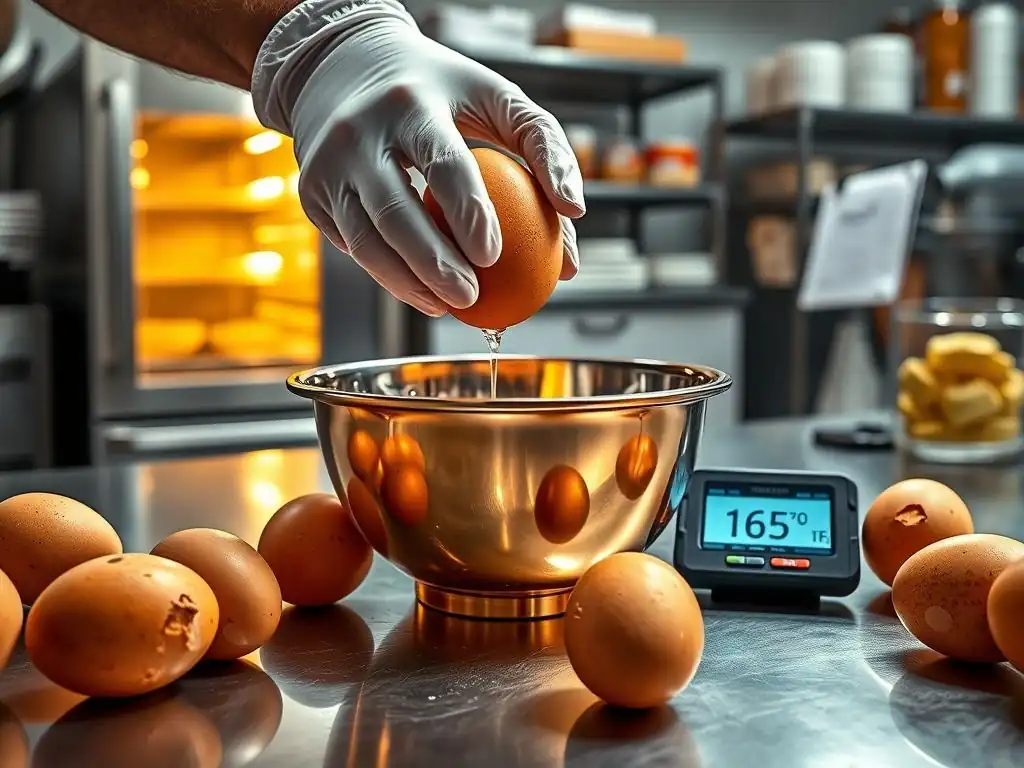
Welcome to BakeWithEase, your essential guide to navigating the delicious world of baking! Ever wondered how to ensure every batch is not only delectable but also safe for your customers if you're running a home bakery? This article dives deep into egg safety baking tips, crucial knowledge for protecting your home bakery's reputation and your customers' health. Discover the secrets to handling eggs like a pro, and unlock the peace of mind that comes with knowing you're baking with confidence. Ready to bake brilliantly and safely? Let's get started!
- Navigating Food Safety: A Guide for Sweet Success Bakery
- Introduction to Food Safety for Home-Based Bakeries
- Understanding Food Safety: A Comprehensive Guide for Sweet Success Bakery
- Sourcing Safe Ingredients: Key Considerations for Your Home Bakery
- Safe Food Handling Practices: Essential Baking Tips
- The Role of Temperature Control in Food Safety
- Allergen Management: Safe Baking for All Customers
- Identifying and Addressing Food Safety Concerns
- Maintaining a Safe Baking Environment: Protecting Your Reputation
- Food Safety Baking Tips: A Summary for Sweet Success Bakery
- Conclusion: Baking with Confidence Through Food Safety
-
Frequently Asked Questions
- What are the primary risks associated with using raw eggs in baking?
- How can I ensure the eggs I use are safe for baking, even if they're not fully cooked?
- Does freezing eggs affect their safety for baking?
- What are some signs that an egg might be unsafe to use in baking?
- What are some baking recipes that commonly use raw or undercooked eggs, and how can I make them safer?
- Final Reflection: The Enduring Importance of Egg Safety in Baking
- Level Up Your Baking Game: Master Egg Safety Now!
Introduction to Food Safety for Home-Based Bakeries
Why Food Safety Matters for Your Bakery's Reputation
For any home-based bakery aiming for sweet success, reputation is paramount. It's built on trust, consistency, and, crucially, the safety of your baked goods. Customers expect not just delicious treats but also the assurance that what they're eating is prepared with the highest standards of hygiene and care.
A single incident involving foodborne illness linked to your products can shatter years of hard work and severely damage your brand's standing in the community. Consider the potential fallout: negative reviews spreading rapidly online, loss of loyal customers, and even legal challenges. Protecting your reputation starts with a deep commitment to food safety baking tips and practices in every step of your process.
Beyond the immediate impact on customer perception, maintaining robust food safety standards, including meticulous egg safety baking tips, is essential for long-term viability. Regulatory bodies, even for small home-based operations depending on local laws, can impose fines or even shut down businesses found to be non-compliant or responsible for outbreaks.
The financial cost of a food safety failure goes far beyond potential legal fees; it includes lost sales, the expense of discarding contaminated ingredients or products, and the significant effort required to rebuild trust. A proactive approach to food safety, integrating best practices from sourcing to serving, is an investment in the future and resilience of your Sweet Success Bakery.
The Risks of Foodborne Illness in Baked Goods
While many baked goods undergo high temperatures during baking, which effectively kills most pathogens, certain components or preparation methods can still pose risks. Raw or undercooked ingredients, particularly eggs used in custards, mousses, or certain frostings, are potential carriers of bacteria like Salmonella.
Salmonella is a significant concern, estimated to cause over a million illnesses annually in the United States, with tens of thousands requiring hospitalization. If eggs are not handled properly or heated to a sufficient temperature, these bacteria can survive and multiply, leading to symptoms like fever, abdominal cramps, and diarrhea, typically appearing 6 to 48 hours after consumption.
Furthermore, cross-contamination is a major pathway for foodborne illness in any kitchen, including a home bakery. Bacteria from raw ingredients, like raw eggs or uncooked flour, can transfer to ready-to-eat items via hands, utensils, or surfaces. For instance, using the same whisk for raw egg wash and then for whipping a cooked frosting without proper cleaning and sanitizing can introduce pathogens.
Even ingredients that don't contain live bacteria can be contaminated during processing or handling. Understanding these risks and implementing stringent food safety baking tips, especially concerning egg safety, is fundamental to preventing illness and ensuring every bite from your bakery is safe.
Understanding Food Safety: A Comprehensive Guide for Sweet Success Bakery
Common Food Safety Hazards in a Bakery Setting
Food safety hazards in a baking environment can be broadly categorized into biological, chemical, and physical. Biological hazards are the most common culprits behind foodborne illness and include bacteria (like Salmonella, E. coli, Listeria), viruses (like Norovirus), and parasites. These pathogens can be introduced through raw ingredients, pests, or inadequate hygiene.
For example, using cracked or dirty eggs increases the risk of Salmonella contamination, while unwashed produce or contaminated water can introduce E. coli. Bacteria thrive in the "danger zone" temperature range, typically between 40°F and 140°F (4°C and 60°C), making proper temperature control crucial for items containing potentially hazardous ingredients like eggs or dairy.
Chemical hazards involve harmful substances that can contaminate food. This includes cleaning supplies, sanitizers, pesticides, and even naturally occurring toxins or allergens. Storing cleaning chemicals near food ingredients or using them improperly can lead to contamination.
For instance, accidentally spraying a sanitizer solution near uncovered baked goods can render them unsafe. Physical hazards are foreign objects that get into food, such as hair, glass shards from broken containers, metal fragments from equipment, plastic pieces, or pests. Implementing protocols like wearing hair coverings, regularly inspecting equipment, and using sturdy, food-grade containers are vital steps to mitigate these risks and enhance overall egg safety baking tips by preventing external contaminants.
Identifying Potential Sources of Contamination
Identifying potential sources of contamination is a critical step in preventing food safety issues within your home bakery. Raw ingredients are primary suspects; eggs can carry Salmonella on their shells or internally, flour can contain E. coli, and unpasteurized dairy can harbor Listeria. Thoroughly checking the quality and source of your ingredients, and handling raw items like eggs with extreme care, are foundational egg safety baking tips.
People working in the bakery are another major source; hands can transfer bacteria from raw ingredients, faces, or clothing to food and surfaces. Poor personal hygiene, such as inadequate handwashing or working while sick, significantly increases this risk.
The baking environment itself, including surfaces, equipment, and air, can also be a source of contamination. Cracks or crevices in counters and equipment can harbor bacteria. Dust, pests (rodents, insects), and even pets (if present in the home) can introduce pathogens.
Water used for washing or in recipes must be potable. Preventing contamination requires diligence: storing raw ingredients separately from ready-to-eat items, maintaining strict personal hygiene, regular and thorough cleaning and sanitizing of all surfaces and equipment, and controlling pests. Recognizing that contamination can happen at any stage – from receiving ingredients to packaging the final product – allows you to implement controls throughout your entire baking process, reinforcing effective egg safety baking tips.
Sourcing Safe Ingredients: Key Considerations for Your Home Bakery
Choosing Reliable Ingredient Suppliers
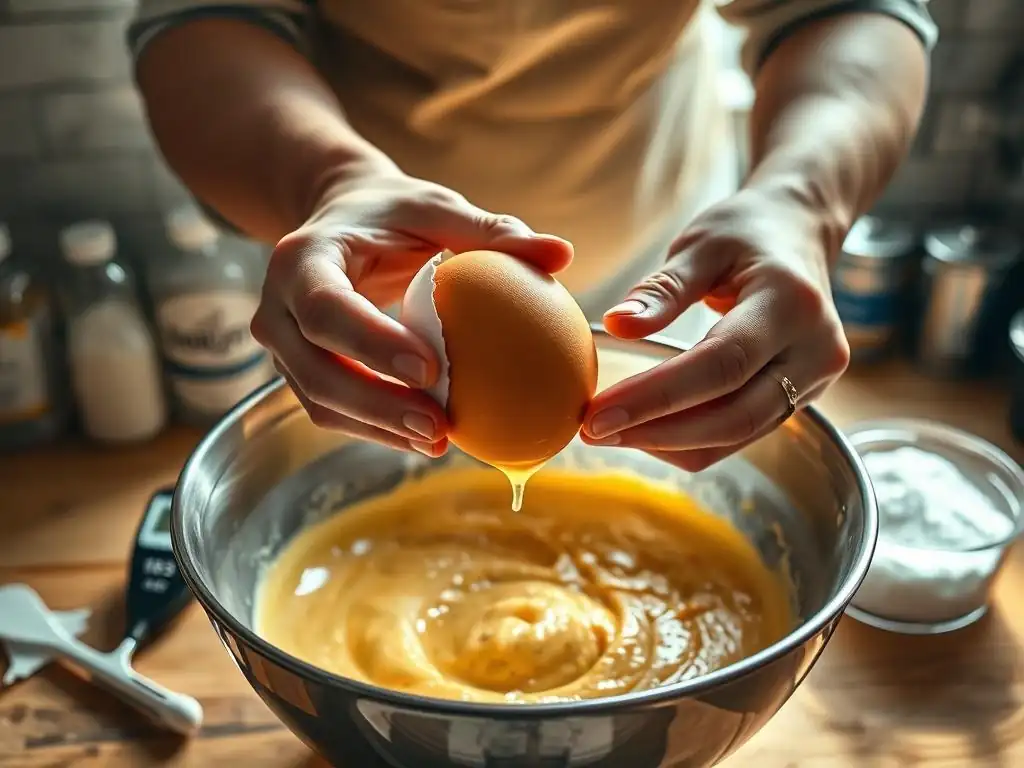
The safety of your baked goods begins before you even start mixing dough. Selecting reliable ingredient suppliers is a fundamental step in ensuring the quality and safety of your raw materials. Look for suppliers who maintain high standards of hygiene in their facilities and have good reviews or reputations within the food industry.
While direct farm sourcing can be appealing, ensure the farm follows safe handling practices, especially for products like eggs. For commercial suppliers, inquire about their food safety certifications or standards they adhere to. A supplier who can provide information about the origin and handling of their products demonstrates transparency and commitment to safety.
Building a relationship with your suppliers also helps. Ask questions about their storage conditions, transportation methods, and how they handle recalls or quality issues. For instance, when sourcing eggs, ask if they are washed and graded according to safety standards.
While specific certifications might vary, understanding a supplier's process provides confidence. Opting for pasteurized eggs for specific applications, like raw doughs or unbaked fillings, is another layer of egg safety baking tips to consider, although standard shell eggs are fine for most baked goods that reach high temperatures. Choosing suppliers who prioritize food safety minimizes the risk of receiving contaminated ingredients, thereby protecting your bakery and customers.
Understanding Ingredient Labels and Certifications
Ingredient labels are more than just a list of what's inside; they are vital sources of information regarding safety and quality. Always check expiration or "best by" dates to ensure freshness and reduce the risk of using ingredients that may have deteriorated or developed harmful levels of bacteria. For example, using eggs past their prime increases the risk of spoilage. Look for storage instructions on labels – items requiring refrigeration must be kept cold consistently. Understanding these details is a core part of effective egg safety baking tips and general ingredient management.
Certifications on labels can also provide reassurance. While not all ingredients for a home bakery will carry extensive certifications, some might indicate specific standards have been met. For example, "pasteurized" on egg cartons guarantees that the eggs have been heated sufficiently to kill Salmonella without cooking them, making them safer for raw or lightly cooked uses.
Organic or local certifications often imply certain farming or processing standards, though they don't replace the need for safe handling in your own kitchen. Pay close attention to allergen warnings – this is critical for managing cross-contact risks, which we'll discuss further. Thoroughly reading and understanding every ingredient label is a simple yet powerful food safety baking tip.
Proper Storage Techniques for Maintaining Ingredient Quality
Proper storage is crucial for preventing ingredient spoilage and the growth of harmful bacteria. Each ingredient has specific storage needs. Eggs, for instance, must be stored in the refrigerator at or below 40°F (4°C). Storing them in their original carton on an inner shelf of the refrigerator (not the door, where temperatures fluctuate) helps maintain a consistent temperature and prevents absorption of odors. Shell eggs typically remain safe for use within 3-5 weeks of the pack date when refrigerated properly.
Dry ingredients like flour, sugar, and spices should be stored in airtight containers in a cool, dry place away from direct sunlight. This prevents moisture absorption, which can lead to clumping and mold growth, and protects against pests. Oils and fats should be stored according to their type; some require refrigeration after opening, while others are fine at room temperature.
Dairy products and opened liquid ingredients like extracts or purees require refrigeration and should be used within their recommended timeframe after opening, often listed on the packaging (e.g., "use within 7 days after opening"). Implementing these specific storage protocols is a foundational element of successful food safety baking tips.
Safe Food Handling Practices: Essential Baking Tips
Preventing Cross-Contamination in Your Baking Space
Preventing cross-contamination is perhaps one of the most critical food safety baking tips. It involves keeping raw ingredients, which are more likely to contain bacteria, separate from ready-to-eat foods or ingredients that won't be cooked further. This is especially important when handling raw eggs.
Always handle raw eggs separately from other ingredients and finished products. Use dedicated cutting boards and utensils for tasks involving raw eggs, or wash and sanitize them thoroughly immediately after use. For example, if you crack eggs on a counter surface, clean and sanitize that surface before placing anything else there, especially a cooling rack with freshly baked cookies.
Designate specific areas or times for handling different types of ingredients if possible. Prepare doughs or batters containing raw eggs before working with cooked fillings or decorating finished cakes. Never place cooked items back onto a plate or surface that previously held raw ingredients without proper cleaning.
Keep cleaning cloths separate from cloths used for drying dishes or hands. Regularly change and wash cloths and sponges, as they can harbor bacteria. A simple practice like washing your hands after handling raw eggs and before touching anything else is a core egg safety baking tip that significantly reduces the risk of cross-contamination.
Maintaining Personal Hygiene Standards
Maintaining impeccable personal hygiene is non-negotiable for anyone handling food, including in a home bakery setting. The most fundamental practice is frequent and thorough handwashing. Hands should be washed with warm water and soap for at least 20 seconds:
- Before starting any food preparation.
- After handling raw ingredients, especially raw eggs or meat (even if not using meat, the principle applies).
- After using the restroom.
- After touching your face, hair, or clothing.
- After coughing, sneezing, or blowing your nose.
- After handling waste or cleaning supplies.
- Before putting on gloves and after removing them.
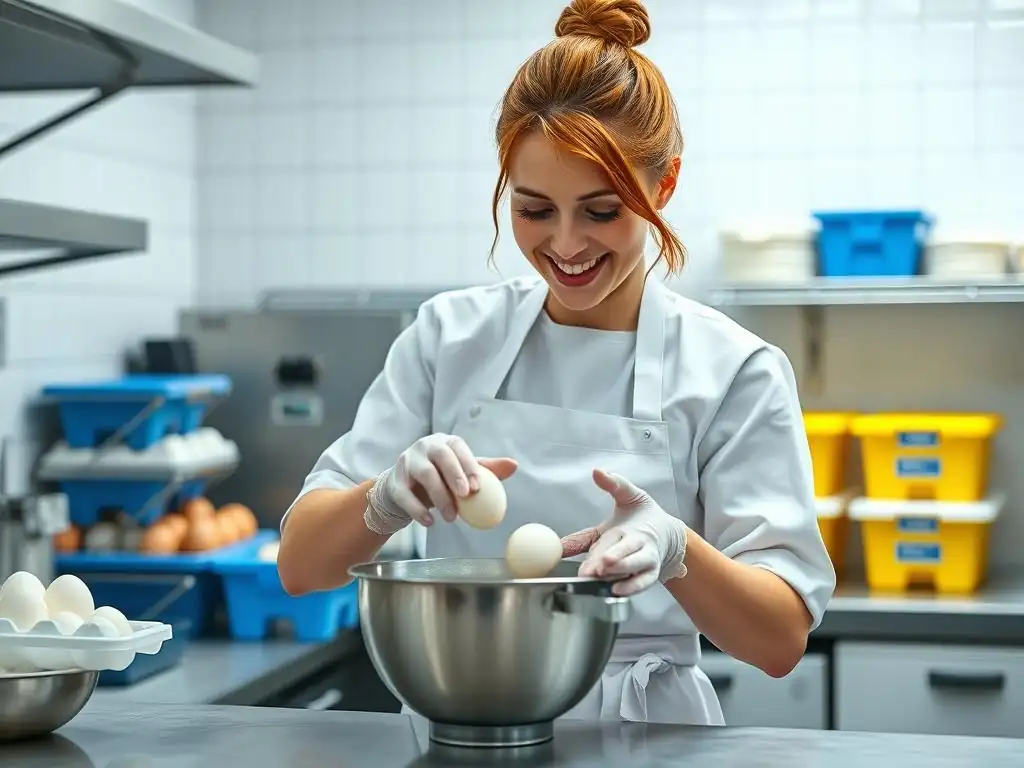
Wear clean clothing or a dedicated apron while baking. Tie back or cover long hair to prevent it from falling into food. Avoid wearing jewelry that can harbor bacteria or fall into ingredients. Do not handle food if you are feeling unwell, especially with symptoms like vomiting, diarrhea, or fever. Cuts or sores on hands should be covered with a clean bandage and a glove. These personal hygiene practices are foundational food safety baking tips that protect both your products and your customers.
Best Practices for Cleaning and Sanitizing Equipment
Cleaning and sanitizing are two distinct but equally important steps in maintaining a safe baking environment. Cleaning removes visible dirt, grease, and food particles using soap and water. Sanitizing reduces the number of harmful microorganisms to a safe level after cleaning. All surfaces and equipment that come into contact with food must be cleaned and sanitized regularly. This includes:
- Countertops and work surfaces.
- Mixing bowls, spatulas, whisks, and other utensils.
- Measuring cups and spoons.
- Baking pans and sheets.
- Appliances like mixers and ovens (surfaces that contact food).
After cleaning with soap and water, rinse thoroughly. Then, apply a sanitizer according to the manufacturer's instructions. Common sanitizing methods safe for food contact surfaces include using a diluted bleach solution (e.g., 1 teaspoon of unscented liquid bleach per gallon of water) or a commercial food-grade sanitizer.
Allow the sanitizer to remain on the surface for the recommended contact time before air drying or drying with a clean, dedicated cloth. Dishwashers with a hot rinse cycle can also effectively sanitize. Regularly cleaning and sanitizing equipment, particularly after tasks involving raw ingredients like eggs, is a cornerstone of effective egg safety baking tips and overall food safety.
The Role of Temperature Control in Food Safety
Achieving Safe Internal Temperatures for Baked Goods
While the high temperatures used in baking are typically sufficient to kill most pathogens, certain baked goods, especially those containing eggs or dairy that are not fully cooked or have fillings added after baking, require careful temperature monitoring. Custards, quiches, cheesecakes, and certain dessert fillings often contain significant amounts of egg and need to reach a specific internal temperature to be safe. The recommended internal temperature to kill Salmonella in eggs is 160°F (71°C).
Using an instant-read thermometer is the most reliable way to verify that these items have reached a safe temperature. Insert the thermometer into the thickest part of the baked item, avoiding any bones or pan edges. While a standard cake or cookie will reach temperatures well above 200°F (93°C), focusing on items with potentially hazardous fillings or components is crucial for egg safety baking tips. Ensure your oven is calibrated correctly to achieve the desired baking temperature, as inaccurate oven temperatures can compromise safety and product quality.
Proper Cooling and Storage Procedures
After baking, cooling and storage procedures are critical to prevent bacteria that survived or were introduced post-baking from multiplying. The "danger zone" for bacterial growth is between 40°F and 140°F (4°C and 60°C). Perishable baked goods, especially those containing dairy, eggs, cream fillings, or fresh fruit, should not remain in this temperature range for extended periods. The general guideline is to cool items from 140°F down to 70°F (60°C to 21°C) within 2 hours, and then from 70°F down to 40°F (21°C to 4°C) within an additional 4 hours.
Cool baked goods rapidly by placing them on wire racks to allow air circulation. For items requiring refrigeration, once they have cooled to room temperature (or slightly warmer, as long as they are within the 2-hour initial cooling window), transfer them to airtight containers or wrap them securely and refrigerate them at or below 40°F (4°C). Avoid stacking warm items in the refrigerator, as this can raise the internal temperature of the unit and slow down cooling. Proper cooling and refrigeration are vital steps in managing the risks associated with perishable ingredients used in egg safety baking tips.
Using Thermometers Effectively in a Bakery
Thermometers are indispensable tools for ensuring food safety through proper temperature control. You should have several types available:
- Oven thermometer: To verify your oven's internal temperature is accurate. Place it in the center of the oven and check it periodically. An oven that is off by 20°F or more can affect baking time and potentially safety.
- Refrigerator/Freezer thermometer: To monitor that your cold storage units are maintaining temperatures at or below 40°F (4°C) for refrigerators and 0°F (-18°C) for freezers.
- Instant-read thermometer: Essential for checking the internal temperature of baked goods containing potentially hazardous ingredients like eggs or dairy fillings. This is a key tool for verifying egg safety baking tips related to cooking temperatures.
Proper use of an instant-read thermometer involves inserting the probe into the thickest part of the food, away from bones or fat, and waiting for the reading to stabilize (usually within seconds). Clean and sanitize the thermometer probe before and after each use to prevent cross-contamination. Regularly calibrate your thermometers according to the manufacturer's instructions to ensure accuracy.
A simple calibration method for an instant-read thermometer is the ice-point method: fill a glass with ice, add a little cold water, immerse the probe in the ice water (without touching the sides or bottom), and it should read 32°F (0°C). Adjust the thermometer if necessary.
Allergen Management: Safe Baking for All Customers
Identifying Common Allergens in Baked Goods
For home bakers, managing allergens is a critical aspect of food safety and customer trust. The most common food allergens are often present in baking ingredients. In the United States, the "Major 8" allergens are milk, eggs, peanuts, tree nuts (like almonds, walnuts, pecans), soy, wheat, fish, and shellfish. For Sweet Success Bakery, the primary concerns will be milk, eggs, tree nuts, peanuts (if used), soy (found in some shortenings, flours, or chocolate), and wheat. Eggs are a major allergen, and ensuring egg safety baking tips also includes being mindful of those with egg allergies.
Recognizing which of your recipes contain these allergens is the first step. Standard recipes often include wheat flour, eggs, and dairy. Nut-based recipes will obviously contain tree nuts or peanuts. Soy lecithin is a common emulsifier. Even ingredients like sprinkles or chocolate chips can sometimes contain unexpected allergens due to manufacturing processes. Maintaining a detailed list of ingredients used in every recipe is fundamental to accurate allergen identification.
Preventing Cross-Contact with Allergens
Preventing cross-contact is crucial for customers with severe allergies. Cross-contact occurs when an allergen is unintentionally transferred from a food containing the allergen to a food that does not contain it, to the extent that it poses a health risk. Unlike cross-contamination (which involves bacteria and can be eliminated by cooking), allergens are proteins that are not destroyed by cooking. Preventing cross-contact requires strict separation and cleaning protocols.
To minimize cross-contact:
- Prepare allergen-free items first, before preparing items with allergens.
- Use dedicated utensils, bowls, and pans for allergen-free baking if possible. If not possible, wash and sanitize equipment thoroughly between uses, especially after handling major allergens like nuts or wheat.
- Store ingredients containing allergens separately from allergen-free ingredients in airtight containers.
- Clean all surfaces meticulously after preparing items with allergens.
- Wash hands thoroughly between handling different ingredients, particularly after handling allergens.
For example, if you offer both regular cookies and gluten-free cookies, use separate scoops, baking sheets, and mixers, or clean them rigorously between batches. If you bake items containing nuts, ensure surfaces are free of nut residues before baking items for customers with nut allergies. These practices are vital alongside your egg safety baking tips to cater safely to all customers.
Providing Clear Allergen Information to Customers
Transparency regarding allergens is not just good customer service; it can be a matter of life and death for individuals with severe allergies. Clearly communicate the ingredients used in your baked goods. Provide a list of ingredients for each product, either on labels, your website, or upon request. Explicitly state which of the major allergens are present in each item.
Consider adding a disclaimer about potential cross-contact if you handle multiple allergens in your kitchen, even with precautions. For example, "While we take precautions to prevent cross-contact, our kitchen handles wheat, eggs, dairy, soy, and nuts. We cannot guarantee that any item is completely free of allergens." This manages customer expectations. For customers with severe allergies, discuss their needs directly and explain your processes. Being upfront and providing accurate information allows customers to make informed decisions based on their specific allergy needs, building trust and protecting your bakery's reputation.
Identifying and Addressing Food Safety Concerns
Recognizing Signs of Spoilage and Contamination
Being able to identify spoiled or contaminated ingredients and finished products is a key food safety baking tip. While some contamination, like bacteria, may not be visible, certain signs indicate spoilage or potential issues. For eggs, signs of spoilage include a sulfurous or "rotten" smell when cracked, or a watery white that spreads excessively. Cracked or dirty egg shells should also be considered compromised and ideally not used, as bacteria can easily enter through the cracks.
Other ingredients show different signs. Flour or sugar might develop off odors or show signs of pests. Fats can become rancid, developing a sharp, unpleasant smell. Dairy products will curdle, develop mold, or smell sour. Baked goods can show signs of mold growth (fuzzy spots of various colors), discoloration, or off odors. If a baked item feels unusually slimy or sticky, it might indicate bacterial growth. Trust your senses – if something looks, smells, or feels wrong, it's best to discard it rather than risk serving a potentially unsafe product. When in doubt, throw it out.
Reporting Potential Food Safety Issues to Suppliers
If you receive ingredients that appear to be spoiled, damaged, or potentially contaminated, it's important to contact your supplier immediately. This could include a carton of eggs with multiple cracked shells, a bag of flour that smells musty, or a container of milk that is past its expiration date upon arrival. Providing feedback to your supplier not only helps you resolve the issue for your current stock but also helps them identify potential problems in their own handling or distribution chain, which can prevent future issues for you and other customers.
Document the issue with details like the date of delivery, product name, batch number (if available), and a description of the problem. Taking photos can also be helpful. A responsible supplier will want to know about such issues and should offer a refund or replacement. Reporting these problems contributes to a safer overall food supply chain and reinforces your commitment to sourcing quality ingredients as part of your food safety baking tips.
Handling Customer Complaints Regarding Food Safety
Even with the best practices, a customer might raise a concern about the safety or quality of your product. Treat every complaint seriously and respond promptly and courteously. Listen carefully to the customer's concerns and gather as much information as possible:
- What product did they purchase?
- When did they purchase it?
- What was the specific issue (e.g., tasted off, caused illness symptoms, found foreign object)?
- When did the issue occur?
Do not dismiss the complaint. Investigate the issue internally. Review your records for that batch of product, check your ingredients, and review your handling procedures. If the complaint involves illness, advise the customer to seek medical attention and potentially contact their local health department, as they are equipped to handle foodborne illness investigations.
Be transparent with the customer about your investigation process and findings, without admitting legal liability unless advised to do so. Offering a refund or replacement is often appropriate. Handling complaints professionally and with genuine concern can sometimes salvage the customer relationship and demonstrates your commitment to safety, reinforcing the value you place on food safety baking tips.
Maintaining a Safe Baking Environment: Protecting Your Reputation
Implementing a Food Safety Plan for Your Home Bakery
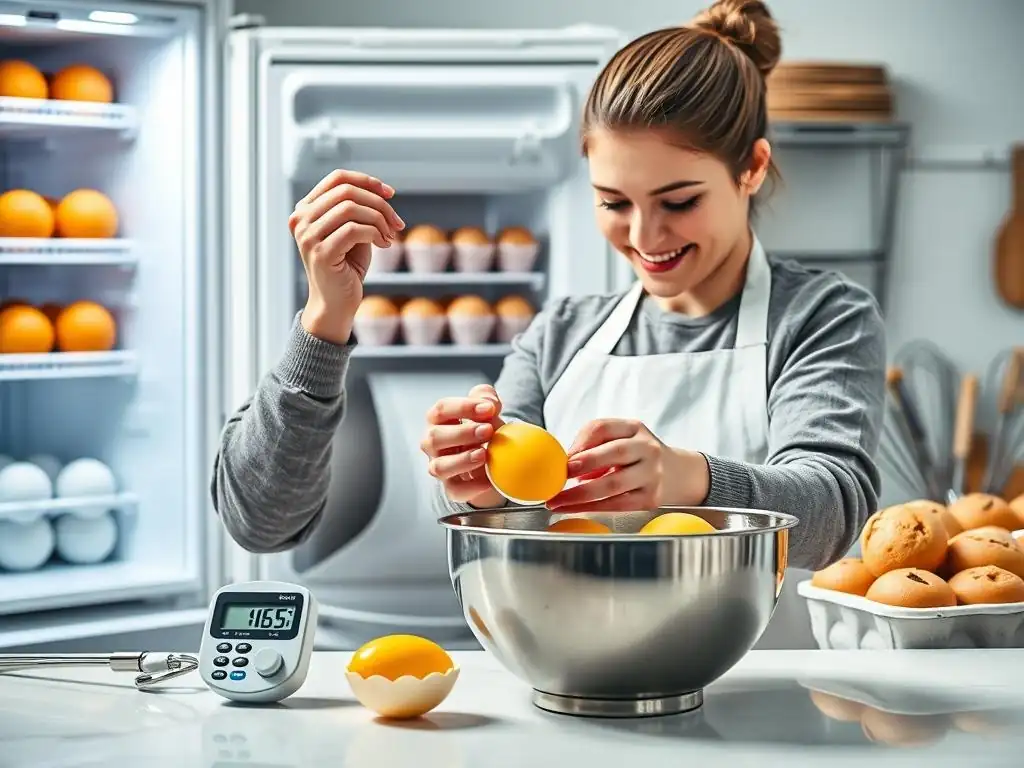
While you may not need a formal HACCP (Hazard Analysis and Critical Control Points) plan like large food manufacturers, creating a simple, written food safety plan tailored to your home bakery is highly recommended. This plan should outline your procedures for:
- Ingredient sourcing and receiving (e.g., checking egg cartons for cracks).
- Proper storage (temperatures, labeling).
- Safe preparation practices (handwashing, preventing cross-contamination, egg safety baking tips).
- Cooking/baking temperatures and times.
- Cooling and storage of finished goods.
- Cleaning and sanitizing schedules and procedures.
- Allergen management protocols.
- Pest control measures.
Having a written plan helps ensure consistency in your practices and provides a reference for anyone helping in the kitchen. It demonstrates your commitment to food safety and can be a valuable tool if you ever need to discuss your practices with a customer or regulatory body.
Documenting Food Handling Procedures for Traceability
Maintaining simple records can be invaluable for tracing issues and demonstrating your adherence to food safety baking tips. Consider documenting:
- Ingredient Logs: Note the supplier, date purchased, and potentially lot numbers for key ingredients like eggs, dairy, or flour. This helps if a supplier issues a recall.
- Baking Logs: Record which ingredients were used in which batch of product, the date baked, and the final temperature for items requiring temperature checks (like quiches).
- Cleaning Logs: Keep a simple record of when major cleaning and sanitizing tasks were performed (e.g., "Counters and mixer sanitized - Date").
- Temperature Logs: Periodically check and record refrigerator temperatures.
This documentation doesn't need to be overly complex. A simple notebook or spreadsheet will suffice. If a customer reports an issue with a specific product, these records allow you to quickly look up the ingredients used, the date it was baked, and verify that your standard safe handling procedures, including egg safety baking tips, were followed for that batch. This traceability is crucial for identifying potential sources of problems or confirming that your processes were correct.
Regularly Reviewing and Updating Food Safety Practices
The world of food safety is dynamic, with new research and guidelines emerging. Regularly review your food safety practices to ensure they are up-to-date and effective for your current operations. This could involve:
- Checking local health department websites for guidelines applicable to home-based food businesses.
- Reviewing resources from reputable food safety organizations (without including links here, think about general types like government food safety agencies or non-profits).
- Assessing your own processes – are there areas where contamination is more likely? Could your egg safety baking tips be improved?
- Updating your food safety plan and documentation methods as needed.
Consider conducting periodic self-inspections of your kitchen and processes, perhaps quarterly. Walk through each step from ingredient receiving to packaging, looking for potential hazards or areas where procedures could slip. Proactively identifying and addressing potential issues is far better than reacting to a food safety incident. Continuous improvement in your food safety practices is key to maintaining the highest standards and protecting your bakery's reputation for the long haul.
Food Safety Baking Tips: A Summary for Sweet Success Bakery
Quick Checklist for Safe Food Handling in Your Kitchen
Here is a quick checklist to reinforce essential food safety baking tips for your home bakery:
- [ ] Wash hands thoroughly and frequently (20 seconds with soap and water).
- [ ] Avoid touching face, hair, or phone while handling food.
- [ ] Wear clean clothes/apron and tie back hair.
- [ ] Do not work when sick.
- [ ] Use clean, uncracked eggs; store them in the refrigerator below 40°F (4°C).
- [ ] Handle raw eggs separately; wash/sanitize surfaces and utensils after use. These are vital egg safety baking tips.
- [ ] Store raw ingredients separately from ready-to-eat items.
- [ ] Use separate cutting boards for different tasks, or wash/sanitize between uses.
- [ ] Clean and sanitize all surfaces and equipment before and after use.
- [ ] Ensure perishables are stored at proper temperatures (refrigerator at or below 40°F / 4°C).
- [ ] Cook egg-containing items (like custards) to an internal temperature of 160°F (71°C).
- [ ] Cool perishable baked goods rapidly through the "danger zone".
- [ ] Use thermometers to check oven, refrigerator, and food temperatures.
- [ ] Identify and manage allergens; prevent cross-contact.
- [ ] Label products clearly with ingredients and allergen information.
- [ ] Check ingredient expiration dates and signs of spoilage.
- [ ] Store dry ingredients properly in airtight containers.
- [ ] Implement a simple written food safety plan.
- [ ] Document key procedures and ingredient sourcing.
- [ ] Regularly review and update your practices.
Resources for Further Learning About Food Safety
Staying informed about food safety is an ongoing process. While specific links are not provided here, valuable resources can typically be found through:
- Your local or state health department websites, which often provide guidelines for home-based food businesses and cottage food laws.
- Government food safety agencies (e.g., in the U.S., the FDA and USDA offer extensive resources).
- Reputable non-profit organizations dedicated to food safety education.
- Online courses or workshops offered by food safety professionals or extensions of universities.
Exploring these resources can deepen your understanding of specific topics like pasteurization, the science behind cooling times, or advanced allergen management strategies. Investing time in continuous learning about food safety baking tips is an investment in the safety and success of your bakery.
Conclusion: Baking with Confidence Through Food Safety
Mastering the art of baking is a journey of skill and passion, but for a home bakery, it must be underscored by an unwavering commitment to food safety. Implementing robust practices, from sourcing quality ingredients and practicing meticulous egg safety baking tips to preventing cross-contamination and managing allergens, is not merely a regulatory requirement (where applicable) but a fundamental pillar of building a trustworthy and successful business. Every safety measure taken protects not only your customers' health but also the reputation you work so hard to build.
By prioritizing food safety in every aspect of your operation, maintaining detailed records, and staying informed about best practices, you instill confidence in your customers and create a foundation for sustainable growth. Baking with confidence means knowing that you have taken every reasonable step to ensure the safety and quality of your delicious creations. Let food safety be the secret ingredient that ensures the sweet success of your home bakery for years to come.
Frequently Asked Questions
What are the primary risks associated with using raw eggs in baking?
The main risks involve Salmonella contamination, which can cause food poisoning. Using raw eggs increases the risk of bacterial illnesses for consumers.
How can I ensure the eggs I use are safe for baking, even if they're not fully cooked?
Use pasteurized eggs, readily available in most grocery stores. Alternatively, cook egg-containing mixtures to a safe internal temperature of 160°F (71°C) to kill bacteria.
Does freezing eggs affect their safety for baking?
Freezing raw eggs in their shell is not recommended and can be dangerous. However, pasteurized eggs that are frozen and then properly thawed are safe to use.
What are some signs that an egg might be unsafe to use in baking?
Look for cracked shells, unusual odors, or any discoloration. When in doubt, discard the egg to prevent potential contamination.
What are some baking recipes that commonly use raw or undercooked eggs, and how can I make them safer?
Meringues, mousses, and homemade mayonnaise are recipes often using raw eggs. Substitute pasteurized eggs or use cooked meringue methods like Italian meringue to ensure safety.
Final Reflection: The Enduring Importance of Egg Safety in Baking
The meticulous handling of eggs remains paramount in today's food industry, impacting not only the safety of consumers but also the reputation and success of home bakers. A single instance of foodborne illness linked to improperly handled eggs can irrevocably damage a home bakery's credibility, highlighting the critical need for stringent safety protocols. The consequences extend beyond individual health, affecting public trust and the overall viability of small food businesses.
The pervasive nature of egg-related illnesses underscores the ongoing need for education and awareness. The seemingly simple act of cracking an egg transforms into a crucial step in food safety, demanding precision and attention to detail. As a home baker myself, I've learned firsthand the importance of these practices, not just for my customers but for my own peace of mind. Food safety is not just a matter of compliance; it's a matter of caring.
This simple statement encapsulates the ethical responsibility we all share in ensuring the safety of the food we prepare and share.
Consider the impact of your baking practices. Are you diligently following safe egg handling guidelines? Are you educating yourself on the latest best practices? Take the time to review the information presented in this article, and commit to implementing these crucial steps in your own kitchen. By prioritizing egg safety, you not only protect your customers and your business but also contribute to a safer and more trustworthy food environment for everyone. The future of your home bakery, and the health of those you serve, depends on it.
Level Up Your Baking Game: Master Egg Safety Now!
Thanks for taking the time to learn about safe egg handling – your baked goods (and your customers!) will thank you! You now have the knowledge to create delicious and safe treats. Ready to put your newfound expertise into action?
- Prioritize egg safety in your next bake: Implement the specific techniques discussed in this article to ensure your eggs are handled safely from fridge to finished product. This is your key step to consistently perfect results.
- Share your egg-handling tips: Discuss this article with fellow bakers and spread the word about safe practices in your baking community. Let's elevate baking standards together!
- Explore alternative egg substitutes: Consider experimenting with some of the delicious alternatives mentioned – you might discover a new favorite!
So, what innovative egg safety method will you implement first in your baking process?