
Your Ultimate Guide to Vanilla Bean vs. Extract on BakeWithEase.com

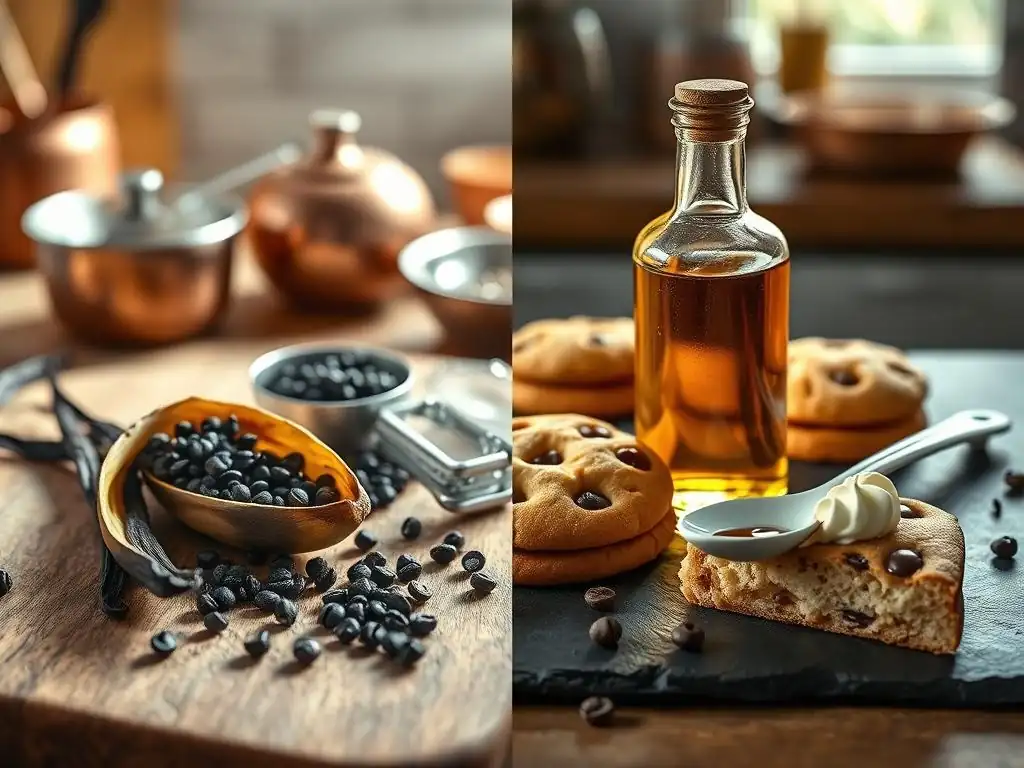
Welcome to BakeWithEase.com, your kitchen companion for all things baking! Ever wondered if that vanilla bean is really worth the splurge compared to the extract in your pantry? Dive into our ingredient deep dive and unlock the secrets to understanding the nuanced differences between vanilla bean vs. extract. Prepare to elevate your baking game – the answers might surprise you!
- Your Ultimate Guide to Vanilla in Baking on BakeWithEase.com
- Vanilla: Understanding the Baking Essentials
- Vanilla Beans: A Baker's Introduction
- Vanilla Extract: A Convenient Baking Ingredient
- Vanilla Bean vs. Extract: A Detailed Comparison
- Vanilla Bean Paste: A Versatile Alternative
- Vanilla Sugar: Another Way to Infuse Vanilla Flavor
- Recipes Showcasing Vanilla
- Tips and Tricks for Baking with Vanilla
- Conclusion: Choosing the Right Vanilla for Your Baking Needs
-
Frequently Asked Questions
- What is the fundamental difference between vanilla bean and vanilla extract?
- Which option, vanilla bean or vanilla extract, is generally considered more economical for baking?
- When should I specifically choose to use a whole vanilla bean instead of vanilla extract in a recipe?
- How does the flavor profile differ between vanilla bean and vanilla extract?
- Can I substitute vanilla extract for vanilla bean in any recipe, and if so, what's the general substitution ratio?
- Final Reflection: The Sweet Truth About Vanilla
- Unlock Your Baking Potential: Master Vanilla's Secrets!
Your Ultimate Guide to Vanilla in Baking on BakeWithEase.com
Vanilla: Understanding the Baking Essentials
Introduction to Vanilla in Baking
Vanilla is arguably one of the most beloved and fundamental flavors in baking, providing a warm, aromatic base that complements countless other ingredients. It's more than just a sweet note; good vanilla adds depth, complexity, and a certain je ne sais quoi that elevates everything from simple sugar cookies to elaborate custards. Understanding the nuances of different vanilla forms, particularly the classic vanilla bean vs extract debate, is key to unlocking their full potential in your kitchen.
Whether you're a beginner baker or looking to refine your techniques, knowing when and how to use vanilla beans, extract, or other vanilla products can significantly impact the final outcome of your baked goods. This guide will explore the journey of vanilla from its exotic origins to your pantry, helping you make informed choices about which type of vanilla is best suited for your next baking adventure on BakeWithEase.com.
Why Vanilla Matters: Enhancing Your Baked Goods
Vanilla plays a crucial role in baking by enhancing other flavors and adding its own unique profile. It can mellow the acidity in fruit tarts, round out the richness in chocolate cakes, and provide a comforting warmth in plain batters. Without vanilla, many familiar baked goods would taste flat or one-dimensional. Its presence is often subtle but essential to achieving a balanced and delicious result.
Consider a simple vanilla cake or custard; here, vanilla isn't just an accent but the star. The quality and form of vanilla used directly influence the intensity and complexity of the final flavor. Exploring the differences between vanilla bean vs extract allows bakers to tailor their vanilla choice to the specific needs of a recipe, ensuring the vanilla contributes exactly the right note, whether it's a delicate floral whisper or a bold, creamy punch.
Vanilla Beans: A Baker's Introduction
The Origin of Vanilla Beans: From Orchid to Oven
Vanilla beans come from the fruit of the vanilla orchid, primarily Vanilla planifolia. This tropical vine is native to Mexico but is now cultivated in various regions around the world, including Madagascar, Tahiti, and Indonesia. The process of producing vanilla beans is incredibly labor-intensive, contributing to their status as one of the world's most expensive spices by weight. Each vanilla flower must be hand-pollinated within a short window on the day it blooms.
After pollination, the green bean pods take several months to mature on the vine. Once harvested, they undergo a lengthy curing process involving sun-drying and sweating, which develops the complex aroma and flavor compounds, including vanillin. This meticulous journey from a delicate orchid flower to the fragrant, dark bean you use in baking is why pure vanilla flavor, especially from the bean itself, is so prized.
Different Types of Vanilla Beans: Exploring Varieties for Baking
While all vanilla beans originate from orchids, different species and growing regions produce beans with distinct flavor profiles, offering bakers a range of options. Understanding these differences can help you select the perfect bean for a specific recipe, moving beyond the general vanilla bean vs extract decision to a more nuanced choice. The three most common types you'll encounter are Madagascar, Tahitian, and Mexican vanilla beans.
Each variety possesses unique characteristics influenced by terroir and curing methods. Exploring these differences allows bakers to match the vanilla's flavor notes to other ingredients in a dish, creating more harmonious and exciting results. Whether you seek classic sweetness, exotic florals, or smoky depth, there's a vanilla bean variety to fit your baking needs.
Madagascar Vanilla Beans: The Classic Choice
Often considered the gold standard, Madagascar vanilla beans (primarily from Vanilla planifolia) are the most common and widely used type in baking. They are known for their classic, sweet, creamy, and rich flavor profile, often described as having notes of caramel and bourbon. These beans are typically plump, dark, and oily, containing a high concentration of vanillin.
Due to their balanced and versatile flavor, Madagascar beans work exceptionally well in a wide range of baked goods. They are a fantastic choice for recipes where vanilla is a primary flavor, such as custards, ice cream, vanilla cakes, and panna cotta. The rich aroma and visible speckles of the seeds also add an appealing visual element to finished dishes.
Tahitian Vanilla Beans: A Floral Aroma
Tahitian vanilla beans ( Vanilla tahitensis) are a hybrid species with a distinct flavor profile compared to the more common planifolia beans. They are typically plumper and contain fewer seeds than Madagascar beans but boast a unique aroma. Tahitian vanilla is often described as having floral, fruity, and cherry-like notes, sometimes with hints of anise or caramel.
This lighter, more delicate flavor makes Tahitian vanilla excellent for applications where you want a bright, exotic vanilla note that doesn't overpower other ingredients. They pair beautifully with fruit-based desserts, pastries, and lighter creams or mousses. While perhaps less traditional for classic recipes compared to Madagascar beans, Tahitian vanilla offers an exciting alternative for adventurous bakers.
Mexican Vanilla Beans: A Spicy Note
Mexican vanilla beans ( Vanilla planifolia) are native to the birthplace of vanilla and offer a flavor profile that is often described as smoky, spicy, and sweet, with notes of chocolate or clove. They tend to be darker and have a bolder, more robust aroma than Madagascar beans.
Mexican vanilla is particularly well-suited for recipes involving chocolate, cinnamon, or other warm spices, as its smoky and spicy undertones complement these flavors beautifully. It can add a unique dimension to brownies, mole sauces (though less common in typical baking), or spiced cookies. Exploring Mexican vanilla can bring a different kind of warmth and complexity to your baked creations.
How to Use Vanilla Beans in Baking: A Step-by-Step Guide
Using vanilla beans in baking allows you to harness the full spectrum of their flavor and aroma, plus you get those beautiful little black speckles! While initially it might seem more complex than pouring extract, the process is quite straightforward and rewarding. The key is to properly prepare the bean to extract the maximum amount of flavor from both the seeds and the pod.
Incorporating vanilla beans directly into your recipes ensures you're getting the most authentic and complex vanilla taste available. It's a process that connects you more closely to the ingredient and provides a sensory experience, from the fragrant aroma of the bean itself to the rich flavor it imparts to your finished baked goods.
Preparing Vanilla Beans: Slitting and Scraping
The first step to using a vanilla bean is to access the tiny, flavorful seeds contained within the pod.
- Place the vanilla bean on a clean cutting board.
- Using a sharp paring knife, make a lengthwise slit down the entire length of the bean, being careful not to cut all the way through the other side. You want to open it like a book.
- Open the bean pod flat.
- Using the dull side of your knife or a spoon, carefully scrape down the length of each half of the pod, gathering the paste-like mass of tiny black seeds (often called "vanilla caviar").
This process allows you to easily collect the concentrated flavor held within the seeds. The scraped bean pod still contains significant flavor and should not be discarded; it can be used for infusing liquids or making vanilla sugar.
Incorporating Vanilla Bean Seeds into Recipes
Once you have scraped the vanilla bean seeds, you can incorporate them directly into your recipe. For batters and doughs, you can add the seeds along with other liquid ingredients or whisk them into sugar before adding wet ingredients; the sugar helps distribute the tiny seeds evenly. For creams, custards, or sauces, the seeds can be stirred in directly.
The amount of seeds from one bean can vary depending on its size and plumpness, but a general approximation is that the seeds from one average 6-inch vanilla bean are roughly equivalent in flavor intensity to about 1 to 2 teaspoons of pure vanilla extract. This is a key consideration when thinking about vanilla bean vs extract substitution.
Infusing Liquids with Vanilla Bean Flavor
One of the best ways to extract maximum flavor from vanilla beans, especially the scraped pod, is by infusing them into liquids. This is commonly done with milk, cream, or sugar syrups for recipes like custards, ice cream bases, panna cotta, or simple syrups.
- Add the scraped vanilla bean pod (and often the seeds too, depending on the recipe) to the liquid in a saucepan.
- Gently heat the liquid, bringing it just to a simmer.
- Remove from heat, cover, and let steep for at least 15-30 minutes, or even longer for a more intense flavor.
- Before using the liquid, strain out the vanilla bean pod.
This infusion method draws out the fat-soluble flavor compounds from the bean, resulting in a deeply aromatic and flavorful liquid that forms the base of your dessert. The spent pod can often be rinsed, dried, and reused for vanilla sugar or a second, less intense infusion.
Vanilla Extract: A Convenient Baking Ingredient
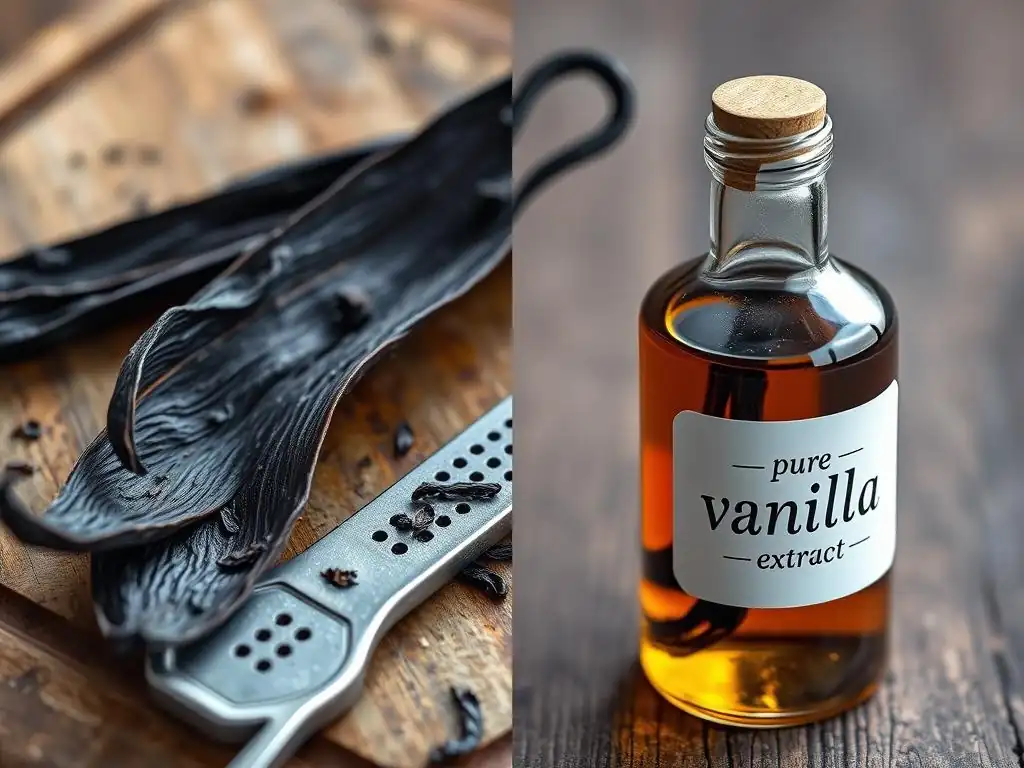
The Making of Vanilla Extract: From Bean to Bottle
Vanilla extract is created by steeping cured vanilla beans in a solution of alcohol and water. This process extracts the flavor compounds from the beans into the liquid. According to the U.S. Food and Drug Administration (FDA) standard of identity, pure vanilla extract must contain the extractable matter of no less than 13.35 ounces of vanilla beans to a gallon of solvent, which must contain at least 35% alcohol by volume.
The quality of vanilla extract is influenced by the type and quality of the beans used, the alcohol percentage, and the extraction time. High-quality pure vanilla extract is aged for months or even years to allow the flavors to fully develop and meld. This results in a concentrated liquid that captures many of the complex aromas of the original beans, offering a consistent and convenient way to add vanilla flavor to baking.
Types of Vanilla Extract: Pure vs. Imitation
When shopping for vanilla extract, you'll primarily encounter two types: pure vanilla extract and imitation vanilla extract. Understanding the difference is crucial when deciding which to use in your baking, directly impacting the vanilla bean vs extract comparison and the quality of your finished product. The choice often comes down to desired flavor intensity, cost, and the recipe's requirements.
While pure extract offers the authentic, complex flavor of vanilla beans, imitation extract provides a budget-friendly alternative. Knowing the strengths and weaknesses of each type allows you to make the best decision for your specific baking project.
Pure Vanilla Extract: The Gold Standard
Pure vanilla extract is made solely from vanilla beans, alcohol, and water, following strict government standards. It contains the full spectrum of flavor compounds found in vanilla beans, resulting in a rich, complex, and authentic vanilla taste. The flavor profile can vary slightly depending on the type of beans used (e.g., Madagascar, Mexican), but it always offers a depth that imitation vanilla cannot replicate.
Pure vanilla extract is the preferred choice for most baking applications, especially when vanilla is a prominent flavor or when baking delicate items like custards, whipped creams, or lighter cakes. While more expensive than imitation extract, a little goes a long way, and the superior flavor is often worth the investment for serious bakers.
Imitation Vanilla Extract: When to Consider
Imitation vanilla extract is made from synthetically produced vanillin, the primary flavor compound found in vanilla beans. It does not contain the hundreds of other aromatic compounds present in real vanilla, resulting in a simpler, less complex, and often slightly harsher flavor profile. It is significantly less expensive than pure vanilla extract.
Imitation vanilla can be a suitable choice for baked goods that are heavily spiced or flavored, where the subtle nuances of pure vanilla might be lost, or where cost is a major constraint. It is also often used in recipes that require high baking temperatures, as some of the delicate flavor compounds in pure vanilla can evaporate. However, for recipes where vanilla is meant to shine, pure extract or beans are highly recommended.
Using Vanilla Extract in Baking: Quick and Easy
Vanilla extract is a staple in most baking pantries due to its ease of use and consistent results. It's a liquid ingredient that can be quickly measured and added to batters, doughs, and creams, providing reliable vanilla flavor without the need for preparing beans or infusing liquids. This convenience is a major advantage when comparing vanilla bean vs extract for everyday baking.
Adding vanilla extract is typically one of the final steps in mixing batters and doughs to minimize the evaporation of its volatile flavor compounds during mixing. Its liquid form also ensures even distribution of flavor throughout the mixture.
Measuring Vanilla Extract for Recipes
Measuring vanilla extract is straightforward. Recipes usually specify the amount in teaspoons or tablespoons. For example, a standard cookie recipe might call for 1 teaspoon or 2 teaspoons of vanilla extract. It's important to use accurate measuring spoons to ensure you're adding the correct amount, as too little might result in a bland flavor, while too much can sometimes impart a slightly bitter note, especially with imitation extract.
Standard liquid measuring spoons should be used, filling them to the brim. Because vanilla extract is a potent flavor, precise measurement is helpful for consistent baking results.
Substituting Vanilla Extract for Vanilla Bean Seeds
Substituting vanilla extract for vanilla bean seeds is a common practice, especially when vanilla beans are unavailable or too costly for a particular recipe. As mentioned earlier, a good rule of thumb is that the seeds from one average 6-inch vanilla bean are roughly equivalent to 1 to 2 teaspoons of pure vanilla extract.
When substituting, start with 1 teaspoon of extract per bean and adjust based on the desired intensity and the specific extract's strength. Keep in mind that while the flavor will be present, you will miss the visual appeal of the vanilla bean speckles and the full depth of flavor provided by the bean's other compounds. Conversely, if substituting vanilla bean for extract, use the seeds from one bean for every 1-2 teaspoons of extract called for.
Vanilla Bean vs. Extract: A Detailed Comparison
Choosing between vanilla bean vs extract is a common decision point for bakers. Each form of vanilla offers unique advantages and disadvantages based on factors like flavor profile, cost, availability, and how it's used in a recipe. Understanding these differences helps you select the best ingredient to achieve your desired outcome.
This detailed comparison will break down the key factors to consider when weighing vanilla bean vs extract, helping you determine which is the right choice for various baking scenarios. There's no single "better" option; the ideal choice depends entirely on the context of your baking project.
Flavor Profile: The Nuances of Taste
The most significant difference between vanilla bean vs extract lies in their flavor profile. While both provide vanilla flavor, the complexity and intensity vary considerably due to how the flavor compounds are delivered and preserved.
A pure vanilla bean contains hundreds of aromatic compounds, not just vanillin. Extract captures many of these, but the bean itself offers the fullest, most nuanced expression of vanilla flavor.
Vanilla Bean Flavor: Rich and Complex
Vanilla beans offer the most authentic and complex vanilla flavor available. They contain not only vanillin but also numerous other volatile organic compounds that contribute to a multi-layered aroma and taste. When you use a vanilla bean, you get the full spectrum of its origin's characteristics – whether it's the creamy sweetness of Madagascar, the floral notes of Tahitian, or the smoky spice of Mexican.
The flavor released from the bean itself is often described as richer, deeper, and more rounded than extract. The tiny seeds also contribute a textural element and visual appeal that extract cannot provide. Using vanilla beans is ideal for recipes where vanilla is the star and you want its full, unadulterated flavor to shine through, such as custards, ice cream, or simple syrups.
Vanilla Extract Flavor: Consistent and Convenient
Pure vanilla extract provides a consistent and reliable source of vanilla flavor. While it captures many of the compounds from the bean, the extraction process and the use of alcohol as a carrier mean the flavor profile is generally more singular and less nuanced than that of a fresh bean. However, high-quality pure extract still offers a rich and pleasant vanilla taste.
The primary advantage of extract is its consistency and ease of use. You know exactly what flavor intensity you'll get from a measured amount, making it reliable for everyday baking. It disperses easily through batters and doughs, ensuring uniform flavor distribution. While not as complex as the bean, pure extract is a versatile workhorse in the baker's pantry, providing excellent vanilla flavor for cakes, cookies, brownies, and more.
Cost Comparison: Budget-Friendly Baking
Cost is often a significant factor when deciding between vanilla bean vs extract. Vanilla beans are generally considered a premium ingredient, and their price reflects the labor-intensive process of cultivation and curing.
Comparing the cost per use reveals a clear difference, influencing which option is more budget-friendly for different baking habits.
The Price of Vanilla Beans
Vanilla beans are typically sold individually or in small quantities and have a relatively high price per bean. A single high-quality vanilla bean might cost between $5 and $10 or more, depending on the variety, grade, and market conditions. While the flavor from one bean is potent, you generally use one or two beans per recipe where vanilla is prominent.
This makes using vanilla beans more expensive on a per-recipe basis compared to using extract. For example, a batch of ice cream might require two beans, costing $10-$20 just for the vanilla. This higher cost positions vanilla beans as an ingredient often reserved for special occasions or recipes where their unique qualities are essential.
The Price of Vanilla Extract
Pure vanilla extract is sold in bottles, typically ranging from 2 to 16 ounces. While the upfront cost of a bottle might seem high (e.g., $10-$20 for a 4oz bottle of good quality extract), a single bottle contains enough extract for many dozens of baking projects, as recipes usually call for only 1-2 teaspoons at a time.
This makes vanilla extract significantly more cost-effective on a per-use basis than vanilla beans. A teaspoon of extract might cost only pennies compared to several dollars for the equivalent flavor from a bean. Imitation vanilla extract is even cheaper, costing potentially less than half the price of pure extract, making it the most budget-friendly option available, though at the expense of authentic flavor.
Availability and Shelf Life: Stocking Your Pantry
Availability and shelf life are practical considerations when stocking your baking pantry and choosing between vanilla bean vs extract. Both factors influence how easily you can access the ingredient when needed and how long you can store it.
Generally, vanilla extract is more readily available and has a longer shelf life than vanilla beans, making it a convenient staple.
Storing Vanilla Beans Properly
Vanilla beans require careful storage to maintain their moisture and flavor. They should be stored in an airtight container, away from direct sunlight and heat, ideally at room temperature (around 60-70°F or 15-21°C). Vacuum-sealed bags or glass tubes are often used for storage. Avoid storing them in the refrigerator, as this can dry them out and cause mold.
When stored correctly, vanilla beans can last for several months, sometimes up to a year, while retaining their quality. However, they can dry out over time, becoming brittle and less flavorful. Rehydrating a dry bean is possible but won't fully restore its original quality.
Storing Vanilla Extract for Optimal Flavor
Pure vanilla extract has a remarkably long shelf life due to its alcohol content. When stored in a cool, dark place away from heat and light (like a pantry cupboard), a bottle of pure vanilla extract can last for many years, often improving in flavor over time like a fine spirit. The flavor compounds continue to meld and develop.
While it doesn't technically "go bad" in a way that makes it unsafe to use, the flavor can become less vibrant over time if not stored correctly or if the bottle isn't tightly sealed, leading to alcohol evaporation. Imitation vanilla extract also has a long shelf life, though its flavor profile won't change or improve with age.
Application in Baking: Choosing the Right Vanilla for the Job
The best way to decide between vanilla bean vs extract is often to consider the specific recipe you are making and how vanilla functions within it. Certain applications benefit more from the intense, nuanced flavor and visual appeal of vanilla beans, while others are perfectly suited for the convenience and reliable flavor of vanilla extract.
Understanding the strengths of each form helps you make an informed choice that will lead to the most delicious results for your particular baked good.
Best Uses for Vanilla Beans in Baking
Vanilla beans are ideal for recipes where vanilla is the star flavor and you want its full complexity and aroma to shine. They are particularly well-suited for applications involving infusion, where the flavor compounds can slowly meld with a liquid base.
- Custards and Puddings: Infusing milk or cream with a split vanilla bean creates a deeply flavorful base. The visible seeds also add a gourmet touch.
- Ice Cream and Gelato: Similar to custards, infusing the base with vanilla beans provides unparalleled depth of flavor.
- Panna Cotta: The simple ingredients of panna cotta allow the rich flavor of vanilla beans to take center stage.
- Simple Syrups: Infusing sugar syrup with a vanilla bean pod is great for cocktails, soaking cakes, or sweetening drinks.
- Crème Brûlée: The classic dessert relies heavily on pure vanilla flavor, and using beans provides the best result.
- Any recipe where vanilla is the primary or sole flavoring.
Best Uses for Vanilla Extract in Baking
Vanilla extract is incredibly versatile and is suitable for a vast majority of baking applications. Its convenience and consistent flavor make it the go-to vanilla for everyday baking.
- Cakes and Cupcakes: Added to the batter, extract provides a reliable vanilla base that complements other flavors.
- Cookies: Vanilla extract enhances the sweetness and adds warmth to various cookie doughs.
- Brownies: A touch of vanilla extract rounds out the rich chocolate flavor.
- Muffins and Quick Breads: Easy to measure and mix into batters.
- Frostings and Glazes: Adds vanilla flavor to buttercreams, cream cheese frostings, and simple glazes.
- Recipes with strong competing flavors: When chocolate, spices, or fruits are dominant, extract provides vanilla notes without the higher cost of beans.
Vanilla Bean Paste: A Versatile Alternative
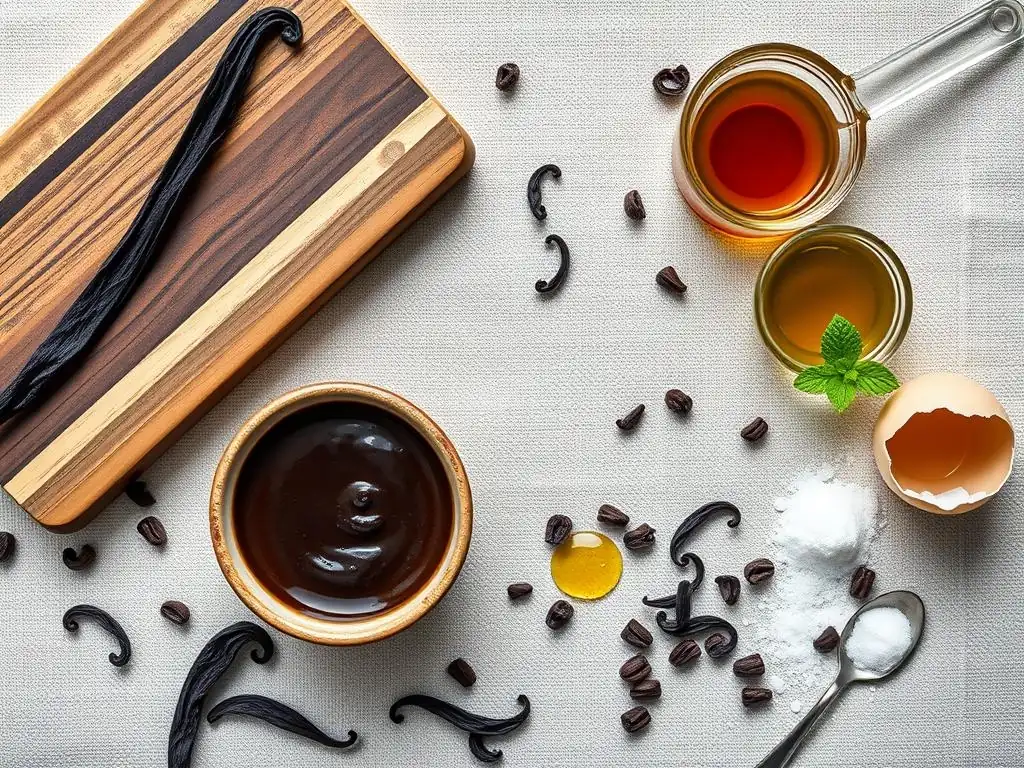
What is Vanilla Bean Paste? Bridging the Gap
Vanilla bean paste is a concentrated form of vanilla that offers a convenient middle ground between using whole vanilla beans and pure vanilla extract. It is typically made from a mixture of vanilla bean seeds, vanilla extract, and a thickener like sugar syrup, glucose syrup, or vegetable gum. The result is a thick, syrupy paste flecked with visible vanilla bean seeds.
Vanilla bean paste provides much of the intense flavor and the visual appeal of using whole vanilla beans, while being as easy to measure and use as vanilla extract. It's a popular choice for bakers who want the look and enhanced flavor of beans without the scraping step.
Using Vanilla Bean Paste: Applications and Benefits
Vanilla bean paste can be used in many of the same applications as vanilla extract or vanilla bean seeds. Its thick consistency makes it easy to stir into batters, doughs, frostings, and creams. It's particularly excellent in recipes where you want to see those tell-tale black vanilla speckles, such as ice cream, panna cotta, whipped cream, or white cakes.
A common substitution ratio is 1 teaspoon of vanilla bean paste for every 1 teaspoon of vanilla extract or for the seeds of one vanilla bean. The benefits include convenience (no scraping! ), visible seeds, and a flavor profile that is often richer than pure extract but more accessible than whole beans. It's a fantastic option for adding gourmet flair to everyday baking.
Vanilla Sugar: Another Way to Infuse Vanilla Flavor
Making Your Own Vanilla Sugar
Vanilla sugar is a simple yet effective way to infuse the subtle aroma and flavor of vanilla into your baking, particularly in recipes where sugar is creamed with butter or sprinkled on top of baked goods. It's also a wonderful way to make use of spent vanilla bean pods after you've scraped out the seeds.
To make vanilla sugar, simply place several cups of granulated sugar in an airtight container. Bury one or more spent (or even fresh!) vanilla bean pods within the sugar. Seal the container and let it sit for at least a week, shaking it occasionally. Over time, the sugar will absorb the vanilla aroma and flavor from the pod. You can replace the pod with a fresh one periodically or add new pods as you use them.
Using Vanilla Sugar in Baking
Vanilla sugar can be used as a direct substitute for regular granulated sugar in recipes where you want to add a hint of vanilla flavor. It works particularly well in recipes that don't involve liquids being heated with the vanilla for a long time, such as shortbread, sugar cookies, or streusel toppings.
You can also use vanilla sugar to sweeten coffee or tea, sprinkle it over fresh fruit, or use it to coat pastries like churros. While the vanilla flavor from vanilla sugar is less intense than using extract or beans directly, it provides a lovely, subtle background note and is a great way to reduce waste by repurposing spent pods.
Recipes Showcasing Vanilla
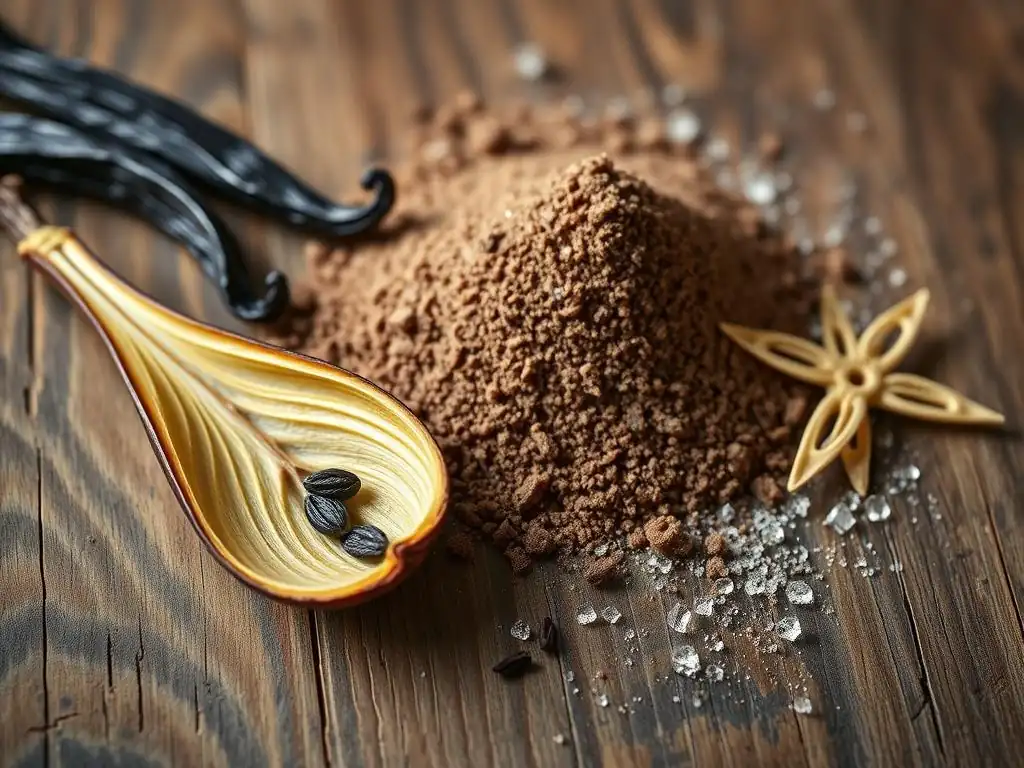
Here are a few classic recipes that beautifully highlight the unique qualities of different forms of vanilla, illustrating the practical side of the vanilla bean vs extract choice.
Vanilla Bean Cheesecake Recipe
This recipe relies on the rich, creamy flavor and visual appeal of vanilla bean seeds to elevate a classic cheesecake. Infusing the cream cheese mixture with scraped vanilla bean seeds ensures the vanilla flavor is prominent and perfectly complements the tangy cheese base.
A staple in many bakeries, these sugar cookies showcase the reliable and comforting flavor provided by pure vanilla extract. The extract disperses evenly throughout the dough, ensuring every bite has that familiar, sweet vanilla note that pairs perfectly with the simple cookie base.
Vanilla Bean Infused Crème brûlée Recipe
Crème brûlée is a prime example of a dessert where vanilla is the star. Using whole vanilla beans to infuse the cream base imparts a deep, complex vanilla flavor that is essential to this elegant dessert. The visible speckles of vanilla bean seeds are also a signature characteristic of a well-made crème brûlée.
Tips and Tricks for Baking with Vanilla
Mastering the use of vanilla involves more than just choosing between vanilla bean vs extract. Here are some additional tips to help you get the most out of your vanilla products and enhance your baking results.
- Task: Ensure vanilla extract is added at the right time in recipes.
- Task: Explore different brands and grades of pure vanilla extract.
- Task: Properly store all vanilla products to maintain quality.
Maximizing Vanilla Flavor in Your Baked Goods
To get the most flavor from your vanilla, especially extract, avoid adding it too early in processes involving high heat or long cooking times, as some volatile compounds can evaporate. For batters and doughs, add vanilla with the liquid ingredients towards the end of mixing. For sauces and custards, infuse vanilla (bean or extract) gently over low heat and let it steep.
You can also "bloom" vanilla extract by warming it slightly (gently, not boiling) before adding it to a recipe, which can help release some of the aromatic compounds. Using high-quality pure vanilla extract is always recommended for the best flavor intensity and complexity.
Avoiding Common Vanilla Baking Mistakes
One common mistake is using imitation vanilla when a recipe calls for pure vanilla and vanilla is a key flavor. While imitation works in some cases, it won't provide the same depth. Another error is improper storage of vanilla beans, leading to dry, less flavorful pods. Also, ensure you're using enough vanilla; under-measuring can result in a bland final product.
When using vanilla beans, don't discard the pod after scraping; it can be reused for infusion or vanilla sugar. Finally, be mindful of the vanilla bean vs extract substitution ratio (1 bean ≈ 1-2 tsp extract) to ensure the correct flavor strength.
Exploring Vanilla Extracts: Different Brands and Qualities
Not all vanilla extracts are created equal, even within the "pure" category. Quality can vary significantly based on the type and origin of the beans used, the extraction process, and the alcohol base. Trying different brands and varieties (like those made from Mexican or Tahitian beans) can expose you to different flavor nuances.
Consider factors like single-origin extracts or those marketed as "double-fold," which have twice the strength of standard extract. Investing in a high-quality pure vanilla extract from a reputable source can make a noticeable difference in the flavor of your baked goods compared to a generic store brand.
Conclusion: Choosing the Right Vanilla for Your Baking Needs
Recap of Vanilla
We've explored the world of vanilla in baking, from the intricate process of cultivating vanilla beans to the convenience of vanilla extract and the versatility of vanilla bean paste. We've compared the flavor profiles, costs, and best uses of vanilla bean vs extract, highlighting that each form has its place in the baker's toolkit.
Vanilla beans offer unparalleled complexity and visual appeal, ideal for recipes where vanilla is the star. Pure vanilla extract provides reliable, consistent flavor and convenience for everyday baking. Imitation extract is a budget option best suited for recipes with dominant flavors. Vanilla bean paste offers a happy medium, combining ease of use with visible seeds and rich flavor.
Elevating Your Baking with Vanilla
Ultimately, the choice between vanilla bean vs extract depends on your recipe, budget, and desired outcome. For a truly gourmet experience where vanilla shines, reach for a high-quality vanilla bean or paste. For consistent, delicious results in a wide range of baked goods, pure vanilla extract is your dependable ally.
By understanding the unique characteristics of each type of vanilla and how they perform in different baking applications, you can confidently select the right ingredient to elevate your baked goods from good to truly exceptional. Experimenting with different vanilla forms is a delightful journey that will undoubtedly enhance your baking on BakeWithEase.com.
Frequently Asked Questions
What is the fundamental difference between vanilla bean and vanilla extract?
The main difference lies in the source and processing. Vanilla beans are the whole, unprocessed fruit, while vanilla extract is a solution of vanilla flavor in alcohol and water, extracted from the beans.
Which option, vanilla bean or vanilla extract, is generally considered more economical for baking?
Vanilla extract is usually more economical. A small amount of extract provides a substantial vanilla flavor, whereas using vanilla bean often requires a higher initial investment for a single use.
When should I specifically choose to use a whole vanilla bean instead of vanilla extract in a recipe?
Use a whole vanilla bean when you desire intense vanilla flavor and visual appeal. It's ideal for recipes where the black seeds are visible, such as vanilla ice cream or crème brûlée.
How does the flavor profile differ between vanilla bean and vanilla extract?
Vanilla bean offers a richer, more complex flavor with subtle floral notes. Vanilla extract provides a more concentrated and straightforward vanilla flavor, which is still excellent for most baking applications.
Can I substitute vanilla extract for vanilla bean in any recipe, and if so, what's the general substitution ratio?
Yes, you can often substitute vanilla extract for vanilla bean. A general rule of thumb is to use 1 teaspoon of vanilla extract for every 1 inch of vanilla bean.
Final Reflection: The Sweet Truth About Vanilla
The age-old debate of vanilla bean versus extract continues to simmer in kitchens worldwide, impacting not only the flavor profiles of our baked goods but also our understanding of ingredient quality and culinary craftsmanship. The subtle nuances between these two forms of vanilla, as explored in this guide, highlight the importance of understanding ingredient choices and their direct impact on the final product. This isn't just about a preference; it's about appreciating the artistry involved in baking.
The journey from simple extract to the luxurious experience of scraping vanilla bean seeds has profoundly shaped my own baking philosophy. It's a journey of discovery, revealing the depth of flavor and the sheer elegance that a seemingly simple ingredient can offer. The difference between ordinary and extraordinary is that little extra.
This quote perfectly encapsulates the transformative power of choosing the right vanilla, elevating a simple cake to a culinary masterpiece. The ongoing exploration of flavor and quality within the baking community is a testament to our collective desire for excellence.
Now, it's your turn. Consider the next time you reach for vanilla. Will you settle for the convenience of extract, or will you embrace the challenge – and the reward – of working with the whole vanilla bean? Take the time to savor the difference, to appreciate the subtle complexities, and to elevate your baking to a new level of artistry. The choice, and the delicious results, are entirely yours.
Unlock Your Baking Potential: Master Vanilla's Secrets!
Thanks for taking the time to explore the delicious world of vanilla with us! We hope you now feel confident in choosing the perfect vanilla for your next baking masterpiece. Ready to put your new knowledge to the test?
- Bake a show-stopping vanilla cake: Use your newfound wisdom to select the ideal vanilla and wow your friends and family with a truly exceptional dessert. This is your chance to shine!
- Share your vanilla creations: Post photos of your vanilla-infused baking on social media and tag #BakeWithEaseVanilla – let's inspire each other!
- Deep dive into our other baking guides: Explore our extensive library of recipes and techniques to expand your baking skills even further.
What incredible vanilla creation will you bake first? Let us know in the comments below!