
Master Sourdough: Ovens Designed for the Ultimate Loaf

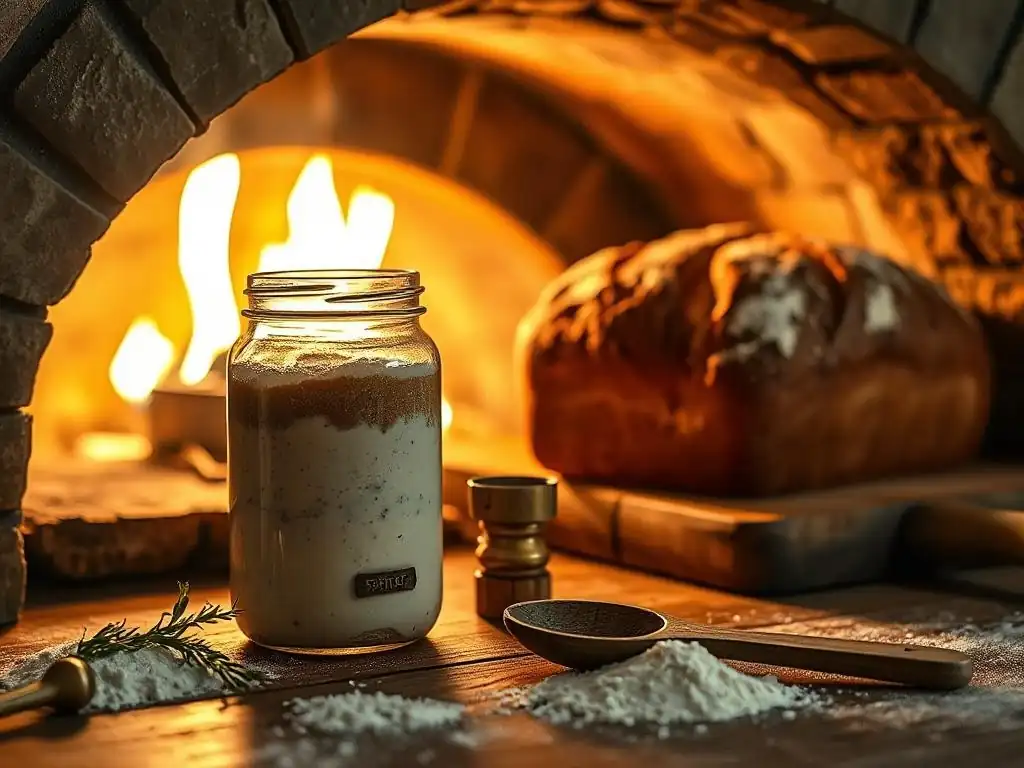
Welcome to BakeWithEase, your trusted guide to unlocking the secrets of exceptional baking!
Ever wondered if your oven is hindering your sourdough dreams? Discover how the right baking equipment can revolutionize your loaves – and don't miss our essential sourdough starter maintenance tips to ensure consistent results. Let's explore how to achieve the perfect bake, one delicious loaf at a time!
- Achieving Sourdough Perfection: The Oven's Role
- Top Ovens for Baking Exquisite Sourdough in 2024
- Option 1: Breville BOV900BSS Smart Oven Air Fryer Pro - The Sourdough Master
- Option 2: Challenger Breadware Bread Oven - The Home Baker's Dream
- Option 3: Anova Precision Oven - Technology Meets Tradition
- Option 4: Lodge Cast Iron Dutch Oven - The Budget-Friendly Sourdough Solution
- Sourdough Starter Maintenance Tips: Integrating Your Oven Choice
- Making the Right Choice: Selecting the Perfect Oven for Your Sourdough Journey
- Maximizing Your Sourdough Baking: Tips and Tricks for Oven Mastery
-
Frequently Asked Questions
- What is sourdough starter maintenance and why is it important?
- How often should I feed my sourdough starter?
- What is the ideal ratio of flour and water to feed my sourdough starter?
- What are some signs that my sourdough starter is unhealthy or needs attention?
- Can I use different types of flour to feed my sourdough starter?
- Final Reflection: The Enduring Magic of Sourdough, One Loaf at a Time
- Unleash Your Inner Baker: Craft the Perfect Sourdough Loaf
Achieving Sourdough Perfection: The Oven's Role
Why Your Oven Matters for Sourdough Success
Baking sourdough bread is a beautiful blend of science and art, and while a healthy, active sourdough starter is fundamental, the environment in which you bake plays an equally critical role. The humble oven is far more than just a hot box; it's a controlled environment where the final transformation of your dough occurs. The oven's ability to maintain a consistent, high temperature is paramount. Fluctuations in temperature can lead to uneven baking, a dense crumb, or a crust that fails to develop properly, resulting in a loaf that falls short of its potential.
Moreover, the oven's capacity to manage humidity, especially during the initial phase of baking, is vital for achieving that coveted, crackly crust and maximizing oven spring. Steam prevents the crust from hardening too quickly, allowing the loaf to expand fully before setting. Without adequate steam, the crust sets prematurely, restricting the loaf's rise and potentially leading to blowouts or a less airy interior. Understanding your oven's capabilities and limitations is therefore just as important as mastering your sourdough starter maintenance tips.
Beyond Sourdough Starter Maintenance Tips: Oven Temperature and Humidity Control
While focusing on sourdough starter maintenance tips is crucial for developing flavor and leavening power, the oven's temperature and humidity control dictate the final structure and appearance of your loaf. A typical sourdough baking temperature starts high, often between 450°F and 500°F (around 230°C to 260°C), to promote maximum oven spring. Maintaining this high heat consistently is key. A cheap or old oven might struggle to hold this temperature, dropping significantly when the dough is loaded, which can impact the rise.
Humidity management is often the biggest challenge in home ovens. Professional deck ovens inject steam, creating the ideal steamy environment. Home bakers often simulate this using Dutch ovens, baking stones with water trays, or specialized steam ovens. The goal is to keep the air around the loaf moist for the first 15-20 minutes of baking. This moisture keeps the surface of the dough pliable, allowing it to stretch as the gas within expands. After this initial phase, the steam is typically removed or dissipates, allowing the crust to dry out and brown, developing its characteristic texture and color.
Top Ovens for Baking Exquisite Sourdough in 2024
The Importance of Consistent Heat for Sourdough Bread
Consistent heat is non-negotiable for exceptional sourdough. Imagine your dough is a delicate structure, relying on even heat distribution to set its shape and crumb. If one part of the oven is significantly hotter or cooler than another, you might end up with a loaf that's burnt on one side and underbaked on the other. This unevenness directly impacts the crumb structure, potentially leading to dense spots or large, irregular holes instead of a beautiful, open, and consistent crumb.
High-quality ovens designed for baking often feature advanced heating elements and convection systems that circulate air evenly. Some models boast precise temperature control systems, minimizing fluctuations to within a few degrees Fahrenheit. This level of accuracy ensures that when you set your oven to 475°F, it stays remarkably close to that temperature throughout the critical baking phase, providing the stable environment your sourdough needs for optimal development.
Optimizing Your Baking Environment: Sourdough Baking Ovens
Optimizing your baking environment goes beyond just setting a temperature. It involves understanding how your specific oven distributes heat and manages moisture. Dedicated sourdough baking ovens, or ovens with features beneficial for sourdough, are designed to tackle the challenges of home baking. They often provide solutions for creating and maintaining humidity, whether through steam injection capabilities or by being designed to work effectively with baking vessels like Dutch ovens.
Consider ovens with robust insulation and powerful heating elements that recover temperature quickly after the door is opened. Look for features like precise digital thermostats and multi-stage baking settings that allow you to easily transition from a high-heat, steamy phase to a lower-heat, dry phase for crust development. While mastering sourdough starter maintenance tips gives your dough life, the right oven gives it the perfect environment to thrive.
Option 1: Breville BOV900BSS Smart Oven Air Fryer Pro - The Sourdough Master
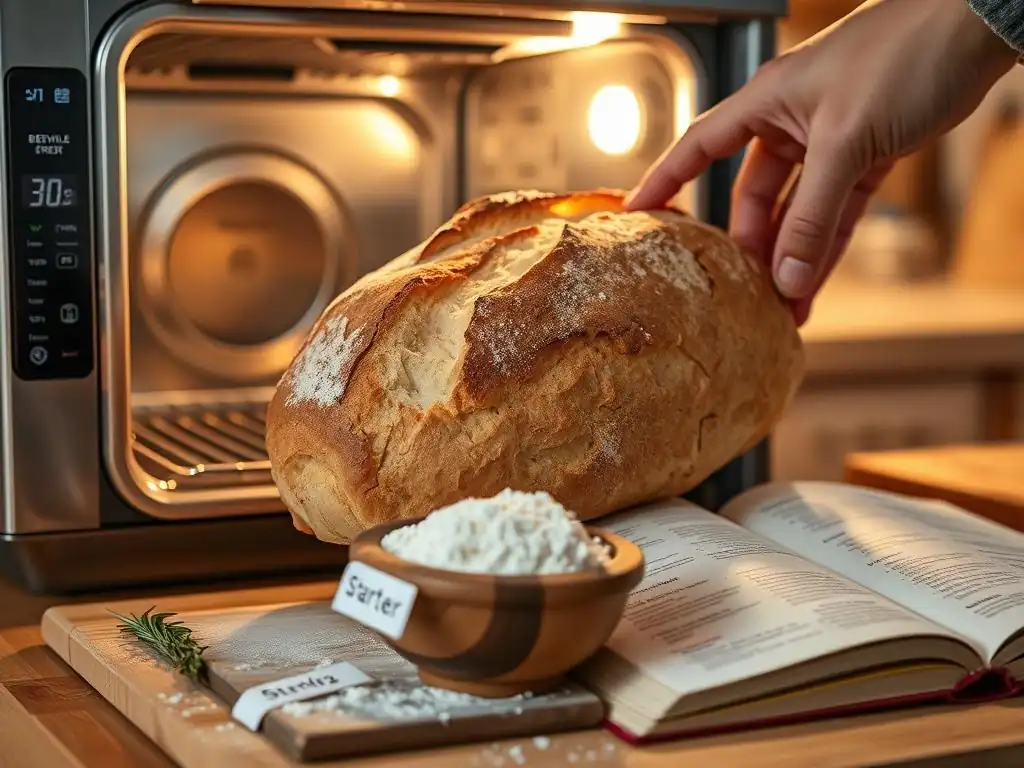
Key Features for Sourdough: Precise Temperature and Super Convection
The Breville Smart Oven Air Fryer Pro is a countertop oven that surprises many with its baking prowess, particularly for sourdough. A standout feature is its Element IQ system, which intelligently distributes heat based on what you're cooking, offering precise temperature control often within 5°F of the set temperature. This level of accuracy is vital for sourdough, preventing the temperature dips that can hinder oven spring.
Furthermore, its "Super Convection" setting provides powerful, even air circulation. While convection can sometimes dry out bread too quickly, used correctly or in conjunction with a Dutch oven, this feature helps ensure the entire loaf receives consistent heat, promoting even baking and crust development. It reaches temperatures up to 480°F (250°C), sufficient for the initial high-heat phase of sourdough baking.
Benefits: Consistent Bake, Perfect Crust, and Enhanced Flavor
Bakers using the Breville Smart Oven Air Fryer Pro often report achieving remarkably consistent results loaf after loaf. The precise temperature management minimizes guesswork and reduces the risk of unevenly baked bread. The ability to reach high temperatures and maintain them helps achieve excellent oven spring and a beautiful, golden-brown crust.
While it doesn't have built-in steam injection, its size and heating capabilities make it an excellent partner for smaller baking vessels like a 3-quart Dutch oven or a cloche, effectively trapping steam around the loaf. This combination facilitates the development of a thin, crisp crust and a moist, open crumb, enhancing the overall flavor and texture of your sourdough compared to baking in a standard, less controlled environment.
Price Point and Where to Buy: Affiliate Link to Amazon
The Breville BOV900BSS Smart Oven Air Fryer Pro typically falls into the mid-to-high price range for countertop ovens. It is widely available from major online retailers and department stores.
Option 2: Challenger Breadware Bread Oven - The Home Baker's Dream
Optimized for Sourdough: Cast Iron Enclosure and Superior Heat Retention
The Challenger Breadware Bread Oven is a specialized baking vessel designed specifically for baking bread in a home oven, acting as a mini-oven within your main oven. Crafted from thick cast iron, its key feature is exceptional heat retention. Preheating this heavy vessel to 500°F (260°C) stores a significant amount of thermal energy.
The design, with its shallow base and deep dome, is optimized for sourdough. Placing the dough in the preheated base and covering it with the dome traps the moisture released by the dough as it bakes. This creates a perfectly steamy environment around the loaf for the crucial initial phase, mimicking a professional deck oven. The heavy cast iron maintains a stable high temperature, ensuring powerful oven spring and even heat distribution.
Benefits: Creates an Authentic Sourdough Crust and crumb structure
Using the Challenger Breadware Bread Oven significantly elevates the quality of home-baked sourdough, often yielding results comparable to professional bakeries. The trapped steam during the first 20-25 minutes ensures the crust remains pliable, allowing for maximum expansion and a thin, crackly exterior. Once the lid is removed for the latter part of the bake, the direct heat from the cast iron base helps develop a deep brown, caramelized crust.
The consistent, radiant heat from the cast iron also contributes to a more even and open crumb structure. Bakers frequently note a dramatic improvement in both crust texture and oven spring when switching to a dedicated cast iron baker like this. It takes the guesswork out of steam management in a standard home oven.
Price Point and Where to Buy: Affiliate Link to Challenger Breadware
The Challenger Breadware Bread Oven is a premium, specialized tool and is priced accordingly, typically in the high-end range for baking accessories. It is primarily available directly from the manufacturer's website and select specialty retailers.
Option 3: Anova Precision Oven - Technology Meets Tradition
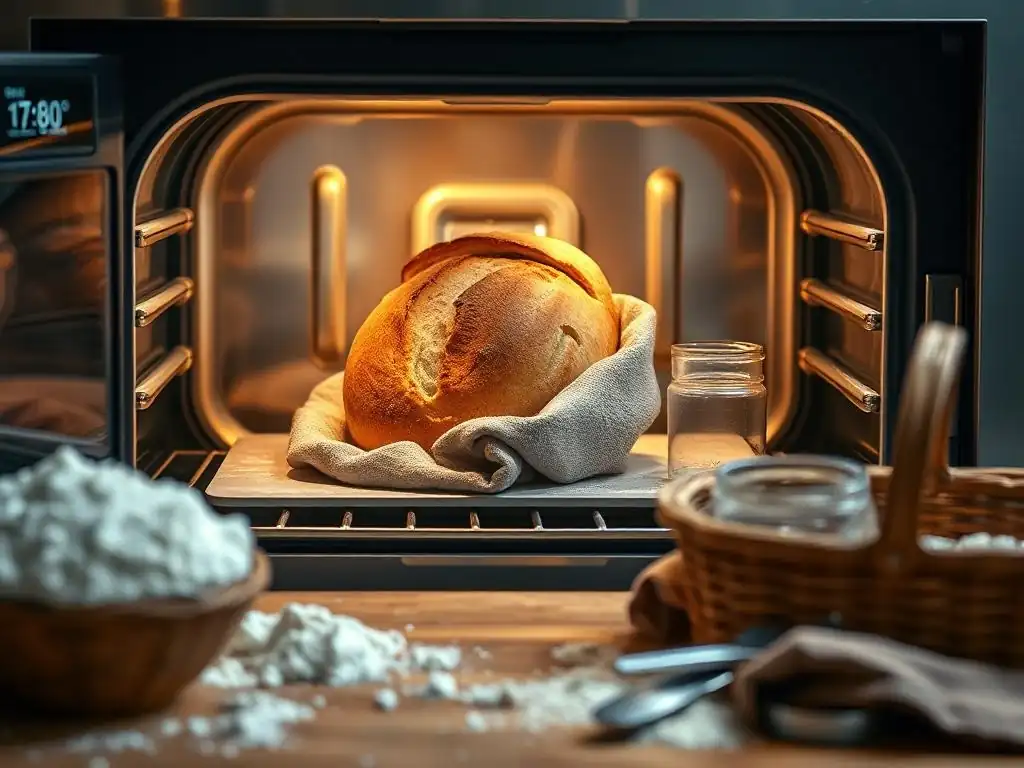
Sourdough-Specific Settings: Precise Humidity and Temperature Control
The Anova Precision Oven is a unique countertop oven that utilizes steam injection, offering precise control over both temperature and humidity. This is a game-changer for sourdough bakers seeking to replicate the conditions of professional ovens. You can set specific humidity levels (e.g., 80% or 100%) alongside the desired temperature, allowing for multi-stage baking programs.
The oven allows you to program different phases, such as a high-temperature, high-humidity phase (e.g., 480°F with 100% steam for 15 minutes) followed by a lower-temperature, no-steam phase (e.g., 425°F dry heat for 25 minutes). This level of control is unparalleled in most home ovens and directly addresses the critical needs of sourdough baking.
Benefits: User-Friendly Interface, Consistent Results, and Sous Vide Capabilities
One of the major benefits of the Anova Precision Oven is its ability to deliver incredibly consistent results. The precise control over both heat and steam eliminates many variables that home bakers struggle with. The user interface, often controlled via a connected app, is intuitive and allows for easy programming of complex baking cycles tailored specifically for sourdough.
While its steam capabilities are revolutionary for bread, it also offers other cooking modes like sous vide, making it a versatile kitchen appliance. For sourdough, the ability to inject steam on demand at specific temperatures ensures optimal oven spring and crust development every single time, taking much of the inconsistency out of the process compared to manual steaming methods.
Price Point and Where to Buy: Affiliate Link to Anova
The Anova Precision Oven is a high-end countertop oven with a price point reflecting its advanced technology and capabilities. It is available directly from the Anova website and various online retailers specializing in kitchen appliances.
Option 4: Lodge Cast Iron Dutch Oven - The Budget-Friendly Sourdough Solution
Achieving Sourdough Oven Results Without Breaking the Bank
For many home bakers, the classic Lodge Cast Iron Dutch Oven is the gateway to achieving excellent sourdough results without investing in specialized ovens. A 5-quart or 6-quart enameled or bare cast iron Dutch oven is the most commonly recommended size for a standard loaf. Its principle is similar to the Challenger Breadware oven: it acts as a self-contained baking environment.
Preheating the Dutch oven in your main oven to a high temperature (e.g., 450°F-500°F) stores significant heat. When the dough is placed inside and the lid is sealed, the moisture evaporating from the dough is trapped within the pot, creating a steamy microclimate. This effectively provides the necessary steam for the initial rise and crust development phase, replicating the conditions of a professional oven.
Benefits: Affordable, Versatile, and Creates a Similar Baking Environment
The primary benefits of a Lodge Cast Iron Dutch Oven are its affordability and versatility. Compared to dedicated bread ovens or high-tech steam ovens, a quality cast iron Dutch oven is significantly less expensive, making high-quality sourdough baking accessible to more people. Beyond bread, it's excellent for stews, roasts, and frying.
Despite its simplicity and lower cost, it is incredibly effective at replicating the crucial steamy environment needed for sourdough oven spring and crust formation. It holds and radiates heat exceptionally well, contributing to an even bake and a satisfyingly crisp crust. It's a proven method used by countless home bakers to achieve impressive results.
Price Point and Where to Buy: Affiliate Link to Amazon
Lodge Cast Iron Dutch Ovens are highly accessible and very reasonably priced, offering excellent value. They are available at virtually all kitchenware stores, department stores, and major online retailers.
Sourdough Starter Maintenance Tips: Integrating Your Oven Choice
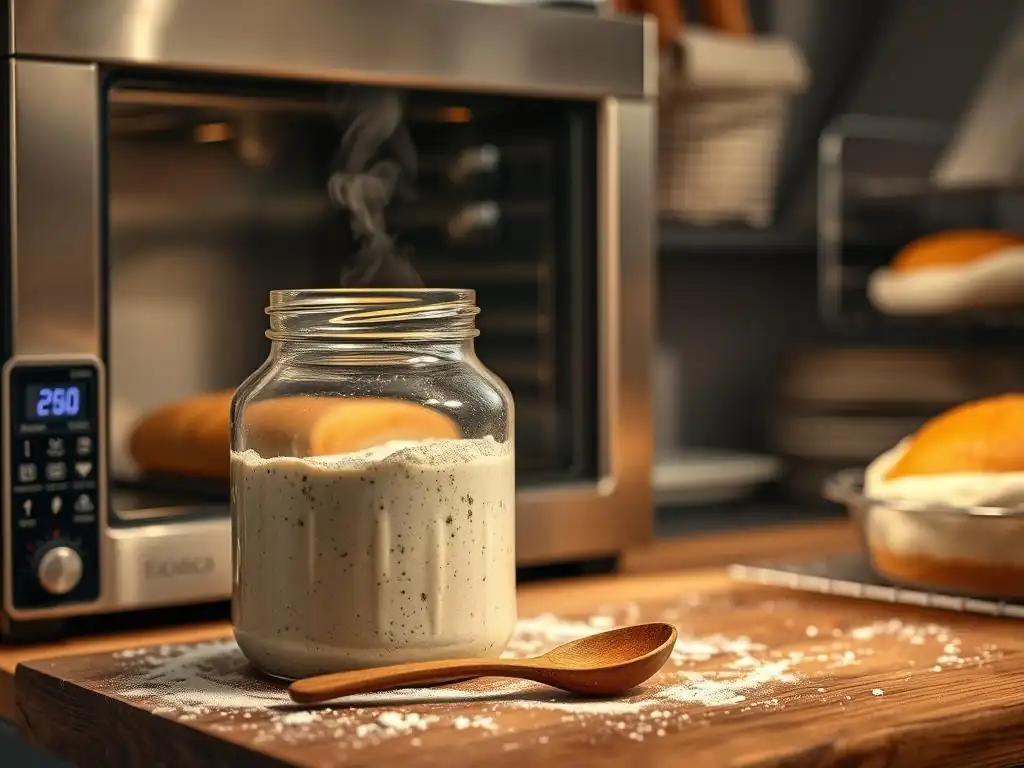
Maintaining a Healthy Starter: Combining Technique with the Right Oven
While the focus of this article is on ovens, it's impossible to discuss great sourdough without touching upon sourdough starter maintenance tips. A healthy, vigorous starter is the foundation of flavorful, well-risen bread. Regular feeding with a consistent ratio of flour and water, maintaining an appropriate temperature, and knowing when your starter is active enough for baking are fundamental.
How does your oven choice integrate with sourdough starter maintenance tips? Knowing your oven's capabilities allows you to time your bake perfectly with your starter's peak activity. If you know your oven takes 45 minutes to preheat fully to 500°F, you can schedule your final proofing so the dough is ready to bake the moment the oven reaches temperature.
Conversely, if your oven holds heat exceptionally well (like when using cast iron), you might adjust your proofing based on that consistent environment. A reliable oven means you can trust the baking environment and focus more on perfecting your starter and dough handling.
Troubleshooting Common Sourdough Issues: How Your Oven Can Help
Many common sourdough issues can be linked back to the oven environment, even if you've followed all the best sourdough starter maintenance tips. For example, a loaf that spreads wide but doesn't gain much height (poor oven spring) is often due to insufficient steam or the oven temperature dropping too much when the dough is loaded. Using a method that guarantees steam (like a Dutch oven or a steam oven) or ensuring your oven recovers temperature quickly can mitigate this.
- Issue: Thick, tough crust.
- Oven Solution: Often caused by not enough steam initially or baking too long at too high a temperature. Increase steam duration or lower final baking temperature slightly.
- Issue: Uneven browning or burning on one side.
- Oven Solution: Indicates hot spots. Rotating the loaf halfway through the bake can help, or consider an oven with better heat distribution (like convection or a dedicated bread oven).
- Issue: Dense areas in the crumb.
- Oven Solution: Could be underproofing or inconsistent oven temperature during the bake. A consistent oven ensures even cooking throughout the loaf.
Understanding your oven's quirks allows you to adjust your process, complementing your rigorous sourdough starter maintenance tips for better overall results.
Making the Right Choice: Selecting the Perfect Oven for Your Sourdough Journey
Considering Your Baking Style and Budget
Choosing the right oven or baking vessel depends heavily on your personal baking style, frequency, and budget.
- Beginner/Budget-Conscious: A standard home oven paired with a Lodge Cast Iron Dutch Oven is an excellent starting point. It's affordable and highly effective.
- Frequent Baker/Seeking Consistency: Investing in a high-quality countertop oven like the Breville or a specialized cast iron baker like the Challenger can provide more consistent results and convenience.
- Tech Enthusiast/Ultimate Control: The Anova Precision Oven offers unparalleled control over the baking environment, ideal for those who love experimenting and want professional-level features.
Consider how much space you have, how often you bake sourdough, and what other functions you might want from an oven. Don't feel pressured to buy the most expensive option; excellent sourdough is achievable with various setups.
Beyond the Oven: Essential Sourdough Baking Tools and Accessories
While the oven is crucial, a few other tools are essential for a successful sourdough journey, complementing your sourdough starter maintenance tips and baking setup:
- Digital Scale: For accurate measurement of ingredients, vital for consistency.
- Banneton Baskets: For proofing dough and giving it shape.
- Lame or Razor Blade: For scoring the dough before baking, allowing for controlled expansion.
- Bench Scraper: For handling and shaping the dough.
- Infrared Thermometer: To check the temperature of your baking stone or Dutch oven.
These tools, combined with a reliable oven and diligent sourdough starter maintenance tips, set you up for consistent success.
Maximizing Your Sourdough Baking: Tips and Tricks for Oven Mastery
Adjusting Baking Times and Temperatures for Different Doughs
Not all sourdough doughs are created equal. A high-hydration dough (e.g., 80% hydration) may require slightly different baking times or temperatures than a lower-hydration dough (e.g., 65% hydration). Higher hydration doughs often benefit from a longer initial steaming phase to allow maximum expansion before the crust sets.
Consider starting your oven at its maximum temperature (e.g., 500°F), loading the dough (in a steamy environment like a Dutch oven), and then immediately dropping the temperature to 450°F or 425°F after the first 15-20 minutes. This provides an initial burst of heat for oven spring while preventing the crust from burning during the remainder of the bake. Experiment with your specific oven and recipes, keeping detailed notes on times, temperatures, and results.
Utilizing Steam for Optimal Crust Development
As discussed, steam is critical for crust development and oven spring. If you're not using a Dutch oven or steam oven, you'll need to create steam manually.
Manual Steam Generation Methods:
*   Place a cast iron pan or oven-safe dish on the bottom rack of your oven while preheating.
*   Carefully pour about a cup of boiling water into the hot pan just before loading your dough.
*   Quickly close the oven door to trap the steam.
*   Remove the steam pan after 15-20 minutes of baking.
Be cautious when using manual steam methods, as they can sometimes be less effective or pose a burn risk. A Dutch oven remains one of the safest and most reliable ways for home bakers to achieve the necessary steam for that perfect sourdough crust. Mastering steam application, alongside diligent sourdough starter maintenance tips and dough handling, will dramatically improve your loaf quality.
Ultimately, the best oven for your sourdough journey is one that allows you to consistently create the high-temperature, steamy environment your dough needs to transform into a perfect loaf. Whether it's a simple Dutch oven or a high-tech steam oven, understanding its capabilities and how to use it effectively is key to mastering sourdough baking.
Frequently Asked Questions
What is sourdough starter maintenance and why is it important?
Sourdough starter maintenance refers to the regular feeding and care of your sourdough culture. This is crucial for keeping the culture active and healthy, allowing it to leaven bread effectively.
How often should I feed my sourdough starter?
The feeding frequency depends on whether the starter is stored at room temperature or in the refrigerator. At room temperature, feed it once or twice a day. If refrigerated, feed it once a week.
What is the ideal ratio of flour and water to feed my sourdough starter?
A common and effective ratio is 1:1:1, meaning equal parts starter, flour, and water by weight. This provides the culture with sufficient nutrients to thrive.
What are some signs that my sourdough starter is unhealthy or needs attention?
Signs include a lack of activity (not rising after feeding), unpleasant smells (like cheese or mold), or the presence of mold. These indicate the starter needs adjustments or revitalization.
Can I use different types of flour to feed my sourdough starter?
Yes, you can experiment with different flours, such as rye or whole wheat, to enhance the flavor of your sourdough. However, using unbleached all-purpose or bread flour is generally recommended for consistency.
Final Reflection: The Enduring Magic of Sourdough, One Loaf at a Time
The meticulous art of sourdough baking, far from being a niche hobby, reflects a growing global desire for connection to our food and a deeper appreciation for the natural world. The seemingly simple act of nurturing a starter mirrors a commitment to mindful living, a slow and deliberate process that yields extraordinary rewards. This commitment, however, requires understanding and consistent care, as highlighted throughout this article's exploration of oven technology and starter maintenance.
The journey of cultivating a sourdough starter, and the subsequent baking of a perfect loaf, is a deeply personal one. It's a testament to patience, observation, and the beautiful unpredictability of nature itself. The best bread is made with love, and that love is reflected in every crumb.
This quote, while simple, encapsulates the essence of the sourdough experience; it's not just about the perfect rise or the ideal crust, but the process of nurturing something alive and the satisfaction derived from creating something truly special with your own hands. The impact of this mindful approach extends beyond the kitchen, influencing our relationship with food and the environment.
Consider the implications of this mindful approach in your own life. What other areas could benefit from the same dedication, patience, and attention to detail that you dedicate to your sourdough starter? Perhaps it's a personal project, a relationship, or even a larger goal. Embrace the lessons learned from the world of sourdough – the importance of consistency, the beauty of imperfection, and the profound satisfaction of nurturing something from its humble beginnings to a magnificent culmination. Let the enduring magic of sourdough inspire you to cultivate mindful practices in all aspects of your life.
Unleash Your Inner Baker: Craft the Perfect Sourdough Loaf
Thanks for taking the time to explore the world of sourdough baking with us! We hope you gained valuable insights into creating that perfect, crusty loaf. Now it's time to put your newfound knowledge into practice.
Here's what you can do next:
- Bake your dream sourdough! Try out the techniques you learned today and see the magic happen. Don't be afraid to experiment – that's where the true joy of baking lies.
- Share your baking journey! Post a picture of your sourdough creation on social media and tag us – we'd love to see your results!
- Consider exploring different flours and techniques to further refine your skills. The possibilities are endless!
What unique ingredient will you try in your next sourdough masterpiece?