
Unlock the Secret to Perfect Pumpkin Puree for Baking

Welcome to BakeWithEase!
Are you ready to unlock the secret to a truly perfect pumpkin puree? Forget store-bought cans! Our guide unveils the simple steps to creating a vibrant, flavorful puree that will elevate all your autumn baking. From pies to breads, discover how this perfect pumpkin puree baking recipe transforms ordinary recipes into extraordinary delights. Curious to know the secret ingredient? Let's get baking!
- Unlock the Secret to Perfect Pumpkin Puree for Baking: A BakeWithEase Guide
- BakeWithEase: Mastering Pumpkin Puree for Fall Baking
- Why Homemade Pumpkin Puree Makes a Difference in Your Baking
- Choosing the Right Pumpkin for Your Pumpkin Puree Baking Recipe
- Step-by-Step Guide: Making Perfect Pumpkin Puree for Baking
- Perfect Pumpkin Puree Baking Recipe: Key Tips & Tricks
- Troubleshooting Common Pumpkin Puree Baking Problems
- Beyond Pie: Creative Ways to Use Your Perfect Pumpkin Puree
- Elevate Your Fall Baking with the Best Pumpkin Puree
- Frequently Asked Questions
- Final Reflection: The Enduring Allure of the Perfect Pumpkin Puree
- Unleash Your Inner Pumpkin Pie Pro!
Unlock the Secret to Perfect Pumpkin Puree for Baking: A BakeWithEase Guide
BakeWithEase: Mastering Pumpkin Puree for Fall Baking
Fall baking brings cozy flavors, and at the heart of many beloved autumn treats is luscious pumpkin puree. While store-bought cans are convenient, mastering homemade pumpkin puree elevates your baked goods to a new level. This guide from BakeWithEase will walk you through selecting the best pumpkin, preparing it, and achieving the ideal consistency for all your perfect pumpkin puree baking recipes, from pies and breads to cookies and muffins. Creating your own puree is a rewarding process that ensures fresh, vibrant flavor in every bite.
Diving into the world of homemade pumpkin puree is simpler than you might think. It offers unparalleled control over the ingredients and texture, which are crucial for successful baking outcomes. Whether you're a seasoned baker or just starting your journey, understanding the nuances of making your own puree will significantly improve the quality of your fall desserts and savories. Get ready to transform simple ingredients into the foundational element of your most memorable seasonal bakes.
Why Homemade Pumpkin Puree Makes a Difference in Your Baking
Using homemade pumpkin puree provides distinct advantages that contribute significantly to the quality and flavor of your baked goods. Unlike many commercial options, crafting your own allows you to control every step, ensuring a pure, intensely flavored ingredient. This control is paramount when aiming for the perfect pumpkin puree for your baking recipe. The difference is often noticeable in the depth of flavor and the final texture of your finished product.
The effort invested in making your own puree pays dividends in the form of superior results. From achieving the right moisture level to capturing the true essence of pumpkin, the homemade route offers a level of customization and quality that canned versions simply cannot match. It's about building a strong foundation for your baking, ensuring that the star ingredient shines through authentically in your favorite fall treats.
The Superior Flavor of Fresh Pumpkin Puree
Homemade pumpkin puree boasts a depth of flavor that canned varieties often lack. Freshly roasted pumpkin develops complex, caramelized notes that are far richer and more nuanced than the sometimes flat or metallic taste found in processed purees. This intensity of flavor directly translates into more delicious and aromatic baked goods, making your perfect pumpkin puree baking recipe truly stand out.
Consider a classic pumpkin pie: using fresh puree brings out the natural sweetness and earthy undertones of the pumpkin, complementing the spices beautifully. This is because roasting concentrates the sugars and flavors in the squash. For instance, roasting a 3-pound sugar pumpkin can yield about 1.5 to 2 cups of intensely flavorful puree, providing a much more pronounced pumpkin taste compared to a standard 15-ounce can, which might contain a blend of squash varieties.
Avoiding Additives and Preservatives in Store-Bought Puree
One significant benefit of making your own pumpkin puree is the complete control over ingredients. Commercial purees, while often just pumpkin, can sometimes contain added salt, sugar, or preservatives to maintain color and shelf life. By making it yourself, you ensure your puree is 100% pure pumpkin, free from any unwanted additives.
This purity is essential for a truly perfect pumpkin puree baking recipe, as it allows you to control the sweetness and seasoning of your final product precisely. For example, if you're baking for someone with dietary restrictions or simply prefer fewer processed ingredients, homemade puree is the ideal choice. You know exactly what's going into your baked goods, from selecting the raw pumpkin to the final puree.
Controlling Texture and Consistency for Baking Success
The consistency of pumpkin puree is critical for baking. Too much moisture can result in soggy pies, dense breads, and runny batters. Homemade puree allows you to control the water content by draining excess liquid, ensuring your puree has the ideal thickness for various applications. This is a key factor in achieving the perfect pumpkin puree for any baking recipe.
For instance, a pumpkin bread recipe might require a slightly thicker puree than a pumpkin soup. By draining your homemade puree through cheesecloth, you can remove several tablespoons or even up to half a cup of excess liquid per batch, depending on the cooking method. This level of control is virtually impossible with canned puree, which has a fixed, often wetter consistency. Adjusting moisture is vital for consistent, successful baking results.
Choosing the Right Pumpkin for Your Pumpkin Puree Baking Recipe
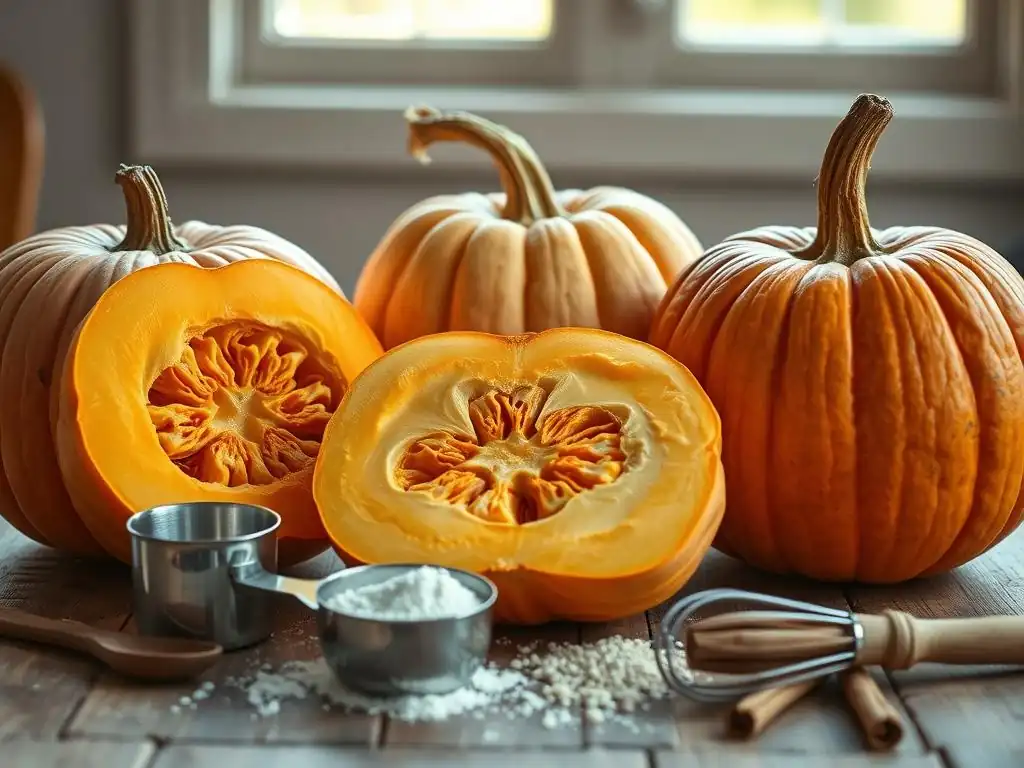
Selecting the correct type of pumpkin is the first and most crucial step in creating delicious homemade puree. Not all pumpkins are created equal when it comes to baking; those giant carving pumpkins you see around Halloween are typically too stringy and watery for cooking. Choosing the right variety ensures a naturally sweet and smooth base for your perfect pumpkin puree baking recipe.
Focusing on smaller, denser pumpkins specifically grown for culinary purposes will yield the best results. These types have sweeter flesh, less stringiness, and a better texture when cooked. Knowing where to look and what characteristics signal ripeness will set you up for success before you even start cooking.
Sugar Pumpkins vs. Other Varieties: What to Look For
For baking, "sugar pumpkins," "pie pumpkins," or "sweet pumpkins" are the go-to varieties. These are typically smaller (ranging from 4 to 8 pounds) and have dense, sweet flesh with less moisture than larger field pumpkins used for carving. Other excellent varieties for a perfect pumpkin puree baking recipe include Dickinson (often used in commercial canning), Long Island Cheese, and Jarrahdale, known for their smooth texture and rich flavor.
Avoid carving pumpkins like Jack O'Lanterns. While edible, their flesh is often bland, stringy, and watery, requiring significant draining and potentially yielding less flavorful puree. A good rule of thumb is to look for pumpkins labeled specifically for baking or cooking at your grocery store or market.
Identifying a Ripe and Flavorful Baking Pumpkin
A ripe baking pumpkin should feel heavy for its size, indicating dense flesh. Look for pumpkins with deep, consistent color (typically deep orange, but some varieties like Jarrahdale are grey-blue or tan like Long Island Cheese). The skin should be firm and hard, without soft spots, bruises, or blemishes.
Check the stem: it should be firm, dry, and intact, not green or withered. A fully ripe pumpkin will have a dull, hard rind. If you tap it gently, it should sound hollow. These indicators help ensure you are selecting a pumpkin that will yield sweet, flavorful puree for your perfect pumpkin puree baking recipe.
Where to Find the Best Pumpkins for Homemade Puree [Farmers Markets, Grocery Stores]
Farmers markets are an excellent source for high-quality baking pumpkins, especially during the fall season. Here, you can often find a wider variety of culinary pumpkins beyond just the standard sugar pumpkin, and you can speak directly with growers about the best options for your perfect pumpkin puree baking recipe. Many farms specialize in heirloom varieties perfect for cooking.
Grocery stores also carry baking pumpkins, usually labeled clearly as "sugar pumpkin" or "pie pumpkin." Look in the produce section alongside other winter squash. Specialty grocery stores might offer a broader selection of heirloom or less common varieties. Aim to buy your pumpkins when they are in peak season (typically September through November) for the best flavor and quality.
Step-by-Step Guide: Making Perfect Pumpkin Puree for Baking
Creating your own pumpkin puree is a straightforward process that involves cooking the pumpkin until tender, then processing it into a smooth consistency. The method you choose for cooking can slightly impact the flavor and texture of your final puree, influencing its suitability for your perfect pumpkin puree baking recipe. This step-by-step guide covers the essential techniques.
From preparing the raw pumpkin to achieving that desired silky smoothness and managing moisture, each stage plays a role in the quality of your homemade puree. Follow these steps closely to ensure your puree is ready to be the star ingredient in your next baking project.
Preparing Your Pumpkin: Washing, Cutting, and Seeding
Start by washing the exterior of your baking pumpkin thoroughly under cool water to remove any dirt or debris. Pat it dry. Use a large, sturdy chef's knife to cut the pumpkin in half from stem to base. Be cautious, as pumpkins can be hard to cut. If it's very tough, you can microwave it for a minute or two to soften the skin slightly, but be careful of steam.
Once halved, use a strong spoon or ice cream scoop to scrape out the seeds and fibrous strings from the cavity. You can save the seeds to roast later for a snack! At this point, depending on your chosen cooking method (roasting or steaming), you might leave the pumpkin halves intact or cut them into smaller pieces or wedges for easier handling and faster cooking.
Roasting vs. Steaming: The Best Methods for Pumpkin Puree
Roasting is often preferred for making perfect pumpkin puree for baking recipes because it caramelizes the natural sugars in the pumpkin, resulting in a richer, sweeter, and more intense flavor. It also tends to yield a slightly drier puree, which is advantageous for baking. Steaming, on the other hand, is quicker and results in a lighter, softer puree that is excellent for soups or other applications where less density is needed.
Roasting Pumpkin for Intense Flavor: A Detailed Guide
To roast, preheat your oven to around 375°F (190°C). Place the cleaned, deseeded pumpkin halves or wedges cut-side down on a baking sheet lined with parchment paper or a silicone mat. You can add a splash of water to the pan to create a steaming effect initially, which helps soften the flesh. Roast for 45 to 60 minutes, or until the flesh is fork-tender and easily pierced. Smaller pieces will cook faster.
The edges of the pumpkin might start to brown and caramelize, which adds depth to the flavor profile. Allow the pumpkin to cool slightly until it's comfortable to handle, then scoop the soft flesh away from the skin using a spoon. Discard the skin. The roasted flesh is now ready for processing into your perfect pumpkin puree for baking recipe base.
Steaming Pumpkin for a Smoother Texture: A Quick Method
To steam, cut the cleaned, deseeded pumpkin into smaller chunks or cubes (about 1-2 inches). Place the pumpkin pieces in a steamer basket over a pot of boiling water. Ensure the water level is below the basket. Cover the pot and steam for 15 to 25 minutes, or until the pumpkin is very tender when pierced with a fork.
Steaming is a faster method than roasting and produces a very moist, smooth texture, ideal if you plan to drain it extensively later. Once tender, remove the pumpkin from the steamer and let it cool slightly before proceeding to puree it. The steamed flesh will be softer and less caramelized than roasted pumpkin, yielding a lighter-colored puree.
Processing the Cooked Pumpkin: Achieving a Silky-Smooth Puree
Once the pumpkin is cooked and cooled slightly, the next step is to transform the soft flesh into a smooth, consistent puree. The tool you use will affect the final texture. Achieving a silky-smooth consistency is key for a perfect pumpkin puree baking recipe, ensuring no lumps interfere with your batter or dough.
Ensure all skin has been removed from the cooked pumpkin flesh before processing. Work in batches if necessary, depending on the amount of pumpkin and the size of your equipment.
Using a Food Processor for Quick and Easy Puree
A food processor is a highly efficient tool for making smooth pumpkin puree quickly. Place the cooked pumpkin flesh into the bowl of your food processor fitted with the S-blade. Process the pumpkin for several minutes, scraping down the sides as needed, until it becomes completely smooth and uniform.
Continue processing until there are no visible fibers or lumps. This usually takes 2-4 minutes of continuous processing. The result is a creamy, consistent puree, perfect for incorporating into your perfect pumpkin puree baking recipe batters and fillings without textural inconsistencies.
Employing a Food Mill for Exceptionally Smooth Pumpkin Puree
For an exceptionally smooth puree, especially if your pumpkin was slightly stringy, a food mill is an excellent choice. A food mill pushes the cooked pumpkin through a sieve-like disc, separating the smooth flesh from any remaining fibers or small lumps. This method is particularly good for creating a velvety texture.
Place the cooked pumpkin flesh into the hopper of the food mill. Turn the crank to process the pumpkin, allowing the smooth puree to collect in the bowl below. You may need to run the pulp through the mill twice to ensure maximum smoothness. This manual method guarantees a wonderfully consistent and lump-free puree, contributing significantly to the perfect pumpkin puree for your baking recipe.
Draining Excess Moisture: Preventing Soggy Baked Goods
This step is absolutely critical for creating a perfect pumpkin puree for baking. Cooked pumpkin, especially if steamed or if the pumpkin variety is naturally high in water, can hold a significant amount of moisture. Using overly wet puree in baking will throw off the liquid balance in your recipe, leading to dense cakes, cracked pies, or soggy breads. Draining removes this excess water, concentrating the flavor and ensuring the correct consistency.
Even roasted pumpkin may need draining. Don't skip this step if you want consistently good results. The amount of liquid to be drained can vary widely, potentially yielding anywhere from a few tablespoons to over half a cup of water per batch of puree.
The Cheesecloth Method: A Simple Way to Drain Pumpkin Puree
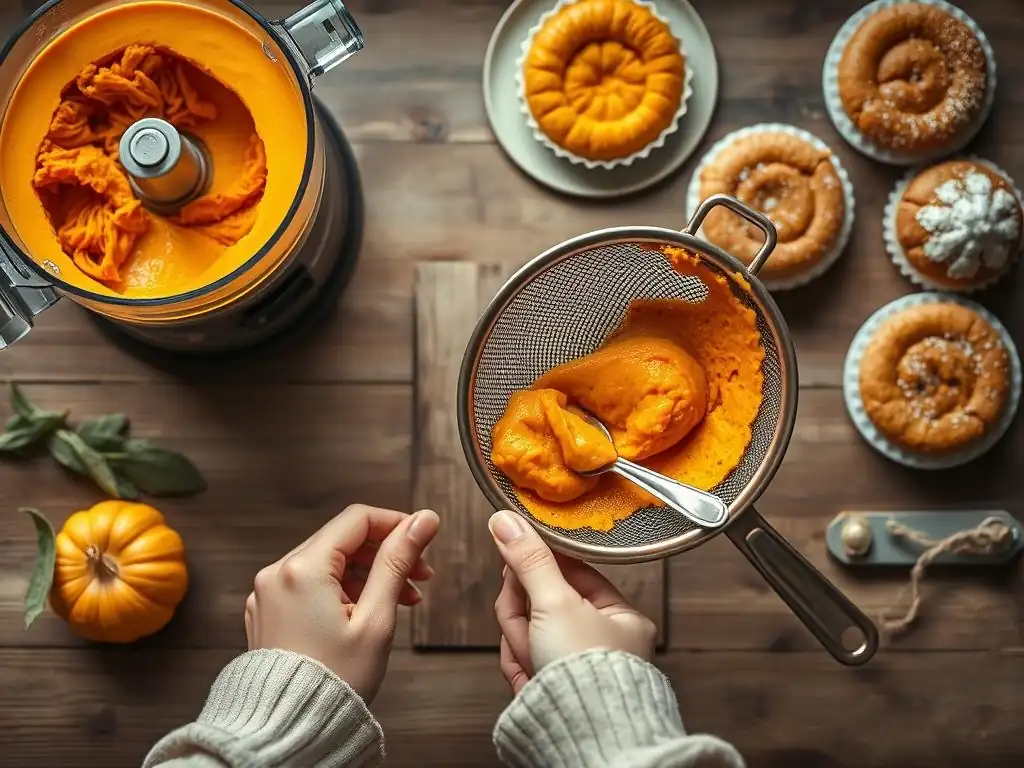
One of the most effective and simple ways to drain pumpkin puree is using cheesecloth. Line a fine-mesh sieve set over a bowl with several layers of cheesecloth. Pour the processed pumpkin puree into the cheesecloth-lined sieve. Gather the edges of the cheesecloth and gently squeeze to press out some of the liquid immediately.
For best results, let the puree sit in the cheesecloth-lined sieve for at least 1-2 hours, or even longer in the refrigerator. The excess liquid will drip into the bowl below. You can gently press the top occasionally to encourage more draining. This method is excellent for achieving a drier puree, essential for a perfect pumpkin puree baking recipe like pumpkin pie filling.
Overnight Draining: A Hands-Off Approach
For maximum moisture removal with minimal effort, try the overnight draining method. Prepare the cheesecloth-lined sieve as described above, setting it over a deep bowl. Cover the setup with plastic wrap to prevent the puree from drying out or absorbing odors, and place it in the refrigerator overnight (8-12 hours).
Over this longer period, gravity will pull a significant amount of water out of the puree, leaving you with a much thicker, more concentrated product in the morning. This 'set it and forget it' method is ideal when you have time and want the absolute best, driest puree possible for your perfect pumpkin puree baking recipe, particularly for moisture-sensitive items like cheesecakes or dense loaves.
Perfect Pumpkin Puree Baking Recipe: Key Tips & Tricks
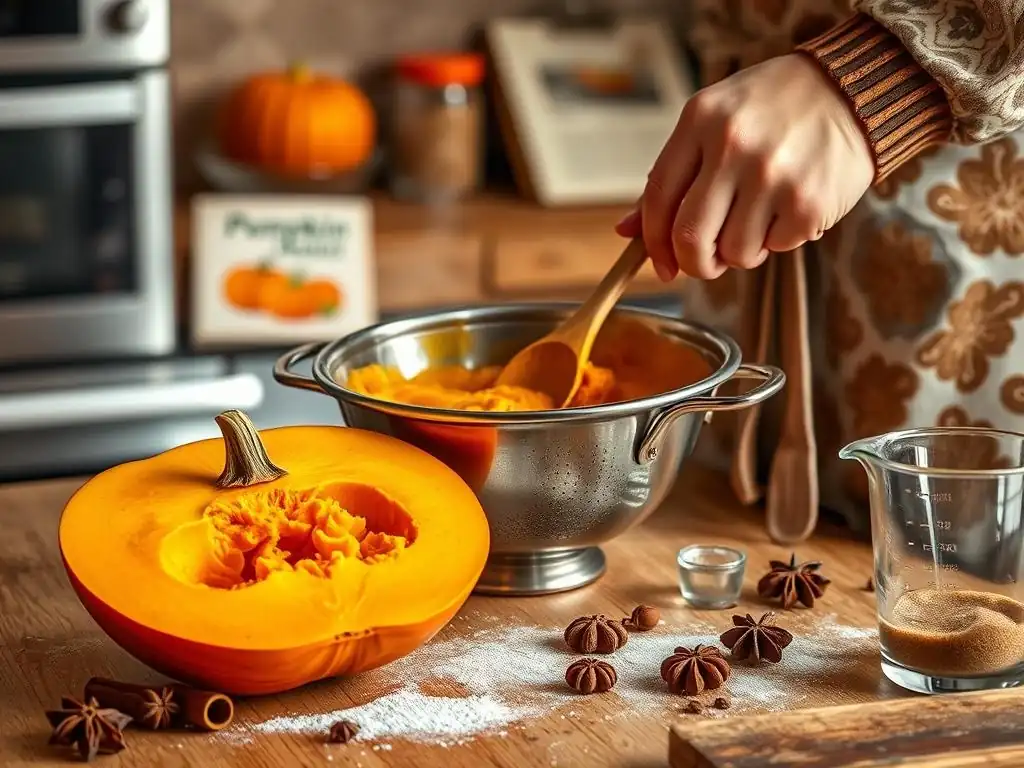
Beyond the basic steps of making the puree, several key tips and tricks can help you achieve consistently excellent results when using it in your baking. Understanding how to handle, measure, and store your homemade perfect pumpkin puree for baking will ensure your efforts in making it pay off in your finished goods.
These insights cover everything from getting the texture just right for different applications to keeping your puree fresh for future baking endeavors. Mastering these small details makes a big difference in achieving baking success with your homemade ingredient.
Achieving the Ideal Consistency for Different Baking Applications
The desired consistency of your pumpkin puree varies depending on what you're baking. For pies and cheesecakes, a very thick, well-drained puree is essential to prevent a soggy bottom or runny filling. For softer baked goods like muffins or quick breads, a slightly less dense, but still drained, puree works well.
If your puree is too thick after draining, you can stir in a tablespoon or two of water or milk to reach the desired consistency for your specific perfect pumpkin puree baking recipe. Conversely, if it seems too wet even after draining, you can gently heat it in a saucepan over low heat, stirring constantly, to evaporate some excess moisture. Aim for a texture similar to thick applesauce for most recipes, but drier for pies.
Measuring Pumpkin Puree Accurately for Consistent Results
Accurate measurement is crucial in baking, and using homemade puree requires a bit of attention. Because homemade puree can vary in consistency and density compared to commercial canned versions, it's best to measure by weight using a kitchen scale rather than volume (cups) whenever possible. This ensures you're adding the precise amount of pumpkin solids the recipe intends.
If measuring by volume, pack the puree into the measuring cup firmly and level off the top, just as you would with flour or sugar. Using a consistent method each time you measure your perfect pumpkin puree for baking recipes will help ensure repeatable results and predictable outcomes in your bakes.
Storing Your Homemade Pumpkin Puree: Freshness and Longevity
Proper storage is key to enjoying your homemade pumpkin puree beyond the day you make it. Storing it correctly maintains its freshness, flavor, and quality, making it readily available for all your upcoming perfect pumpkin puree baking recipe projects throughout the season.
Whether you plan to use it within a few days or several months, there are effective methods to keep your puree in prime condition.
Refrigerating Pumpkin Puree: Best Practices and Shelf Life
Freshly made pumpkin puree can be stored in the refrigerator for a short period. Place the cooled puree in airtight containers or zip-top bags. Label the containers with the date. Stored correctly, homemade pumpkin puree will typically last for 3 to 4 days in the refrigerator.
For optimal freshness and to prevent spoilage, ensure the containers are sealed tightly. Keep the puree towards the back of the fridge where the temperature is most consistent. Before using refrigerated puree in your perfect pumpkin puree baking recipe, give it a stir, as some separation might occur.
Freezing Pumpkin Puree: Extending Its Usability for Future Bakes
Freezing is the best way to preserve homemade pumpkin puree for longer-term storage. Divide the cooled puree into portions suitable for your typical baking needs (e.g., 1-cup or 2-cup amounts). Place these portions in freezer-safe bags or containers, pressing out as much air as possible to prevent freezer burn.
Lay freezer bags flat to freeze, which makes stacking easier. Frozen pumpkin puree can last for 6 to 12 months while maintaining good quality. Thaw frozen puree in the refrigerator overnight before using it in your perfect pumpkin puree baking recipe. Be aware that thawed puree might be slightly more watery and may require a quick drain before use.
Troubleshooting Common Pumpkin Puree Baking Problems
Even with careful preparation, sometimes issues arise when working with homemade pumpkin puree. Knowing how to identify and fix common problems like watery consistency or bland flavor can save your baking project and ensure your efforts result in a perfect pumpkin puree baking recipe outcome.
Addressing these challenges proactively means you can adapt your puree or recipe as needed, preventing disappointment in your final baked goods. Don't despair if things aren't quite perfect initially; there's usually a fix!
Watery Pumpkin Puree: Solutions for Adjusting Consistency
The most common issue with homemade pumpkin puree is excess moisture. If your puree is too watery even after initial draining, there are a couple of ways to fix it. The simplest is to drain it further using the cheesecloth method described earlier, letting it sit longer.
Alternatively, you can gently heat the puree in a non-stick pan over low to medium heat, stirring constantly. As it heats, steam will rise, indicating moisture is evaporating. Cook and stir until the puree thickens to your desired consistency. This stovetop method is effective for quickly reducing moisture and achieving the perfect pumpkin puree texture for baking.
Bland Pumpkin Puree: Enhancing Flavor with Spices and Extracts
If your chosen pumpkin variety wasn't as flavorful as hoped, or if the roasting didn't achieve enough caramelization, your puree might taste bland. You can enhance its flavor before adding it to your perfect pumpkin puree baking recipe. Stir in warming spices like cinnamon, nutmeg, ginger, and cloves. A pinch of salt can also help bring out the natural sweetness.
Consider adding a splash of vanilla extract or a touch of maple syrup (use sparingly to avoid adding too much liquid or sweetness) to boost the flavor profile. Taste and adjust gradually until the puree has a pleasant, warm, and slightly sweet taste that will complement your baking recipe.
Overcooked Pumpkin Puree: Salvaging Burnt or Mushy Pumpkin
If your pumpkin accidentally overcooked or developed slightly burnt spots during roasting, you might still be able to salvage some of the puree. Carefully scoop out the perfectly cooked, unburnt sections of the flesh, avoiding any dark or crispy parts, as these will impart a bitter, burnt flavor to your puree.
If the pumpkin is simply mushy but not burnt, it might just need extra draining to remove excess water. Process the salvageable parts as usual and then drain extensively using the overnight method to remove as much moisture as possible. While not ideal, this can help you rescue enough puree for a small batch of your perfect pumpkin puree baking recipe rather than starting over.
Beyond Pie: Creative Ways to Use Your Perfect Pumpkin Puree
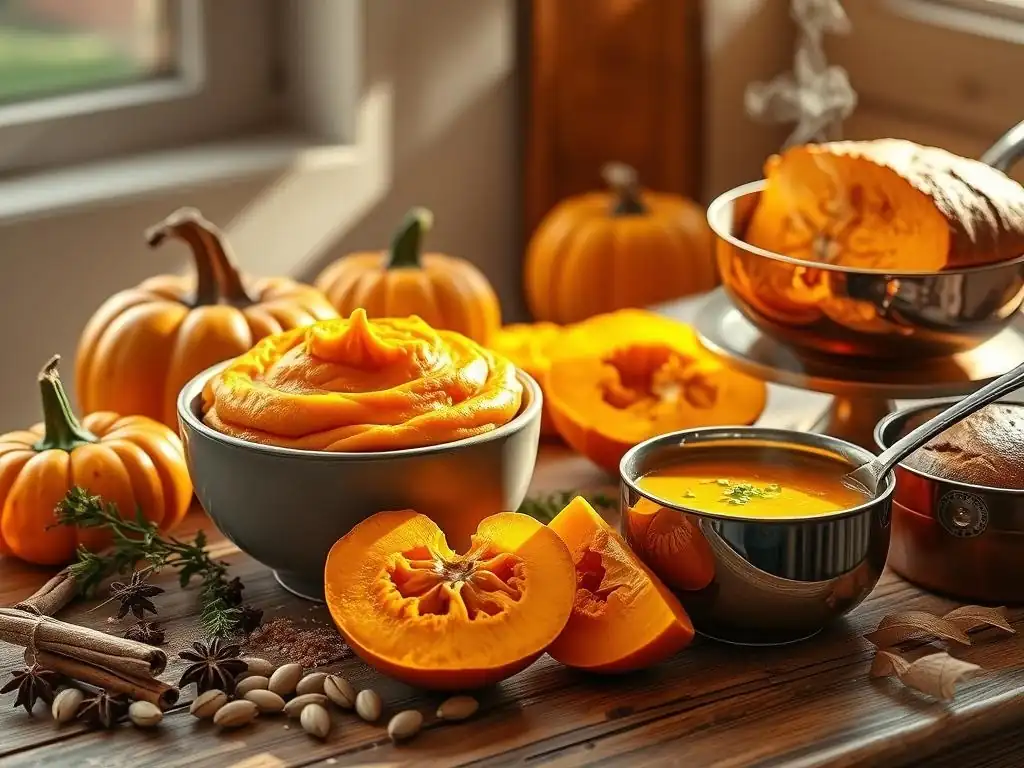
While pumpkin pie is a beloved classic, your homemade perfect pumpkin puree for baking is incredibly versatile and can be used in a wide array of autumnal treats. Exploring different ways to incorporate this flavorful ingredient opens up a world of cozy, seasonal baking possibilities beyond the traditional.
From breakfast staples to afternoon snacks and celebratory desserts, homemade pumpkin puree adds moisture, flavor, and a beautiful orange hue to countless recipes. Get creative and discover new favorites!
Pumpkin Bread and Muffins: Classic Fall Baking Recipes
Pumpkin bread and muffins are quintessential fall baked goods that benefit immensely from homemade puree. The moisture and flavor of your perfect pumpkin puree help create incredibly tender and fragrant loaves and muffins. These recipes are often forgiving and a great way to use up a batch of puree.
A typical pumpkin bread recipe might call for 1 to 1.5 cups of pumpkin puree. The natural sweetness and warmth of the puree pair beautifully with classic spices like cinnamon, nutmeg, and cloves, often combined with ingredients like nuts, chocolate chips, or cranberries.
Pumpkin puree can add a soft, chewy texture and warm flavor to cookies and bars. While adding too much can make cookies spread excessively, using the right amount of well-drained puree results in delightfully moist and flavorful treats. These are perfect for lunchboxes, parties, or simply enjoying with a cup of coffee.
Recipes for pumpkin cookies or bars often use around half a cup to a full cup of perfect pumpkin puree, combined with spices and other mix-ins. Think soft pumpkin chocolate chip cookies, spiced pumpkin bars with cream cheese frosting, or even pumpkin blondies.
Pumpkin Pancakes and Waffles: A Delicious Breakfast Option
Start your fall mornings right by incorporating your homemade pumpkin puree into pancakes or waffle batter. It adds a subtle pumpkin flavor, lovely color, and extra moisture, resulting in fluffy pancakes or crispy-on-the-outside, soft-on-the-inside waffles.
Adding about 1/4 to 1/2 cup of perfect pumpkin puree per batch of pancake or waffle batter (enough for 4-6 servings) infuses them with autumnal goodness. Serve with maple syrup, whipped cream, and a sprinkle of cinnamon for a truly decadent fall breakfast experience.
Elevate Your Fall Baking with the Best Pumpkin Puree
Having mastered the art of making your own perfect pumpkin puree for baking, you're now equipped to take your fall treats to the next level. The journey doesn't end with a basic puree; you can further refine and customize it to suit specific recipes and personal preferences.
Experimenting with different pumpkin types and spice combinations allows you to create truly unique and memorable baked goods that showcase the best of the season. Share your creations and the secret ingredient – your incredible homemade pumpkin puree!
Exploring Different Pumpkin Varieties for Unique Flavor Profiles [Jarrahdale, Long Island Cheese]
Beyond the common sugar pumpkin, seeking out heirloom varieties can introduce exciting new flavor dimensions to your perfect pumpkin puree baking recipe. The Jarrahdale pumpkin, with its striking grey-blue rind, yields a dense, sweet flesh with hints of fruitiness, perfect for pies. The Long Island Cheese pumpkin, an old American heirloom shaped like a wheel of cheese, offers a creamy, sweet flesh that's less stringy and ideal for smooth purees.
Experimenting with these and other culinary squash varieties like Butternut or Kabocha (which can also be used to make "pumpkin" puree, as many canned purees are actually squash blends) allows you to discover subtle differences in sweetness, texture, and color, tailoring your puree precisely to the desired outcome of your bake.
Experimenting with Spices to Complement Your Pumpkin Puree [Pumpkin Pie Spice, Chai Spice]
While the flavor of homemade puree is superior, adding spices enhances its warmth and complexity. You can mix spices directly into the puree after draining, before using it in a recipe, for a pre-spiced perfect pumpkin puree. Classic pumpkin pie spice blends (typically cinnamon, ginger, nutmeg, and cloves) are a natural fit.
For a twist, try a chai spice blend (adding cardamom, black pepper, and star anise) for a more complex, aromatic puree. Start with small amounts (e.g., 1/2 teaspoon per cup of puree) and taste, adding more as desired. Pre-spicing ensures the flavors meld beautifully before baking.
Once you've baked delightful treats using your perfect pumpkin puree baking recipe, share them! Presentation matters – a dusting of powdered sugar, a dollop of whipped cream, a sprinkle of toasted nuts, or a drizzle of glaze can make your pumpkin creations even more appealing.
Whether it's a moist pumpkin loaf for a neighbor, spiced pumpkin muffins for a potluck, or a classic pie for a holiday gathering, homemade pumpkin puree adds a touch of love and superior flavor that people will notice. Enjoy the process of baking and the joy of sharing your delicious, homemade pumpkin treats.
Frequently Asked Questions
What is the best type of pumpkin to use for making pumpkin puree for baking?
The best pumpkins for puree are sugar pumpkins or pie pumpkins. These varieties have a sweeter flavor and less stringy texture than carving pumpkins, resulting in a superior puree.
Can I use canned pumpkin puree instead of making my own?
Yes, you can! Just be sure to use 100% pure pumpkin puree, not pumpkin pie filling. The pie filling has added sugars and spices that will alter your baking results.
How do I know when the pumpkin is done baking for puree?
The pumpkin is done when a fork easily pierces the flesh. It should be very soft and yielding. Avoid overbaking as this can lead to a dry puree.
What's the best way to puree the cooked pumpkin?
You can use a food processor, blender, or even a potato masher. The goal is to achieve a smooth and consistent texture. Make sure to remove any tough skin or seeds first.
How long does homemade pumpkin puree last?
Homemade pumpkin puree will last for about 3-5 days in the refrigerator in an airtight container. It can also be frozen for up to 3 months for longer storage.
Final Reflection: The Enduring Allure of the Perfect Pumpkin Puree
The quest for the perfect pumpkin puree transcends mere culinary pursuit; it's a journey into the heart of autumnal baking, a pursuit of flavor and texture that elevates the simplest pie to a masterpiece. This article explored the nuances of creating that perfect puree – from selecting the right pumpkins to mastering the cooking and straining techniques – and its impact on the final baked good is undeniable. The subtle differences in sweetness, consistency, and overall flavor profile, as we've seen, dramatically affect the outcome.
The enduring appeal of pumpkin in baking speaks to a deeper cultural connection, a nostalgic yearning for cozy autumn evenings and the comforting warmth of familiar flavors. Autumn is a second spring when every leaf is a flower.
This quote, while not directly about pumpkin, perfectly captures the essence of the season and the emotional resonance we associate with pumpkin-based treats. The simple act of making your own puree, as opposed to relying on store-bought versions, connects us more deeply to this tradition, allowing for greater control and a deeper appreciation of the ingredients.
Now, consider your own baking journey. Will you embrace the challenge of crafting your own perfect pumpkin puree? The rewards extend beyond a superior pie or muffin; it's about the process, the connection to the ingredients, and the satisfaction of creating something truly special from scratch. Take the time, savor the experience, and unlock the secret to your perfect pumpkin puree – a secret that will enrich your baking for years to come.
Unleash Your Inner Pumpkin Pie Pro!
Thanks for taking the time to learn about crafting the perfect pumpkin puree! We hope you gained valuable insights that will elevate your baking game. Now it's time to put that knowledge into action.
- Whip up a batch of your amazing new puree: Follow our recipe (or your own, inspired by what you've learned!) and enjoy the delicious results. This is your chance to create something truly special.
- Share your puree creations: Show off your baking prowess on social media using #BakeWithEasePumpkin. Let's inspire each other!
- Explore other seasonal recipes: Dive deeper into our BakeWithEase archives for more fall-inspired baking delights.
What unexpected flavor will you add to your perfect pumpkin puree this year? Let us know in the comments!